
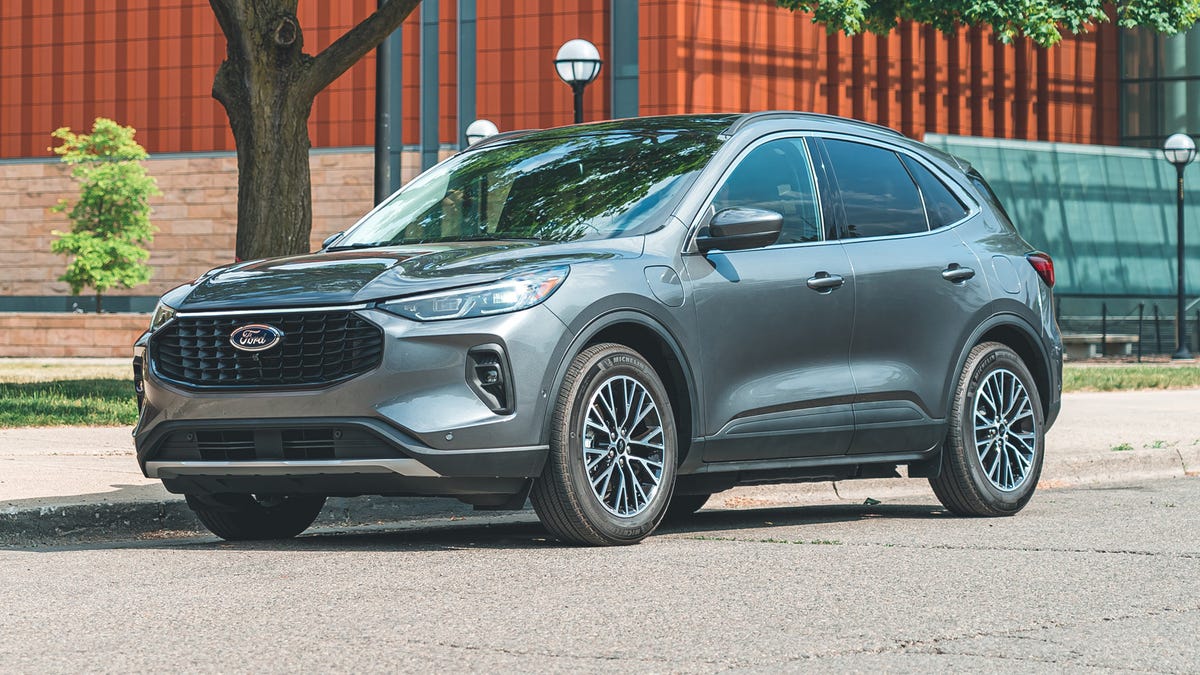
The Ford Escape has remained one of the most recognizable compact SUVs in North America for more than two decades. Since its debut for the 2001 model year, it has appealed to a wide range of buyers by offering practical dimensions, comfortable seating, competitive fuel economy, and a variety of powertrain options.
Through four generations, the Escape has evolved from a rugged, boxy crossover into a modern SUV equipped with advanced safety technology, turbocharged engines, hybrid systems, and improved interior comfort. Despite its popularity, not every Ford Escape has delivered the same ownership experience.
Some model years have built an excellent reputation for reliability and durability, while others have become known for engine problems, transmission failures, electrical faults, or cooling system issues that can significantly increase maintenance costs.
This difference between model years makes research essential before purchasing a used Escape. Choosing the right production year can mean enjoying years of dependable transportation with predictable maintenance expenses, while selecting a weaker model may lead to costly repairs that outweigh the vehicle’s lower purchase price.
Mileage alone is not enough to determine whether a used Escape is a smart investment. The engineering changes, production refinements, and reliability improvements introduced throughout its lifespan play an equally important role.
The first section of this guide focuses on the five Ford Escape model years that have consistently demonstrated dependable performance. These vehicles earned strong reputations through reliable engines, durable transmissions, refined driving characteristics, and fewer owner complaints.
Many continue to deliver excellent value on the used market because they combine practicality with relatively low operating costs.
The second half highlights five model years that deserve additional caution. That does not mean every escape from these years will become problematic, but they have accumulated enough recurring mechanical concerns and owner complaints to justify a thorough inspection before purchase.
Understanding these weaknesses allows buyers to make informed decisions, negotiate better prices, or choose a more dependable alternative.
Whether you need a compact SUV for commuting, family travel, or weekend adventures, selecting the right Ford Escape model year is one of the most important factors in achieving a satisfying ownership experience. Knowing which years stand out for reliability and which ones require extra attention can save both money and frustration over the long term.
Also Read: 5 Best Honda Accord Years vs 5 to Avoid
5 Best Ford Escape Years
1. 2022 Ford Escape
By the 2022 model year, Ford had significantly refined the fourth-generation Escape, turning it into one of the strongest choices in the compact SUV segment.
Rather than introducing major mechanical changes, Ford focused on improving software calibration, powertrain refinement, and interior quality based on feedback from earlier production years. The result is a well-rounded SUV that balances efficiency, comfort, and reliability.
One reason the 2022 Escape stands out is the variety of dependable powertrains available. Buyers can choose the efficient 1.5-liter EcoBoost engine, the more powerful 2.0-liter EcoBoost, or the highly regarded hybrid and plug-in hybrid systems.
The hybrid models, in particular, have earned praise for delivering excellent fuel economy while maintaining smooth and dependable performance.
Inside the cabin, the Escape offers generous passenger space, supportive seating, and a practical cargo area that suits families and commuters alike.
The SYNC infotainment system responds quickly and supports Apple CarPlay and Android Auto, while available features such as a digital instrument cluster and large touchscreen give the interior a modern appearance.
Safety is another strong point. Ford Co-Pilot360 includes technologies such as Blind Spot Information System, Lane Keeping Assist, Automatic Emergency Braking, and Rear Cross Traffic Alert, making daily driving more confident and less stressful.
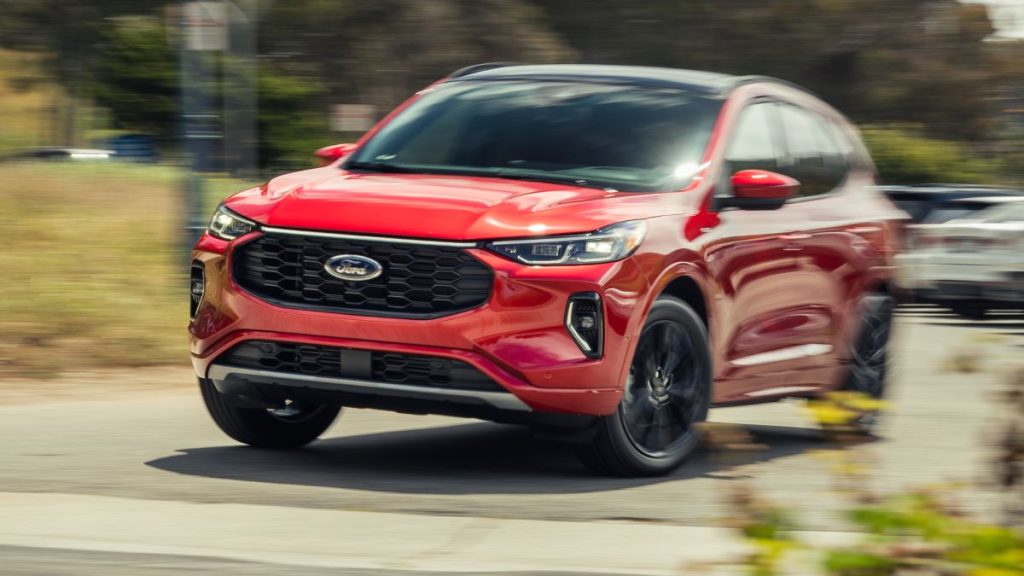
The 2022 Ford Escape earns its place among the best model years because it combines mature engineering, modern technology, comfortable ride quality, and encouraging long-term reliability. Buyers seeking an efficient compact SUV with reasonable ownership costs will find this model particularly appealing.
Specifications
- Engine: 1.5-liter Turbocharged EcoBoost Inline-3 (Base)
- Torque: 190 lb-ft
- Horsepower: 181 hp
- Length/Width: 180.5 in / 74.1 in
2. 2021 Ford Escape
The 2021 Ford Escape shows how steady refinement can turn a newly redesigned model into a dependable long-term option. Following the launch of the fourth generation in 2020, Ford resolved several early issues while improving powertrain performance, software functionality, and build quality throughout the vehicle.
These improvements helped make the 2021 model one of the most balanced Escapes available in the used market.
Performance remains one of its strongest qualities. The standard 1.5-liter EcoBoost engine provides responsive acceleration for everyday driving, while the available 2.0-liter EcoBoost offers noticeably stronger highway performance.
Buyers prioritizing fuel economy can also choose the hybrid model, which delivers impressive efficiency without sacrificing practicality.
Ride comfort is another area where the 2021 Escape performs well. The suspension absorbs rough roads effectively, while steering remains light enough for city driving without feeling disconnected on the highway. This combination makes the Escape comfortable during both daily commutes and longer road trips.
Technology also contributes to its appeal. The SYNC 3 infotainment system is user-friendly, smartphone connectivity works reliably, and numerous driver assistance features are available across multiple trim levels. Cabin storage is thoughtfully designed, and rear passengers benefit from sliding seats that increase cargo flexibility.
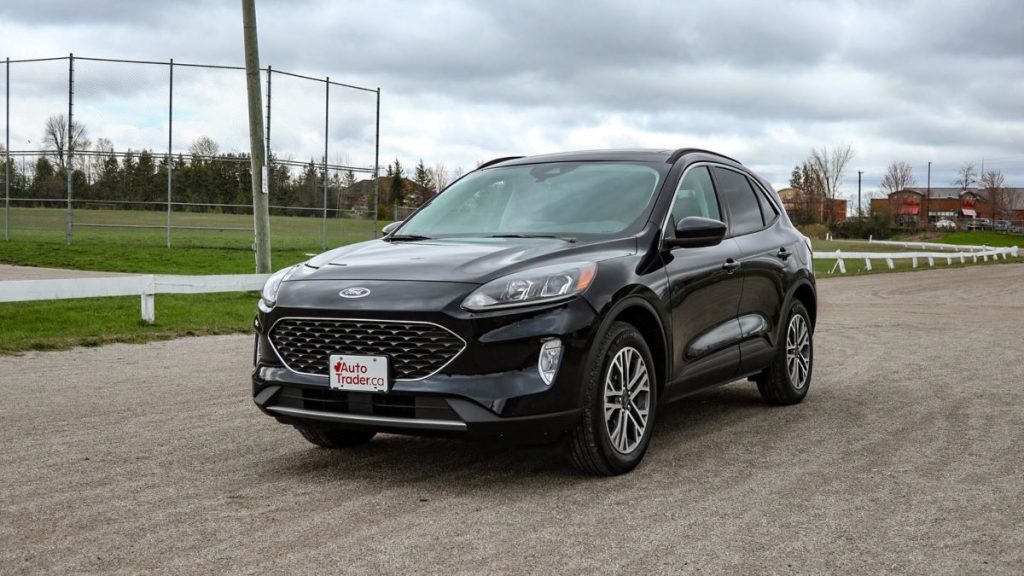
The 2021 Escape deserves recognition because it successfully blends practicality with dependable engineering. Buyers receive a compact SUV that offers modern safety features, efficient powertrains, comfortable accommodations, and a strong reliability record compared with several earlier Ford Escape model years.
Specifications
- Engine: 1.5-liter Turbocharged EcoBoost Inline-3 (Base)
- Torque: 190 lb-ft
- Horsepower: 181 hp
- Length/Width: 180.5 in / 74.1 in
3. 2019 Ford Escape
The 2019 Ford Escape represents the final and most refined model year of the third generation. By this stage, Ford had several years to improve manufacturing quality, update software, and address many of the concerns reported on earlier versions.
For used SUV shoppers, the 2019 model offers the advantage of mature engineering without the uncertainty that often accompanies an all-new redesign.
One of the reasons this Escape continues to receive positive reviews is its broad range of powertrain options. The standard 2.5-liter naturally aspirated engine is appreciated for its straightforward design and dependable operation.
Buyers wanting stronger acceleration can choose the 1.5-liter or 2.0-liter EcoBoost engines, with the latter delivering confident highway performance and good towing capability for a compact SUV.
The driving experience remains one of its strongest attributes. Steering feels responsive, the suspension strikes a comfortable balance between handling and ride quality, and the Escape remains easy to maneuver through crowded urban streets. Visibility is also excellent, giving drivers greater confidence while parking or navigating traffic.
The interior may not be the most modern in its class, but it is practical and durable. Controls are easy to understand, passenger space is generous for a compact SUV, and the cargo area accommodates groceries, luggage, and outdoor equipment without difficulty.
Available driver assistance technologies such as the Blind Spot Information System and Adaptive Cruise Control further increase its appeal.
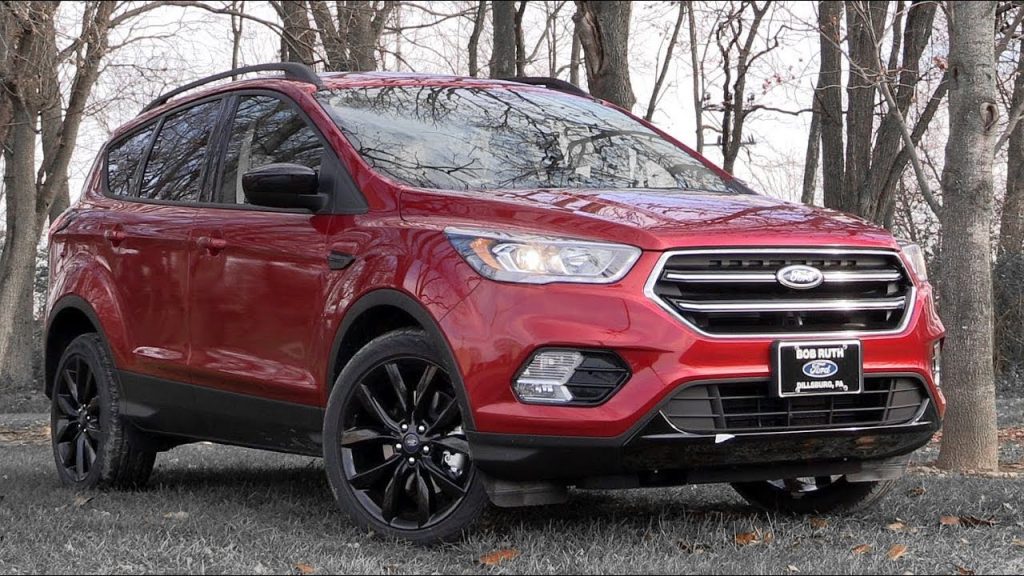
The 2019 Ford Escape deserves a place among the best years because it benefits from years of refinement, dependable mechanical performance, and reasonable ownership costs. Buyers looking for a practical used SUV often find that it offers an excellent combination of reliability, comfort, and value.
Specifications
- Engine: 2.5-liter Naturally Aspirated Inline-4 (Base)
- Torque: 170 lb-ft
- Horsepower: 168 hp
- Length/Width: 178.1 in / 72.4 in
4. 2012 Ford Escape
Sometimes the strongest used vehicles are those that conclude a successful generation, and the 2012 Ford Escape fits that description perfectly.
As the final production year before a complete redesign, it benefited from years of engineering improvements that enhanced durability and reduced many of the problems found in earlier models. Even today, it remains a popular choice among buyers looking for an affordable and dependable compact SUV.
A major advantage of the 2012 Escape is its reliable engine lineup. The standard 2.5-liter Duratec four-cylinder has earned a reputation for long service life when maintained properly, while the available 3.0-liter V6 provides noticeably stronger acceleration without sacrificing durability.
Both engines use conventional designs that are familiar to independent repair shops, helping keep maintenance costs manageable.
Unlike many newer crossovers, the 2012 Escape retains a more upright driving position that offers excellent outward visibility. Drivers appreciate the straightforward dashboard layout, large windows, and predictable handling characteristics. The suspension comfortably absorbs rough pavement while maintaining stability during highway travel.
Another reason this model remains desirable is its mechanical simplicity. With fewer complex electronic systems than many modern SUVs, repairs can often be completed more affordably. Replacement parts are also widely available, making long-term ownership less expensive than with some competitors.
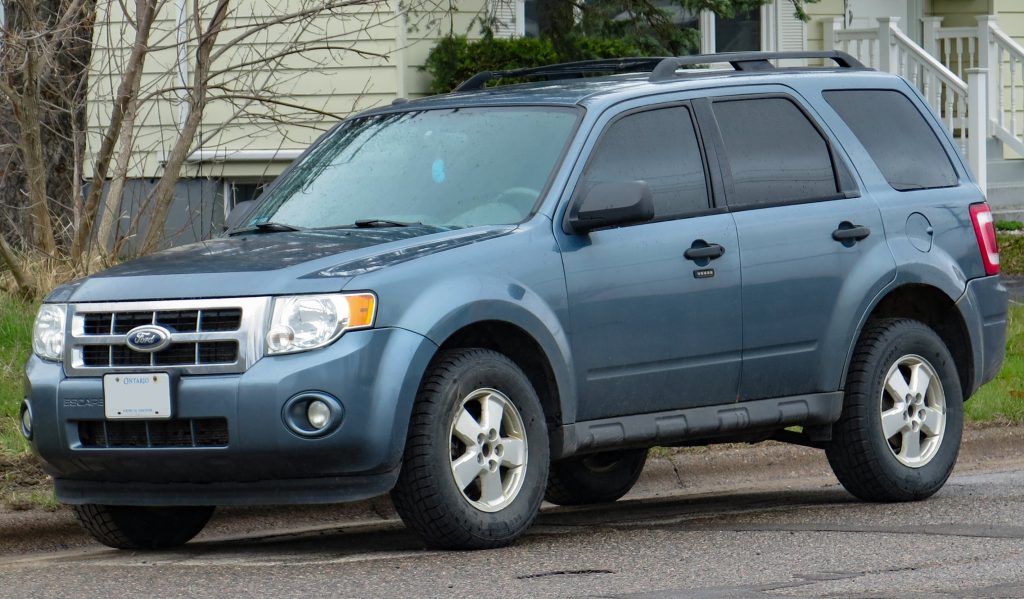
The 2012 Ford Escape earns recognition because it combines proven engineering, dependable powertrains, practical interior space, and affordable maintenance into a compact SUV that continues to deliver reliable transportation years after production ended.
Specifications
- Engine: 2.5-liter Duratec Naturally Aspirated Inline-4
- Torque: 171 lb-ft
- Horsepower: 171 hp
- Length/Width: 174.7 in / 71.1 in
5. 2023 Ford Escape
The 2023 Ford Escape demonstrates how a mid-cycle refresh can improve an already capable compact SUV. Ford introduced updated exterior styling, a redesigned front fascia, improved technology, and refinements to the powertrain lineup without altering the Escape’s core strengths.
As a result, this model has quickly established itself as one of the strongest choices for buyers seeking a modern used crossover.
A key advantage of the 2023 Escape is its expanded range of efficient powertrains. The standard 1.5-liter EcoBoost engine provides responsive performance for everyday commuting, while the available 2.0-liter EcoBoost offers significantly stronger acceleration for drivers who frequently travel on highways.
The hybrid and plug-in hybrid models continue to receive praise for excellent fuel economy and smooth operation, making them attractive options for buyers looking to reduce fuel costs.
The updated cabin also contributes to the model’s appeal. Ford introduced a larger available 13.2-inch touchscreen with the latest SYNC 4 infotainment system, providing faster response times and improved connectivity.
Wireless Apple CarPlay and Android Auto further simplify daily use, while the redesigned center console increases storage practicality.
Ford Co-Pilot360 remains another important strength. Standard safety features such as Pre-Collision Assist with Automatic Emergency Braking, Blind Spot Information System, Lane Centering, and Rear Cross Traffic Alert help make everyday driving safer and less stressful.
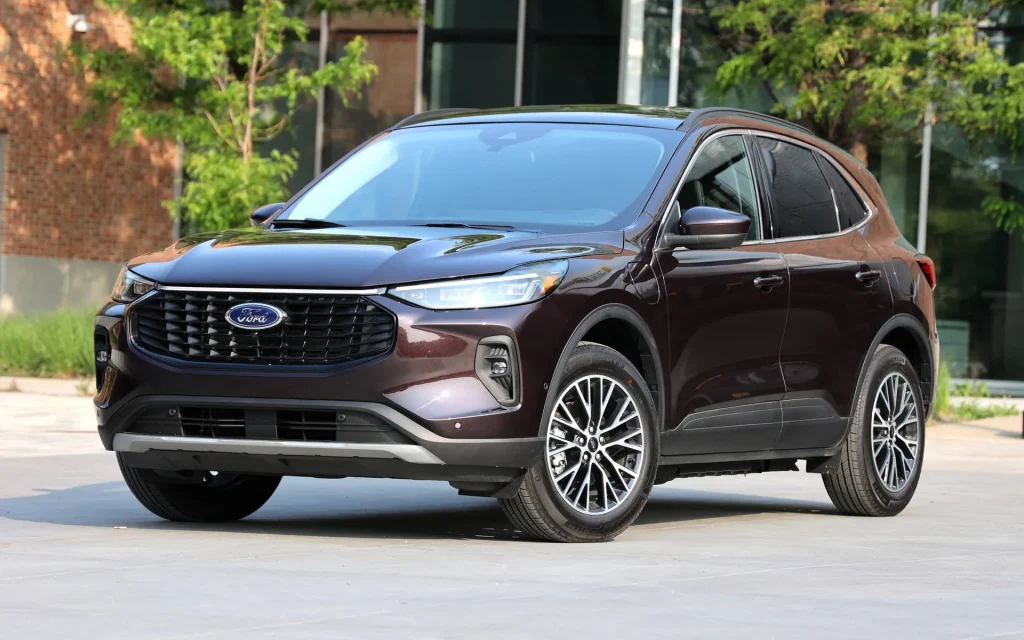
The 2023 Escape deserves recognition because it combines modern technology, refined driving dynamics, efficient engines, and encouraging reliability into a compact SUV that meets the needs of commuters, families, and long-distance travelers alike. It represents one of the most complete Ford Escape model years currently available.
Specifications
- Engine: 1.5-liter Turbocharged EcoBoost Inline-3 (Base)
- Torque: 199 lb-ft
- Horsepower: 180 hp
- Length/Width: 180.1 in / 74.1 in
5 Ford Escape Years to Avoid
1. 2013 Ford Escape
The 2013 Ford Escape marked the beginning of the third generation, introducing a completely redesigned platform, turbocharged EcoBoost engines, and a more modern appearance.
While the transformation made the Escape much more competitive, the first production year also experienced a number of well-documented reliability concerns that affected owner confidence.
The most serious issues involved the 1.6-liter EcoBoost engine. Some vehicles developed coolant leaks that could lead to overheating, and in certain situations, engine compartment fires became a concern.
Ford issued multiple recalls and service campaigns to address these defects, making it essential for buyers to verify that all recall work has been completed before considering a used example.
Transmission performance also generated complaints. Some owners experienced hesitation, rough shifting, delayed acceleration, and occasional transmission warning messages. Although software updates corrected many cases, others required more extensive repairs.
Electrical problems added to the model year’s reputation. Reports included faulty sensors, intermittent warning lights, malfunctioning infotainment systems, and issues with door latches that resulted in additional recalls. While many vehicles were repaired under warranty, these concerns contributed to increased ownership costs and inconvenience.
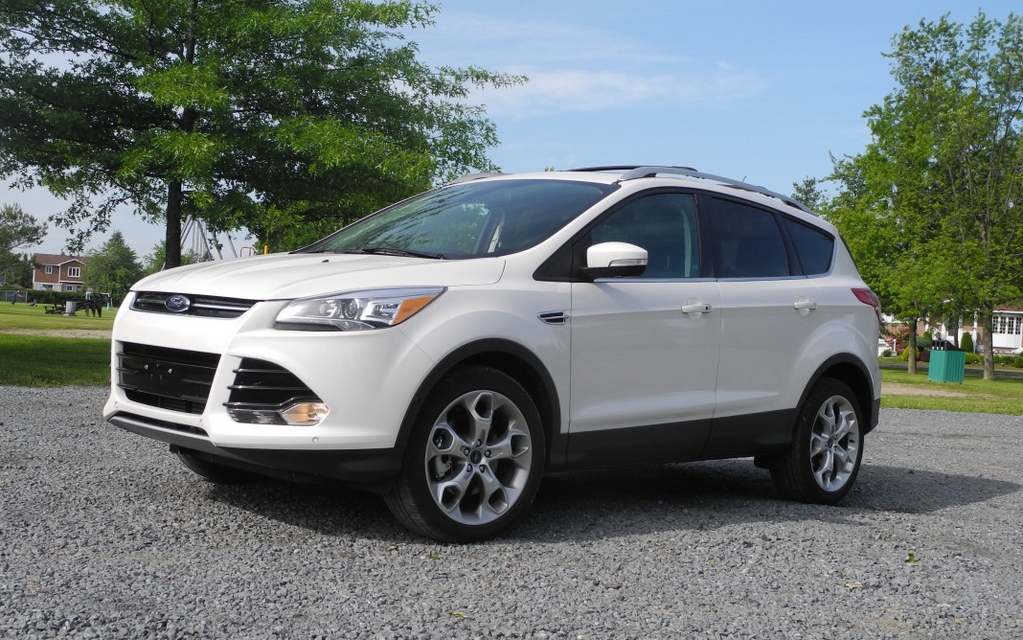
Despite offering good fuel economy and modern styling, the 2013 Escape appears on this list because it combined the risks of a first-year redesign with multiple widespread recalls and recurring mechanical issues.
Buyers interested in this generation are generally better served by choosing a later production year that benefited from Ford’s engineering improvements.
Specifications
- Engine: 2.5-liter Naturally Aspirated Inline-4 (Base)
- Torque: 170 lb-ft
- Horsepower: 168 hp
- Length/Width: 178.1 in / 72.4 in
2. 2014 Ford Escape
At first glance, the 2014 Ford Escape appears to be a safer purchase than the 2013 model because Ford had additional time to resolve early production concerns. While several improvements were introduced, this model year continued to experience enough recurring issues that buyers should approach it with caution.
Many of the complaints carried over from the previous year, particularly those involving the EcoBoost engines and electrical systems.
The 1.6-liter EcoBoost engine remained the biggest source of concern. Although Ford implemented recall repairs and updated components, some owners still reported coolant leaks, overheating, and engine performance issues. A complete service history showing recall completion is essential before purchasing this model.
Transmission behavior also remained inconsistent on certain vehicles. Drivers described hesitation during acceleration, delayed gear engagement, and rough shifting, especially in stop-and-go traffic. Software updates corrected some problems, but higher-mileage examples should still be carefully evaluated during a test drive.
Electrical faults continued to appear as the Escape aged. Complaints included malfunctioning backup cameras, intermittent warning lights, faulty door latches, and infotainment glitches. While many of these issues were repairable, they increased ownership costs and reduced long-term satisfaction.
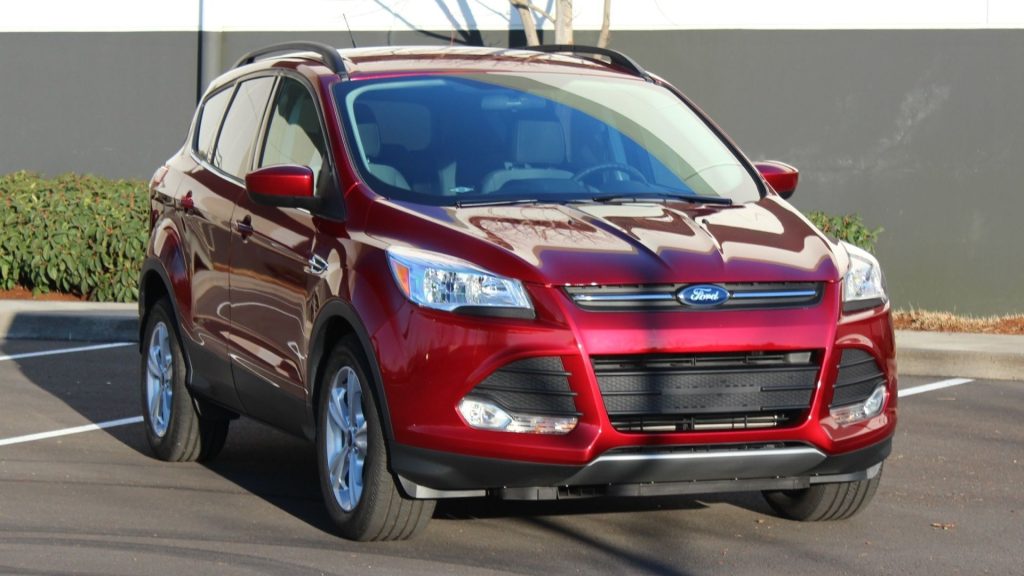
The 2014 Escape still offers comfortable seating, responsive handling, and respectable fuel economy, but later production years demonstrate noticeably stronger reliability. Buyers comparing multiple third-generation Escapes will often find better long-term value in the 2017 through 2019 models.
Specifications
- Engine: 2.5-liter Naturally Aspirated Inline-4 (Base)
- Torque: 170 lb-ft
- Horsepower: 168 hp
- Length/Width: 178.1 in / 72.4 in
3. 2008 Ford Escape
The 2008 Ford Escape introduced the second generation with updated styling, revised powertrains, and an improved interior.
Although the redesign brought meaningful improvements, the first model year also developed several reliability concerns that prevent it from being one of the strongest choices in today’s used SUV market.
One of the most commonly reported problems involves the electric power steering system. Owners experienced a sudden loss of steering assist, warning lights, and increased steering effort at lower speeds. Ford later recalled many affected vehicles, but buyers should confirm that all recall work has been completed before purchasing.
Transmission concerns also appeared on higher-mileage examples. Some owners reported slipping gears, delayed shifting, or harsh gear changes, particularly when routine transmission maintenance had been neglected. A detailed maintenance history is especially valuable when evaluating this model year.
Rust is another factor that deserves attention, particularly in regions where road salt is commonly used during winter. Rear wheel arches, suspension mounting points, and underbody components should be inspected thoroughly because corrosion can become expensive to repair.

The 2008 Escape still offers a practical cabin, comfortable ride, and good visibility, but newer second-generation models benefited from additional engineering improvements that enhanced reliability. For buyers wanting an older Escape, spending slightly more on a later production year is often a better long-term investment.
Specifications
- Engine: 2.3-liter Naturally Aspirated Inline-4 (Base)
- Torque: 152 lb-ft
- Horsepower: 153 hp
- Length/Width: 174.7 in / 71.2 in
4. 2005 Ford Escape
The 2005 Ford Escape belongs to the first generation, a period when the compact SUV was establishing itself as one of Ford’s most popular models.
Although many examples have remained on the road for years, this particular model year developed several recurring mechanical and electrical issues that make it less desirable than later first-generation Escapes. Because these vehicles are now two decades old, age-related wear further increases the likelihood of repairs.
One of the most frequently reported concerns involves the automatic transmission. Some owners experienced delayed shifting, slipping gears, or complete transmission failure after accumulating higher mileage.
While regular fluid changes helped extend transmission life, neglected examples often required expensive rebuilds or replacements.
Another issue involves ignition coil failures. Faulty coils could cause engine misfires, rough idling, reduced fuel economy, and an illuminated check engine light. Fortunately, replacing ignition coils is generally straightforward, but repeated failures became a common ownership complaint.
Rust is another important factor to inspect. Vehicles driven in regions with harsh winters often developed corrosion around the rear wheel wells, rocker panels, suspension mounting points, and underbody components. Excessive rust can affect structural integrity and increase repair costs significantly.
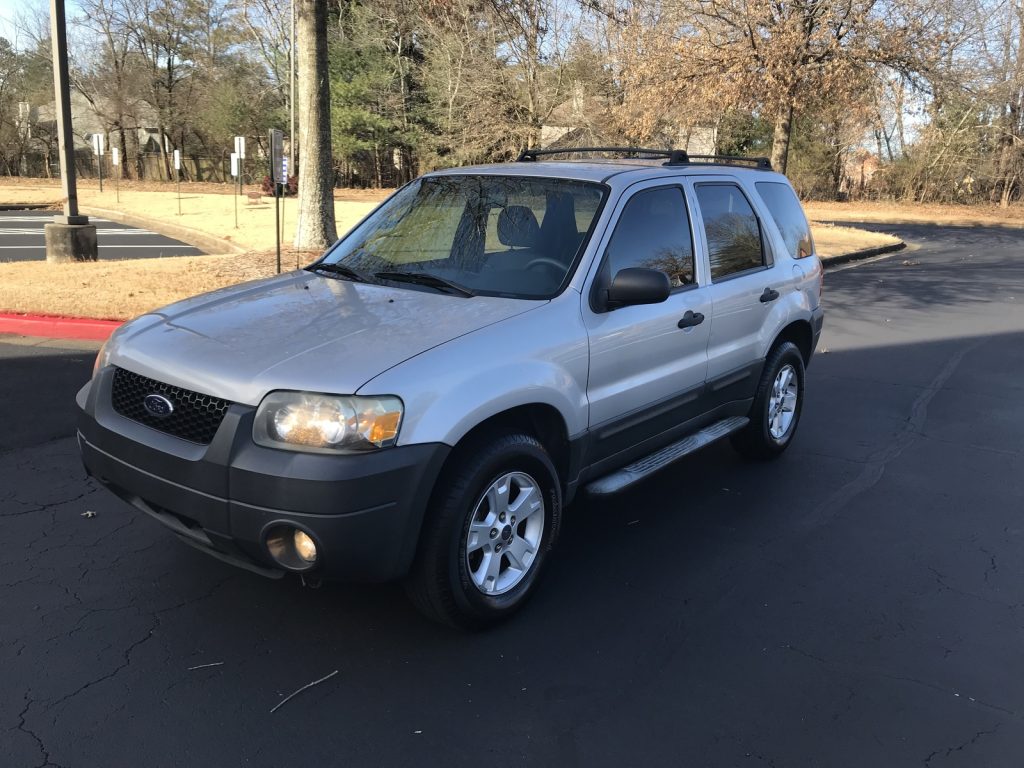
The 2005 Escape still offers practical cargo space and simple mechanical construction, but buyers should prioritize examples with comprehensive maintenance records.
Compared with later model years that received engineering updates, this version requires more careful inspection before purchase, making it one of the Ford Escape years worth approaching cautiously.
Specifications
- Engine: 2.3-liter Naturally Aspirated Inline-4 (Base)
- Torque: 152 lb-ft
- Horsepower: 153 hp
- Length/Width: 174.9 in / 70.1 in
5. 2020 Ford Escape
The 2020 Ford Escape introduced the fourth generation with completely new styling, updated technology, hybrid powertrains, and a lighter platform.
While these changes modernized the SUV, the first production year also experienced several early issues that affected owner confidence. As with many first-year redesigns, some problems were resolved in later model years through software updates and manufacturing refinements.
One area of concern involved electronic systems. Owners reported infotainment glitches, intermittent warning lights, malfunctioning sensors, and occasional software-related problems affecting driver assistance features.
Most of these issues were corrected through dealer updates, but repeated visits reduced convenience for some owners.
The eight-speed automatic transmission also generated mixed feedback during the first years of ownership. Some drivers experienced hesitation during acceleration, rough shifting, or inconsistent gear selection.
Although many vehicles operated normally after software recalibration, prospective buyers should verify that all technical service updates have been completed.
Certain early production vehicles were also subject to recalls involving seat structures, safety equipment, and powertrain components. Confirming recall completion is essential before purchasing any used 2020 Escape.
Despite these concerns, the 2020 Escape offers a comfortable cabin, impressive fuel economy, and modern safety technology.
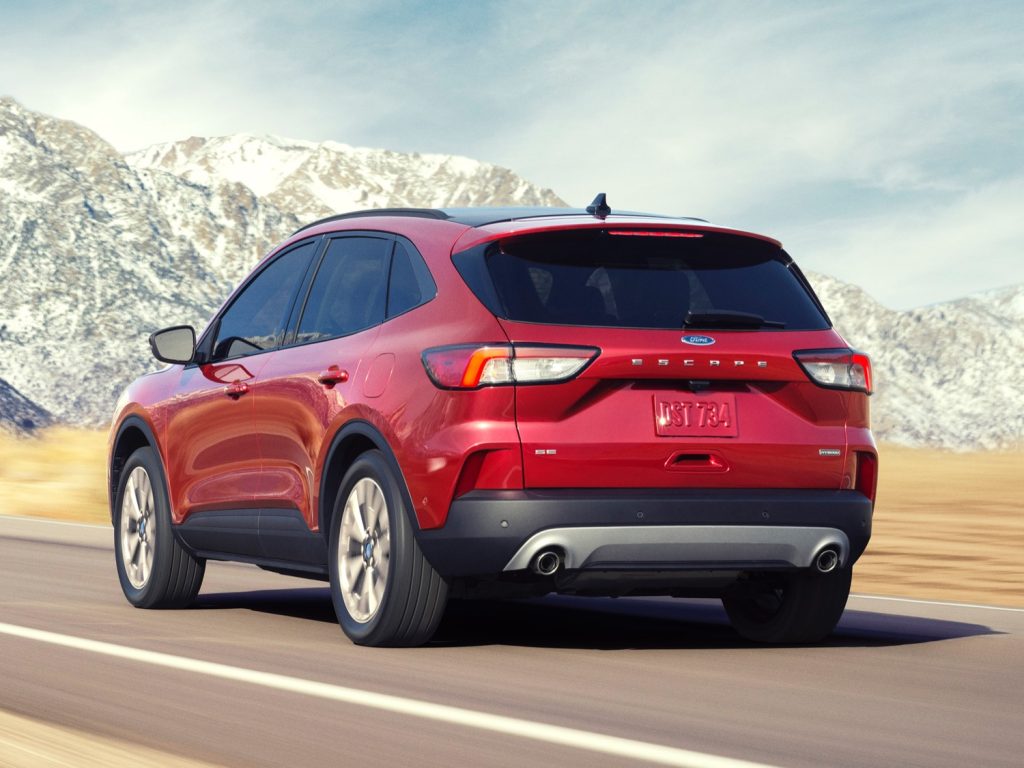
The reason it appears on this list is that later versions, particularly the 2021, 2022, and 2023 models, benefited from additional engineering improvements and demonstrated stronger long-term reliability.
Buyers seeking the fourth-generation Escape will usually enjoy greater peace of mind by selecting one of those later production years.
Specifications
- Engine: 1.5-liter Turbocharged EcoBoost Inline-3 (Base)
- Torque: 190 lb-ft
- Horsepower: 181 hp
- Length/Width: 180.5 in / 74.1 in
Also Read: 5 Best Honda HR-V Years vs 5 to Avoid
