
The automotive industry often discontinues vehicles because of declining sales, outdated technology, or changing consumer preferences. Occasionally, however, manufacturers make the surprising decision to retire a sedan that is still selling exceptionally well.
These decisions are rarely based on the vehicle itself. Instead, they are often driven by broader corporate strategies, government regulations, production realignment, or the industry’s shift toward SUVs and crossovers.
As a result, several successful sedans have disappeared from dealership showrooms while demand remained strong, leaving many buyers and enthusiasts questioning why they were discontinued.
In the United States, the past two decades have seen numerous automakers reduce or eliminate sedan lineups despite healthy sales figures.
Some models were victims of brand closures, while others made way for newer products or changing manufacturing priorities. In several cases, dealerships continued selling remaining inventory rapidly even after production officially ended, highlighting the popularity these cars still enjoyed.
This article looks at eight sedans that were discontinued while still performing strongly in the marketplace. Every vehicle included here is backed by documented U.S. sales history, manufacturer announcements, and verified production records.
Rather than focusing on cars that faded away because buyers lost interest, this list highlights models whose discontinuation surprised the industry because they continued attracting customers right up to the end of production.
Also Read: 8 Trucks That Hold Their Value Past 15 Years
1. Chevrolet Impala (2020)
The Chevrolet Impala had been one of America’s most recognizable full-size sedans for decades when General Motors announced that production would end in 2020.
The decision surprised many industry observers because the Impala continued attracting a loyal customer base, particularly among rental fleets, government agencies, and private buyers seeking a spacious, comfortable sedan.
Although sales had declined from their peak as the market shifted toward SUVs, the Impala remained one of Chevrolet’s stronger-performing passenger cars until the final model year.
General Motors ended production primarily because the Detroit-Hamtramck Assembly plant was retooled for future electric vehicle production. The decision reflected GM’s long-term investment strategy rather than significant shortcomings in the Impala itself.
Dealers continued moving remaining inventory after production ceased, demonstrating that demand had not disappeared overnight.
The tenth-generation Impala offered features that appealed to traditional sedan buyers. A roomy cabin, generous trunk capacity, smooth ride quality, and available V6 power made it a compelling alternative to many crossovers. Reviewers also praised its quiet interior and highway comfort, qualities that helped maintain its reputation throughout its final years.
Another reason the Impala retained buyers was its value. Compared with similarly sized import sedans, it often provided more standard equipment for the price. Fleet operators appreciated its dependable mechanical components and relatively low operating costs, while retail customers valued its practicality.
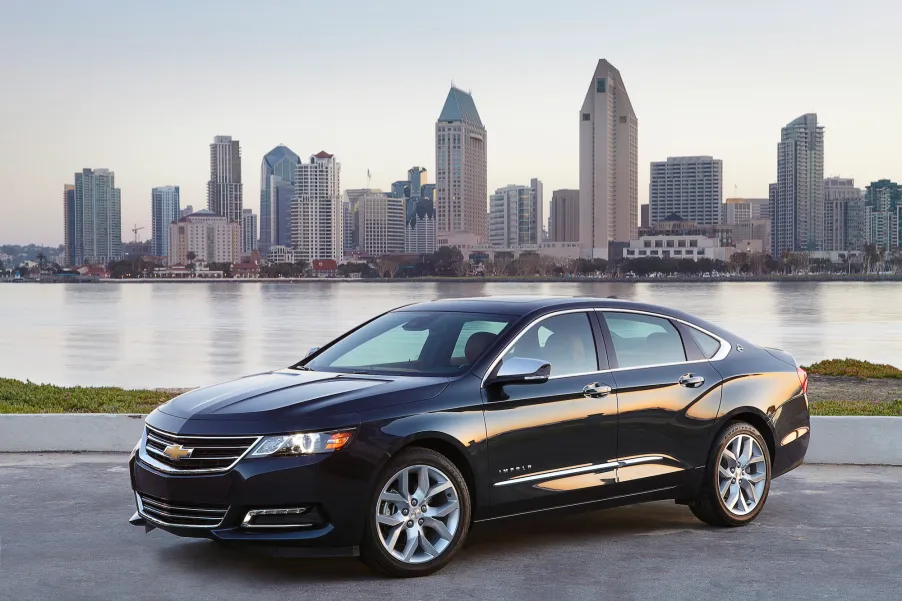
Although SUVs now dominate Chevrolet’s lineup, many consumers still view the final Impala as a sedan that deserved a longer production run. Its discontinuation marked the end of a historic nameplate that remained relevant even as the American market rapidly evolved.
Specifications
- Engine: 3.6-liter naturally aspirated V6
- Torque: 264 lb ft
- Horsepower: 305 hp
- Length/Width: 201.3 inches / 73.0 inches
2. Ford Fusion (2020)
When Ford announced it would discontinue every traditional passenger car except the Mustang, the Fusion became one of the highest-profile casualties. The midsize sedan had consistently ranked among the company’s best-selling passenger vehicles in the United States and continued posting solid sales even during its final years.
Rather than being discontinued because buyers rejected it, the Fusion became part of Ford’s broader strategy to concentrate on trucks, SUVs, and commercial vehicles.
Introduced for the 2006 model year and completely redesigned in 2013, the Fusion earned praise for its attractive styling, composed handling, and wide range of available powertrains.
Buyers could choose an efficient gasoline engine, a hybrid, or a plug-in hybrid, allowing the sedan to appeal to a broad audience. The availability of all-wheel drive on certain trims further strengthened its position in regions with challenging weather.
Ford’s decision was largely financial. Company leadership determined that profit margins on trucks and utility vehicles significantly exceeded those of midsize sedans. Even though the Fusion remained one of America’s better-selling family cars, production ended in 2020 as Ford redirected manufacturing resources toward higher-margin products.
The Fusion also built a strong reputation for safety, earning high crash-test ratings during multiple model years. Combined with competitive pricing and comfortable road manners, it continued attracting loyal customers until production concluded.
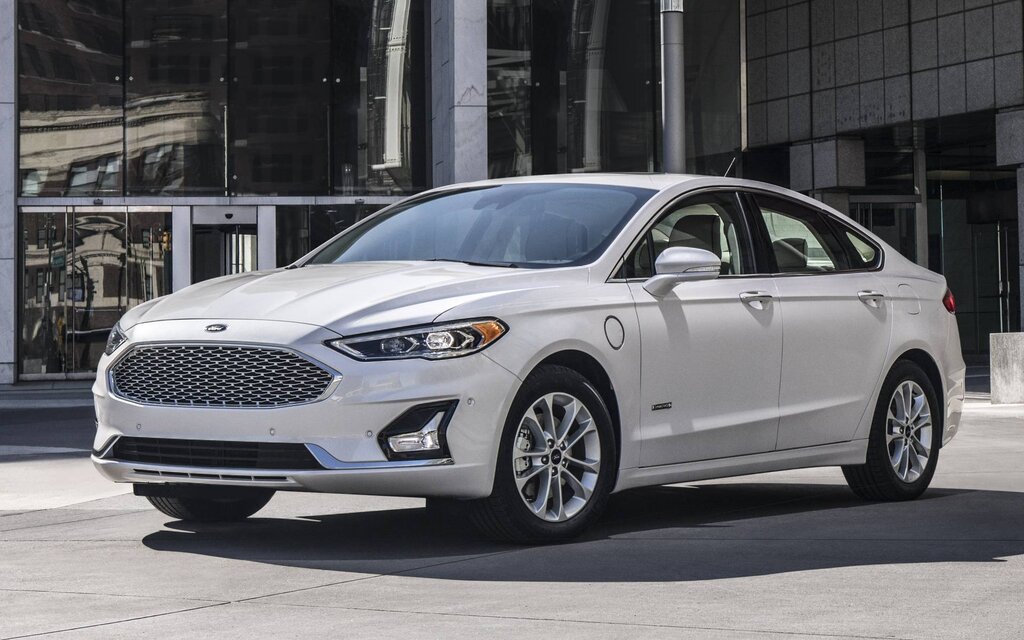
Many buyers viewed the Fusion’s discontinuation as the end of an era for Ford sedans in America. Its combination of strong sales, broad model lineup, and continued consumer demand made its retirement one of the industry’s most notable strategic decisions.
Specifications
- Engine: 2.0-liter turbocharged inline-four
- Torque: 275 lb ft
- Horsepower: 245 hp
- Length/Width: 191.8 inches / 75.2 inches
3. Toyota Avalon (2022)
The Toyota Avalon spent nearly three decades serving as the brand’s flagship sedan in the United States, earning a reputation for exceptional comfort, reliability, and strong resale value.
When Toyota announced the model would be discontinued after the 2022 model year, the decision surprised many loyal customers because the Avalon remained a respected product with a dedicated buyer base.
Rather than being replaced due to poor quality or reliability concerns, it was retired as Toyota shifted its product strategy toward SUVs and introduced the Crown as a new premium sedan alternative.
Although the Avalon never matched the Camry’s massive sales volume, it consistently attracted buyers seeking a spacious full-size sedan without moving into the luxury segment. Its generous rear-seat room, quiet cabin, and refined ride made it especially popular among retirees, business travelers, and customers who valued long-distance comfort.
Hybrid variants also strengthened their appeal by delivering impressive fuel economy for a vehicle of its size.
Toyota’s decision reflected changing market trends rather than a collapse in demand. The company recognized that crossover models such as the Highlander and Venza were capturing a larger share of buyers looking for premium family transportation.
Even so, dealerships continued selling Avalons steadily until production concluded, and many final-year models were purchased quickly because buyers recognized it was the last opportunity to own Toyota’s traditional flagship sedan.
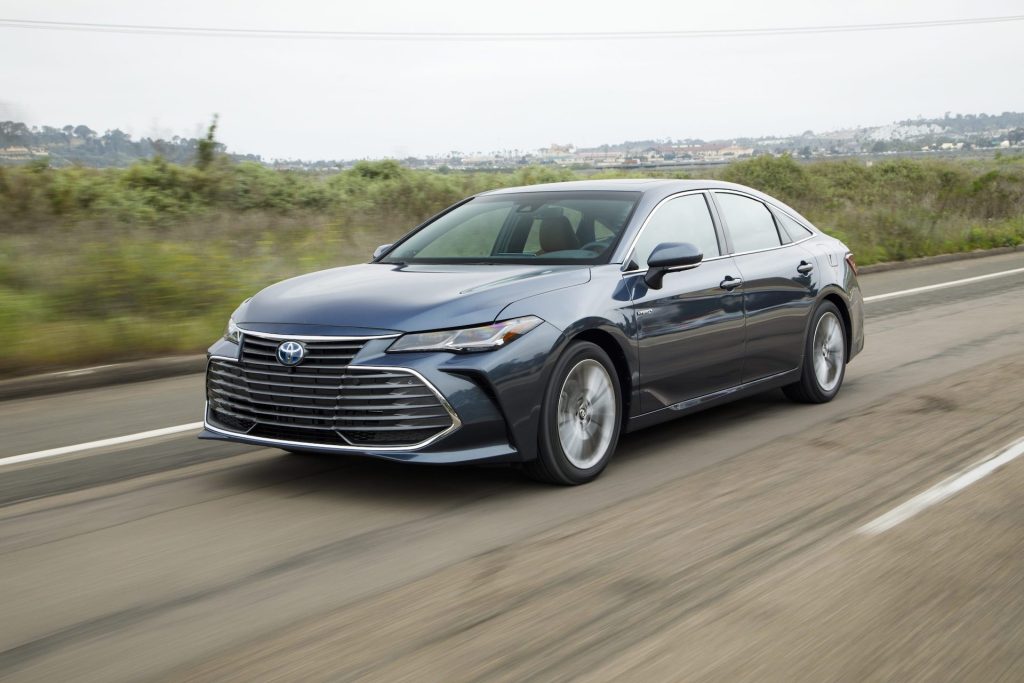
The Avalon also benefited from Toyota’s proven mechanical reliability. Sharing major components with the Camry helped keep maintenance costs reasonable while ensuring excellent long-term durability.
Those qualities continue to support strong values in the used market, reinforcing the view that the Avalon exited production while it was still highly respected by American consumers.
Specifications
- Engine: 3.5-liter naturally aspirated V6
- Torque: 267 lb ft
- Horsepower: 301 hp
- Length/Width: 195.9 inches / 72.8 inches
4. Buick LaCrosse (2019)
The Buick LaCrosse quietly became one of the most refined full-size sedans in General Motors’ portfolio before its American production ended after the 2019 model year.
While Buick’s SUV lineup expanded rapidly, the LaCrosse continued appealing to buyers who preferred traditional sedans with premium comfort, smooth ride quality, and upscale interiors.
Its discontinuation was driven primarily by shifting consumer preferences and Buick’s decision to concentrate almost entirely on crossover models in North America rather than weak product execution.
The final-generation LaCrosse offered a well-appointed cabin featuring high-quality materials, advanced driver assistance technology, and generous passenger space.
Buyers looking for near-luxury refinement without paying luxury-brand prices found the sedan particularly attractive. Available V6 power delivered confident highway performance while maintaining respectable fuel efficiency, making the LaCrosse an excellent long-distance cruiser.
Although annual sales had gradually declined as the SUV market expanded, the model still maintained a loyal customer base. Buick dealers reported continued interest from repeat buyers who appreciated the vehicle’s comfort and understated styling.
Unfortunately for sedan enthusiasts, General Motors determined that manufacturing resources could generate stronger returns by producing crossover vehicles instead.
Another factor supporting the LaCrosse’s reputation was its dependable engineering. Sharing components with other General Motors products helped simplify maintenance and ensured broad parts availability throughout the United States.
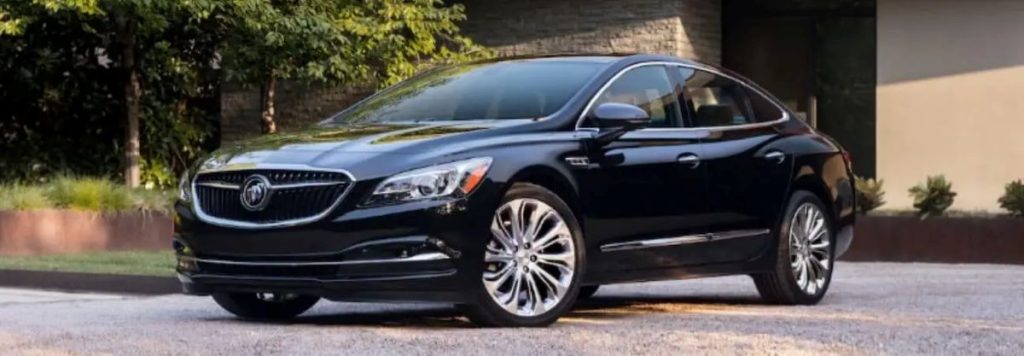
Owners also benefited from a comfortable suspension setup that prioritized ride quality over aggressive handling, matching the expectations of its target audience.
The LaCrosse remains an example of a sedan whose retirement reflected changing market priorities more than customer dissatisfaction. Its refinement, practicality, and loyal following continue to make it a desirable choice on the used market.
Specifications
- Engine: 3.6-liter naturally aspirated V6
- Torque: 282 lb ft
- Horsepower: 310 hp
- Length/Width: 197.5 inches / 73.5 inches
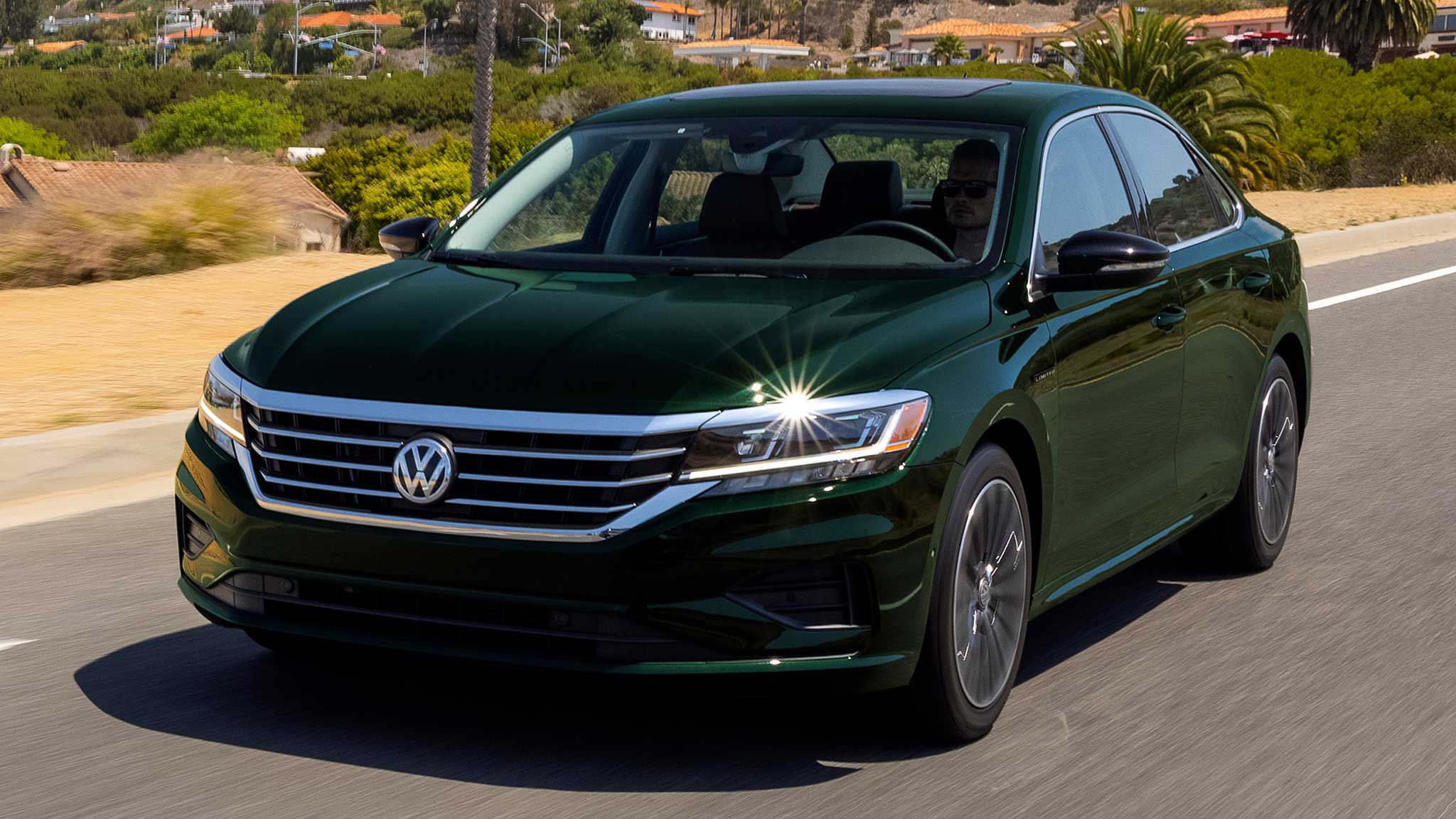
5. Volkswagen Passat (2022)
The Volkswagen Passat had been a familiar name in the American midsize sedan market for decades when Volkswagen confirmed the Chattanooga-built model would end production after the 2022 model year.
The decision was not the result of a sudden collapse in demand or quality concerns. Instead, Volkswagen chose to devote more manufacturing capacity and investment to SUVs such as the Atlas and Atlas Cross Sport, reflecting changing buying habits across the United States.
During its final years, the Passat continued attracting customers who valued a spacious cabin, comfortable ride, and straightforward driving experience. Unlike several competitors that emphasized sporty handling, the Passat focused on refinement and practicality.
Rear-seat legroom ranked among the best in its segment, making it a favorite for families and business travelers who frequently carried adult passengers.
The final U.S.-market Passat relied on a proven turbocharged 2.0-liter four-cylinder engine paired with a six-speed automatic transmission. Its simple powertrain helped maintain competitive ownership costs while delivering adequate performance for everyday commuting and highway travel.
Volkswagen also equipped later models with modern safety technology, including Forward Collision Warning, Automatic Emergency Braking, and Blind Spot Monitor, helping the sedan remain competitive until production ended.
The Last Edition model introduced for 2022 generated considerable attention because it celebrated nearly five decades of the Passat nameplate. Many dealerships reported strong interest from loyal Volkswagen owners who wanted one of the final examples built in Tennessee.
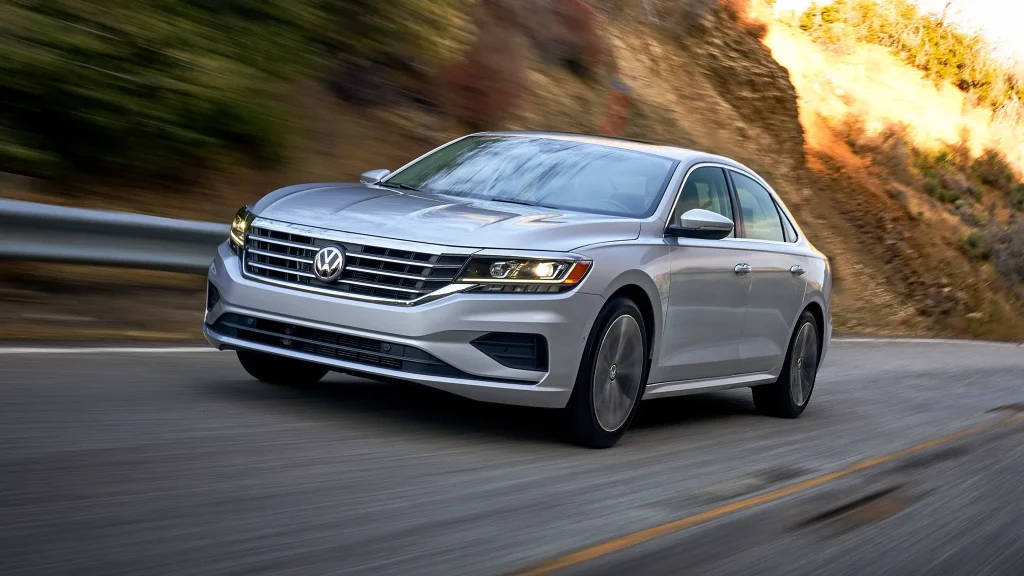
Although SUVs became Volkswagen’s primary focus in North America, the Passat exited the market with a solid reputation for comfort, practicality, and value. Its departure marked the conclusion of one of the company’s longest-running sedan nameplates in the United States.
Specifications
- Engine: 2.0-liter turbocharged inline-four
- Torque: 207 lb ft
- Horsepower: 174 hp
- Length/Width: 193.6 inches / 72.2 inches
6. Mazda6 (2021)
The Mazda6 consistently earned praise from automotive journalists for delivering one of the most engaging driving experiences in the midsize sedan segment.
Despite strong critical acclaim and a loyal customer following, Mazda discontinued the model in the United States after the 2021 model year. The decision reflected the company’s increased investment in crossover vehicles rather than dissatisfaction with the sedan itself.
Unlike many competitors that prioritized comfort above all else, the Mazda6 appealed to drivers seeking responsive steering, composed handling, and premium interior quality. Its elegant styling also aged remarkably well, allowing the sedan to remain visually competitive throughout its production run.
Buyers who wanted near-luxury refinement without paying premium-brand prices often placed the Mazda6 near the top of their shopping list.
Turbocharged models further strengthened the car’s appeal by offering impressive performance. The available 2.5-liter turbocharged engine produced up to 250 horsepower when using premium fuel, giving the sedan acceleration comparable to several entry-level luxury models.
Combined with Mazda’s well-calibrated suspension, the driving experience became one of the strongest selling points.
Although annual sales declined as Americans increasingly purchased SUVs, the Mazda6 maintained a dedicated base of repeat customers. Dealers continued receiving interest from buyers specifically seeking a sedan because of its combination of quality, reliability, and enjoyable road manners.
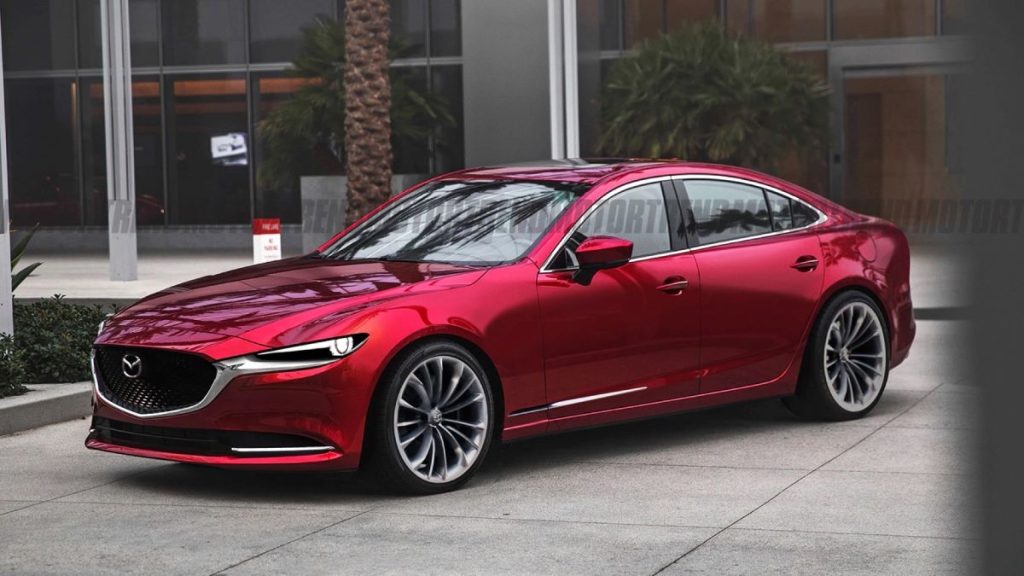
Mazda ultimately redirected resources toward expanding its crossover lineup, including the CX-50 and larger SUV models.
Even so, many enthusiasts believe the Mazda6 left the market while still representing one of the finest-driving midsize sedans available, making its discontinuation particularly disappointing for drivers who appreciated traditional passenger cars.
Specifications
- Engine: 2.5-liter turbocharged inline-four
- Torque: 320 lb ft
- Horsepower: 250 hp (with premium fuel)
- Length/Width: 192.7 inches / 72.4 inches
7. Honda Clarity Plug-In Hybrid (2021)
The Honda Clarity Plug-In Hybrid entered the American market with an ambitious mission: to provide electric driving capability without the range limitations associated with fully electric vehicles. Unlike many niche electrified models, the Clarity quickly became one of the best-selling plug-in hybrids in the United States.
During several years of production, it ranked among the country’s top-selling plug-in hybrid sedans, earning praise for its generous electric-only driving range, spacious interior, and smooth transition between gasoline and electric power. Despite that success, Honda discontinued the model after the 2021 model year.
The decision was not driven by disappointing customer reception. Instead, Honda shifted its long-term electrification strategy toward dedicated battery-electric vehicles and future crossover models.
As consumer preferences increasingly favored SUVs, the company redirected engineering and manufacturing resources to products expected to generate greater demand in the coming years.
One of Clarity’s strongest selling points was its practicality. The EPA-rated electric driving range of approximately 47 miles allowed many owners to complete daily commutes without using gasoline, while the gasoline engine eliminated concerns about longer road trips.
The sedan also offered a comfortable ride, advanced driver-assistance technology through Honda Sensing, and a roomy cabin that appealed to families.
Owners appreciated the vehicle’s low operating costs and dependable hybrid system, qualities that helped maintain steady demand until production concluded. Even after Honda announced the discontinuation, dealerships reported continued customer interest from buyers specifically seeking a plug-in hybrid sedan rather than a crossover.
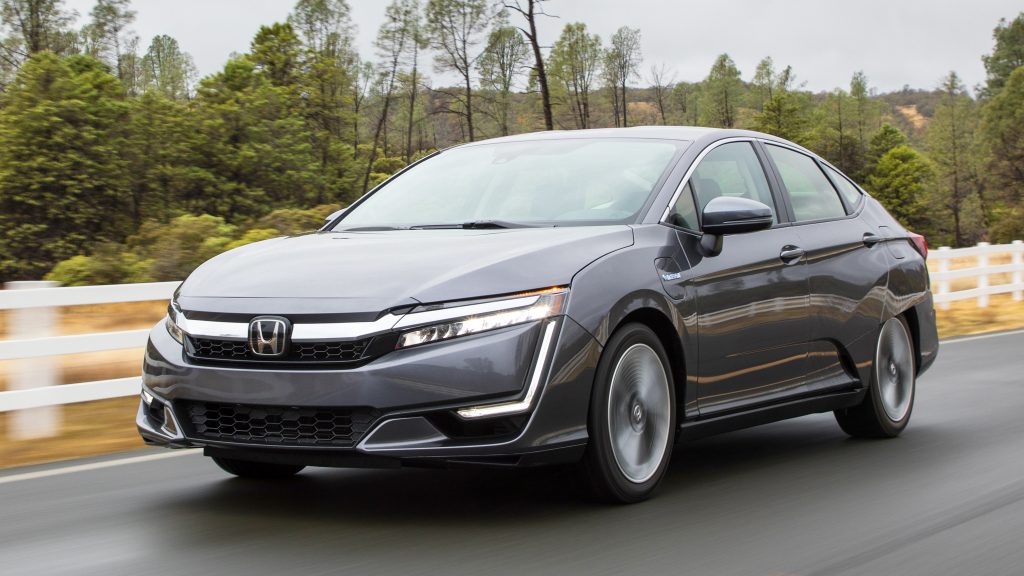
Today, the Clarity remains highly regarded in the used market because it combines efficiency, reliability, and everyday usability. Its discontinuation reflected Honda’s changing product priorities rather than a lack of consumer appreciation for the vehicle itself.
Specifications
- Engine: 1.5-liter naturally aspirated inline four-cylinder plug-in hybrid
- Torque: 232 lb ft (electric motor)
- Horsepower: 212 hp (combined system)
- Length/Width: 193.8 inches / 73.9 inches
8. Chrysler 300 (2023)
When Chrysler ended production of the 300 after the 2023 model year, it closed the chapter on one of America’s longest-running full-size sedans. Introduced for 2005, the Chrysler 300 built a loyal following by combining bold styling, rear-wheel-drive architecture, available HEMI V8 power, and a comfortable highway ride.
Even during its final years, the sedan continued attracting buyers who preferred traditional American full-size cars instead of crossovers or SUVs.
The decision to discontinue the 300 stemmed from Stellantis’ broader transition toward electrification and a new generation of vehicles rather than an immediate collapse in customer demand.
The Brampton Assembly Plant was scheduled for retooling to support future products, making the end of the 300 inevitable despite continued interest from enthusiasts and long-time Chrysler customers.
One factor that kept demand alive was the availability of powerful V8 models. The 300C special edition, equipped with the legendary 6.4-liter HEMI V8, generated significant enthusiasm when it returned for a limited production run.
Chrysler sold the entire allocation rapidly, demonstrating that strong demand still existed for a traditional American performance sedan.
Beyond performance, the Chrysler 300 remained popular because of its spacious cabin, comfortable seating, generous trunk, and confident highway manners. Fleet buyers, families, and enthusiasts all appreciated different aspects of the sedan, helping it remain relevant for nearly two decades.
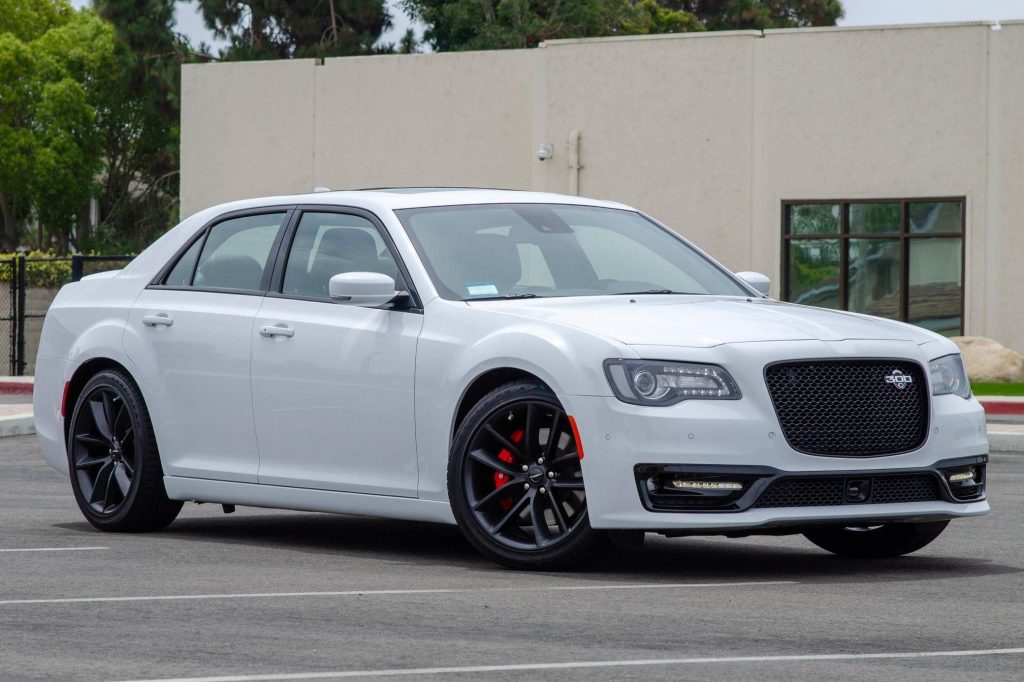
Although Chrysler’s future now focuses on electrified vehicles, the 300 leaves behind a lasting legacy. Its final production years proved that there was still a market for a large rear-wheel-drive American sedan, making its retirement one of the industry’s most significant recent discontinuations.
Specifications
- Engine: 6.4 liter naturally aspirated HEMI V8 (300C)
- Torque: 475 lb ft
- Horsepower: 485 hp
- Length/Width: 198.6 inches / 75.0 inches
Also Read: 10 Motorcycles With the Lowest Theft Rates
