
Many car buyers are feeling the pressure as new SUV prices continue climbing, making it harder for people to get the value they want from a brand-new model. A smarter option is choosing a lightly used SUV because the first owner has already taken the biggest financial loss.
Once a new SUV leaves the dealership, its value can drop quickly, with some models losing about 25% to 35% during the first year based on depreciation studies from sources such as iSeeCars. For buyers searching for a better deal, this price drop creates an opportunity to own a vehicle that still feels fresh without paying the original high price.
Luxury SUVs and electric models often experience larger value reductions because their higher starting prices and advanced technology can lose appeal faster in the used market. Getting a one-year-old SUV allows you to benefit from modern features, low mileage, and recent designs while saving thousands of dollars. Instead of spending extra money on a brand-new model, buyers can choose vehicles that have already experienced the biggest drop in value.
The list below highlights eight SUVs where buying slightly used can make financial sense. Each model includes basic specifications and the reasons why it stands out as a strong choice for buyers looking for quality, value, and dependable ownership.
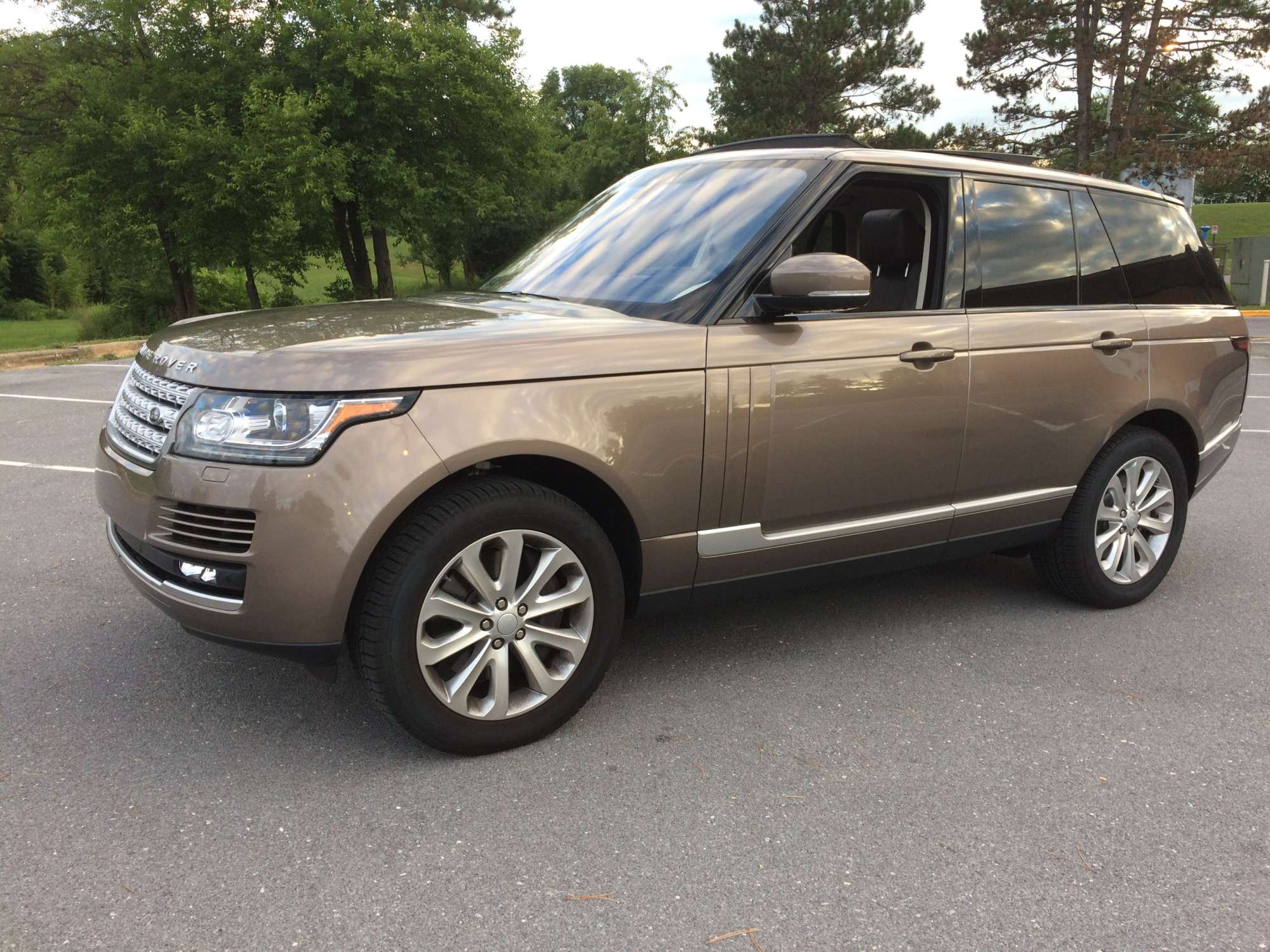
1. Land Rover Range Rover
- Engine: 3.0L Turbocharged Inline-6 Mild Hybrid
- Horsepower: 395 hp
- Torque: 406 lb-ft
- Size: 199.0″ L x 78.9″ W x 73.6″ H
Few nameplates carry the kind of prestige the Range Rover does, and few nameplates punish first owners quite as harshly once the badge premium wears off. Buyers walk into showrooms drawn by the leather-lined cabin, the commanding ride height, and a name that practically defines luxury off-roading, then watch as reliability forums and owner complaints chip away at resale confidence almost immediately.
Concerns about complex electronics and expensive maintenance have done little to diminish the appeal of the Range Rover. Instead, they have had a greater impact on resale values. Buyers in the used market are often cautious because of the brand’s ownership costs, leading them to negotiate more aggressively. As a result, dealerships frequently price lightly used models more competitively. Depreciation data show that a one-year-old Range Rover can lose around 30 percent of its original sticker price.
Picture two neighbors. One financed a brand-new Range Rover last spring and is already underwater on the loan. The other waited twelve months, found a nearly identical model with a few thousand miles on it, and paid tens of thousands less for essentially the same ownership experience. Same wood trim. Same twin-turbo inline-six growl. Same commanding view over traffic. Completely different monthly payment.
Configuration options matter a lot here too, since the Range Rover’s trim structure allows original buyers to pile on packages that inflate the MSRP far past the base price. Those add-ons rarely translate into equivalent resale value, which works entirely in a secondhand buyer’s favor. If prestige without the new-car penalty sounds appealing, this is where patient shopping turns into serious savings.
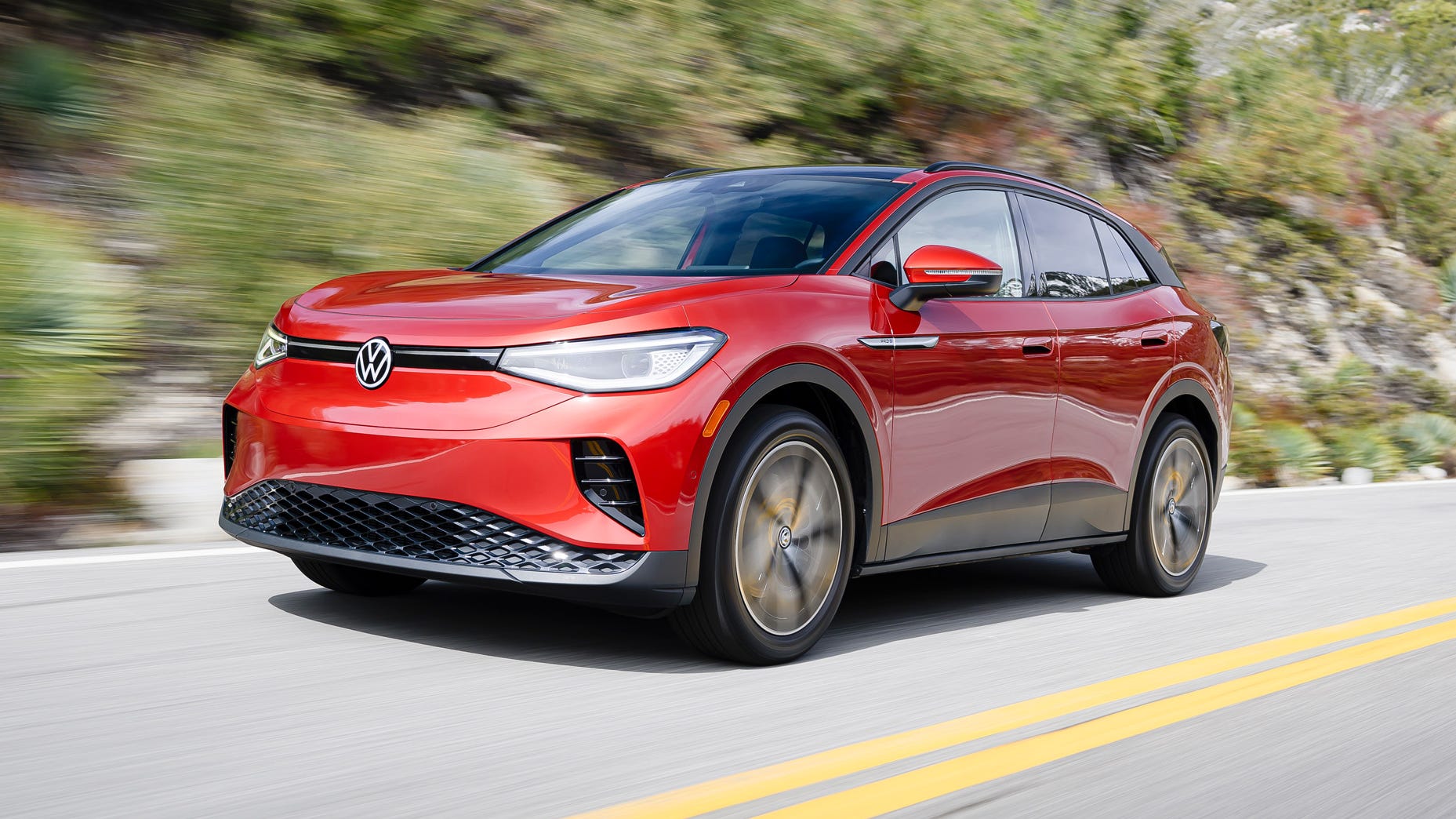
2. Volkswagen ID.4
- Engine: Single Rear Electric Motor (62-kWh Battery Pack)
- Horsepower: 201 hp
- Torque: 229 lb-ft
- Size: 180.5″ L x 72.9″ W x 64.6″ H
Electric crossovers built for the mainstream market face a brutal reality: they depreciate faster than almost anything else on the road. The Volkswagen ID.4 sits right near the top of that unfortunate list, and understanding why helps explain why used examples are such a smart buy.
Government incentives have a significant impact on the Volkswagen ID.4’s depreciation. When new models qualify for thousands of dollars in federal or state tax credits, buyers often expect lower prices for used examples because those incentives have already benefited the original owner. At the same time, battery technology and charging capabilities continue to improve with each model year. As newer versions reach dealerships with updated features and better performance, older models can lose value more quickly.
There’s also the simple matter of supply. Automakers have been producing EVs in large numbers to meet emissions targets and market expectations, and that inventory volume puts constant downward pressure on used pricing. A one-year-old ID.4 with a handful of charging cycles under its belt offers nearly identical range and performance to a new one, minus a substantial slice of the original cost.
For a household considering an electric daily driver but hesitant about paying showroom prices for a still-maturing technology category, this is close to an ideal entry point. You skip the steepest part of the depreciation slope, you avoid the anxiety of being an early adopter on a brand-new model year, and you still get a spacious, tech-forward crossover with genuinely useful range for commuting and errands. The math here rewards patience more than almost anywhere else on this list.
Also Read: 8 Luxury SUVs That Become Bargains at Four Years Old
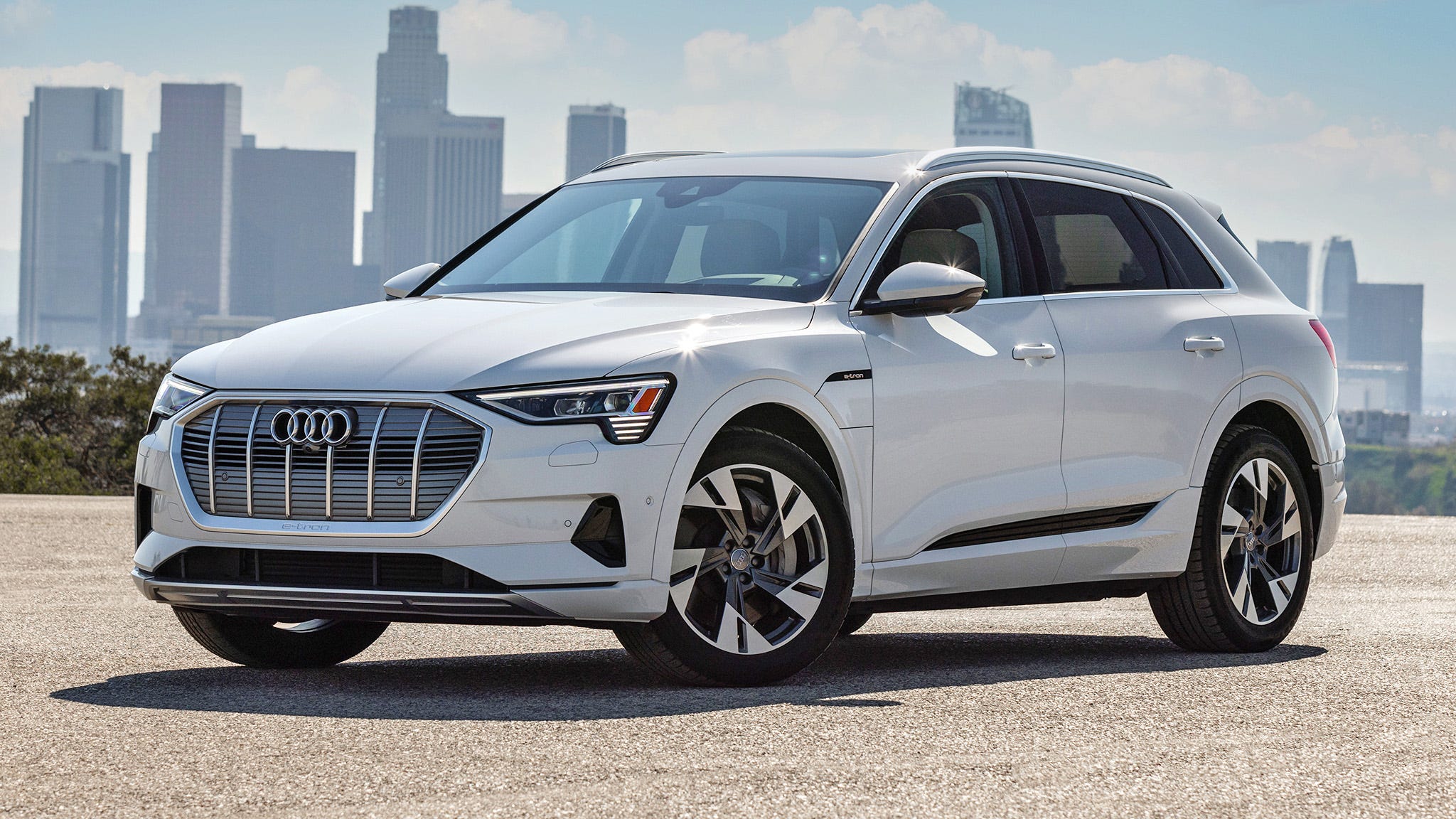
3. Audi e-tron / Q8 e-tron
- Engine: Dual Electric Motors (95-kWh Gross Battery Pack)
- Horsepower: 355 hp
- Torque: 414 lb-ft
- Size: 193.5″ L x 76.3″ W x 65.5″ H
Buying a luxury SUV can come with unexpected losses, especially when German engineering and electric technology meet in the same vehicle. Premium brands usually attract higher prices when new, while electric models can lose value quickly as manufacturers release improved versions with better features and longer driving ranges.
This situation has affected models like the Audi e-tron and Q8 e-tron, where owners have seen their vehicles lose more than 30% of their original value within the first year. For a vehicle that starts at a high luxury price point, this means the owner can lose thousands of dollars before the SUV has even spent much time on the road.
One reason behind this drop is Audi’s move to update its electric SUV lineup. Earlier versions began to appear older once refreshed models arrived with new designs, updated technology, and improved battery performance. Many buyers searching for a new electric SUV prefer the latest version, which puts pressure on older models in the used market.
For someone looking to buy a premium electric SUV, this creates a good opportunity. A lightly used Audi e-tron or Q8 e-tron still offers a smooth driving experience, a well-crafted interior, strong acceleration, and the comfort expected from a luxury vehicle. The major difference is the lower price compared with buying brand new.
Choosing a used model does not mean accepting lower quality. It simply allows buyers to enjoy Audi’s luxury features while avoiding the steepest part of the vehicle’s value loss.
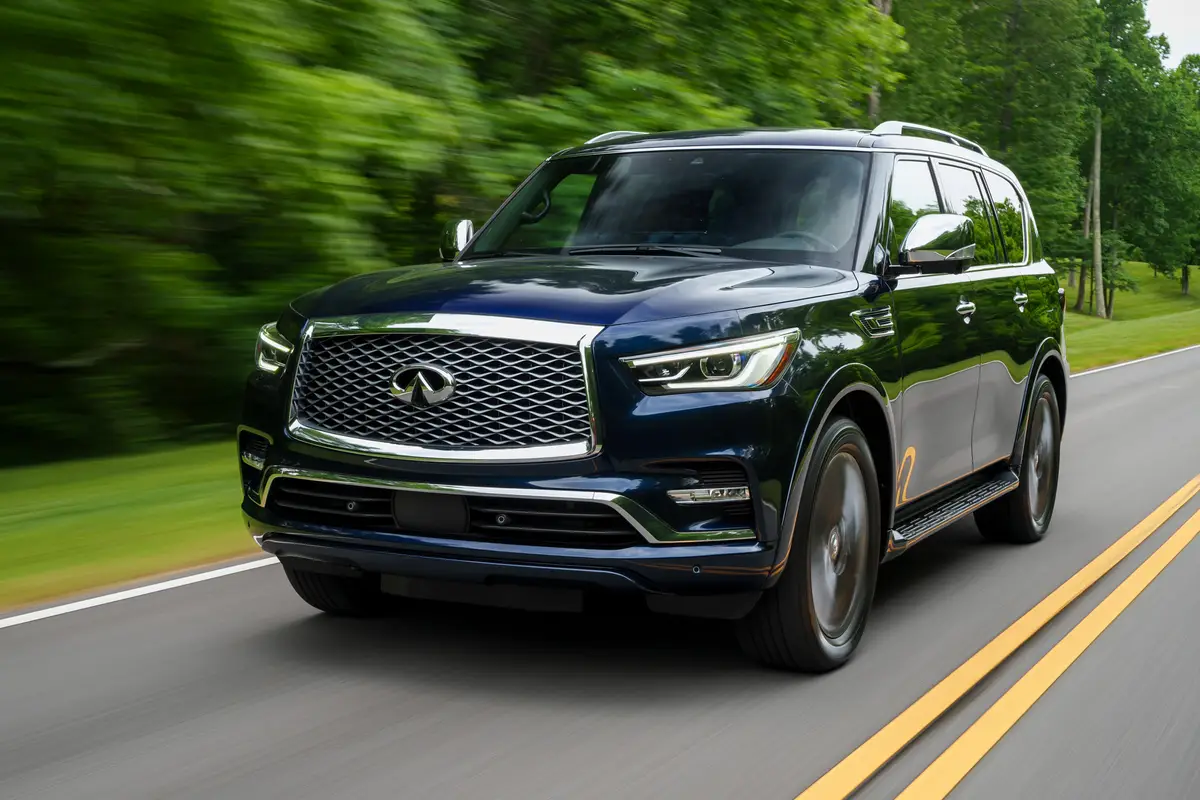
4. Infiniti QX80
- Engine: 3.5L Twin-Turbocharged V6
- Horsepower: 450 hp
- Torque: 516 lb-ft
- Size: 211.2″ L x 83.3″ W x 76.7″ H
The full-size luxury SUV segment has always been controlled by a few well-known brands that have built strong reputations among buyers. These familiar names often attract attention quickly because many customers associate them with status, comfort, and premium ownership. However, the Infiniti QX80 has had a different experience despite offering the strength, performance, and luxury expected from a large SUV.
Because Infiniti does not enjoy the same level of recognition as some of its biggest competitors, the QX80 often faces more pressure in the market. Dealers may need to offer more attractive pricing to encourage buyers, which can create better opportunities for people searching for a used luxury SUV. When the first year of ownership brings a noticeable drop in value, shoppers can find a vehicle with high-end features at a much lower cost.
The value becomes clearer when looking at what the QX80 provides. Under the hood, the twin-turbocharged V6 engine produces 450 horsepower and 516 lb-ft of torque, giving this large SUV impressive acceleration and strong towing ability. It offers the power needed for family trips, heavy loads, and daily driving without feeling underpowered.
Inside the cabin, the QX80 delivers a comfortable and peaceful experience with premium materials, spacious seating, and a smooth ride designed for long-distance travel. Families who need three rows of seating can enjoy plenty of room without paying the same price demanded by some competing luxury SUVs.
Many buyers focus only on the most popular names in the segment and overlook alternatives that offer similar features. This creates an advantage for used-car shoppers who are willing to consider different options. A one-year-old QX80 can provide excellent comfort, strong performance, and luxury equipment while costing much less than comparable models from more recognized brands. For buyers looking for value, this overlooked Infiniti can be a smart choice.
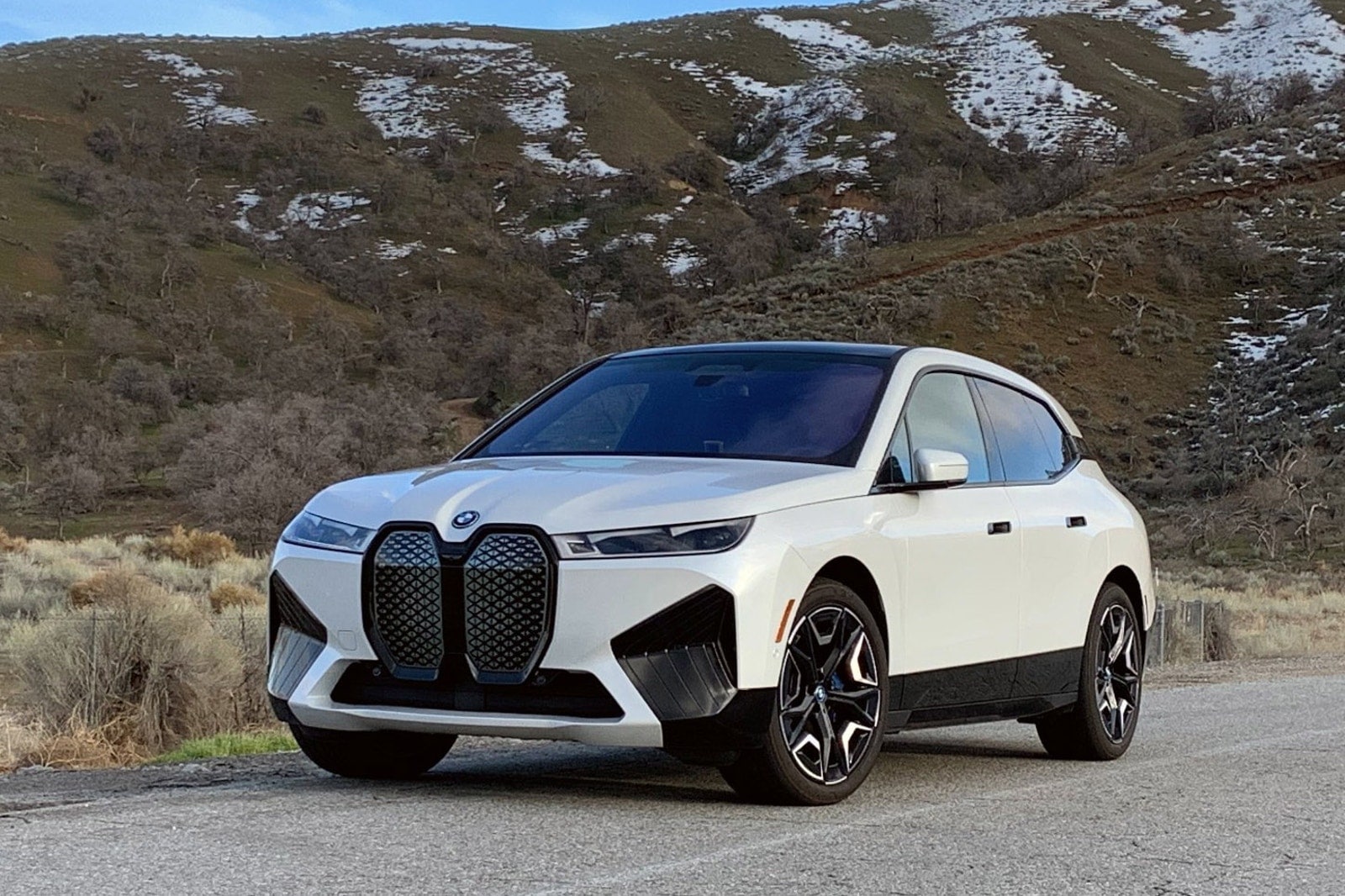
5. BMW iX
- Engine: Dual Electric Motors (111.5-kWh Gross Battery Pack)
- Horsepower: 516 hp
- Torque: 564 lb-ft
- Size: 195.0″ L x 77.4″ W x 66.8″ H
Bold. That’s the word most people reach for the first time they see a BMW iX in person, and reactions tend to split sharply between admiration and confusion. That divisive styling, paired with a cabin built around a sweeping curved display and unconventional trim materials, creates exactly the kind of hesitation that tanks resale confidence among first-year buyers.
New buyers pay handsomely for the privilege of being early adopters, financing a vehicle built around genuinely impressive electric performance and a cockpit that feels lifted from a concept car. Then reality sets in. As soon as the next model year arrives with styling tweaks or updated tech, the earlier version starts looking dated, and that perception alone accelerates the price drop far beyond what mechanical depreciation would suggest on its own.
Here’s where things get interesting for a patient buyer. Nothing about the driving experience changes because the styling debate cooled off. That 516 horsepower and 564 lb-ft of torque still launch this SUV with genuine urgency, quiet and immediate in the way only electric power delivery can manage. The cabin technology, polarizing as it looked at launch, still functions exactly as intended a year later.
Buying at the one-year mark means sidestepping the steepest portion of that value cliff while keeping every bit of the performance and comfort that made the iX compelling in the first place. For someone who never cared much about resale opinions and simply wanted a fast, quiet, tech-forward luxury EV, this is close to the ideal moment to buy. Let someone else pay for being first.
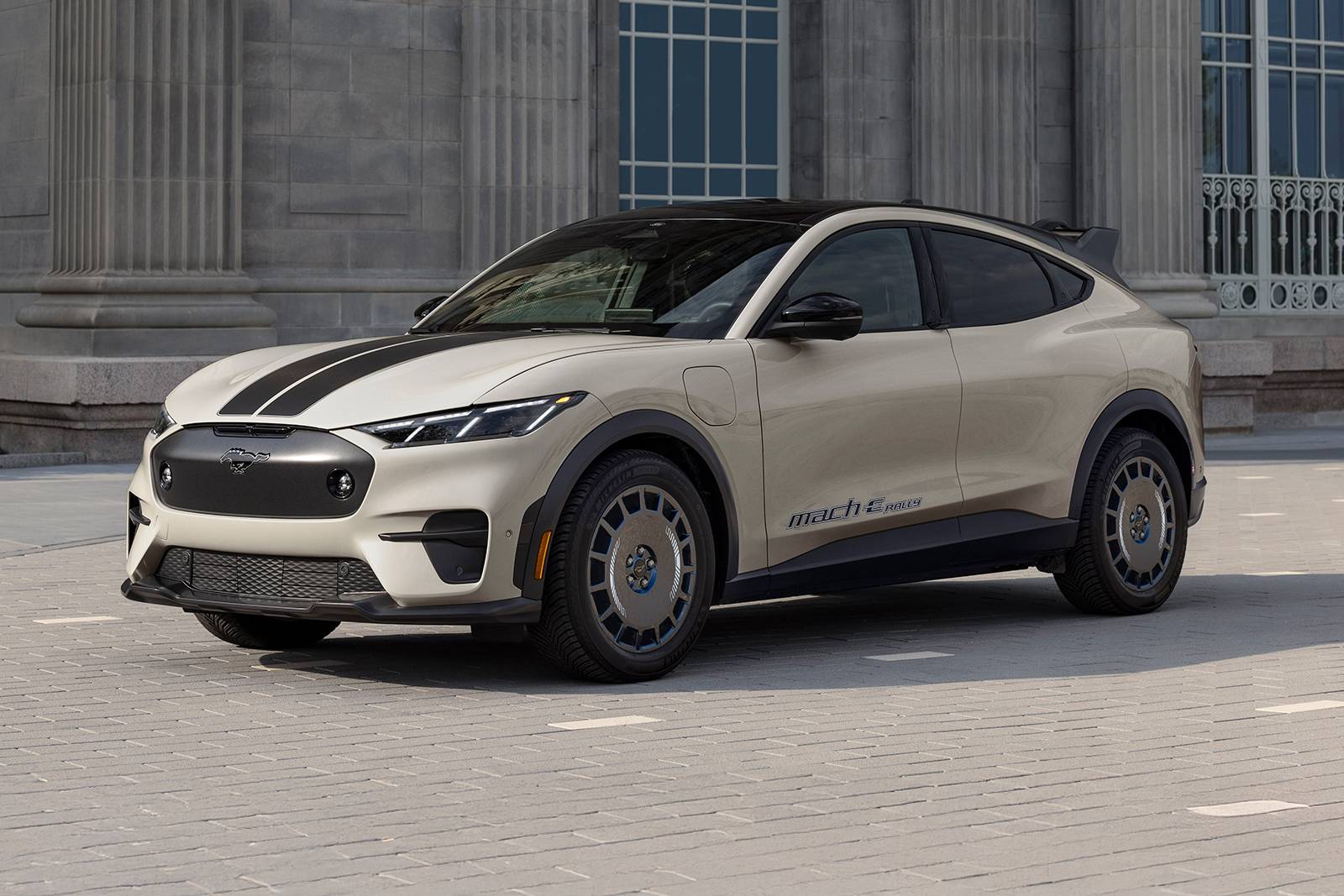
6. Ford Mustang Mach-E
- Engine: Single Rear Electric Motor (72-kWh Usable Battery Pack)
- Horsepower: 266 hp
- Torque: 317 lb-ft
- Size: 186.2″ L x 74.1″ W x 64.0″ H
Ford’s pricing decisions have played a major role in changing how buyers view the Mustang Mach-E in both the new and used vehicle markets. When a manufacturer reduces prices on new models to attract more customers and compete with other electric vehicles, the effect often reaches used models as well. A lower new-car price can reduce the amount buyers are willing to pay for a similar vehicle that has already been driven.
The Mustang Mach-E has experienced this situation as price changes and available incentives have made new examples more appealing. When customers can negotiate a new model at a reduced cost, a lightly used version must offer much better savings to become attractive. This creates pressure on resale prices and gives second-hand buyers an opportunity to find better deals.
Another factor affecting the Mach-E’s value is the number of vehicles available at dealerships. When supply is higher than customer demand, sellers often introduce discounts to encourage purchases. Those lower prices can make used models appear less valuable, even when they still provide excellent performance and modern features.
For buyers searching for an electric crossover with personality, a used Mustang Mach-E offers plenty of appeal. Its rear motor configuration provides quick acceleration and engaging handling that feels more connected than many electric SUVs. The vehicle keeps the sporty character expected from a model carrying the Mustang name while delivering the practicality of a crossover.
The available 72-kWh battery continues to provide useful driving range, and a vehicle that is only a year old usually has experienced very little battery wear when properly maintained. Buyers can enjoy the same technology, comfort, and driving excitement as a newer model while avoiding the largest part of the initial value loss.
This makes a slightly used Mustang Mach-E an attractive choice for drivers who want electric performance without paying the highest price.
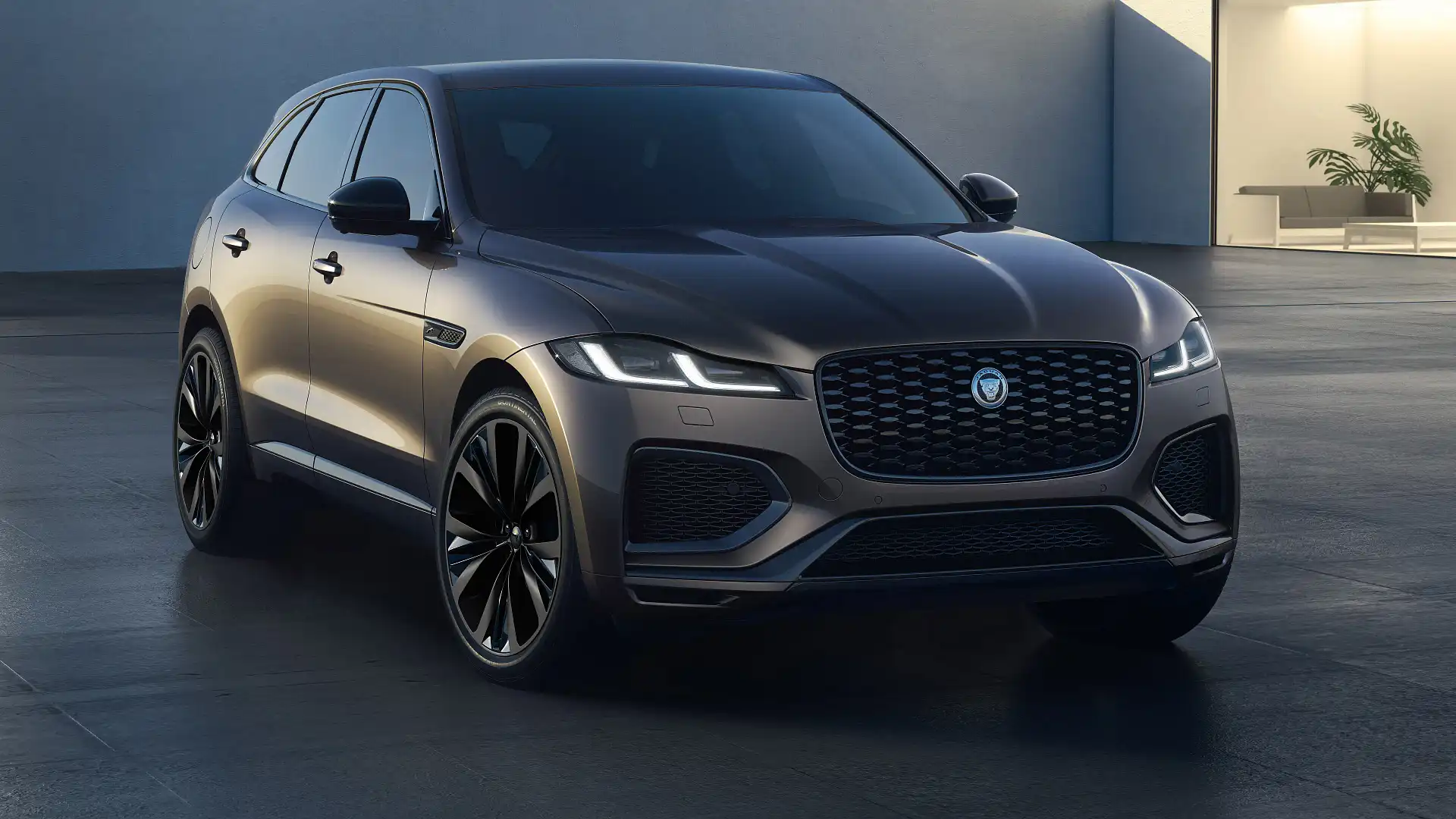
7. Jaguar F-Pace
- Engine: 2.0L Turbocharged 4-Cylinder
- Horsepower: 246 hp
- Torque: 269 lb-ft
- Size: 186.8″ L x 81.5″ W x 65.6″ H
Jaguar has been quietly rewriting itself. As the brand pivots toward a smaller, more boutique lineup positioned around a fully reimagined future, existing models like the F-Pace have been left in an odd spot, still on sale, still capable, but increasingly treated by the market as a relic of the automaker’s previous chapter.
That corporate repositioning has consequences for pricing. Dealers eager to clear existing stock and buyers wary of long-term parts availability or service costs both apply downward pressure on values, and the effect compounds with Jaguar’s long-standing reputation for expensive maintenance once a vehicle rolls past its factory warranty window. Add it all up, and depreciation on this model has been consistently steep year over year.
None of that changes what the F-Pace actually delivers behind the wheel. A turbocharged four-cylinder producing 246 horsepower might not sound dramatic on paper, but paired with genuinely sharp steering and a chassis tuned with real driver engagement in mind, this SUV rewards spirited driving in a way many rivals simply don’t bother attempting. Interior design still carries a distinct British flavor, all sweeping dashboard lines and available leather trims that feel a step removed from the usual German playbook.
A one-year-old example lets a buyer sidestep the worst of the depreciation hit while still enjoying a genuinely stylish, engaging luxury SUV. Service costs remain a real consideration down the line, so budgeting for maintenance matters more here than with some rivals. For someone chasing distinctive style and real driving character over badge popularity, though, the discount attached to this nameplate is hard to ignore.
Also Read: 8 SUVs That Reach 0-60 Faster Than Muscle Cars From the 2000s
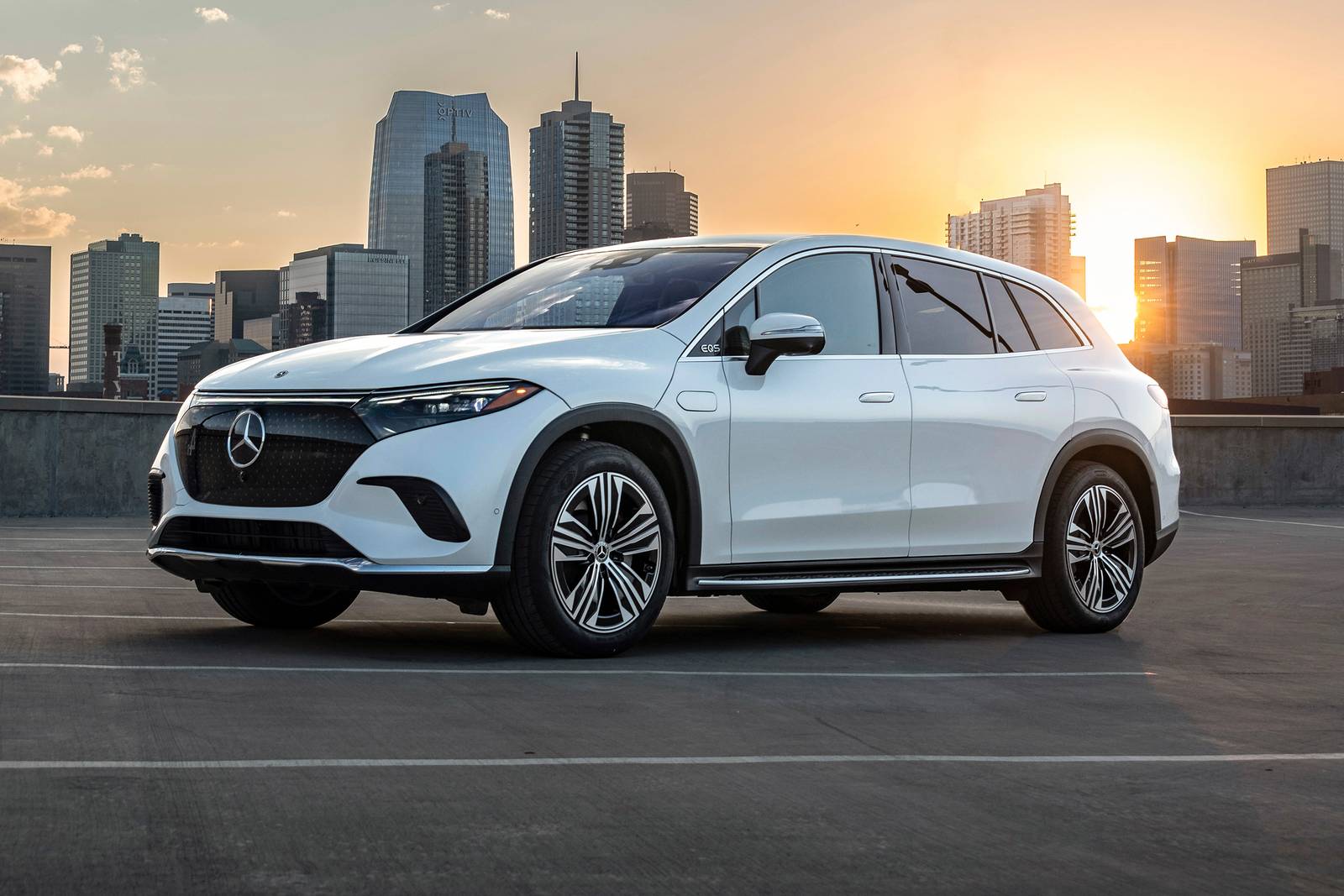
8. Mercedes-Benz EQS SUV (EQS 450+)
- Engine: Single Rear Electric Motor (108.4-kWh Usable Battery Pack)
- Horsepower: 355 hp
- Torque: 419 lb-ft
- Size: 201.8″ L x 77.1″ W x 67.6″ H
Six figures. That’s where a fully loaded EQS SUV starts its new-car life, and that eye-watering price tag sets up one of the most dramatic depreciation stories on this entire list. Flagship electric luxury vehicles like this one represent some of the largest total dollar losses in the modern automotive market, simply because there’s so much value sitting on the table to begin with.
Dealerships know this too, and they act accordingly. Rather than let inventory sit and accumulate carrying costs, many aggressively mark down pre-owned EQS units within just twelve to eighteen months of their original sale, treating them almost like clearance items despite barely showing any wear. That urgency to move inventory translates directly into leverage for a buyer patient enough to wait a year.
What do you get for stepping into one used? A cabin that still ranks among the most serene, tech-laden spaces in the entire auto industry, complete with a massive curved hyperscreen display and materials that feel genuinely special rather than merely expensive. The single rear motor setup delivers smooth, whisper-quiet acceleration paired with real-world range figures that remain highly competitive even a year removed from the original delivery date.
Financing a brand-new EQS means absorbing that first catastrophic depreciation hit personally, a bruising proposition even for buyers who can comfortably afford the sticker price. Letting someone else take that loss and stepping in afterward delivers nearly the identical ownership experience, the same silent, cocoon-like cabin, the same effortless power delivery, for a fraction of the original investment. Few vehicles anywhere reward a patient buyer quite this generously.
