
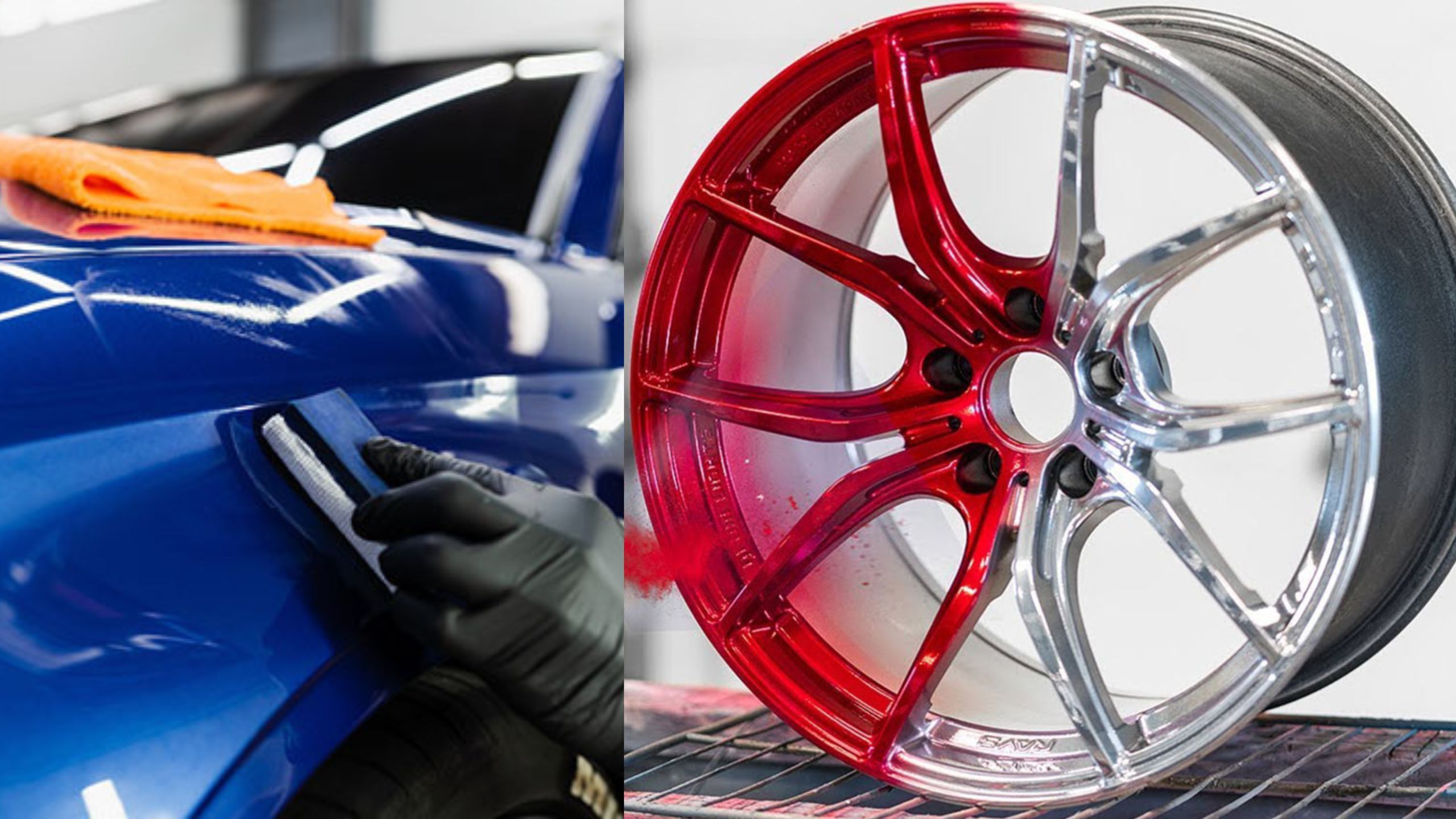
When purchasing a new vehicle, many buyers are offered additional services designed to maintain the car’s appearance and protect its value. One of the most common options is dealer paint protection, a treatment promoted as a way to keep the exterior finish cleaner, shinier, and more resistant to everyday damage.
While dealerships often present these products as valuable investments, many vehicle owners question whether they provide real benefits or are simply expensive extras added during the buying process.
Dealer paint protection can offer advantages, but its effectiveness depends on the type of product used, the quality of application, and how the vehicle is cared for afterward.
Some treatments provide a useful layer of protection against environmental contaminants, while others may deliver little more than temporary shine. Understanding what these products actually do can help drivers decide whether they are worth the additional cost.
This guide explains how dealer paint protection works, what it can protect against, its limitations, and whether investing in this service makes sense for different types of vehicle owners. By knowing the facts, buyers can make informed decisions instead of relying only on dealership recommendations.
Also Read: 8 Hidden Features in the Volkswagen Atlas
What Is Dealer Paint Protection?
Dealer paint protection is a service offered by automotive dealerships that involves applying a protective product to a vehicle’s exterior paint. It is usually presented during the vehicle purchase process as an optional upgrade that helps maintain the car’s appearance and preserve the finish.
The treatment is designed to create an additional barrier between the paint and harmful outside elements such as dirt, sunlight, chemicals, and environmental pollutants.
Most dealer paint protection products fall into a few main categories, including synthetic paint sealants, polymer coatings, and ceramic-based treatments. Basic sealants work by creating a thin protective layer over the clear coat.
They can improve shine and make the surface smoother, allowing water and dirt to move away more easily. Ceramic coatings use advanced chemical compounds that bond with the paint and generally provide longer-lasting protection compared with traditional waxes or sealants.
A vehicle’s factory paint already includes several protective layers, including a clear coat that helps defend against damage. However, this coating is not permanent and can become affected by weather, road conditions, and improper cleaning methods.
Dealer paint protection does not replace the factory finish but adds another layer that may slow down wear and make regular maintenance easier.
The quality of dealer paint protection varies significantly. Some dealerships use professional-grade products and follow detailed preparation steps before application. Others may apply basic products quickly without extensive surface preparation. Since preparation plays a major role in coating performance, the final result can differ greatly between providers.
Before purchasing dealer paint protection, customers should ask what product is being applied, how long it is expected to last, whether there is a warranty, and what maintenance is required. A clear understanding of these details helps determine whether the service provides genuine value or simply increases the cost of the vehicle.
What Does Dealer Paint Protection Protect Against?
One of the main benefits of dealer paint protection is reducing the impact of environmental factors that affect vehicle paint. Sun exposure is a major cause of paint aging because ultraviolet rays can gradually weaken the clear coat and cause fading over time.
A quality protective coating can help reduce the effect of UV exposure, although it cannot completely prevent damage from constant sunlight.
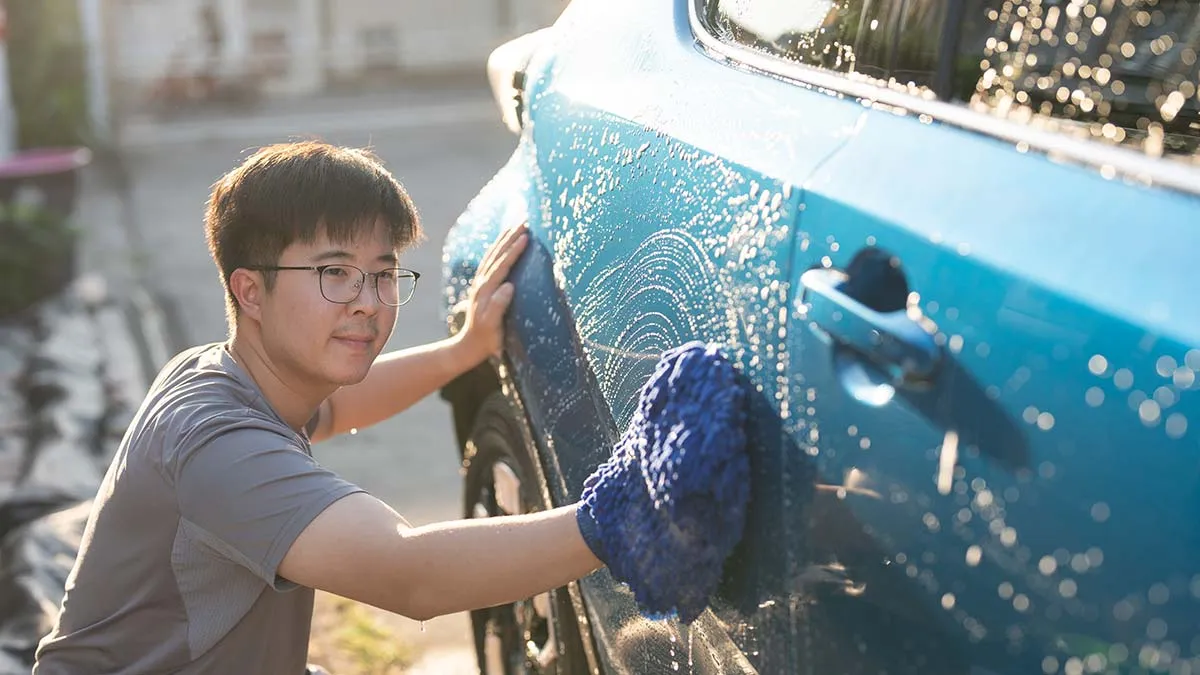
Road contaminants are another challenge for vehicle owners. Dirt, mud, salt, insects, bird droppings, and tree sap can become harmful when they remain on the paint for extended periods. Paint protection can make these substances easier to remove because they have less direct contact with the paint surface. However, regular cleaning is still necessary to prevent long-term damage.
Water-related issues are also common. When water dries on a vehicle, minerals left behind can create visible spots. Hydrophobic coatings help water move away from the surface more quickly, which may reduce the chance of water spots forming. However, they do not completely eliminate the problem, especially in areas with hard water or heavy mineral deposits.
Dealer paint protection can also help reduce damage caused by frequent washing. Improper washing methods, dirty towels, and automatic car washes can create small swirl marks over time.
A protective coating provides an additional layer that may reduce friction between contaminants and the paint surface. Still, careful cleaning practices are necessary for maintaining the vehicle’s appearance.
It is important to understand the limits of paint protection. It cannot stop deep scratches, dents, rock chips, or damage caused by accidents. For stronger physical protection against impacts, products such as paint protection film are usually more suitable.
Dealer paint protection is mainly designed to preserve appearance and reduce environmental wear rather than prevent all forms of damage.
Also Read: 10 Hidden Features in the Mazda CX-90
Is Dealer Paint Protection Worth the Money?
Whether dealer paint protection is worth the money depends on the product quality, price, and expectations of the vehicle owner. Some drivers appreciate having an additional protective layer that helps maintain the vehicle’s appearance and makes cleaning easier.
Others may find that dealership pricing is too high compared with similar products available through professional detailers or aftermarket providers. The value of the service comes down to the balance between cost and the benefits it provides.
One factor to consider is how long the vehicle will be owned. Someone who plans to keep a car for many years may benefit more from paint protection because maintaining the exterior condition can help preserve resale value.
A well-maintained vehicle with a clean, glossy finish may create a better impression when it is eventually sold. However, owners who frequently replace vehicles after a few years may not experience enough long-term benefit to justify a costly treatment.
The driving environment also plays an important role. Vehicles exposed to harsh conditions such as strong sunlight, coastal air, road salt, heavy pollution, or frequent outdoor parking may benefit more from additional protection.
A vehicle that spends most of its time inside a garage and is driven occasionally may not require the same level of protection. The amount of exposure determines how useful the added layer will be.
Another consideration is dealership pricing. Dealer paint protection packages are often more expensive because they are included as part of the sales process and may include additional services or warranties. However, higher cost does not always mean better performance. Buyers should compare the product details, expected durability, and application process before agreeing to the service.
For many vehicle owners, professional paint protection can be a worthwhile investment if they value appearance and easier maintenance. However, it is important to have realistic expectations.
The treatment can help preserve the finish, but it will not eliminate the need for washing, maintenance, or careful vehicle care. Understanding these factors allows buyers to decide whether the expense matches their priorities.
Dealer Paint Protection vs Ceramic Coating
Dealer paint protection and ceramic coating are often discussed together because many dealership products use ceramic technology. However, there are differences between the two.
Dealer paint protection is a broad term that can refer to various products, including simple sealants and advanced coatings. Ceramic coating specifically refers to a protective layer made with ceramic-based chemical compounds designed to bond with the paint.
Traditional dealer paint protection products are usually easier and faster to apply. They can improve shine, provide water resistance, and offer short-term protection. However, their durability is generally lower compared with professional ceramic coatings. These products may require more frequent reapplication to maintain their effectiveness.
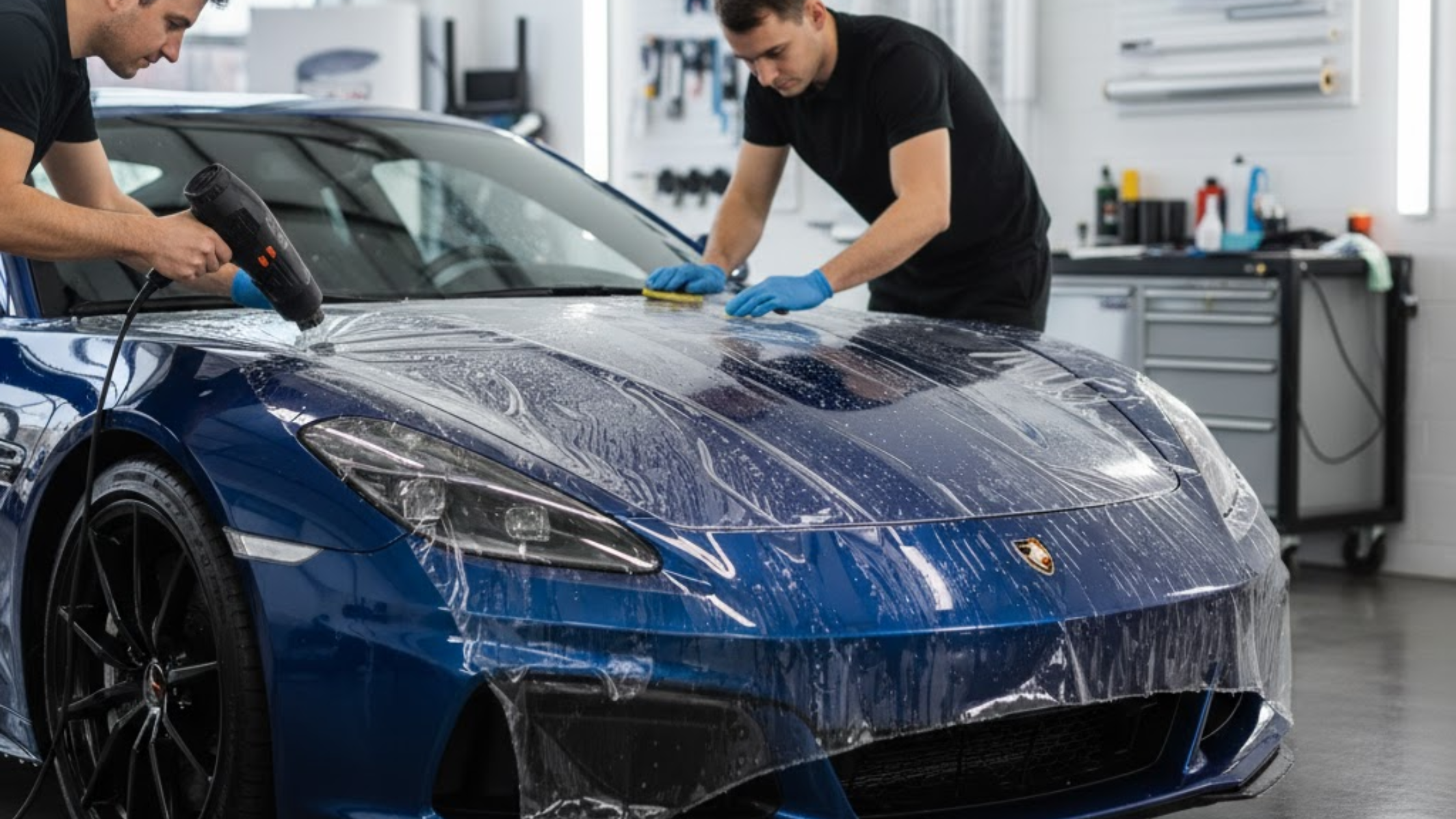
Professional ceramic coatings typically involve a more detailed preparation process. Detailers may wash, decontaminate, polish, and correct paint imperfections before applying the coating. This preparation helps ensure that the coating bonds properly and provides the best possible finish. The process often takes more time but can produce longer-lasting results.
The durability difference is another important factor. Some ceramic coatings can last several years when properly maintained, while basic sealants may last only months. However, durability depends on the product quality, environmental conditions, and care routine. A poorly maintained ceramic coating may not perform as expected.
For buyers considering paint protection, the best choice depends on their goals and budget. Those looking for convenience may prefer a dealership package, especially if the product and warranty are reliable.
Those seeking maximum durability and a higher level of finish may consider professional ceramic coating services. Comparing options before making a decision is usually the best approach.
