

For decades, drivers have followed the same winter ritual. Start the engine, let it idle for several minutes, scrape the ice from the windshield, and only then begin the journey.
Many people believe this routine protects the engine, improves performance, and extends the life of the vehicle. The practice dates back to the era of carbureted engines, when cold starts often required several minutes of idling before a vehicle could be driven smoothly.
Modern vehicles, however, are built very differently. Advances in electronic fuel injection, engine management systems, synthetic motor oils, and computerized controls have changed how engines operate in cold weather.
As a result, automotive engineers now say that prolonged idling before driving is unnecessary for most vehicles and, in some cases, may actually do more harm than good.
According to the U.S. Department of Energy, most modern gasoline-powered vehicles only need about 30 seconds of idling after startup before they can be driven safely.
Likewise, Natural Resources Canada advises that modern fuel-injected vehicles generally require no more than 30 seconds to two minutes, even in extremely cold temperatures, before normal driving can begin. Instead of sitting stationary, experts recommend driving gently until the engine reaches its normal operating temperature.
That doesn’t mean warming up a car has no value. In severe winter conditions, allowing a brief period for oil to circulate and windows to defrost can improve safety and visibility. The key is understanding how modern engines are designed and why today’s recommendations differ significantly from those of previous generations.
Also Read: 10 Production Cars That Had Two Engines
Why Drivers Used to Warm Up Their Cars
The belief that engines need lengthy warm-up periods comes from the days of carburetors. Before electronic fuel injection became standard in the late 1980s and early 1990s, carbureted engines struggled to maintain the correct air-fuel mixture during cold weather.
Fuel did not vaporize efficiently at low temperatures, making engines prone to rough idling, hesitation, and stalling immediately after startup.
Allowing the engine to idle for several minutes helped stabilize combustion and made driving smoother.
As electronic fuel injection replaced carburetors, onboard computers began automatically adjusting fuel delivery based on engine temperature, outside air temperature, throttle position, and dozens of other inputs.
Modern engines now compensate almost instantly for cold starts, eliminating the need for extended idling in most situations.
Modern Engines Warm Up Faster While Driving
One of the biggest misconceptions about winter driving is that idling warms the engine more effectively than driving.
According to the U.S. Department of Energy, engines actually reach their ideal operating temperature faster when driven gently rather than left idling. Driving places the engine under light load, generating heat more quickly throughout the powertrain, including the transmission, differential, wheel bearings, and other drivetrain components.
By comparison, an engine sitting at idle generates relatively little heat. This means a vehicle may require considerably longer to reach normal operating temperature if it remains parked instead of being driven.
Automotive engineers generally recommend starting the engine, allowing it to idle briefly, and then driving at moderate speeds while avoiding hard acceleration until the temperature gauge reaches its normal range.
Why Oil Circulation Matters
Although lengthy idling isn’t necessary, allowing the engine to run briefly after startup does serve an important purpose.
When an engine has been sitting overnight, much of the motor oil drains back into the oil pan. Upon startup, the oil pump begins circulating lubricant throughout the engine, coating bearings, camshafts, pistons, and other moving parts.
Modern synthetic oils flow much better at low temperatures than older conventional oils, allowing them to reach critical components quickly. According to engine manufacturers, this lubrication process typically occurs within seconds.
Waiting approximately 20 to 30 seconds before placing the vehicle in gear provides sufficient time for oil pressure to stabilize while avoiding unnecessary fuel consumption.
Excessive Idling Can Increase Engine Wear
Many drivers assume that letting the engine idle for ten or fifteen minutes reduces mechanical stress. In reality, prolonged idling can create conditions that increase engine wear.
When engines remain cold, gasoline does not burn as efficiently. Richer fuel mixtures required during cold starts can allow small amounts of unburned fuel to wash lubricating oil away from cylinder walls, increasing friction until normal operating temperature is reached.
According to the U.S. Department of Energy, unnecessary idling also wastes fuel and increases emissions without significantly improving engine protection.
Modern engines are specifically designed to operate under load, meaning gentle driving generally produces healthier operating conditions than extended stationary idling.
Fuel Economy Suffers During Long Warm-Ups
One downside of warming up a vehicle for extended periods is fuel consumption. An idling engine continues burning gasoline while covering zero miles.
The Environmental Protection Agency notes that excessive idling reduces fuel economy because the vehicle consumes fuel without accomplishing useful transportation work. Although the exact amount depends on engine size and outside temperature, repeated long warm-up sessions throughout winter can noticeably increase fuel costs.
Drivers who idle for ten minutes every morning throughout the season may consume several gallons of fuel simply sitting in the driveway.
Starting the vehicle, clearing the windows, and driving gently allows the engine to warm up more efficiently while reducing fuel consumption.
Diesel Vehicles Are Slightly Different
Diesel engines follow somewhat different warm-up characteristics. Because diesel engines operate with higher compression ratios and greater thermal efficiency, they often take longer to generate heat than gasoline engines, particularly in very cold weather.
Many modern diesel trucks use glow plugs, intake heaters, or block heaters to assist cold starting.
Manufacturers generally recommend allowing glow plug systems to complete their startup cycle before cranking the engine. After startup, only a brief idle period is usually necessary before driving, although heavy towing or high engine loads should still be avoided until operating temperature is reached.
Drivers in extremely cold climates often use engine block heaters overnight, which improve starting performance while reducing engine wear and emissions.
Winter Safety Is a Better Reason to Wait
Although mechanical reasons for extended idling have largely disappeared, safety remains a valid reason to delay driving briefly. Windshields covered with frost, ice, or interior condensation can severely reduce visibility.
Allowing the defroster to begin warming the glass while scraping ice improves driver visibility before entering traffic.
Many vehicles also activate heated mirrors, heated rear windows, heated steering wheels, and heated seats immediately after startup, increasing driver comfort without requiring lengthy engine warm-up.
Experts emphasize that clear visibility is far more important than engine temperature when deciding how long to wait before driving.
Remote Start Has Changed Winter Habits
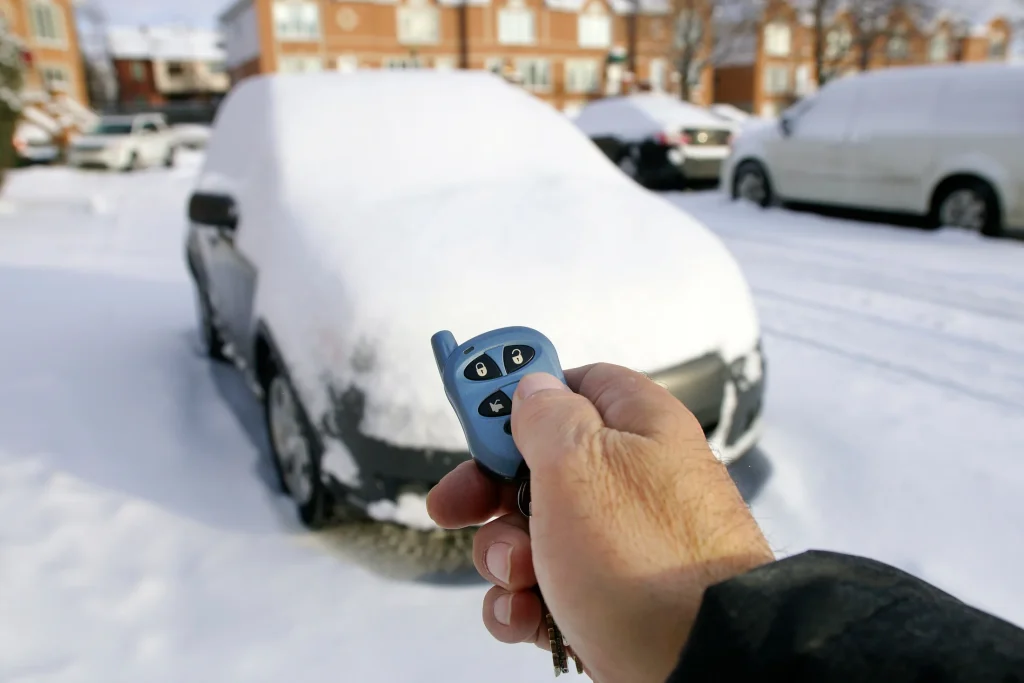
The growing popularity of remote start systems has also influenced winter driving routines. Many new vehicles allow owners to start the engine several minutes before entering the vehicle using either a key fob or smartphone app.
Remote start primarily improves cabin comfort by warming the interior and beginning windshield defrosting before occupants enter the vehicle.
Manufacturers generally program these systems to shut off automatically after a predetermined period, limiting unnecessary idling.
While remote start makes winter mornings more comfortable, automotive engineers still recommend driving gently after entering the vehicle rather than allowing prolonged stationary warm-up.
Electric Vehicles Follow Different Rules
Battery-electric vehicles eliminate the traditional engine warm-up. Instead of warming engine oil and coolant, EVs focus on conditioning the high-voltage battery and heating the passenger cabin.
Many manufacturers allow owners to precondition the battery and interior while the vehicle remains plugged into a home charger. This process improves winter driving range and provides a comfortable cabin without consuming battery energy after departure.
According to the U.S. Department of Energy, preconditioning is one of the most effective ways to maximize electric vehicle efficiency during cold weather.
Unlike gasoline engines, EVs deliver full torque immediately after startup regardless of outside temperature, although battery performance naturally decreases in very cold conditions.
What Experts Recommend
Automotive engineers largely agree on a simple winter routine for modern gasoline-powered vehicles.
Start the engine and allow it to idle for approximately 30 seconds so oil can circulate. During that time, fasten your seat belt, adjust mirrors, and ensure the windows provide clear visibility. Once ready, begin driving smoothly while avoiding aggressive acceleration or high engine speeds until the engine reaches normal operating temperature.
According to Natural Resources Canada and the U.S. Department of Energy, this approach provides the best balance between engine protection, fuel efficiency, and reduced emissions.
The tradition of warming up a car for several minutes before driving dates back to an era when carbureted engines genuinely required extra time to operate properly in cold weather. Modern fuel-injected vehicles have eliminated that need through advanced engine management systems, improved lubricants, and sophisticated electronic controls.
While allowing the engine to idle for about 30 seconds helps establish proper oil circulation, prolonged warm-ups generally provide little mechanical benefit.
In fact, experts from the U.S. Department of Energy and Natural Resources Canada agree that modern engines warm up faster and more efficiently when driven gently rather than left idling in the driveway.
That said, winter safety should always come first. Taking a few extra moments to clear frost, remove snow, and ensure full visibility is far more important than achieving perfect engine temperature before moving.
For most drivers, the best winter routine is simple: start the engine, give it a brief moment to stabilize, clear the windows, and then drive smoothly until everything reaches normal operating temperature.
Also Read: What It Costs to Maintain the Average Car Over the Last 10 Years?
