
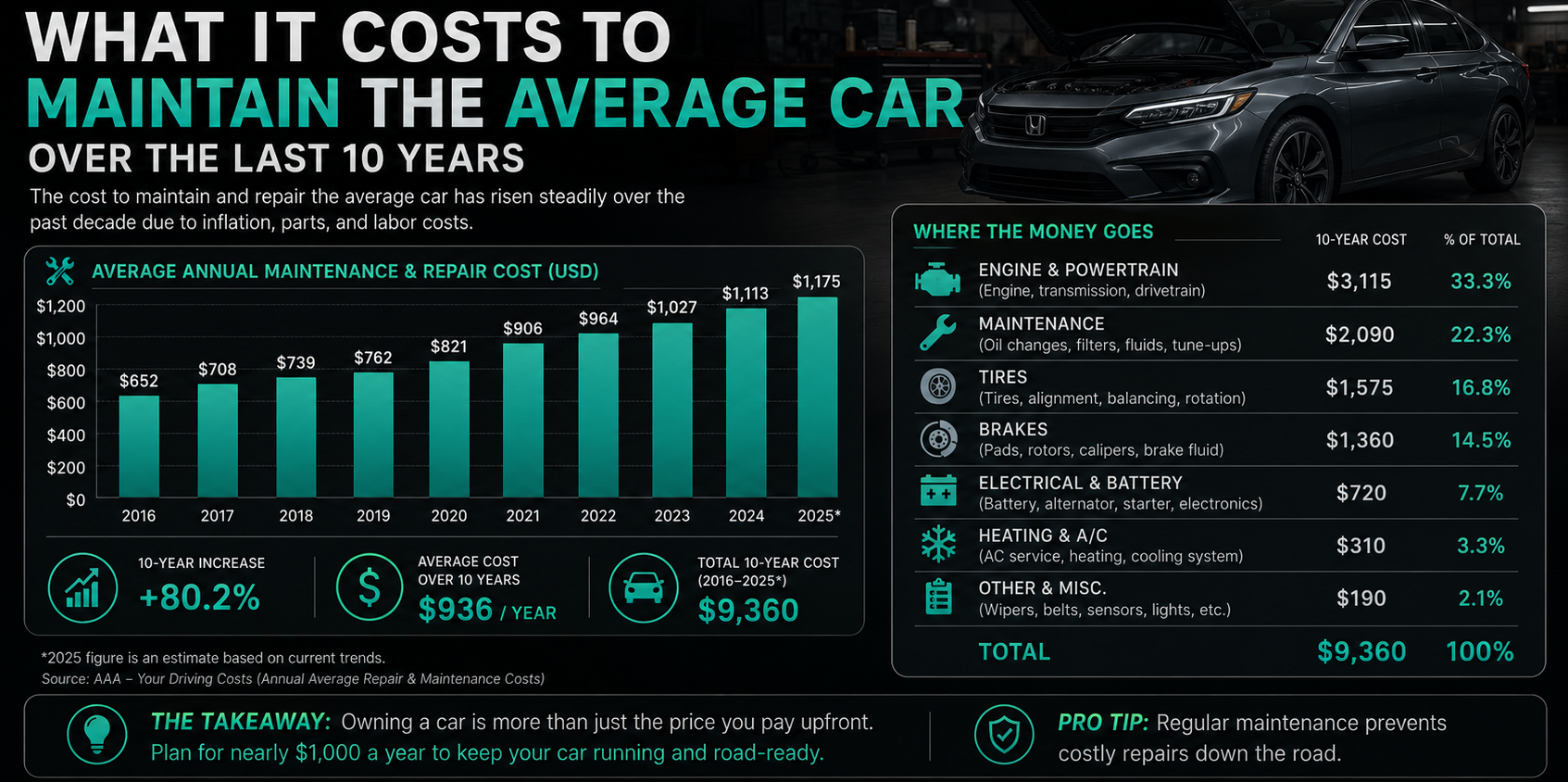
Owning a car has always involved more than the price paid at the dealership. While buyers often focus on the purchase price, financing costs, fuel economy, and insurance premiums, maintenance and repair expenses quietly become one of the highest long-term costs of vehicle ownership.
Over the last decade, the average cost of maintaining a car has changed significantly due to inflation, higher labor rates, more advanced vehicle technology, rising parts prices, and the increasing complexity of modern vehicles.
In 2016, maintaining a vehicle was considerably less expensive than it is today. Many cars on American roads were still relatively simple compared with newer models equipped with advanced driver assistance systems, larger infotainment systems, hybrid technology, turbocharged engines, and complex electronic components.
Routine services such as oil changes, brake replacements, tire rotations, and fluid checks made up a larger share of ownership costs. However, as vehicles became more advanced, repairs became more expensive when problems occurred.
According to data from the American Automobile Association, annual vehicle ownership costs have generally increased over the past decade. AAA’s annual driving cost studies show that maintenance, repair, and tire expenses have risen as vehicles have become more expensive to service.
These costs are influenced by several factors, including the age of vehicles on the road, the price of replacement parts, technician wages, and the growing amount of technology installed in newer cars.
The COVID-19 pandemic also created major changes in the automotive repair industry. Between 2020 and 2022, supply chain disruptions affected the availability and price of parts, while inflation increased the cost of labor and materials.
Used vehicle prices reached record levels, causing many owners to keep older vehicles longer. Older cars typically require more frequent repairs, which increases average maintenance spending.
By 2025, maintaining an average vehicle will cost significantly more than it did in 2016. Even though modern cars are generally more reliable, the cost of fixing them has increased because repairs often involve sophisticated electronics rather than only mechanical components. A damaged sensor, camera system, or computerized module can cost hundreds or even thousands of dollars to replace.
Understanding how maintenance costs have changed over the past decade helps car owners plan their budgets more effectively.
While there is no single source that provides perfectly comparable maintenance costs for every year from 2016 through 2025, available industry data shows a clear trend: keeping a vehicle running has become more expensive, even as cars have become more durable and efficient.
This article examines the major cost changes over the last ten years, explains what has driven those increases, and provides a realistic picture of what average drivers can expect to spend on maintaining a vehicle today.
Also Read: 10 SUVs With the Most Affordable Replacement Parts
2016: The Beginning of a Decade of Rising Maintenance Costs
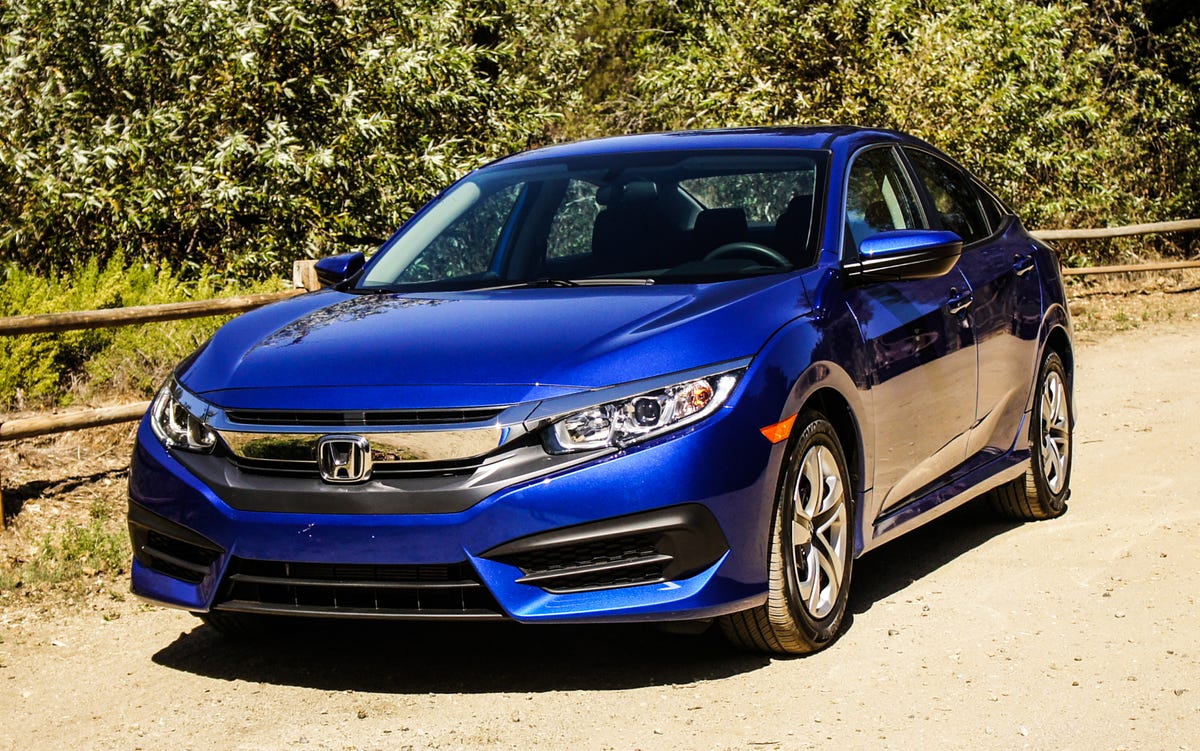
In 2016, vehicle maintenance costs were relatively stable compared with later years. The average American driver benefited from lower repair labor rates, cheaper replacement parts, and vehicles that generally contained fewer complex electronic systems.
Routine maintenance remained predictable for most owners, with common expenses including oil changes, tire replacements, brake service, battery replacement, and scheduled inspections.
AAA’s 2016 driving cost study reported that the average cost of maintenance, repair, and tires was approximately $792 per year for the average vehicle. This figure represented one of the lowest points of the decade before costs began climbing steadily. The average vehicle owner could expect regular maintenance expenses to remain manageable unless a major mechanical failure occurred.
One reason maintenance costs were lower in 2016 was the average age and design of vehicles on the road. Many cars from the early 2010s used simpler electronic systems compared with newer models. Although advanced safety technology existed, features such as automatic emergency braking, adaptive cruise control, and extensive camera systems were not yet standard across most vehicles.
Routine maintenance represented the largest portion of ownership expenses. Oil changes were cheaper because many vehicles still used conventional or basic synthetic oil blends. Brake repairs were also generally more affordable because many vehicles used traditional braking systems without expensive electronic components.
A factor was the lower cost of automotive labor. Repair shops had not yet experienced the same level of wage pressure seen later in the decade. Technician shortages became more noticeable in subsequent years, increasing labor costs across many regions.
However, 2016 also marked the beginning of a major transition in the automotive industry. Manufacturers were introducing more technology into vehicles, including improved safety systems, connected services, and more efficient but complex engines. These improvements helped vehicles perform better, but they also created the foundation for higher repair bills in the future.
For car owners, 2016 represented a period when preventive maintenance was relatively affordable. Drivers who followed manufacturer maintenance schedules could often avoid major expenses for many years. Regular oil changes, tire care, fluid checks, and inspections remained the most effective ways to control ownership costs.
The maintenance environment of 2016 provides an important comparison point because the average vehicle today costs substantially more to service. While cars have improved in reliability and efficiency, the financial impact of repairs has increased as vehicles have become more technologically advanced.
2017: Maintenance Costs Begin Moving Higher
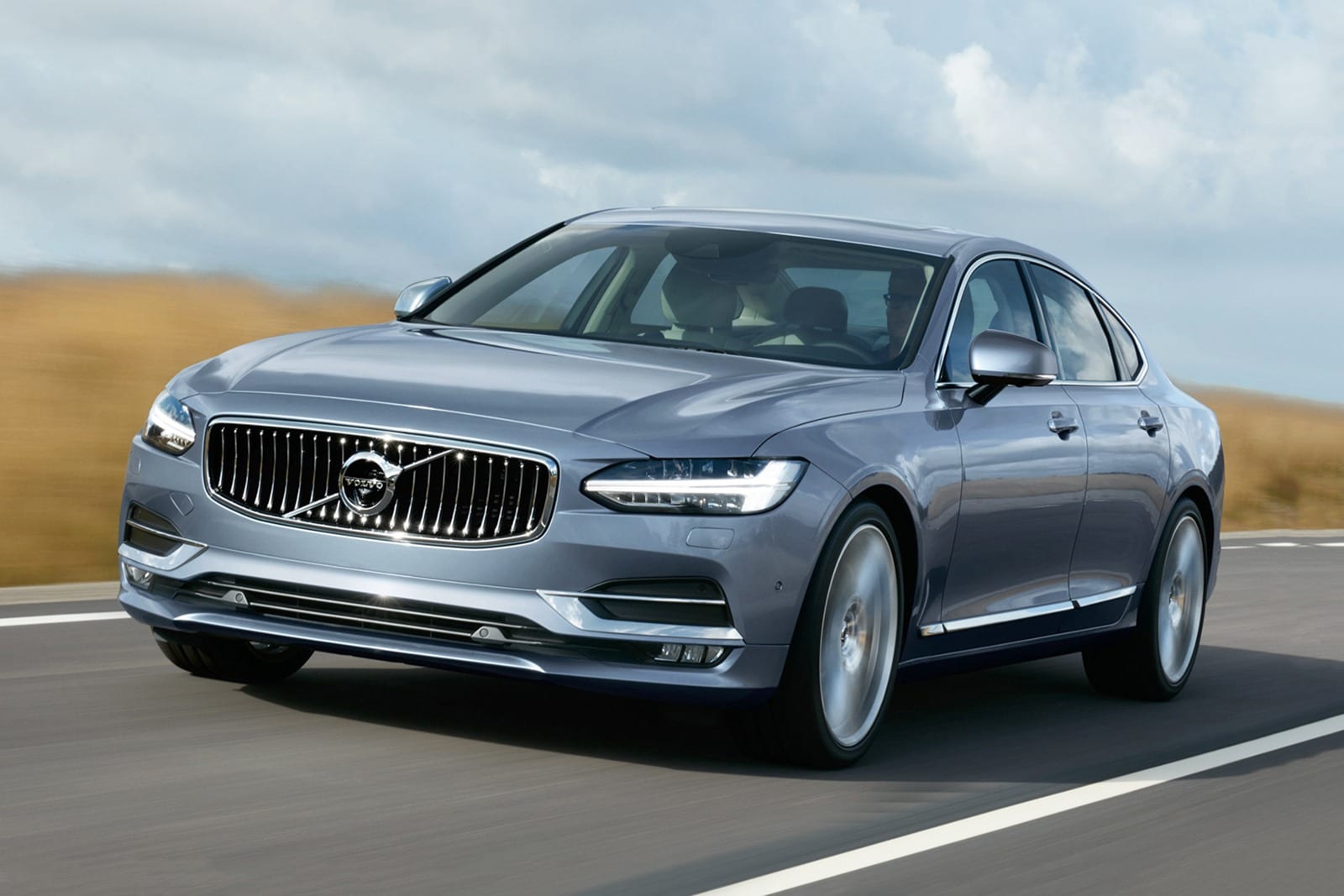
By 2017, vehicle maintenance and repair costs had begun to rise noticeably. AAA’s 2017 Your Driving Costs study found that maintenance, repair, and tire expenses averaged about $1,186 per year as part of the total cost of owning a vehicle. The higher figure reflected updated calculation methods along with increasing service and repair costs across the automotive industry.
One of the biggest reasons for higher costs was the increasing complexity of newer vehicles. Automakers were adding more safety technology and electronic systems, which improved the driving experience but increased repair costs.
A damaged bumper was no longer simply a body repair issue because many vehicles contained sensors and cameras that required recalibration after replacement.
Labor costs also started increasing as demand for skilled automotive technicians grew. Modern vehicles require specialized diagnostic equipment and training, making repairs more dependent on qualified professionals rather than basic mechanical work.
Another factor was the growing popularity of SUVs and pickup trucks. Larger vehicles typically require more expensive tires, more fluids, and higher-cost replacement parts. As consumer preferences shifted away from smaller sedans, average maintenance expenses increased.
Despite rising costs, vehicles remained more reliable than previous generations. Many manufacturers improved engine designs, transmissions, and corrosion protection, allowing cars to remain on the road longer. However, longer vehicle lifespans also meant more older cars requiring repairs.
The year 2017 represents the start of a broader trend that continued throughout the following years: vehicles became better, but maintaining them became more expensive.
2018: Technology Improvements Increase Repair Complexity
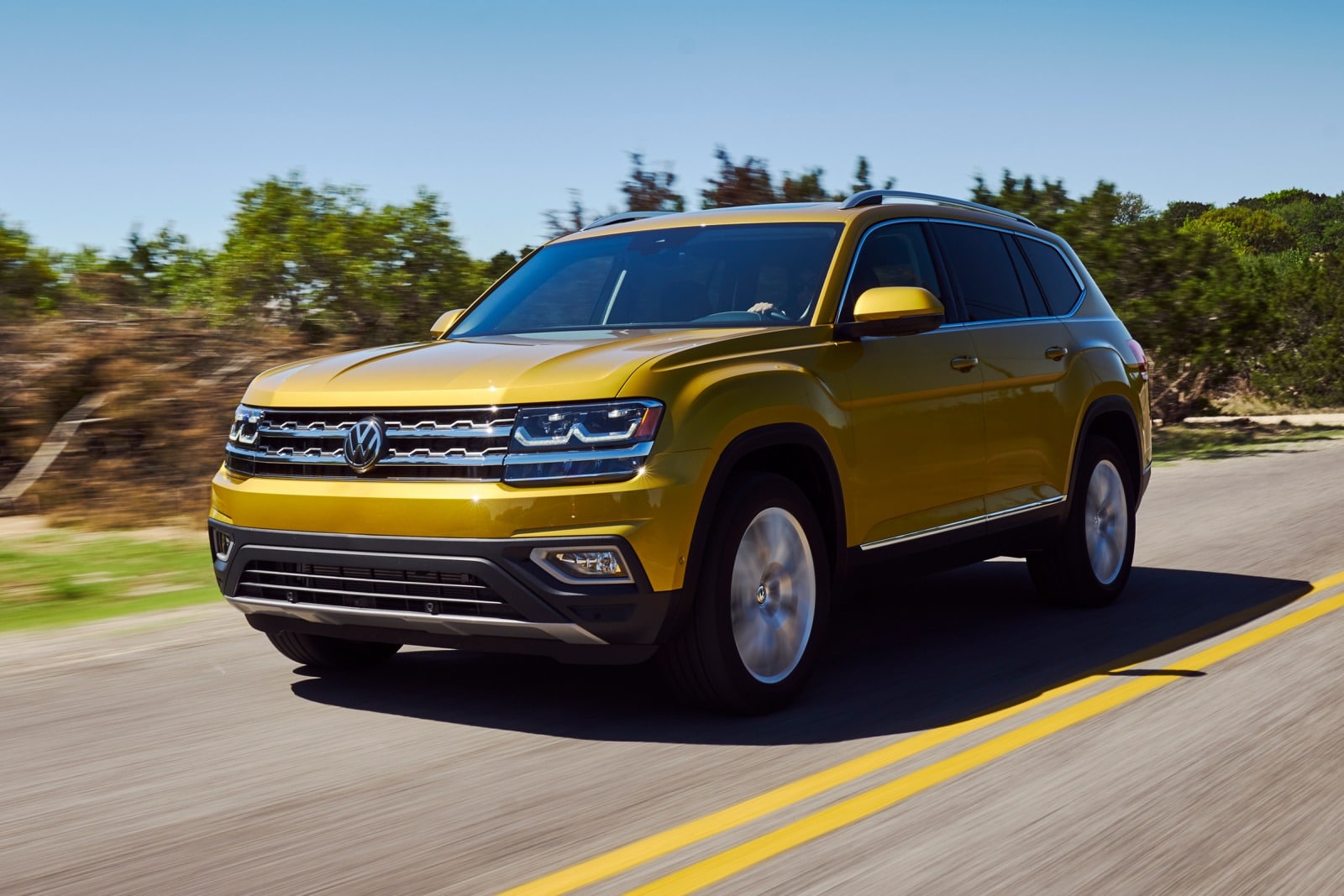
By 2018, vehicle maintenance costs continued their gradual upward movement. Although routine services such as oil changes and tire rotations remained relatively affordable, the cost of unexpected repairs increased because vehicles were becoming more dependent on electronic systems.
Modern vehicles were increasingly equipped with features such as blind spot monitoring, lane departure warning, parking cameras, advanced infotainment systems, and driver assistance technology. These features improved safety and convenience, but they also introduced additional components that could fail and require specialized repairs.
A simple accident repair that once involved replacing a bumper cover could now involve replacing sensors, wiring harnesses, or camera modules. After repairs, many of these systems required professional calibration. This added both parts and labor costs to repairs that previously would have been much simpler.
Another factor affecting maintenance costs was the growing popularity of synthetic oil. Many newer engines require specific oil formulations designed to improve efficiency and protect advanced engine components. While synthetic oil generally provides better protection and longer service intervals, it also costs more than traditional motor oil.
Tire costs also continued increasing. Larger wheels became more common, especially on SUVs and crossover vehicles. Larger tires typically cost more to replace, and many modern vehicles use specialized tire designs that increase replacement expenses.
The average age of vehicles on American roads also played an important role. Many drivers kept their vehicles longer after the financial recovery following the 2008 recession. Older vehicles require more frequent maintenance, especially for components such as suspension parts, brakes, batteries, and cooling systems.
By the end of 2018, the trend had become clear. Vehicles were staying on the road longer, but keeping them in good condition was becoming more expensive as repairs increasingly involved advanced technology and higher-cost components.
Also Read: 10 Heaviest Pickup Trucks Ever Built & Ranked by Weight
2019: Longer Vehicle Lifespans Create Higher Maintenance Demand
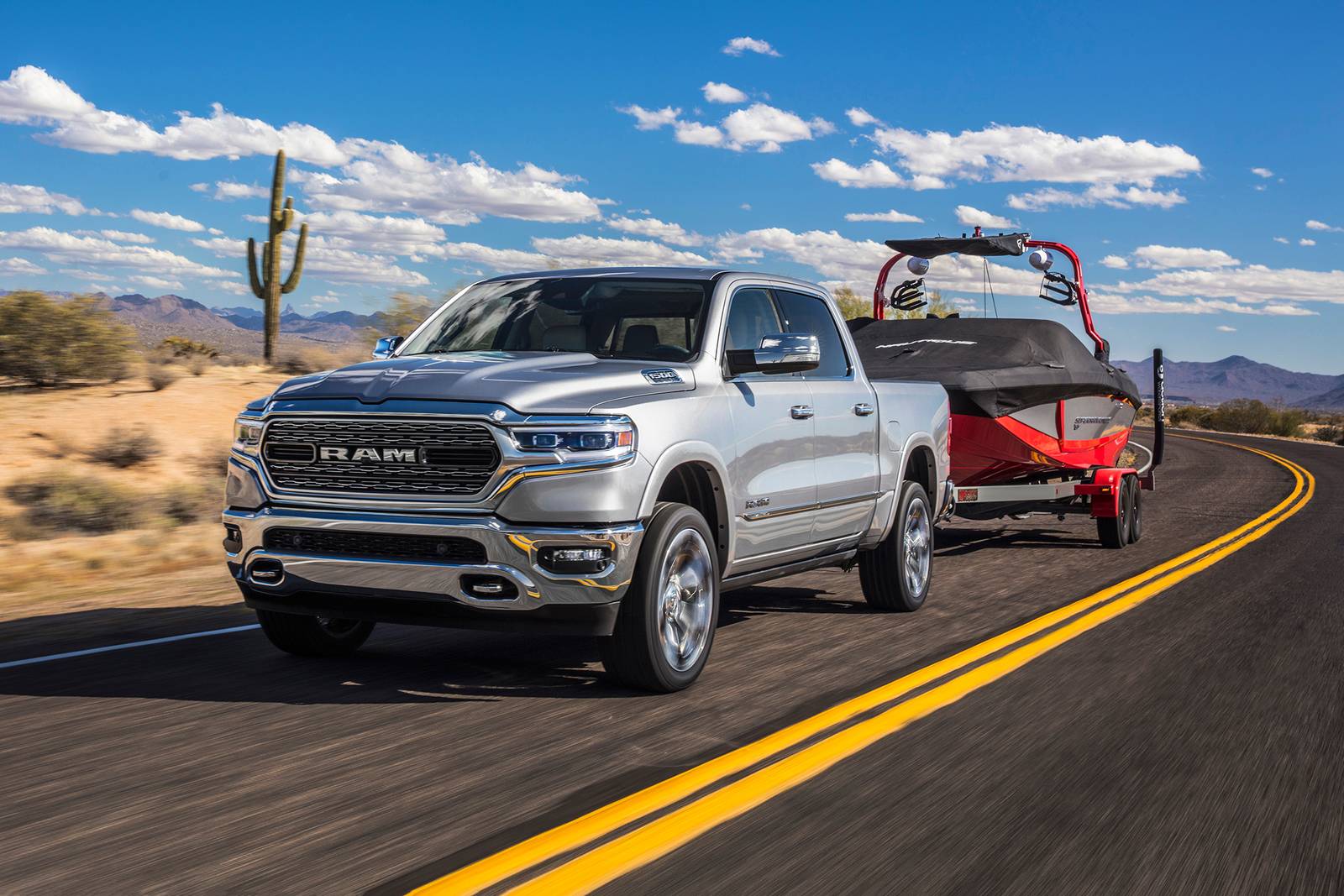
In 2019, vehicle reliability reached historically strong levels. Many modern vehicles could easily surpass 150,000 miles with proper maintenance, and some have reached 200,000 miles or more. However, longer vehicle lifespans also meant owners were keeping cars longer and facing more age-related repairs.
The average vehicle on American roads was older than in previous decades. Older vehicles typically require more attention because parts naturally wear out over time. Common repairs during this stage of ownership include brake replacements, suspension repairs, battery replacements, transmission servicing, and cooling system maintenance.
Routine maintenance remained predictable for newer vehicles, but ownership costs increased significantly once vehicles entered higher mileage ranges. A car that required only basic service during its first five years could begin needing thousands of dollars in repairs during its second decade.
Repair shops also faced increasing challenges due to changing vehicle technology. Technicians needed training in computer diagnostics, electrical systems, hybrid technology, and advanced safety systems. These specialized skills contributed to higher labor rates.
Vehicles contained more electronic modules, sensors, and computer-controlled systems than ever before. While these components improved reliability and efficiency, they were often more expensive to replace.
The year 2019 represented the final period before major global disruptions affected automotive costs. Maintenance expenses were already rising, but the largest increases were still ahead due to supply chain problems and inflation.
2020: The Pandemic Changes Vehicle Maintenance Patterns
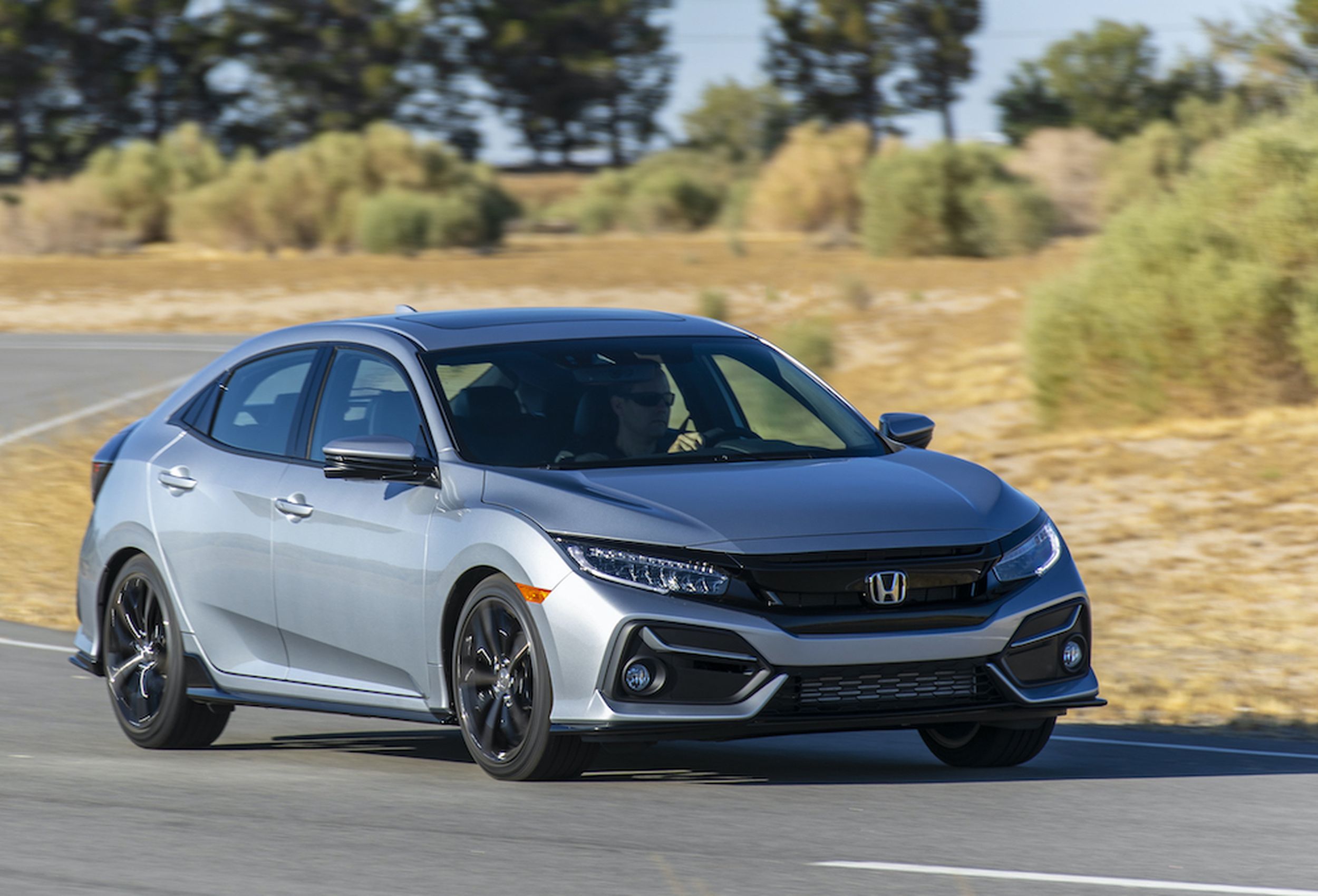
The year 2020 created an unusual situation for vehicle maintenance. During the early stages of the COVID-19 pandemic, many people drove significantly fewer miles because of remote work, travel restrictions, and changes in daily routines. As a result, some routine maintenance spending temporarily declined.
With fewer miles being driven, many owners needed fewer oil changes, tire replacements, and brake services. However, this temporary decline in routine maintenance did not make vehicle ownership less expensive, as repair and upkeep costs remained high.
The automotive supply chain experienced major disruptions. Manufacturing delays affected the availability of replacement parts, and shortages began creating longer repair times. Some vehicle owners experienced delays when trying to replace certain components.
The pandemic also accelerated changes in vehicle ownership patterns. Many people chose to keep existing vehicles rather than purchase new ones due to economic uncertainty. As vehicles aged, maintenance needs increased.
Repair facilities faced their own challenges. Many shops had to adapt to new safety procedures while dealing with labor shortages. These factors contributed to rising service costs.
Another major change was the increase in vehicle electronics. The growing demand for newer vehicles with advanced technology meant repair costs continued moving upward. Even though drivers were temporarily using their cars less, the underlying cost of maintaining modern vehicles was increasing.
2021: Parts Shortages and Inflation Push Costs Higher
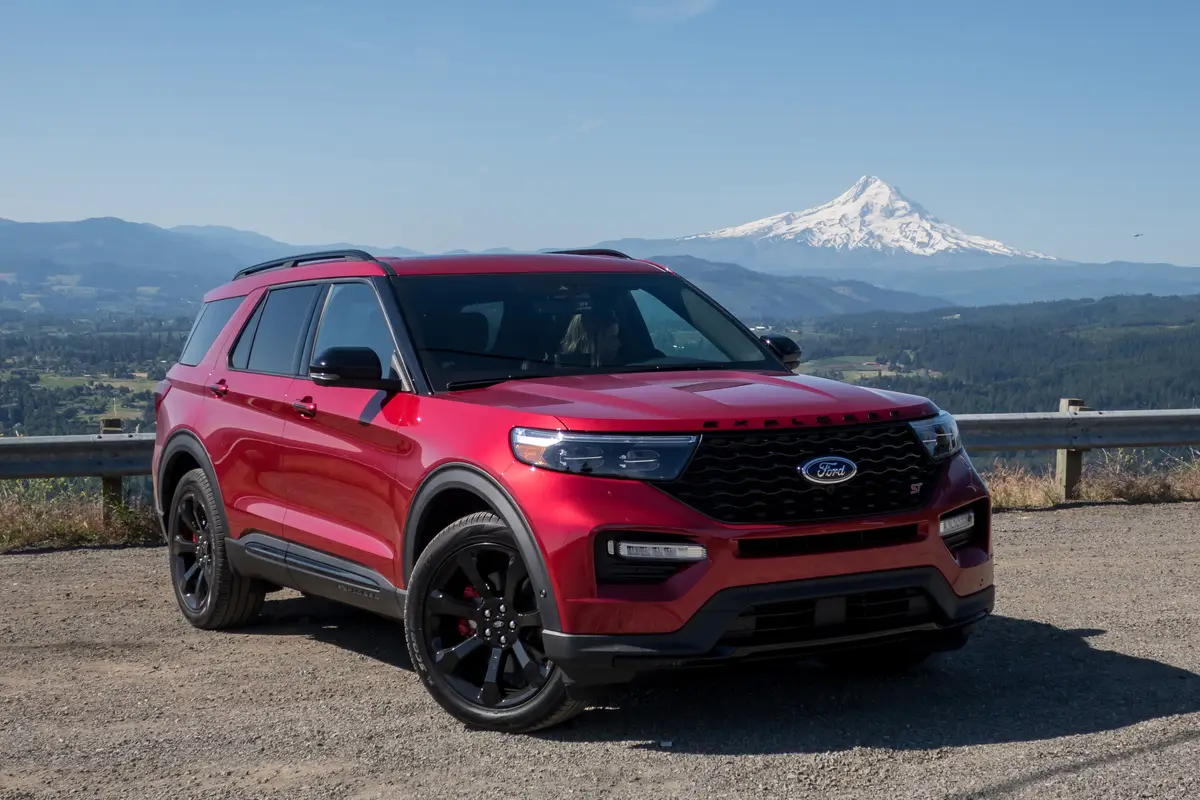
By 2021, vehicle maintenance costs began rising sharply. The automotive industry faced severe supply chain problems, including shortages of semiconductors and delays in manufacturing. These problems affected both new vehicle production and the availability of replacement parts.
Used vehicle prices increased dramatically because fewer new vehicles were available. Many consumers kept older vehicles longer, increasing demand for repairs and maintenance services.
Parts that were normally easy to obtain became harder to source. Longer waiting periods and increased demand pushed prices higher. Some repair facilities also experienced increased labor costs because of technician shortages.
Tire prices, battery costs, and common replacement parts all increased during this period. Inflation affected nearly every area of vehicle ownership, including maintenance supplies, equipment costs, and wages.
The shift toward more expensive vehicle technology also became more noticeable. Hybrid and electric vehicles required specialized knowledge, while traditional vehicles contained more electronic components than previous generations.
For many drivers, 2021 was the year when maintaining an existing vehicle began feeling noticeably more expensive. The increase was not caused by one single factor but by several problems happening simultaneously.
2022: Inflation Creates Record Maintenance Expenses
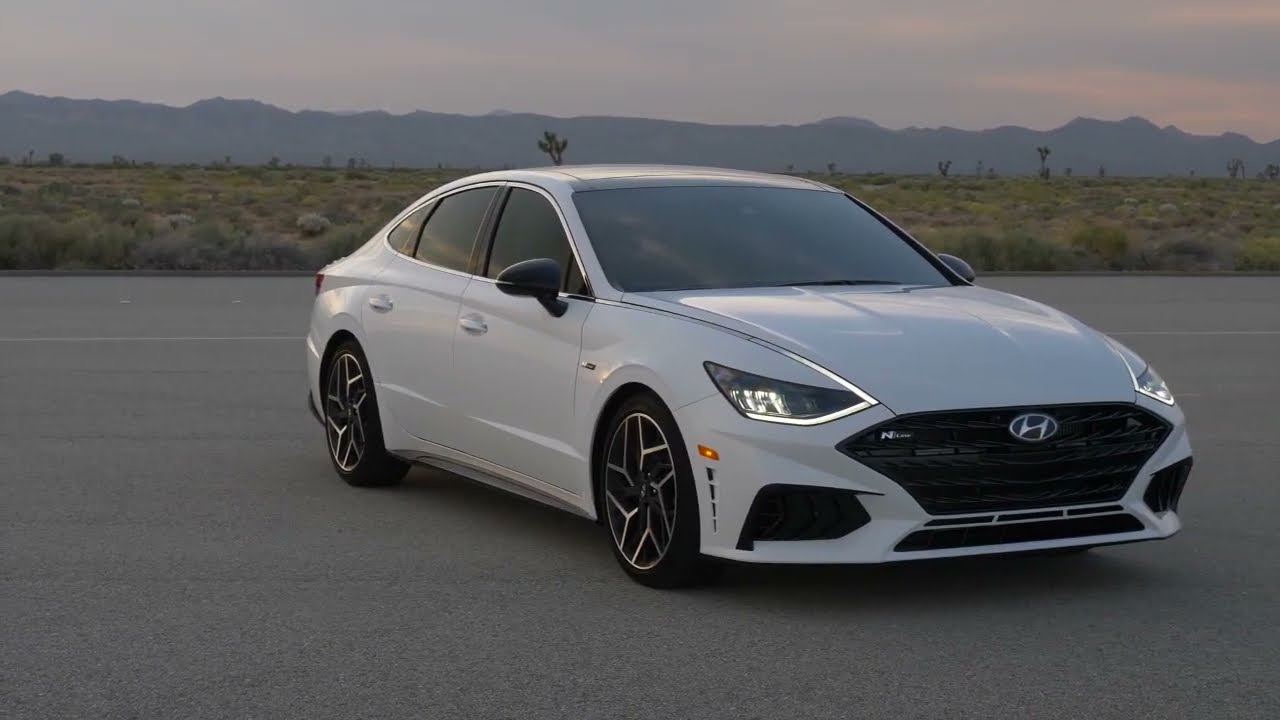
In 2022, vehicle maintenance costs continued to increase due to widespread inflation. The cost of labor, parts, tires, and automotive services all moved higher.
Repair shops faced increased operating expenses, including higher wages, equipment costs, and supply prices. These expenses were passed on to consumers through higher service bills.
Vehicle owners also experienced higher costs for basic maintenance. Oil changes, brake services, batteries, and tire replacements all became more expensive compared with previous years.
The shortage of automotive technicians remained a major issue. Modern vehicles require specialized skills, and fewer workers are entering the repair industry. A shortage of qualified technicians increased labor costs and sometimes extended repair times.
The complexity of vehicles continued to influence expenses. Advanced safety systems, touchscreen technology, and computerized controls made cars safer and more efficient but increased the cost of repairs.
By 2022, many drivers began reconsidering the financial benefits of keeping older vehicles. While avoiding a new car payment could still save money, owners needed to budget for increasingly expensive repairs.
2023 to 2025: The New Normal for Vehicle Maintenance Costs
From 2023 through 2025, vehicle maintenance costs remained significantly higher than they were at the beginning of the decade. Although some supply chain problems improved, prices did not return to previous levels.
AAA’s annual vehicle ownership studies continued to report high ownership expenses, with maintenance, repair, and tire costs remaining among the largest contributors to the total cost of owning a vehicle.
One of the biggest changes during this period was the growing difference between simple repairs and technology-related repairs. A traditional mechanical repair might still be affordable, but replacing advanced electronic systems could become extremely expensive.
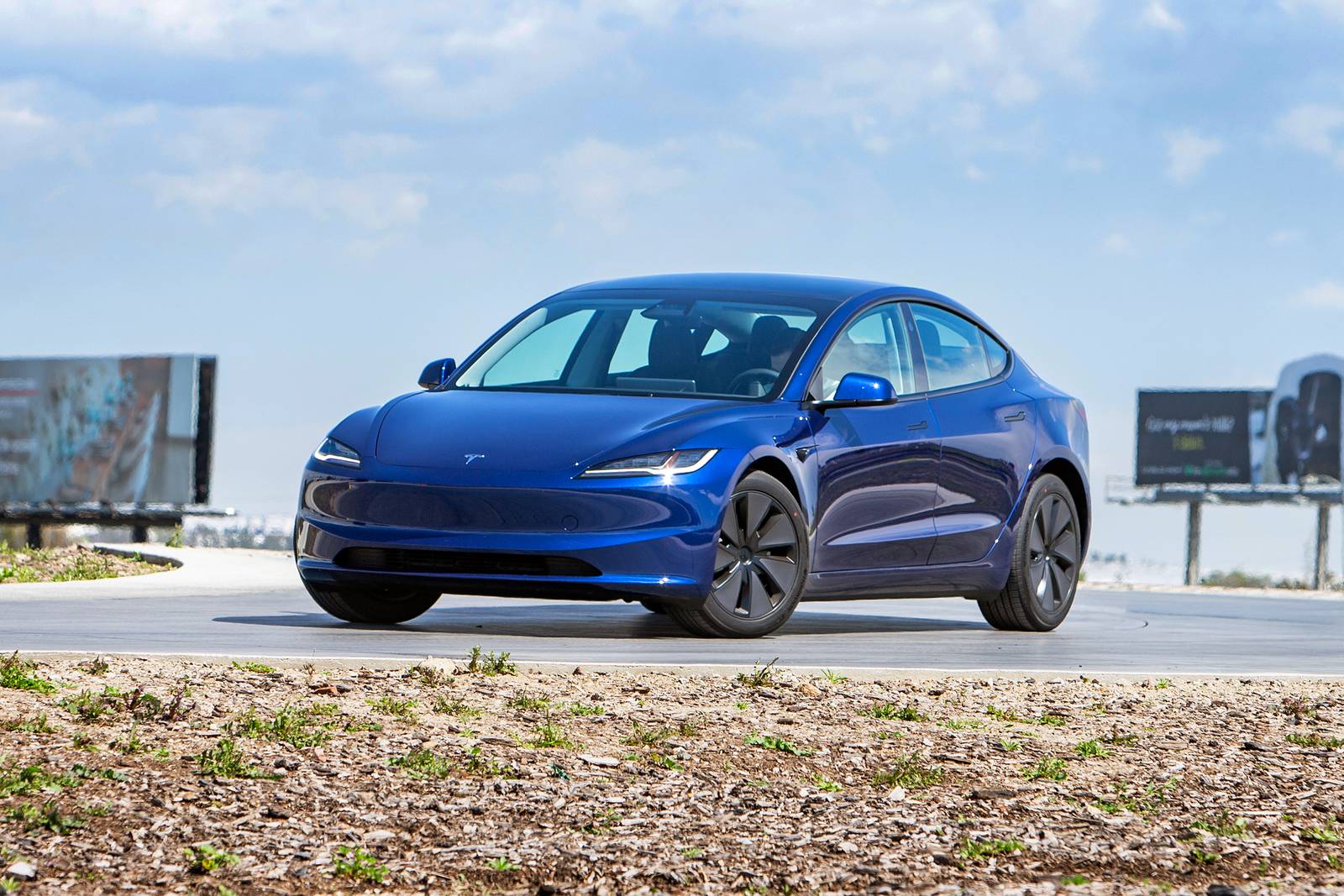
Electric and hybrid vehicles also became more common. These vehicles often require less traditional maintenance because they do not need oil changes and have fewer moving engine components. However, repairs involving battery systems, electronics, or specialized components can be expensive.
Inflation remained an important factor. Even when prices stabilized, they generally remained higher than pre-pandemic levels. Labor costs, replacement parts, and service rates reflected the higher operating costs experienced throughout the automotive industry.
By 2025, drivers could expect to spend more annually maintaining vehicles than they did in 2016. However, preventative maintenance remained one of the best ways to reduce long-term expenses. Regular inspections, timely repairs, proper tire care, and following manufacturer recommendations can prevent small issues from becoming major problems.
The last decade shows a clear pattern: vehicles have become more reliable, safer, and technologically advanced, but those improvements have come with higher maintenance costs.
