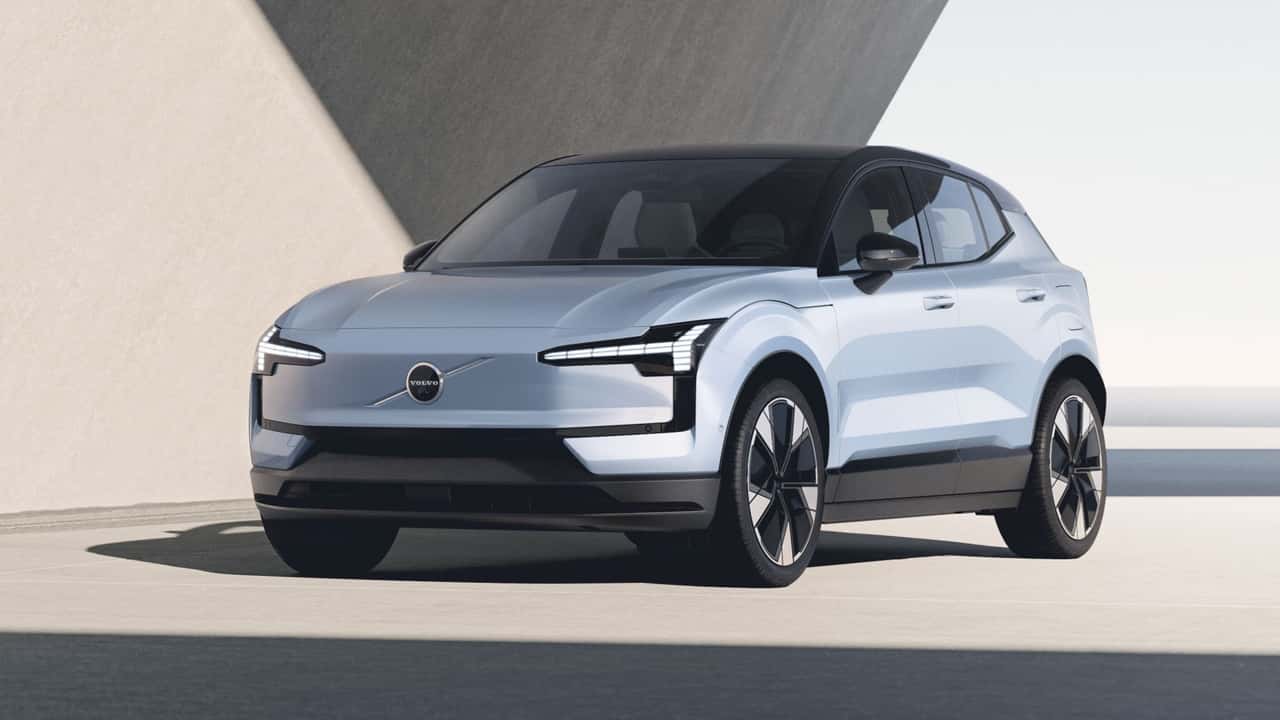
Driver-monitoring systems have become one of the most important developments in modern vehicle safety technology. As vehicles gain more advanced driver-assistance features, manufacturers are increasingly adding cameras, sensors, and software designed to understand whether a driver is paying attention, staying alert, and ready to take control when needed.
These systems are especially important as semi-autonomous driving technologies continue to evolve because even the most advanced vehicle still depends on a responsible human driver.
A good driver-monitoring system does more than simply check whether a driver is looking forward. The best systems can recognize distraction, detect fatigue, monitor head position, and provide timely warnings without becoming annoying or intrusive.
Not every system delivers the same level of performance. Some are highly accurate and smoothly integrated into the driving experience, while others struggle with false alerts, limited detection abilities, or poor driver feedback.
This ranking compares eight major driver-monitoring systems from different automotive brands, considering factors such as reliability, responsiveness, ease of use, technology approach, and effectiveness.
From advanced camera-based solutions to simpler attention monitoring methods, these systems show how car manufacturers are approaching one of the biggest challenges in modern transportation: keeping drivers focused and safe.
Also Read: 8 Hidden Features in the Volkswagen Atlas
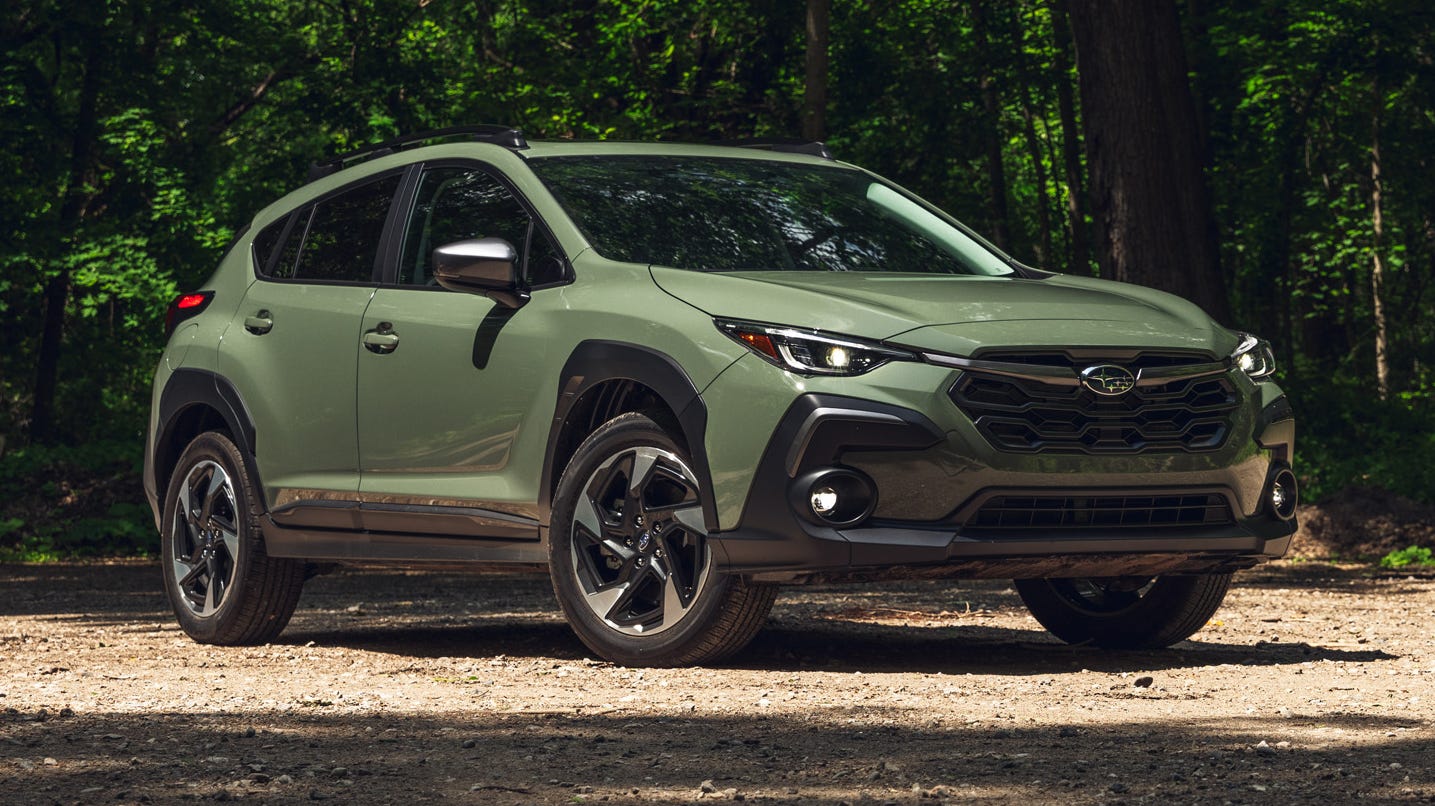
8. Subaru Driver Monitoring System
Subaru has built a strong reputation for safety, and its driver-monitoring technology is part of the company’s broader approach to preventing accidents.
Known as DriverFocus, the system uses an infrared camera positioned inside the cabin to observe the driver’s face and behavior. It works alongside Subaru’s EyeSight driver-assistance technology to create a more complete safety package.
The main purpose of DriverFocus is to identify signs that a driver may not be paying attention. The camera can recognize when the driver looks away from the road for too long and can provide alerts reminding them to refocus.
It can also recognize multiple drivers and automatically adjust certain settings based on stored profiles, creating a more personalized experience.
One advantage of Subaru’s system is that it does not rely only on steering input to determine driver attention. Some older attention-monitoring technologies assume that a driver is alert if they are making small steering corrections, but that approach may not always accurately represent what is happening inside the cabin. A driver could still be distracted while holding the steering wheel correctly.
DriverFocus has some limitations compared with newer and more advanced systems. Its capabilities are primarily focused on monitoring attention rather than providing a deeper understanding of driver behavior.
While it performs well in normal conditions, it may not match the sophistication of systems that use more advanced artificial intelligence models and expanded sensor information.
One challenge is that drivers may sometimes find cabin cameras uncomfortable, even though these systems are designed for safety rather than recording personal activities. Consumer acceptance remains an important factor for all driver-monitoring technology, and manufacturers must continue improving transparency and trust.
Subaru’s DriverFocus system provides useful safety support and represents a meaningful step forward compared with basic warning systems. When compared with the most advanced solutions available today, it ranks lower because of its narrower feature set and less advanced monitoring capabilities.
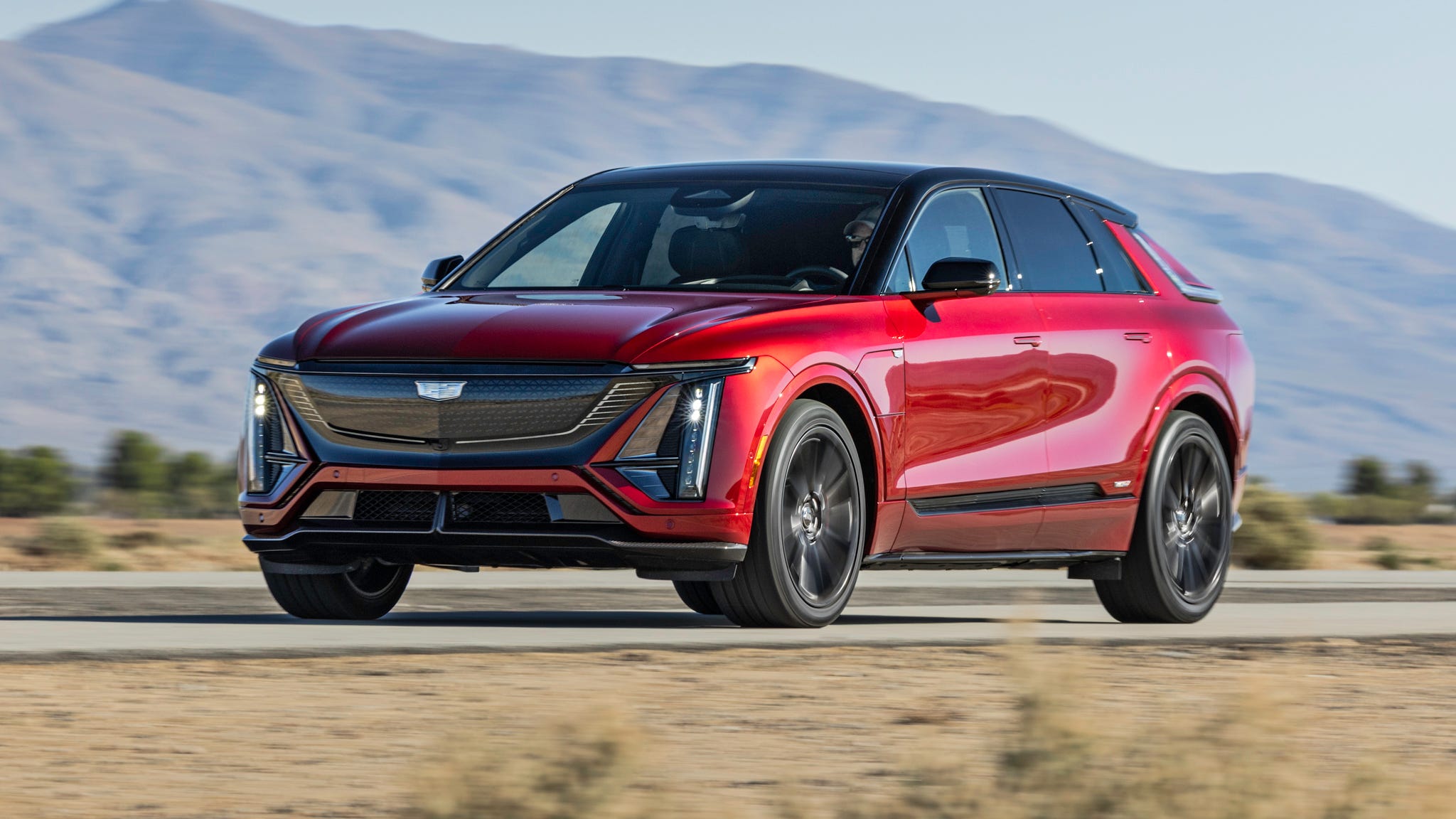
7. Cadillac Super Cruise Driver Attention System
Cadillac’s Super Cruise system is a recognized hands-free driving technology available, and its driver-monitoring system plays a major role in making that feature possible.
Instead of requiring constant hands-on steering control, Super Cruise uses a camera-based system to ensure the driver remains engaged while the vehicle manages certain driving tasks.
The system uses a small infrared camera mounted in the steering column area to track the driver’s eyes and head position. If the driver looks away from the road for too long, the system provides visual and audio warnings. If attention is not restored, the vehicle can eventually disengage the hands-free driving feature and encourage the driver to take control.
A major strength of Cadillac’s approach is that it focuses on eye attention rather than simply detecting whether the driver’s hands are on the wheel. This makes it more suitable for advanced assistance systems because a person can have their hands positioned correctly while still being distracted by a phone, a passenger, or an activity.
The system is also designed to work with Cadillac’s broader Super Cruise technology, which includes detailed mapping information and other vehicle sensors. This combination allows the vehicle to operate more confidently on supported roads while still requiring the driver to remain responsible for monitoring the situation.
The technology is mainly optimized for use with hands-free highway driving and is not designed to monitor every possible type of distraction in every driving environment. Drivers may also need time to adjust to the idea of a camera continuously observing their attention.
Cadillac’s system remains one of the better examples of driver monitoring in the automotive industry. Its focus on eye tracking and integration with hands-free driving technology gives it a significant advantage over simpler systems, but it falls short of the most advanced platforms that offer broader driver analysis and more complex safety responses.
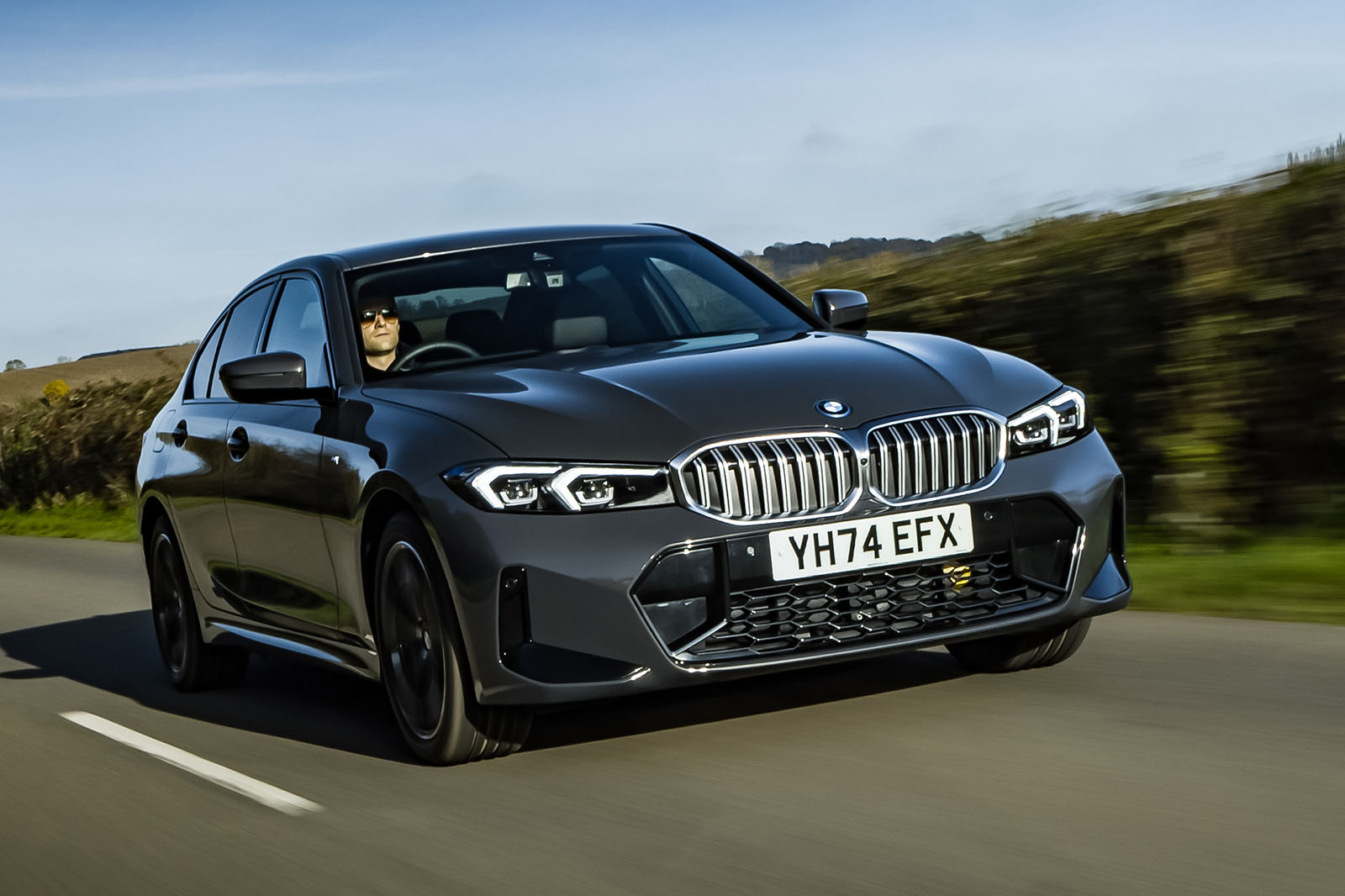
6. BMW Driver Attention Camera and Monitoring System
BMW has gradually expanded its approach to driver monitoring as its vehicles have gained more advanced driver-assistance capabilities.
The company uses a combination of cameras, steering behavior analysis, and vehicle data to determine whether the driver is paying attention. This approach fits into BMW’s larger strategy of creating vehicles that combine performance, comfort, and intelligent safety features.
BMW’s driver-monitoring technology is closely connected with features such as adaptive cruise control, lane assistance, and advanced driving assistance packages.
In many BMW models, an interior camera can observe the driver’s face and eye movement, helping determine whether the driver is focused on the road. The system can provide warnings if it detects that the driver is not paying sufficient attention.
The benefits of BMW’s system are its ability to work with multiple sources of information. Instead of depending on only one measurement, such as steering movement, the vehicle can analyze several signals to create a better understanding of driver engagement. This approach reduces the chances of incorrectly assuming that a driver is alert when they may actually be distracted.
BMW also places importance on making its technology feel natural. The goal is not to constantly interrupt drivers but to provide assistance when necessary. A well-designed monitoring system should remain mostly invisible during normal driving while becoming noticeable when there is a genuine safety concern. BMW’s interface generally follows this philosophy.
BMW’s system is not considered the most advanced available because its driver-monitoring capabilities vary between models and equipment packages. Some vehicles offer more sophisticated camera-based features than others, which can create differences in performance.
Compared with systems developed specifically around hands-free driving, BMW’s solution is more focused on supporting traditional driver assistance.
The company’s technology represents a balanced approach that combines safety monitoring with a premium driving experience. It performs well in everyday situations and benefits from BMW’s engineering expertise, but it does not always match the depth of analysis offered by the highest-ranked systems.
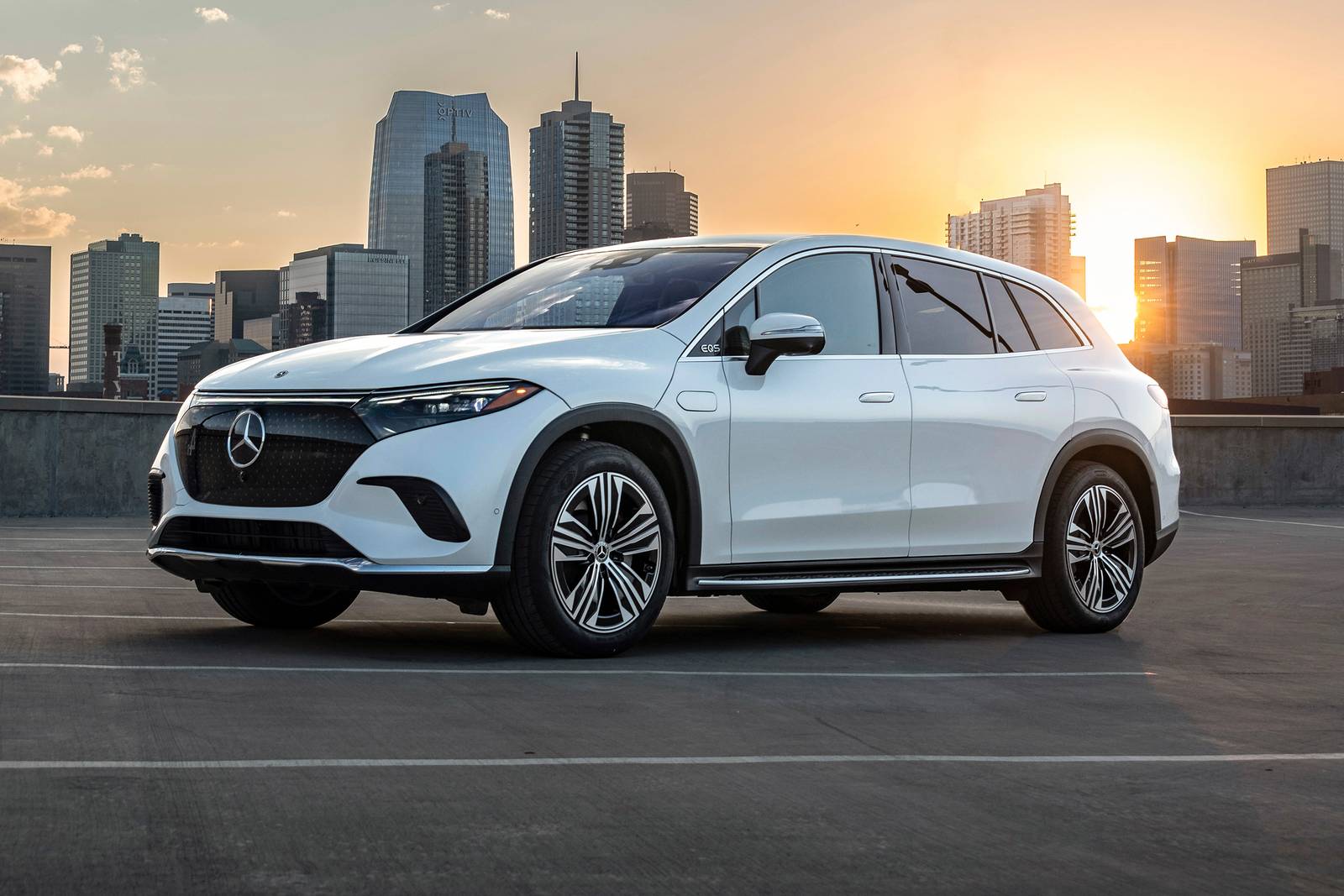
5. Mercedes-Benz Driver Monitoring System
Mercedes-Benz has long invested heavily in automotive safety technology, and its driver-monitoring systems reflect the brand’s focus on luxury combined with advanced engineering.
The company integrates driver attention monitoring into its larger suite of assistance technologies, helping ensure that drivers remain involved even when the vehicle can provide significant support.
Mercedes systems use a variety of methods to evaluate driver attention. These can include analyzing steering behavior, monitoring vehicle control inputs, and, in some models, using interior cameras to observe the driver. The system looks for patterns that may suggest fatigue or reduced awareness and can provide warnings when necessary.
A key strength of Mercedes-Benz technology is its smooth integration into the driving experience. The company designs its assistance features to operate quietly in the background rather than creating constant distractions.
Alerts are typically delivered through the vehicle’s display system and other warning methods designed to gain the driver’s attention without causing unnecessary stress.
Mercedes also benefits from decades of research into driver safety. The brand has developed numerous active and passive safety systems, and driver monitoring is another part of its approach to reducing accidents. The company understands that technology should support human drivers rather than encourage overconfidence.
One limitation is that Mercedes offers different levels of driver-monitoring technology depending on the vehicle model and optional equipment. Some entry-level systems may rely more heavily on indirect measurements, while premium models include more advanced features. This variation means the experience can differ significantly across the lineup.
Mercedes-Benz earns a middle ranking because its technology is reliable, refined, and well integrated, but it does not consistently lead the industry in driver awareness tracking.
It provides effective assistance for many situations but lacks some of the more aggressive monitoring capabilities found in newer systems designed specifically for semi-autonomous driving.
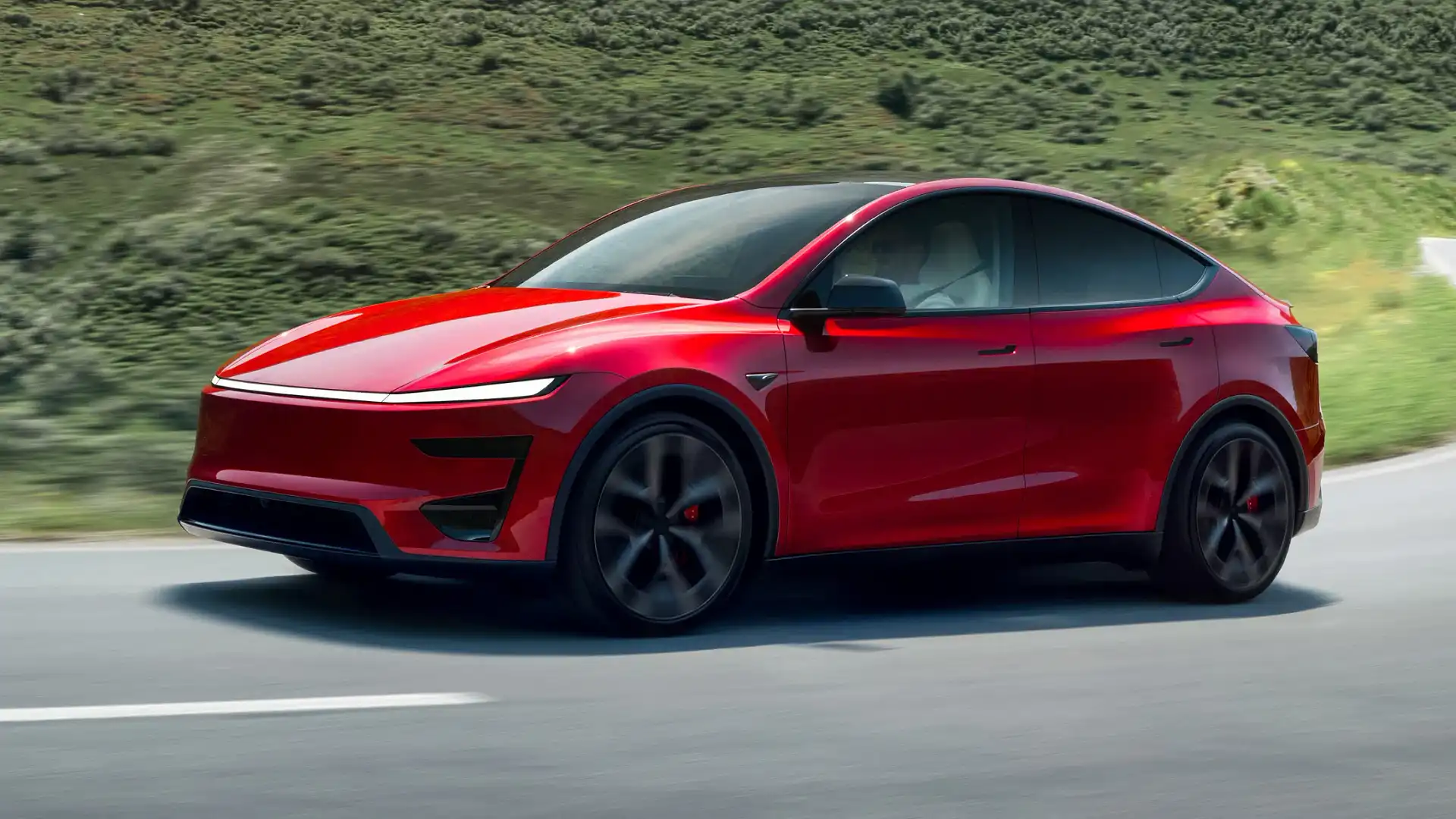
4. Tesla Driver Monitoring System
Tesla’s approach to driver monitoring has attracted significant attention because of the company’s ambitious work on automated driving technology. Tesla vehicles equipped with Autopilot and Full Self-Driving features use cabin cameras and other vehicle information to determine whether the driver remains attentive while the assistance system is active.
Earlier versions of Tesla’s driver monitoring relied heavily on steering wheel interaction. Drivers were required to apply small amounts of pressure periodically to demonstrate that they were still engaged. Over time, Tesla expanded its approach by using the interior camera to observe driver behavior, especially when advanced assistance features are being used.
The biggest advantage of Tesla’s system is the amount of software development behind it. Tesla collects large amounts of driving data from its vehicle fleet, allowing the company to continuously update and improve its systems through software changes. This software-focused approach gives Tesla the ability to adjust features more quickly than traditional automotive development cycles.
The cabin camera allows Tesla vehicles to detect certain forms of distraction, such as looking away from the road for extended periods.
The system can provide warnings when it determines that the driver is not paying attention. This is particularly important because Tesla’s assistance features can handle many driving tasks, creating a need for strong driver engagement monitoring.
However, Tesla’s system has faced criticism regarding how it balances automation capability with driver responsibility. Some observers argue that drivers may misunderstand the limits of automated assistance and place too much trust in the technology. A driver-monitoring system must not only detect distraction but also encourage appropriate behavior.
Tesla ranks highly because of its software capabilities, large-scale data collection, and camera-based monitoring approach. Questions about consistency, user behavior, and the relationship between automation and driver responsibility prevent it from reaching the top position.
Also Read: 5 Best Ford Escape Years vs 5 to Avoid
3. Ford BlueCruise Driver Monitoring System
Ford’s BlueCruise technology has become one of the strongest examples of modern driver assistance, especially because of its careful focus on driver supervision. The system allows hands-free driving on approved highways while using a driver-monitoring camera to ensure the person behind the wheel remains attentive.
Ford uses an infrared driver-facing camera to track eye direction and head position. Unlike systems that mainly check steering input, BlueCruise focuses on whether the driver is actually looking toward the road.
This approach provides a more accurate measurement of engagement and helps prevent situations where drivers become distracted while relying on automated features.
A major strength of Ford’s system is its practical design. The company has emphasized making the technology easy to understand for everyday drivers. Clear alerts and straightforward instructions help users understand when they need to pay attention and when the vehicle requires them to take control.
Ford also limits hands-free operation to carefully selected highway areas known as Blue Zones. This restriction improves safety because the system operates in environments where it has been designed and tested. Rather than attempting to work everywhere, Ford focuses on delivering reliable performance within specific conditions.
The system is not perfect because it still depends on drivers responding appropriately to warnings. It cannot prevent every form of distraction, and environmental conditions may affect performance. Additionally, the technology is limited compared with future systems that may offer a more advanced understanding of driver condition.
BlueCruise earns a high ranking because it combines effective monitoring, clear communication, and responsible automation design. It demonstrates how driver-monitoring technology can support convenience while maintaining a strong focus on safety.
2. General Motors Ultra Cruise and Advanced Driver Monitoring Technology
General Motors has been developing some of the automotive industry’s most advanced driver-assistance technologies, and its future-focused systems represent a major step toward more intelligent vehicle safety.
Building on lessons learned from Super Cruise, GM has continued improving its driver-monitoring approach with the goal of creating vehicles that can handle more complex driving situations while ensuring the driver remains properly engaged.
The foundation of GM’s driver-monitoring technology is a camera-based system designed to track where the driver is looking and determine whether they are paying attention.
Unlike older systems that mainly relied on steering movements, camera monitoring provides a clearer understanding of driver awareness. This is especially important as vehicles become capable of managing more driving tasks because the biggest safety challenge becomes ensuring drivers are ready to respond when needed.
One of the strongest aspects of GM’s approach is the company’s focus on combining multiple technologies. Driver monitoring works together with cameras, radar sensors, mapping information, and vehicle software to create a broader safety system.
By analyzing different sources of information, the vehicle can better understand both the driving environment and the driver’s readiness to take control.
GM’s experience with Super Cruise has also helped the company develop a strong understanding of real-world driver behavior. Thousands of drivers have used these systems on supported roads, providing valuable information about how people interact with advanced assistance features. This experience helps improve warning systems, user interfaces, and reliability.
Rather than presenting the technology as a replacement for the driver, the company emphasizes that drivers remain responsible for monitoring the road. This communication is important because even highly advanced systems still have limitations and require human involvement.
GM’s most advanced driver-monitoring technology is not yet available across every vehicle in the company’s lineup. Availability depends on vehicle models, technology packages, and market rollout plans. This means many drivers may not experience the highest level of capability offered by GM’s research and development.
GM ranks near the top because of its strong combination of camera-based monitoring, hands-free driving experience, and safety-focused design. The company has demonstrated that effective driver monitoring requires more than simply watching the driver. It requires understanding how automation and human attention work together.
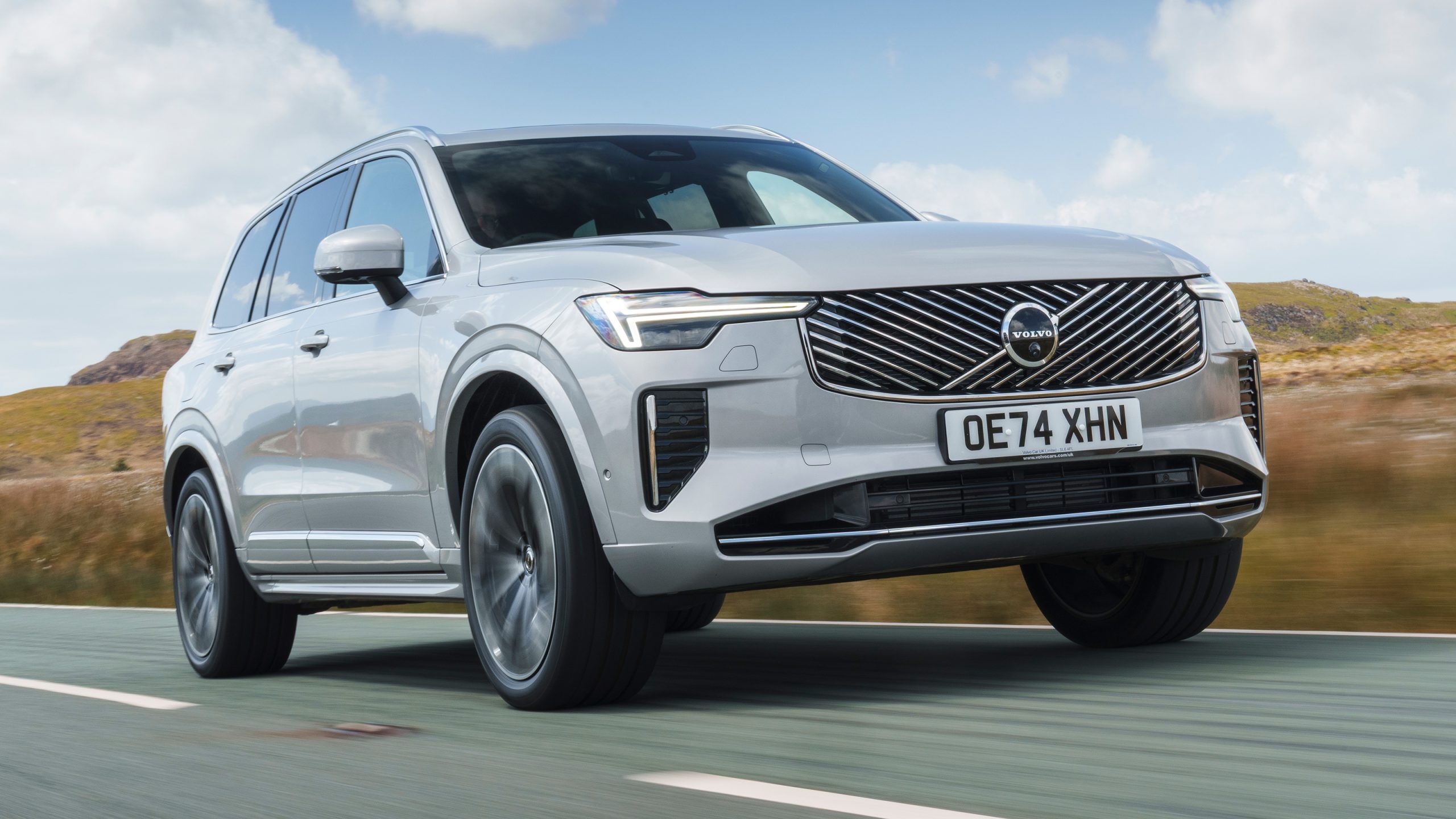
1. Volvo Driver Monitoring System
Volvo has consistently built its brand around vehicle safety, and its driver-monitoring technology reflects that long-standing commitment. The company’s approach places strong emphasis on preventing accidents caused by distraction, fatigue, or misuse of driver-assistance features.
Volvo’s system is designed not only to support drivers but also to intervene when it detects that a driver may not be capable of safely controlling the vehicle.
Volvo uses interior cameras and advanced software to monitor driver behavior. These cameras can evaluate factors such as eye direction, head position, and signs that the driver may not be paying attention. The system is designed to recognize when a driver’s attention is significantly reduced and provide appropriate warnings before a dangerous situation develops.
A major strength of Volvo’s technology is its safety-first philosophy. The company does not view driver monitoring as simply a feature for convenience. Instead, it treats attention monitoring as a critical part of preventing crashes. This approach aligns with Volvo’s broader goal of reducing serious injuries and improving road safety.
Volvo has also focused on situations where a driver may be unable to respond properly. For example, advanced monitoring systems can help identify when a driver appears distracted or impaired. In some cases, future versions of this technology may support additional safety responses when the vehicle determines that the driver cannot safely continue driving.
The company’s technology benefits from Volvo’s extensive safety research and experience developing protective systems. Features such as collision avoidance, lane assistance, and driver alerts work together with monitoring technology to create a more complete safety network.
The system is not only technologically advanced but also designed around responsible driver behavior. It recognizes that automation should assist people rather than encourage them to ignore their responsibilities behind the wheel.
The biggest challenge for Volvo is that some advanced monitoring features are still being introduced gradually, and capabilities may differ between models and regions. The company’s commitment to safety, combined with its thoughtful use of driver-monitoring technology, places it among the strongest performers in this category.