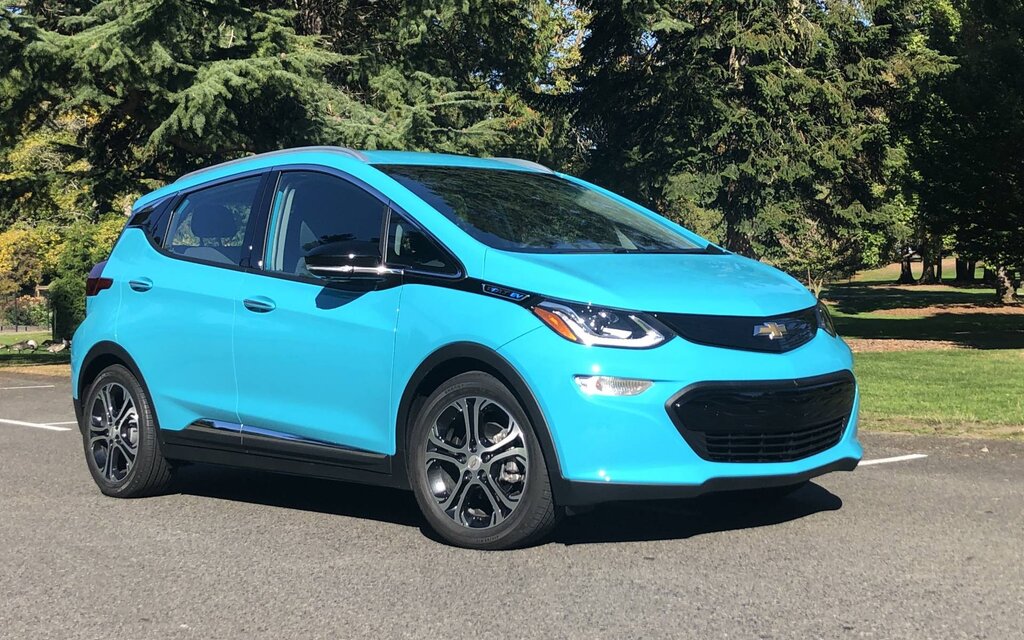
Electric vehicles promise a certain number of miles on paper. Real-world weather often tells a different story. Temperature swings hit EV batteries harder than most drivers expect. Cold slows down the chemical reactions inside lithium-ion cells. Heat, meanwhile, is more forgiving but still forces the air conditioning to work overtime.
EV batteries perform best in temperatures around 65 to 75 degrees Fahrenheit, and efficiency drops when it gets much colder or hotter than that. Research firm Recurrent has tracked this pattern across tens of thousands of real vehicles.
Their study found that 34 EV models averaged 78% of the normal range at 32°F, with the best cars retaining 88% and the weakest dropping to 69%. Summer is usually easier on the range than winter.
Recurrent’s research across nine EV models found that range loss stayed below double digits unless temperatures turned extreme, with even 92°F days causing only about an 8.8% reduction. Below are eight EVs, their real specifications, and how their range actually holds up between the two seasons.
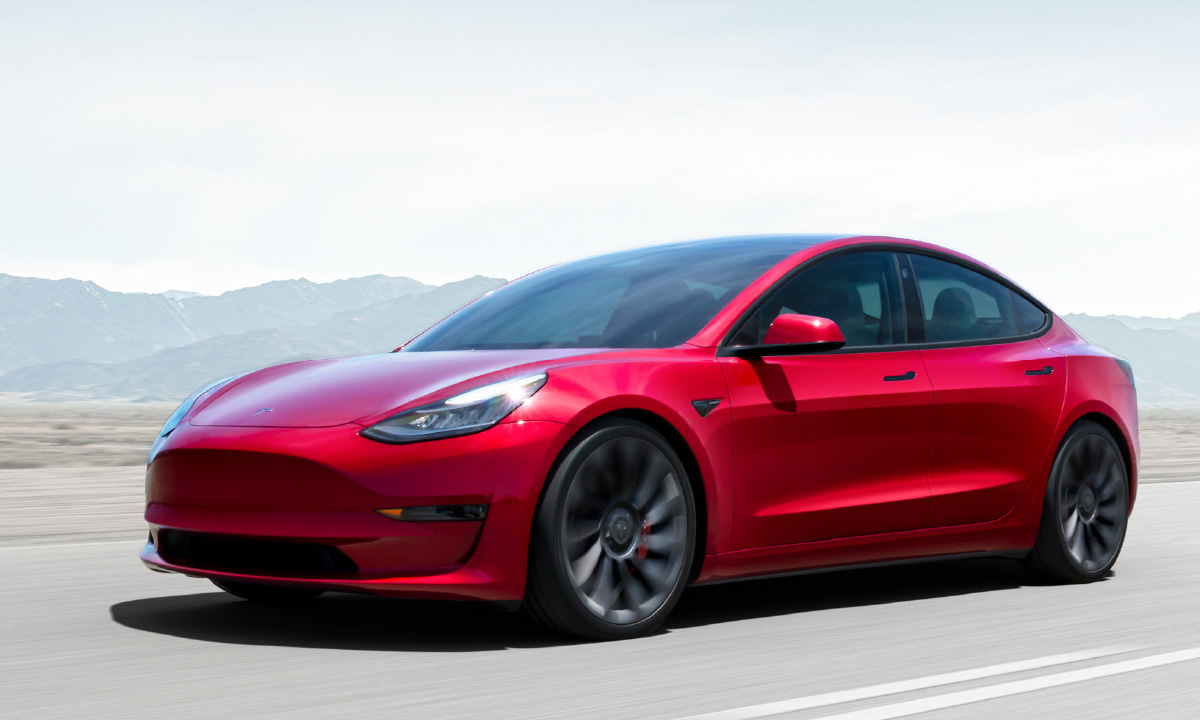
1. Tesla Model 3 Long Range AWD
The Model 3 remains one of the best-selling EVs. Its dual-motor setup balances range with quick acceleration. The Long Range trim is EPA-rated at 310-341 miles, depending on wheel size. It’s a genuinely efficient sedan by design.
Winter tells a rougher story, though. Independent UK data pegs the Tesla Model 3 Long Range at a 24.8% range loss in cold weather, with efficiency around 3.9 miles per kWh.
Specifications:
- Motor: Dual permanent-magnet synchronous motors
- Horsepower: 441 hp combined
- Torque: 364 lb-ft combined
- Length: 185.8 inches
- Width: 72.8 inches
That’s a meaningful hit for daily commuters. Preconditioning while plugged in helps offset some of that loss. Summer treats the Model 3 far better. Its efficient aerodynamics and battery thermal management keep hot-weather losses to single digits in most testing.
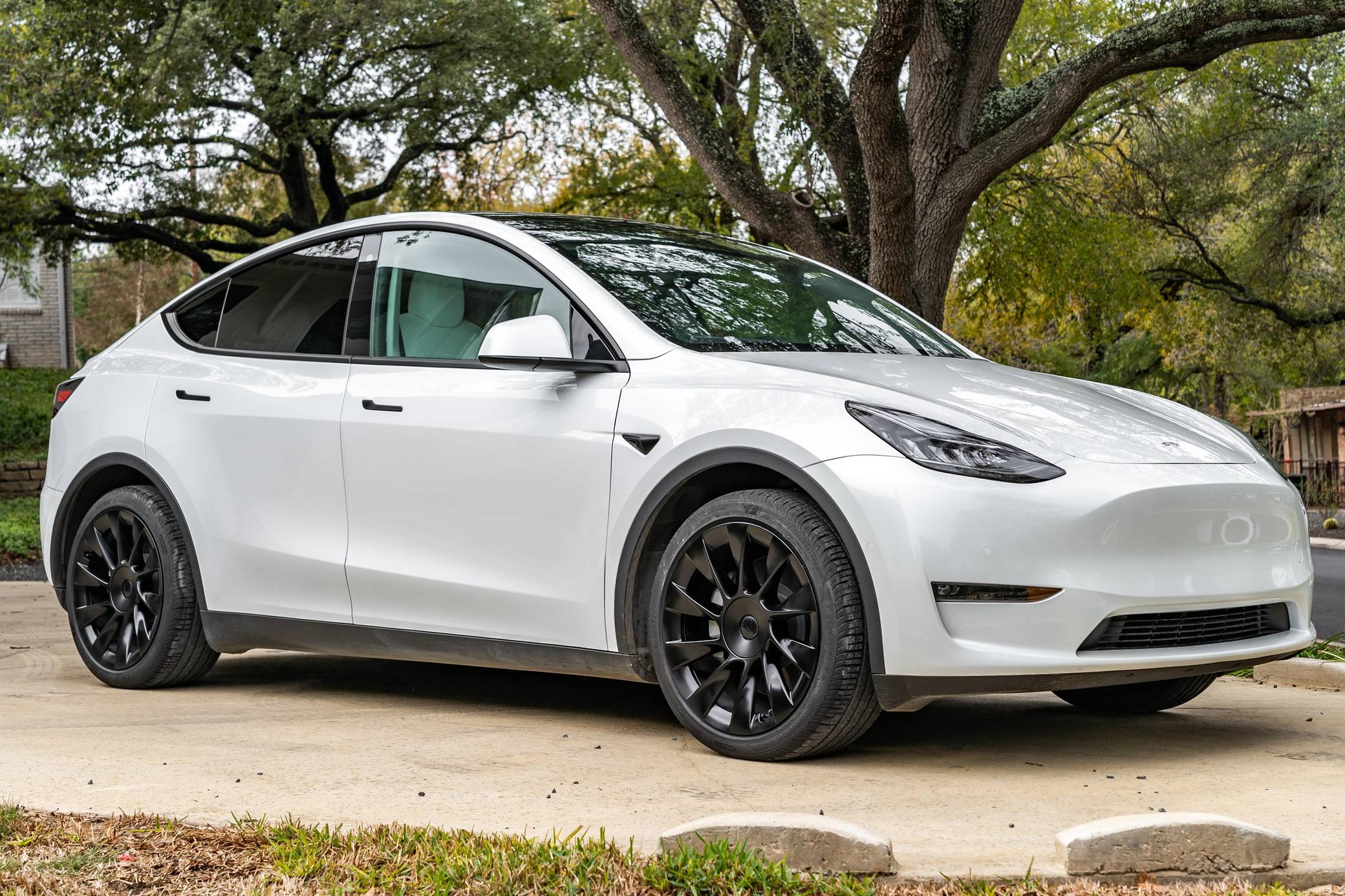
2. Tesla Model Y Long Range AWD
The Model Y is Tesla’s best-selling crossover globally. It shares its platform with the Model 3 but rides taller. EPA range sits around 311-320 miles depending on configuration. It’s among the most efficient SUVs on sale.
Cold weather barely dents this car compared to rivals. The Tesla Model Y Long Range loses just 11.8% of its range in winter, making it one of the best cold-weather performers available.
Specifications:
- Motor: Dual motor, front and rear
- Horsepower: 346 hp (AWD Long Range)
- Torque: 376 lb-ft
- Length: 187.0 inches
- Width: 75.6 inches
That advantage comes from Tesla’s heat pump and battery preconditioning system. Recurrent’s own tracking found the Model Y Long Range tied for third place among all EVs tested, losing about 15% of range in cold conditions versus mild weather. Summer performance stays strong too, with efficiency rarely dropping more than a few percentage points.
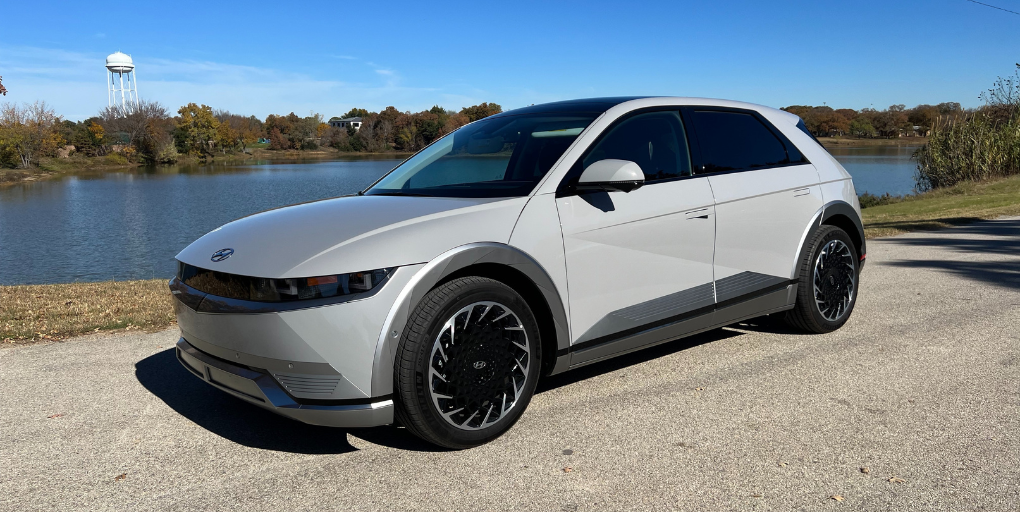
3. Hyundai Ioniq 5 Limited AWD
The Ioniq 5 combines retro-futuristic styling with genuinely quick charging. It rides on Hyundai’s dedicated E-GMP platform. EPA range for the AWD Limited trim runs around 269-303 miles, depending on model year. RWD trims stretch further.
Consumer Reports tested this SUV directly against rivals. The Ioniq 5 lost about 25% of its range on a 17°F day compared to a mild-weather run, closely matching results from Ford, Tesla, and VW competitors.
Specifications:
- Motor: Dual motor, front and rear
- Horsepower: 320 hp
- Torque: 446 lb-ft
- Length: 182.5-183.3 inches
- Width: 74.4 inches
That’s a consistent, predictable drop rather than an outlier. Newer heat-pump-equipped versions fare somewhat better than early builds. Summer conditions were the best of the three tested. Warm 85°F weather produced the longest range of any tested condition, even with air conditioning running.
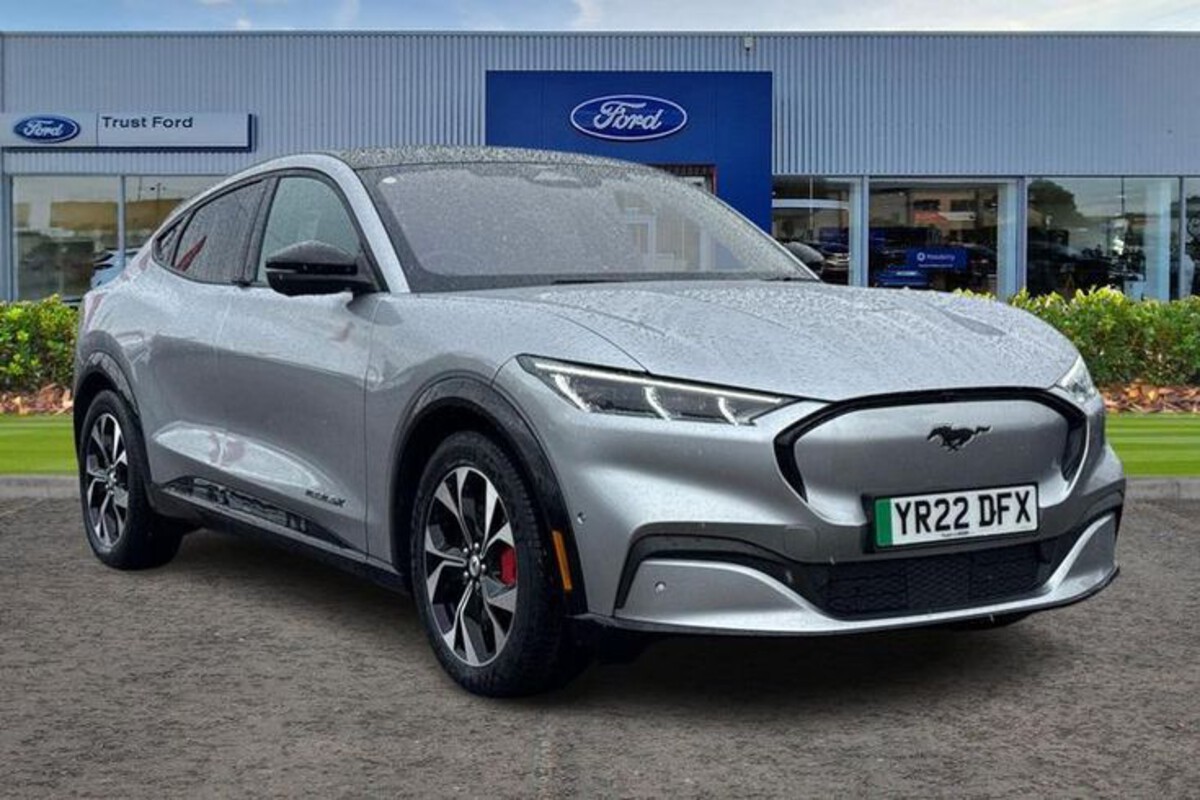
4. Ford Mustang Mach-E Extended Range AWD
Ford’s electric crossover borrows styling cues from the Mustang nameplate. It’s built to compete directly with Tesla’s SUVs. The Extended Range AWD trim carries an EPA rating of nearly 290 miles. Standard Range versions offer less.
Older Mach-E models without a heat pump struggled in the cold. Vehicles like the Mach-E and ID.4 without a standard heat pump lost around 30% of their range in winter driving.
Specifications:
- Motor: Dual permanent-magnet motors
- Horsepower: 346 hp
- Torque: 428 lb-ft
- Length: 185.6-186.7 inches
- Width: 74.1 inches
Consumer Reports found a similar figure directly. The Mach-E extended-range model showed roughly a 25% range loss on the coldest test day compared to mild conditions. Newer 2025-model-year Mach-E vehicles now include a standard heat pump and should lose noticeably less range than earlier versions. Summer performance stays comfortably strong by comparison.
Also Read: What It Costs to Replace a Steering Rack, Explained
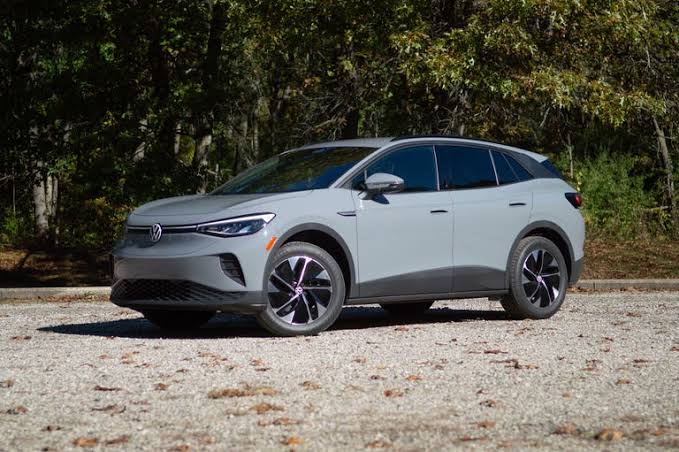
5. Volkswagen ID.4 AWD (Pro S)
The ID.4 is VW’s mainstream electric SUV. It prioritizes interior space and everyday usability over outright performance. EPA range for the dual-motor AWD trim sits near 263 miles. Single-motor RWD versions travel further, up to 291 miles.
Cold weather has historically been a weak point for this SUV. Earlier ID.4 models without a standard heat pump lost around 30% of their range in cold-weather driving.
Specifications:
- Motor: Dual motor, front and rear
- Horsepower: 335 hp
- Torque: 395 lb-ft combined
- Length: 180.5 inches
- Width: 72.9 inches
Consumer Reports confirmed a similar pattern in controlled testing. The ID.4 followed the same roughly 25% cold-weather range reduction seen across its AWD rivals. Heat pumps are now standard on newer trims. That upgrade should meaningfully close the gap with class leaders going forward.
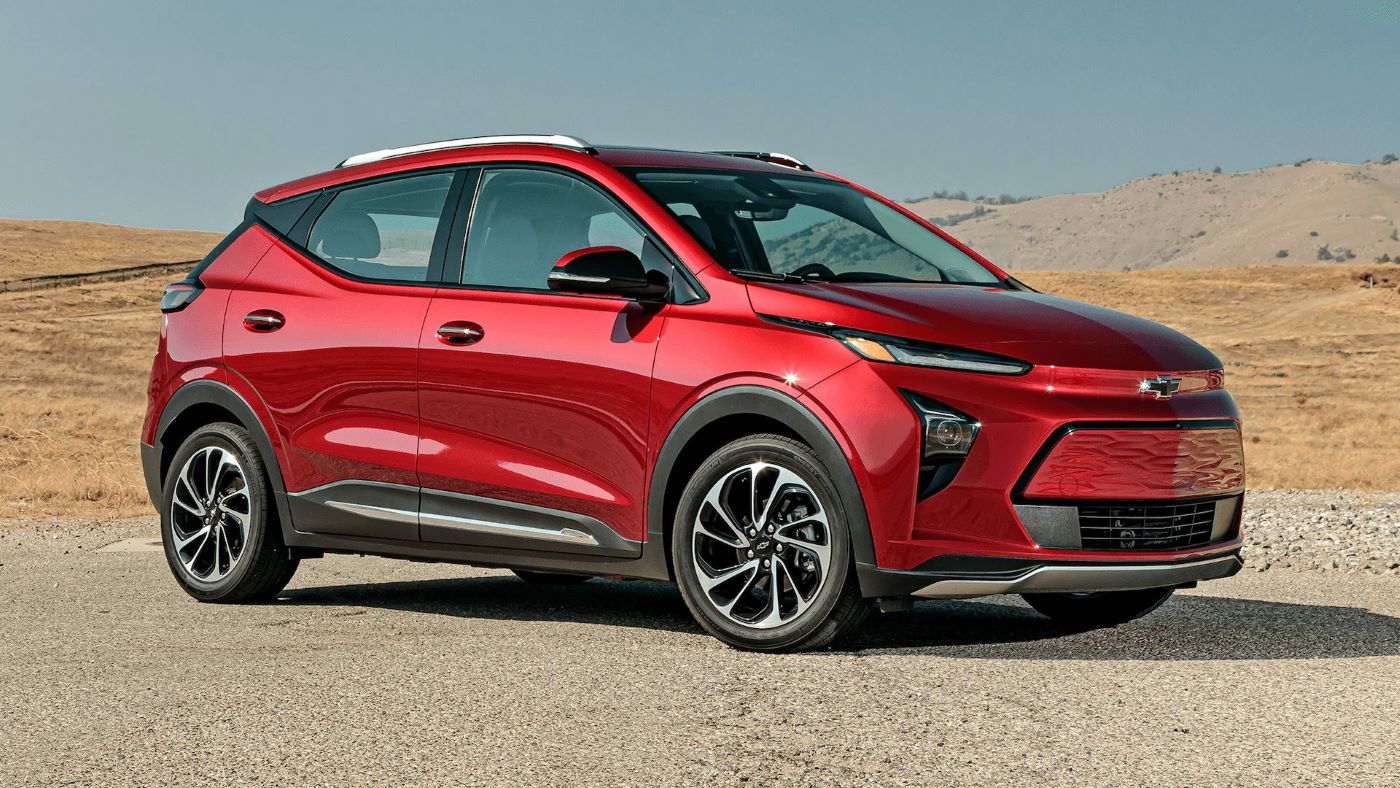
6. Chevrolet Bolt EV
The Bolt EV was one of the most affordable long-range EVs sold in America. It’s now discontinued, though a new version has since returned. EPA range comes in at 259 miles despite its compact hatchback body.
That’s impressive for its small footprint. Winter is when the Bolt struggles most among this group. The Bolt lost 32% of its range in winter testing, the worst performance of any model in Recurrent’s comparison.
Specifications:
- Motor: Single front motor
- Horsepower: 200 hp
- Torque: 266 lb-ft
- Length: 163.2 inches
- Width: 69.5 inches
Its relatively small 60-kWh battery and lack of a heat pump make it highly sensitive to temperature swings, with range dropping even in mild cold. That sensitivity is a real consideration for buyers in northern climates.
Summer months are far kinder to the Bolt’s smaller battery. Efficiency stays closer to its EPA rating when temperatures sit near room temperature.
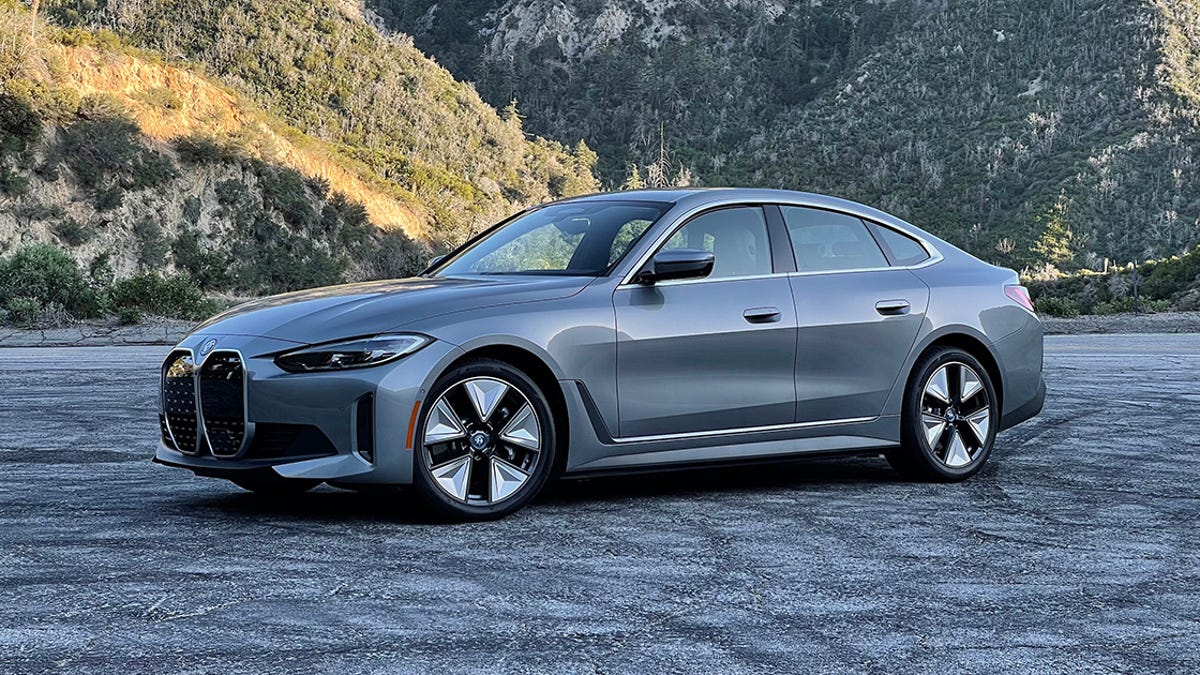
7. BMW i4 eDrive40
The i4 is BMW’s answer to the Tesla Model 3. It wraps a traditional luxury-sedan feel around an electric drivetrain. EPA range for the eDrive40 trim lands around 301 miles. It’s one of the more efficient luxury EVs available.
BMW’s electric lineup shows a mixed cold-weather picture. The related BMW i5 loses about 25.1% of its range in winter, with real-world efficiency near 3.1 miles per kWh.
Specifications:
- Motor: Single rear-mounted motor
- Horsepower: 335 hp
- Torque: 317 lb-ft
- Length: 188.5 inches
- Width: 72.9 inches
What Car’s own winter endurance test found the i4 among a group of EVs that fell an average of 18% short of their summer-tested distance. That’s a moderate loss compared to some rivals.
Summer testing showed the opposite trend. That same test recorded temperatures between 24 and 29°C during the strongest summer runs, helping cars post their longest distances of the year.
8. Mercedes-Benz EQE 350
The EQE is Mercedes’ mid-size electric sedan. It sits below the flagship EQS but still leans heavily into luxury tech. EPA range spans roughly 260 to 298 miles, depending on trim and wheel choice. That’s competitive for a car this size.
Cold weather actually plays to the EQE’s strengths. The Mercedes EQE loses only about 21% of its range in winter conditions, with efficiency around 3.4 miles per kWh, making it one of the stronger cold-weather performers in its class.
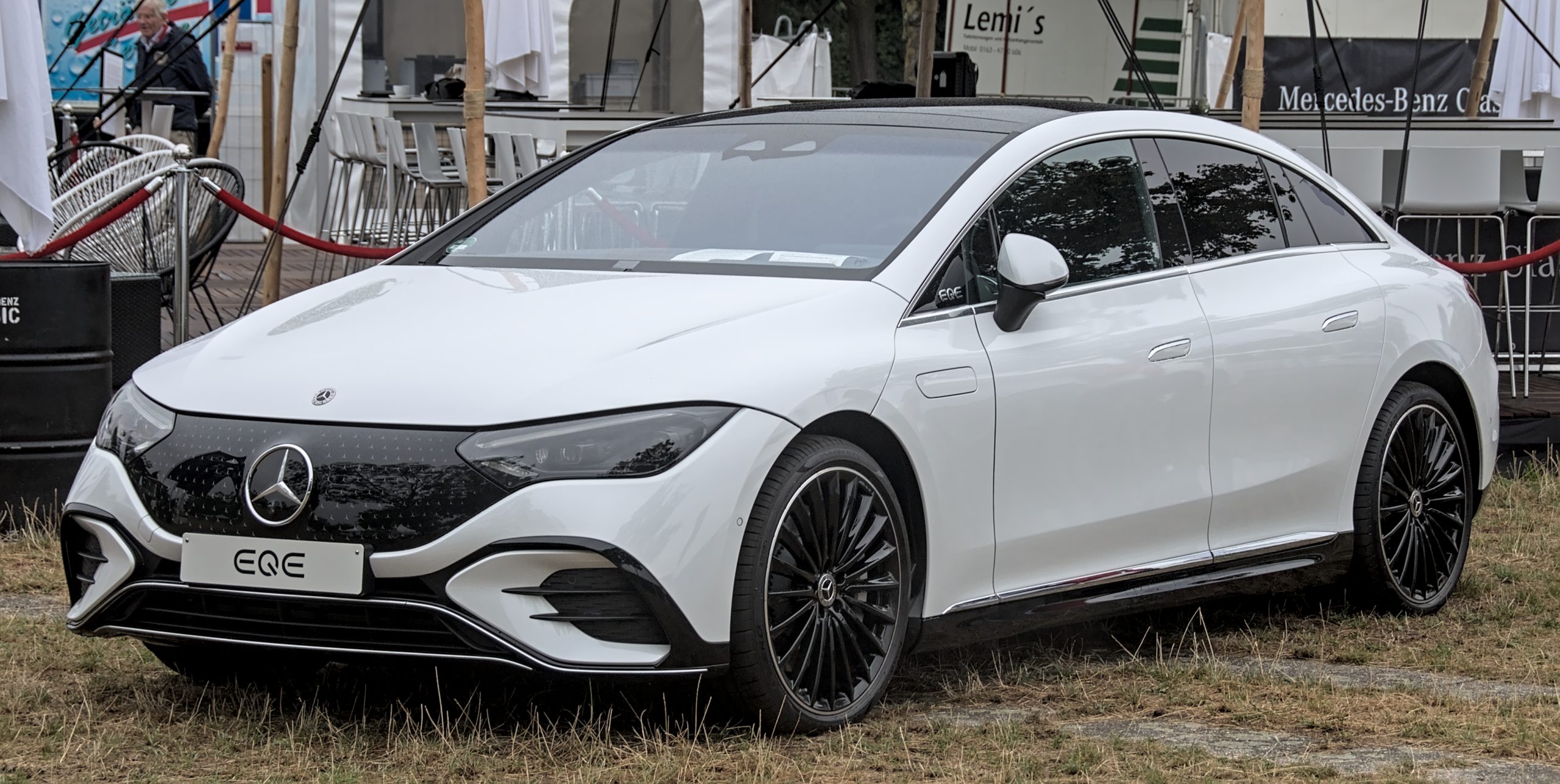
Specifications:
- Motor: Single rear-mounted motor
- Horsepower: 288 hp
- Torque: 391 lb-ft
- Length: 196.9 inches
- Width: 77.2 inches
That places it ahead of several rivals tested here. Its thermal management system appears well tuned for temperature extremes. Summer conditions add to that advantage further. Larger luxury EVs like the EQE tend to lose less percentage-wise since their bigger battery buffers heat-related losses.
Also Read: What Happens to Your Loan if Your Car Is Totaled, Explained