
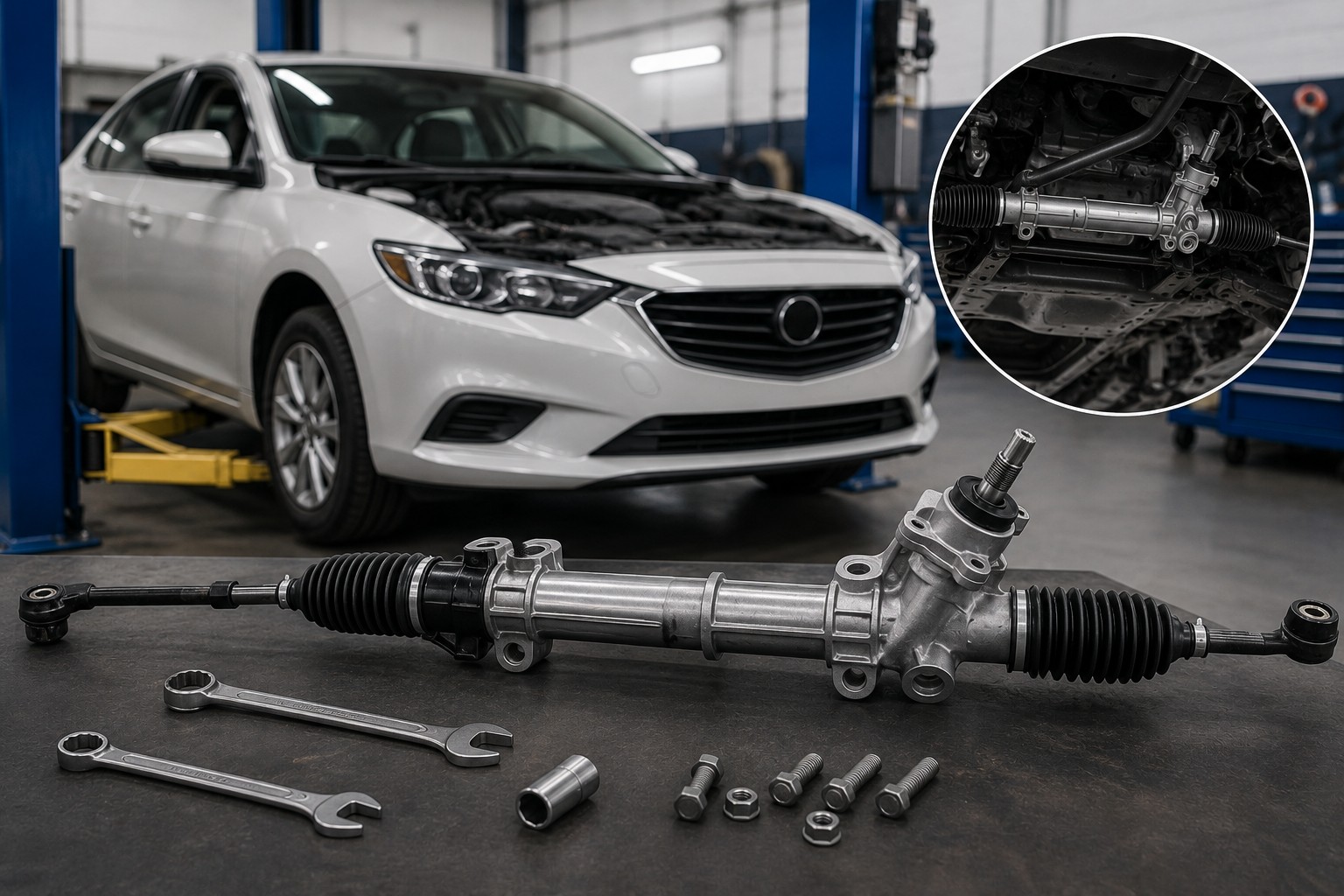
A steering rack sits at the heart of your car’s handling system. It turns your steering wheel input into side-to-side motion at the wheels. When it fails, driving becomes difficult or even unsafe. Symptoms include stiff steering, fluid leaks, looseness, or grinding noises.
Replacing a steering rack is one of the more expensive repairs a car owner can face. Most drivers pay somewhere between 800 and 2,800 dollars total.
That range covers parts, labor, and the wheel alignment that almost always follows. The final number depends heavily on your vehicle and the type of rack it uses.
Hydraulic racks tend to cost less than electric power steering units. Electric racks pack in motors and sensors, which raises both part price and labor time.
Luxury vehicles and trucks usually land on the higher end. Compact economy cars are typically cheaper to fix. This guide breaks down where the money actually goes. It also covers what changes the price and how to keep costs reasonable. Understanding these details helps you avoid surprises. It also helps you tell a fair quote from an inflated one.
Typical Cost Breakdown: Parts, Labor, and Alignment
Parts alone usually run from 300 to 900 dollars for most passenger cars. Premium electric racks or luxury brand parts can push well past 1,500 dollars.
Labor is often the bigger surprise for many owners. Shops typically charge between 400 and 1,200 dollars for the actual installation work. This labor charge reflects the difficulty of the job. Mechanics often need three to six hours to remove and refit the rack.
Some vehicles make this task even harder. Tight engine bays or subframe-mounted racks can push labor time toward eight hours or more. Wheel alignment is the third piece of the puzzle. It is almost never optional after a steering rack replacement.
Removing and reinstalling the rack disturbs the tie rods and steering geometry. Skipping alignment afterward leads to uneven tire wear and poor handling.
Alignment costs usually range from 100 to 200 dollars at most shops. Some shops bundle it into the total quote instead of billing separately. Fluid also factors into hydraulic rack jobs. Power steering fluid typically adds another 20 to 50 dollars, depending on the type used.
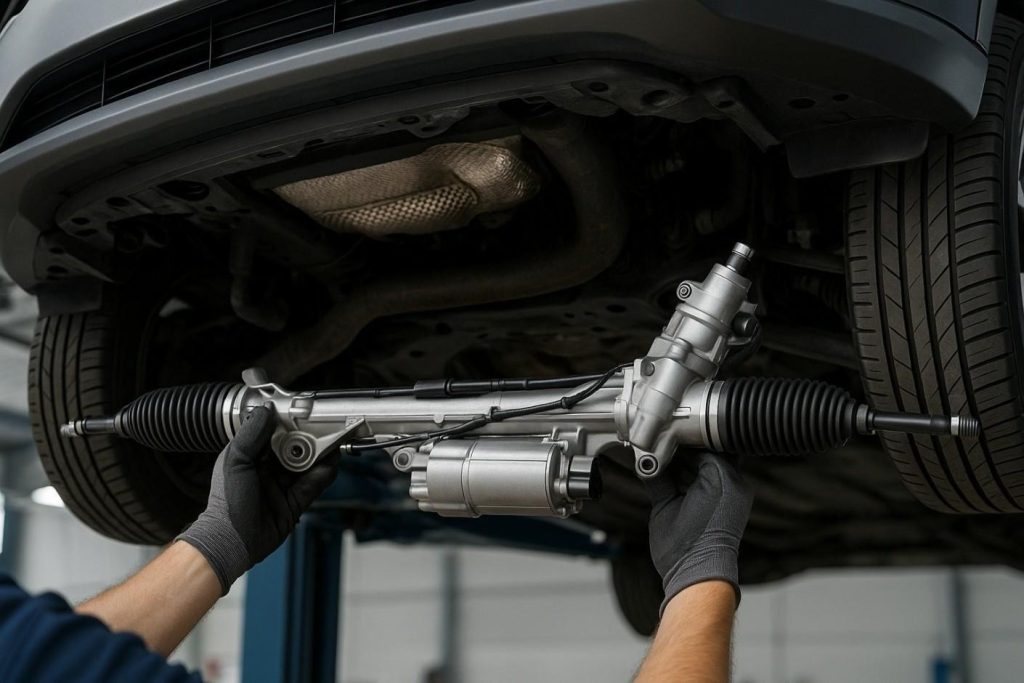
Electric power steering systems skip the fluid step entirely. However, they often require a recalibration process instead. This calibration ensures features like lane-keep assist and adaptive cruise still work correctly. It can add extra cost on top of the base labor charge.
Put together, a full-service quote commonly lands between 1,000 and 2,800 dollars. Some estimates for specific models run even higher, especially at dealerships.
For example, certain crossover SUVs and midsize sedans have quoted totals above 3,000 dollars. Trucks and larger vehicles follow a similar higher-cost pattern.
Smaller, older sedans tend to sit at the lower end of the range. A basic compact car job might total closer to 900 to 1,500 dollars. It helps to ask for an itemized quote before agreeing to any repair. This lets you see exactly what you are paying for.
Some shops list tie rods, hoses, and alignment as separate add-ons. Others fold everything into one flat number from the start. Comparing quotes apples to apples avoids confusion later. It also makes it easier to spot an unusually high or low estimate.
What Actually Changes the Price
Vehicle type is the single biggest factor in steering rack cost. Larger vehicles and trucks typically need heavier, more expensive rack assemblies. Smaller vehicles usually use lighter and cheaper components. This keeps both parts and labor costs lower.
Rack type matters just as much as vehicle size. Manual racks are the simplest and cheapest to replace. Hydraulic power steering racks come next in price. They rely on fluid and a pump system that can add complexity.
Electric power steering racks sit at the top of the cost scale. Their built-in motors and sensors make them more expensive to manufacture and install.
Labor complexity varies a great deal between vehicles. Some cars allow fairly direct access to the rack. Others require removing the subframe or major suspension parts first. This extra disassembly adds hours of labor time.
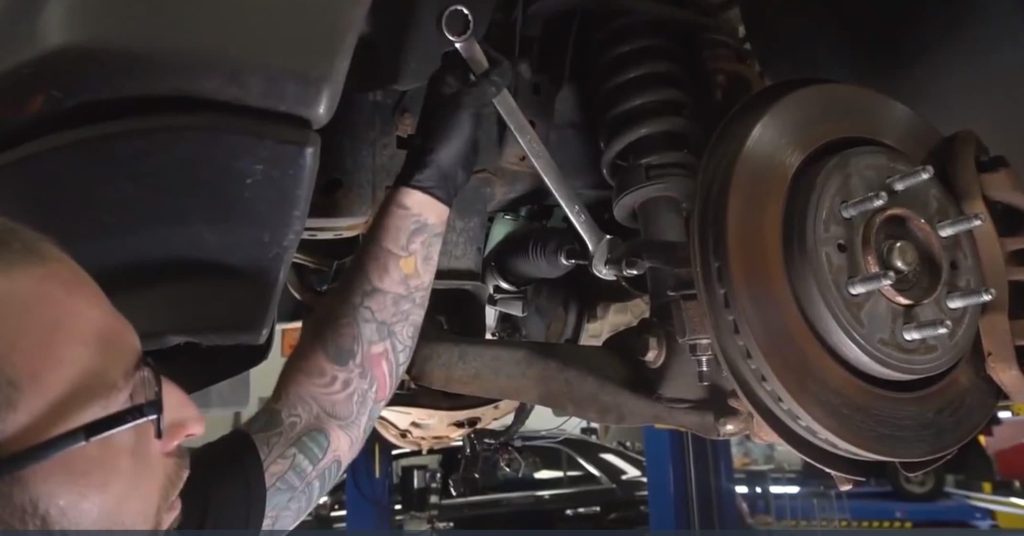
Front-wheel-drive cars with small engine bays are a common example. Their tight packaging often means more parts must come out first. Geographic location also shapes what you pay. Labor rates differ significantly between cities and even between neighborhoods.
Areas with a higher cost of living tend to have pricier shop rates. Rural areas often see lower labor charges by comparison. The type of repair shop you choose matters too. Dealerships typically charge more than independent mechanics.
Dealership technicians usually specialize in one brand. Independent shops may offer more competitive rates for the same job. Specialized steering and suspension shops sometimes fall in between. They combine expertise with more flexible pricing than a dealership.
Part quality is another major variable in the final bill. New OEM parts cost the most but come with strong reliability. Remanufactured racks offer a middle ground on price and performance. They are rebuilt to close to the original specifications at a lower cost.
Aftermarket parts are usually the cheapest option available. Quality can vary more, so it helps to buy from a reputable brand. Additional repairs often surface once the rack area is opened up. Worn tie rods, boots, or hoses are common finds during this job.
Replacing these at the same time saves a return labor charge later. It also protects the new rack from premature wear. Advanced driver assistance features add one more layer of cost.
Vehicles with lane-keep assist or adaptive steering often need special calibration tools. This can extend labor time and add a separate calibration fee. Older vehicles without these systems skip this step entirely.
Repair vs. Replace, and Ways to Save
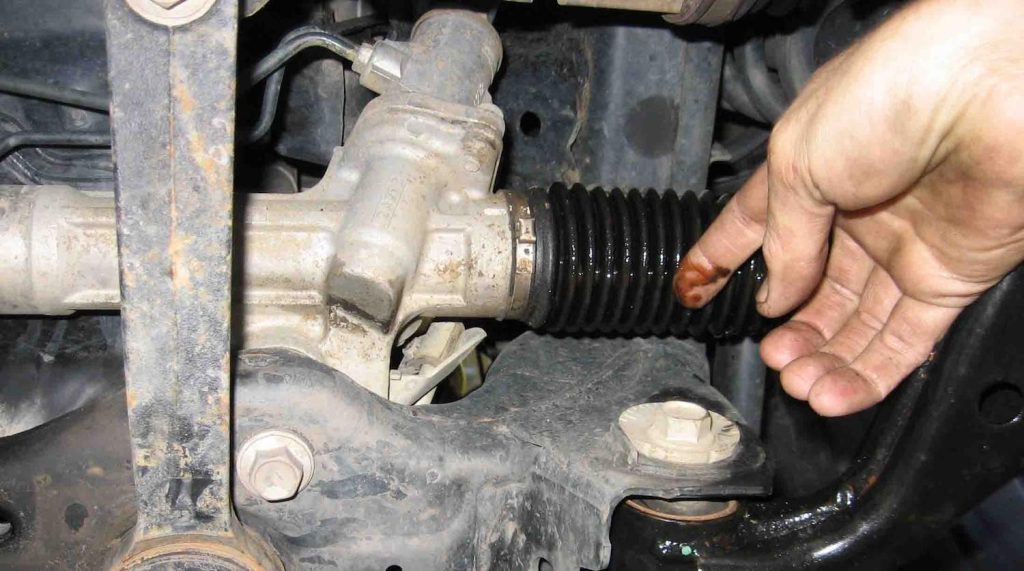
Not every steering complaint actually means the rack has failed. Many of the same symptoms come from worn tie rods or leaking hoses. A proper diagnosis can save hundreds or even thousands of dollars. It is worth having a mechanic confirm the source before approving rack replacement.
Internal gear wear or hydraulic seal failure usually means the whole rack must go. These problems cannot be fixed piece by piece in most cases. External issues are a different story entirely. Tie rods, boots, and hoses can often be repaired without touching the rack itself.
Deciding whether replacement is worth it also depends on the car’s value. An older vehicle with declining resale value may not justify a 2,000 dollar repair.
A newer or well-maintained car is usually a better candidate. The investment can extend its safe, usable life considerably. Delaying a confirmed rack failure rarely saves money in the long run. Steering problems tend to worsen and can become a safety hazard.
There are still legitimate ways to lower the total bill. Choosing a remanufactured rack instead of new is one of the easiest options. These parts are rebuilt to close tolerances and tested before resale. They typically cost noticeably less than a brand-new assembly.
Getting quotes from more than one shop is another simple step. Prices can vary widely for the exact same repair. Bundling related repairs into a single visit also helps. If tie rods or hoses need attention anyway, doing it all at once saves labor time.
Independent mechanics are often a more affordable choice than dealerships. Many still use quality parts that match OEM standards. Some owners with mechanical experience consider doing the job themselves. This can cut costs significantly if done correctly.
However, this repair involves lifting the vehicle, disconnecting tie rods, and separating the steering shaft. Mistakes here directly affect steering safety.
Anyone unfamiliar with this level of work should leave it to a professional. The safety stakes are simply too high for guesswork. If you do attempt it yourself, budget for a professional alignment afterward. Skipping this step almost guarantees uneven tire wear.
In the end, steering rack replacement is expensive because of what the job demands. It is not a quick bolt-on part swap for most vehicles. Parts, labor, and alignment all add up.
Understanding each piece makes it much easier to judge whether a quote is fair. Getting a second opinion before major steering work is always a reasonable step. It protects both your budget and your safety on the road.
Also Read: 10 Cars With the Highest Theft Rates in California
