
California isn’t just the most populous state. It’s also the car theft capital of America. In 2025 alone, thieves stole 136,988 vehicles across the state, even though that number actually represented a steep decline. That’s still more than any other state by a wide margin.
Two California metro areas anchor this grim distinction. The San Francisco-Oakland-Fremont metro area and the Bakersfield-Delano area posted the two highest theft rates of any metro region in the nation, with more than 1,000 thefts. Los Angeles alone saw nearly 54,000 vehicles stolen last year.
Some cars simply attract thieves more than others. Popularity, resale value, and outdated security systems all play a role. Meanwhile, other vehicles barely register on theft logs at all.
This list breaks down five models most frequently stolen across California and five that owners rarely have to worry about. Each entry includes real specifications. Every car here reflects actual theft data, not guesswork or generic filler.
5 Highest Theft Rates
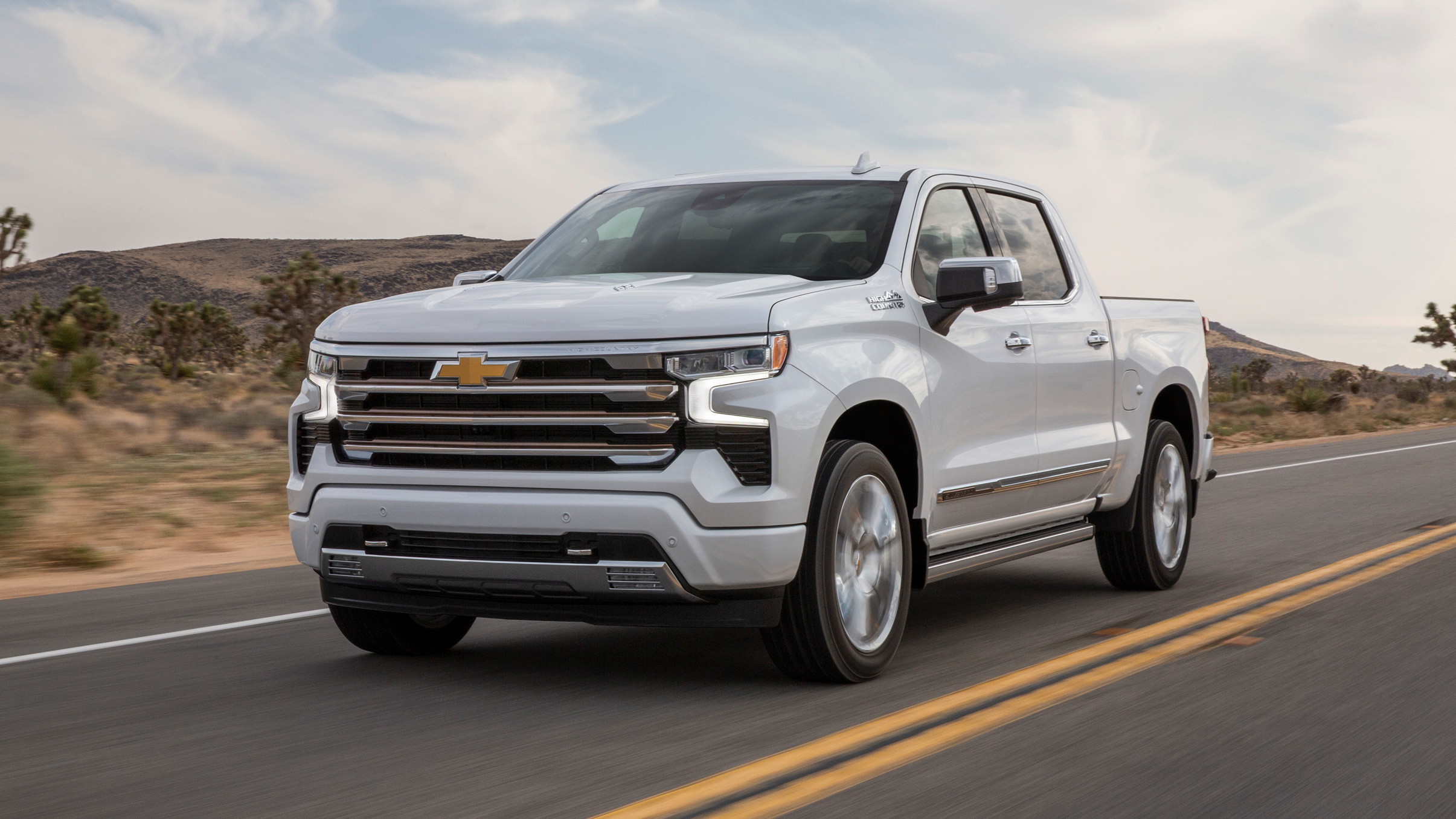
The Honda Accord tops California’s theft list, followed by the Chevrolet Silverado 1500, prized for parts and catalytic converters. The Honda Civic ranks third, especially older models lacking factory immobilizers.
The Hyundai Elantra remains the most stolen car nationwide, targeted after a viral TikTok trend exposed its missing anti-theft tech. The Toyota Camry rounds out the list, with pre-2018 models especially vulnerable due to outdated key fob security.
1. Honda Accord
The Honda Accord tops California’s theft charts. It’s the single most stolen car in the state right now. Data from the National Insurance Crime Bureau names the Accord as California’s most stolen vehicle. Nationally, it ranked second with 17,797 thefts reported in 2025.
Its popularity works against it. Accords are everywhere on California roads, which makes stolen parts easy to sell. Older models lack modern immobilizers. Thieves target used Accords from the 2013-2017 range especially hard.
Airbags are a growing black-market item, too. Reports note Honda airbags often resell on Facebook Marketplace for $100 to $500, giving thieves incentive beyond whole-vehicle theft.
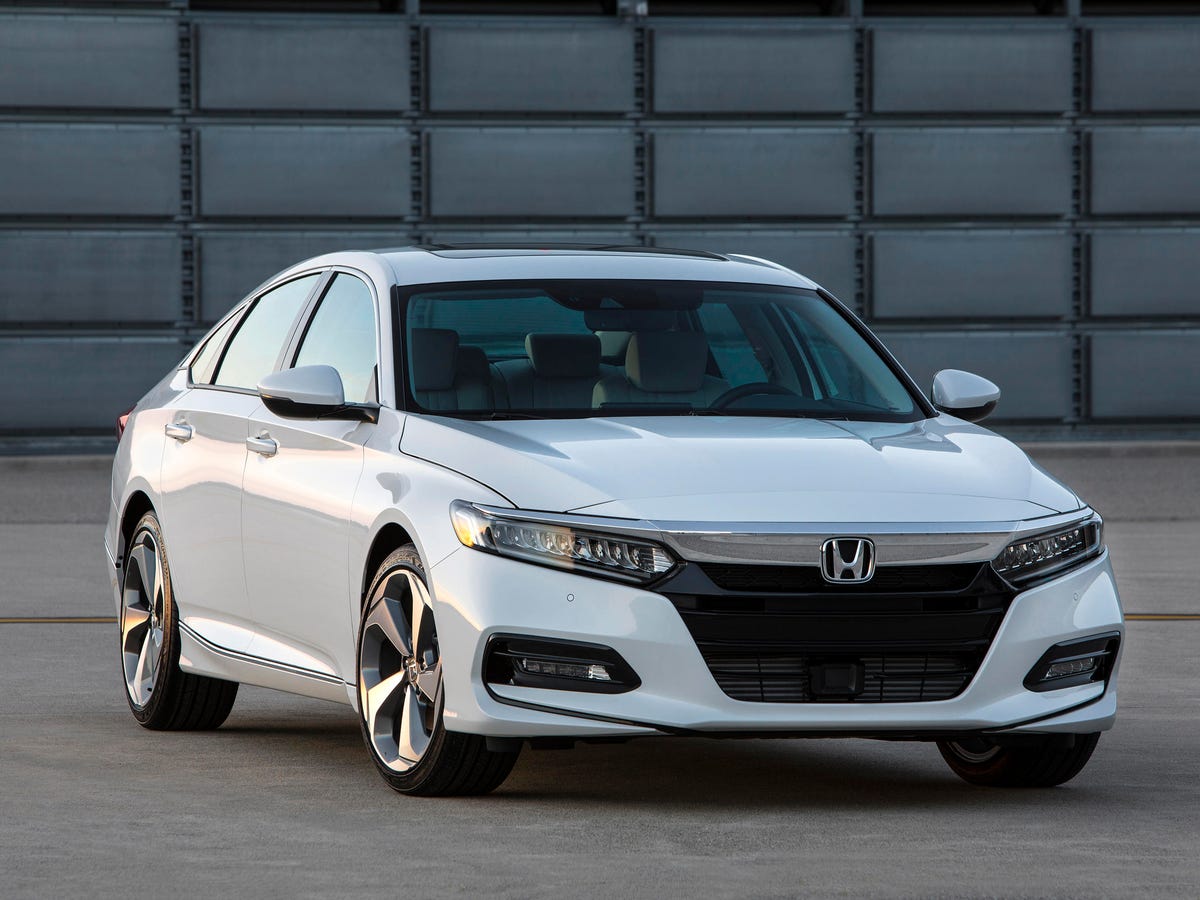
Nearly a third of national Accord thefts happen in California alone. Almost 30% of Accord thefts in 2025 occurred in California, totaling 2,582 vehicles.
Specifications:
- Engine: 1.5L Turbocharged 4-cylinder
- Horsepower: 192 hp
- Torque: 192 lb-ft
- Length: 192.2 inches
- Width: 73.3 inches
- Wheelbase: 111.4 inches
- Curb Weight: approximately 3,131 lbs
The Accord’s reliability is exactly why it’s targeted. Thieves know parts fit thousands of other Accords on the road. Insurance costs reflect this risk. Full-coverage premiums run noticeably higher than average for Accord owners statewide. Security upgrades exist for some trims. Owners should ask dealers about aftermarket immobilizer kits regardless of model year.
2. Chevrolet Silverado 1500
Trucks remain prime targets in California, and the Silverado 1500 leads that category. It ranks second on the state’s most-stolen list. The Chevy Silverado 1500 sits directly behind the Honda Accord as California’s second most stolen vehicle. Nationally, it’s consistently among the top ten stolen models.
Trucks like the Silverado attract thieves for multiple reasons. High resale value and demand for individual parts both play a part. Catalytic converters are a major draw. Larger trucks sit higher off the ground, making converter removal faster for thieves working underneath.
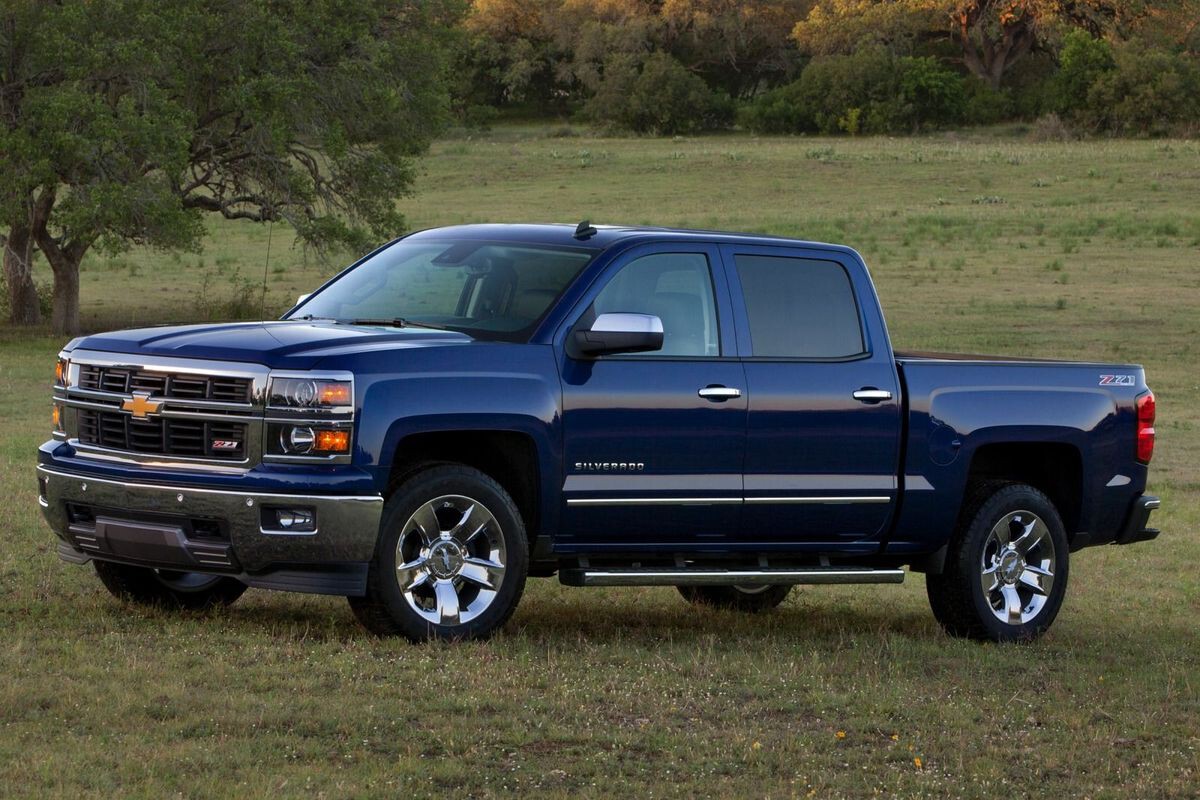
Keyless entry systems have also introduced new vulnerabilities. Older key fob technology is relatively simple to clone with basic electronic tools. Rural and suburban owners face a particular risk. Trucks parked in driveways overnight are easier targets than those in gated structures.
Specifications:
- Engine: 2.7L Turbo I4 (base) / 5.3L V8 (optional)
- Horsepower: 310 hp (I4) / 355 hp (V8)
- Torque: 430 lb-ft (I4) / 383 lb-ft (V8)
- Length: 231.7 inches
- Width: 81.2 inches
- Wheelbase: 147.4 inches
- Curb Weight: approximately 4,700-5,200 lbs
Whole-vehicle theft isn’t the only concern for owners. Thieves frequently strip tailgates, wheels, and infotainment systems for resale. GM has acknowledged security gaps in recent years.
Some dealership service campaigns now address key fob cloning vulnerabilities directly. Owners in California should consider steering wheel locks. A visible deterrent still discourages opportunistic theft in most cases.
3. Honda Civic
The Civic rounds out Honda’s presence at the top of California’s theft list. It’s the state’s third most targeted vehicle. Following the Accord and Silverado, the Honda Civic ranks as California’s third most stolen car. This mirrors a long-standing national trend for the model.
Civics have topped national theft lists for years. Their affordability and massive installed base make stolen parts simple to move. Compact size doesn’t deter thieves either. Civics are easy to hot-wire on older model years lacking factory immobilizers.
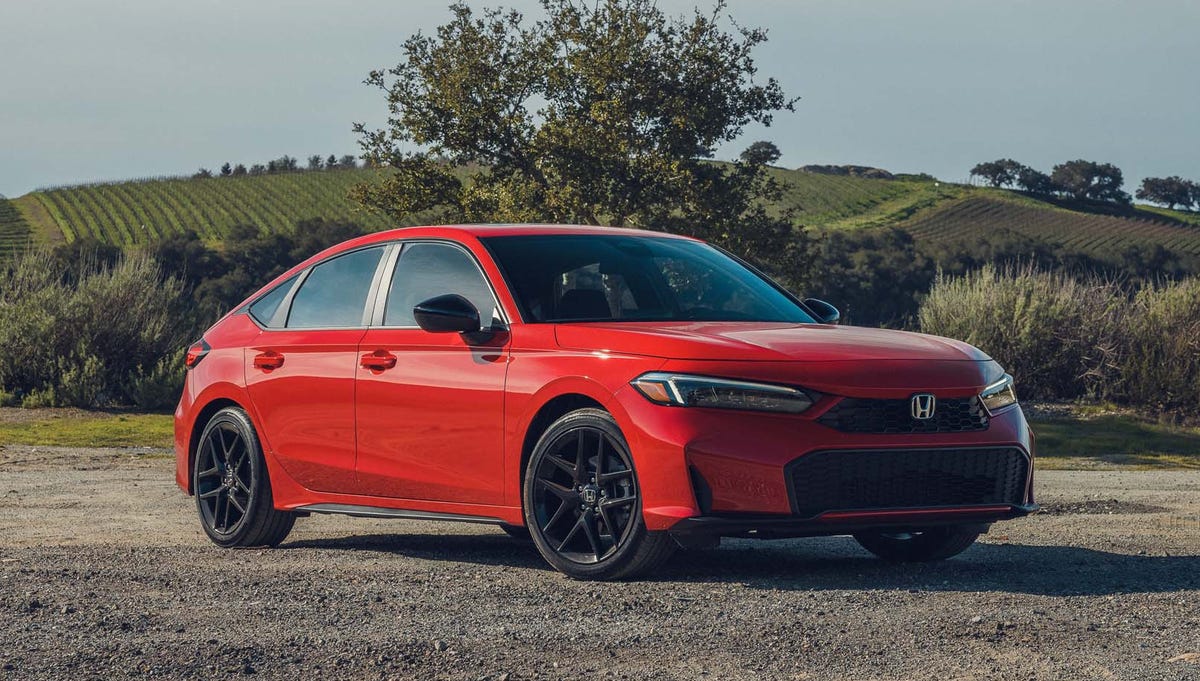
Student and young driver ownership adds risk, too. These owners are statistically less likely to invest in aftermarket anti-theft devices. Urban parking conditions in California compound the problem. Street parking in dense cities like Oakland and Los Angeles offers thieves more opportunities.
Specifications:
- Engine: 2.0L 4-cylinder (naturally aspirated)
- Horsepower: 158 hp
- Torque: 138 lb-ft
- Length: 184.0 inches
- Width: 70.9 inches
- Wheelbase: 107.7 inches
- Curb Weight: approximately 2,890 lbs
Civic theft often centers on specific parts. Catalytic converters, headlights, and wheels are frequently stripped even when the car isn’t fully stolen. Newer Civics include better security tech.
Push-button start models with rolling key codes are considerably harder to bypass. Owners of older Civics face the highest risk. Anti-theft upgrades remain a smart investment for pre-2020 models specifically.
4. Hyundai Elantra
The Elantra isn’t just a California problem. It’s the single most stolen car in the entire United States. The Hyundai Elantra remained the most stolen vehicle nationwide in 2025, with 21,732 reported thefts. California contributes heavily to that total given its sheer theft volume.
The reason traces back to a viral social media trend. Videos demonstrating how to exploit security flaws in Hyundai and Kia vehicles spread widely on TikTok starting in 2020. Many older Elantras lacked engine immobilizers entirely. This made them exceptionally easy to start without a key using basic tools. Hyundai has responded aggressively since then.
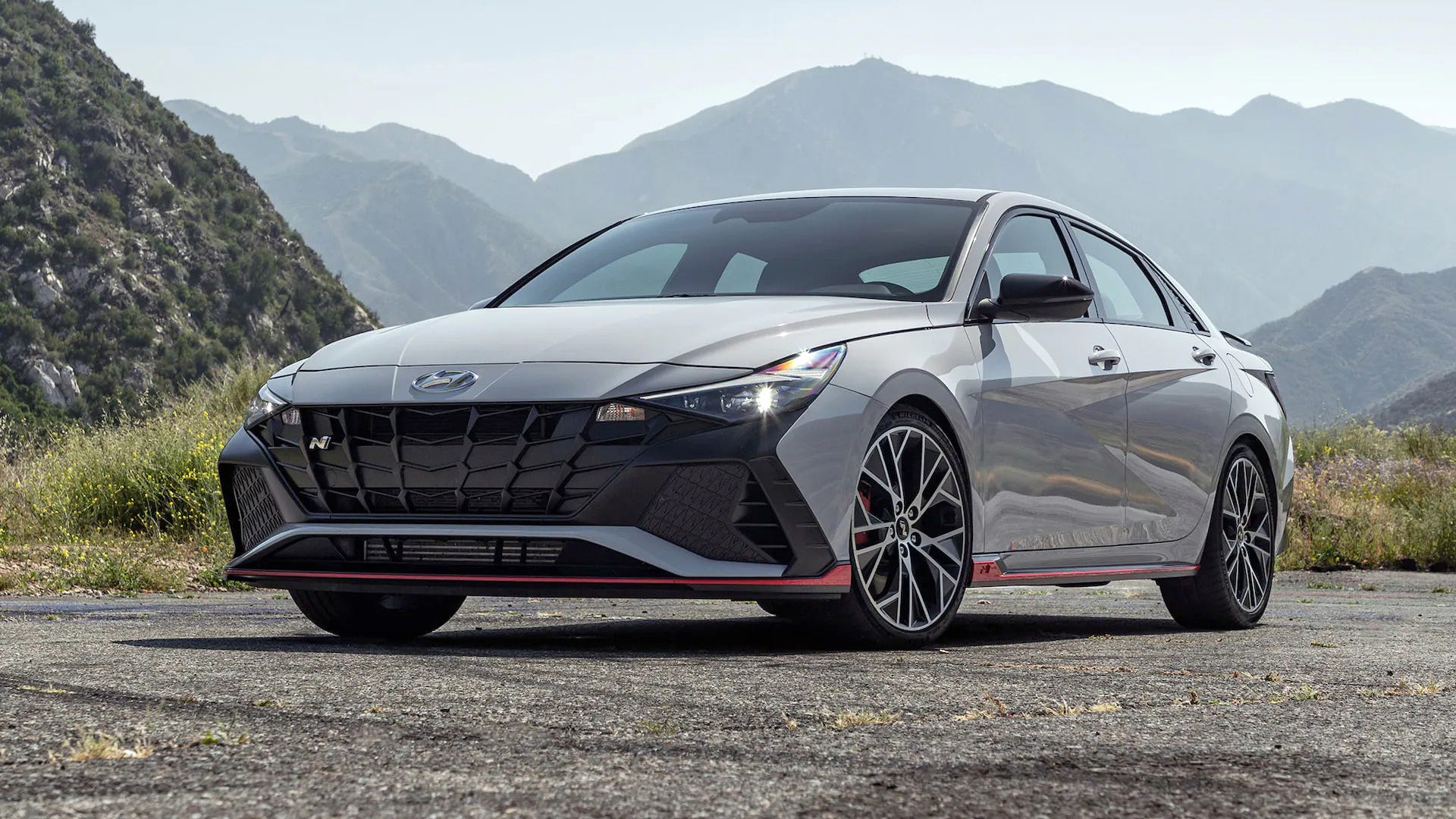
Elantra thefts fell to less than half of 2024’s total after the company rolled out anti-theft software updates. The model is still on track to see thefts drop by nearly 30% year over year, but it remains the top target nationally.
Specifications:
- Engine: 2.0L 4-cylinder (naturally aspirated)
- Horsepower: 147 hp
- Torque: 132 lb-ft
- Length: 184.1 inches
- Width: 71.9 inches
- Wheelbase: 107.1 inches
- Curb Weight: approximately 2,910 lbs
Insurance premiums reflect the Elantra’s risk profile directly. Owners pay about 23% more for full coverage compared to the national average. Hyundai has held free security clinics nationwide.
Owners can get software upgrades installed at no cost through participating dealerships. Older Elantra owners should prioritize this update immediately. It remains the single most effective deterrent against this specific theft method.
Also Read: 5 Brands With the Lowest 10-Year Upkeep vs 5 With the Highest
5. Toyota Camry
The Camry consistently lands among California’s most-targeted sedans. Its widespread popularity is both a strength and a liability. Thieves favor the Camry for the same reasons buyers do. It’s reliable, common, and its parts are compatible across countless other Camrys on the road.
The Camry carries one of the highest insurance premium increases among frequently stolen vehicles, running roughly 24% above the national average. That reflects sustained theft risk.
Older Camry models are particularly vulnerable. Pre-2018 versions often lack the rolling-code security systems standard on newer trims. Its resale value in the used parts market stays strong.
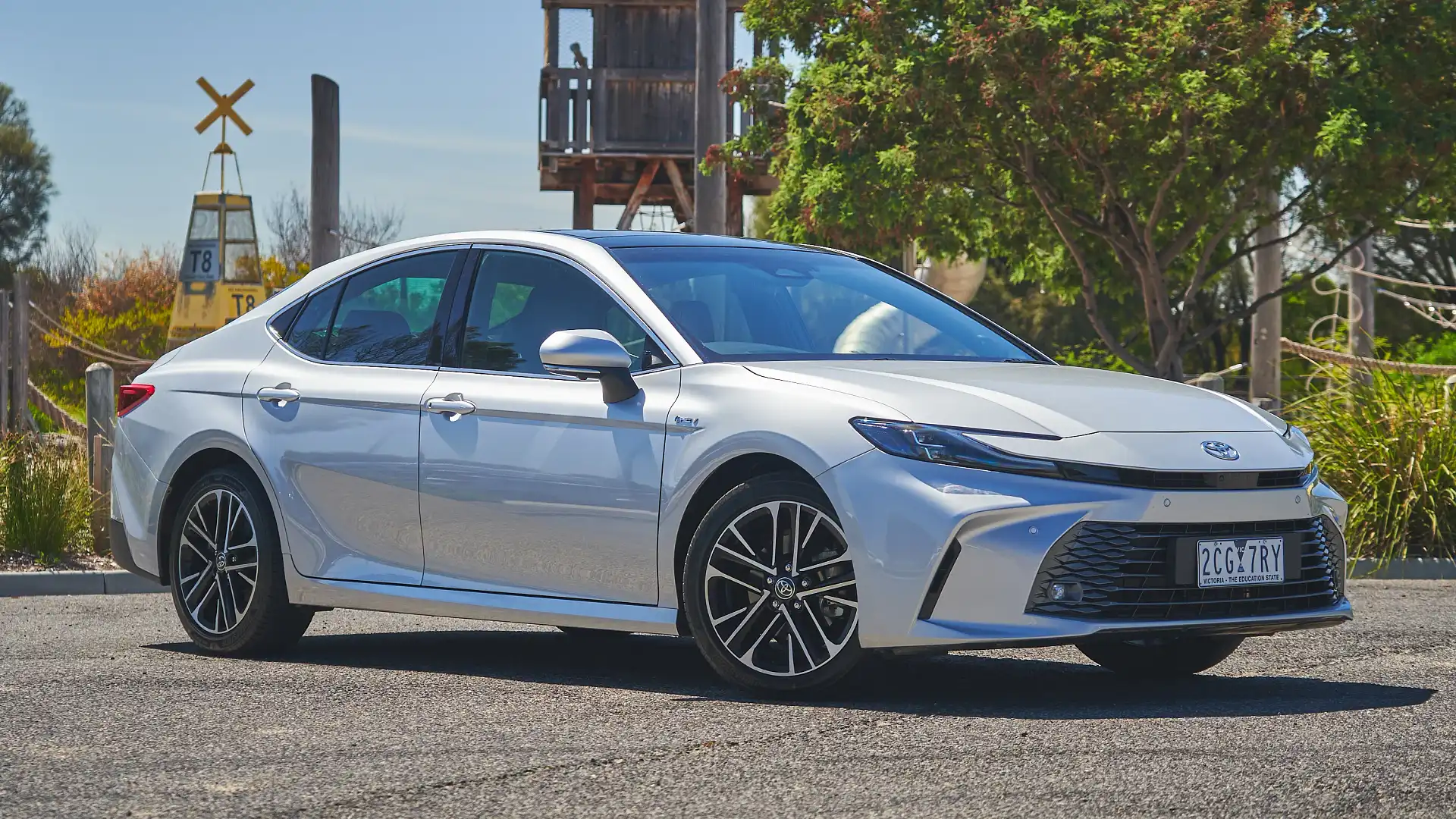
Doors, mirrors, and engine components move quickly through informal resale channels. California’s urban density plays a role again here. Camrys parked on city streets face more exposure than those secured in private garages.
Specifications (2025 Toyota Camry, LE trim):
- Engine: 2.5L 4-cylinder Hybrid
- Horsepower: 225 hp (combined hybrid output)
- Torque: 163 lb-ft
- Length: 193.1 inches
- Width: 72.4 inches
- Wheelbase: 111.2 inches
- Curb Weight: approximately 3,340 lbs
The Camry’s theft rate hasn’t drawn the same manufacturer response as Hyundai’s crisis. Toyota hasn’t issued widespread free security retrofits. That leaves prevention mostly up to owners.
Steering locks and GPS trackers remain the most practical options available. Newer hybrid Camrys include improved key fob encryption. Buyers replacing an older model gain meaningful security benefits automatically.
5 Lowest Theft Rates
The Tesla Model 3 and Model Y lead thanks to Sentry Mode and PIN-to-drive security. The Volvo XC90 benefits from rolling security codes and strong immobilizers. The Toyota RAV4 Prime’s complex hybrid electronics deter thieves, while the Subaru Ascent’s standard anti-theft tech and suburban buyer base keep theft numbers low.
1. Tesla Model 3
The Tesla Model 3 sits at the opposite end of the spectrum entirely. It’s one of the hardest cars in America to steal successfully. The Tesla Model 3 AWD ranked as the single least-stolen vehicle in recent industry analysis of theft claims data. The numbers are almost unbelievable. Out of thousands of insured units, the four-wheel drive Model 3 recorded just one theft during the entire study period.
Built-in technology explains this dramatically low figure. Sentry Mode acts as a virtual surveillance system, recording suspicious activity around the parked vehicle. A PIN requirement adds another barrier. Drivers must enter a user-defined PIN before the car will move at all, blocking most theft attempts outright.
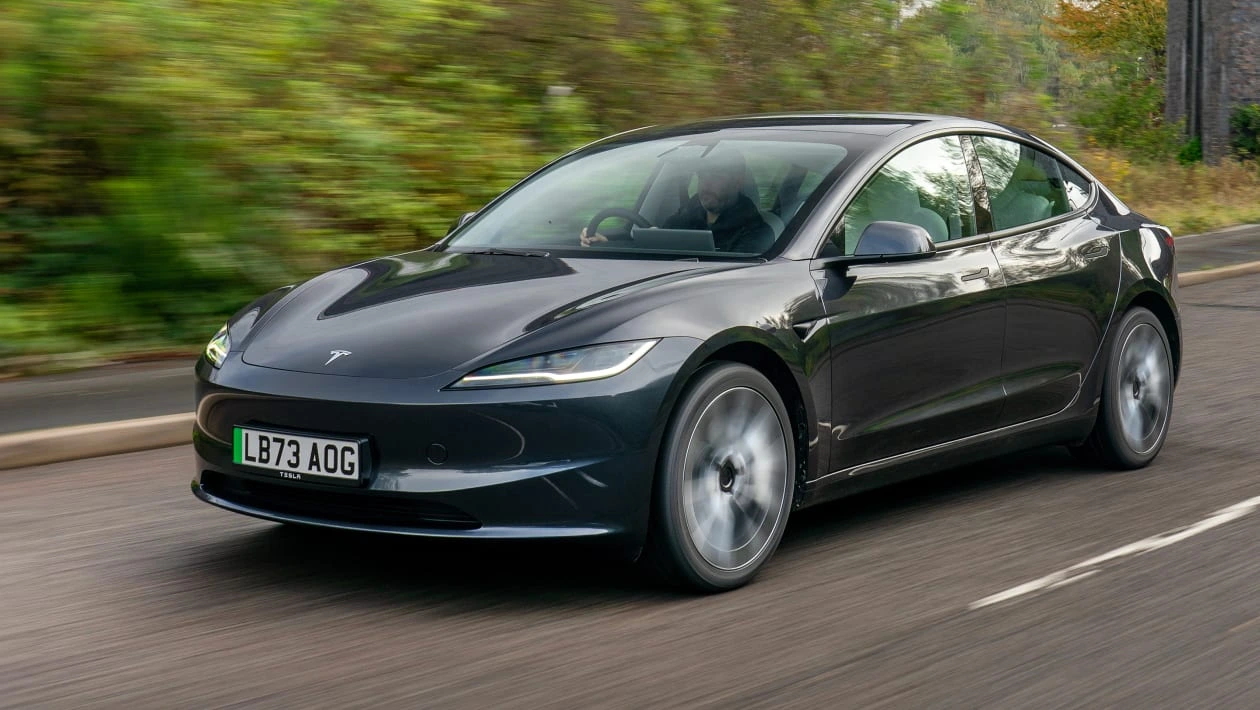
Real-time GPS tracking seals the deal for recovery. This allows owners and authorities to locate a stolen Tesla almost immediately if one is somehow taken.
Specifications:
- Motor: Dual Electric Motors (AWD)
- Horsepower: 346 hp
- Torque: 389 lb-ft
- Length: 184.8 inches
- Width: 72.8 inches
- Wheelbase: 113.2 inches
- Curb Weight: approximately 4,019 lbs
Even resale value doesn’t help thieves here. Stolen Teslas are extremely difficult to sell without triggering software-based ownership locks. Parts theft is rare, too. Tesla’s proprietary components don’t fit generic vehicles, unlike Honda or Toyota parts. For California drivers, this makes the Model 3 a genuinely low-risk choice. Statistically, it’s about as safe from theft as a car can be.
2. Tesla Model Y
Tesla’s compact SUV shares the Model 3’s security architecture. It lands right behind its sedan sibling on theft-resistance rankings. The Tesla Model Y AWD ranked second on the list of least-stolen vehicles, tied closely with the Model 3’s rear-wheel-drive variant.
Its popularity as a family SUV hasn’t made it more vulnerable. Digital security outweighs desirability in this equation entirely. Sentry Mode again plays a central role. Cameras record continuously while parked, capturing footage of anyone approaching the vehicle.
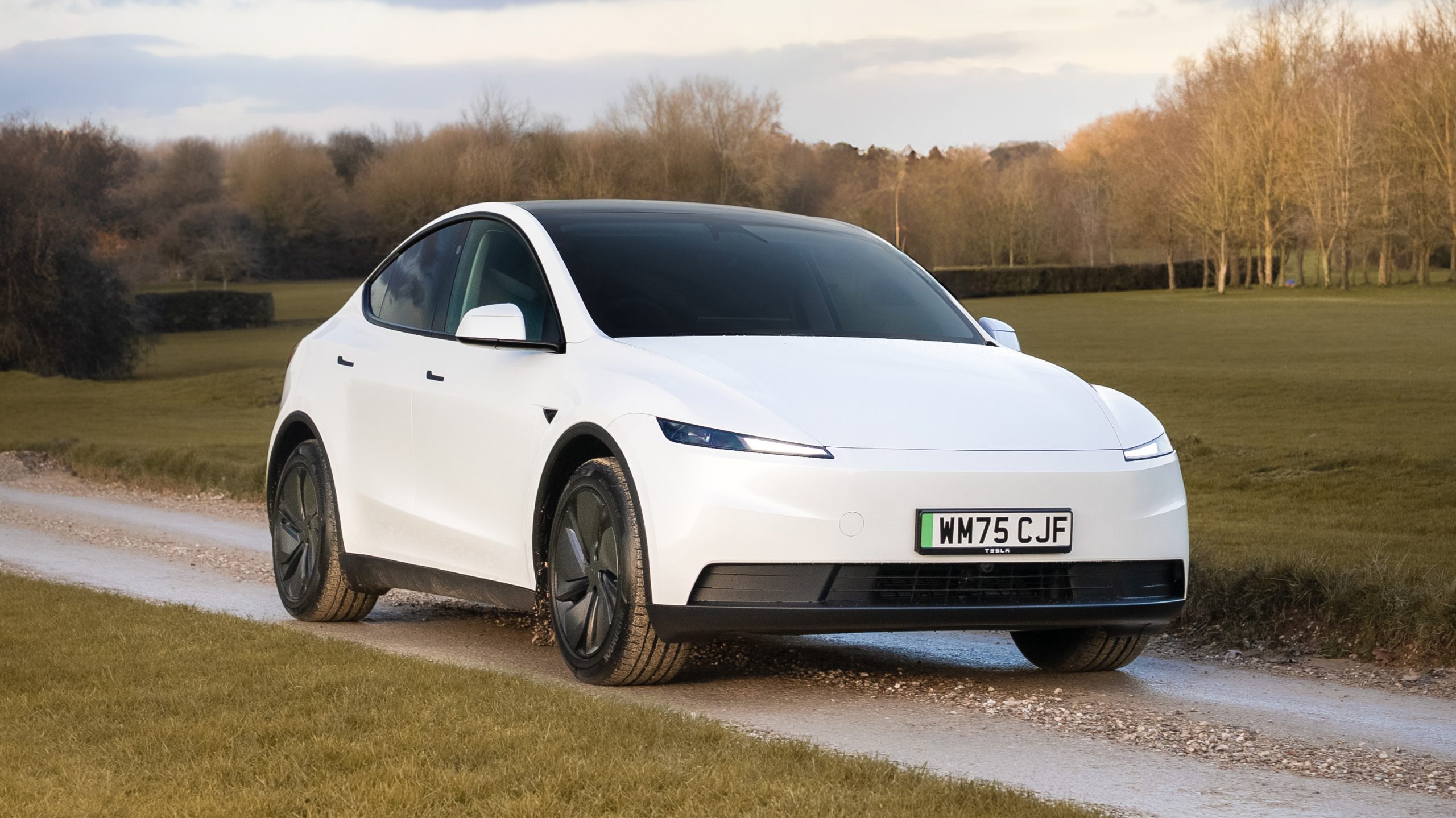
The PIN-to-drive feature blocks casual theft completely. Even someone with a cloned key fob can’t move the car without it. Electric vehicles have emerged as less attractive targets for thieves, largely thanks to this kind of embedded tracking tech.
Specifications:
- Motor: Dual Electric Motors (AWD)
- Horsepower: 384 hp
- Torque: 493 lb-ft
- Length: 187.0 inches
- Width: 75.6 inches
- Wheelbase: 116.0 inches
- Curb Weight: approximately 4,416 lbs
California’s massive EV adoption rate makes this data especially relevant locally. Model Ys are common on state roads yet rarely appear in theft reports. Insurance premiums reflect this safety record.
Comprehensive coverage costs are often lower than those of comparable gas-powered SUVs. For buyers prioritizing security, the Model Y offers real peace of mind. Its low theft rate isn’t a fluke; it’s a design feature.
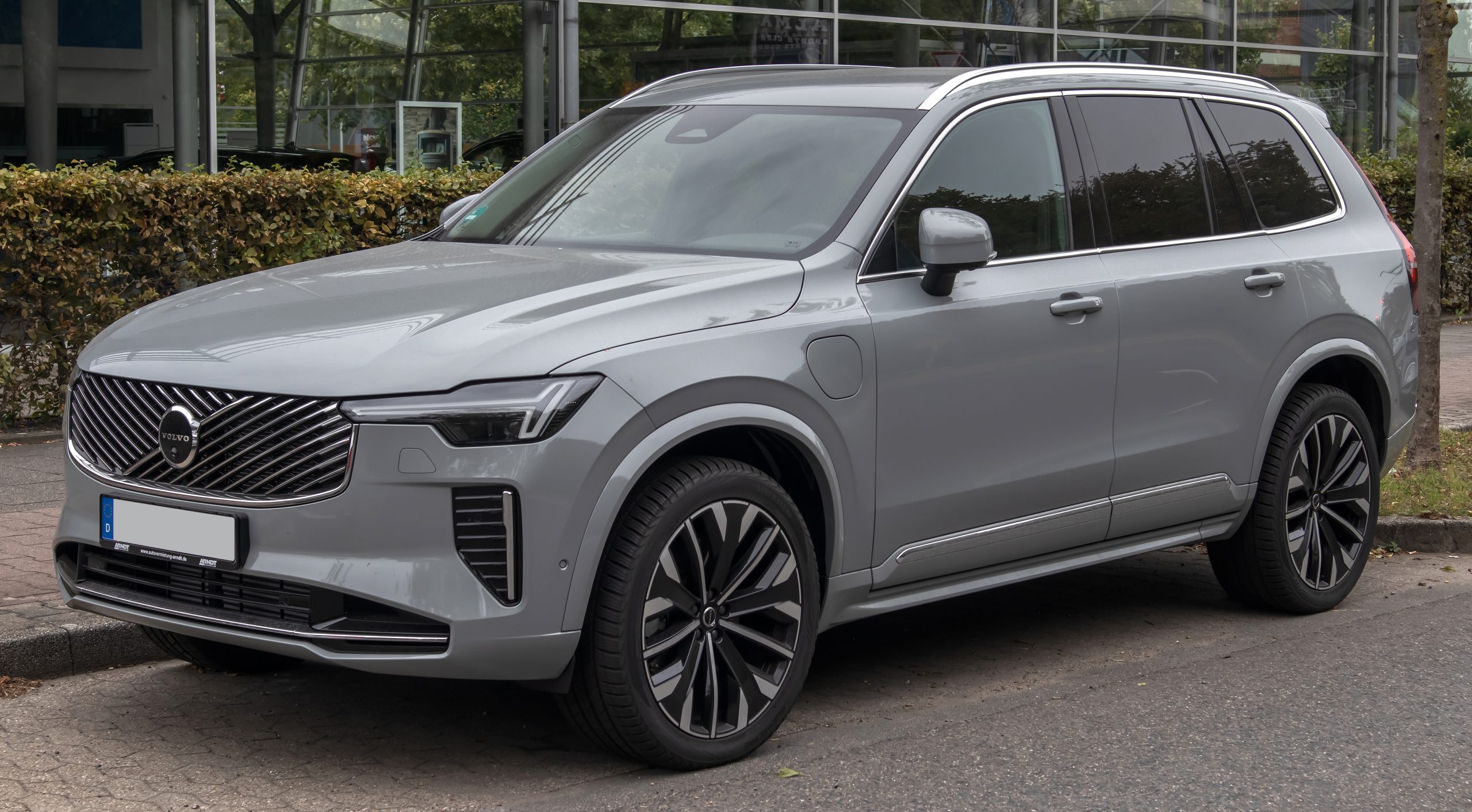
3. Volvo XC90
Volvo’s flagship SUV has built a reputation around safety, and that extends directly to theft prevention. It’s one of the least stolen vehicles on the road today.
The Volvo XC90 AWD placed sixth on HLDI’s list of least-stolen vehicles, with the plug-in hybrid variant appearing further down the same list, too. Advanced immobilizer technology is standard across the lineup.
These systems prevent the engine from starting without the correct key, thwarting hot-wiring attempts entirely. Alarm systems add another deterrent layer. They trigger alerts during unauthorized access attempts, drawing attention before a theft can be completed.
Rolling security codes also help significantly. Central locking systems use constantly changing codes to prevent unauthorized access via cloned key fobs.
Volvo’s brand reputation plays a psychological role too. Thieves generally prioritize easier, more common targets over well-secured luxury SUVs.
Specifications:
- Engine: 2.0L Turbocharged Mild-Hybrid 4-cylinder
- Horsepower: 250 hp
- Torque: 258 lb-ft
- Length: 195.6 inches
- Width: 79.3 inches
- Wheelbase: 117.5 inches
- Curb Weight: approximately 4,637 lbs
Resale demand for stolen luxury SUV parts is also lower than for mass-market vehicles. This reduces the incentive for organized theft rings. Owners across California’s wealthier suburbs report minimal theft concerns.
The combination of tech and low targeting makes the XC90 a smart pick. Families cross-shopping midsize luxury SUVs should factor this in. Security isn’t just a feature here; it’s a selling point.
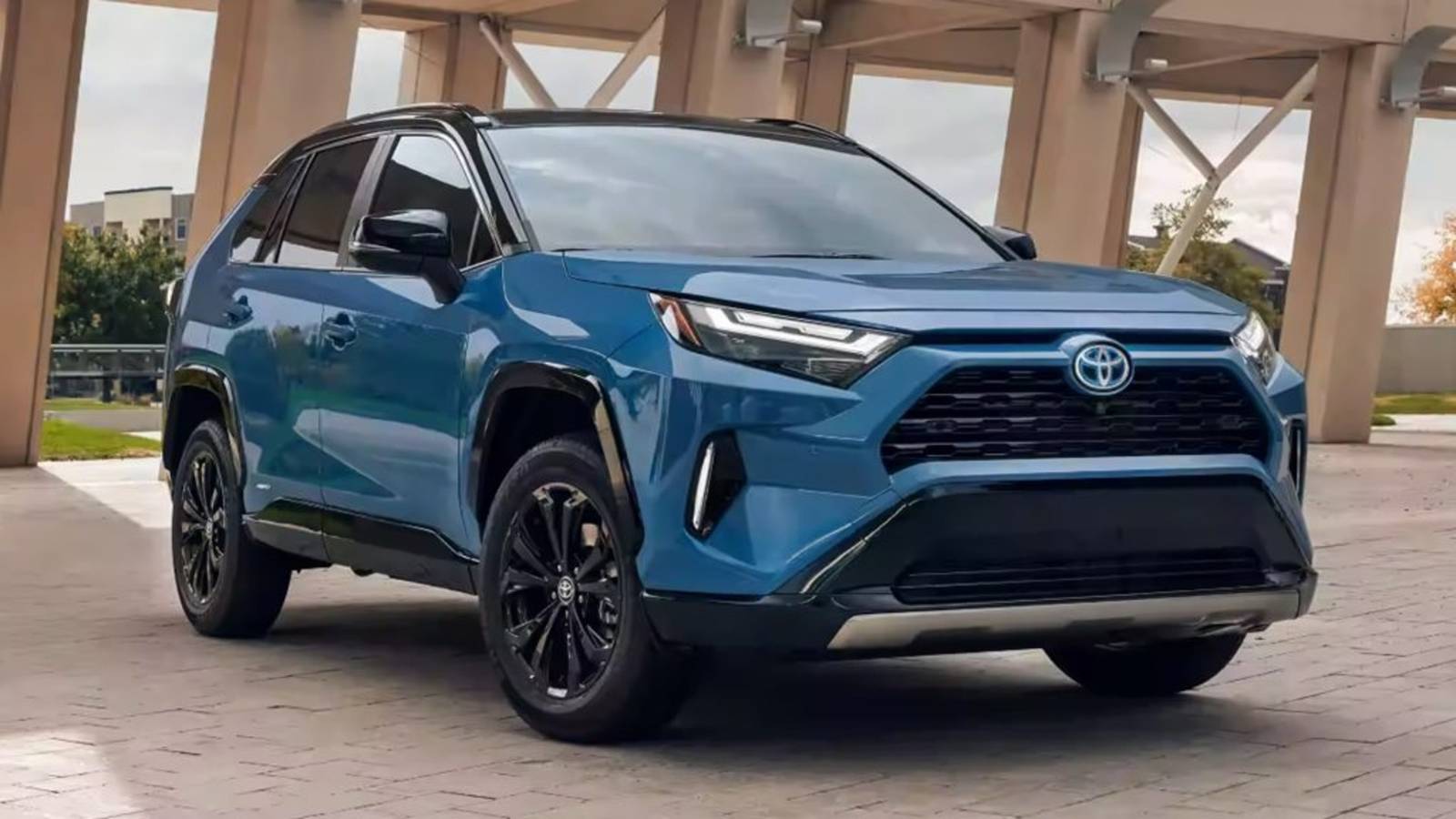
4. Toyota RAV4 Prime
Toyota’s plug-in hybrid crossover has quietly become one of the hardest vehicles to steal in the country. Its ranking might surprise buyers who assume all RAV4s carry equal risk.
The Toyota RAV4 Prime tied for fourth place on the least-stolen vehicles list, standing apart from standard gas-powered RAV4 models. Its plug-in hybrid drivetrain includes more sophisticated electronics than typical trims. This complexity makes bypassing security systems considerably harder for thieves.
Lower production numbers compared to the standard RAV4 also help. Fewer units on the road mean less demand for compatible stolen parts. Its relatively recent launch is another factor. Newer vehicles generally include stronger factory-installed anti-theft technology than older counterparts.
Toyota’s broader reliability reputation doesn’t translate to theft risk here. Unlike the Camry, the RAV4 Prime’s tech-heavy platform actively discourages thieves.
Specifications:
- Engine: 2.5L 4-cylinder Plug-in Hybrid
- Horsepower: 302 hp (combined)
- Torque: 199 lb-ft
- Length: 180.9 inches
- Width: 73.0 inches
- Wheelbase: 105.9 inches
- Curb Weight: approximately 4,235 lbs
California’s strong EV incentive programs have pushed RAV4 Prime sales higher locally. Despite growing popularity, theft numbers remain low statewide. Its battery and charging components aren’t easily resold either. This further limits the appeal for parts-focused theft operations. Buyers wanting SUV practicality with lower theft exposure should consider this model. It offers Toyota reliability without the Camry’s theft baggage.
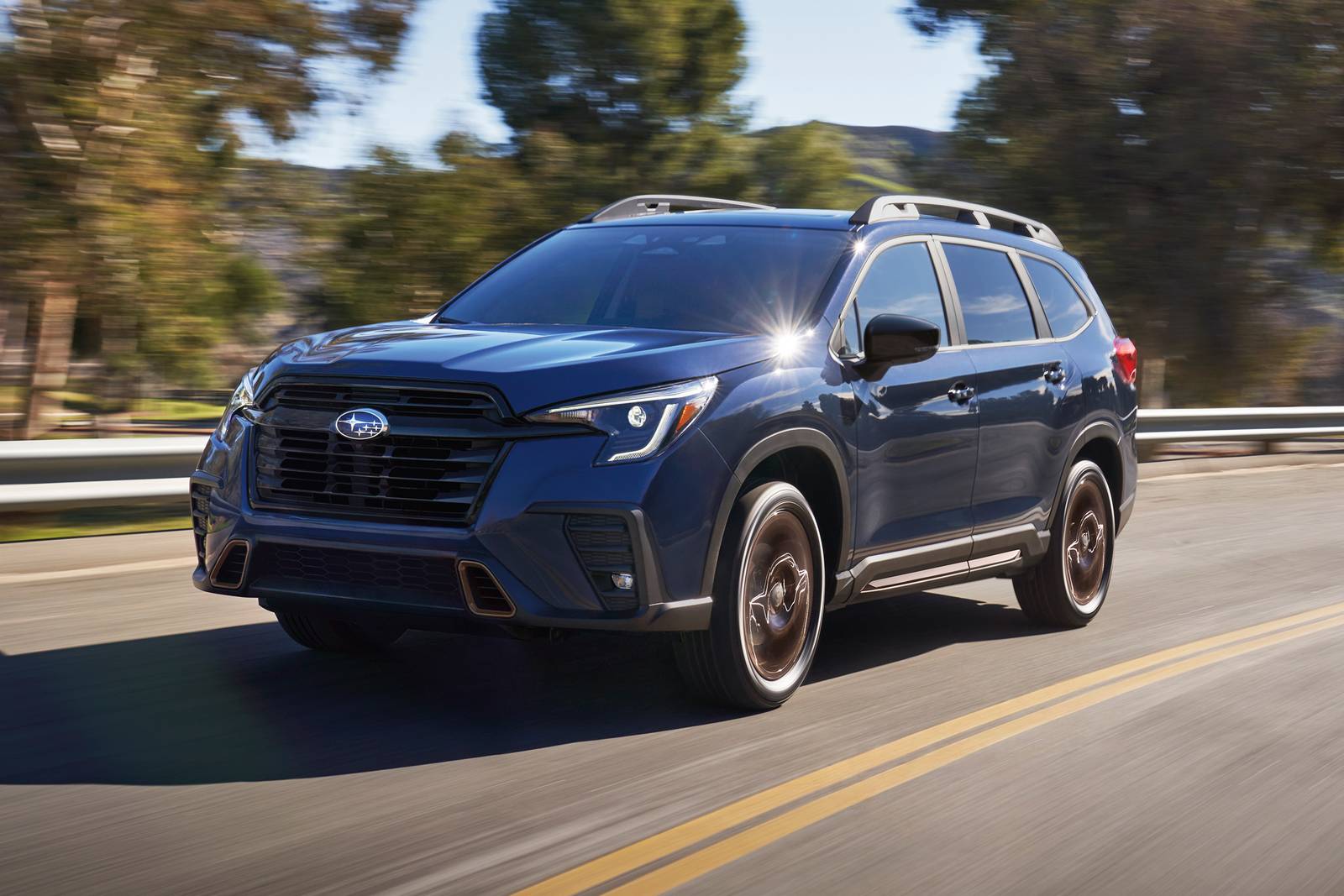
5. Subaru Ascent
Subaru’s largest SUV rounds out the list of vehicles thieves tend to avoid. Industry experts have specifically flagged it as unusually theft-resistant. According to auto industry expert Denis Flierl, the Subaru Ascent has an extremely low theft rate, standing alongside models like the Volvo XC60 and Chevy Traverse.
Subaru’s standard security suite plays a major role. Immobilizers and rolling-code key fobs come standard across the Ascent lineup. Its family-oriented positioning matters too.
Ascent buyers skew toward suburban and rural areas with lower theft rates. Parts demand also remains limited nationally. Subaru’s smaller market share compared to Toyota’s or Honda’s reduces the incentive for organized parts theft.
Midsize luxury SUVs and electric vehicles generally show the lowest theft rates of any vehicle category, and the Ascent fits that pattern closely despite not being a luxury nameplate.
Specifications:
- Engine: 2.4L Turbocharged 4-cylinder
- Horsepower: 260 hp
- Torque: 277 lb-ft
- Length: 196.8 inches
- Width: 76.0 inches
- Wheelbase: 113.8 inches
- Curb Weight: approximately 4,255 lbs
Also Read: 10 Cars That Still Comes Without Big Touchscreens
