
Car interiors have changed fast. Most new dashboards now revolve around a screen. Buttons and knobs have been quietly disappearing. Climate, audio, and even basic controls now live inside menus.
Not every automaker agrees with this shift. Some brands still believe tactile controls matter more than glass. A physical knob doesn’t need eyes to find it. A touchscreen almost always does.
That difference matters most while driving. Fumbling through screen menus takes attention off the road. Automakers like Mazda, Subaru, Toyota, and Honda have kept this philosophy alive. Their 2026 lineups still favor buttons for daily-use functions.
This doesn’t mean these cars are outdated. Most still offer modern safety tech and smartphone connectivity. The difference lies in execution. Screens exist, but they don’t dominate the driving experience.
For buyers tired of tapping through software, these vehicles offer relief. They prove that simplicity and modern engineering can coexist. Below are ten 2026 vehicles that still respect physical controls.
Each one blends real button and knob ergonomics with genuine capability. We’ve also included detailed specifications for each model. This gives a clearer picture beyond just marketing language.
1. Toyota 4Runner
The 4Runner has always stood apart from typical crossovers. It uses body-on-frame construction instead of a car-based platform. This gives it real off-road toughness. Few midsize SUVs can match its rugged mechanical foundation.
The base SR5 trim keeps things refreshingly simple. It uses an 8-inch touchscreen rather than a sprawling display. Climate controls remain physical dials and buttons. Drivers can adjust temperature without glancing away from traffic.
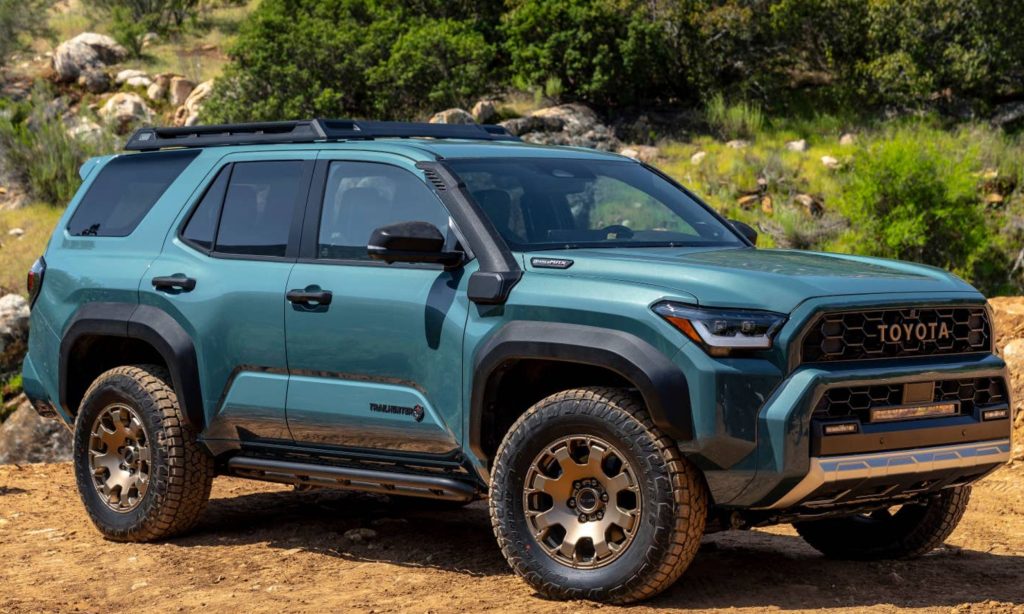
Only the range-topping TRD Sport Premium trim adds the larger 14-inch screen. Most buyers, though, will stick with the smaller setup. Under the hood sits a turbocharged four-cylinder engine. It replaces the old naturally aspirated V6 entirely.
A hybrid i-FORCE MAX option adds serious punch. It’s the most powerful 4Runner ever offered. The cabin still feels distinctly Toyota. Buttons dominate over touch inputs for everyday use.
This makes the 4Runner appealing to off-roaders and traditionalists alike. It doesn’t sacrifice usability for tech flash. Its size also keeps it practical for towing and cargo. Few vehicles balance ruggedness and daily comfort this well.
Specifications:
- Engine: 2.4L Turbocharged i-FORCE 4-cylinder (i-FORCE MAX hybrid available)
- Horsepower: 278 hp (326 hp hybrid)
- Torque: 317 lb-ft (465 lb-ft hybrid)
- Length: 194.9 inches
- Width: 77.9 inches
2. Nissan Frontier
The Frontier takes a refreshingly old-school approach to trucks. It still relies on a naturally aspirated V6 engine. Most rivals have switched to smaller turbocharged units. Nissan sticks with proven displacement instead.
That V6 produces a segment-leading 310 horsepower. It pairs with a smooth 9-speed automatic transmission. The base S trim comes with an 8-inch touchscreen. It’s compact and doesn’t overwhelm the dashboard.
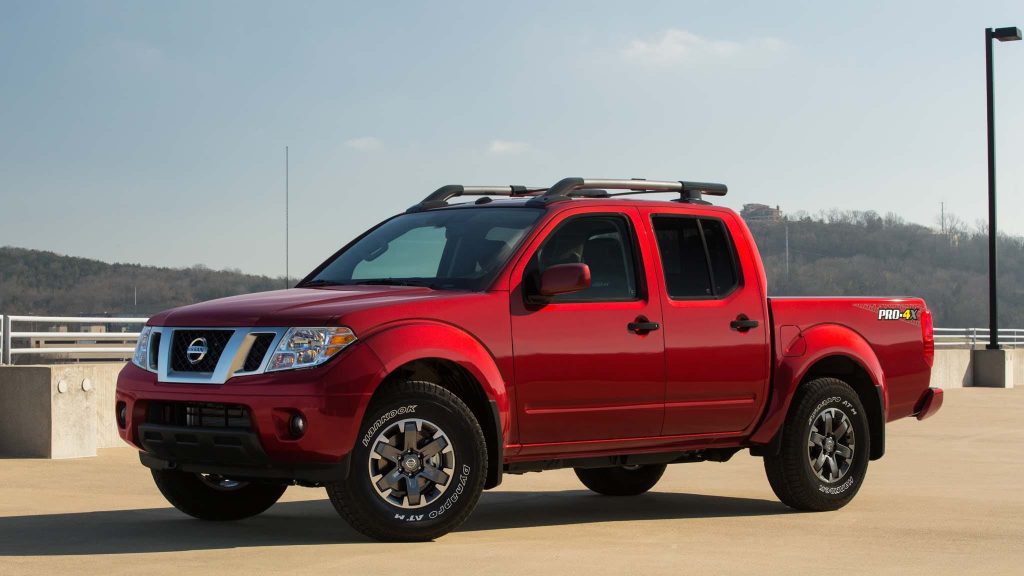
Higher trims offer a larger 12.3-inch screen as an option. Even then, climate and drive-mode controls stay physical. Chunky buttons and dials handle most everyday functions. This keeps the Frontier’s cabin simple and glove-friendly.
Off-road trims like the PRO-4X add real hardware too. Bilstein shocks and locking differentials back up the rugged look. Towing capacity reaches an impressive 7,150 pounds. That’s respectable for a midsize truck in this class.
The Frontier’s steering also uses hydraulic assistance on this generation’s core setup. This gives more direct mechanical feedback than most modern trucks. For buyers who want a truck, not a tablet, the Frontier delivers. It feels purpose-built rather than software-first.
Specifications:
- Engine: 3.8L Naturally Aspirated V6
- Horsepower: 310 hp
- Torque: 281 lb-ft
- Length: 210.2 inches
- Width: 73 inches
3. Mazda3
The Mazda3 quietly outclasses its price point. Interior materials feel closer to a luxury compact than an economy car. Its infotainment screen sits high on the dash. It’s controlled through a rotary dial, not touch input.
That rotary dial matters more than it sounds. Drivers can adjust volume or navigation without leaning forward. Climate controls remain simple physical buttons throughout. Nothing critical is buried inside touchscreen submenus.
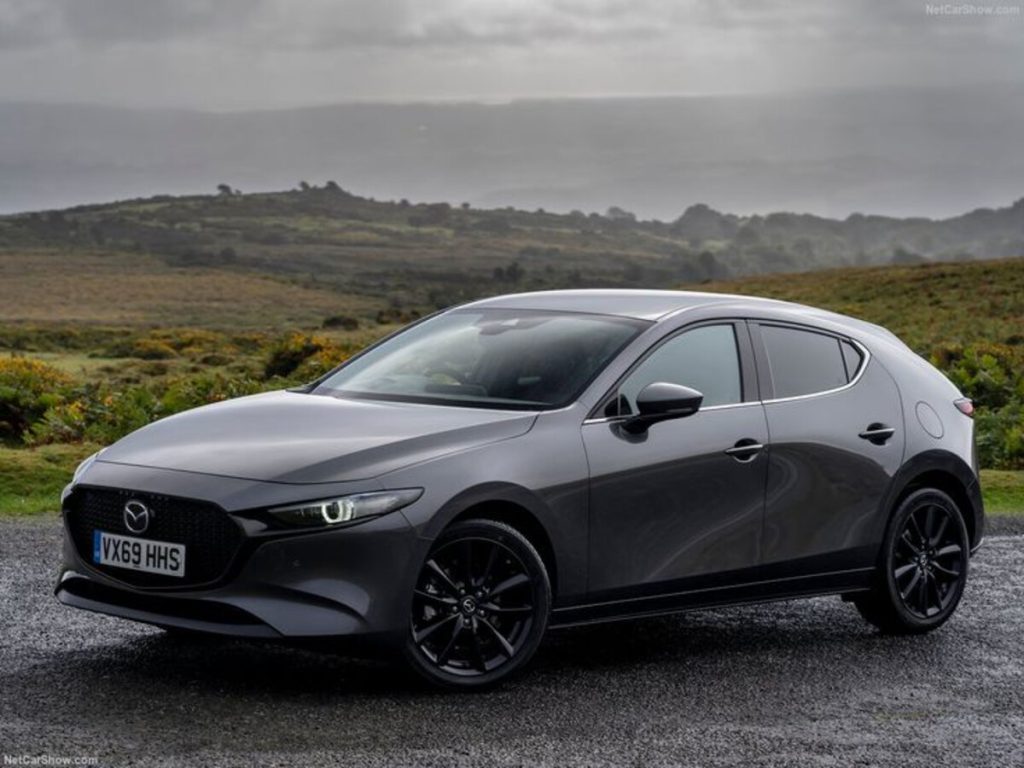
The standard engine is a naturally aspirated 2.5-liter four-cylinder. It offers smooth, predictable power for daily commuting. An available turbocharged version bumps output significantly higher. Buyers can choose based on how much punch they want.
A six-speed manual transmission is still available on some trims. That’s rare in the compact segment today. All-wheel drive is optional through Mazda’s i-Activ system. It’s a useful option for buyers in snowy regions.
The Mazda3’s handling also earns consistent praise from reviewers. It’s engaging without feeling harsh or unrefined. The Mazda3 blends premium feel with sensible ergonomics. It doesn’t chase trends just because competitors do.
Specifications:
- Engine: 2.5L SKYACTIV-G 4-cylinder (Turbo optional)
- Horsepower: 186 hp (250 hp turbo)
- Torque: 186 lb-ft (320 lb-ft turbo)
- Length: 175.6 inches (Hatchback)
- Width: 70.7 inches
4. Mazda MX-5 Miata
The Miata remains one of the last pure sports cars. Its entire philosophy centers on lightweight simplicity. A physical rotary dial supplements its 8.8-inch touchscreen. This keeps the driver’s hands near the wheel.
Climate knobs are simple, tactile, and quick to use. There’s no need to hunt through screen layers mid-corner. Under the hood is a naturally aspirated 2.0-liter four-cylinder. It doesn’t chase big horsepower numbers.
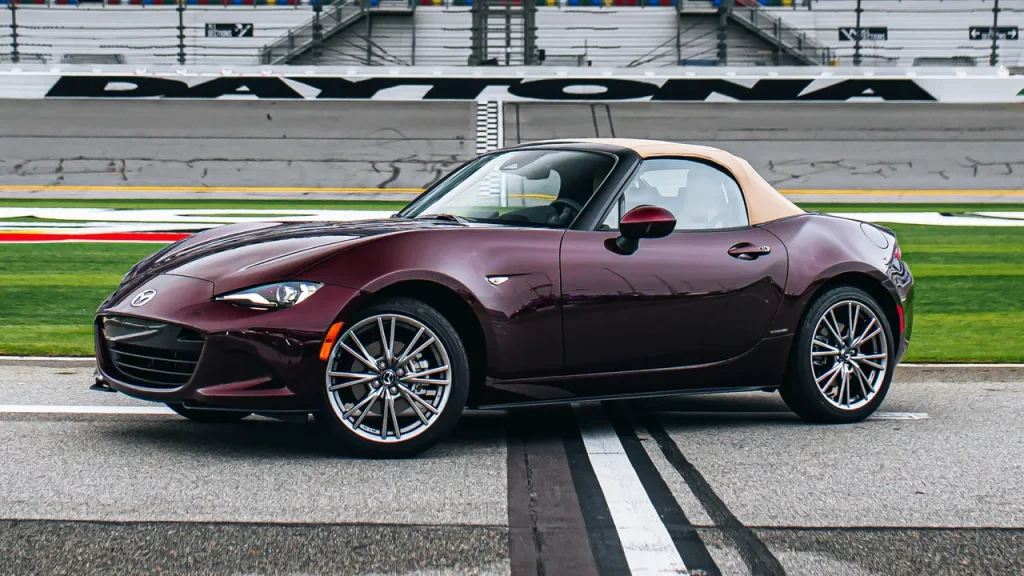
Instead, it focuses on balance and low weight. The Miata’s curb weight stays under 2,400 pounds. A six-speed manual transmission comes standard across the range. An automatic is optional only on Grand Touring trim.
Nearly perfect 50/50 weight distribution defines its handling character. This is rare in nearly any modern vehicle. Its compact dimensions also make it easy to park. The car measures just over 12 feet long.
Despite its size, the Miata includes real safety tech. Forward collision warning and blind-spot monitoring both come standard. For enthusiasts who value feel over features, nothing else compares. The Miata remains unmatched in its price range.
Specifications:
- Engine: 2.0L SKYACTIV-G 4-cylinder
- Horsepower: 181 hp
- Torque: 151 lb-ft
- Length: 154.1 inches
- Width: 68.3 inches
Also Read: How to Spot Odometer Rollback on a Used Car, Explained
5. Subaru Forester
The Forester has long appealed to practical, outdoorsy buyers. Its boxy shape maximizes visibility and interior space. Physical climate knobs remain standard across every trim. Subaru hasn’t chased an all-touchscreen redesign here.
All Foresters use the same 2.5-liter boxer engine. This horizontally opposed layout lowers the car’s center of gravity. Symmetrical All-Wheel Drive comes standard on every trim. That’s unusual generosity in the compact SUV segment.
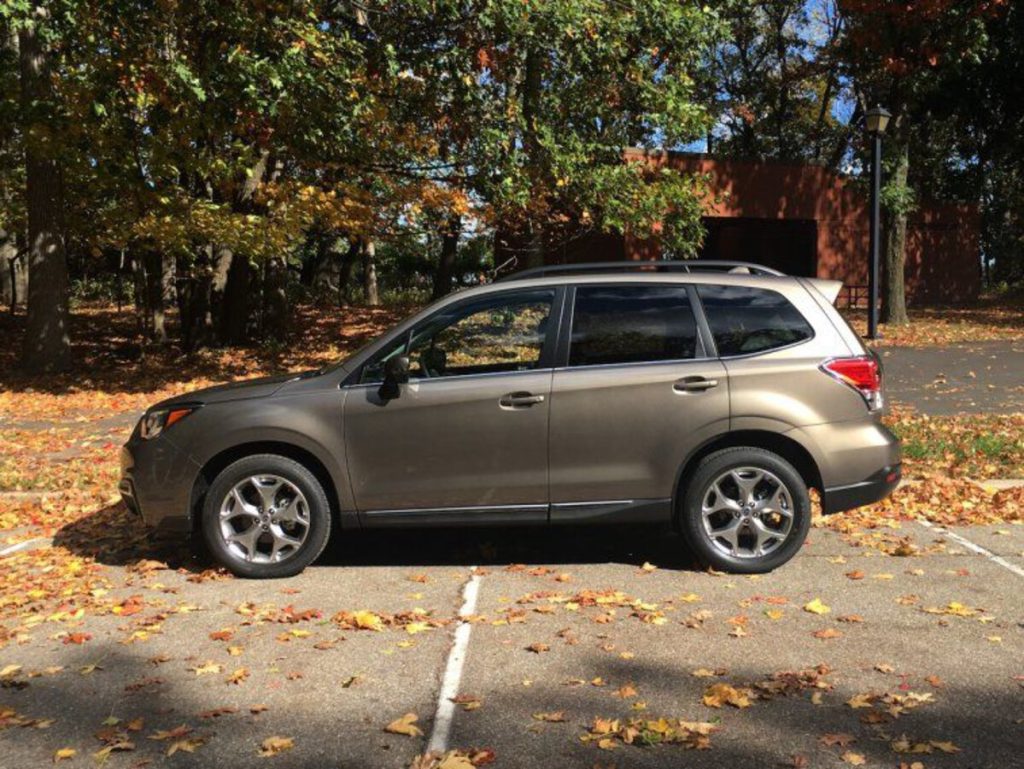
Ground clearance sits at a strong 8.7 inches. The Wilderness trim pushes that number even higher. Towing capacity reaches 3,500 pounds on the Wilderness variant. Other trims max out around 1,500 pounds.
EyeSight Driver Assist Technology is standard equipment too. It includes adaptive cruise and lane-keeping support. Interior buttons remain large and glove-friendly. This suits Subaru’s adventure-focused customer base well.
Cargo space is generous, with up to 74.4 cubic feet available. That’s competitive with larger crossovers. The Forester continues Subaru’s tradition of function over flash. It rewards drivers who prioritize usability daily.
Specifications:
- Engine: 2.5L SUBARU BOXER 4-cylinder
- Horsepower: 180 hp
- Torque: 178 lb-ft
- Length: 183.3 inches
- Width: 72 inches
6. Honda Civic
The Civic remains one of the most balanced compact cars available. Its cabin avoids overwhelming digital complexity entirely. A touchscreen exists, but it sits higher on the dash. It doesn’t replace core physical controls underneath.
Large climate knobs anchor the center console firmly. They’re some of the most intuitive controls in this class. Heated seat buttons sit at the panel’s outer edges too. Nothing important requires digging through screen menus.
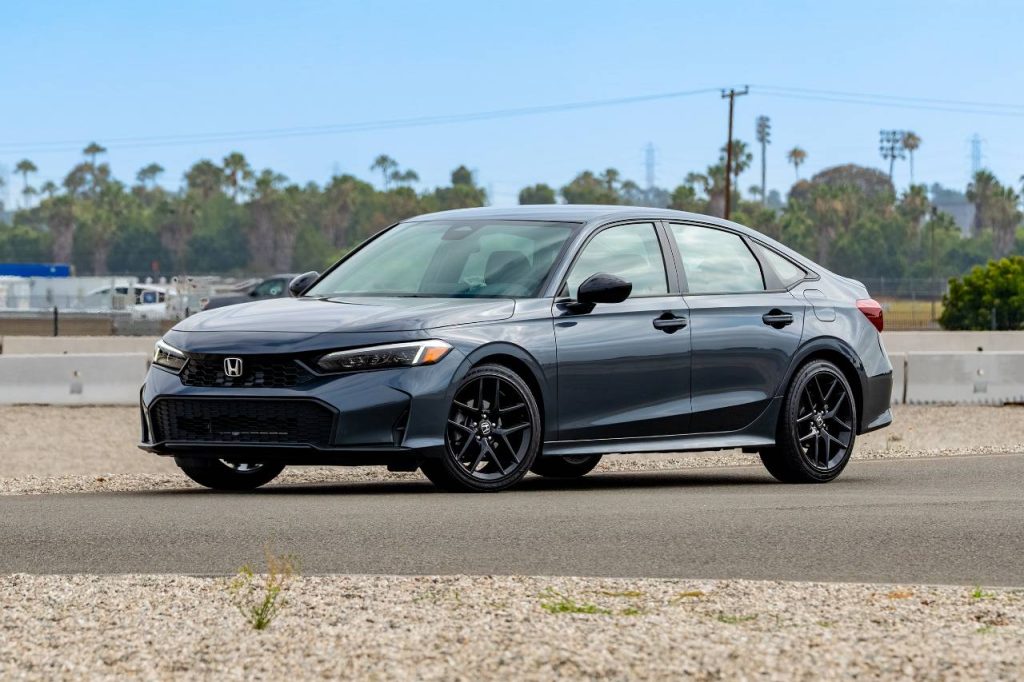
The base LX trim uses a 2.0-liter four-cylinder engine. It prioritizes efficiency over outright power. A hybrid powertrain is available on Sport trims. It combines two electric motors with the gas engine.
The sporty Civic Si adds a turbocharged 1.5-liter engine instead. It produces a peppier 200 horsepower. Steering-wheel controls keep frequently used functions within reach. Drivers rarely need to touch the screen directly.t
The Civic’s dimensions stay compact and city-friendly. Parking and maneuvering remain simple in tight spaces. he Civic strikes a rare balance. It feels modern without feeling like a smartphone on wheels.
Specifications:
- Engine: 2.0L 4-cylinder (Hybrid and Turbo variants available)
- Horsepower: 150 hp (200 hp Si)
- Torque: 133 lb-ft (192 lb-ft Si)
- Length: 184.8 inches (Sedan)
- Width: 70.9 inches
7. Toyota Tacoma
The Tacoma has built decades of trust among truck buyers. Its 2026 redesign keeps that reputation firmly intact. Physical climate dials remain central to the dashboard. Audio buttons sit within easy reach as well.
This design works especially well off-road. Drivers wearing gloves can still operate essentials confidently. The base engine is a turbocharged 2.4-liter four-cylinder. Higher trims unlock significantly more horsepower.
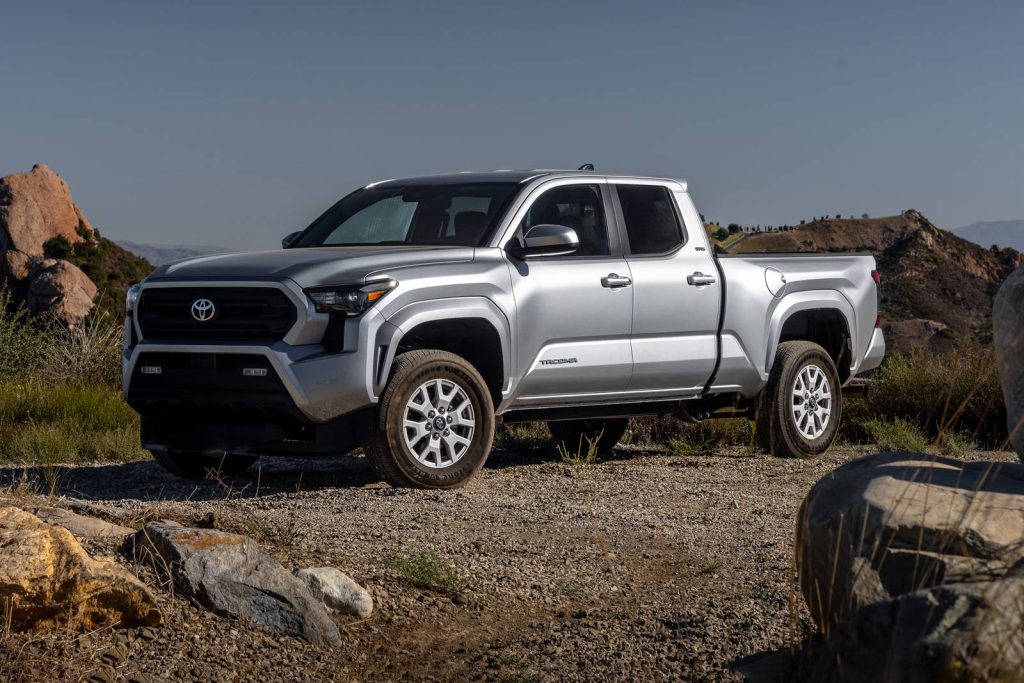
An i-FORCE MAX hybrid variant adds even more capability. It reaches up to 326 horsepower combined. A six-speed manual transmission is still available on select trims. That’s a rare offering in modern trucks.
Base trims come with an 8-inch touchscreen display. Higher trims can option a larger 14-inch unit instead. Even so, drive-mode selectors and safety toggles remain physical. Off-road buttons don’t disappear into software layers.
Towing capacity reaches up to 6,500 pounds when equipped. That’s competitive within the midsize truck segment. The Tacoma continues to prove durability doesn’t require complexity. Function still leads over flashy displays.
Specifications:
- Engine: 2.4L Turbocharged i-FORCE 4-cylinder (i-FORCE MAX hybrid available)
- Horsepower: 278 hp (326 hp hybrid)
- Torque: 317 lb-ft (465 lb-ft hybrid)
- Length: 213 inches
- Width: 76.9 inches
8. Ford F-150
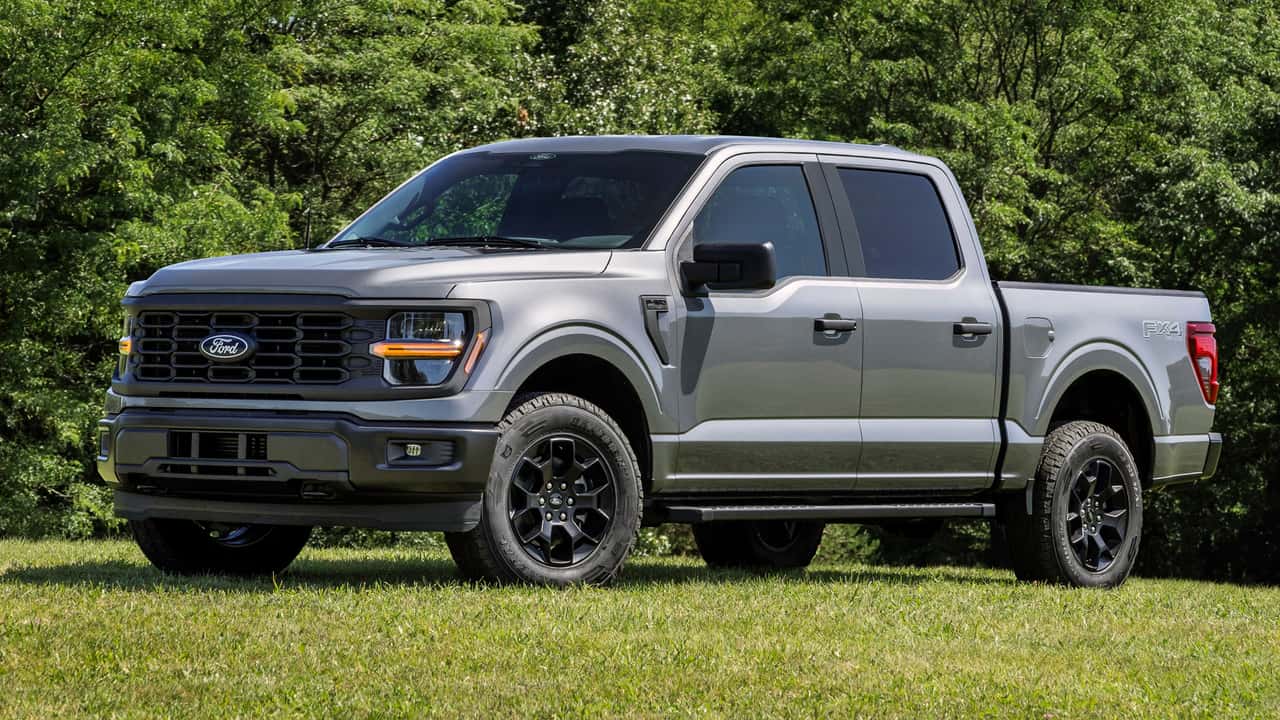
The F-150 remains America’s best-selling truck for good reason. It balances raw capability with genuine everyday usability. Physical buttons dominate its climate and towing controls. Drivers can operate them without hunting through menus.
Labeled buttons handle drive modes and off-road functions too. This matters most in rugged or remote conditions. Six engine options headline the 2026 lineup. They range from efficient V6s to a supercharged V8.
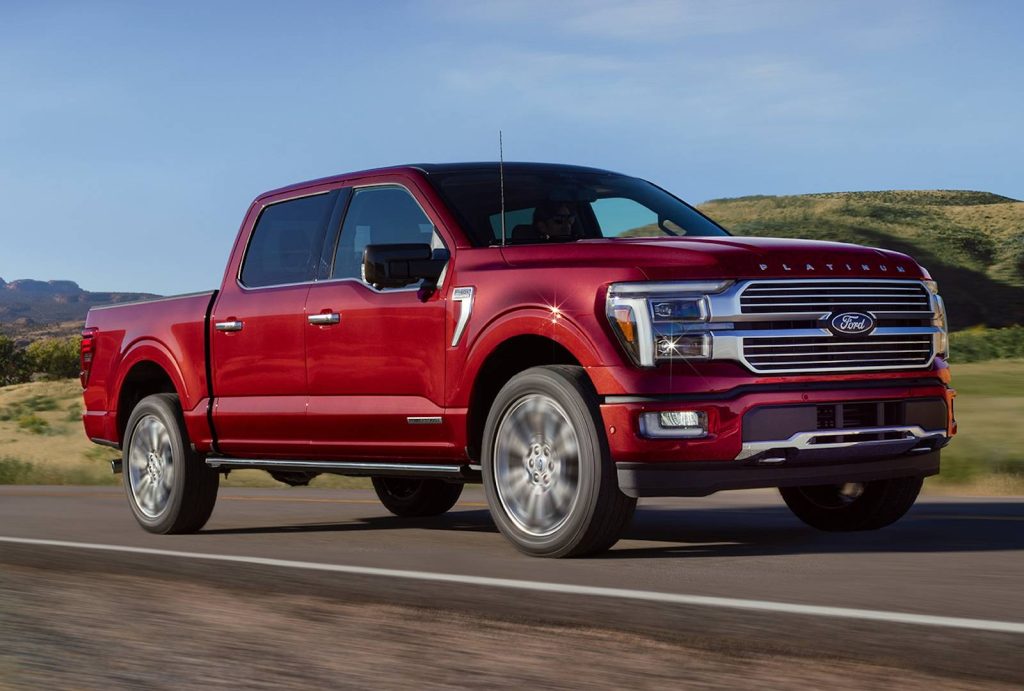
The standard engine is a 2.7-liter EcoBoost V6. It delivers strong low-end torque for towing. A PowerBoost hybrid V6 option adds serious torque figures. It reaches up to 570 lb-ft in some configurations.
At the top sits a supercharged 5.2-liter V8. It powers the extreme Raptor R performance trim. Storage cubbies and large cup holders support work-focused drivers. Everything feels intentionally practical rather than decorative.
Safety features like lane assist remain accessible via buttons. Drivers don’t need to leave the road view to adjust them. The F-150 proves that trucks can modernize without losing tactile control. It stays confident, practical, and driver-focused.
Specifications:
- Engine: 2.7L EcoBoost V6 (Multiple engines available up to 5.2L Supercharged V8)
- Horsepower: 325 hp (up to 720 hp)
- Torque: 400 lb-ft (up to 640 lb-ft)
- Length: 227.7 inches
- Width: 79.9 inches
9. Toyota Corolla Hatchback
The Corolla Hatchback continues Toyota’s tradition of dependable simplicity. It’s built for buyers who want an easy ownership experience. Its cabin avoids unnecessary visual complexity. The touchscreen handles media without dominating the dashboard.
Steering-wheel controls manage most common functions instead. Drivers rarely need to reach toward the screen. The standard engine is a 2.0-liter four-cylinder. It produces confident, everyday power output.
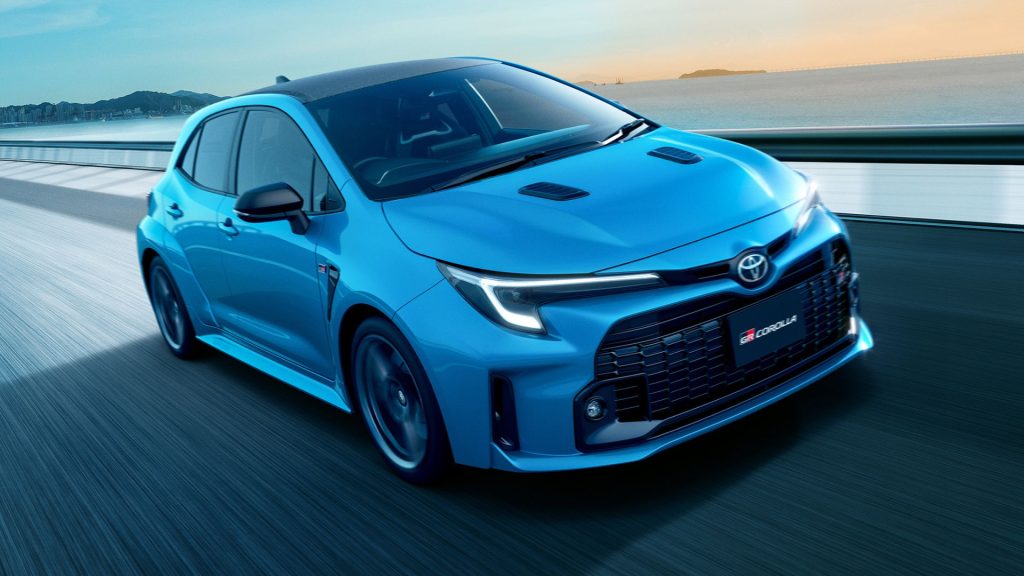
A continuously variable transmission sends power to the front wheels. It’s tuned for efficiency over aggression. Toyota Safety Sense 3.0 comes standard across every trim. That includes adaptive cruise and lane-keeping assist.
The FX Special Edition adds sportier styling touches. It pays tribute to Toyota’s hatchback heritage. Fuel economy remains a strong selling point too. City and highway ratings stay impressively efficient.
Interior space is modest but well organized. Rear seats fold down for added cargo flexibility. The Corolla Hatchback offers low-stress daily driving. It doesn’t ask drivers to relearn how a car works.
Specifications:
- Engine: 2.0L Dynamic Force 4-cylinder
- Horsepower: 169 hp
- Torque: 151 lb-ft
- Length: Approximately 173 inches
- Width: Approximately 70 inches
10. Acura Integra
The Integra blends premium styling with genuine driver engagement. It shares mechanical roots with the well-regarded Honda Civic. Physical climate controls remain part of its cabin layout. Acura hasn’t buried temperature adjustment inside touch menus.
The standard engine is a turbocharged 1.5-liter four-cylinder. It offers a lively yet efficient driving character. A six-speed manual transmission is available on select trims. Most buyers, though, choose the smooth CVT instead
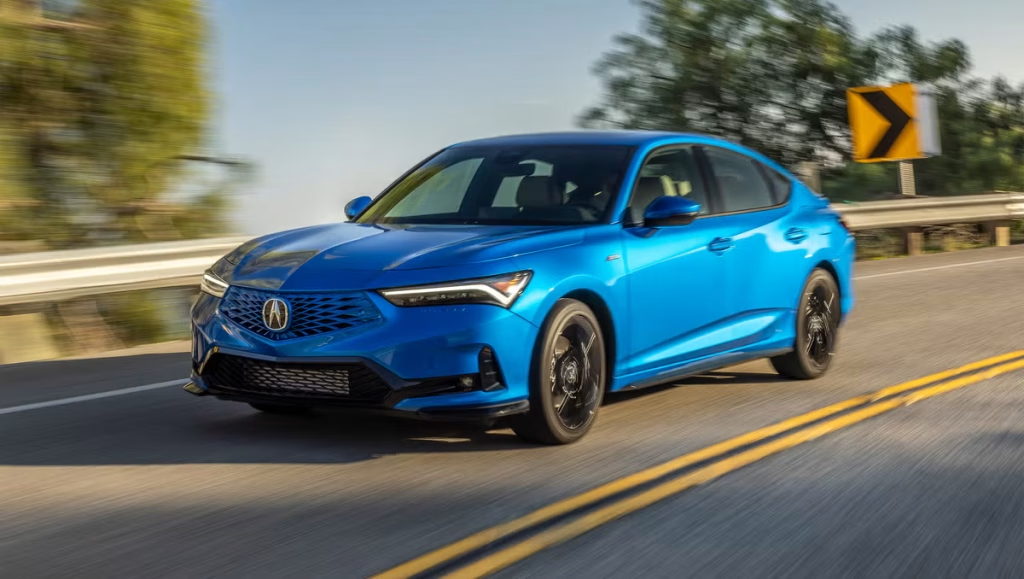
The performance-focused Type S ups the ante considerably. It uses a larger 2.0-liter turbocharged engine. That Type S variant also gets an exclusive close-ratio manual gearbox. It’s tuned purely for spirited driving.
Rev-Match Control smooths manual downshifts automatically. This feature helps less experienced drivers shift confidently. Despite its sportier ambitions, everyday usability stays intact. Liftback cargo access adds real-world practicality.
Dual-zone automatic climate control remains standard equipment too. It’s a small but meaningful comfort touch. The Integra proves that premium doesn’t require abandoning tactile design. It stays sharp, engaging, and refreshingly straightforward.
Specifications:
- Engine: 1.5L Turbocharged 4-cylinder (2.0L Turbo for Type S)
- Horsepower: 200 hp (320 hp Type S)
- Torque: 192 lb-ft (310 lb-ft Type S)
- Length: Approximately 186 inches
- Width: 74.8 inches
Also Read: 8 Longest Pickups You Can Park in a Standard Garage
