
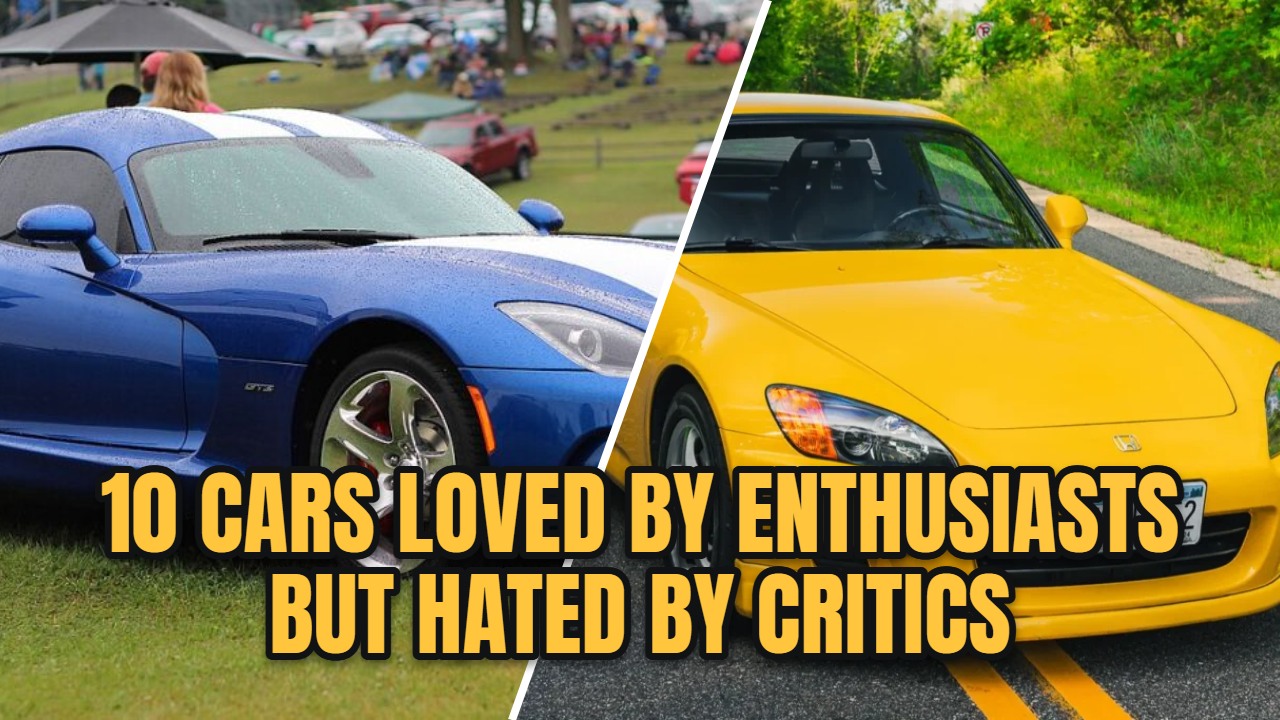
Cars rarely earn universal agreement. Professional critics usually judge vehicles through measurable qualities such as performance, ergonomics, interior quality, practicality, refinement, and value. Enthusiasts can use an entirely different standard.
A difficult gearbox, strange body shape, noisy cabin, or demanding engine may become part of a car’s personality rather than a reason to reject it.
That difference has created some of the automotive world’s most interesting cult favorites. Several cars that received harsh criticism when new later developed fiercely loyal communities.
Others were praised for one specific driving characteristic, while reviewers attacked almost everything surrounding it. A vehicle does not need a perfect road-test score to become desirable years after production ends.
The ten cars here were selected because documented criticism contrasted sharply with the enthusiasm they generated among owners, collectors, or performance fans. The reasons differ dramatically. Some were slow, some looked bizarre, and others demanded compromises that mainstream buyers simply refused to accept.
This is not a list of objectively bad vehicles. Instead, it examines cars whose flaws became inseparable from their reputations. Critics found plenty to question, yet enthusiasts discovered something worth defending. In several cases, time has been far kinder than the original reviews.
Also Read: 10 Cars With the Biggest Trunks Ever Made, Ranked by Cargo Capacity
1. 2001 Pontiac Aztek GT
Few vehicles have endured automotive criticism as relentlessly as the Pontiac Aztek. Car and Driver later described it as an “automotive punchline” and revisited the model in a feature literally titled “Best Forgotten.”
The problem was obvious before anyone examined the specifications. Pontiac combined split-level headlights, heavy plastic cladding, a sharply divided rear hatch, and unusual proportions into a design that became a regular presence on lists of unattractive vehicles.
Yet the enthusiasts who defend the Aztek rarely claim it is beautiful. Their argument is based on what Pontiac tried to build. The vehicle was packed with lifestyle-oriented ideas long before adventure-focused crossovers became a major industry trend.
The rear cargo area could be paired with an available tent package, while the tailgate incorporated molded seating areas and cupholders. A removable center console doubled as a cooler.
The Aztek also offered available Versatrak all-wheel drive. Its 3.4-liter V6 produced 185 horsepower and 210 lb-ft of torque, numbers that were ordinary even in the early 2000s, but straight-line speed was never the car’s strongest defense.
Time changed the conversation. Its connection with Breaking Bad gave the Aztek renewed cultural visibility, while younger automotive fans began reassessing its strange design as a product of fearless experimentation. Car and Driver itself noted the emerging ironic reassessment years after production ended.
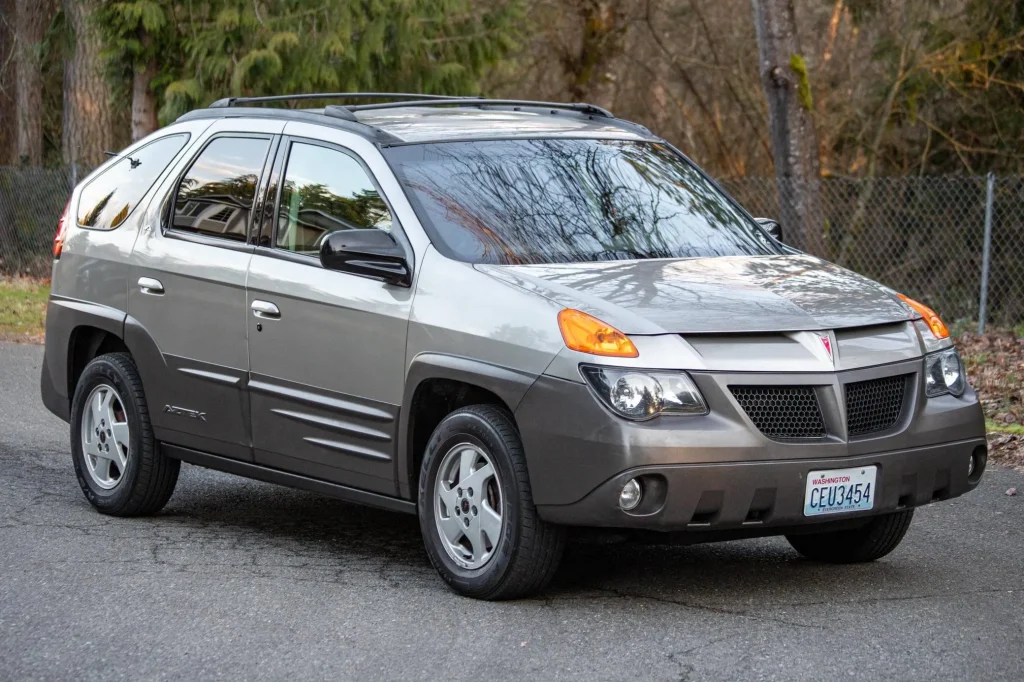
Critics saw confused styling and questionable execution. Aztek enthusiasts see an unconventional crossover that anticipated the camping accessories and activity-focused marketing now attached to countless SUVs. Pontiac’s biggest styling failure became the exact reason the car is impossible to forget.
- Engine: 3.4-liter V6
- Torque: 210 lb-ft
- Horsepower: 185 hp
- Length/Width: Approximately 182.1 inches / 73.7 inches
2. 2004 Mazda RX-8
The Mazda RX-8 created an unusual disagreement because critics could admire its chassis while attacking the very engine that made enthusiasts fascinated by it. At the center of the argument sat Mazda’s RENESIS rotary, a naturally aspirated 1.3-liter twin-rotor engine that behaved unlike almost anything else in a U.S. showroom.
In the six-speed manual specification, the 2004 RX-8 was rated at 238 horsepower. Torque was only 159 lb-ft, and peak output demanded high engine speeds.
Drivers expecting the immediate low-rpm pull of a large-displacement sports car could find the Mazda frustrating. The rotary needed to be revved, and its limited torque became a frequent talking point.
Then came ownership concerns. Rotary engines can consume oil as part of their operating design because oil is metered into the engine to lubricate critical internal surfaces. RX-8 owners were expected to monitor the oil level carefully.
Fuel economy was another weakness, and early cars became associated with flooding concerns and engine-compression issues. These were substantial compromises for a car marketed as usable everyday transportation.
Enthusiasts, however, focus on the experience after the tachometer needle begins climbing. The RENESIS engine’s willingness to rev and the RX-8’s balanced chassis created a distinctive personality. Rear-hinged auxiliary doors also made the rear seats easier to access than those of a traditional two-door coupe.
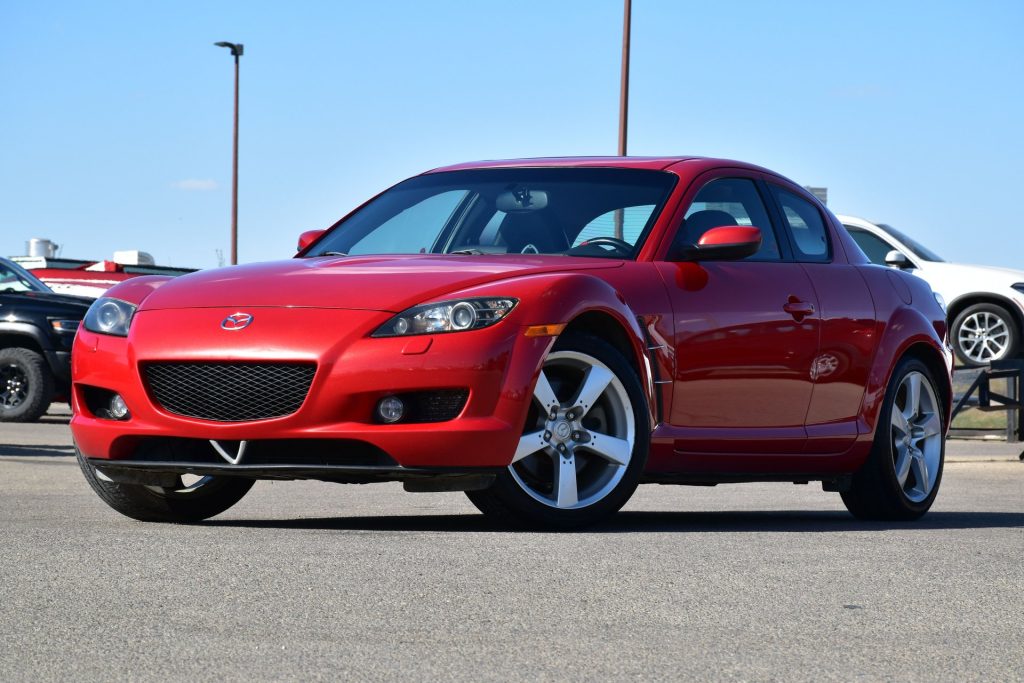
The RX-8’s reputation remains complicated. It is not a car that knowledgeable enthusiasts usually recommend to an owner unwilling to understand rotary maintenance. That requirement is precisely part of its cult appeal.
A conventional piston engine might have made the RX-8 easier to own. It also would have removed the mechanical characteristic that makes fans continue defending Mazda’s last rotary-powered production sports car.
- Engine: 1.3-liter RENESIS twin-rotor rotary
- Torque: 159 lb-ft
- Horsepower: 238 hp with six-speed manual
- Length/Width: Approximately 174.3 inches / 69.7 inches
3. 2000 Honda S2000
The Honda S2000 presents a problem for the title of this list because critics rarely denied its engineering brilliance. Car and Driver placed it on the 10Best list multiple times.
Yet period road testers repeatedly identified qualities that could make the roadster tedious, demanding, or frustrating in ordinary use. Those same characteristics now sit at the heart of its enthusiast reputation.
Everything begins with the F20C. The 2.0-liter naturally aspirated four-cylinder produced 240 horsepower at 8,300 rpm, while maximum torque was only 153 lb-ft at a lofty 7,500 rpm.
Car and Driver noted that everyday driving could become tiring because extracting serious performance required constant revs. The magazine’s period comparison described the S2000 as a car that demanded an aggressive driving style.
There was little low-rpm muscle to disguise a lazy gear choice. Drivers had to use the close-ratio six-speed manual and keep the engine in its high-rpm power band. The original AP1 chassis also developed a reputation for demanding respect near the limit, and Honda revised suspension geometry for the 2004 North American AP2 to improve stability.
Enthusiasts now celebrate practically everything that made the S2000 uncompromising. Its 8,900-rpm redline, precise manual gearbox, front-mid-engine layout, and high-output naturally aspirated engine represent a formula that has nearly disappeared from new-car showrooms.
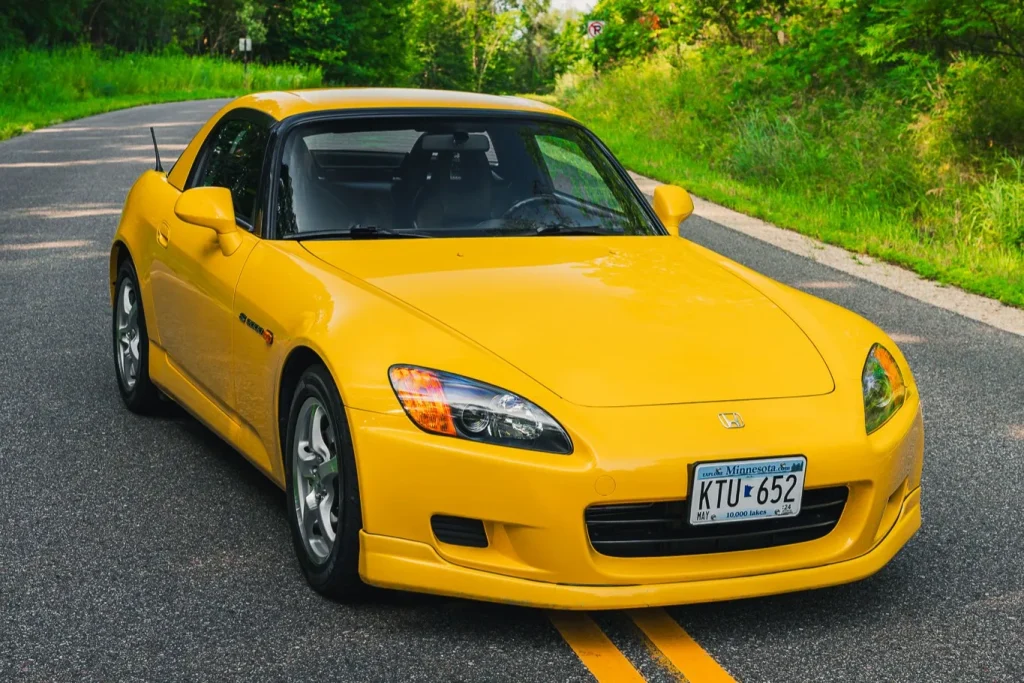
The S2000 was not universally hated by professional reviewers, but its most criticized traits created its cult status. What some testers considered peaky and demanding, fans interpreted as mechanical honesty. The driver had to participate, and that requirement is precisely why the values and enthusiasm surrounding the S2000 remain so strong.
- Engine: 2.0-liter naturally aspirated inline-four
- Torque: 153 lb-ft
- Horsepower: 240 hp
- Length/Width: Approximately 162.2 inches / 68.9 inches
4. 2005 Lotus Elise
Comfort was never the Lotus Elise’s priority, and American critics discovered that almost immediately. MotorTrend described a tight driver’s footwell, difficult entry and exit with the soft top installed, and a harsh reaction to broken concrete freeways. Car and Driver was equally clear about the cabin, noting that there was hardly enough room for two people.
For a mainstream buyer, that sounds like a serious collection of faults. The Elise offered only about 4.1 cubic feet of cargo capacity, according to published U.S. specifications.
It sat roughly 44 inches tall, meaning occupants had to lower themselves over the wide aluminum sill. Noise, limited storage, and minimal everyday convenience made the Lotus a difficult substitute for a conventional sports coupe. Enthusiasts heard those complaints and found reasons to want the car even more.
The U.S.-specification 2005 Elise weighed about 2,000 pounds in Car and Driver’s data. Its Toyota-sourced 1.8-liter four-cylinder produced 190 horsepower and 138 lb-ft of torque.
That combination helped the Lotus reach 60 mph in a manufacturer-rated 4.9 seconds and a drag-limited 141 mph. More importantly, its bonded aluminum chassis and lack of unnecessary mass created exceptionally direct responses.
MotorTrend called it the most dedicated and least apologetic production sports car the publication had tested. That description captures Elise better than a comfort score ever could.
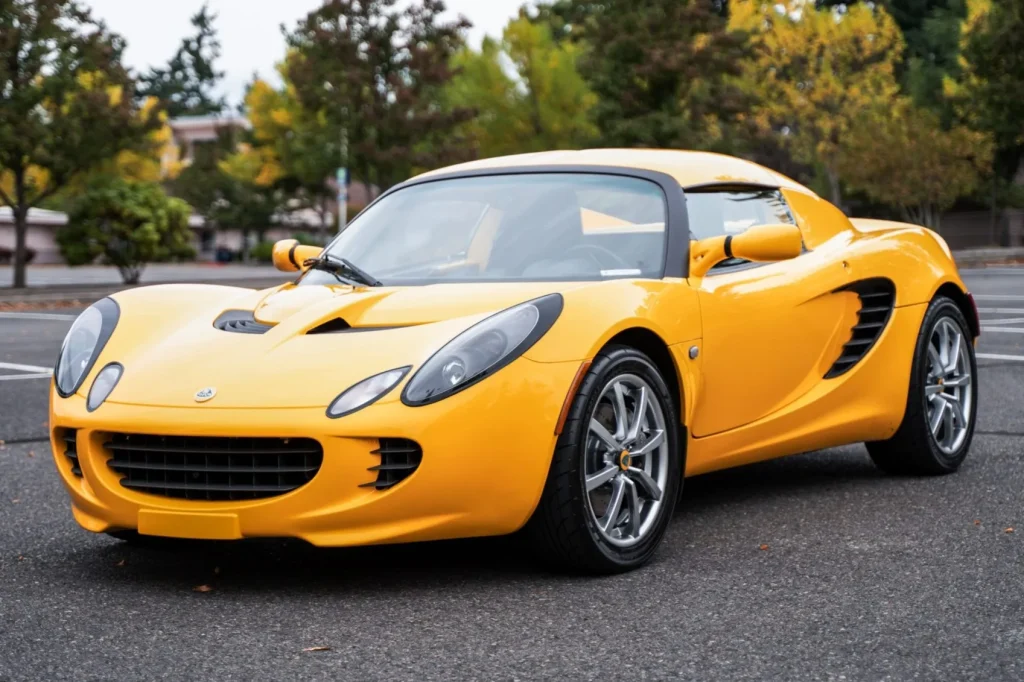
Critics identified genuine usability problems. Lotus fans simply accepted the bargain. The awkward entry, tiny cabin, and punishing practicality were consequences of a car built around low weight. For enthusiasts, the Elise’s refusal to compromise became its greatest selling point.
- Engine: 1.8-liter naturally aspirated inline-four
- Torque: 138 lb-ft
- Horsepower: 190 hp
- Length/Width: 149.0 inches / 67.7 inches
5. 2003 Dodge Viper SRT-10
The 2003 Dodge Viper SRT-10 was almost a collection of complaints engineered into a sports car. Car and Driver’s period testing criticized its harsh, truck-like ride, bump steer, and extraordinary cabin heat.
The magazine even joked about the temperatures generated around the Viper’s side exhaust. These were not minor inconveniences in an otherwise gentle grand tourer. Dodge had built a 500-horsepower roadster with practically no interest in making daily life comfortable.
Enthusiasts saw the same characteristics from another angle. Under the enormous hood sat an 8.3-liter naturally aspirated V10 producing 500 horsepower and 525 lb-ft of torque. A six-speed manual transmission sent everything to the rear wheels. Car and Driver recorded 60 mph in 3.9 seconds and a 12.1-second quarter-mile at 120 mph.
Nothing about delivering that performance felt filtered. The Viper demanded careful throttle inputs, and the massive engine’s heat became part of the physical experience. Its 3,380-pound curb weight was relatively modest considering the displacement under the hood, while the body measured 175.6 inches long and 75.2 inches wide.
A critic evaluating comfort and refinement had an extensive list of legitimate objections. The ride was punishing, the cockpit could become hot, and the car required concentration.
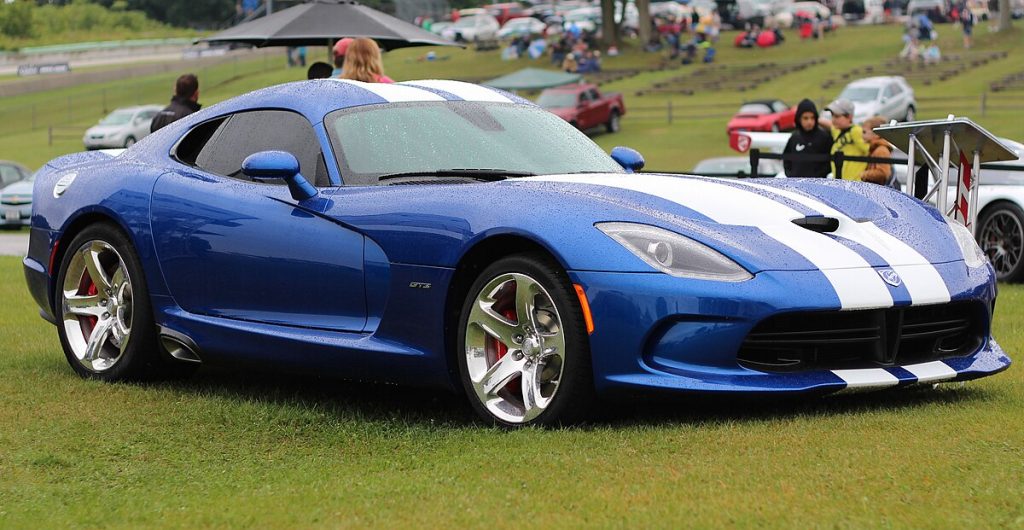
Those weaknesses explain why Viper fans remain so devoted. Dodge never tried to make the SRT-10 behave like a polished luxury coupe.
Its rough edges were visible, audible, and occasionally uncomfortable. Enthusiasts did not merely tolerate the lack of civility. They treated it as evidence that the Viper remained one of America’s most unapologetic performance cars.
- Engine: 8.3-liter naturally aspirated V10
- Torque: 525 lb-ft
- Horsepower: 500 hp
- Length/Width: 175.6 inches / 75.2 inches
6. 2006 Subaru Impreza WRX STI
A giant hood scoop, a tall rear wing, blue interior accents, and compact-sedan proportions made the Subaru Impreza WRX STI difficult to judge by conventional premium performance-car standards.
Critics could point toward its economy-car roots, firm chassis, and cabin materials. Similar criticism had followed the U.S.-market WRX from its arrival, with period testing noting modest sound insulation and styling unlikely to attract premium buyers. The STI audience cared about a very different specification sheet.
For 2006, the U.S.-market WRX STI produced 300 horsepower and 300 lb-ft of torque from a turbocharged 2.5-liter flat-four. A six-speed manual transmission and Subaru’s all-wheel-drive system gave the sedan the mechanical character enthusiasts expected from a car connected to the company’s rally image. Published U.S. specifications list a 3,351-pound curb weight.
Then there was the driver-controlled center differential. The 2006 U.S. STI used an updated DCCD system with a mechanical limited-slip mechanism supplementing its electronically controlled center differential, while the nominal torque distribution changed to 41 percent front and 59 percent rear.
This gave technically minded drivers another reason to obsess over the Subaru beyond simple horsepower.
Its visual excess eventually became part of the attraction. The wing that could look immature to a traditional sedan buyer signaled exactly what enthusiasts wanted. The functional hood scoop fed air toward the top-mounted intercooler, and the compact body concealed serious performance hardware.
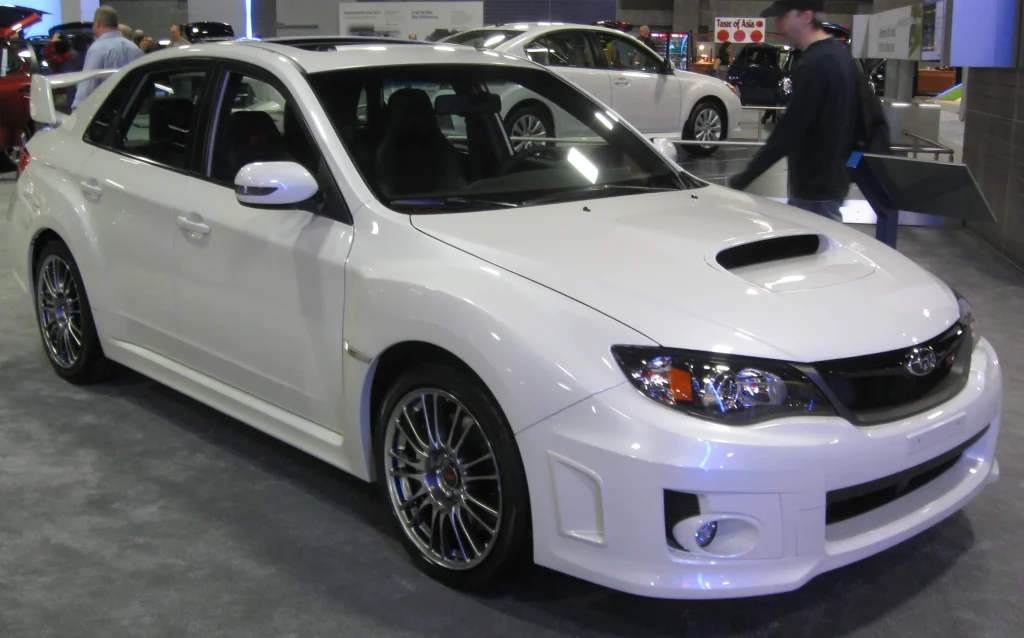
Critics looking for German-style refinement could easily find weaknesses. Subaru fans were buying rally-inspired engineering, a manual gearbox, and 300 horsepower. The STI’s lack of polish did not hide its purpose. It advertised that purpose from several parking spaces away.
- Engine: 2.5-liter turbocharged flat-four
- Torque: 300 lb-ft
- Horsepower: 300 hp
- Length/Width: 175.8 inches / 68.5 inches
7. 2006 Pontiac GTO
Pontiac revived the GTO name for the 2004 model year, and the criticism started almost immediately. The problem was not the powertrain. Reviewers questioned whether the restrained Australian-sourced body deserved to wear one of America’s most famous muscle-car badges.
Car and Driver described the styling as having “visual blandness,” while MotorTrend later noted that many enthusiasts saw the design as too conservative and lacking the aggressive presence expected from a GTO.
By 2006, however, the mechanical specification gave performance fans a powerful reason to ignore the appearance debate. The U.S.-market GTO used GM’s 6.0-liter LS2 V8, rated at 400 horsepower and 400 lb-ft of torque. Buyers could select a six-speed manual or four-speed automatic transmission. Edmunds lists the coupe at 189.8 inches long and 72.5 inches wide.
The enthusiast’s argument becomes stronger once performance enters the discussion. Car and Driver recorded a 4.8-second 0-to-60-mph time from the 400-horsepower 2005 GTO and a 13.3-second quarter-mile at 107 mph. Those figures placed the reborn Pontiac firmly in serious performance territory.
There was also a usable four-seat cabin and independent rear suspension. Underneath the Pontiac badges sat Holden Monaro engineering, giving the GTO a different personality from a traditional American muscle coupe.
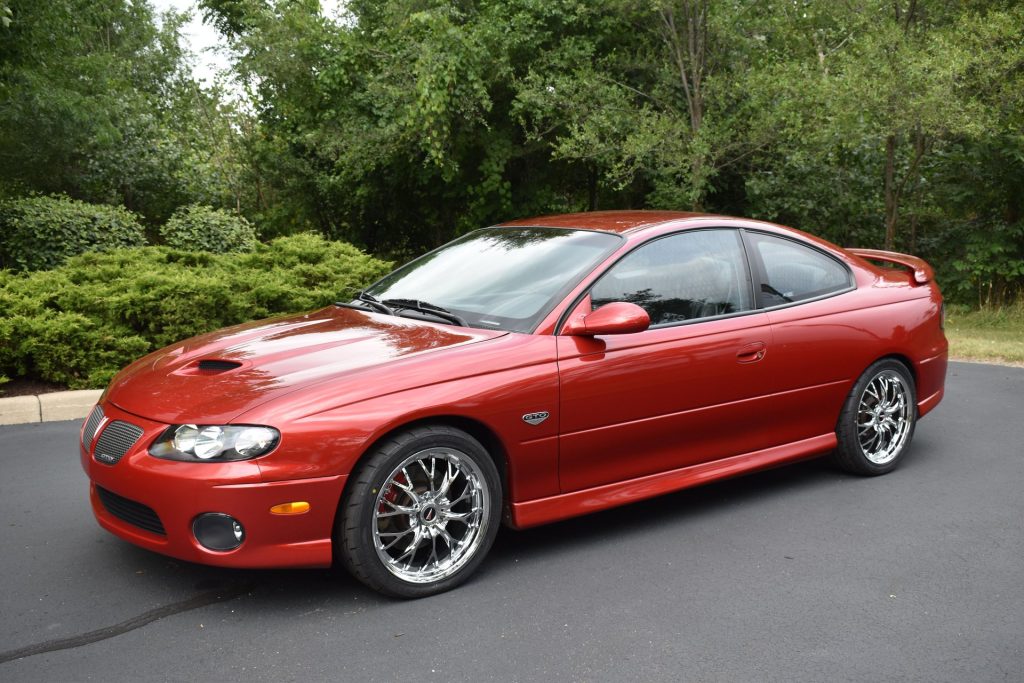
Critics wanted a visual event worthy of the badge. Enthusiasts eventually learned to appreciate the anonymity. A relatively plain-looking Pontiac with 400 horsepower, rear-wheel drive, and an available six-speed manual became a compelling used performance car. The styling that hurt the GTO when new later helped define its sleeper appeal.
- Engine: 6.0-liter naturally aspirated LS2 V8
- Torque: 400 lb-ft
- Horsepower: 400 hp
- Length/Width: 189.8 inches / 72.5 inches
8. 2013 Scion FR-S
When the Scion FR-S reached American showrooms, critics praised its steering and chassis balance but repeatedly returned to one frustrating number: 200 horsepower.
The complaint became even louder after enthusiasts discovered a noticeable torque dip in the middle of the engine’s rev range. For drivers raised on turbocharged torque, the FR-S could feel much slower than its low-slung sports-car shape suggested.
Car and Driver recorded 0 to 60 mph in 6.2 seconds for a manual FR-S and criticized the engine for feeling weak in normal driving. The magazine noted that meaningful acceleration demanded high engine speeds.
The naturally aspirated 2.0-liter flat-four produced 200 horsepower at 7,000 rpm and 151 lb-ft of torque between 6,400 and 6,600 rpm.
Enthusiasts defending the FR-S point toward the numbers that rarely dominate horsepower arguments. Scion listed a curb weight of approximately 2,758 pounds for the manual car. The engine sat low in the chassis, and power went to the rear wheels through a six-speed manual transmission. A Torsen limited-slip differential was standard.
That combination created a car designed around balance rather than straight-line dominance. The original tires also had relatively modest grip, making the chassis approachable at speeds far below those required to unsettle a 500-horsepower sports car.
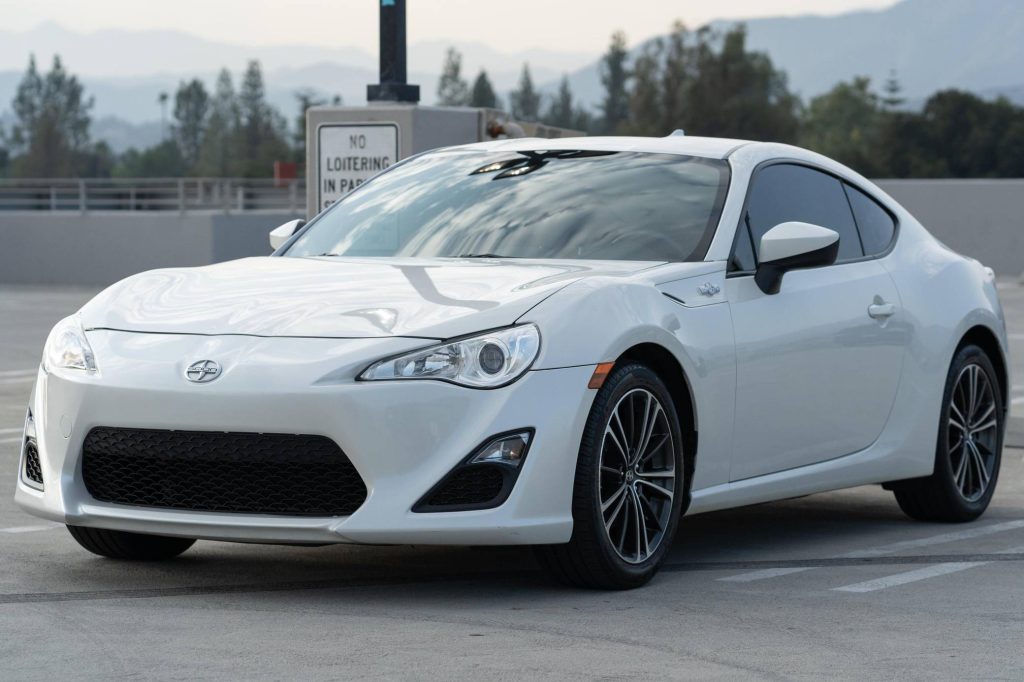
Critics were correct about the engine. The FR-S did not deliver effortless acceleration, and the midrange torque characteristic could be frustrating. Fans simply valued something else.
Its steering, low mass, manual gearbox, and willingness to rotate made the Scion a favorite for autocross, track days, and modification. The FR-S became proof that enthusiasts could love a sports car while agreeing with nearly every criticism about its lack of power.
- Engine: 2.0-liter naturally aspirated flat-four
- Torque: 151 lb-ft
- Horsepower: 200 hp
- Length/Width: 166.7 inches / 69.9 inches
9. 2005 Ford GT
The 2005 Ford GT was praised for extraordinary performance, but professional road tests also documented flaws that would be difficult to ignore in a normal production car. Car and Driver noted that the rear visibility was poor, the car lacked luggage space, and the doors required substantial room to open.
The door design was particularly unusual because sections of the roof were incorporated into it, creating an awkward situation when parked beside another vehicle. None of those complaints have stopped enthusiasts from treating the Ford GT as one of America’s defining modern supercars.
Its 5.4-liter supercharged V8 produced 550 horsepower and 500 lb-ft of torque. A six-speed manual transaxle sent power to the rear wheels. Car and Driver recorded a 3.3-second run from 0 to 60 mph and an 11.6-second quarter-mile at 128 mph.The magazine’s test data also listed a 205-mph drag-limited top speed. Those were astonishing figures for a mid-2000s American production car.
The GT’s appeal went beyond raw acceleration. Ford used an aluminum space frame and a mid-engine layout, while the body deliberately referenced the GT40 that won Le Mans four consecutive times from 1966 through 1969.
Yet the 2005 car was not simply a visual recreation. Its supercharged powertrain and modern chassis gave it performance capable of challenging contemporary European exotics.
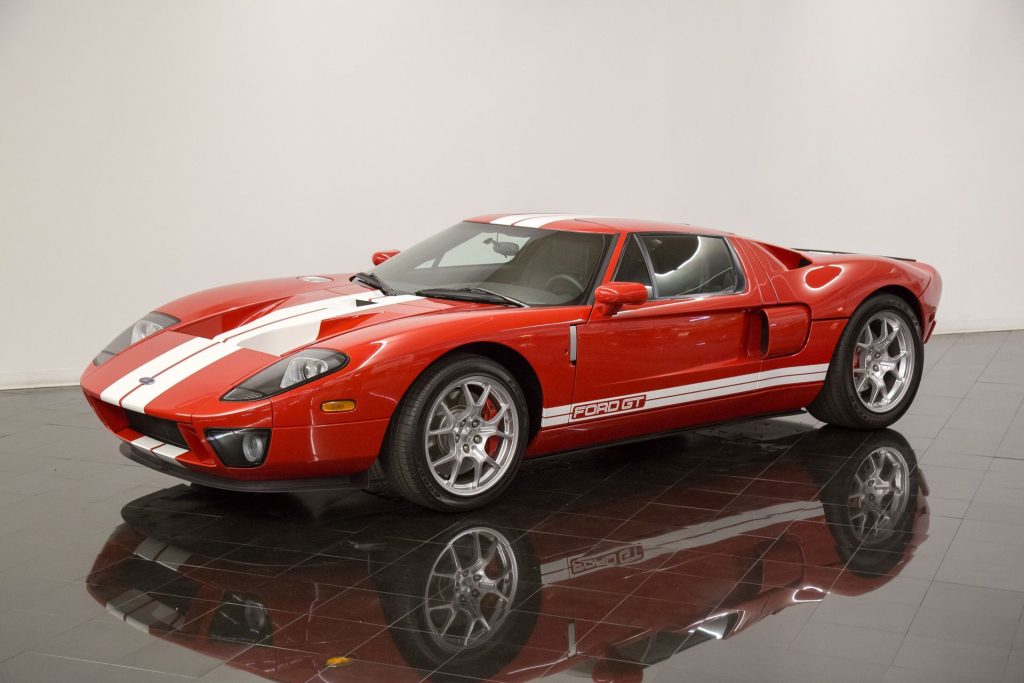
Critics had legitimate usability complaints. Storage was extremely limited, visibility demanded care, and the doors could punish anyone who chose a tight parking space.
Enthusiasts accepted every inconvenience because the GT delivered a rare combination of manual shifting, supercharged V8 power, and genuine 200-mph capability. Its flaws never disappeared. They simply became irrelevant besides the experience.
- Engine: 5.4-liter supercharged V8
- Torque: 500 lb-ft
- Horsepower: 550 hp
- Length/Width: 182.8 inches / 76.9 inches
10. 1996 Dodge Viper GTS
The Dodge Viper GTS looked more civilized than the original RT/10 roadster, but critics quickly discovered that a fixed roof had not transformed the car into a gentle grand tourer.
Period testing documented a heavy clutch, significant heat, limited outward visibility, and a driving experience that demanded constant respect. The cabin remained tight, while the huge side sills made entry and exit an event. Viper enthusiasts consider those complaints part of the car’s identity.
The 1996 GTS used an 8.0-liter naturally aspirated V10 producing 450 horsepower and 490 lb-ft of torque. A six-speed manual transmission was the only gearbox, and all of the engine’s output went to the rear wheels. There was no automatic transmission alternative for drivers who wanted an easier commute.
Performance justified the intimidating reputation. Car and Driver recorded 0 to 60 mph in 4.0 seconds, while the quarter-mile disappeared in 12.2 seconds at 118 mph. The publication measured a top speed of 177 mph. For a 1996 American production car, those figures placed the GTS in exceptionally serious territory.
The shape was equally uncompromising. A long hood covered the massive V10, while the passenger compartment sat far toward the rear. At 176.7 inches long and 75.7 inches wide, the Viper had proportions that immediately communicated its purpose.
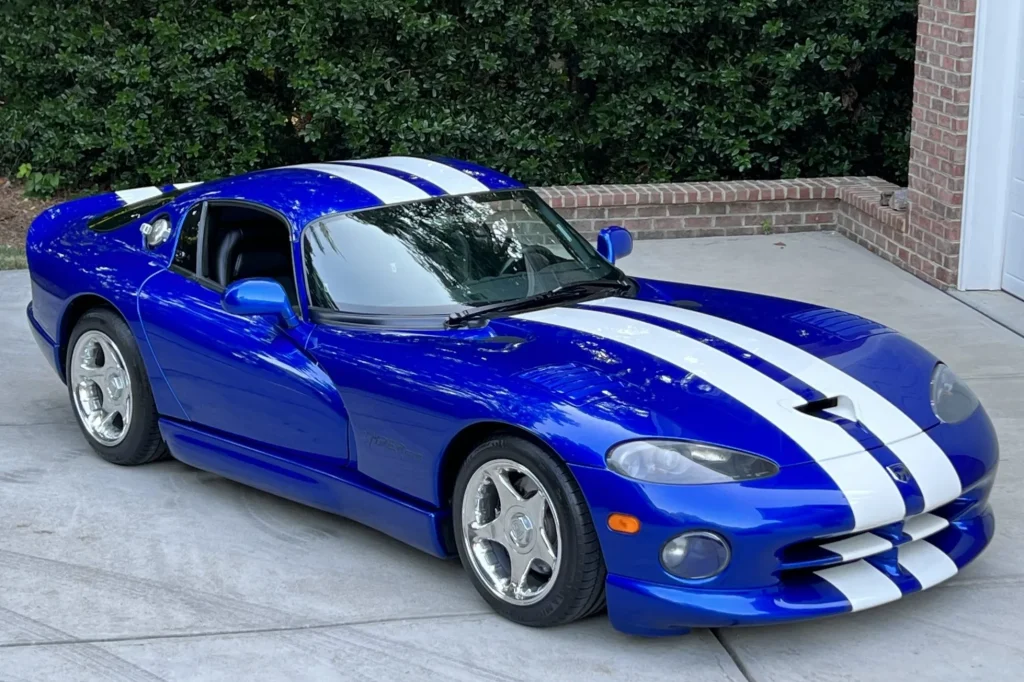
Professional reviewers were right to mention the heat, demanding controls, and limited everyday usability. The GTS asked far more from its driver than a normal performance coupe.
That difficulty became exactly what enthusiasts wanted. As modern sports cars added automatic transmissions, drive modes, and electronic safety systems, the Viper’s mechanical aggression became increasingly valuable. Critics documented its rough edges. Fans made those same rough edges the foundation of its legend.
- Engine: 8.0-liter naturally aspirated V10
- Torque: 490 lb-ft
- Horsepower: 450 hp
- Length/Width: 176.7 inches / 75.7 inches
Also Read: 10 Numbers on Your Window Sticker and What Each One Really Means
