
When choosing a car, many buyers focus on engine performance, fuel economy, comfort, technology, and styling. However, cargo space is a major factor that can influence everyday practicality.
A large trunk can make grocery trips easier, support long road journeys, provide room for sports equipment, and help families manage daily transportation needs. Some vehicles have been designed with exceptionally generous luggage areas, offering storage capacities that rival small vans while maintaining the appearance and driving experience of a traditional car.
Manufacturers have spent decades improving vehicle layouts to maximize usable space without sacrificing passenger comfort. Sedan models, hatchbacks, liftbacks, and large luxury cars have all competed to offer impressive cargo solutions.
Certain vehicles stand out because their trunk designs provide extraordinary room, clever folding systems, and flexible storage options. This ranking looks at cars known for having some of the biggest trunks ever produced, focusing on their practical cargo capacity and design features.
From spacious family vehicles to premium models built for long-distance travel, these cars demonstrate how thoughtful engineering can transform a standard trunk into a highly useful part of the vehicle.
Also Read: 10 Car Brands Most Likely to Cross 250,000 Miles
- Engine: 2.0-liter TSI turbocharged petrol engine
- Horsepower: 220 hp
- Torque: 350 Nm
- Length: 4,861 mm
- Width: 1,864 mm
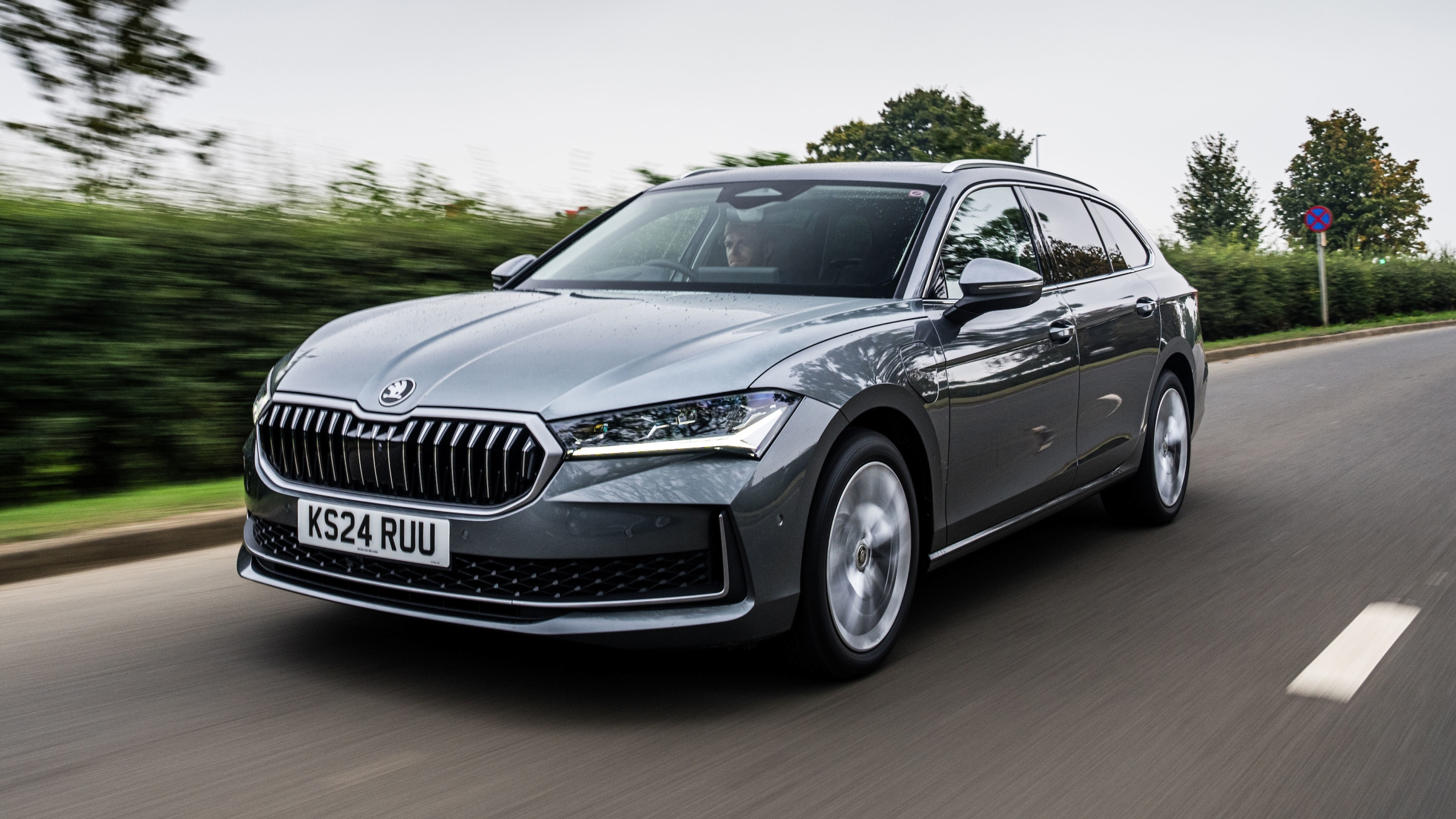
1. Škoda Superb
The Škoda Superb has earned a reputation for providing exceptional practicality among large passenger cars. Produced by Škoda Auto, the Superb combines a spacious cabin with a remarkably large luggage area. Its liftback design gives it an advantage over traditional sedans because the entire rear section opens upward, creating a wider loading opening.
This makes carrying large items much easier compared with vehicles that only have a small trunk lid. The Superb has been especially popular among families, business users, and drivers who need premium comfort with strong everyday usability.
The cargo capacity of the Superb varies depending on the generation and body style, but later versions have offered around 625 liters of trunk space in standard liftback form.
When the rear seats are folded, the available storage area expands significantly, allowing owners to transport furniture pieces, luggage sets, bicycles, and other large objects. The estate version increases practicality even further, making it a strong choice for buyers who want near wagon-level carrying ability without moving to a larger vehicle category.
The design approach behind the Superb focuses on efficient use of interior dimensions. Engineers created a long wheelbase and carefully arranged mechanical components to free up more cabin and cargo room.
This allows passengers to enjoy generous legroom while still leaving substantial space behind the rear seats. The result is a vehicle that feels comfortable for passengers while remaining highly functional for cargo transportation.
Many large cars provide impressive passenger space but compromise trunk volume. The Superb avoids this issue by balancing both areas effectively.
The rear storage section has a practical shape with a wide floor area, making it easier to organize bags and equipment. The low loading height also improves convenience because heavy items require less lifting effort when placed inside the vehicle.
The Superb represents a modern approach to automotive practicality. It proves that a car designed for comfort and refinement can also provide exceptional storage capability. Its combination of trunk size, interior quality, driving comfort, and reasonable running costs has helped it become a strong competitor among large family vehicles.
- Engine: 1.6-liter i-DTEC turbocharged diesel engine
- Horsepower: 120 hp
- Torque: 300 Nm
- Length: 4,535 mm
- Width: 1,770 mm
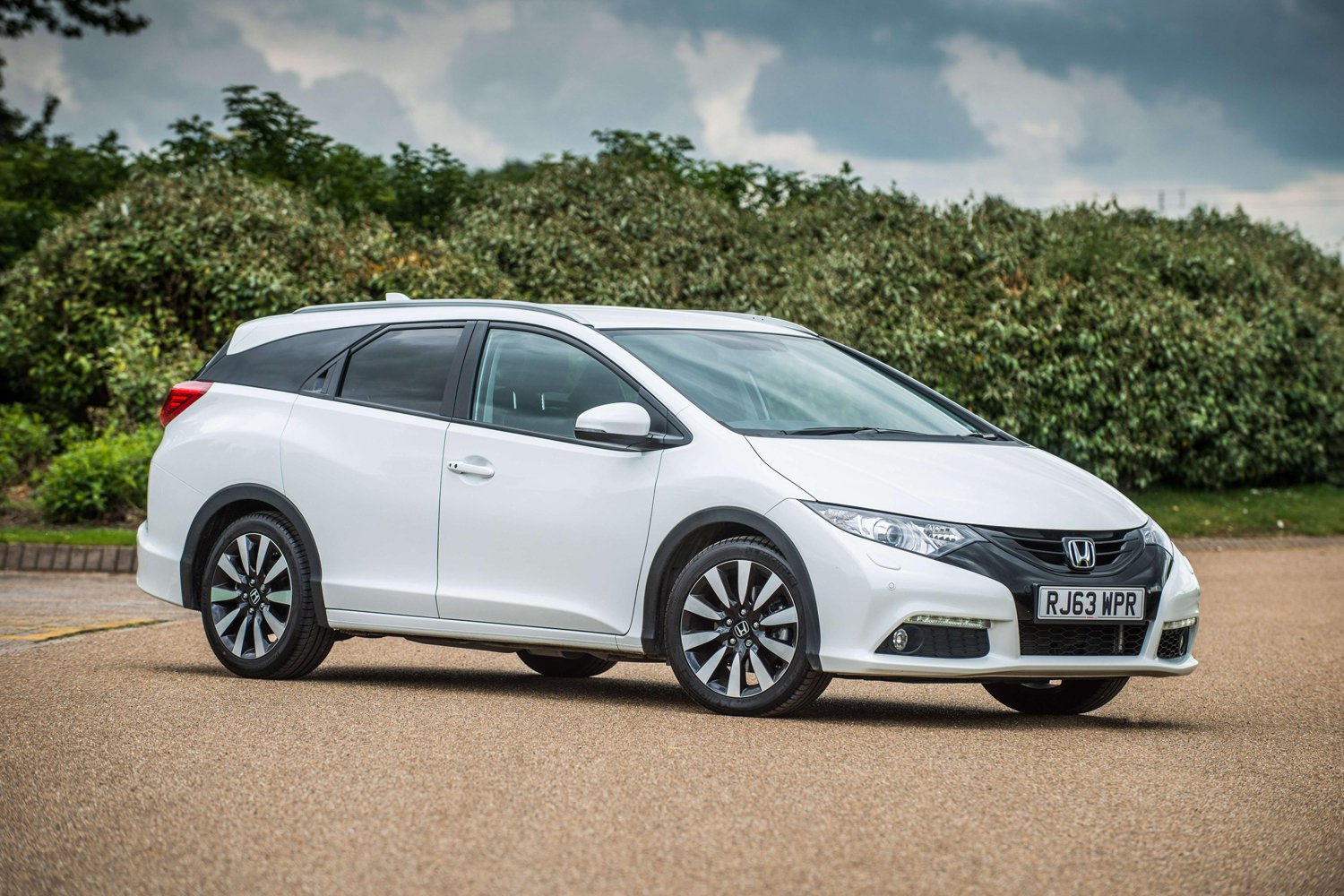
2. Honda Civic Tourer
The Honda Civic Tourer is a vehicle that demonstrates how clever engineering can create outstanding cargo space from a compact platform. Built by Honda Motor Co., Ltd., this model was developed mainly for European markets and offered an unusually large luggage area for its size.
Instead of simply increasing exterior dimensions, Honda used smart packaging techniques to create impressive storage capacity.
The Civic Tourer provided approximately 624 liters of trunk space with the rear seats in place. Folding the seats created a much larger cargo area suitable for transporting bulky items.
This figure was remarkable because the vehicle was based on a compact family car rather than a large executive model. Its practical design allowed owners to enjoy easy city driving while still having enough room for family activities and longer trips.
A major feature behind the Civic Tourer’s large trunk was Honda’s innovative use of interior space. The company positioned certain mechanical components efficiently, allowing additional room beneath the cargo floor.
The vehicle also used Honda’s Magic Seats system, which allowed different seat arrangements to create extra storage flexibility. These features helped maximize every available section of the interior.
The trunk itself was designed with everyday use in mind. The opening was wide, the floor was relatively flat, and the available space was easy to access. Owners could carry shopping bags, travel luggage, outdoor equipment, and household items without struggling with awkward shapes. The vehicle showed that practical design does not always require a large SUV or crossover.
The Civic Tourer remains an example of smart automotive packaging. While production ended after a few years, its reputation continues among drivers who appreciate efficient design. It demonstrated that manufacturers could create a compact vehicle with cargo capacity similar to that of much larger cars while maintaining comfort, reliability, and driving enjoyment.
- Engine: 2.0-liter TDI turbocharged diesel engine
- Horsepower: 190 hp
- Torque: 400 Nm
- Length: 4,767 mm
- Width: 1,832 mm
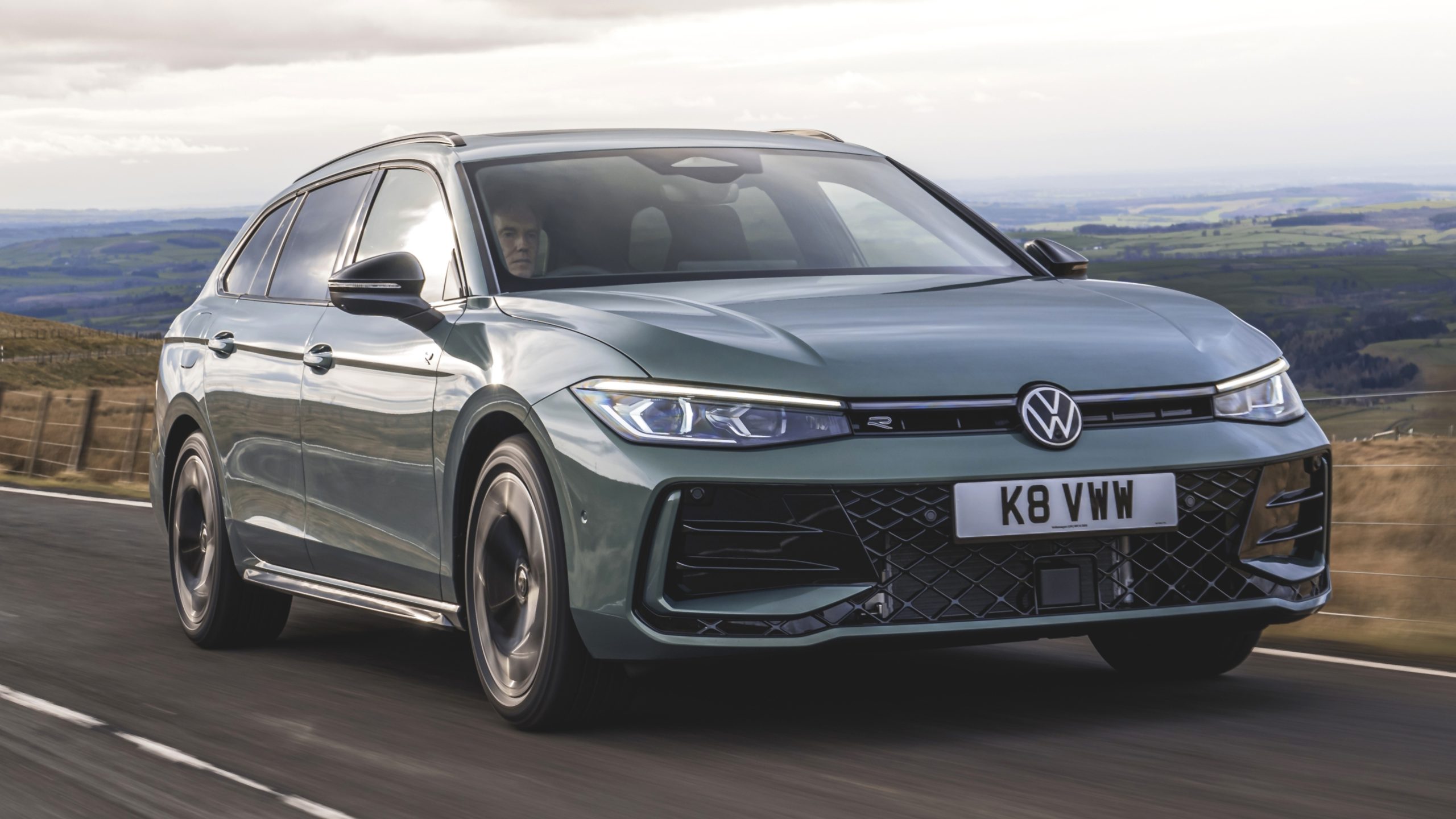
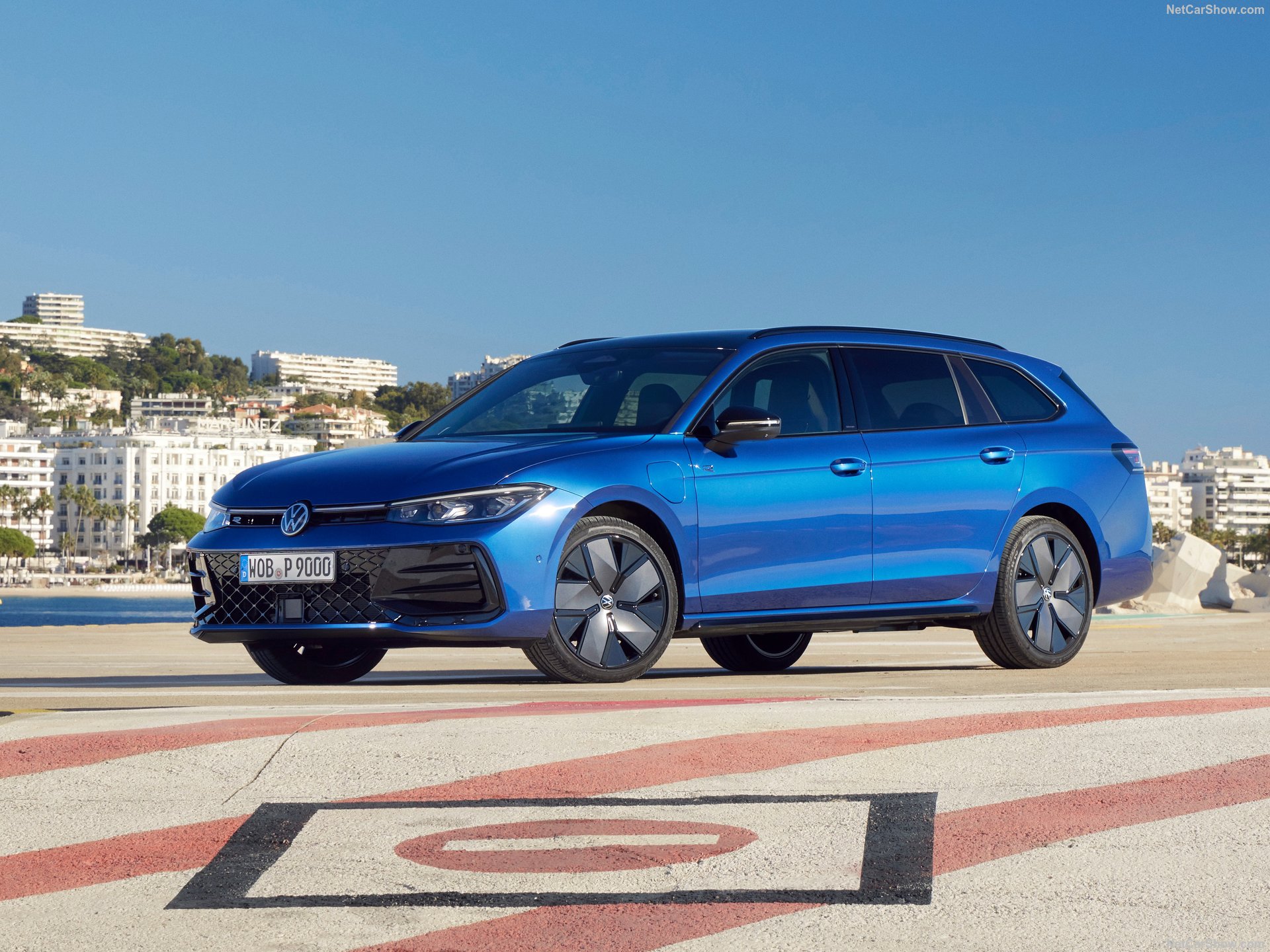
3. Volkswagen Passat Variant
The Volkswagen Passat Variant has long been associated with practicality, comfort, and strong cargo capacity. Manufactured by Volkswagen, the Passat estate version was developed for drivers who needed more space than a standard sedan while still wanting a refined driving experience. Its wagon body style provides a large rear compartment with excellent accessibility.
Depending on the generation, the Passat Variant has offered trunk capacities exceeding 600 liters. The B8 generation, for example, provides around 650 liters of luggage space with the seats upright. Folding the rear seats creates a much larger loading area, making it suitable for families, professionals, and travelers who regularly carry significant amounts of equipment.
The Passat’s practical design comes from its long body structure and efficient interior layout. The estate configuration extends the roofline toward the rear, allowing more vertical and horizontal cargo space.
This creates a rectangular storage area that is easier to use than many traditional trunk designs. Large suitcases and boxes can fit without requiring complicated arrangements.
Volkswagen also focused on comfort and refinement when developing the Passat Variant. The vehicle offers a quiet cabin, supportive seats, and stable highway performance. These characteristics make it popular among people who spend many hours driving and need a dependable vehicle for both work and personal travel.
The Passat Variant shows how a wagon can provide excellent cargo ability while maintaining a premium feel. Its large trunk, practical shape, and comfortable interior have made it a respected choice among buyers seeking a versatile family car.
- Engine: 3.0-liter turbocharged V6 diesel engine (E350d)
- Horsepower: 258 hp
- Torque: 620 Nm
- Length: 4,933 mm
- Width: 1,852 mm
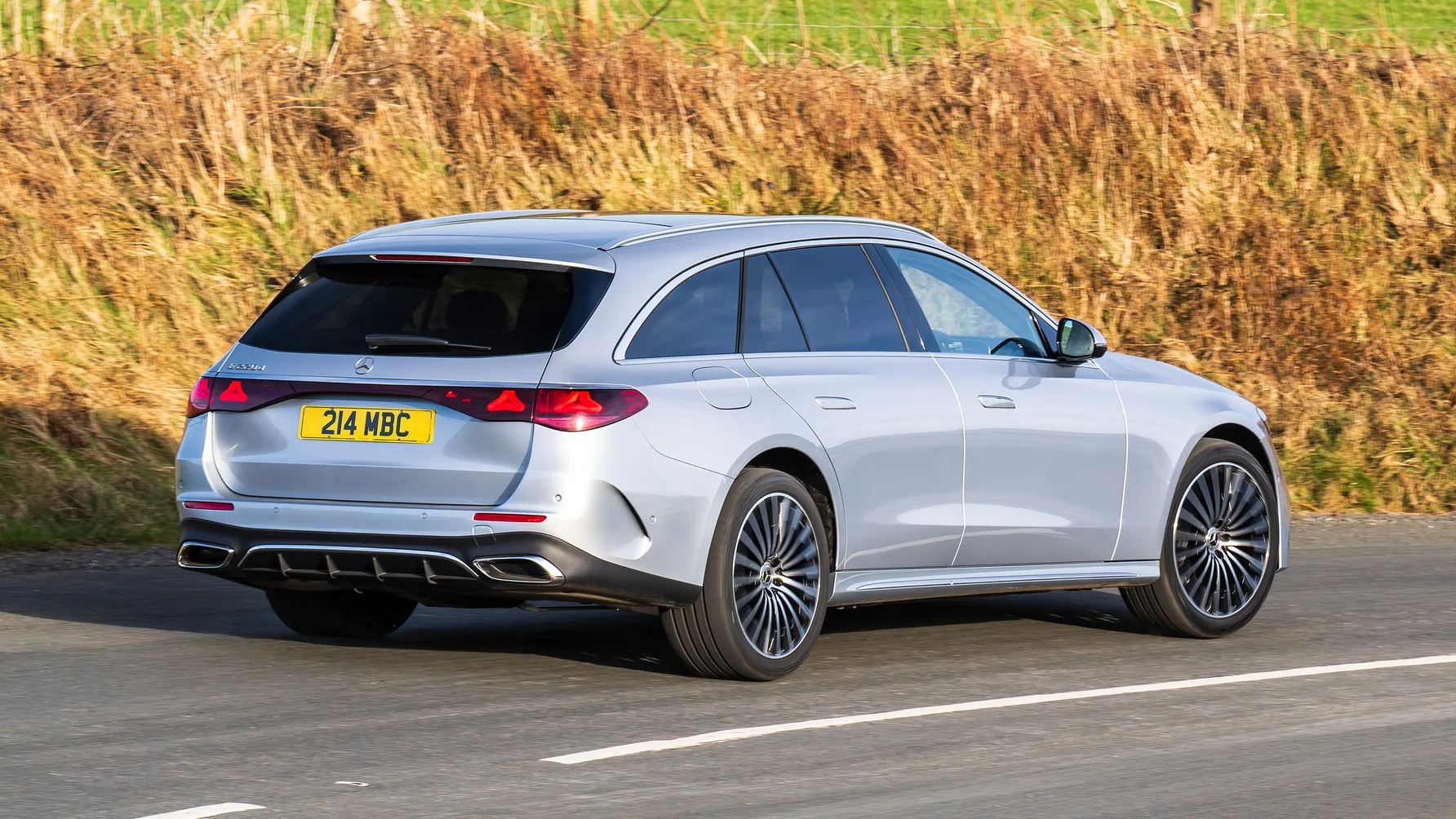
4. Mercedes-Benz E-Class Estate
The Mercedes-Benz E-Class Estate represents a combination of luxury, comfort, and impressive practicality. Built by Mercedes-Benz, this wagon version of the E-Class has been designed for customers who want premium features without giving up useful cargo space.
While many luxury vehicles prioritize passenger comfort and advanced technology, the E-Class Estate also provides a highly functional luggage area.
The S213 generation E-Class Estate offers around 640 liters of cargo capacity with the rear seats in their normal position. When the seats are folded, the available storage area increases significantly, creating enough room for large travel bags, household items, and outdoor equipment.
The flat loading floor and wide rear opening make it easier to use the available space effectively. This practical design separates it from many luxury sedans that have smaller and less flexible trunks.
Mercedes-Benz engineers focused on creating a balance between elegance and usability. The vehicle maintains the refined appearance expected from an E-Class while adding the advantages of a wagon body style.
The extended roofline provides extra height and length in the cargo section without making the vehicle feel oversized on the road. This approach allows owners to enjoy luxury transportation while having the ability to carry larger items.
The interior design also supports daily practicality. Storage compartments throughout the cabin provide additional areas for smaller belongings, while the trunk includes features that help organize cargo. Optional equipment such as adjustable systems and powered tailgates improves convenience for drivers who frequently load and unload items.
The E-Class Estate demonstrates that luxury vehicles can deliver excellent practicality when designed carefully. It offers strong performance, advanced technology, premium materials, and a large cargo area in one package.
For buyers who need a sophisticated vehicle capable of handling demanding daily tasks, this model remains a strong example of efficient automotive design.
- Engine: 2.4-liter five-cylinder turbocharged diesel engine (D5)
- Horsepower: 215 hp
- Torque: 440 Nm
- Length: 4,823 mm
- Width: 1,861 mm
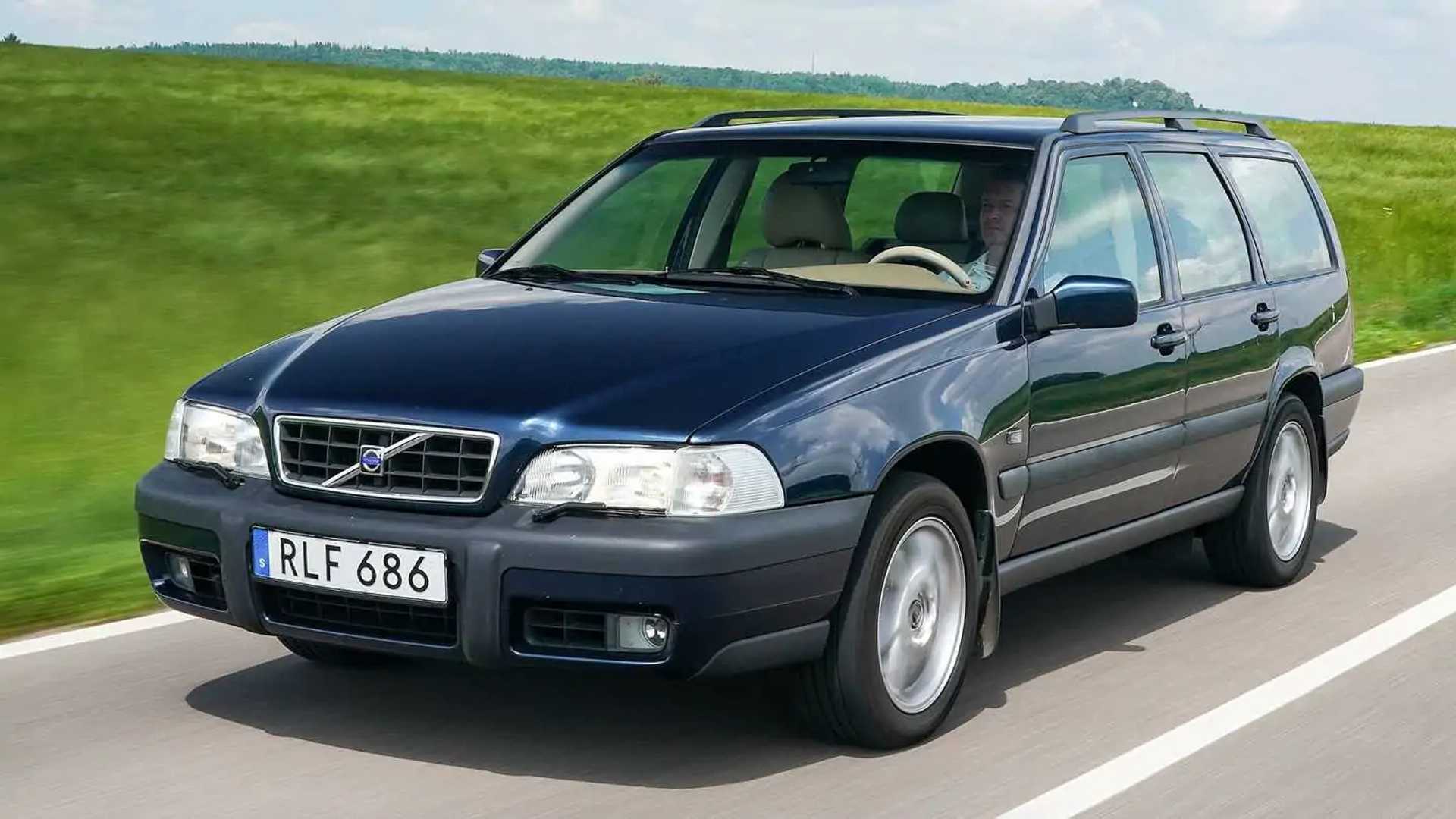
5. Volvo V70
The Volvo V70 became famous for combining safety, comfort, and exceptional cargo capacity. Produced by Volvo Cars, the V70 continued the company’s long history of creating practical estate cars. Volvo wagons have traditionally been associated with families, long-distance travel, and dependable transportation, and the V70 represents this philosophy clearly.
The third-generation V70 offered approximately 575 liters of trunk capacity in standard configuration, with significantly more space available when the rear seats were folded.
While its official measurements may appear lower than some competitors’, its boxy shape makes the cargo area extremely useful. The upright design allowed owners to carry tall objects that might not fit easily in vehicles with sloping rear designs.
Volvo placed significant attention on creating a practical and durable cargo area. The trunk floor was designed to handle regular use, while the wide opening allowed easier access for larger items.
Families often appreciated the vehicle because it could accommodate luggage, children’s equipment, shopping supplies, and recreational gear without requiring a larger SUV.
The V70 also benefited from Volvo’s reputation for safety-focused engineering. Strong construction, advanced safety systems, and comfortable seating made it suitable for long journeys. Many owners valued the combination of a spacious interior and dependable performance, particularly for family transportation.
The legacy of the V70 comes from its ability to serve many purposes. It could function as a daily commuter vehicle, a family transporter, and a long-distance travel machine. Its practical cargo design helped establish Volvo as a manufacturer known for creating vehicles that prioritize real-world usability.
Also Read: The 10 Cars Owners Hold For 15 Years or More Are All Japanese
- Engine: 2.0-liter BlueHDi turbocharged diesel engine
- Horsepower: 160 hp
- Torque: 400 Nm
- Length: 4,778 mm
- Width: 1,859 mm
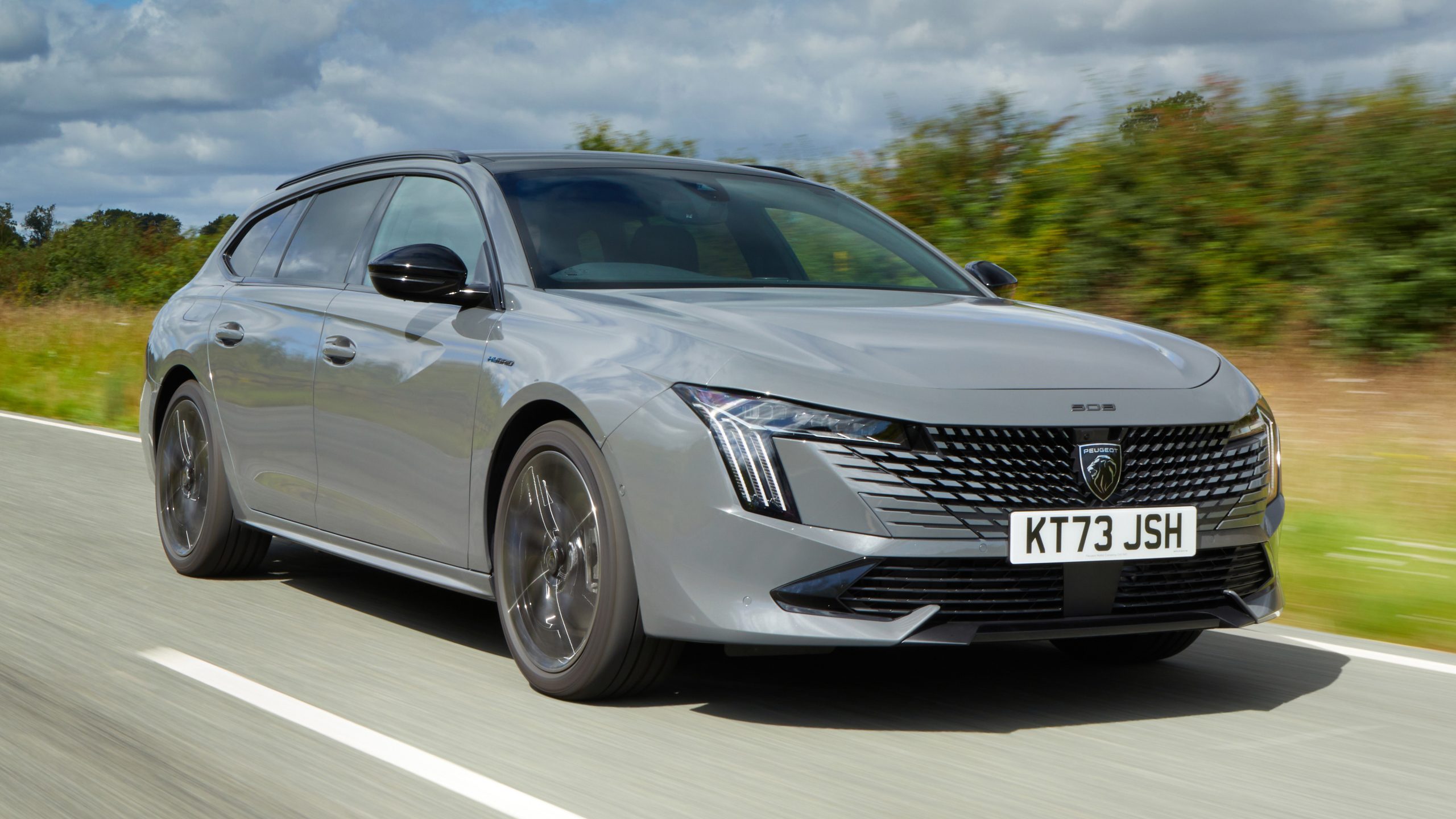
6. Peugeot 508 SW
The Peugeot 508 SW is a modern estate car that combines stylish design with impressive storage capability. Manufactured by Peugeot, the model was created for drivers who wanted a practical vehicle with a more dynamic appearance than traditional wagons. Its sleek shape does not prevent it from offering a generous luggage compartment.
The second-generation 508 SW provides around 530 liters of trunk space with all seats in use. When the rear seats are folded, the cargo area expands considerably.
The low floor and wide opening make loading easier, especially for larger objects. Although its design focuses strongly on appearance, Peugeot ensured that everyday practicality remained a major part of the vehicle’s identity.
The estate body style gives the 508 SW advantages over the standard sedan version. The extended rear section creates more room for luggage while maintaining aerodynamic efficiency. This helps improve fuel economy and driving stability while giving owners additional storage flexibility.
Inside the cabin, the 508 SW offers a modern environment with digital displays, quality materials, and comfortable seating. The vehicle appeals to buyers who want a stylish family car that does not look like a traditional utility vehicle. Its design demonstrates that practicality and visual appeal can exist together.
The Peugeot 508 SW is an example of how modern wagons have evolved. Instead of focusing only on maximum carrying ability, manufacturers now combine storage space with advanced technology and attractive styling. The result is a vehicle that works well for families, professionals, and travelers who value both function and design.
- Engine: 3.0-liter turbocharged inline-six diesel engine (530d)
- Horsepower: 265 hp
- Torque: 620 Nm
- Length: 4,943 mm
- Width: 1,868 mm
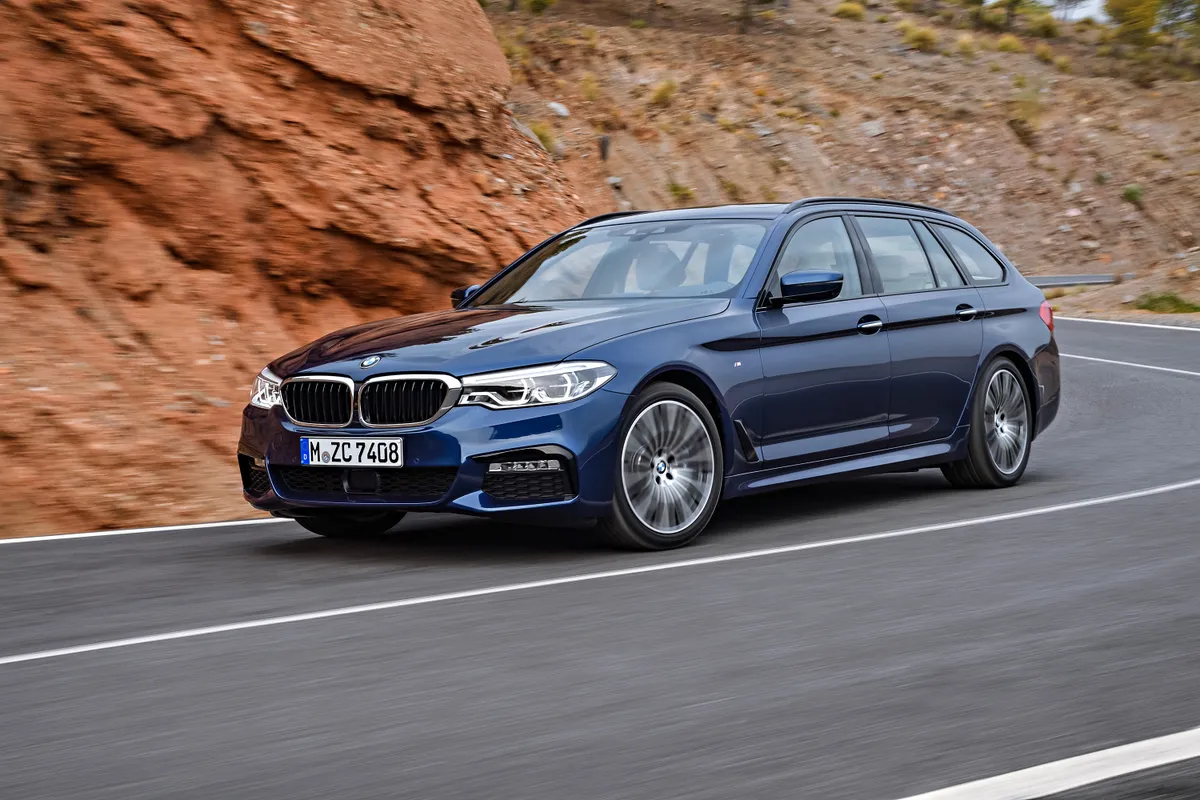
7. BMW 5 Series Touring
The BMW 5 Series Touring offers a premium driving experience while maintaining strong cargo capability. Produced by BMW, this wagon version of the 5 Series is designed for customers who want performance, luxury, and practicality in the same vehicle.
It provides a different approach compared with traditional large family cars by combining sporty handling with useful storage space.
The G31 generation 5 Series Touring provides around 570 liters of luggage capacity with the rear seats available for passengers. Folding the seats increases the storage area significantly, creating a flexible space for larger loads. The cargo compartment has a wide opening and a carefully designed floor area that makes organizing items easier.
BMW focused on maintaining the driving characteristics associated with the 5 Series lineup. The vehicle delivers strong handling, refined suspension tuning, and powerful engine options while still offering the advantages of an estate body style.
This makes it appealing to drivers who enjoy an engaging driving experience but require additional practicality.
The interior includes premium materials, advanced technology, and comfortable seating for long journeys. Rear passengers receive generous space, while the cargo area provides enough room for travel equipment, business supplies, and daily necessities. The combination of luxury and usefulness makes the Touring model stand out.
The BMW 5 Series Touring proves that practical vehicles do not need to sacrifice driving enjoyment. It serves as an alternative for people who may not want a large SUV but still need meaningful cargo space. Its balance of performance, comfort, and functionality has helped maintain its popularity among premium car buyers.
- Engine: 2.0-liter TDI turbocharged diesel engine
- Horsepower: 150 hp
- Torque: 340 Nm
- Length: 4,689 mm
- Width: 1,829 mm
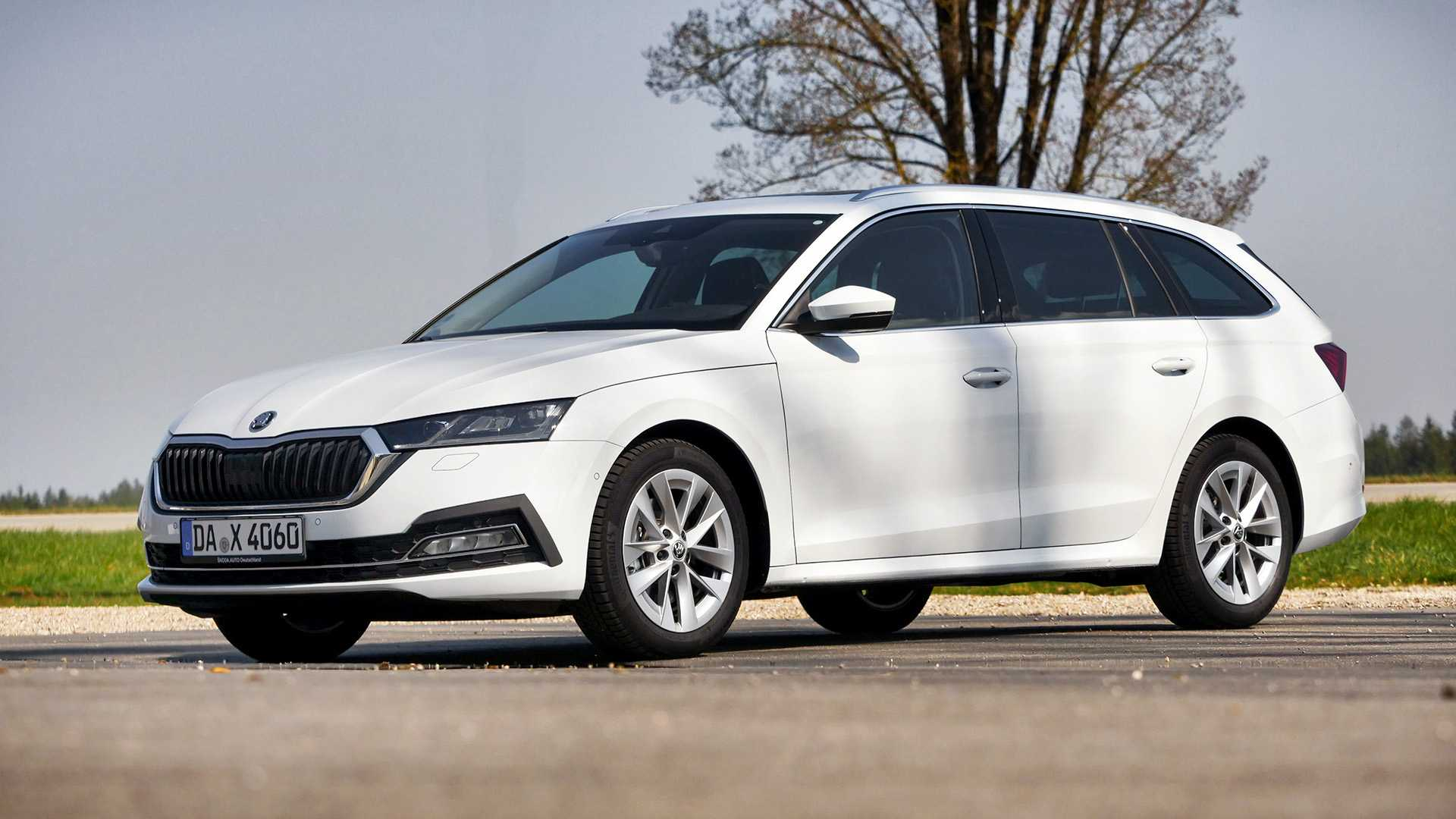
8. Skoda Octavia Combi
The Škoda Octavia Combi is a vehicle that has built a strong reputation for offering exceptional practicality at a reasonable size. Manufactured by Škoda Auto, the Octavia has become popular among families, business users, and drivers who need a dependable vehicle with generous storage space.
Its estate body style increases its usefulness by providing a large cargo area while keeping the vehicle easy to drive in urban environments.
The fourth-generation Octavia Combi provides approximately 640 liters of trunk capacity with the rear seats in their normal position. When the seats are folded, the available space grows significantly, allowing the vehicle to carry larger items that would be difficult to transport in a traditional sedan. The wide rear opening and practical floor design make loading and unloading simple.
The success of the Octavia Combi comes from its efficient use of space. Rather than creating a large exterior design, Škoda focused on maximizing interior dimensions.
The vehicle offers comfortable seating for passengers while maintaining a large luggage compartment. This balance has helped it become a popular choice for people who want family-friendly transportation without moving to a larger vehicle class.
The trunk area includes useful features that improve everyday convenience. Storage hooks, compartments, and adjustable solutions help drivers organize different types of cargo. Whether carrying shopping bags, vacation luggage, work equipment, or outdoor supplies, the Octavia Combi provides flexibility for many situations.
The Octavia Combi represents the idea that practicality does not require excessive size. It delivers impressive cargo capacity, comfortable driving characteristics, and efficient operation. Its thoughtful design has allowed it to compete successfully with larger vehicles while remaining affordable and easy to use.
- Engine: 5.7-liter LT1 V8 petrol engine
- Horsepower: 260 hp
- Torque: 447 Nm
- Length: 5,565 mm
- Width: 1,935 mm
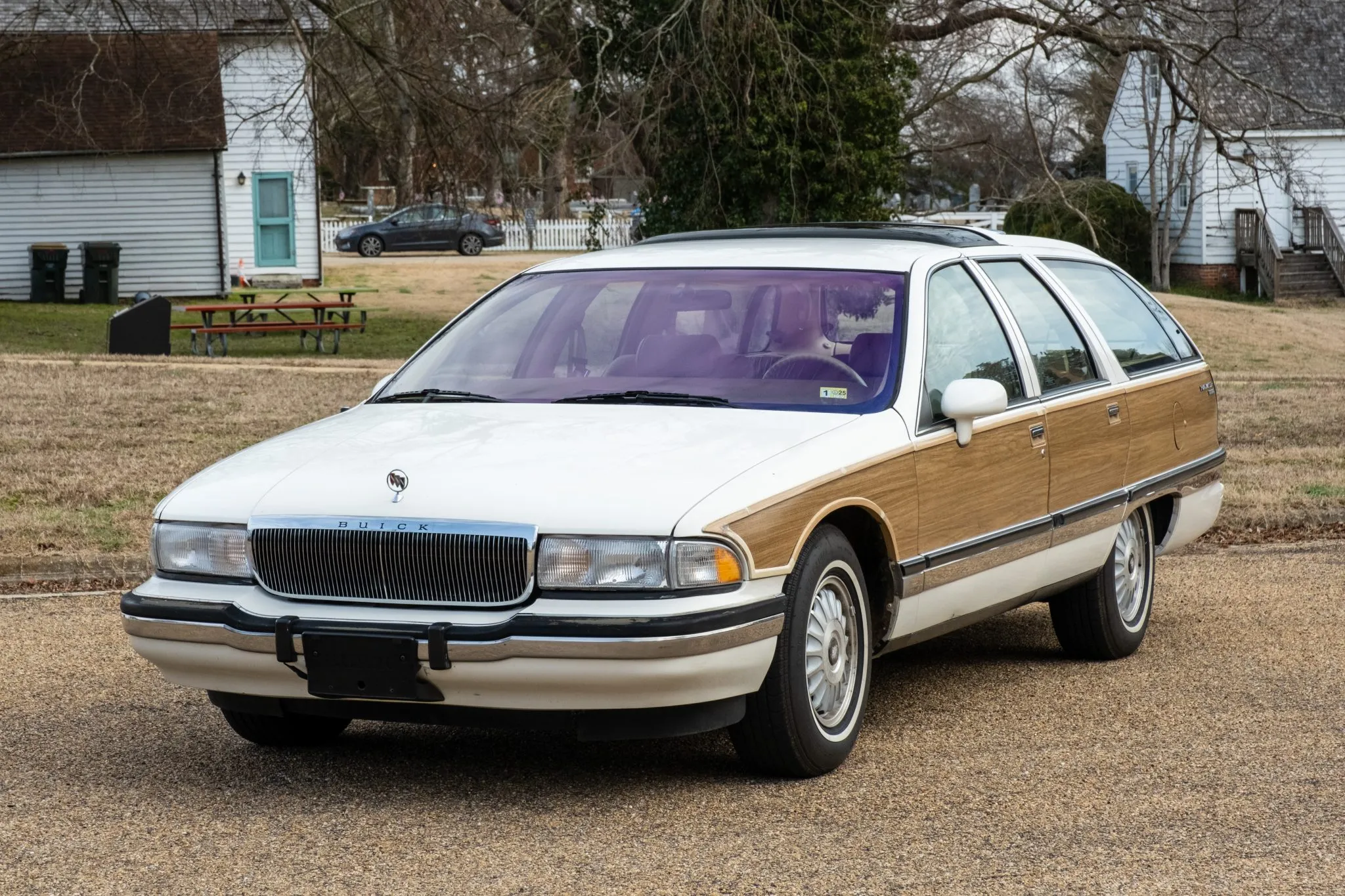
9. Buick Roadmaster Estate
The Buick Roadmaster Estate was among the largest station wagons produced during the final years of the traditional American wagon era. Built by Buick, this vehicle represented a time when large family cars were designed with enormous interiors and massive cargo areas. It combined comfortable seating, powerful engines, and impressive hauling ability.
The Roadmaster Estate offered a cargo area that could reach more than 2,000 liters with the rear seats folded. This made it significantly larger than most modern passenger cars. The vehicle was designed before SUVs became the dominant family choice, and it served a similar purpose by providing huge interior volume for passengers, luggage, and equipment.
A major feature of the Roadmaster Estate was its traditional wagon shape. The tall roofline, long body, and box-like rear section created a highly usable cargo compartment.
Owners could transport large furniture pieces, camping equipment, bicycles, and extensive luggage collections. The available space made it a favorite among families who needed maximum carrying ability.
The vehicle also offered a comfortable driving experience. Its large dimensions provided a smooth ride, while available V8 engines gave it strong performance for its size. The spacious cabin allowed passengers to travel comfortably, making it suitable for long road trips.
The Roadmaster Estate remains memorable because it represents a different approach to vehicle design. Modern cars often focus on efficiency and compact packaging, while this wagon prioritized maximum interior room. Its enormous trunk area continues to attract attention from enthusiasts who appreciate large, practical vehicles.
- Engine: 5.7-liter V8 petrol engine
- Horsepower: 260 hp
- Torque: 447 Nm
- Length: 5,720 mm
- Width: 1,943 mm
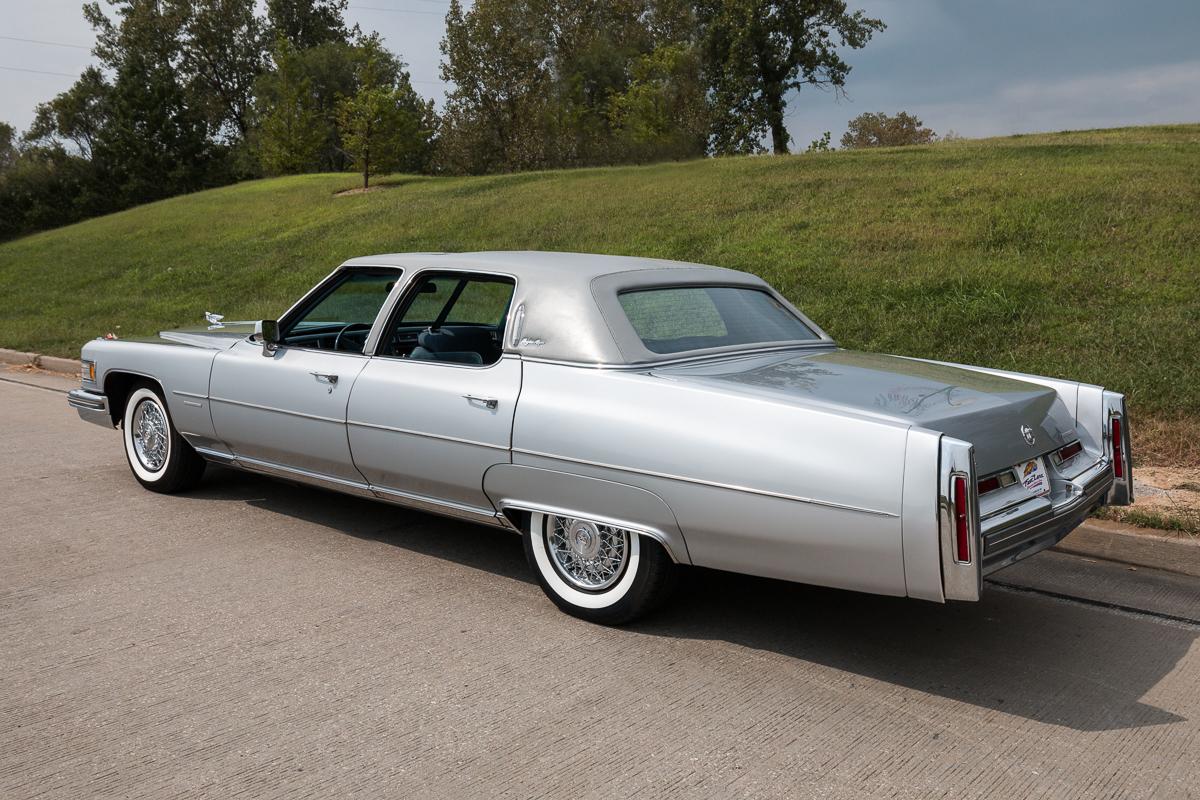
10. Cadillac Fleetwood Brougham
The Cadillac Fleetwood Brougham was a large luxury sedan that demonstrated how traditional American cars could provide exceptional trunk space. Manufactured by Cadillac, the Fleetwood was designed for customers who wanted comfort, prestige, and generous dimensions.
The Fleetwood Brougham featured a large trunk capable of holding substantial luggage. While its cargo measurements were not always presented using modern standards, its wide and deep trunk design allowed owners to carry multiple suitcases and travel equipment. The vehicle reflected an era when large sedans were built with spacious cabins and practical storage areas.
The trunk design benefited from the vehicle’s long body structure. The extended rear section created additional room without affecting passenger comfort. The sedan layout also provided a secure, enclosed storage area, protecting belongings from weather conditions and keeping items hidden from view.
Beyond its cargo ability, the Fleetwood focused heavily on passenger comfort. The cabin offered soft seating, a smooth ride, and premium features expected from a luxury automobile. It was designed for relaxed transportation rather than aggressive driving, making it popular among customers who valued comfort and presence.
The Cadillac Fleetwood Brougham remains an important example of large luxury sedans from the past. Although modern vehicles have changed toward smaller designs and SUVs, the Fleetwood showed how traditional cars could provide remarkable space and convenience.
