
V8 engines have earned a special place among automotive enthusiasts because they combine strong performance, smooth power delivery, and a unique driving experience. While modern engines have become more advanced with turbochargers, hybrid systems, and complex electronics, many V8 designs continue to be valued for their durability and long service life.
A well-built V8 can provide hundreds of thousands of miles of dependable operation when properly maintained, making it a popular choice for sports cars, trucks, luxury vehicles, and performance machines.
Finding a reliable V8 engine requires looking beyond horsepower figures and acceleration numbers. Factors such as engineering quality, manufacturing standards, common owner experiences, maintenance requirements, and known mechanical concerns all play important roles.
Some V8 engines became famous because they were overbuilt from the factory, while others gained respect through years of proven use in demanding conditions.
This article highlights eight V8 engines that have developed strong reputations for reliability and fewer reported problems. These engines represent different manufacturers, eras, and applications, showing that dependable V8 power has existed across many automotive categories.
Also Read: 10 Car Brands Most Likely to Cross 250,000 Miles
1. Toyota 1UZ-FE V8
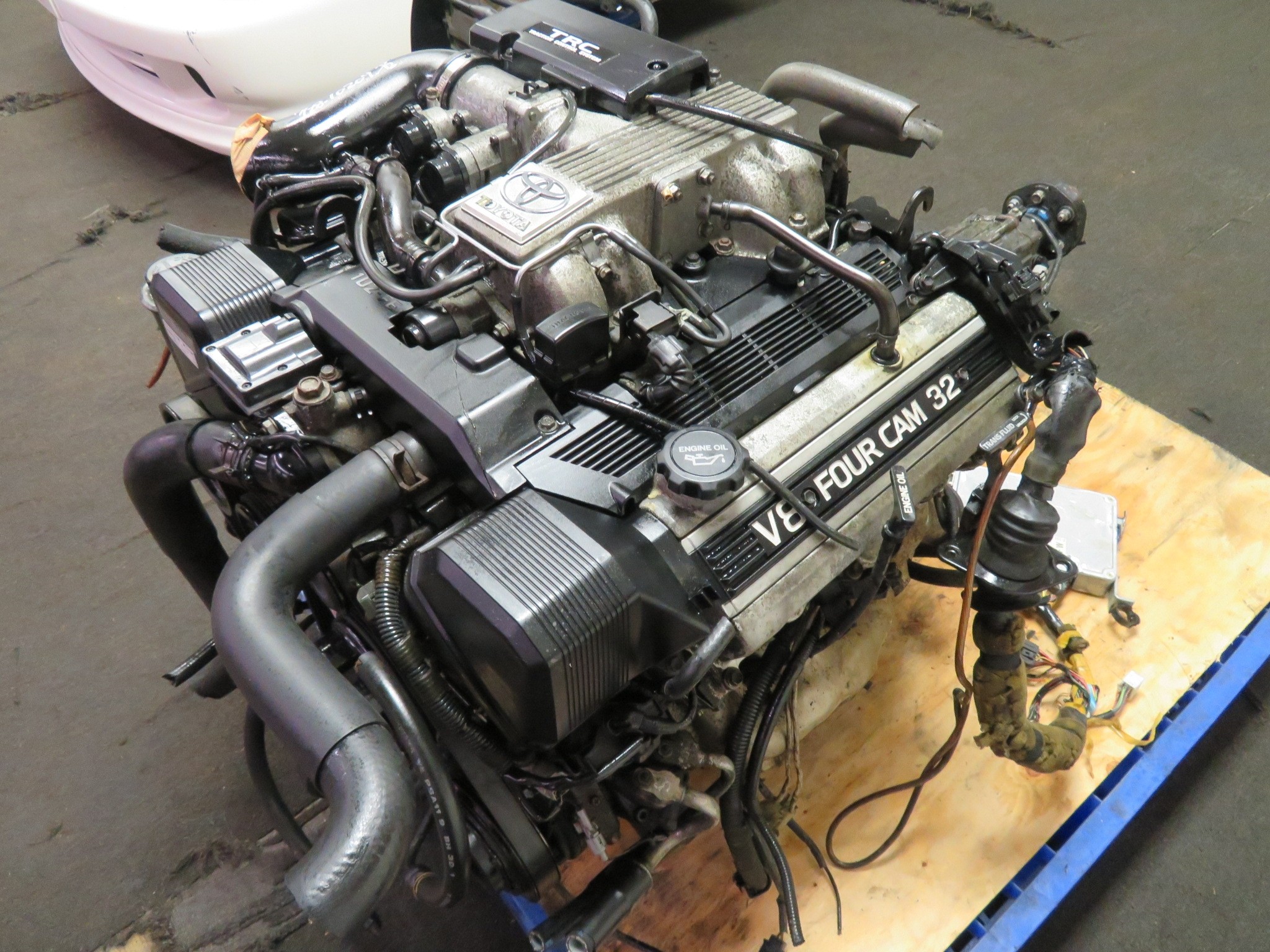
The Toyota 1UZ-FE V8 is widely recognized as one of the strongest luxury-focused V8 engines ever produced. Introduced in the late 1980s, this 4.0-liter engine was designed for the original Toyota Motor Corporation luxury vehicles and became known for exceptional refinement and durability.
Toyota invested heavily in engineering quality, producing an engine that could operate smoothly for long periods with proper maintenance.
The 1UZ-FE featured an aluminum block, dual overhead camshafts, and strong internal components. The design focused on reducing vibration while maintaining reliability at highway speeds. Many examples have accumulated very high mileage without requiring major internal repairs, which helped create its reputation among mechanics and enthusiasts.
A major reason behind the engine’s reliability was its conservative design approach. Toyota did not push the engine to extreme power levels from the factory. Instead, the company prioritized smooth operation, durability, and long-term ownership satisfaction. This reduced stress on important components such as pistons, connecting rods, and the crankshaft.
The engine was used in vehicles such as the Lexus LS 400, where quiet operation and dependability were essential. Owners often praised its ability to maintain performance even after many years of service. Routine maintenance, including timing belt replacement and regular oil changes, remained important for keeping the engine healthy.
The 1UZ-FE remains popular today among engine swap communities because of its strength and reliability. Its combination of smooth power delivery, strong construction, and proven longevity has made it a benchmark for dependable V8 engineering.
2. Chevrolet LS3 6.2L V8
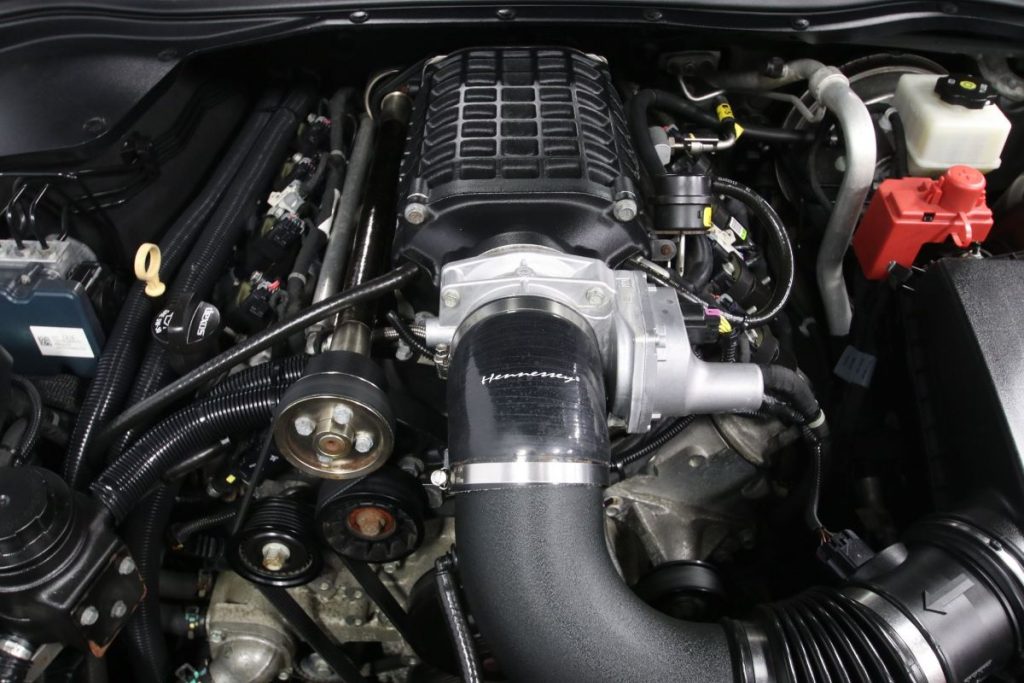
The Chevrolet LS3 6.2-liter V8 is considered a modern classic among performance engines. Part of General Motors’ LS engine family, the LS3 gained popularity because it offered strong power output while maintaining a relatively simple design.
The engine became widely used in performance cars, including the Chevrolet Corvette C6, and developed a reputation for being easy to maintain and highly durable.
One of the biggest advantages of the LS3 is its pushrod architecture. Compared with more complex overhead cam designs, the LS3 uses fewer moving parts in the valvetrain. This simpler construction reduces potential failure points and makes repairs easier for technicians and enthusiasts.
The engine produces strong torque across a wide range of RPM levels, making it useful for both street driving and motorsport applications. Its factory design provides a good balance between performance and durability, allowing many owners to enjoy years of reliable operation without major issues.
The LS3 also benefits from a large aftermarket community. Replacement parts, performance upgrades, and technical knowledge are widely available. This support helps owners maintain these engines and improve them without sacrificing reliability when modifications are performed correctly.
Common concerns with LS engines are generally limited to normal aging issues, such as oil leaks or worn accessories. These problems are usually manageable compared with major internal engine failures. The LS3’s combination of strength, simplicity, and proven performance keeps it among the most respected V8 engines available.
3. Ford 5.0 Coyote V8
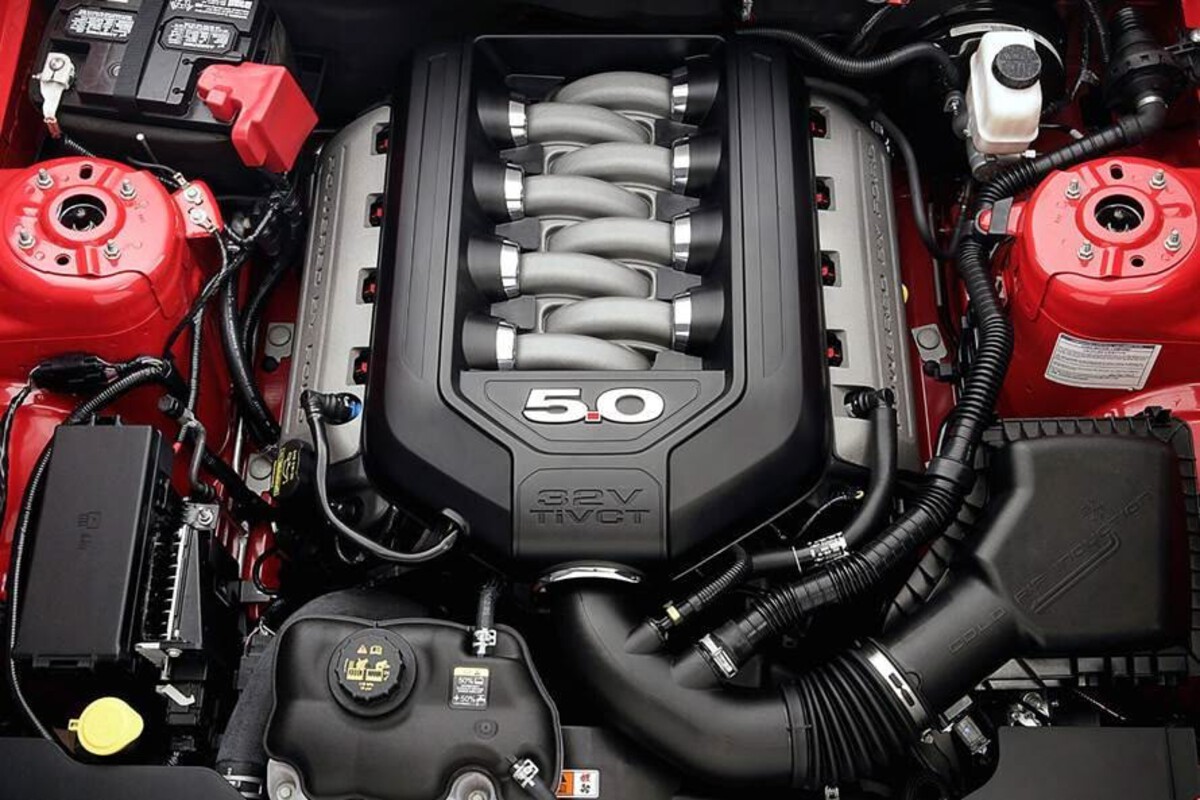
The Ford 5.0 Coyote V8 brought modern technology to the traditional American V8 formula. Introduced in 2011, this engine became a major part of Ford’s performance lineup, powering vehicles such as the Ford Mustang GT and Ford F-150. The engine earned praise for combining high-revving performance with everyday reliability.
Unlike older pushrod V8 engines, the Coyote uses dual overhead camshafts and four valves per cylinder. This design allows excellent airflow and strong power production throughout the RPM range. The engineering approach helped Ford create an engine that could compete with modern performance engines while remaining naturally aspirated.
The Coyote’s durability comes from strong internal components and careful development. Many owners have reported high mileage with regular maintenance. The engine’s widespread use in both cars and trucks has also provided years of real-world testing.
Some owners have reported issues such as timing components, oil consumption, or valvetrain noises in certain generations. However, these concerns are usually associated with specific model years or conditions rather than representing widespread catastrophic failures. Proper oil service and maintenance are important for achieving a long engine life.
The 5.0 Coyote remains popular because it offers an appealing combination of reliability, performance potential, and modern engineering. It has become a favorite choice for drivers who want a powerful V8 suitable for daily use.
4. Chrysler 5.7 HEMI V8
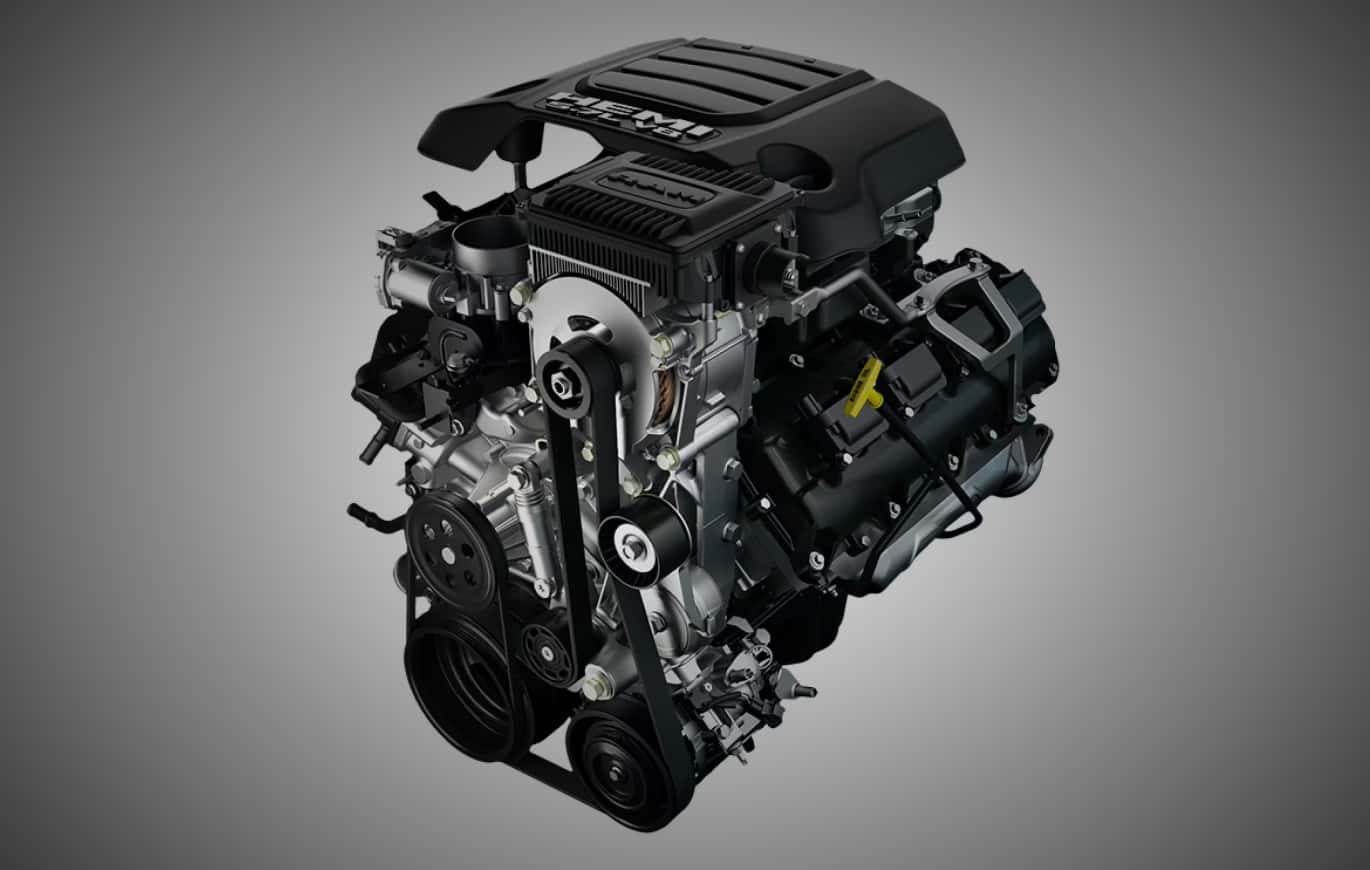
The Chrysler 5.7 HEMI V8 has become one of the most recognizable modern V8 engines in the automotive industry. Introduced in the early 2000s, this engine helped bring V8 power back into many Chrysler, Dodge, Jeep, and Ram vehicles.
It was designed to deliver strong torque, dependable performance, and practical everyday usability. The engine has powered everything from family sedans to large pickup trucks, proving its versatility across different vehicle types.
A key feature of the 5.7 HEMI is its hemispherical combustion chamber design, which improves airflow and supports efficient power production. The engine also introduced technologies such as the Multi-Displacement System, which allows certain cylinders to shut down during light driving conditions. This technology helped improve fuel economy while keeping the benefits of a larger V8 engine.
Many owners appreciate the 5.7 HEMI because it offers a good balance between power and durability. The engine produces strong low-end torque, making it especially useful in trucks and SUVs that frequently carry heavy loads or tow trailers. Its sturdy construction allows it to handle demanding driving conditions when maintained properly.
Some reported concerns include issues with exhaust manifold bolts, lifter failures in certain applications, and ticking noises from the valvetrain.
These problems have affected specific vehicles and model years rather than every 5.7 HEMI engine. Regular oil changes and using the correct maintenance schedule can help reduce the chance of expensive repairs.
The 5.7 HEMI remains a respected V8 because of its long production history and proven track record. Its availability, strong aftermarket support, and ability to deliver reliable power have helped it become a favorite among truck owners and performance enthusiasts.
5. Lexus 2UR-GSE 5.0 V8
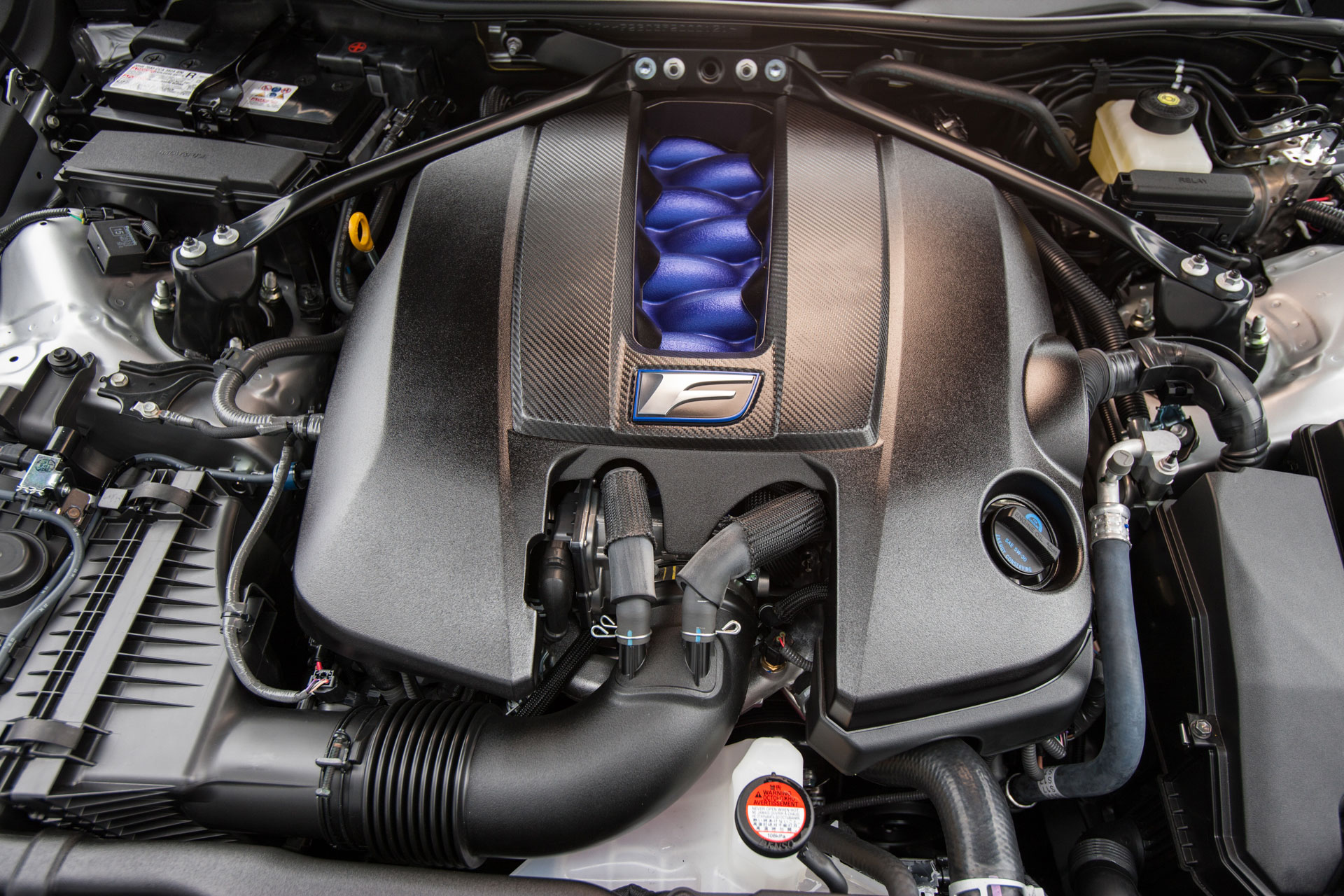
The Lexus 2UR-GSE 5.0-liter V8 represents Toyota’s focus on high-performance engineering combined with long-term dependability.
This engine was developed for Lexus performance vehicles, including the Lexus IS F and Lexus RC F. It was created to provide an exciting driving experience while maintaining the reliability standards associated with Toyota engineering.
The 2UR-GSE features advanced technologies such as dual overhead camshafts, variable valve timing, and direct fuel injection. These systems allow the engine to produce impressive horsepower while maintaining smooth operation. The design reflects careful attention to durability, with strong internal components built to handle high engine speeds.
Unlike some high-performance engines that require frequent attention, the 2UR-GSE has developed a reputation for being dependable when serviced correctly. Owners often praise its smooth power delivery, strong acceleration, and ability to handle daily driving conditions without major mechanical problems.
Maintenance remains an important factor in keeping this engine reliable. High-performance components require proper oil quality, timely fluid changes, and regular inspections. Neglecting maintenance can create issues, especially in an engine designed for spirited driving.
The 2UR-GSE stands out because it combines performance characteristics with Toyota’s reputation for engineering quality. It offers the excitement of a naturally aspirated V8 while maintaining a level of dependability that many enthusiasts value.
Also Read: The 10 Cars Owners Hold For 15 Years or More Are All Japanese
6. BMW S65 4.0 V8
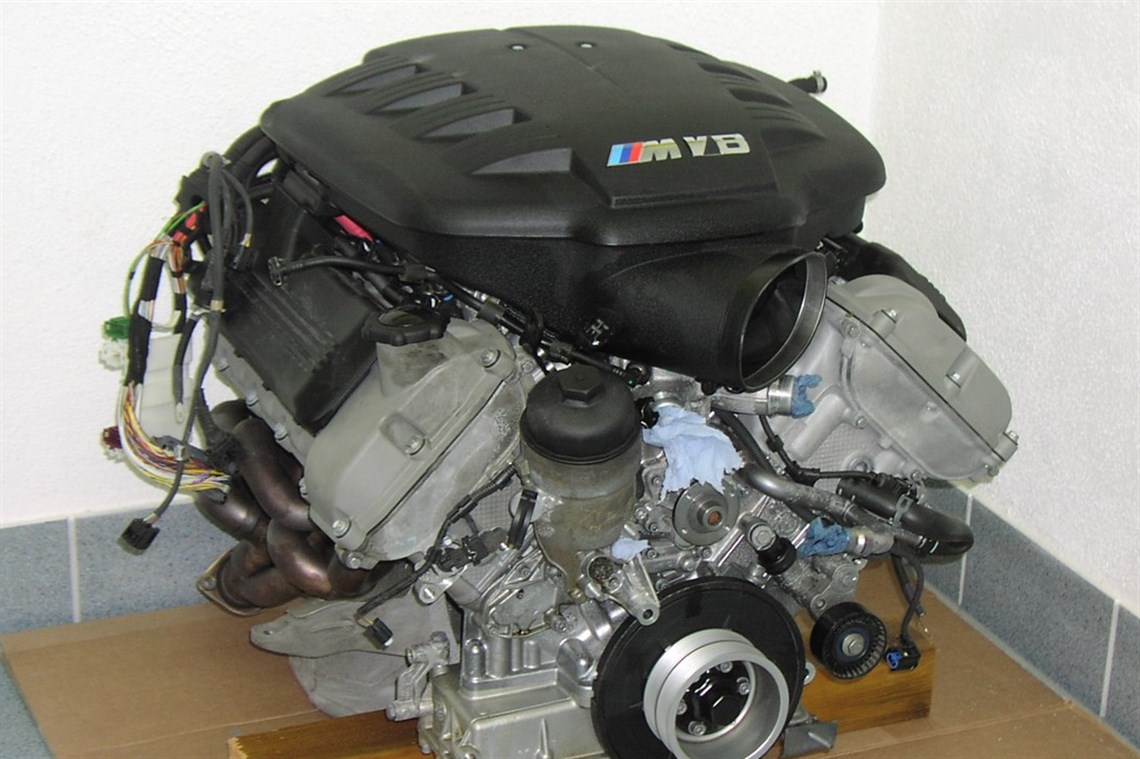
The BMW S65 4.0-liter V8 is a high-revving performance engine developed for the BMW M3 E9x generation. It is known for delivering an exciting driving experience with its naturally aspirated design, lightweight construction, and motorsport-inspired engineering.
While it requires careful maintenance, it has earned respect among enthusiasts for its performance and engineering quality.
The S65 was derived from BMW’s Formula 1-inspired development philosophy. It features individual throttle bodies, dual overhead camshafts, and a high redline that allows drivers to experience strong performance at higher engine speeds. This design created a unique character compared with many traditional V8 engines.
Reliability discussions around the S65 often focus on maintenance rather than basic engine strength. The engine itself is capable of lasting many miles when properly cared for. However, components such as rod bearings require attention because wear in these parts can lead to serious damage if ignored.
Owners who follow preventative maintenance schedules often report positive experiences with the S65. Regular inspections, quality fluids, and addressing known concerns early are important steps for maintaining this engine. It rewards owners who are willing to provide proper care.
The BMW S65 remains memorable because it offers a rare combination of high-revving performance and naturally aspirated V8 character. Its engineering makes it a standout choice for enthusiasts who value driving enjoyment and mechanical personality.
7. Nissan VK56DE 5.6 V8
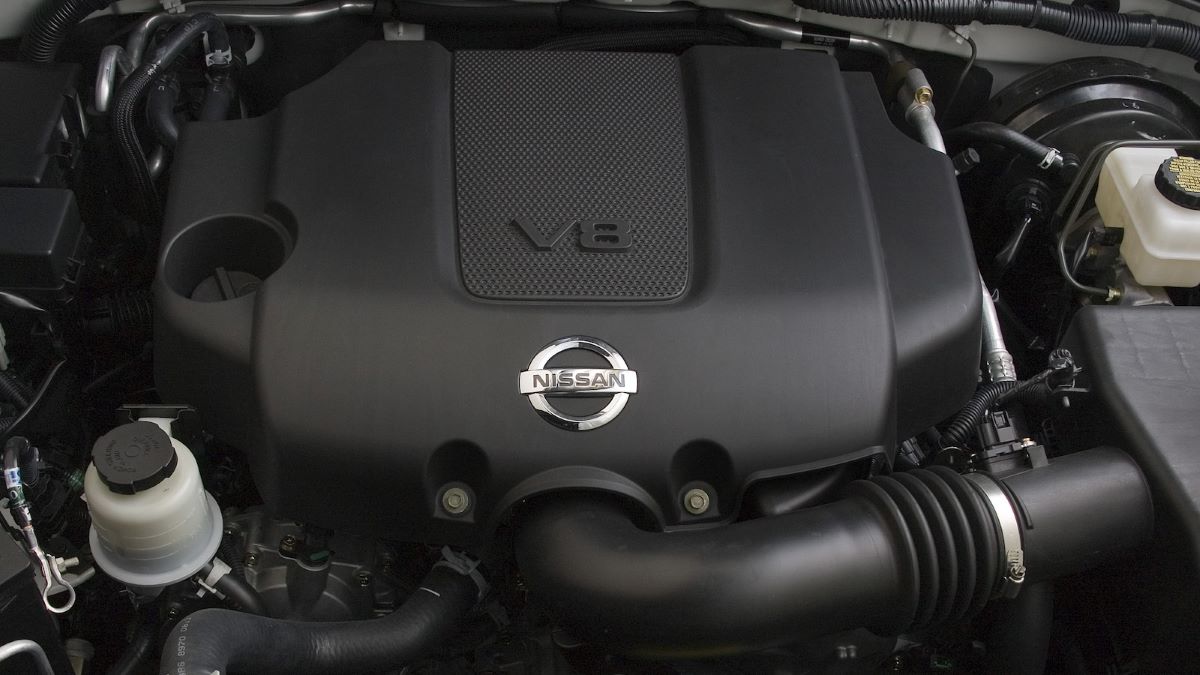
The Nissan VK56DE 5.6-liter V8 was designed as a powerful and durable engine for Nissan and Infiniti vehicles. It became widely used in trucks and SUVs, including the Nissan Titan and Nissan Armada. The engine was built to provide strong towing capability, dependable performance, and long service life under demanding conditions.
The VK56DE uses a straightforward design focused on durability. Its strong torque output makes it suitable for heavy vehicles that require consistent pulling power. Many owners have reported reliable operation over long periods when routine maintenance is followed.
One of the engine’s strengths is its ability to handle tough environments. Trucks equipped with the VK56DE are often used for towing, hauling, and off-road driving. The engine’s construction allows it to perform well under these challenging situations without excessive mechanical stress.
Some reported issues include timing chain concerns, fuel system problems, and maintenance-related failures. These problems are usually linked to specific mileage ranges or neglected servicing rather than being unavoidable weaknesses. Keeping up with inspections and repairs can greatly improve long-term reliability.
The VK56DE has gained respect because it delivers dependable V8 performance without unnecessary complexity. Its strong torque, durable design, and suitability for demanding applications make it a solid choice among truck and SUV engines.
8. General Motors 6.0L LQ4 V8
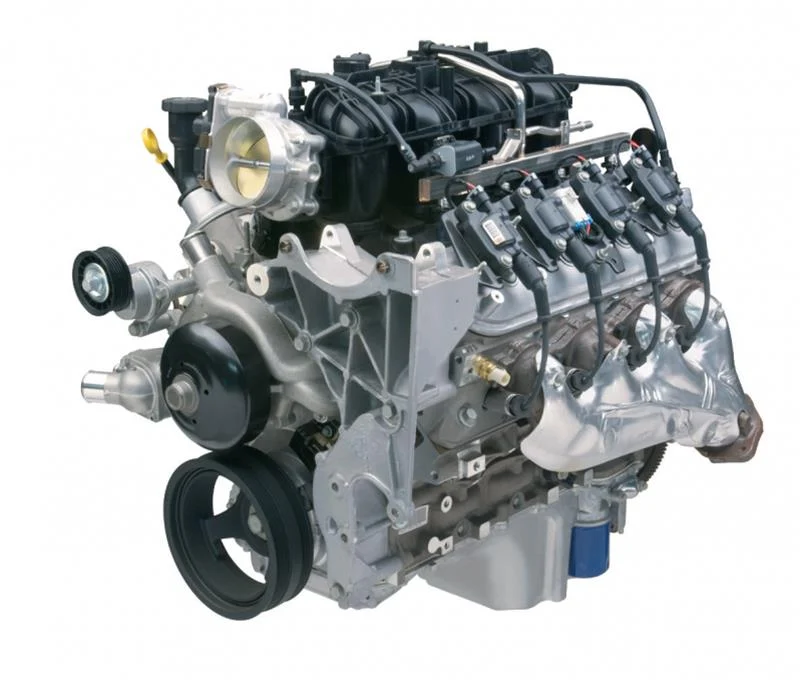
The General Motors 6.0-liter LQ4 V8 is part of GM’s popular Vortec engine family and has developed a reputation for exceptional durability. Produced during the early 2000s, this engine was commonly found in heavy-duty trucks and large SUVs. It became popular among enthusiasts because of its strength, simplicity, and ability to handle high mileage.
The LQ4 uses a cast-iron block and a relatively simple pushrod design. These characteristics contribute to its ability to withstand demanding conditions. The engine was built for trucks, meaning it was engineered to provide reliable power during towing, hauling, and everyday operation.
Many examples of the LQ4 have reached impressive mileage figures with basic maintenance. Its strong bottom-end construction makes it capable of handling additional power upgrades, which has increased its popularity among engine builders and vehicle modifiers.
Common concerns include aging-related issues such as oil leaks, worn sensors, and cooling system maintenance. These problems are generally manageable and do not take away from the engine’s reputation for strength. Proper servicing remains important, especially as these engines become older.
The LQ4 continues to be respected because it represents a period when durability and simplicity were major priorities. Its combination of strong construction, affordable parts availability, and proven reliability has made it a favorite among truck owners and enthusiasts.
