
The Honda Ridgeline has earned a unique position in the midsize pickup truck market by combining the practicality of a truck with the comfort and reliability expected from a Honda vehicle.
Since its introduction in 2006, the Ridgeline has attracted drivers who want everyday usability, smooth handling, strong safety features, and a versatile cargo setup without the harsh ride often associated with traditional pickups. Its unibody construction, independent suspension, and innovative storage solutions make it different from many competitors.
Choosing the right model year is important because the Ridgeline has gone through several changes, including redesigns, technology updates, engine improvements, and reliability adjustments. Some years stand out for their durability, features, and owner satisfaction, while others have reported problems that may affect long-term ownership costs.
Understanding these differences can help buyers make a smarter decision when searching for a used Honda Ridgeline. This guide covers five of the best Honda Ridgeline years to consider and five years that may require extra caution before purchase.
Also Read: 10 Car Brands Most Likely to Cross 250,000 Miles
4 Best Honda Ridgeline Years Worth Considering
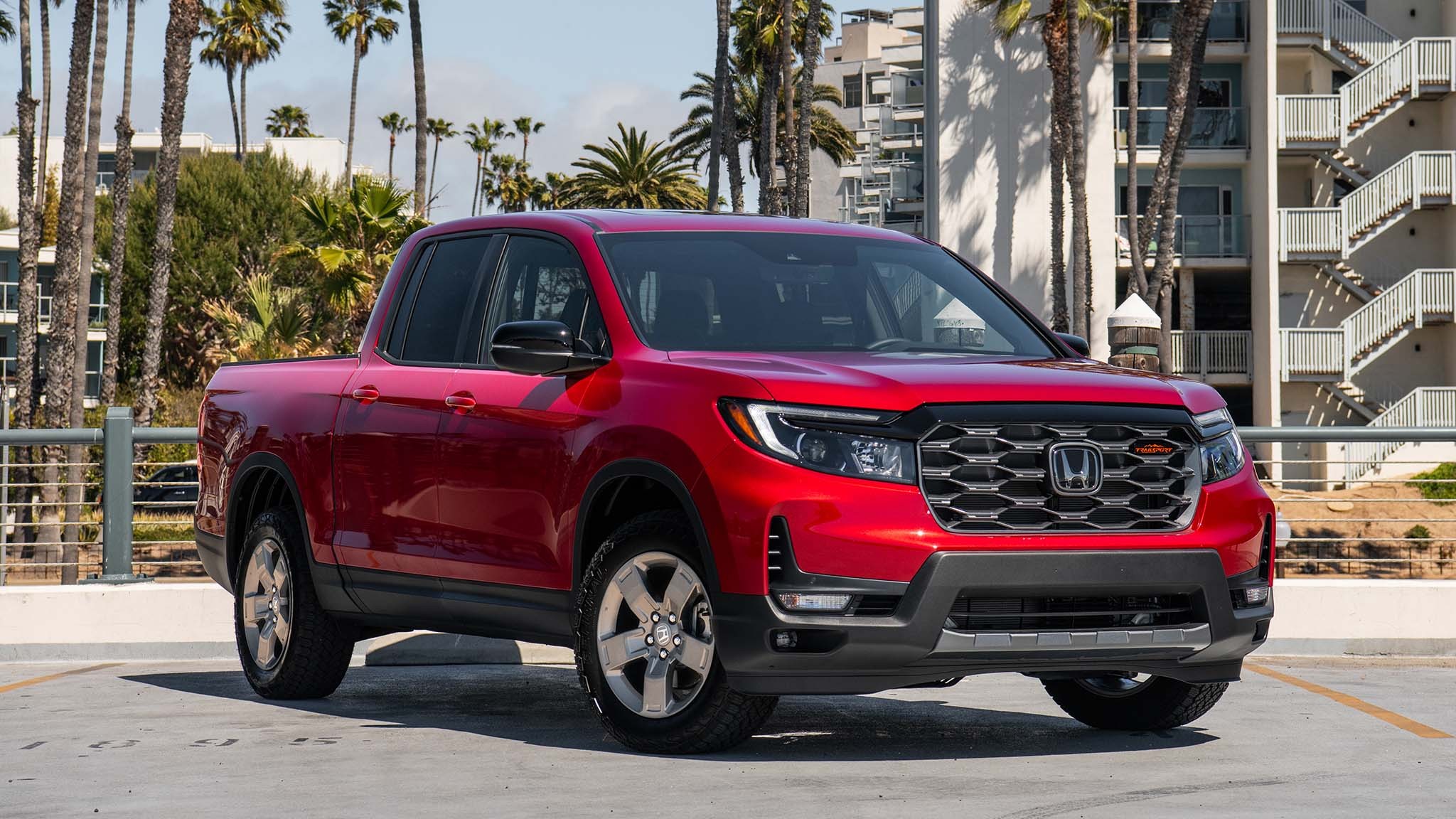
- Engine: 3.5-liter V6 gasoline engine
- Horsepower: 250 hp
- Torque: 247 lb-ft
- Length: 207.0 inches
- Width: 77.8 inches
1. 2014 Honda Ridgeline
The 2014 Honda Ridgeline is widely regarded as a strong choice among first-generation models because it represents the final years of the original design with many early production issues already addressed. By this point, Honda had refined the platform and improved the truck through years of customer feedback.
The 2014 model benefits from proven mechanical components, making it appealing for buyers who prioritize long-term dependability over having the newest technology.
The truck uses a 3.5-liter V6 engine paired with a five-speed automatic transmission. While the powertrain may not match newer trucks in terms of efficiency or performance, it has a reputation for durability when properly maintained.
Regular oil changes, timing belt replacement, and routine inspections help the engine remain reliable for many years. Many owners appreciate the smooth power delivery and quiet operation during daily driving.
The 2014 Ridgeline also provides practical features that remain useful today. The dual-action tailgate, lockable in-bed trunk, and comfortable cabin design make it suitable for commuting, family use, and light hauling. These features helped separate the Ridgeline from traditional pickups and continue to attract buyers looking for flexibility rather than maximum towing capability.
Safety is a positive area for this model year. The Ridgeline received strong safety ratings during its production period and included features such as stability control, multiple airbags, and available advanced options depending on trim level.
Its car-like driving behavior makes it easier to handle in urban environments compared with larger body-on-frame trucks.
The main advantage of the 2014 Ridgeline is its balance between affordability and reliability. Used examples can often be found at reasonable prices, and buyers benefit from a mature design that has already proven itself. A well-maintained 2014 model can provide many years of dependable service, making it a smart option for those seeking a practical midsize pickup.
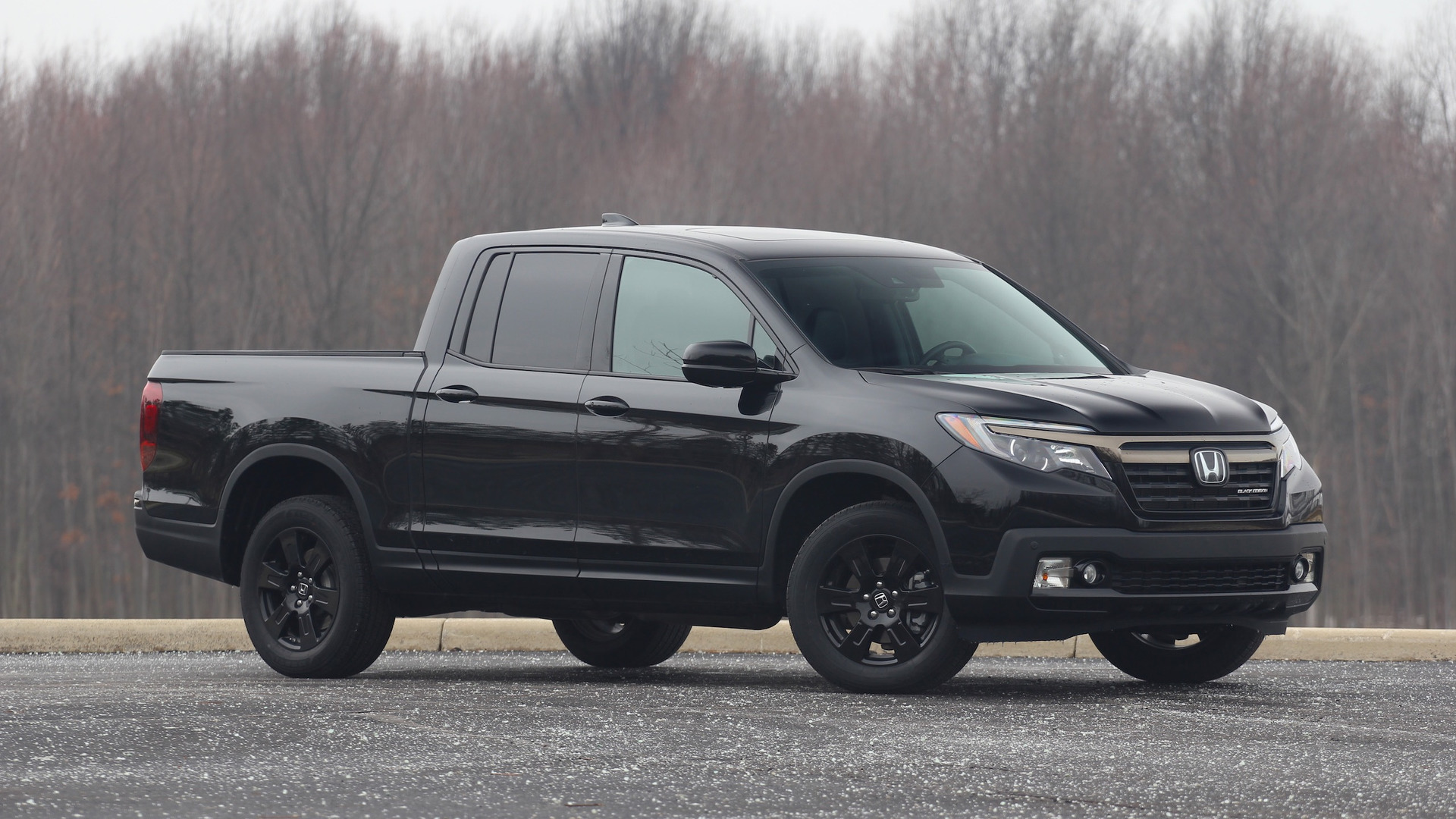
- Engine: 3.5-liter V6 gasoline engine
- Horsepower: 280 hp
- Torque: 262 lb-ft
- Length: 210.0 inches
- Width: 78.6 inches
2. 2017 Honda Ridgeline
The 2017 Honda Ridgeline introduced the second generation of the truck and brought major improvements in design, technology, comfort, and capability.
Honda redesigned the Ridgeline to appeal to a wider range of buyers while keeping its focus on everyday practicality. The new model offered a more modern appearance, improved interior quality, and updated features compared with the original generation.
A major improvement came from the use of a stronger 3.5-liter V6 engine paired with a six-speed automatic transmission. This combination provided better performance and smoother operation than earlier versions. The engine delivers enough power for regular towing, hauling, and highway driving while maintaining the refined character expected from Honda vehicles.
The interior of the 2017 Ridgeline received significant updates. The cabin offered improved materials, more technology options, and better passenger comfort.
Available features included touchscreen infotainment, smartphone connectivity, and advanced driver assistance systems. These additions made the truck feel closer to a modern SUV while maintaining pickup functionality.
The 2017 model also continued Honda’s focus on unique truck features. The in-bed trunk returned with additional improvements, and the available dual-action tailgate remained useful for loading and accessing cargo. The spacious cabin and flexible storage areas made the Ridgeline a practical choice for families, outdoor enthusiasts, and daily commuters.
For used truck shoppers, the 2017 Ridgeline is attractive because it combines a newer design with Honda’s reputation for reliability.
Buyers should still inspect maintenance records and check for common wear items, but a properly maintained example offers a strong mix of comfort, capability, and ownership value.
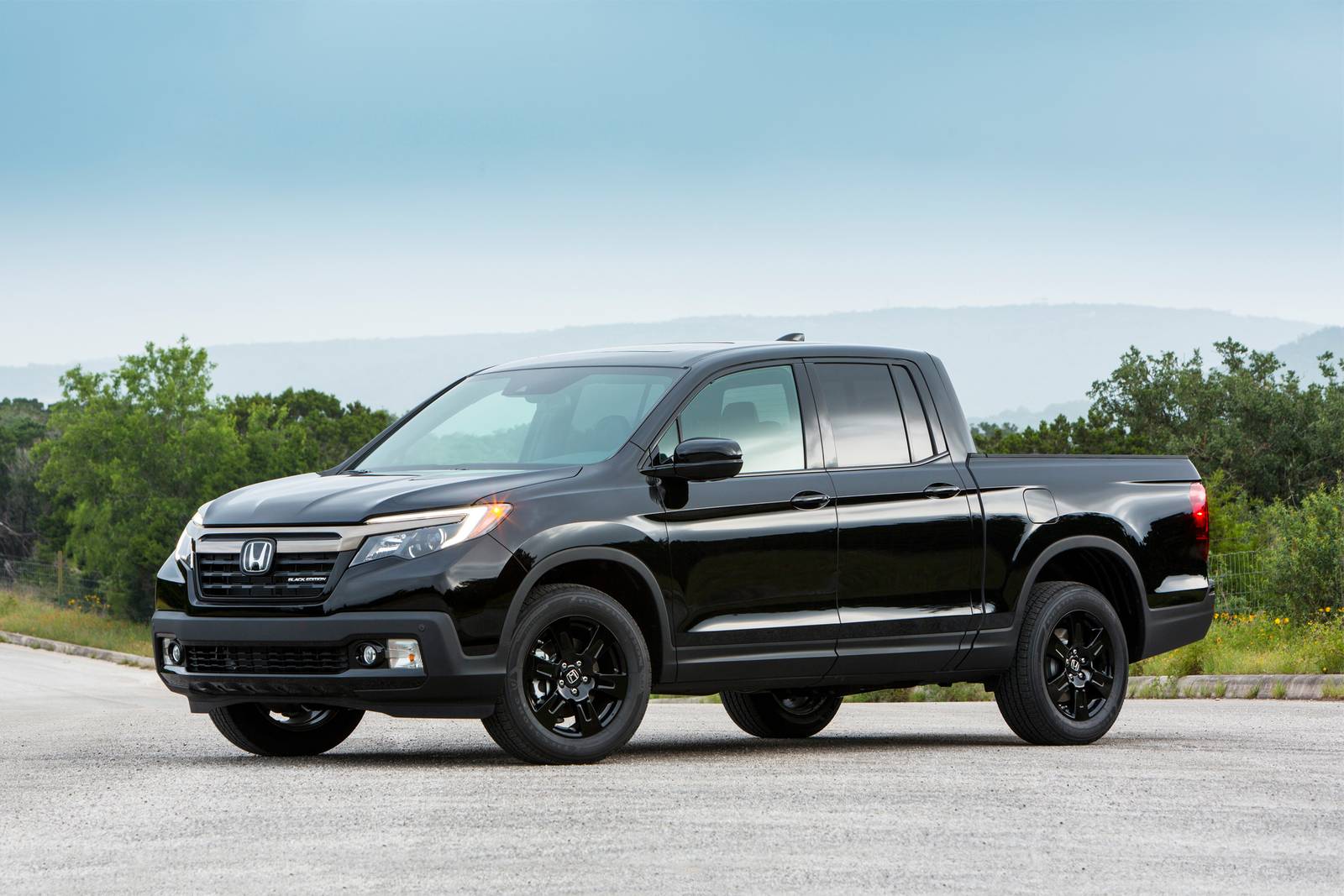
- Engine: 3.5-liter V6 gasoline engine
- Horsepower: 280 hp
- Torque: 262 lb-ft
- Length: 210.0 inches
- Width: 78.6 inches
3. 2019 Honda Ridgeline
The 2019 Honda Ridgeline is a highly recommended model year because it benefits from several years of second-generation refinement. Honda had time to address early concerns from the redesigned platform while continuing to improve equipment levels and available features. This makes the 2019 version a well-rounded option in the used midsize truck market.
The 2019 Ridgeline uses the same dependable 3.5-liter V6 engine found in other second-generation models. The engine provides reliable performance and works well for drivers who need moderate towing ability without sacrificing daily comfort. The transmission operates smoothly, contributing to the truck’s relaxed driving experience.
Technology is a major advantage of the 2019 model. Depending on the trim, buyers could access features such as smartphone integration, navigation, premium audio systems, and Honda’s suite of driver assistance technologies. These features improve convenience and safety for modern drivers who spend significant time on the road.
The driving experience remains a highlight of the Ridgeline. Its independent suspension provides a smoother ride than many traditional pickups, while the unibody platform helps reduce body movement during cornering. This makes the truck comfortable for long trips and daily commuting.
The 2019 Honda Ridgeline represents a good balance between price and features. It avoids the higher costs of newer models while providing many modern conveniences. For buyers seeking a dependable used pickup with SUV-like comfort, this model year deserves serious consideration.
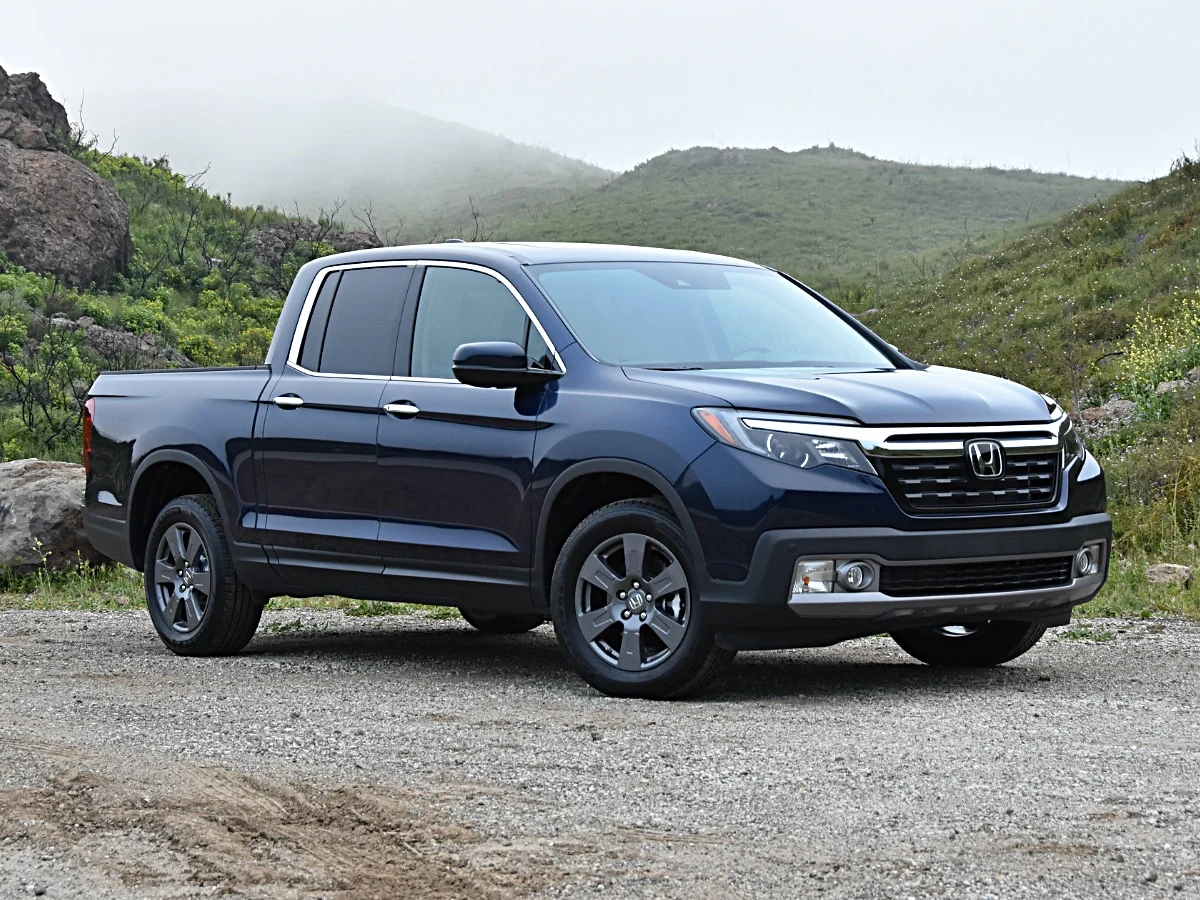
- Engine: 3.5-liter V6 gasoline engine
- Horsepower: 280 hp
- Torque: 262 lb-ft
- Length: 210.0 inches
- Width: 78.6 inches
4. 2020 Honda Ridgeline
The 2020 Honda Ridgeline is a strong option for buyers searching for a modern midsize pickup that delivers comfort, reliability, and practical features.
By this model year, Honda had refined the second-generation Ridgeline platform and improved many aspects of the truck’s design. It offered a more polished ownership experience compared with earlier versions while maintaining the qualities that made the Ridgeline different from traditional pickups.
The 2020 model comes equipped with a 3.5-liter V6 engine that provides smooth power delivery and dependable performance. This engine has been used in various Honda vehicles and has proven capable of reaching high mileage when maintained correctly. Regular oil changes, scheduled inspections, and proper service intervals are important for protecting the engine and transmission over time.
The driving experience remains a major advantage of the 2020 Ridgeline. Its unibody construction and independent suspension system create a smoother ride compared with many conventional trucks.
Drivers often appreciate the comfortable handling, reduced road noise, and car-like behavior during daily commuting. This makes the Ridgeline suitable for people who want pickup utility without the rough ride of larger trucks.
Inside the cabin, the 2020 Ridgeline provides a practical layout with comfortable seating and useful technology. Depending on the trim, features can include smartphone connectivity, touchscreen controls, advanced safety assistance, and premium interior upgrades. The rear seats offer generous space, while storage solutions throughout the cabin add convenience for daily use.
The 2020 Honda Ridgeline represents a good balance between modern features and proven reliability. It provides many benefits of a newer truck while avoiding some of the higher costs associated with the latest models. Buyers looking for a comfortable pickup with strong long-term potential should consider the 2020 model year.
Also Read: The 10 Cars Owners Hold For 15 Years or More Are All Japanese
4 Honda Ridgeline Years to Avoid
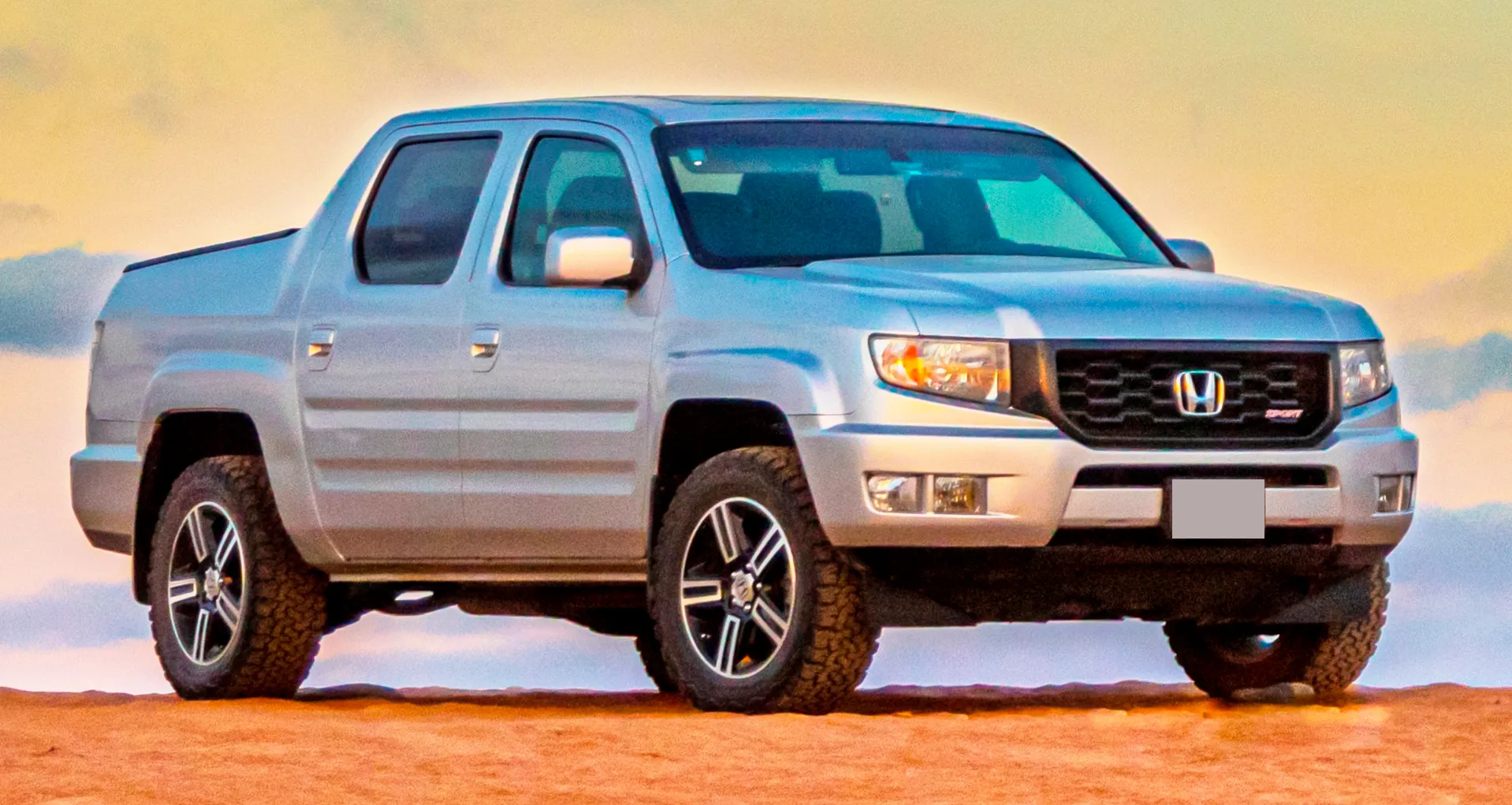
- Engine: 3.5-liter V6 gasoline engine
- Horsepower: 247 hp
- Torque: 245 lb-ft
- Length: 207.0 inches
- Width: 77.8 inches
1. 2006 Honda Ridgeline
The 2006 Honda Ridgeline introduced a completely different approach to the midsize pickup segment. Honda created a truck focused on comfort, practicality, and everyday driving rather than heavy-duty capability.
While the first Ridgeline introduced several useful features, being the first production year means buyers should carefully evaluate potential concerns before purchasing.
The 2006 Ridgeline uses a 3.5-liter V6 engine paired with a five-speed automatic transmission. The engine is generally respected for durability, but maintenance history is extremely important due to the vehicle’s age. Services such as timing belt replacement, fluid changes, and cooling system maintenance play a major role in keeping the truck reliable.
Some owners have reported transmission-related concerns with early Ridgeline models. Issues may include unusual shifting behavior or delayed engagement. These problems do not appear in every vehicle, but buyers should test the transmission carefully and review service records before making a decision.
One concern with the 2006 Ridgeline is age-related wear. Many examples have spent years on the road, meaning components such as suspension parts, seals, electrical systems, and interior features may require attention. A lower purchase price may not always represent savings if the vehicle needs immediate repairs.
The 2006 Honda Ridgeline can still be a useful pickup when maintained properly, but it requires careful inspection. Buyers looking for fewer ownership concerns may find better value in later model years that benefited from Honda’s continued improvements.
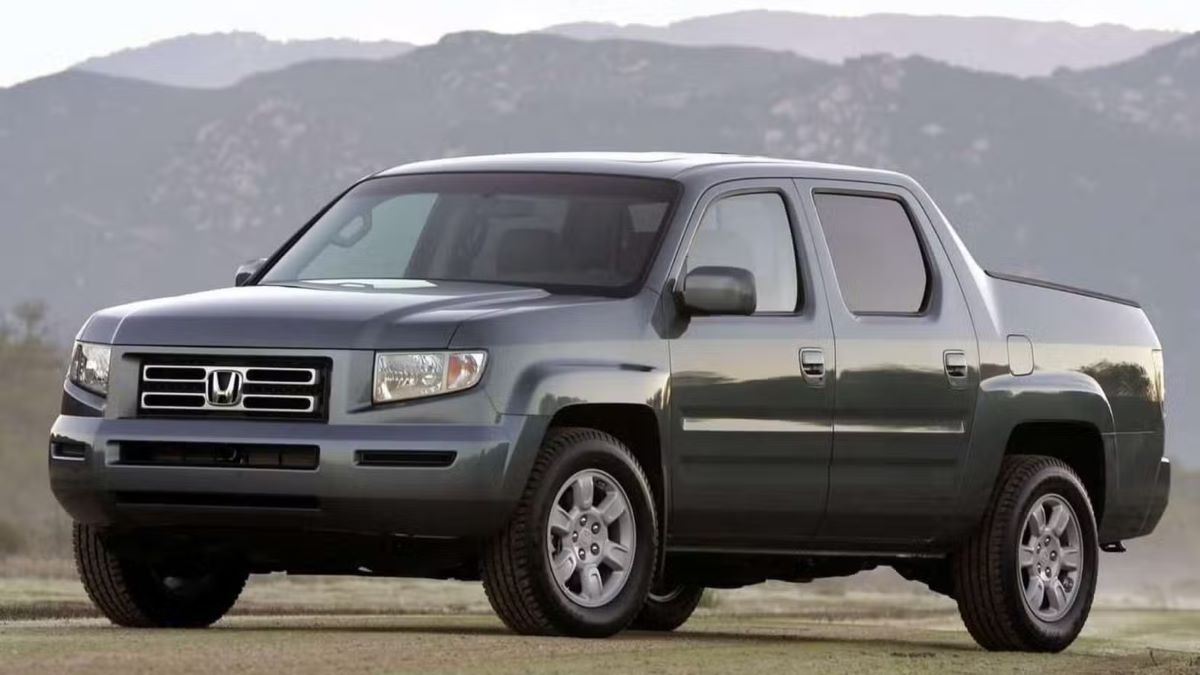
- Engine: 3.5-liter V6 gasoline engine
- Horsepower: 247 hp
- Torque: 245 lb-ft
- Length: 207.0 inches
- Width: 77.8 inches
2. 2007 Honda Ridgeline
The 2007 Honda Ridgeline continued the first-generation design and maintained many of the qualities that made the truck unique. However, as an early production model, it carries some factors that buyers should consider before purchase. Vehicle condition plays a major role in determining whether a used 2007 Ridgeline becomes a dependable choice.
The truck is powered by the same 3.5-liter V6 engine used throughout the first generation. This powertrain can provide a strong service life when properly maintained. Buyers should confirm that important maintenance tasks were completed, including timing belt replacement, transmission servicing, and routine fluid changes.
Some 2007 Ridgeline owners have reported electrical issues and problems involving certain vehicle systems. These concerns can vary from minor annoyances to repairs that require additional expense. Before purchasing, buyers should check features such as power equipment, dashboard functions, climate controls, and audio systems.
The technology available in the 2007 model is also limited compared with newer Ridgeline versions. Drivers who expect modern connectivity, advanced safety features, and updated entertainment systems may find the older design less convenient for daily use.
A carefully maintained 2007 Honda Ridgeline may still provide reliable transportation, but buyers should compare it with newer alternatives. The lower purchase price can be attractive, yet maintenance costs and older technology should be considered before making a final decision.
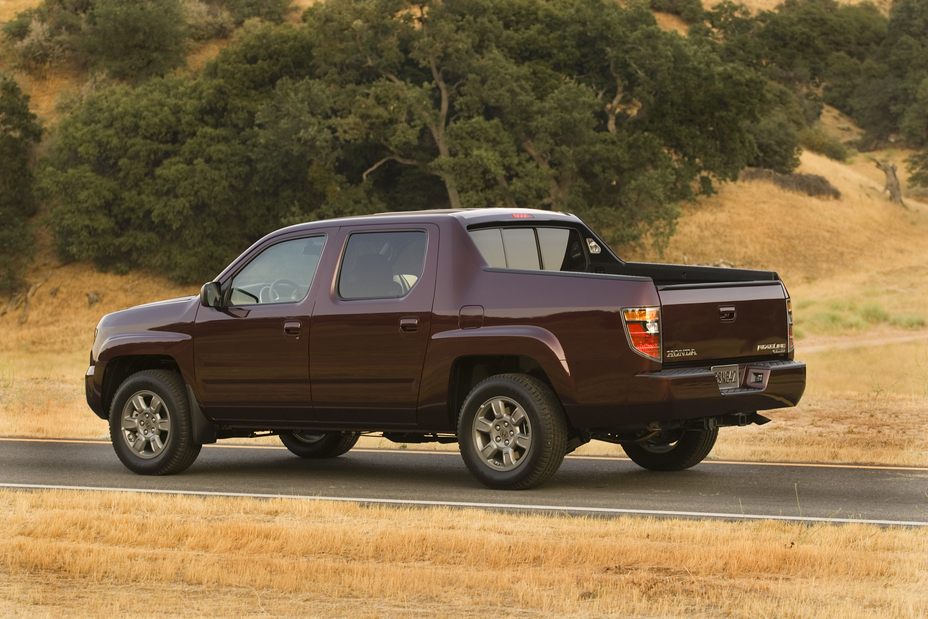
- Engine: 3.5-liter V6 gasoline engine
- Horsepower: 247 hp
- Torque: 245 lb-ft
- Length: 207.0 inches
- Width: 77.8 inches
3. 2008 Honda Ridgeline
The 2008 Honda Ridgeline continued the first-generation design with several improvements compared with the earliest models, but it still carries some concerns that buyers should consider before making a purchase.
As an older pickup, the condition of each individual vehicle matters greatly. Maintenance history, driving habits, and previous repairs often determine whether a used Ridgeline becomes a dependable truck or a source of unexpected expenses.
The 2008 Ridgeline uses the same 3.5-liter V6 engine that powered other first-generation models. This engine has a reputation for lasting many miles when properly cared for, but neglecting important services can create problems.
The timing belt, water pump, transmission fluid, and cooling system require regular attention to maintain dependable operation. A truck without documented maintenance may require immediate repairs after purchase.
Some have reported issues involving the transmission system, including shifting concerns and performance problems. These issues do not affect every 2008 Ridgeline, but they make a pre-purchase inspection especially valuable. A mechanic can evaluate transmission behavior, check fluid condition, and identify warning signs that may not be obvious during a short test drive.
Technology is an area where the 2008 model shows its age. Modern drivers may miss features such as advanced smartphone integration, updated safety systems, and newer infotainment options. While the cabin remains practical and comfortable, it does not provide the same level of convenience found in newer Ridgeline models.
The 2008 Honda Ridgeline can still be a practical choice for someone who finds a well-maintained example at a fair price. However, buyers should compare it carefully with later years that offer improved features and fewer age-related concerns. A thorough inspection is essential before choosing this model year.
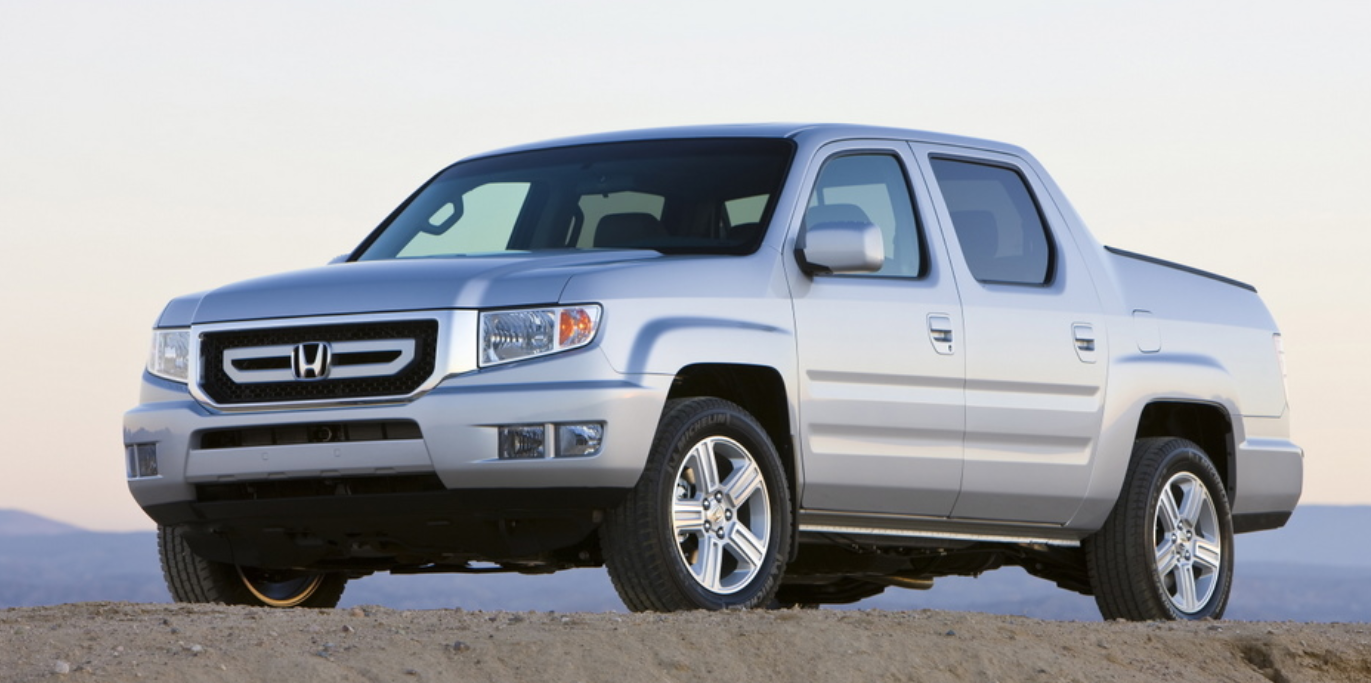
- Engine: 3.5-liter V6 gasoline engine
- Horsepower: 250 hp
- Torque: 247 lb-ft
- Length: 207.0 inches
- Width: 77.8 inches
4. 2009 Honda Ridgeline
The 2009 Honda Ridgeline is a first-generation model that requires careful consideration. Honda continued refining the truck during this period, but buyers looking at used examples must remember that these vehicles are now many years old. The condition and maintenance history will often matter more than the model year alone.
The 2009 Ridgeline offers the same dependable V6 engine used throughout the first generation. When serviced correctly, this engine can provide strong performance and impressive longevity. However, older vehicles often develop problems related to wear and aging components, including suspension parts, seals, electrical equipment, and interior features.
Some reported concerns with this model include possible transmission issues and problems with various electrical components. Buyers should test all vehicle systems before purchasing. Checking the operation of lights, climate controls, power features, and dashboard functions can help reveal problems that may become expensive later.
The 2009 Ridgeline also lacks many of the improvements found in the second-generation trucks. Safety technology, infotainment systems, and interior design are more basic compared with newer models. Drivers who spend significant time commuting may notice the difference in convenience and technology.
A carefully maintained 2009 Ridgeline may still provide reliable transportation, especially for buyers who value Honda durability and do not need modern features. However, it is important to compare pricing against newer alternatives. In many cases, spending more on a later model can result in better long-term value.
