
A vehicle’s cooling system plays a major role in keeping the engine operating safely, and the water pump is one of its most important components. The water pump circulates coolant through the engine, radiator, and heater system to control temperature and prevent overheating.
When this part starts failing, drivers may notice warning signs such as rising engine temperatures, coolant leaks, unusual noises, steam from the engine bay, or reduced performance. Some vehicles are known for experiencing water pump problems more frequently because of specific engine designs, materials used in manufacturing, placement of the pump, or maintenance challenges.
Understanding which cars commonly experience water pump failures can help owners recognize symptoms early and avoid expensive engine damage. A failed water pump can quickly lead to overheating, which may cause issues such as warped cylinder heads, damaged gaskets, or severe engine repairs.
Regular inspections, timely coolant changes, and attention to unusual sounds can improve reliability. This guide covers eight cars that have gained attention for water pump issues, explaining the causes behind these failures, common symptoms, and important maintenance considerations for owners.
Also Read: 10 Car Brands Most Likely to Cross 250,000 Miles

- Engine: 3.0-liter naturally aspirated inline-6 (N52B30)
- Horsepower: 230 hp
- Torque: 200 lb-ft (271 Nm)
- Length: 182.5 inches (4,636 mm)
- Width: 71.5 inches (1,815 mm)
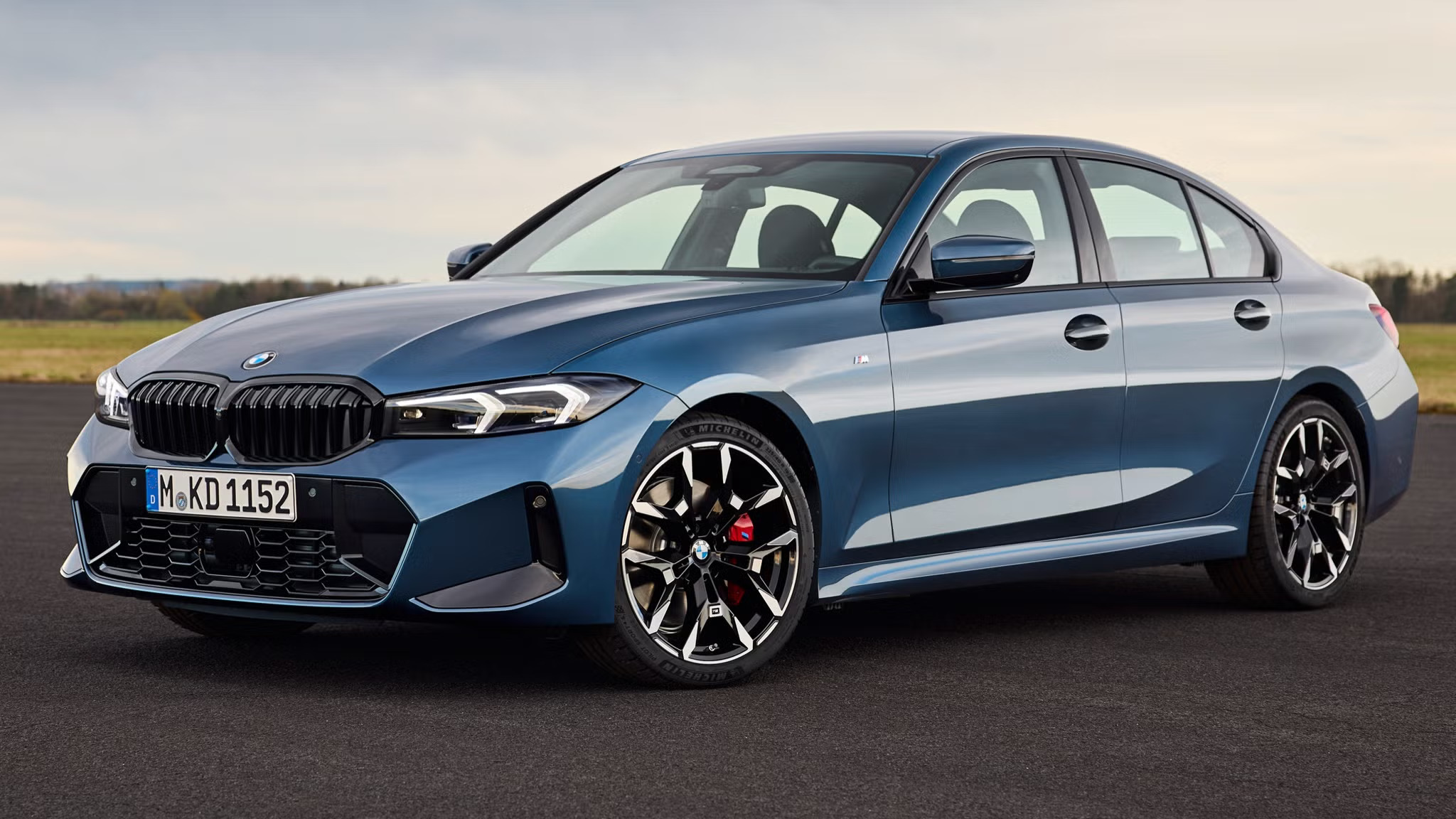
1. BMW 3 Series
The BMW 3 Series is widely recognized for its sporty handling, premium features, and advanced engineering. Many models from certain production years have been associated with water pump failures, particularly vehicles equipped with BMW’s electric water pump systems.
Traditional mechanical pumps are powered by the engine, but electric pumps use electronic controls to manage coolant circulation more precisely. This design improves efficiency but introduces additional electrical components that can fail over time.
BMW models using engines such as the N52 and N54 have experienced reports of electric water pump failures. The pump contains internal electronics and a motor that operate under demanding temperature conditions.
After years of use, these components can wear out, causing the pump to stop circulating coolant properly. When this happens, the engine temperature can rise quickly, especially during heavy driving or warm weather conditions.
A failing BMW water pump often provides warning signs before complete failure. Drivers may notice overheating warnings on the dashboard, coolant temperature fluctuations, or the cooling fan running more frequently than normal. Some vehicles may enter a reduced power mode to protect the engine from excessive heat. Unusual humming or whining sounds from the front of the engine area can also indicate pump problems.
Replacing a BMW water pump can be more expensive than in many mainstream vehicles because of the specialized components and labor involved.
The pump location and surrounding engine parts may require additional work during replacement. Many owners choose to replace related parts such as the thermostat at the same time because these components often age together and share similar labor requirements.
Proper maintenance can help reduce the risk of unexpected water pump failure. Using the correct coolant type, following recommended service intervals, and inspecting the cooling system regularly are important steps. BMW owners should also avoid ignoring temperature warnings, since continued driving with an overheating engine can result in serious mechanical damage.
- Engine: 1.4-liter turbocharged inline-4 gasoline engine
- Horsepower: 153 hp
- Torque: 177 lb-ft (240 Nm)
- Length: 183.7 inches (4,665 mm)
- Width: 70.5 inches (1,791 mm)
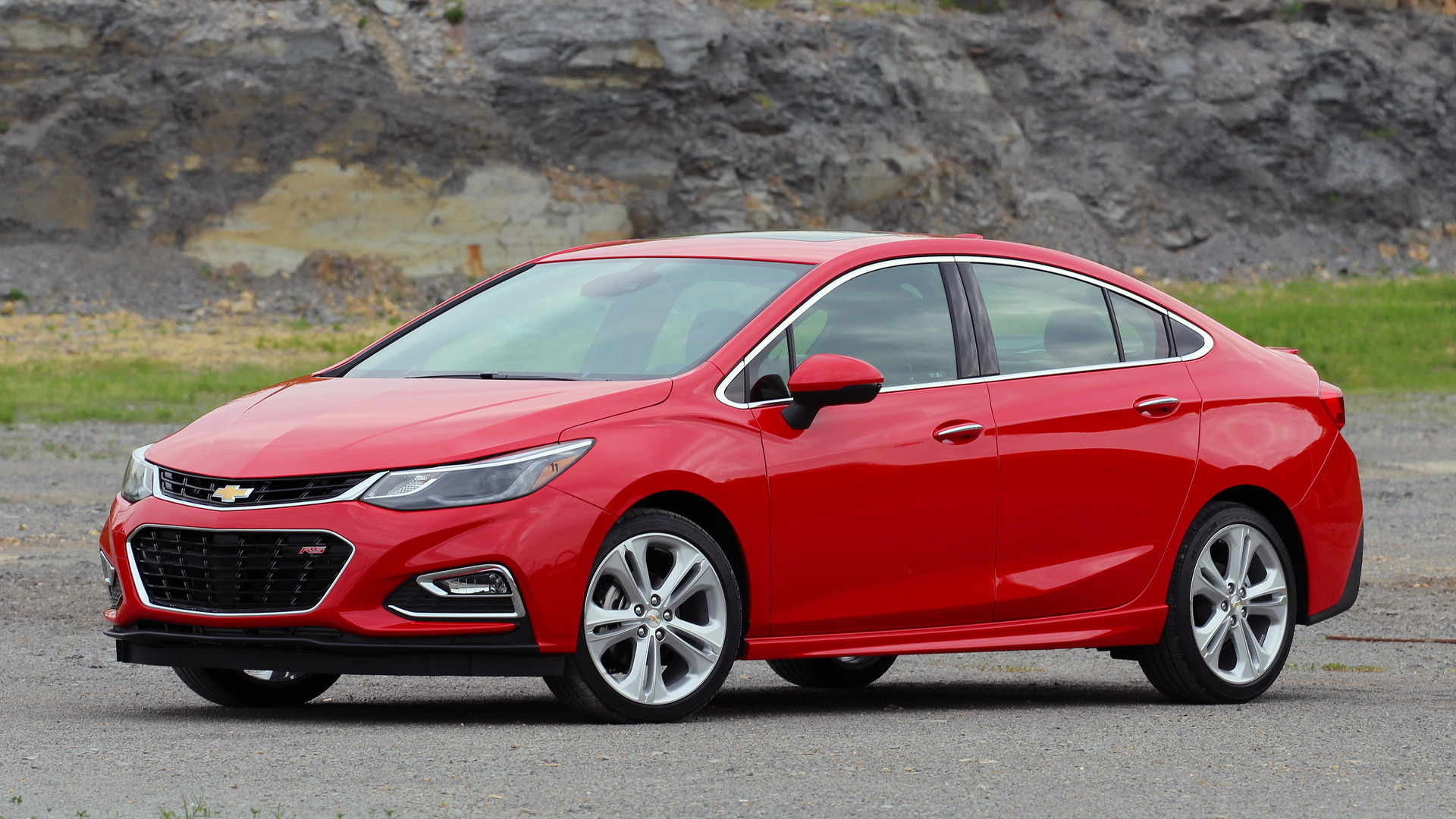
2. Chevrolet Cruze
The Chevrolet Cruze has been a popular compact car known for its fuel efficiency and affordable ownership costs. Certain Cruze models, particularly those equipped with turbocharged engines, have experienced cooling system concerns involving the water pump and related components.
These failures can create frustration for owners because the symptoms may appear gradually before becoming a major issue.
The water pump in the Chevrolet Cruze is responsible for maintaining proper coolant movement throughout the engine. When the pump begins wearing out, coolant flow becomes weaker, making it harder for the engine to maintain a stable operating temperature. Some owners have reported coolant leaks around the pump area caused by worn seals or damaged internal components.
One common indication of a failing water pump is a noticeable coolant smell after driving. Drivers may also find small puddles of coolant beneath the vehicle after it has been parked. A temperature gauge that rises higher than usual or fluctuates during normal driving can signal that the cooling system is struggling. These symptoms should be checked quickly to prevent overheating.
The cost of repairing a Chevrolet Cruze water pump depends on the model year, engine type, and extent of damage. Replacing the pump early is usually far less expensive than repairing an engine affected by overheating. Technicians often inspect hoses, belts, and the thermostat during the repair process to ensure the entire cooling system is functioning correctly.
Routine maintenance remains important for Cruze owners. Coolant should be replaced according to the manufacturer’s recommendations, and leaks should never be ignored. Paying attention to early warning signs allows owners to address water pump issues before they become major reliability concerns.

- Engine: 1.8-liter turbocharged inline-4 gasoline engine
- Horsepower: 170 hp
- Torque: 184 lb-ft (249 Nm)
- Length: 191.6 inches (4,867 mm)
- Width: 71.7 inches (1,821 mm)
3. Volkswagen Passat
The Volkswagen Passat has a reputation for offering comfortable interiors, efficient engines, and European-style driving characteristics. Certain Passat models have experienced water pump failures linked to the use of plastic components in the cooling system. Over time, exposure to heat cycles can cause these parts to weaken, leading to leaks or reduced performance.
Many Volkswagen engines use water pumps that are integrated with thermostat housings. This combined design can make repairs more complicated because multiple components may need to be replaced together.
When the housing develops cracks or seals deteriorate, coolant may escape, reducing the system’s ability to regulate engine temperature effectively.
Drivers experiencing water pump problems in a Passat may notice several warning signs. Coolant levels may drop repeatedly without an obvious external leak. The vehicle may display a low coolant warning, or the engine temperature may begin increasing during operation. Some owners may notice a sweet coolant odor coming from the engine compartment after parking.
Ignoring these symptoms can create larger mechanical problems. An engine that operates at excessive temperatures can suffer damage to internal parts, resulting in costly repairs. Volkswagen vehicles often rely on precise temperature control, meaning a properly functioning cooling system is essential for maintaining performance and efficiency.
Preventive care can improve the lifespan of the cooling system. Regular coolant inspections, checking for leaks, and replacing worn components before failure occurs are useful practices. Passat owners should also use manufacturer-approved coolant products because incorrect fluids may contribute to corrosion or reduced cooling system performance.

- Engine: 2.0-liter turbocharged inline-4 EcoBoost engine
- Horsepower: 245 hp
- Torque: 275 lb-ft (373 Nm)
- Length: 178.1 inches (4,524 mm)
- Width: 72.4 inches (1,839 mm)
4. Ford Escape
The Ford Escape has been a popular compact SUV because of its practical design, comfortable driving experience, and range of engine choices. Certain Escape models have been linked to water pump concerns, particularly versions using engines where the pump design makes replacement more complicated.
Cooling system reliability is important in SUVs because many owners use them for longer trips, carrying passengers, and daily commuting under different driving conditions.
Some Ford Escape engines use internally mounted water pumps, meaning the pump is located inside the engine rather than being easily accessible from the outside.
This design can improve packaging efficiency but may increase repair difficulty when the component fails. A leaking internal water pump can allow coolant to mix with engine oil, creating a serious issue if the problem remains unnoticed for an extended period.
A failing water pump in a Ford Escape may show several symptoms. Coolant leaks, overheating, warning lights, and unusual engine noises are common signs that something may be wrong.
Some drivers may notice changes in engine performance or a temperature gauge moving beyond its normal position. Since overheating can quickly affect other engine components, early diagnosis is important.
Repair costs for water pump failures on certain Ford Escape models can be higher than expected because accessing the pump may require significant labor.
Technicians may need to remove multiple components before reaching the damaged part. If coolant contamination has occurred, additional inspections may be needed to determine whether the engine has suffered internal damage.
Maintaining a Ford Escape cooling system requires regular attention. Checking coolant levels, following recommended service schedules, and addressing leaks quickly can reduce the chances of major repairs. Owners should also pay attention to unusual smells, dashboard warnings, and changes in engine temperature because these signs often appear before complete water pump failure.
Also Read: The 10 Cars Owners Hold For 15 Years or More Are All Japanese
- Engine: 2.0-liter turbocharged inline-4 TFSI engine
- Horsepower: 252 hp
- Torque: 273 lb-ft (370 Nm)
- Length: 186.3 inches (4,735 mm)
- Width: 72.5 inches (1,842 mm)
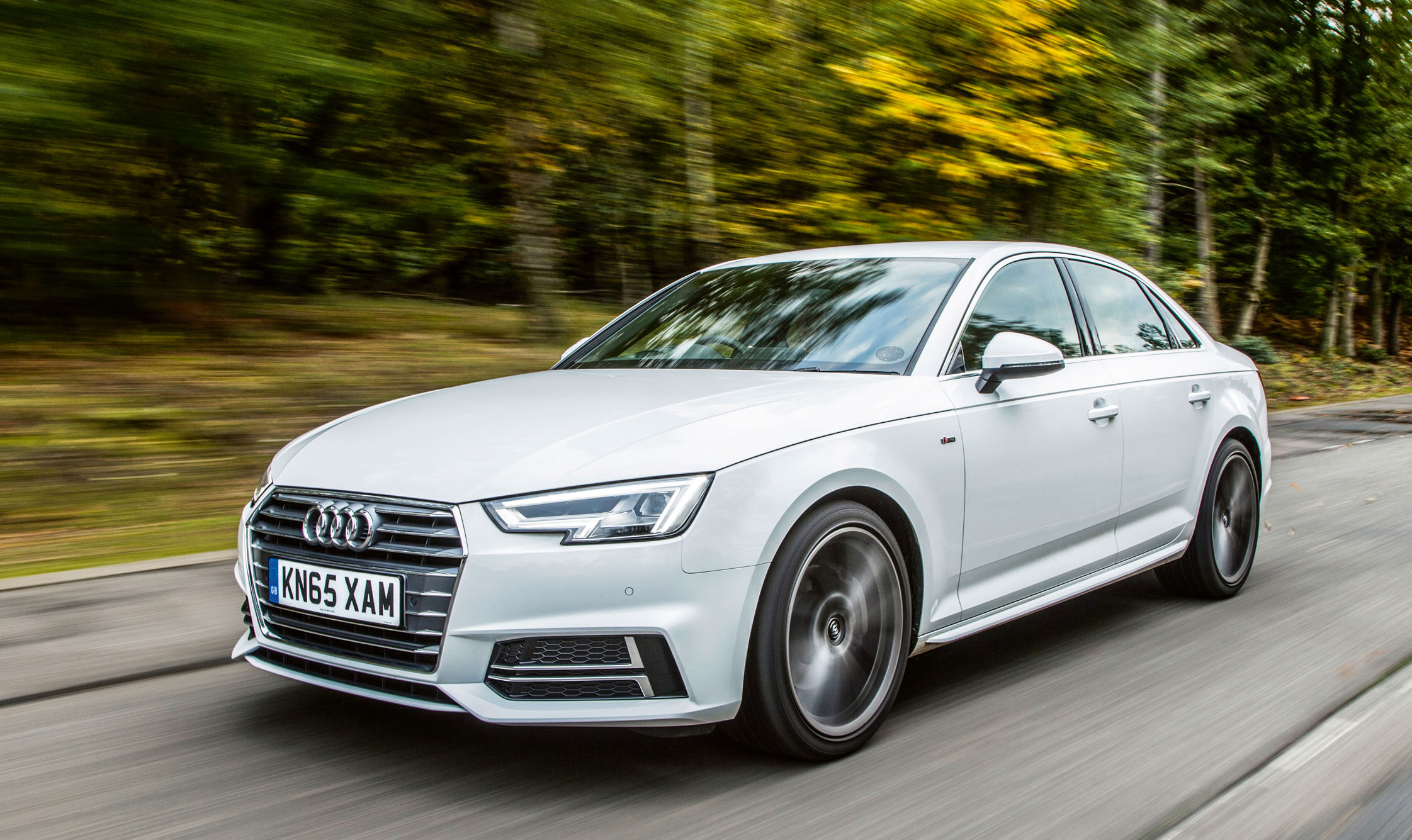
5. Audi A4
The Audi A4 is known for its refined interior, advanced technology, and strong performance from its range of turbocharged engines.
Certain Audi A4 models have experienced water pump issues related to plastic pump housings, electronic components, and integrated cooling system designs. These problems have become a common maintenance concern among some owners of specific generations.
Many Audi engines use electrically controlled water pumps that help regulate coolant circulation more efficiently. This system allows the vehicle computer to adjust cooling based on driving conditions and engine requirements. However, additional electronics and plastic components create more potential failure points as the vehicle ages.
A damaged Audi A4 water pump can produce several noticeable symptoms. Coolant leaks near the front of the engine, overheating warnings, and reduced heating performance inside the cabin are common indicators.
Some drivers may notice a check engine light or cooling system warning appearing before the problem becomes severe.
Replacing the water pump on an Audi A4 often requires specialized knowledge because of the vehicle’s engineering layout. Depending on the engine configuration, technicians may need to remove surrounding parts to access the pump. Many repairs include replacing related seals, thermostat components, or coolant system parts to ensure long-term reliability.
Audi A4 owners can protect their vehicles by keeping up with scheduled maintenance and using the correct coolant specifications. Regular inspections can identify small leaks before they develop into major failures. A cooling system that receives proper care is essential for maintaining the performance and durability expected from a premium vehicle.
- Engine: 2.0-liter turbocharged inline-4 engine
- Horsepower: 189 hp
- Torque: 207 lb-ft (280 Nm)
- Length: 151.1 inches (3,837 mm)
- Width: 68 inches (1,727 mm)
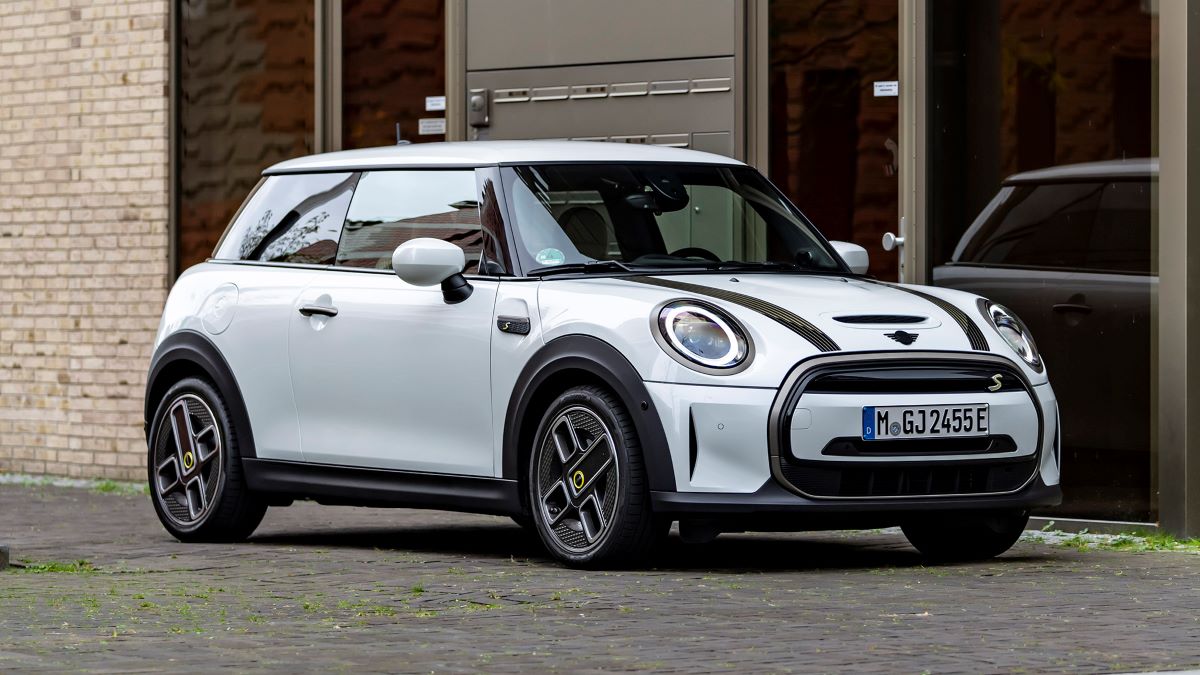
6. Mini Cooper
The Mini Cooper has earned attention for its unique styling, compact size, and enjoyable driving characteristics. Certain Mini models, especially those produced during specific generations, have experienced cooling system issues involving the water pump and related components.
The combination of compact engine compartments and complex mechanical layouts can make repairs more challenging.
Mini vehicles often use tightly packed engine designs, which allow manufacturers to create a small exterior size while maintaining strong performance. However, limited space around engine components can make maintenance procedures more difficult. When a water pump begins failing, accessing and replacing it may require additional labor compared with larger vehicles.
Common symptoms of a failing Mini Cooper water pump include coolant leaks, overheating, unusual noises, and inconsistent temperature control. Some drivers may notice that the cabin heater does not produce warm air as expected because coolant is not circulating properly. A burning smell or visible coolant residue may also indicate a cooling system problem.
Ignoring water pump problems in a Mini Cooper can lead to significant engine damage. Small leaks can become larger over time, reducing coolant levels and increasing operating temperatures. Since modern engines depend on precise temperature management, maintaining the cooling system is important for preventing unnecessary wear.
Owners can improve water pump reliability through regular servicing. Coolant replacement, inspection of hoses and seals, and attention to warning signs can help prevent sudden failures. Mini Cooper drivers should also avoid continuing to drive when overheating warnings appear because engine damage can occur quickly.
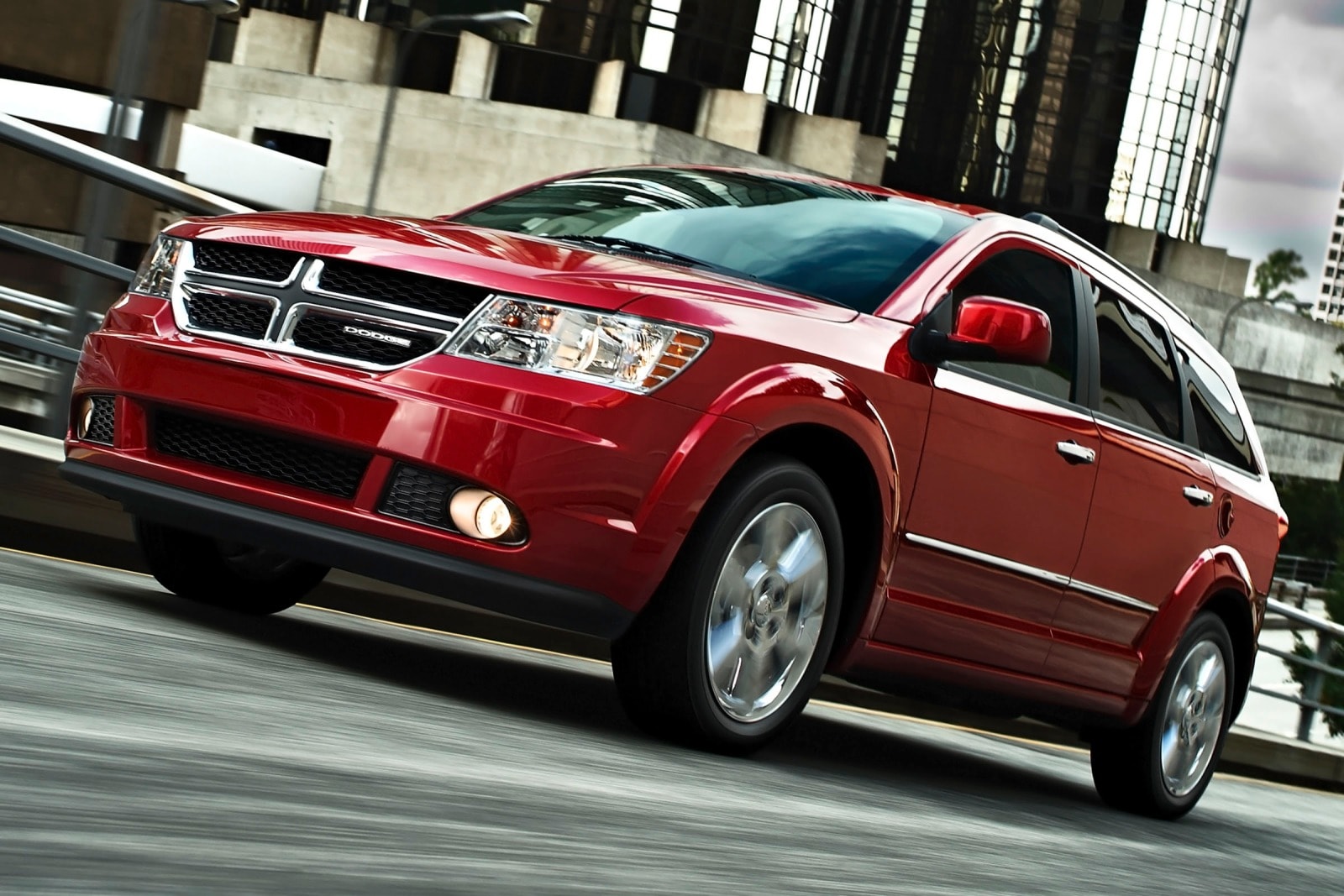
- Engine: 3.6-liter Pentastar V6 gasoline engine
- Horsepower: 283 hp
- Torque: 260 lb-ft (353 Nm)
- Length: 192.4 inches (4,887 mm)
- Width: 72.2 inches (1,834 mm)
7. Dodge Journey
The Dodge Journey was designed as a family-focused crossover offering flexible seating, practical storage, and everyday comfort. Some Journey models have been associated with water pump failures, especially those equipped with certain V6 engines. These issues are often connected to pump wear, coolant leaks, and long-term exposure to engine heat.
The water pump in the Dodge Journey plays a key role in maintaining coolant circulation between the engine and radiator. As the pump ages, internal bearings, seals, and moving parts may deteriorate. Once these components begin failing, coolant movement becomes less effective, increasing the possibility of overheating.
Drivers may notice several signs when a Dodge Journey water pump begins developing problems. A coolant leak near the engine, overheating during traffic, unusual grinding sounds, or frequent coolant top-ups can indicate a failing component. In some cases, the vehicle may show warning messages related to engine temperature.
Repairing a Dodge Journey water pump depends on the specific engine configuration and the extent of the failure. A technician may inspect other cooling system components during the repair, including belts, hoses, and the thermostat. Addressing related issues at the same time can help prevent repeated repairs.
Regular maintenance is important for extending the life of the cooling system. Owners should monitor coolant levels, inspect for visible leaks, and follow recommended service schedules. Proper care helps maintain engine temperature control and reduces the chance of expensive overheating-related damage.

- Engine: 3.5-liter V6 gasoline engine (2GR-FKS)
- Horsepower: 278 hp
- Torque: 265 lb-ft (359 Nm)
- Length: 212.3 inches (5,392 mm)
- Width: 74.4 inches (1,890 mm)
8. Toyota Tacoma
The Toyota Tacoma has built a reputation for durability, off-road capability, and long-term reliability. While many Tacoma models are known for dependable performance, some vehicles can still experience water pump failures as they accumulate mileage. Wear over time, aging seals, and mechanical stress can eventually affect cooling system components.
The water pump in a Toyota Tacoma is responsible for moving coolant throughout the engine to maintain proper operating temperatures. Like any mechanical component, it has a limited service life. Bearings may wear out, seals may weaken, and the pump may begin leaking coolant after years of operation.
Signs of a failing Tacoma water pump include coolant leaks, overheating, unusual noises from the engine area, and visible corrosion around cooling system parts. A leaking pump may leave coolant marks beneath the vehicle after parking. Drivers who regularly tow, drive off-road, or operate in extreme temperatures should pay close attention to cooling system performance.
Replacing a Tacoma water pump is usually a straightforward repair compared with some vehicles that use more complex pump designs. However, delaying replacement can still result in serious consequences. An overheated engine may suffer damage that costs significantly more than replacing the original failed component.
Toyota Tacoma owners can maintain cooling system reliability through regular inspections and proper servicing. Keeping coolant at the correct level, replacing fluids when needed, and checking for early signs of leaks can help prevent unexpected breakdowns. A well-maintained Tacoma cooling system supports the vehicle’s reputation for dependable long-term use.
