
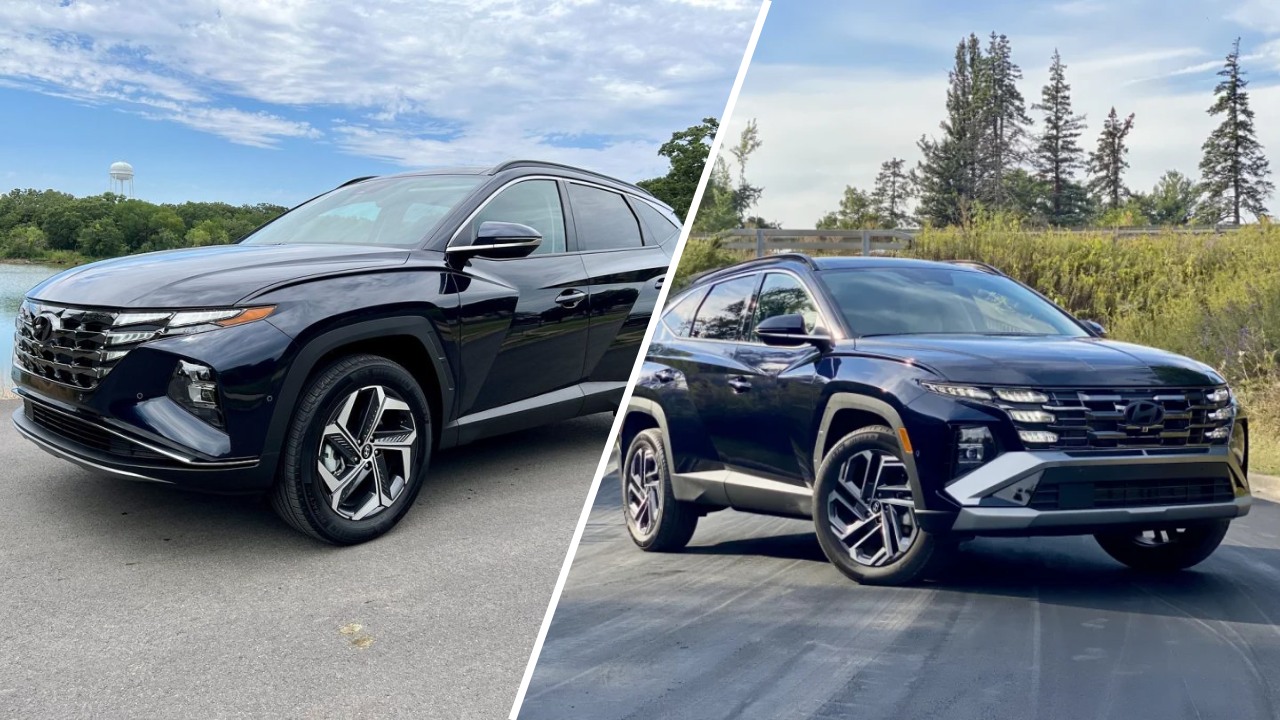
Since arriving in the United States for the 2005 model year, the Hyundai Tucson has evolved from a value-focused compact SUV into one of the most competitive vehicles in its class.
Across four generations, Hyundai has continuously improved the Tucson through major redesigns, stronger safety performance, more efficient powertrains, advanced technology, and higher-quality interiors.
Some model years marked significant turning points by introducing new platforms or engines, while others refined existing designs to improve reliability and owner satisfaction. Together, these ten model years illustrate how the Tucson became one of America’s best-selling compact SUVs.
This article focuses on the U.S.-market Hyundai Tucson and highlights model years that played an important role in the vehicle’s development. The selections are based on factory specifications, IIHS and NHTSA safety results, major redesigns, powertrain updates, sales significance, owner feedback, and long-term industry impact.
Rather than ranking only the best or worst years, this list explains why each selected model year represents an important chapter in the Tucson’s history.
From the original launch model to the latest hybrid-equipped generations, each Tucson reflects Hyundai’s changing priorities and engineering progress.
Looking at these milestones provides a clear picture of how the compact crossover matured into a vehicle that competes directly with long-established rivals such as the Honda CR-V, Toyota RAV4, and Subaru Forester.
Also Read: 10 Cars That Are Easiest to Repair Outside the Dealership
1. 2005 Hyundai Tucson
The 2005 Hyundai Tucson introduced Hyundai’s first compact crossover SUV designed specifically for American buyers. Entering one of the fastest-growing vehicle segments, the Tucson replaced traditional truck-based SUV thinking with a car-like platform that emphasized comfort, efficiency, and everyday practicality.
Although Hyundai was still building its reputation in the United States, the Tucson demonstrated that the company intended to compete directly with established Japanese manufacturers.
Built on a unibody platform shared with the Hyundai Elantra and Kia Sportage, the Tucson delivered predictable handling and a comfortable ride while remaining easier to maneuver than many larger SUVs available at the time.
Buyers could choose between a four-cylinder engine for fuel economy or a V6 for improved performance, along with front-wheel drive or an available electronically controlled four-wheel-drive system.
The Tucson also emphasized value. Standard equipment included features that often required additional cost from competitors, helping Hyundai attract budget-conscious buyers seeking a practical family vehicle. Its spacious cabin, generous cargo area, and strong warranty further distinguished it in the marketplace.
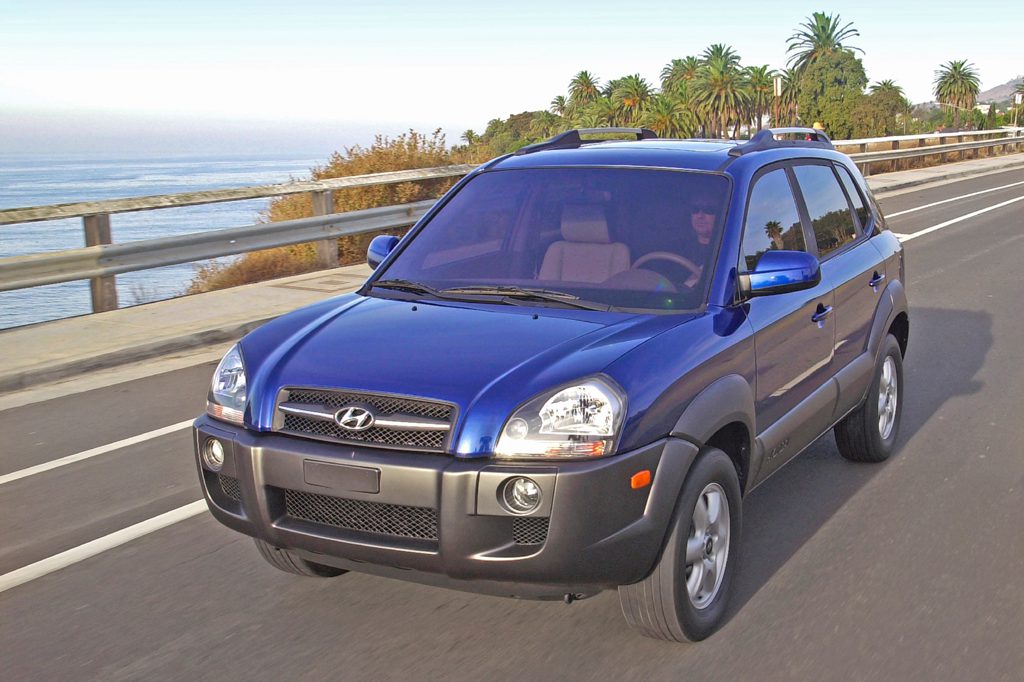
While later generations would become more refined, the 2005 model established the foundation that every future Tucson would build upon. It proved Hyundai could produce a compact SUV capable of competing in America’s largest automotive segment while introducing thousands of buyers to the brand.
The launch year remains historically significant because it marked the beginning of a nameplate that would eventually become one of Hyundai’s global best sellers.
Specifications
- Engine: 2.7-liter V6
- Torque: 178 lb-ft
- Horsepower: 173 hp
- Length/Width: 170.3 inches / 70.7 inches
2. 2010 Hyundai Tucson
The 2010 model represented the Tucson’s first complete redesign and one of the most important turning points in the vehicle’s history.
Hyundai completely reimagined the compact SUV using its new “Fluidic Sculpture” design language, replacing the boxy appearance of the original generation with a sleeker, more aerodynamic profile that immediately attracted greater consumer attention.
Beyond styling, the second-generation Tucson introduced meaningful engineering improvements. The new platform reduced weight while increasing structural rigidity, contributing to better ride quality, improved handling, and higher fuel efficiency.
Hyundai also replaced the outgoing V6 with more efficient four-cylinder engines, reflecting changing consumer priorities and stricter fuel economy standards.
Interior quality improved substantially. Higher-grade materials, a more modern dashboard, and improved ergonomics upgraded the Tucson beyond its budget-oriented roots. Buyers also gained access to additional technology, including Bluetooth connectivity, navigation, and enhanced safety equipment, depending on trim level.
The redesigned Tucson quickly earned recognition from automotive journalists for delivering exceptional value without sacrificing refinement. Strong crash-test performance from the IIHS and NHTSA further strengthened its reputation among American families.
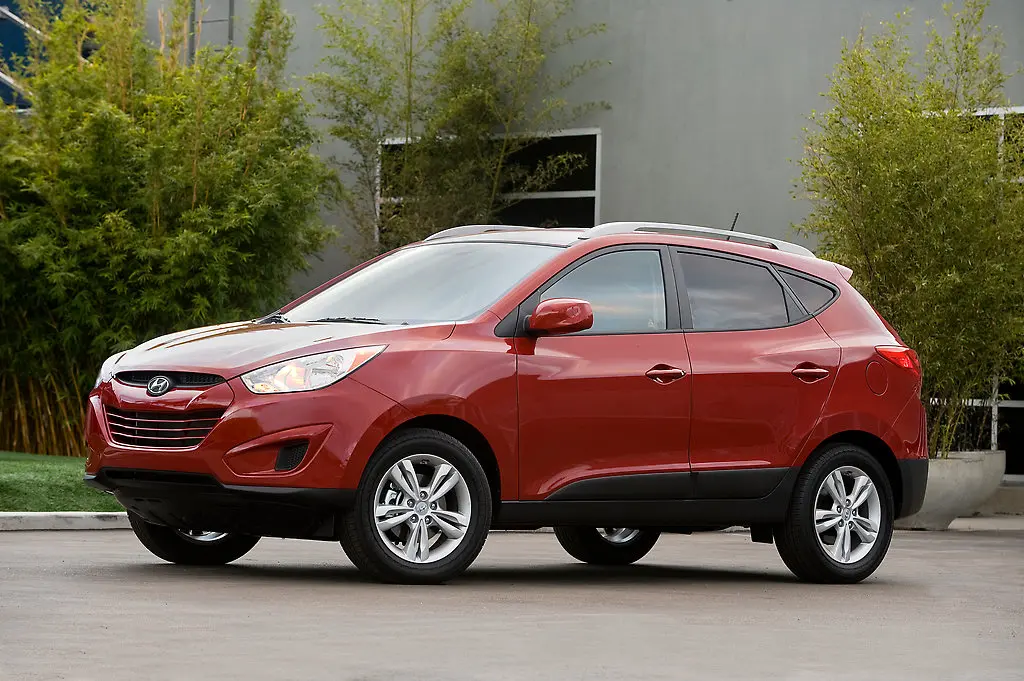
Sales increased significantly following the redesign, confirming Hyundai’s investment had succeeded. The 2010 Tucson demonstrated that the company could build a compact SUV that appealed not only because of price but also because of design, efficiency, and quality.
This model year established the direction future Tucsons would follow, making it one of the defining chapters in the evolution of Hyundai’s compact crossover.
Specifications
- Engine: 2.4-liter naturally aspirated inline-four
- Torque: 168 lb-ft
- Horsepower: 176 hp
- Length/Width: 173.2 inches / 71.7 inches
3. 2014 Hyundai Tucson
By the 2014 model year, Hyundai had refined the second-generation Tucson into one of the most balanced compact SUVs in the American market. Rather than introducing an entirely new platform, Hyundai concentrated on improving technology, safety equipment, and driving refinement.
This approach allowed the Tucson to mature while maintaining the styling that had helped the second generation gain widespread acceptance.
A significant update for 2014 was the introduction of the direct-injected 2.4-liter GDI engine on higher trims. Producing more horsepower than the earlier MPI engine, it improved highway acceleration while maintaining competitive fuel economy.
Buyers who prioritized efficiency could continue choosing the 2.0-liter four-cylinder, giving the lineup greater flexibility. Hyundai also modernized the interior by adding available features that were becoming increasingly important to American consumers.
Depending on trim level, buyers could equip the Tucson with a touchscreen navigation system, rearview camera, heated rear seats, dual-zone automatic climate control, panoramic sunroof, and proximity key with push-button start. These amenities helped the Tucson compete with vehicles that often carried noticeably higher price tags.
Safety remained another strength. The Tucson received favorable crash-test results during this period and offered a comprehensive list of airbags, electronic stability control, traction control, and anti-lock brakes as standard equipment.
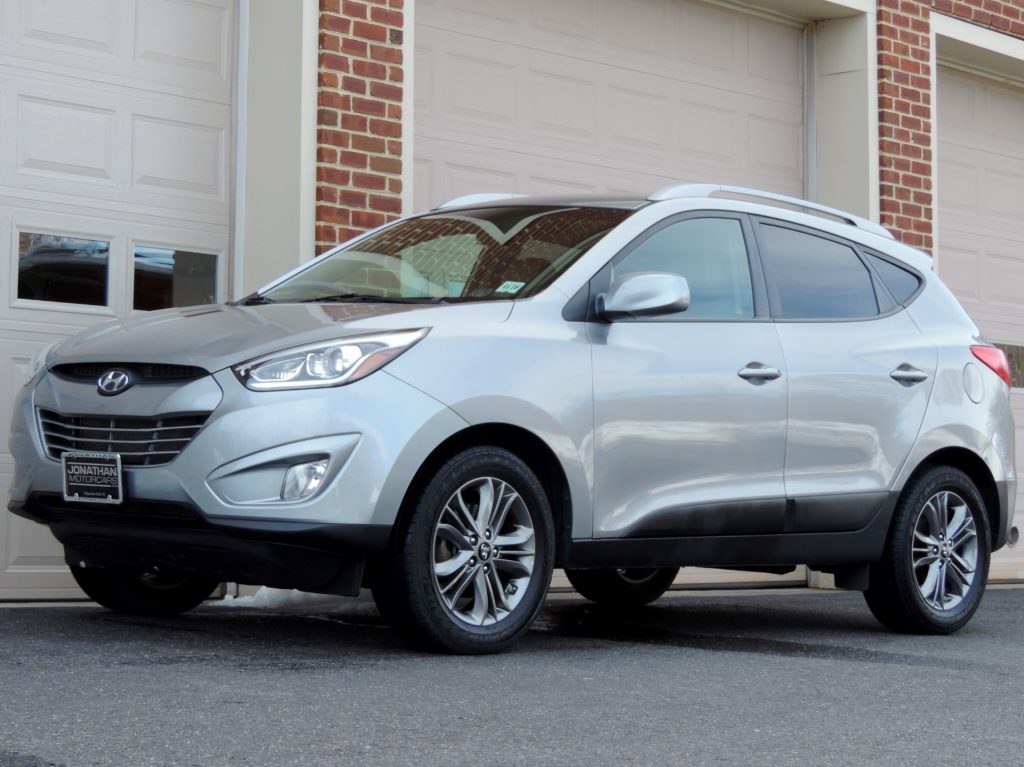
The 2014 model illustrates Hyundai’s growing confidence in the compact SUV segment. Instead of relying solely on affordability, the company delivered improved performance, greater comfort, and a richer feature set while maintaining the value that originally attracted buyers to the Tucson.
Specifications
- Engine: 2.4-liter GDI inline-four
- Torque: 168 lb-ft
- Horsepower: 182 hp
- Length/Width: 173.2 inches / 71.7 inches
4. 2016 Hyundai Tucson
The 2016 Tucson marked the arrival of the third generation and represented another major milestone in the model’s evolution. Hyundai redesigned nearly every aspect of the vehicle, giving it a more premium appearance while improving interior space, ride quality, and technology.
The new design reflected Hyundai’s ambition to compete directly with segment leaders rather than simply offering a lower-priced alternative.
One of the most notable changes involved the powertrain lineup. Hyundai introduced a 1.6-liter turbocharged engine paired with a seven-speed dual-clutch transmission on Eco, Sport, and Limited trims.
This combination delivered stronger low-end torque than the naturally aspirated engine while providing competitive fuel economy. Buyers preferring a conventional setup could still choose the 2.0-liter naturally aspirated engine with a traditional six-speed automatic transmission.
The cabin received a major refinement upgrade, with Hyundai focusing on higher-quality materials, improved fit and finish, and a more modern dashboard layout. Depending on the trim, buyers could access features such as Apple CarPlay, Android Auto, ventilated front seats, heated rear seats, wireless charging, and enhanced driver-assistance technology.
The redesign also improved crash performance through increased use of advanced high-strength steel in the body structure. Combined with optional safety technologies such as automatic emergency braking, lane departure warning, blind spot detection, and rear cross-traffic alert, the Tucson became one of Hyundai’s safest compact SUVs to date.
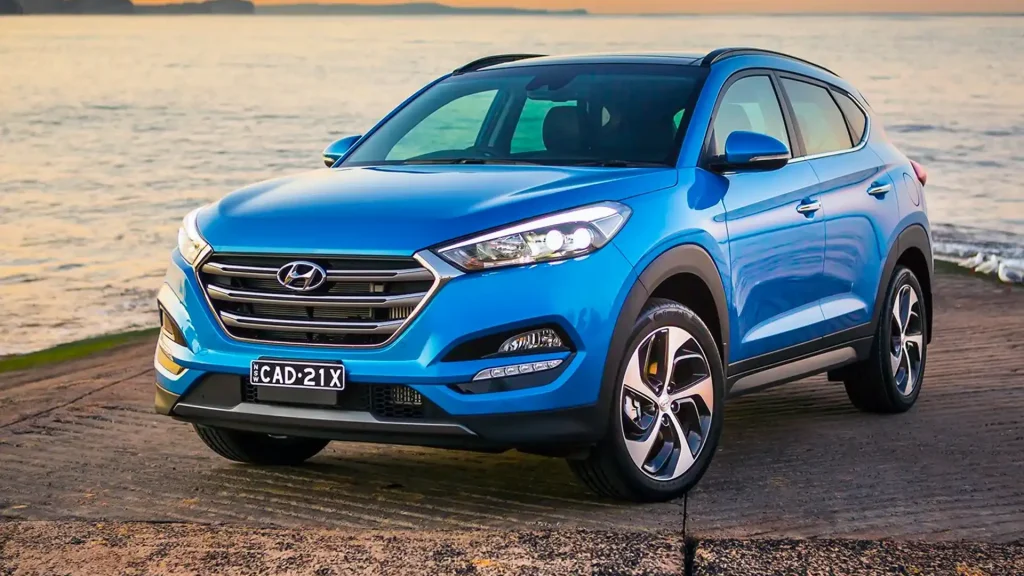
The 2016 model signaled Hyundai’s transition from value-focused transportation to a manufacturer capable of producing compact SUVs with premium-level refinement, technology, and safety, helping upgrade the Tucson’s standing throughout the U.S. market.
Specifications
- Engine: 1.6-liter turbocharged inline-four
- Torque: 195 lb-ft
- Horsepower: 175 hp
- Length/Width: 176.2 inches / 72.8 inches
5. 2019 Hyundai Tucson
Three years after the third-generation redesign, Hyundai gave the Tucson a comprehensive refresh for the 2019 model year.
Although the platform remained unchanged, the company updated the exterior styling, refined the interior, expanded the list of standard safety technologies, and simplified the powertrain lineup. The result was a more polished compact SUV that appealed to a broader range of American buyers.
The most noticeable changes appeared at the front of the vehicle, where Hyundai introduced a redesigned grille, updated headlights, revised bumpers, and new wheel designs.
The Tucson’s interior was redesigned with a more modern dashboard arrangement centered around a freestanding touchscreen for improved access and visibility. Hyundai also upgraded the cabin materials, creating a more refined and premium environment compared with previous generations.
Hyundai also made an important powertrain decision by replacing the turbocharged engine and dual-clutch transmission with a naturally aspirated 2.4-liter engine paired with a conventional six-speed automatic.
The change prioritized smoother operation and long-term simplicity, addressing feedback from buyers who preferred the predictable behavior of a traditional automatic transmission.
Perhaps the biggest improvement involved safety. Hyundai SmartSense became standard across the lineup, bringing forward collision-avoidance assist, lane keeping assist, driver attention warning, and automatic high beams to every trim.
These additions strengthened the Tucson’s position against compact SUV rivals that often reserved similar technology for more expensive models.
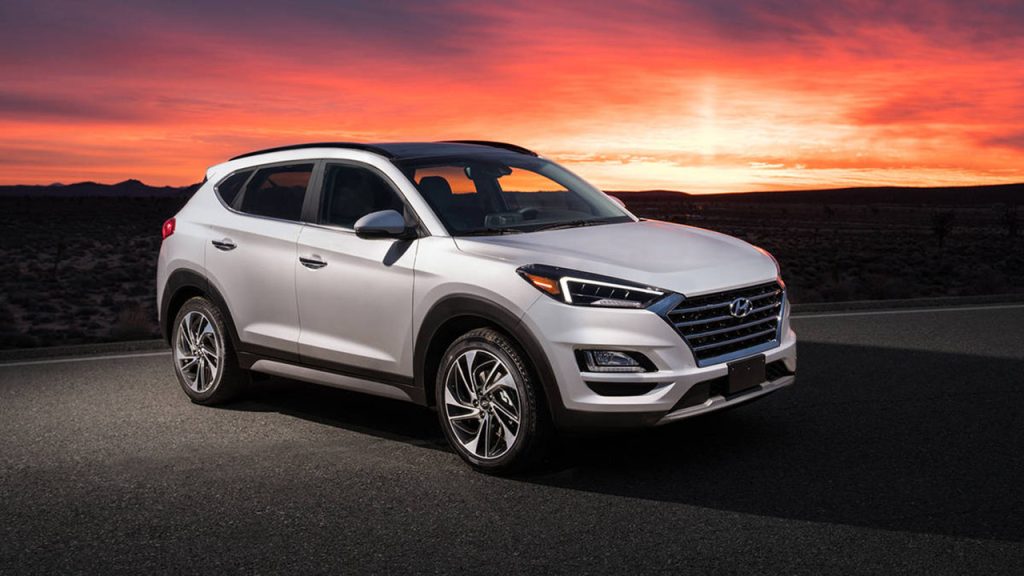
The 2019 Tucson demonstrated Hyundai’s willingness to refine an already competitive product rather than waiting for a complete redesign. It balanced comfort, technology, reliability, and safety in a package that attracted a growing number of American families.
Specifications
- Engine: 2.4-liter naturally aspirated inline-four
- Torque: 178 lb-ft
- Horsepower: 181 hp
- Length/Width: 176.4 inches / 72.8 inches
6. 2022 Hyundai Tucson
The 2022 Tucson represented one of the most dramatic transformations in the model’s history. Hyundai completely redesigned the compact SUV using a longer wheelbase, a more spacious interior, and bold styling that immediately distinguished it from every previous generation.
The hidden daytime running lights integrated into the grille became one of the vehicle’s signature design elements and helped establish a distinctive identity in the crowded compact SUV segment.
The redesign brought meaningful mechanical improvements as well. The longer platform increased rear-seat legroom and cargo capacity, making the Tucson one of the roomiest vehicles in its class.
Buyers also gained several new powertrain choices, including conventional gasoline, hybrid, and plug-in hybrid models, allowing customers to prioritize either affordability or fuel efficiency.
Technology has advanced significantly. A large digital instrument cluster, an available 10.25-inch infotainment display, wireless Apple CarPlay and Android Auto on select trims, digital key capability, and Hyundai’s latest SmartSense safety suite modernized the driving experience.
Features such as Highway Driving Assist, Blind-Spot View Monitor, Remote Smart Parking Assist, and Surround View Monitor upgraded the Tucson into territory previously occupied by premium competitors.
The redesigned Tucson also earned strong safety recognition, receiving the IIHS Top Safety Pick+ award when properly equipped. Combined with competitive pricing and Hyundai’s long warranty coverage, it quickly became one of the brand’s strongest-selling vehicles in the United States.
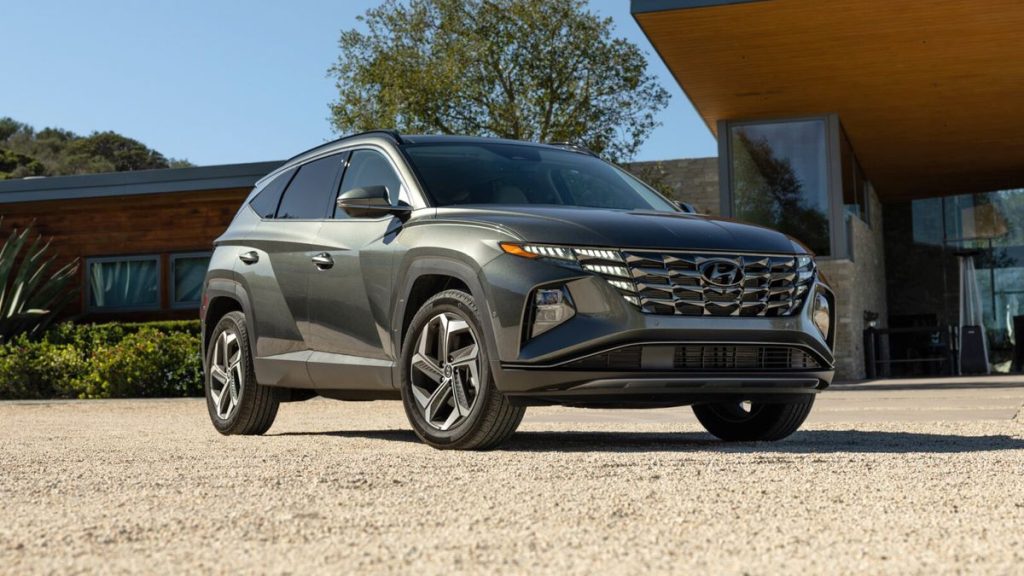
The 2022 model showcased just how far the Tucson had progressed since its introduction, proving Hyundai could compete at the highest level of the compact SUV market through innovation, technology, and thoughtful engineering.
Specifications
- Engine: 2.5-liter Smartstream inline-four
- Torque: 181 lb-ft
- Horsepower: 187 hp
- Length/Width: 182.3 inches / 73.4 inches
7. 2023 Hyundai Tucson Hybrid
While hybrid versions had joined the Tucson lineup the previous year, the 2023 model firmly established the Tucson Hybrid as one of the standout electrified compact SUVs in the United States.
Rising fuel prices and increasing consumer demand for efficient crossovers made this version especially important in the Tucson’s history. Hyundai demonstrated that buyers could significantly improve fuel economy without sacrificing performance or practicality.
Unlike many naturally aspirated hybrid systems, the Tucson Hybrid paired a turbocharged 1.6-liter engine with an electric motor and a six-speed automatic transmission. This configuration produced stronger acceleration than the standard gasoline model while maintaining impressive EPA fuel economy estimates.
The hybrid also came standard with all-wheel drive in the U.S., giving it an advantage over several competitors that required buyers to pay extra for four-wheel drive.
The interior carried over many of the upscale features found in higher gasoline-powered versions. Available equipment included a digital instrument display, panoramic sunroof, heated and ventilated front seats, heated rear seating, Bose premium audio, and Hyundai Digital Key, giving the cabin a more advanced and luxurious feel.
Advanced driver-assistance technologies remained a major selling point, with SmartSense features included across the lineup.
Automotive reviewers consistently praised the hybrid for delivering smooth power delivery, refined highway cruising, and one of the quietest cabins in the compact SUV class. The electric motor also reduced hesitation during initial acceleration, creating a more responsive driving experience around town.
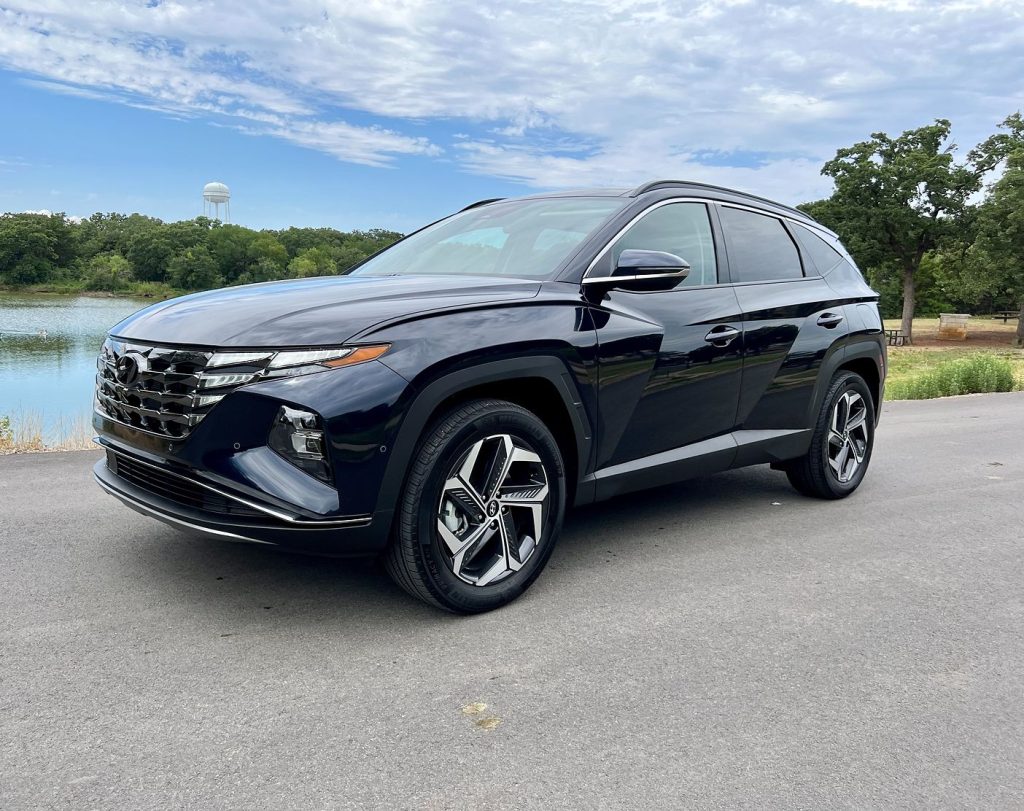
The 2023 Tucson Hybrid proved Hyundai’s electrification strategy could appeal to mainstream SUV buyers. It combined excellent efficiency, generous equipment, and everyday usability, helping broaden the Tucson’s customer base while preparing the nameplate for an increasingly electrified future.
Specifications
- Engine: 1.6-liter turbocharged inline-four hybrid
- Torque: 271 lb-ft (combined system)
- Horsepower: 226 hp (combined system)
- Length/Width: 182.3 inches / 73.4 inches
8. 2024 Hyundai Tucson
The 2024 model year demonstrated Hyundai’s commitment to continuous refinement rather than waiting for major redesign cycles. Although the platform remained largely unchanged, the Tucson benefited from incremental improvements that strengthened its competitiveness in one of America’s most demanding vehicle segments.
Hyundai continued offering buyers an unusually broad range of powertrains. The gasoline engine, hybrid, and plug-in hybrid remained available, allowing customers to prioritize purchase price, performance, or fuel efficiency depending on their needs.
This flexibility became one of Tucson’s defining advantages as more consumers began considering electrified vehicles.
Technology continued evolving as well. Wireless smartphone integration, over-the-air software capability for certain systems, connected vehicle services through Bluelink, and Hyundai’s expanding SmartSense driver-assistance package helped keep the Tucson current against newer competitors.
Depending on trim level, features such as Highway Driving Assist, Blind-Spot Collision-Avoidance Assist, Safe Exit Warning, and Rear Occupant Alert further enhanced convenience and safety.
Reliability and owner satisfaction also benefited from Hyundai’s ongoing production refinements. Manufacturing improvements, software updates, and continued warranty coverage helped reinforce buyer confidence while the Tucson maintained strong sales in the United States.
Another important strength remained interior packaging. Even several years after the redesign, the Tucson continued offering one of the roomiest rear seats and largest cargo areas in the compact SUV class, making it particularly attractive for families.
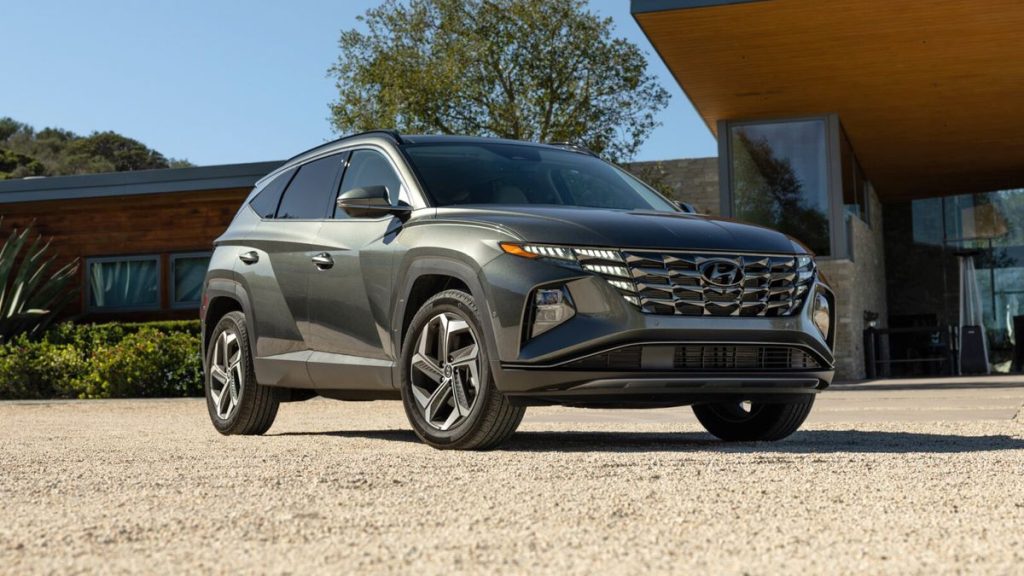
The 2024 Tucson illustrates how consistent engineering improvements can keep a vehicle highly competitive long after its original launch. Instead of relying solely on bold styling, Hyundai continued refining comfort, technology, efficiency, and safety, ensuring the Tucson remained among the segment’s leading choices.
Specifications
- Engine: 2.5-liter Smartstream inline-four
- Torque: 181 lb-ft
- Horsepower: 187 hp
- Length/Width: 182.3 inches / 73.4 inches
9. 2025 Hyundai Tucson
The 2025 Hyundai Tucson received one of the most comprehensive mid-cycle updates in the model’s history, proving that Hyundai was committed to keeping the compact SUV competitive without waiting for a complete redesign.
While the exterior styling remained recognizable, the front fascia, grille, bumpers, wheel designs, and lighting elements were revised to give the Tucson a cleaner and more contemporary appearance.
The most significant changes occurred inside the cabin. Hyundai introduced a redesigned dashboard featuring a panoramic curved display that combined a 12.3-inch digital instrument cluster with an available 12.3-inch infotainment touchscreen.
The company also brought back physical controls for several climate and audio functions after customer feedback indicated buyers preferred dedicated buttons for frequently used features. This improvement enhanced usability while reducing the need to navigate touchscreen menus.
Technology advanced further through updated Hyundai SmartSense driver-assistance systems. Depending on trim level, buyers gained features such as Highway Driving Assist, navigation-based Smart Cruise Control, Forward Collision-Avoidance Assist with expanded detection capabilities, Blind-Spot Collision-Avoidance Assist, and enhanced lane-centering technology.
Wireless Apple CarPlay and Android Auto also became available with the updated infotainment system.
The hybrid and plug-in hybrid variants continued to play an important role in the lineup, giving customers strong fuel economy without compromising interior space or practicality. Hyundai also refined suspension tuning and cabin insulation to improve ride comfort and reduce road noise.
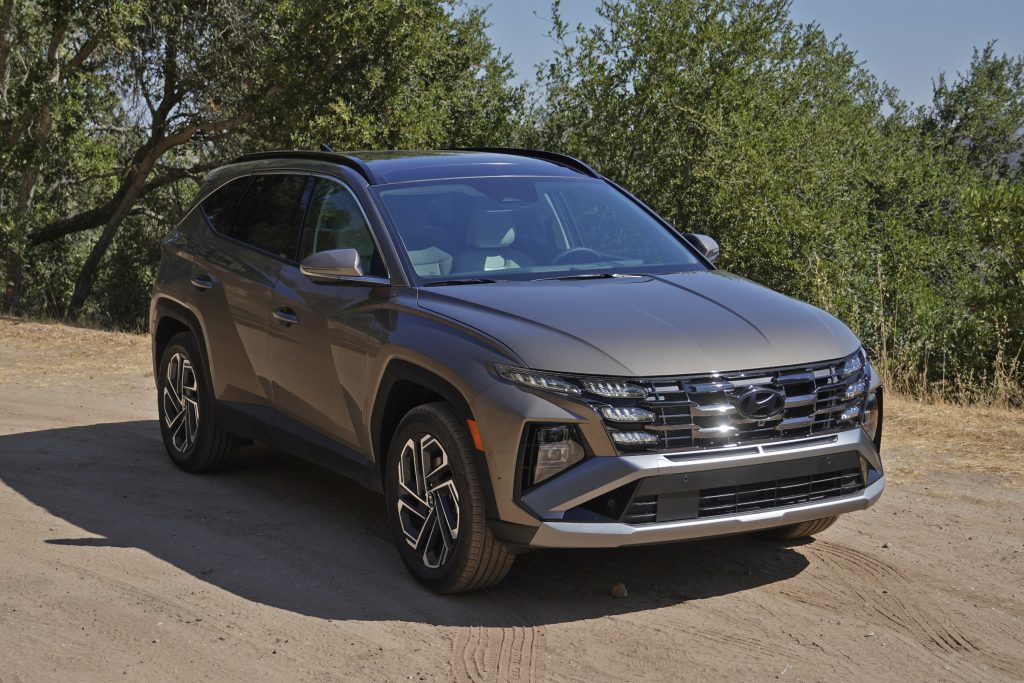
The 2025 model demonstrates Hyundai’s willingness to respond to owner feedback while incorporating newer technology. Rather than making cosmetic changes alone, the refresh improved ergonomics, digital functionality, and driver convenience, strengthening the Tucson’s position among America’s leading compact SUVs.
Specifications
- Engine: 2.5-liter Smartstream inline-four
- Torque: 181 lb-ft
- Horsepower: 187 hp
- Length/Width: 182.3 inches / 73.4 inches
10. 2026 Hyundai Tucson
The 2026 Hyundai Tucson represents the latest chapter in the model’s continuing evolution and reflects how far the nameplate has progressed since its American debut two decades earlier.
Building on the extensive improvements introduced for 2025, the Tucson continues offering one of the broadest lineups in the compact SUV segment, including gasoline, hybrid, and plug-in hybrid powertrains, each designed to meet different buyer priorities.
Hyundai’s emphasis on technology remains evident throughout the vehicle. The available dual 12.3-inch displays provide a modern digital environment, while over-the-air software update capability helps keep selected vehicle systems current without requiring dealership visits.
Connected services through Bluelink, wireless smartphone integration, and multiple USB-C charging ports further enhance everyday usability for modern families.
Safety continues to be one of Tucson’s strongest selling points. Hyundai SmartSense includes an extensive suite of driver-assistance technologies such as forward collision-avoidance assist, blind-spot collision warning, lane following assist, safe exit warning, rear cross-traffic collision-avoidance assist, and available highway driving assist.
These systems complement the Tucson’s strong structural design and comprehensive airbag protection.
Practicality remains equally important. The Tucson continues offering one of the largest cargo areas and most spacious rear seating accommodations in the compact SUV class, making it suitable for commuters, growing families, and long-distance travel. Ride quality also remains composed, with suspension tuning that balances comfort and confident handling.
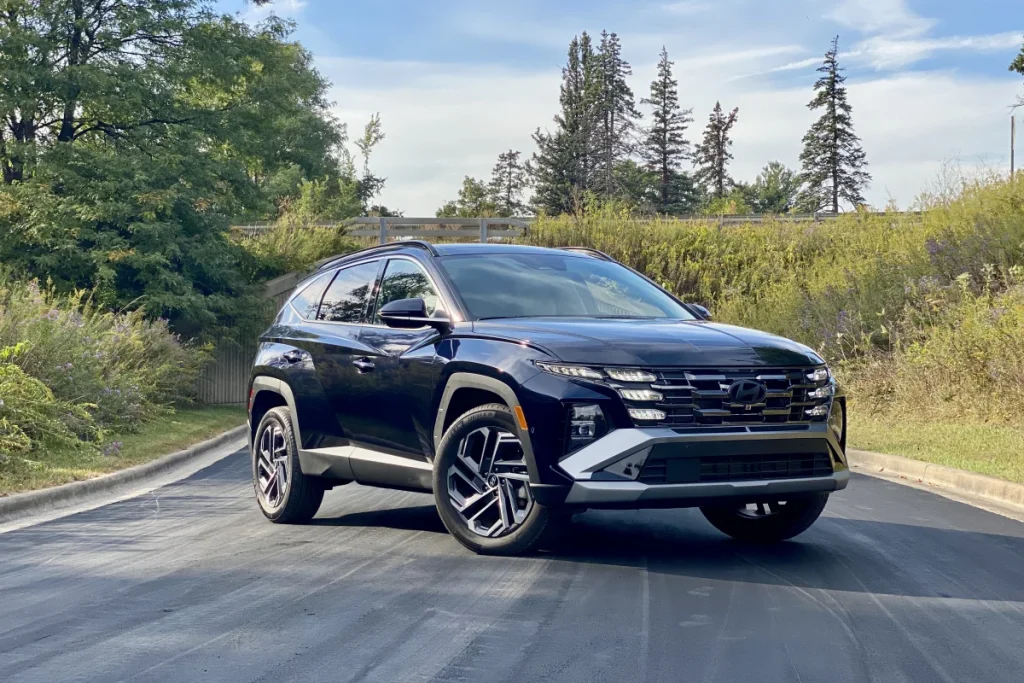
Looking across every generation, the 2026 Tucson reflects Hyundai’s remarkable transformation from an emerging manufacturer into one of the industry’s strongest competitors. Its combination of efficiency, technology, safety, and practicality illustrates why the Tucson has become a cornerstone of Hyundai’s success in the United States.
Specifications
- Engine: 2.5-liter Smartstream inline-four
- Torque: 181 lb-ft
- Horsepower: 187 hp
- Length/Width: 182.3 inches / 73.4 inches
Also Read: 10 Cars That Are Hardest to Repair Outside the Dealership
