

While modern vehicles are becoming increasingly dependent on software, encrypted electronics, and factory-specific diagnostic tools, many cars sold in the United States remain remarkably friendly to independent repair shops.
These models are designed with proven mechanical components, widely available replacement parts, straightforward service procedures, and extensive aftermarket support. As a result, owners often have the flexibility to choose between dealership service and trusted local mechanics without sacrificing repair quality.
Several factors determine how easy a vehicle is to repair outside the dealership. Cars that use naturally aspirated engines, conventional automatic transmissions, and long-established platforms generally require less proprietary programming than newer luxury or electric vehicles.
Equally important is the availability of service information and affordable replacement parts. Vehicles with large production volumes often benefit from a competitive aftermarket, allowing independent shops to source quality components quickly while keeping repair costs under control.
This ranking highlights ten vehicles sold in the United States that are widely recognized for being among the easiest to service outside their manufacturer’s dealership network.
The selections are based on documented repair procedures, parts availability, independent mechanic experience, aftermarket support, diagnostic accessibility, and long-term service history.
These cars are not necessarily the cheapest to own, but they consistently allow qualified independent repair facilities to perform everything from routine maintenance to major mechanical repairs without depending heavily on factory-only software or proprietary equipment.
Also Read: 10 Luxury Cars With the Least 10-Year Maintenance Costs
1. Toyota Corolla
The Toyota Corolla has earned one of the strongest reputations in the automotive industry, not only for reliability but also for its repair-friendly engineering.
Independent repair shops across the United States routinely service Corollas because the vehicle uses well-established mechanical systems, widely available replacement parts, and diagnostic procedures that rarely require dealership-exclusive tools.
Even newer models continue Toyota’s tradition of designing vehicles that remain accessible to experienced technicians outside the dealer network. One reason the Corolla stands out is its enormous production volume. Millions have been sold in North America, creating one of the largest aftermarket parts supplies in the industry.
Components such as brakes, suspension parts, wheel bearings, alternators, water pumps, radiators, sensors, and steering components are available from numerous OEM and aftermarket manufacturers. This broad availability keeps repair costs competitive and reduces waiting times for replacement parts.
The Corolla’s naturally aspirated four-cylinder engines have also proven relatively straightforward to maintain. Routine services, including spark plugs, ignition coils, cooling system repairs, suspension work, and brake replacements, are familiar tasks for virtually every independent mechanic.
Even electronic diagnostics are generally uncomplicated because Toyota’s diagnostic systems remain compatible with many professional aftermarket scan tools.
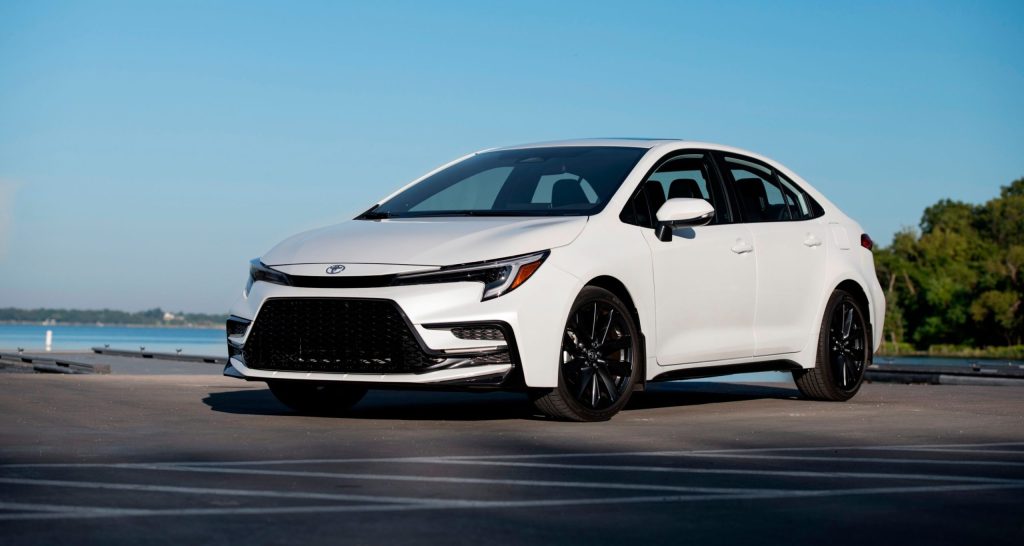
Unlike many luxury vehicles, the Corolla rarely requires extensive software programming after replacing common mechanical components. Owners therefore enjoy greater flexibility when choosing where to service the vehicle.
Combined with Toyota’s long-standing reputation for durability and affordable maintenance, the Corolla remains one of the easiest modern cars to repair outside the dealership.
Specifications
- Engine: 2.0-liter naturally aspirated inline-four
- Torque: 151 lb-ft
- Horsepower: 169 hp
- Length/Width: 182.5 inches / 70.1 inches
2. Honda Civic
Few compact cars have developed as much trust among independent repair professionals as the Honda Civic. For decades, the Civic has combined dependable engineering with practical serviceability, allowing experienced mechanics to complete most repairs without relying on dealership-only equipment.
Its widespread popularity in the United States has also created an extensive aftermarket industry that supplies virtually every replacement component at competitive prices.
The Civic’s mechanical layout contributes significantly to its repair-friendly reputation. Engine bay access is generally straightforward, making routine maintenance such as oil changes, ignition service, brake repairs, cooling system work, and suspension replacement relatively efficient.
Honda’s naturally aspirated four-cylinder engines have historically emphasized durability while avoiding unnecessary mechanical complexity. Even turbocharged versions continue to benefit from broad aftermarket support and well-documented repair procedures.
Replacement parts are available from countless manufacturers, giving independent repair facilities multiple sourcing options for everything from control arms and wheel hubs to alternators, radiators, and air conditioning components.
Since the Civic has been one of America’s best-selling compact cars for decades, technicians are already familiar with its common service requirements, reducing diagnostic time and labor costs.
Electronic systems remain modern but generally do not require extensive factory programming after many routine repairs. Professional aftermarket diagnostic tools support a wide range of Honda functions, allowing independent mechanics to diagnose faults and reset service systems without dealer intervention in most situations.
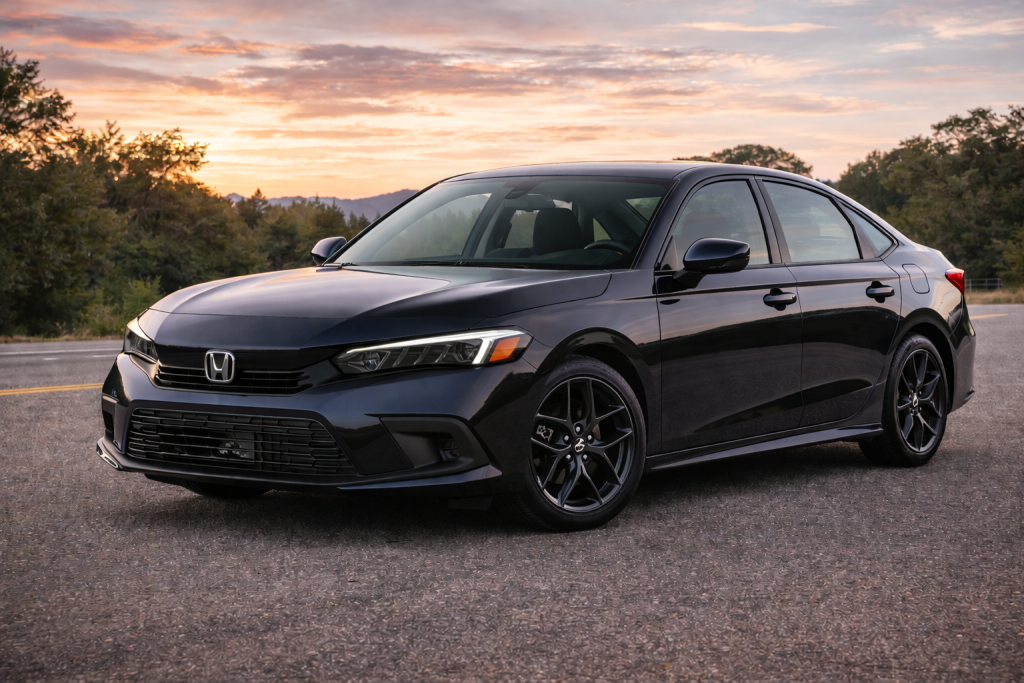
The combination of proven engineering, abundant parts availability, and widespread technician familiarity has made the Honda Civic one of the easiest and most economical vehicles to maintain outside the dealership.
Specifications
- Engine: 2.0-liter naturally aspirated inline-four
- Torque: 133 lb-ft
- Horsepower: 150 hp
- Length/Width: 184.0 inches / 70.9 inches
3. Ford F-150
America’s best-selling pickup has another advantage beyond its towing capability and versatility. The Ford F-150 is one of the most repair-friendly full-size trucks available to independent mechanics.
Because millions of F-Series trucks have been sold in the United States, virtually every repair shop has extensive experience servicing them. This familiarity shortens diagnostic time, simplifies repairs, and helps owners avoid dealership-only service for the majority of maintenance and mechanical work.
The F-150 also benefits from one of the largest aftermarket parts networks in the automotive industry. Components such as suspension parts, steering racks, brake systems, alternators, starters, radiators, wheel bearings, and drivetrain components are produced by numerous reputable suppliers.
Whether the truck is equipped with Ford’s naturally aspirated V8 or the popular EcoBoost V6 engines, replacement parts are widely available throughout the country.
Ford also provides broad support through professional diagnostic software that many independent repair facilities can access using high-quality aftermarket scan tools.
While certain advanced driver assistance features may require calibration after collision repairs, common maintenance and mechanical repairs rarely require exclusive dealership involvement.
Independent shops routinely perform engine repairs, transmission servicing, cooling system work, differential maintenance, and suspension replacements without difficulty.
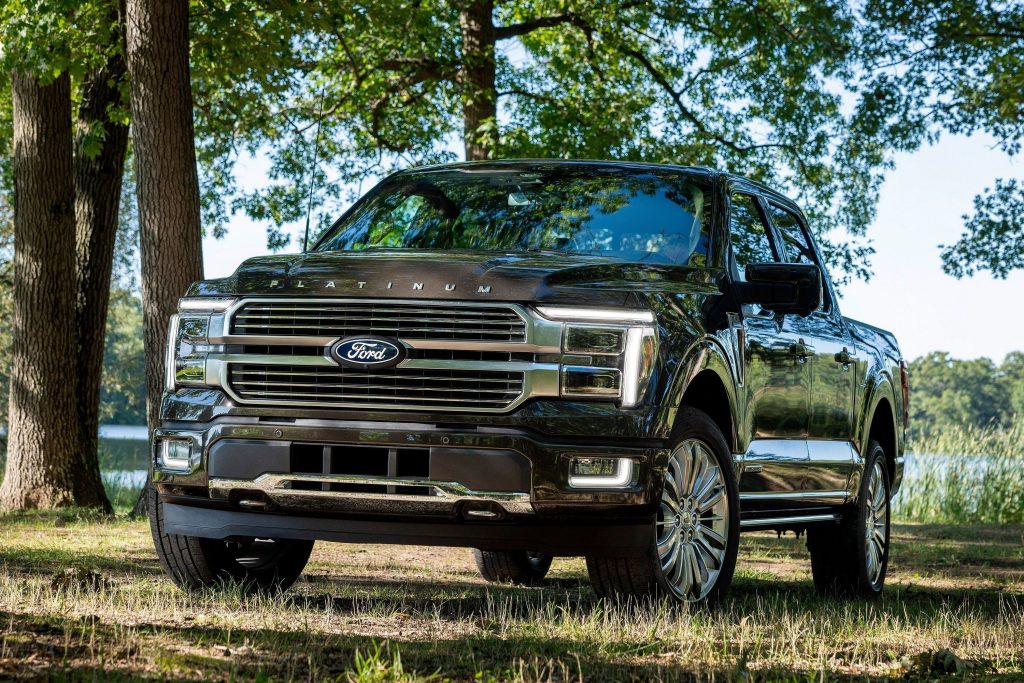
Another factor is the truck’s body-on-frame construction. Many repairs are more straightforward than on complex unibody vehicles, particularly when servicing suspension or drivetrain components.
Combined with decades of technician familiarity and excellent parts availability, the F-150 remains one of the easiest modern trucks to repair outside an authorized Ford dealership.
Specifications
- Engine: 5.0-liter naturally aspirated V8
- Torque: 410 lb-ft
- Horsepower: 400 hp
- Length/Width: 232.7 inches / 79.9 inches
4. Mazda MX-5 Miata
Not every repair-friendly vehicle is built for utility. The Mazda MX-5 Miata has become one of the most respected sports cars among independent repair specialists because of its straightforward engineering, lightweight construction, and mechanically simple design.
Unlike many modern performance cars that rely heavily on proprietary electronics and complex active systems, the Miata focuses on proven mechanical components that are accessible and relatively uncomplicated to service.
Its naturally aspirated four-cylinder engine leaves generous working space within the engine compartment, making routine maintenance more efficient than on many compact performance cars.
Common services such as spark plug replacement, brake work, clutch servicing, suspension repairs, cooling system maintenance, and accessory replacement can often be completed without specialized factory equipment.
Independent mechanics have worked on Miatas for more than three decades, creating a vast knowledge base that continues across multiple generations.
The aftermarket also plays an important role. Because the MX-5 enjoys a passionate enthusiast community, replacement components are readily available from both OEM suppliers and aftermarket manufacturers.
Everything from control arms and wheel hubs to engine sensors and transmission parts can usually be sourced quickly at reasonable prices.
Although newer Miatas include modern safety technologies, they still avoid the extensive software dependence found in many luxury sports cars. Most routine repairs require little or no proprietary programming, allowing independent repair facilities to complete the work using professional aftermarket diagnostic tools.
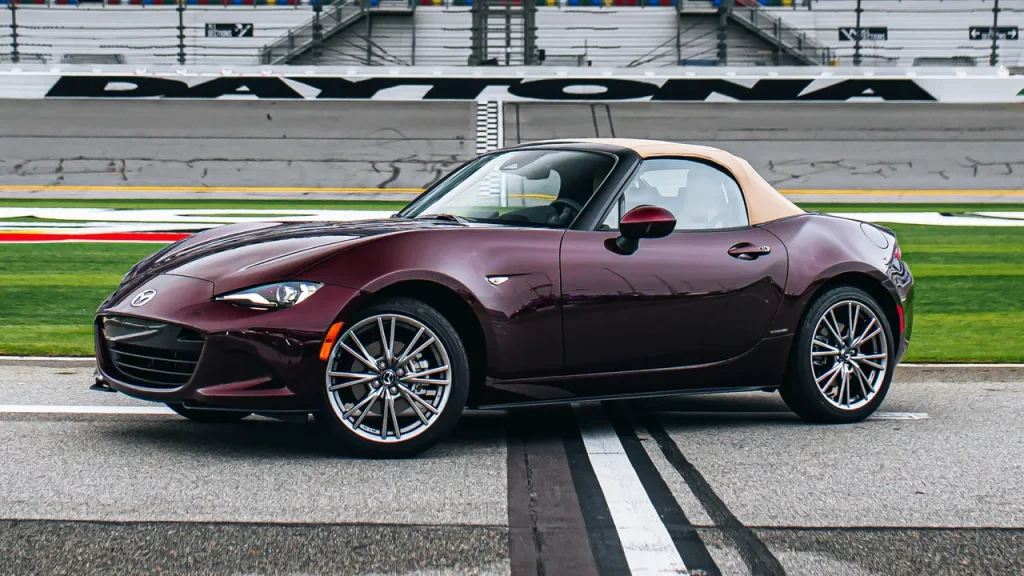
The MX-5 Miata proves that a fun-to-drive sports car can also be exceptionally practical to maintain, making it one of the easiest performance-oriented vehicles to repair outside the dealership.
Specifications
- Engine: 2.0-liter naturally aspirated inline-four
- Torque: 151 lb-ft
- Horsepower: 181 hp
- Length/Width: 154.1 inches / 68.3 inches
5. Chevrolet Silverado 1500
Independent repair shops have serviced Chevrolet full-size pickups for generations, making the Silverado 1500 one of the most familiar vehicles in American repair bays.
Its popularity has resulted in extensive aftermarket support, broad parts availability, and a technician base that understands the truck’s mechanical systems inside and out. For owners, that translates into greater flexibility when choosing a repair facility instead of relying solely on a Chevrolet dealership.
The Silverado’s body-on-frame construction simplifies access to many major components. Suspension repairs, brake service, differential maintenance, exhaust replacement, cooling system work, and steering repairs are generally more straightforward than on many unibody vehicles.
Even major engine work is well documented, and independent mechanics have access to decades of experience with General Motors’ small-block V8 family.
Another advantage is the enormous replacement parts market. Whether the truck needs control arms, wheel bearings, alternators, water pumps, brake components, fuel pumps, or drivetrain parts, numerous OEM-equivalent and aftermarket suppliers produce compatible components.
This competitive supply chain helps keep repair costs lower while reducing delays caused by limited parts availability.
Modern Silverado models do include advanced safety technologies such as adaptive cruise control and lane-keeping assistance, but these systems affect only certain repairs involving sensors or cameras.
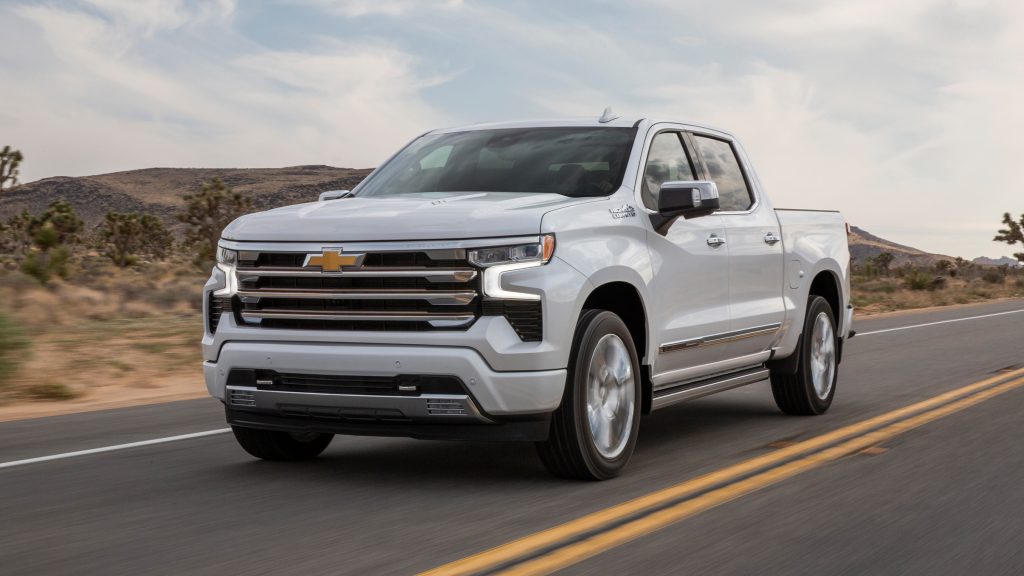
The majority of routine maintenance and mechanical repairs remain well within the capabilities of experienced independent shops equipped with professional diagnostic tools.
For buyers planning to keep a truck for many years, the Silverado’s widespread service knowledge, affordable parts, and straightforward mechanical layout make it one of the easiest full-size pickups to maintain outside the dealership.
Specifications
- Engine: 5.3-liter V8
- Torque: 383 lb-ft
- Horsepower: 355 hp
- Length/Width: 231.9 inches / 81.2 inches
6. Subaru Outback
The Subaru Outback has earned a loyal following for its all-weather capability, but another reason for its long-term popularity is how well independent repair shops understand it.
Subaru has maintained consistent engineering across multiple generations, allowing experienced technicians to diagnose and repair common issues without depending heavily on dealership-only equipment. As a result, many Outback owners rely on local specialists for everything from routine maintenance to significant mechanical repairs.
One reason the Outback remains repair-friendly is the availability of parts. Because it has been one of Subaru’s best-selling models in North America for decades, replacement components are widely stocked by both OEM suppliers and aftermarket manufacturers.
Suspension parts, CV axles, wheel bearings, brake components, cooling system parts, and ignition components are readily available, helping keep repair costs competitive.
The horizontally opposed Boxer engine has a different layout than conventional inline engines, but independent Subaru specialists are extremely familiar with its service requirements.
Jobs such as timing chain maintenance, cooling system repairs, spark plug replacement, suspension servicing, and drivetrain work are well documented throughout the repair industry. Professional aftermarket scan tools also provide broad support for Subaru diagnostics, reducing dependence on factory-exclusive equipment.
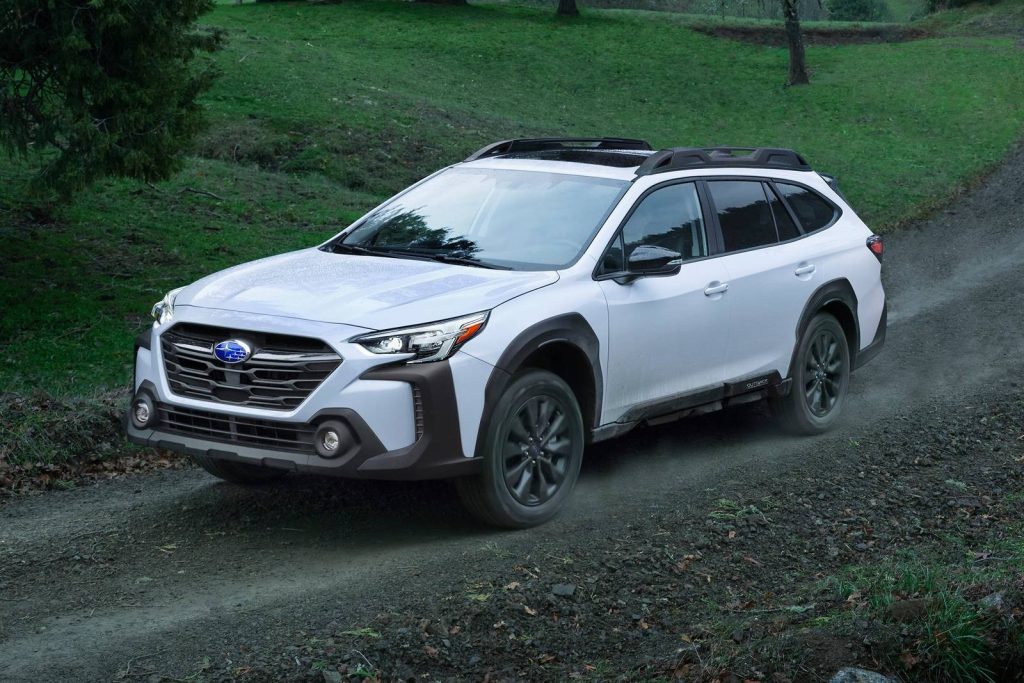
Although recent Outback models include EyeSight driver assistance technology, these systems generally affect only repairs involving cameras, windshields, or collision damage. Routine mechanical servicing rarely requires dealership programming, allowing qualified independent repair facilities to perform the majority of maintenance efficiently.
The combination of dependable engineering, broad parts availability, and decades of technician experience makes the Subaru Outback one of the easiest modern crossovers to repair outside the dealership.
Specifications
- Engine: 2.5-liter naturally aspirated Boxer four-cylinder
- Torque: 176 lb-ft
- Horsepower: 182 hp
- Length/Width: 191.9 inches / 74.6 inches
7. Jeep Wrangler
The Jeep Wrangler occupies a unique place in the American automotive market because it was designed with serviceability and modification in mind.
Unlike many modern SUVs that prioritize tightly packaged components and complex electronic systems, the Wrangler retains a body-on-frame design with solid axles, removable body panels, and excellent access to major mechanical components.
This construction has made it one of the most familiar vehicles for independent repair shops and off-road specialists across the United States.
A major advantage is the enormous aftermarket surrounding the Wrangler. Nearly every commonly replaced component, including suspension parts, steering linkages, axles, brake systems, radiators, alternators, driveshafts, and transfer case components, is available from multiple manufacturers.
Owners often have a choice between OEM replacement parts and heavy-duty aftermarket upgrades, giving independent mechanics considerable flexibility during repairs.
The Wrangler’s design also simplifies many routine maintenance procedures. Oil changes, brake service, suspension repairs, cooling system maintenance, differential servicing, and drivetrain repairs are generally straightforward compared with many crossover SUVs.
While newer JL-generation Wranglers include advanced driver assistance features and electronic convenience systems, the majority of mechanical repairs remain accessible using professional aftermarket diagnostic equipment.

Another benefit is technician familiarity. Because Wranglers have maintained a consistent engineering philosophy for decades, many independent mechanics specialize in Jeep products. Their experience reduces diagnostic time and allows repairs to be completed efficiently without requiring dealership-exclusive tools for most mechanical work.
The Wrangler continues to demonstrate that rugged engineering, extensive aftermarket support, and simple chassis design can make a modern SUV exceptionally practical to repair outside the dealership.
Specifications
- Engine: 3.6-liter Pentastar V6
- Torque: 260 lb-ft
- Horsepower: 285 hp
- Length/Width: 188.4 inches / 73.9 inches
8. Honda Accord
For decades, the Honda Accord has been one of the most trusted midsize sedans in the United States, and that reputation extends well beyond reliability.
Independent repair shops consistently rank the Accord among the easiest modern passenger cars to maintain because of its proven engineering, broad aftermarket support, and straightforward service procedures.
Whether the vehicle needs routine maintenance or a more significant mechanical repair, qualified local mechanics rarely face major obstacles.
The Accord’s popularity has created one of the largest replacement parts markets in North America. Components such as brake assemblies, suspension parts, wheel bearings, ignition coils, cooling system components, alternators, air conditioning compressors, and engine sensors are widely available from numerous OEM and aftermarket suppliers.
This healthy competition helps keep repair costs reasonable while minimizing downtime. From a mechanical standpoint, the Accord is designed with accessibility in mind. Engine service, suspension repairs, brake maintenance, steering work, and cooling system repairs are well documented throughout the repair industry.
Modern Honda diagnostic systems are also supported by many professional aftermarket scan tools, enabling independent technicians to diagnose faults, reset service intervals, and perform common electronic procedures without exclusive dealership equipment.
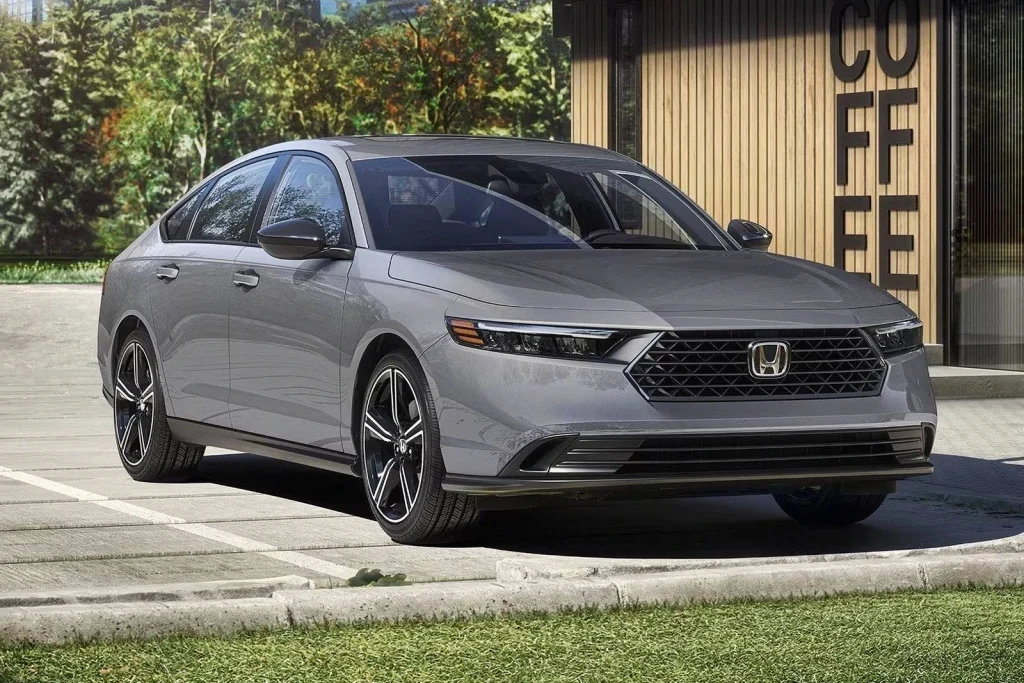
Although higher trim levels include adaptive cruise control, lane-keeping assistance, and other Honda Sensing technologies, these features generally require calibration only after collision repairs or windshield replacement.
Most day-to-day servicing remains unaffected, allowing independent repair facilities to complete the vast majority of repairs confidently.
The Accord’s combination of dependable engineering, affordable parts, and nationwide technician familiarity has made it one of the easiest family sedans to repair outside the dealership.
Specifications
- Engine: 2.0-liter naturally aspirated inline-four (LX)
- Torque: 192 lb-ft
- Horsepower: 150 hp
- Length/Width: 195.7 inches / 73.3 inches
9. Toyota Tacoma
The Toyota Tacoma has built a reputation for durability in demanding conditions, but another reason it remains a favorite among long-term owners is its repair-friendly design.
Independent repair shops throughout the United States regularly service Tacomas because the truck combines proven mechanical components with excellent replacement parts availability.
Unlike many newer vehicles that depend heavily on proprietary software, the Tacoma allows most routine and major mechanical repairs to be completed without dealership-exclusive equipment.
Its body-on-frame construction simplifies access to key drivetrain components. Suspension repairs, brake service, steering work, differential maintenance, transfer case servicing, and cooling system repairs are familiar procedures for technicians who work on trucks.
Toyota’s naturally aspirated V6 and four-cylinder engines have established long service histories, meaning repair procedures are well documented and understood throughout the industry.
Another advantage is the enormous aftermarket that supports the Tacoma. Because it is one of America’s best-selling midsize pickups, virtually every wear item is available from multiple manufacturers.
Owners can source OEM-quality brake components, control arms, wheel bearings, CV axles, radiators, alternators, and engine sensors without difficulty. This broad availability helps independent repair shops complete repairs quickly while offering customers several pricing options.
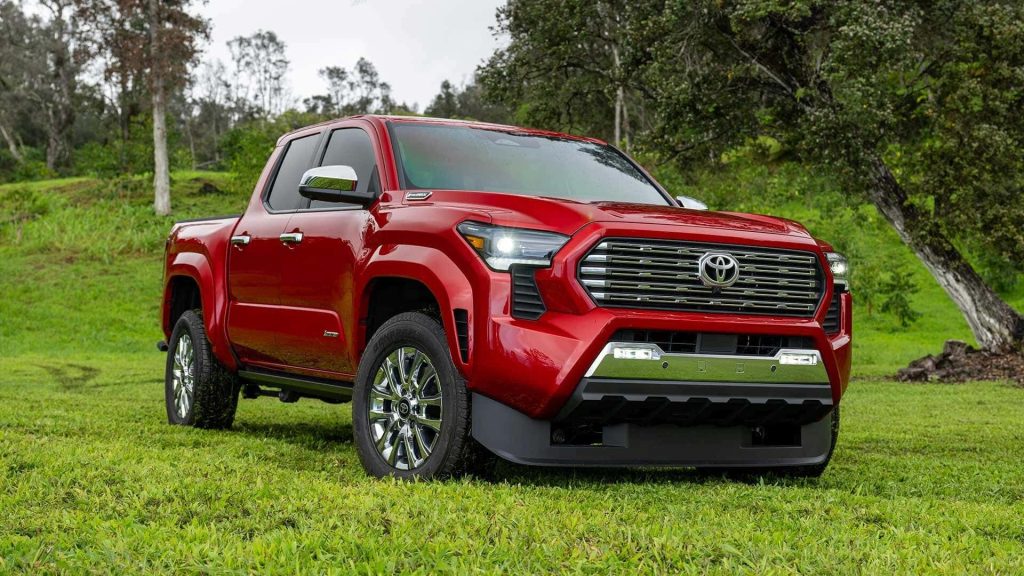
Modern Tacoma models include Toyota Safety Sense technologies, but these systems affect only certain repairs involving cameras or radar sensors. Most mechanical maintenance and drivetrain repairs require little or no factory programming, allowing experienced independent mechanics to perform the work confidently.
For owners planning years of dependable service, the Tacoma remains one of the easiest trucks in America to maintain outside the dealership thanks to its straightforward engineering, proven reliability, and unmatched aftermarket support.
Specifications
- Engine: 3.5-liter naturally aspirated V6
- Torque: 265 lb-ft
- Horsepower: 278 hp
- Length/Width: 212.3 inches / 75.2 inches
10. Mazda CX-5
The Mazda CX-5 demonstrates that a modern crossover can deliver refined driving dynamics without becoming overly complicated to maintain. Since its introduction, the CX-5 has earned praise from independent repair professionals for combining dependable engineering with service procedures that remain accessible outside the dealership.
While it incorporates contemporary safety technology, the majority of routine maintenance and mechanical repairs can be completed using professional aftermarket diagnostic tools and commonly available replacement parts.
Mazda’s Skyactiv-G engines are designed with long-term durability and serviceability in mind. Regular maintenance tasks such as spark plug replacement, brake service, suspension repairs, cooling system maintenance, and accessory replacement are straightforward for experienced technicians.
The naturally aspirated 2.5-liter engine found in most CX-5 models avoids unnecessary mechanical complexity while delivering strong everyday performance.
Parts availability is another significant advantage. As the CX-5 has become Mazda’s best-selling vehicle in the United States, aftermarket manufacturers have expanded their offerings considerably.
Independent repair shops can readily obtain brake components, wheel bearings, suspension parts, steering components, ignition coils, filters, and cooling system parts from multiple suppliers, helping reduce repair costs and minimize downtime.
Although higher trims include adaptive cruise control, lane-keeping assistance, and other i-Activsense features, these technologies typically require calibration only after collision-related repairs or windshield replacement. Routine servicing remains largely unaffected by proprietary software requirements.
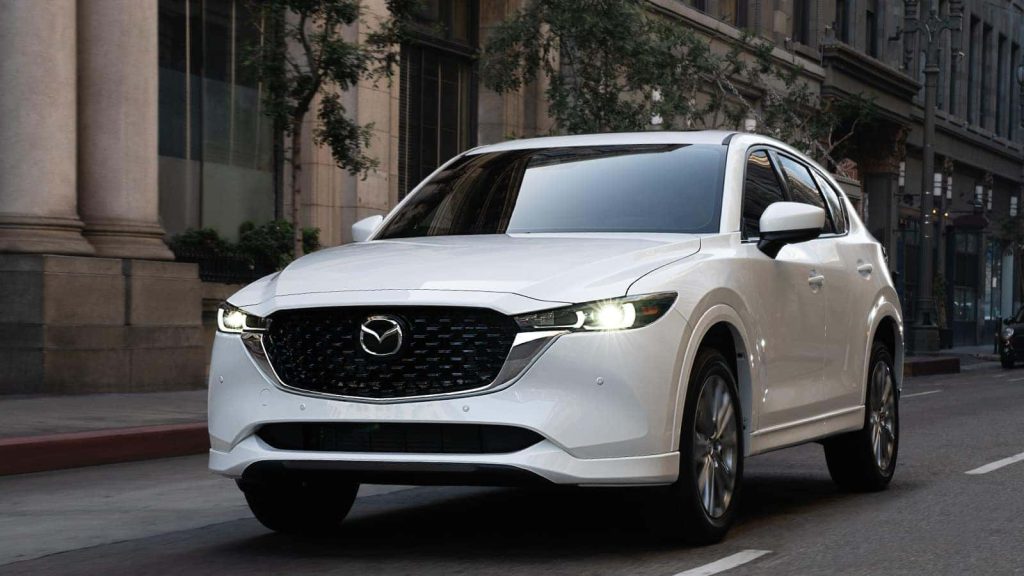
The CX-5 strikes an excellent balance between modern technology and practical serviceability. Combined with reliable mechanical components, broad parts availability, and strong support from independent repair facilities, it stands among the easiest contemporary crossover SUVs to repair outside the dealership.
Specifications
- Engine: 2.5-liter naturally aspirated inline-four
- Torque: 186 lb-ft
- Horsepower: 187 hp
- Length/Width: 180.1 inches / 72.6 inches
Also Read: 10 Slowest Sports Cars Ever Made
