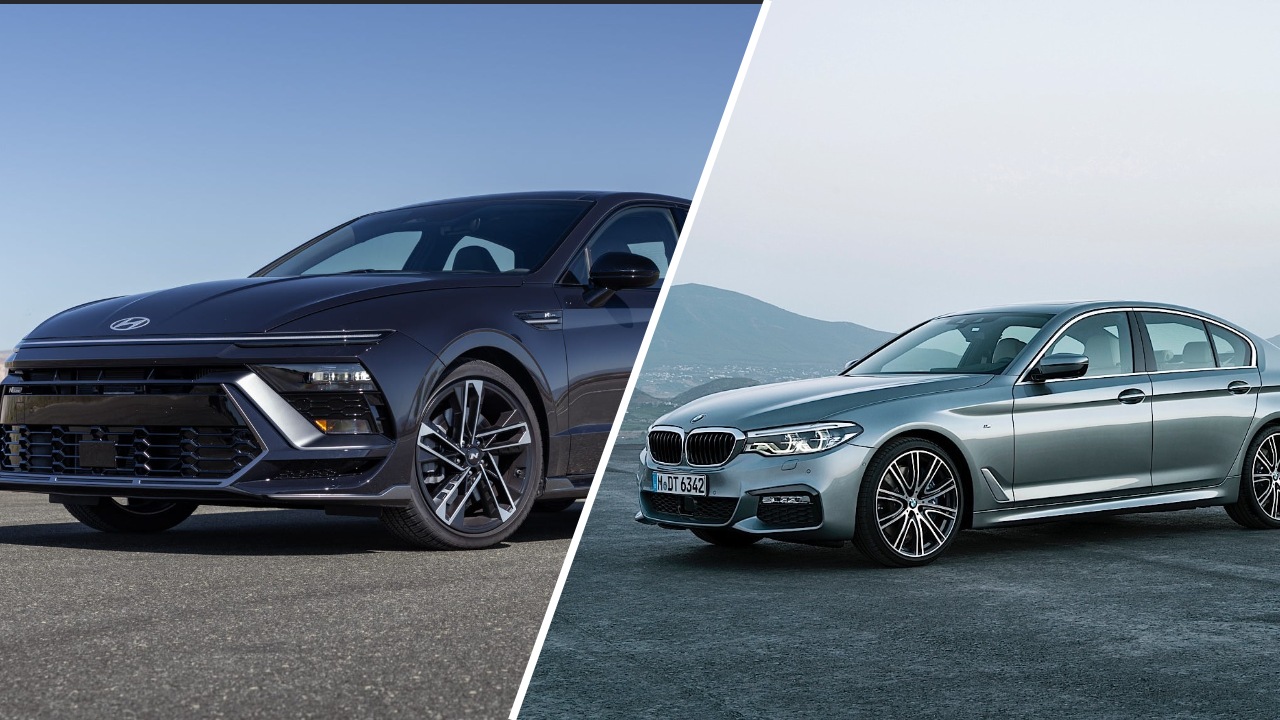
Modern vehicles rely heavily on digital technology, and the infotainment system has become a major part of the driving experience. A dependable touchscreen, quick smartphone connection, clear navigation features, and simple controls can make daily driving more enjoyable.
However, as vehicles add larger displays, wireless connectivity, voice assistants, and advanced software, technology-related problems have become a frequent concern among owners. J.D. Power research has consistently tracked these issues through studies focused on multimedia quality, satisfaction, and long-term dependability.
A reliable infotainment system is not only about having the newest features. Drivers often value systems that respond quickly, connect easily with mobile devices, and continue working without frequent glitches.
Many manufacturers have improved their software platforms by focusing on user-friendly layouts, stable operating systems, and better integration with smartphones. Based on J.D. Power findings and broader ownership feedback, several vehicles stand out for offering technology systems that balance features with dependable performance.
This article highlights ten cars known for strong infotainment reliability, focusing on models that have earned recognition for technology satisfaction, dependable electronics, and practical digital features.
Also Read: 5 Best Toyota RAV4 Years vs 5 to Skip
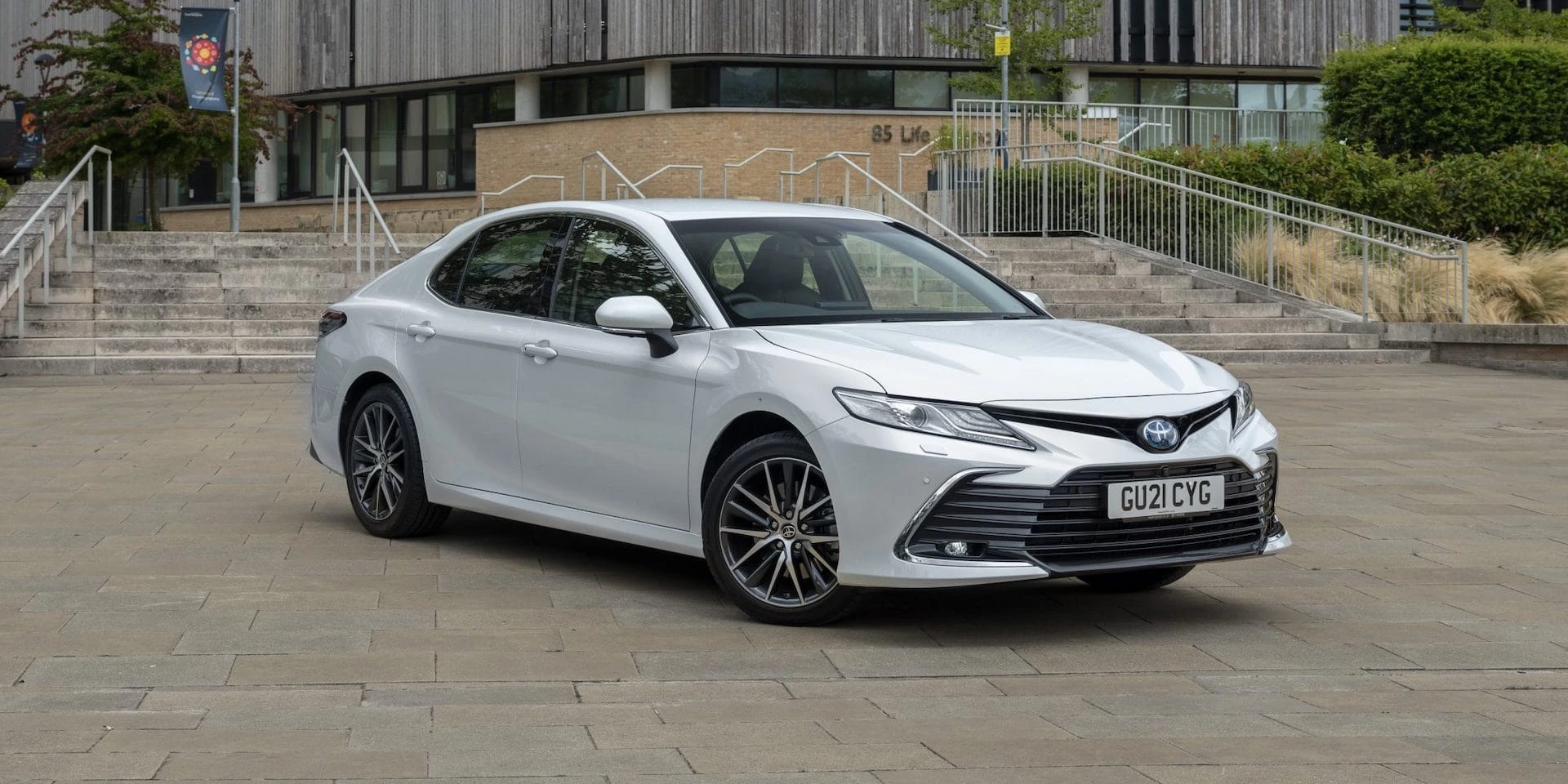
- Engine: 2.5-liter 4-cylinder hybrid engine
- Horsepower: 225 hp (FWD) / 232 hp (AWD)
- Torque: Approx. 163 lb-ft (gas engine torque)
- Length: 193.5 inches
- Width: 72.4 inches
1. Toyota Camry
The Toyota Camry has built a reputation for long-term dependability, and its infotainment system reflects the brand’s focus on simplicity and consistency.
Toyota has traditionally avoided adding unnecessary complexity, choosing systems that prioritize ease of operation. The latest Camry models feature Toyota’s Audio Multimedia platform, which provides a clean interface with smartphone integration, voice commands, and connected services.
The strength of the Camry’s infotainment setup comes from its straightforward design. Many owners appreciate that important functions are easy to locate without requiring multiple menus. Physical controls for commonly used features, combined with a responsive touchscreen, create a balanced experience that reduces frustration during everyday driving.
Toyota’s approach to technology has often focused on improving reliability before adding more advanced features. Instead of constantly changing the interface, the company has refined its systems over several generations. This gradual improvement helps create familiarity for returning customers while reducing learning time for new owners.
Apple CarPlay and Android Auto compatibility have become essential features for many drivers, and Toyota systems generally provide strong smartphone integration.
Since connectivity problems are among the common complaints tracked in J.D. Power research, manufacturers that deliver stable phone pairing and consistent performance gain an advantage.
The Camry remains a strong choice for drivers who want modern technology without unnecessary complications. Its infotainment system supports everyday needs while maintaining the dependable reputation associated with Toyota vehicles.
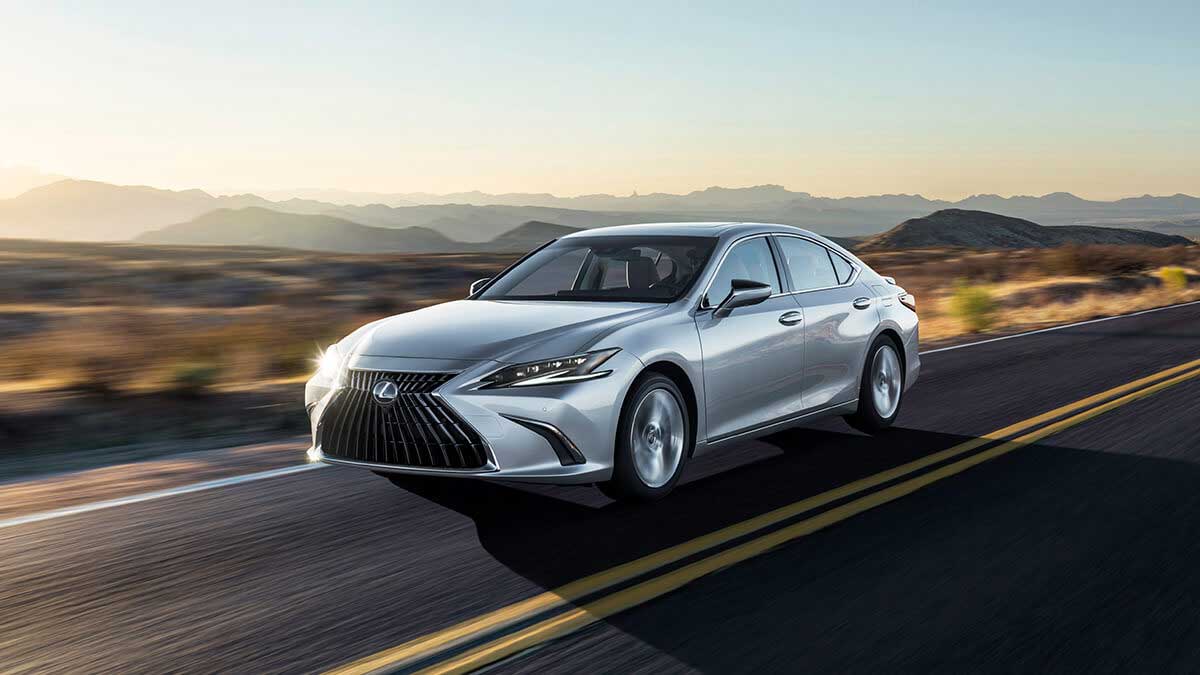
- Engine: 2.5-liter 4-cylinder hybrid engine (ES 300h)
- Horsepower: 215 hp
- Torque: Approx. 163 lb-ft
- Length: 195.9 inches
- Width: 73.4 inches
2. Lexus ES
The Lexus ES combines luxury features with Toyota’s reputation for durability, creating an infotainment experience designed for comfort and reliability.
Lexus has invested heavily in improving its multimedia systems after previous generations received criticism for complicated interfaces. Newer models feature improved touchscreens, better graphics, and enhanced smartphone connectivity.
Luxury vehicles often include more technology than mainstream models, which can create additional opportunities for software problems. Lexus has worked to simplify controls while maintaining premium features such as navigation, connected services, and advanced audio options.
The Lexus ES benefits from a carefully designed cabin layout where technology works alongside traditional controls. Many drivers prefer having both touchscreen functions and physical buttons because they provide easier access while driving.
J.D. Power has consistently ranked Lexus among the strongest brands for vehicle dependability, showing strong owner satisfaction with vehicle quality. A dependable electrical system and careful engineering contribute to the smooth operation of interior technology.
For buyers seeking a premium sedan with reliable digital features, the Lexus ES offers a combination of comfort, quality materials, and a stable infotainment platform. It demonstrates that luxury technology does not need to sacrifice usability.
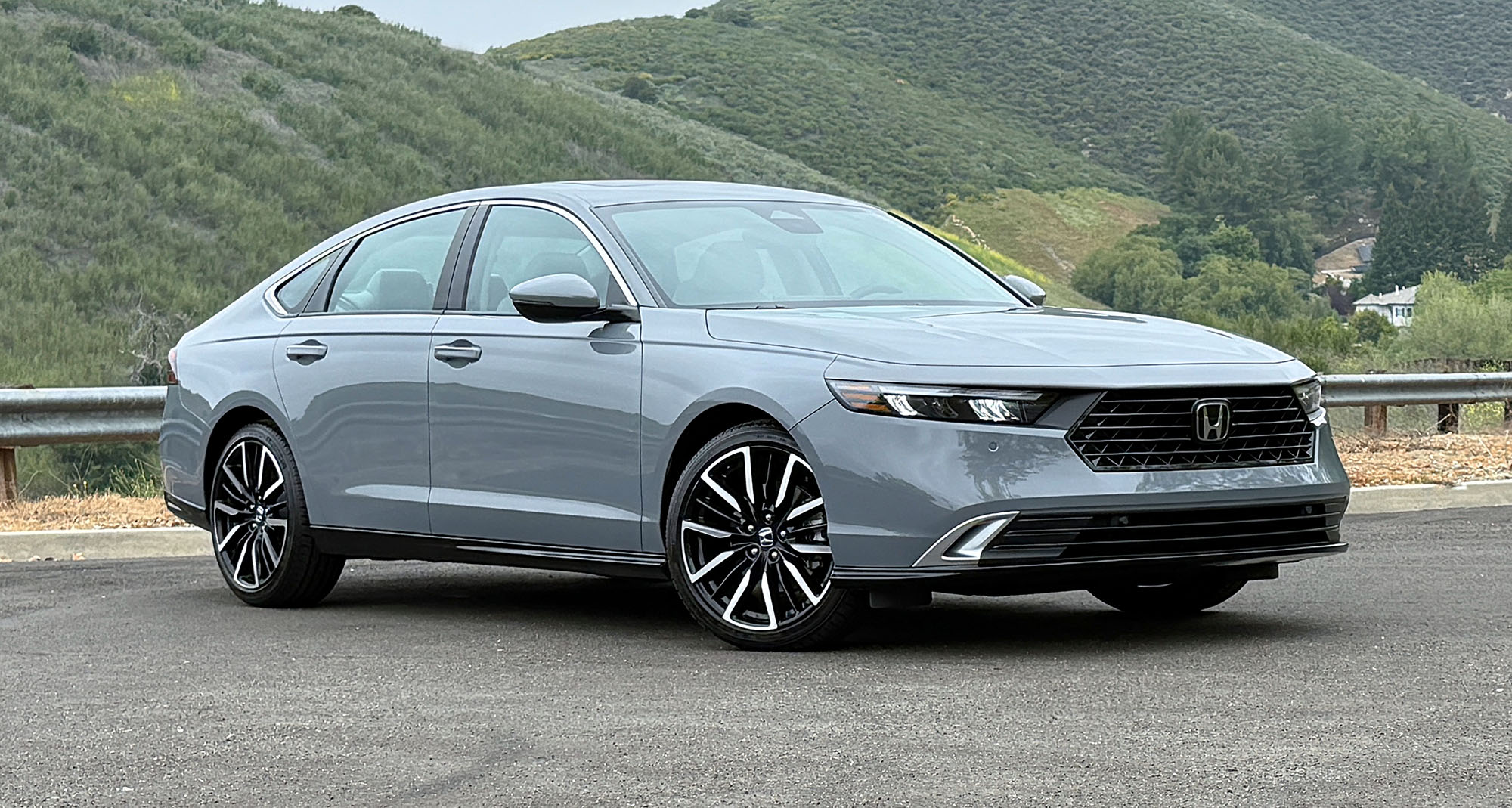
- Engine: 2.0-liter 4-cylinder hybrid engine
- Horsepower: 204 hp
- Torque: 247 lb-ft (electric motor torque)
- Length: 195.7 inches
- Width: 73.3 inches
3. Honda Accord
The Honda Accord has remained a popular midsize sedan because of its practical design, efficient powertrains, and user-friendly technology. Honda’s newer infotainment systems have improved significantly, offering clearer displays, faster responses, and better smartphone integration.
Earlier Honda systems received criticism for complicated menus, but newer versions have introduced cleaner layouts and improved processing speeds. The company has focused on making technology easier for drivers who want useful features without excessive complexity.
The Accord’s infotainment setup supports essential functions such as navigation, music streaming, hands-free communication, and smartphone applications. These features are integrated in a way that keeps frequently used controls accessible.
Reliability is especially important in vehicles expected to serve families, commuters, and long-distance drivers. A stable infotainment system reduces distractions and prevents small technology issues from becoming daily annoyances.
The Accord continues to represent Honda’s focus on practical engineering. Its infotainment improvements show how automakers can update technology while maintaining the dependable ownership experience that customers expect.
- Engine:
- 2.5-liter 4-cylinder engine
- Available 2.4-liter turbocharged 4-cylinder engine
- Horsepower:
- 182 hp (2.5L)
- 260 hp (2.4L turbo)
- Torque:
- 176 lb-ft (2.5L)
- 277 lb-ft (2.4L turbo)
- Length: 191.9 inches
- Width: 73.0 inches
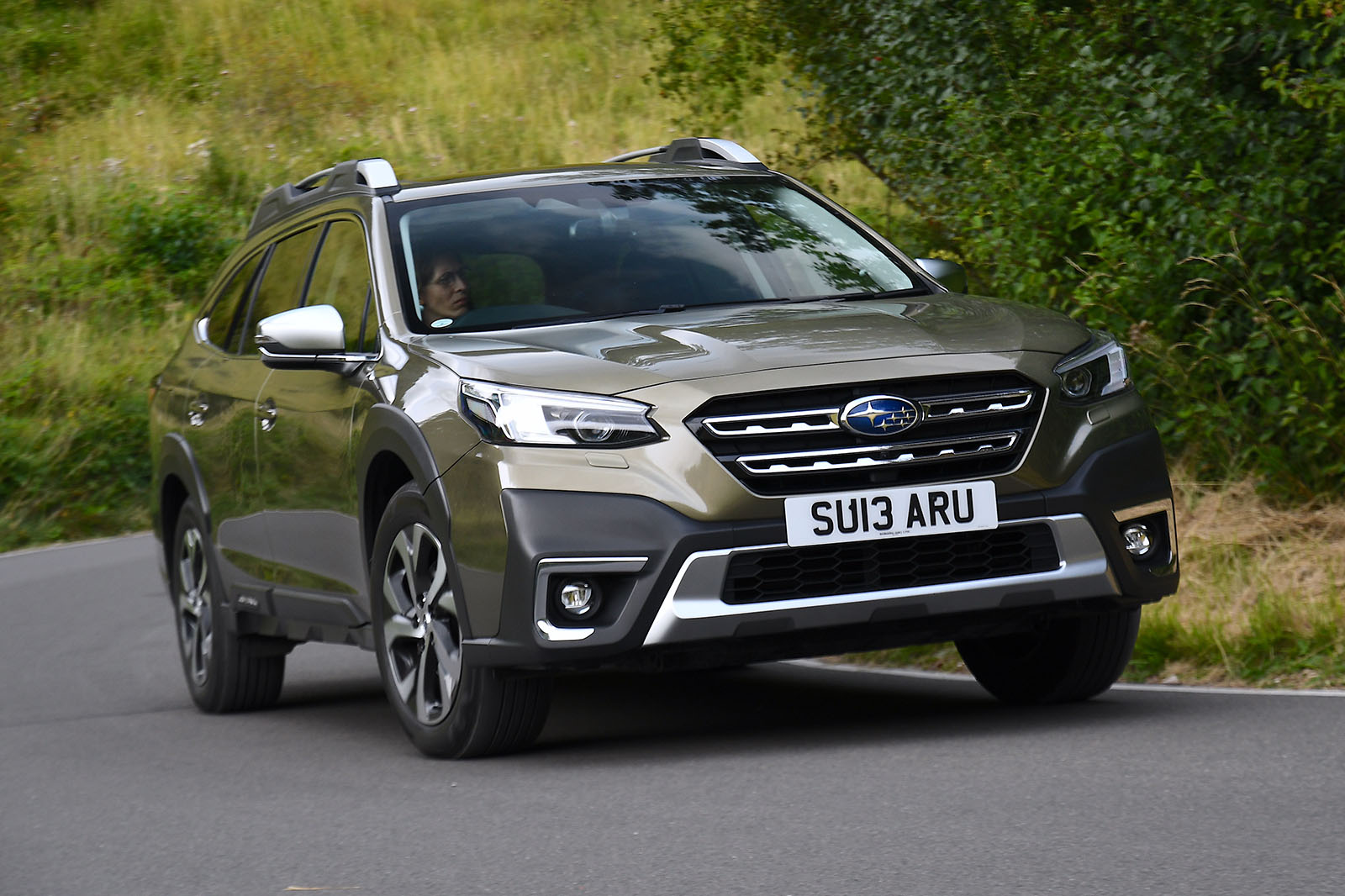
4. Subaru Outback
The Subaru Outback has developed a strong following among drivers who need a practical vehicle with modern technology and dependable performance. Subaru’s infotainment systems have improved over recent years, with newer models featuring larger displays, wireless smartphone connectivity, and better software response.
The company has focused on making technology useful for drivers who spend time commuting, traveling, and exploring different road conditions.
The Outback’s infotainment system is designed around everyday convenience. The vertical touchscreen layout available in recent models provides access to climate controls, navigation, audio settings, and vehicle information in a single location.
While large screens can sometimes create usability concerns, Subaru has continued refining its interface to make important functions easier to access.
Connectivity remains a major factor in owner satisfaction, and Subaru has worked to improve smartphone pairing and app compatibility. Features such as Apple CarPlay and Android Auto allow drivers to rely on familiar phone-based systems instead of depending only on built-in software.
The Outback also benefits from Subaru’s focus on long-term ownership. Many buyers keep these vehicles for years, meaning dependable electronics are just as important as mechanical reliability.
A stable infotainment system helps maintain the vehicle’s value and reduces concerns about expensive technology repairs as the vehicle ages.
For drivers looking for a practical crossover with reliable digital features, the Subaru Outback remains a strong option. Its technology package provides useful features while maintaining a straightforward approach that appeals to owners who prioritize function and durability.
- Engine: 2.5-liter 4-cylinder engine
- Horsepower: 191 hp
- Torque: 181 lb-ft
- Length: 192.9 inches
- Width: 73.2 inches
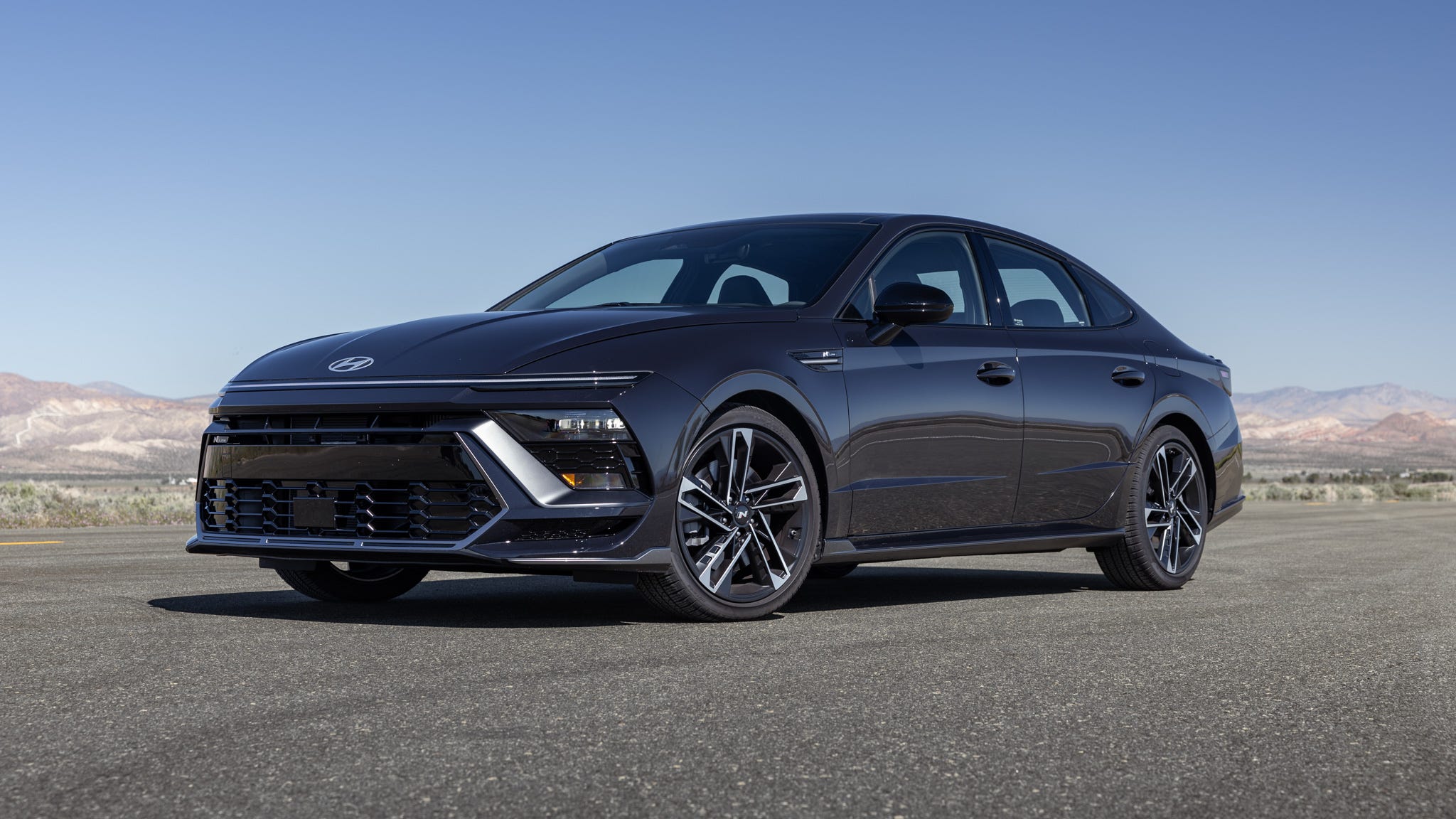
5. Hyundai Sonata
The Hyundai Sonata has become known for offering advanced technology at a competitive price. Hyundai has invested significantly in improving its infotainment systems, creating interfaces that combine attractive designs with responsive performance.
The Sonata’s technology features often compete with more expensive vehicles by offering large displays, wireless connectivity, and convenient digital services.
A major advantage of Hyundai’s infotainment system is its clear organization. Drivers can quickly access audio, navigation, vehicle settings, and smartphone functions without navigating through confusing menus. This focus on usability contributes to higher satisfaction among owners.
Hyundai has also placed strong attention on software improvements. Modern vehicles depend heavily on electronic systems, and regular updates help manufacturers fix issues, improve compatibility, and introduce new features. A reliable update process can extend the usefulness of a vehicle’s technology over time.
The Sonata offers features that many drivers now consider essential, including voice recognition, smartphone integration, and connected vehicle services. These tools allow drivers to stay connected while keeping their attention focused on the road.
J.D. Power studies have shown that technology performance plays an important role in vehicle satisfaction, especially as consumers expect more from their vehicles’ digital systems.
Hyundai’s continued investment in infotainment development has helped the Sonata become a competitive choice for buyers who want modern features with dependable operation.
Also Read: 10 Cheapest Everyday Cars to Insure in 2026
- Engine: 2.5-liter turbocharged 4-cylinder engine (GT trim) / 2.5-liter 4-cylinder engine
- Horsepower:
- 191 hp (standard engine)
- 290 hp (GT trim)
- Torque:
- 181 lb-ft (standard engine)
- 311 lb-ft (GT trim)
- Length: 193.1 inches
- Width: 73.2 inches
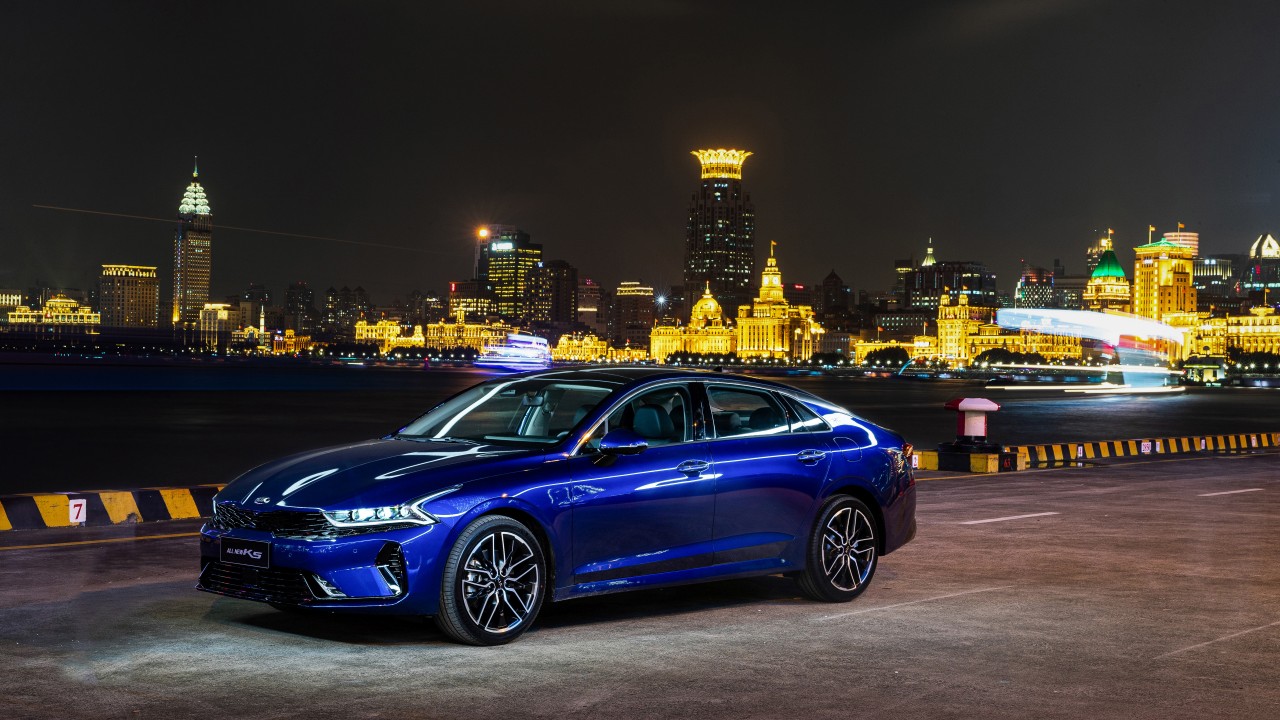
6. Kia K5
The Kia K5 delivers a technology-focused driving experience with an infotainment system designed for convenience and reliability. Kia has gained attention for creating vehicles that include impressive features without making technology difficult to use. The K5 reflects this approach with a clean interface, responsive controls, and strong smartphone integration.
The infotainment system in the K5 provides access to entertainment, navigation, vehicle settings, and connected services through a modern touchscreen display. The layout is designed to keep frequently used features within easy reach, reducing distractions while driving.
Kia has benefited from sharing technology development resources with Hyundai, allowing both brands to introduce refined digital systems across their vehicle lineups. This approach helps improve software quality and create consistent experiences for customers.
Drivers often appreciate infotainment systems that work immediately after starting the vehicle. Slow loading times, connection failures, and unresponsive screens can negatively affect ownership satisfaction. Kia’s newer systems have focused on reducing these problems through improved hardware and software integration.
The K5 is a good example of how midsize sedans continue to evolve. It combines stylish design, practical features, and reliable technology, making it appealing to drivers who want a vehicle with strong digital capabilities without moving into a luxury price category.
- Engine: 3.0-liter twin-turbocharged flat-six engine
- Horsepower:
- 379 hp (Carrera)
- Up to 518 hp (Carrera GTS)
- Torque:
- 331 lb-ft (Carrera)
- Up to 465 lb-ft (GTS)
- Length: 178.6 inches
- Width: 72.9 inches
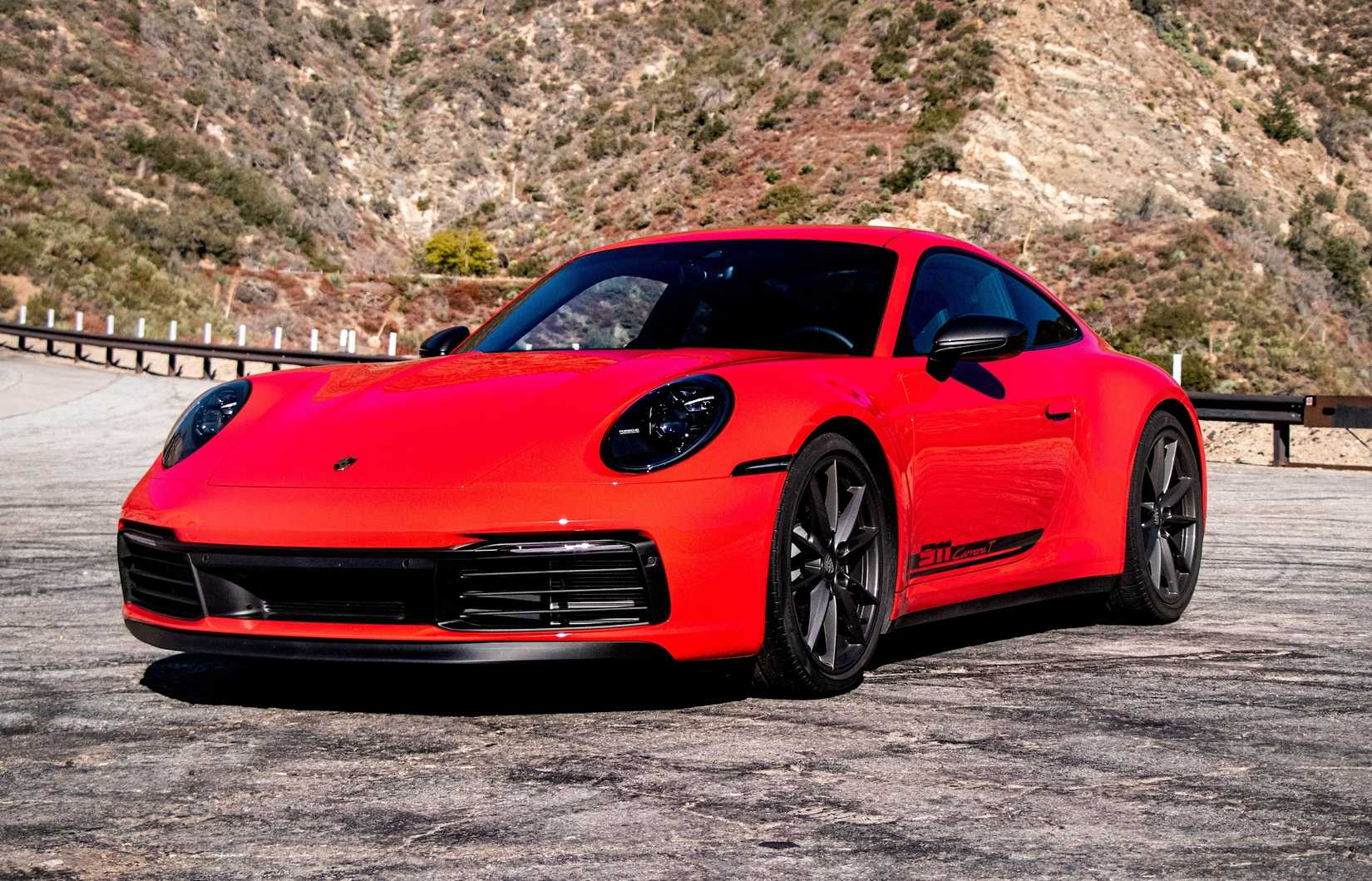
7. Porsche 911
The Porsche 911 represents a different approach to infotainment reliability by combining high-performance engineering with advanced interior technology. Sports car buyers often prioritize driving experience, but modern Porsche models also provide sophisticated digital systems designed for everyday usability.
Porsche’s Communication Management system offers navigation, smartphone integration, media controls, and vehicle information. The system has been refined over multiple generations, allowing Porsche to improve performance and reliability while maintaining a premium user experience.
Performance vehicles can face unique technology challenges because manufacturers must balance advanced features with driver-focused design. Porsche has generally avoided overwhelming drivers with unnecessary menus, keeping the interface organized and focused.
The 911’s infotainment system benefits from high-quality hardware and careful engineering. Premium materials and precise manufacturing standards extend beyond the mechanical components and apply to the vehicle’s electronics as well.
For owners who want a sports car that remains practical for daily use, reliable technology matters. The Porsche 911 demonstrates that performance-focused vehicles can also provide stable and user-friendly digital features.
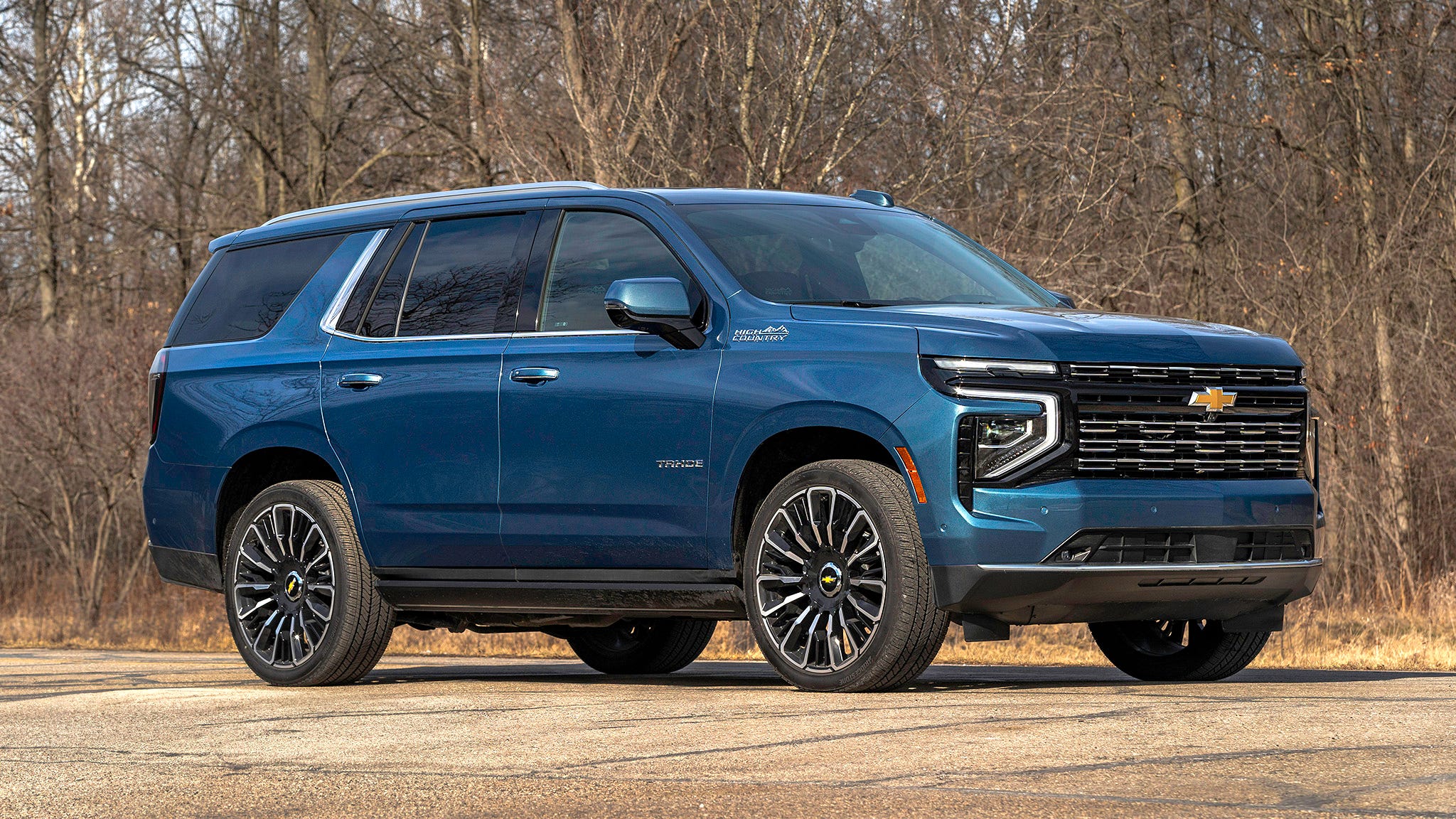
- Engine:
- 5.3-liter V8 gasoline engine
- 6.2-liter V8 gasoline engine
- 3.0-liter Duramax turbo-diesel inline-6
- Horsepower:
- 355 hp (5.3L V8)
- 420 hp (6.2L V8)
- 305 hp (3.0L diesel)
- Torque:
- 383 lb-ft (5.3L V8)
- 460 lb-ft (6.2L V8)
- 495 lb-ft (3.0L diesel)
- Length: 211.3 inches
- Width: 81.1 inches
8. Chevrolet Tahoe
The Chevrolet Tahoe has become a popular choice among families and drivers who need a large SUV with advanced technology. Chevrolet’s infotainment systems have improved significantly, offering faster processing, clearer graphics, and better connectivity compared with previous generations.
Large SUVs often serve as family transportation, meaning their technology systems need to support multiple users. The Tahoe’s infotainment setup provides entertainment options, smartphone integration, navigation features, and controls that are easy for different drivers to understand.
The latest Tahoe models feature large displays and connected services designed for modern driving needs. Chevrolet has worked to make its interface more intuitive, reducing the learning curve for owners switching from other brands.
Reliability is especially important in larger vehicles because they are frequently used for long trips, school transportation, and family activities. A dependable infotainment system helps ensure passengers can access entertainment and navigation features without interruptions.
The Tahoe shows how full-size SUVs have transformed from simple utility vehicles into technology-rich transportation options. Its infotainment system provides a balance between advanced features and practical operation.
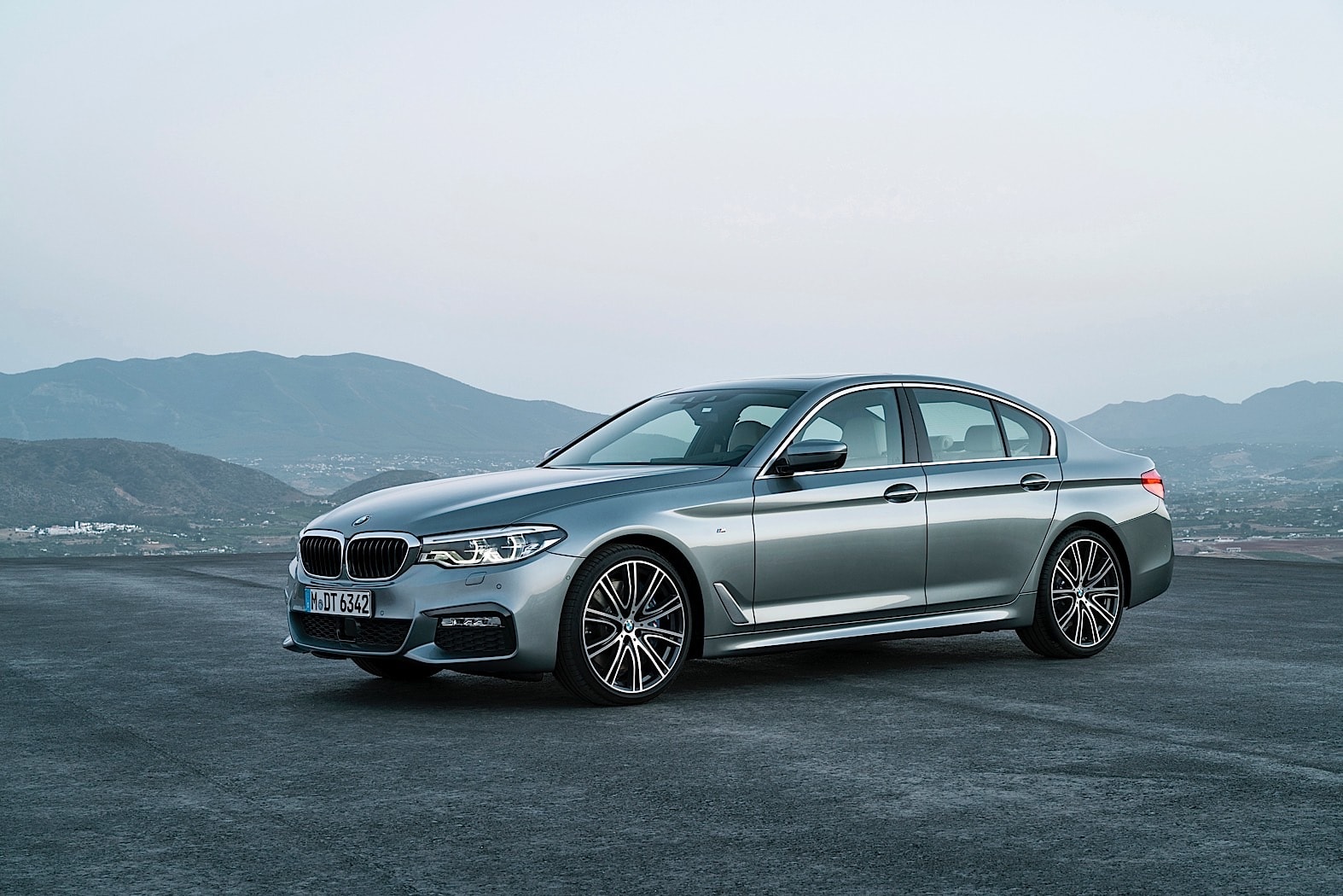
- Engine:
- 2.0-liter turbocharged 4-cylinder mild hybrid (530i)
- 3.0-liter turbocharged inline-6 mild hybrid (540i)
- Horsepower:
- 255 hp (530i)
- 375 hp (540i)
- Torque:
- 295 lb-ft (530i)
- 398 lb-ft (540i)
- Length: 199.2 inches
- Width: 74.8 inches
9. BMW 5 Series
The BMW 5 Series offers a premium infotainment experience through the company’s iDrive system. BMW has spent years developing its interface, creating a platform that provides extensive features while maintaining strong usability.
The latest versions of iDrive include touchscreen controls, voice commands, smartphone integration, and connected vehicle services. BMW’s approach gives drivers multiple ways to interact with the system, allowing them to choose the method that feels most comfortable.
Luxury vehicles often introduce complex technology, but BMW has improved its interface through continuous development. The company has focused on making menus easier to understand while adding more digital features.
The 5 Series also benefits from strong hardware quality. Premium electronics, high-resolution displays, and careful software integration contribute to a smoother ownership experience.
For drivers seeking a luxury sedan with advanced technology, the BMW 5 Series offers a sophisticated infotainment system backed by years of development. It demonstrates how premium brands can combine innovation with dependable operation.
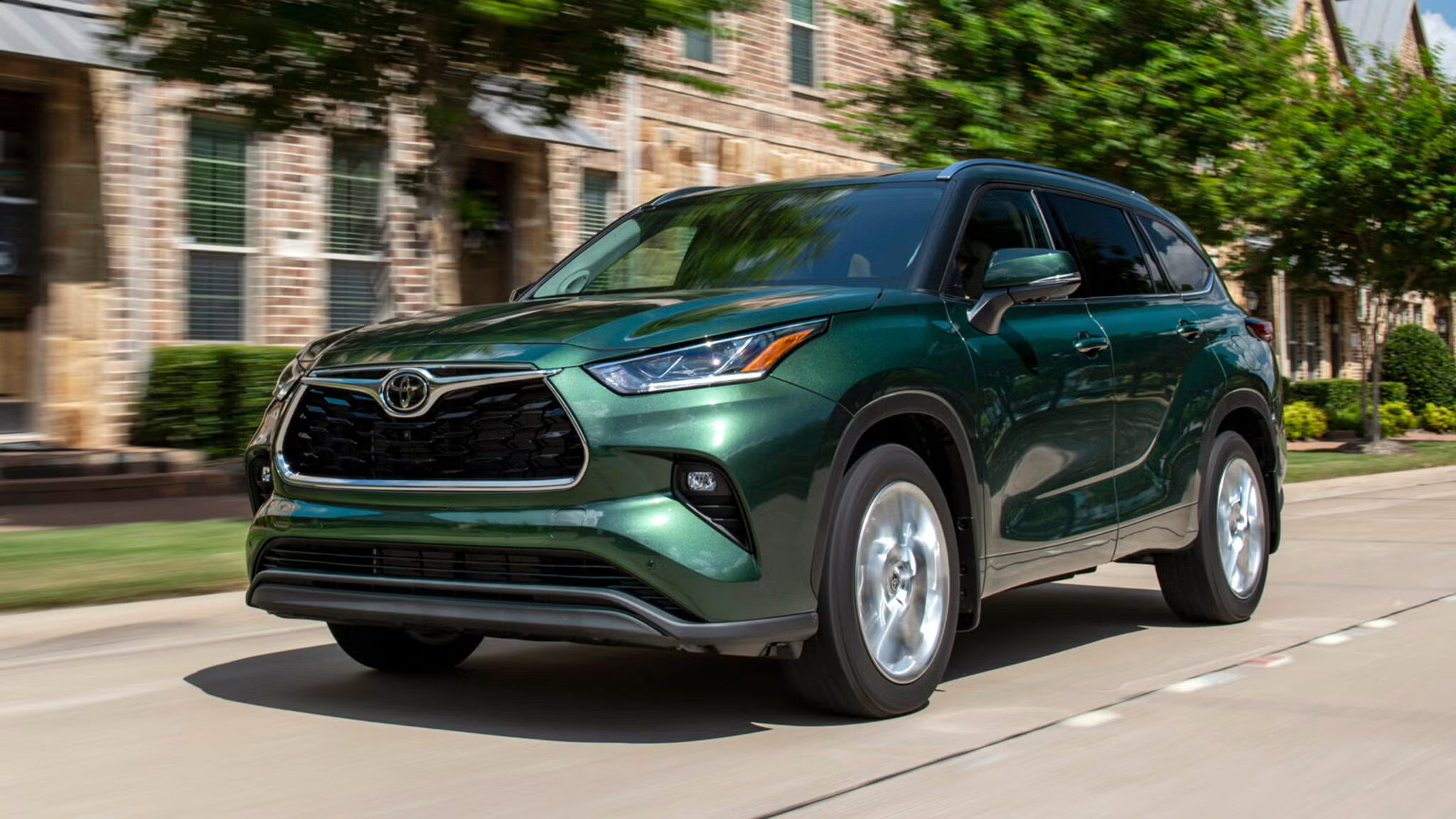
- Engine:
- 2.4-liter turbocharged 4-cylinder engine
- 2.5-liter hybrid engine
- Horsepower:
- 265 hp (turbocharged engine)
- 243 hp (hybrid system)
- Torque:
- 310 lb-ft (turbocharged engine)
- Approx. 263 lb-ft (hybrid system)
- Length: 194.9 inches
- Width: 76.0 inches
10. Toyota Highlander
The Toyota Highlander completes this list by offering a family-friendly SUV experience with reliable technology features. Toyota has designed the Highlander’s infotainment system around practicality, making it suitable for drivers who need convenience, connectivity, and simple operation.
The Highlander provides features such as smartphone integration, navigation options, connected services, and entertainment controls. Its interface is designed to support families who may have multiple drivers with different preferences.
Toyota’s focus on reliability extends to its electronic systems. The company’s conservative approach to technology development often means features are introduced after careful testing, helping reduce potential software problems.
SUV owners frequently depend on infotainment systems during road trips and daily transportation. Consistent performance, clear controls, and dependable connectivity make a significant difference in long-term satisfaction.
The Highlander represents Toyota’s broader philosophy of combining useful technology with proven reliability. It delivers the digital features modern drivers expect while maintaining the dependable ownership experience associated with the brand.