
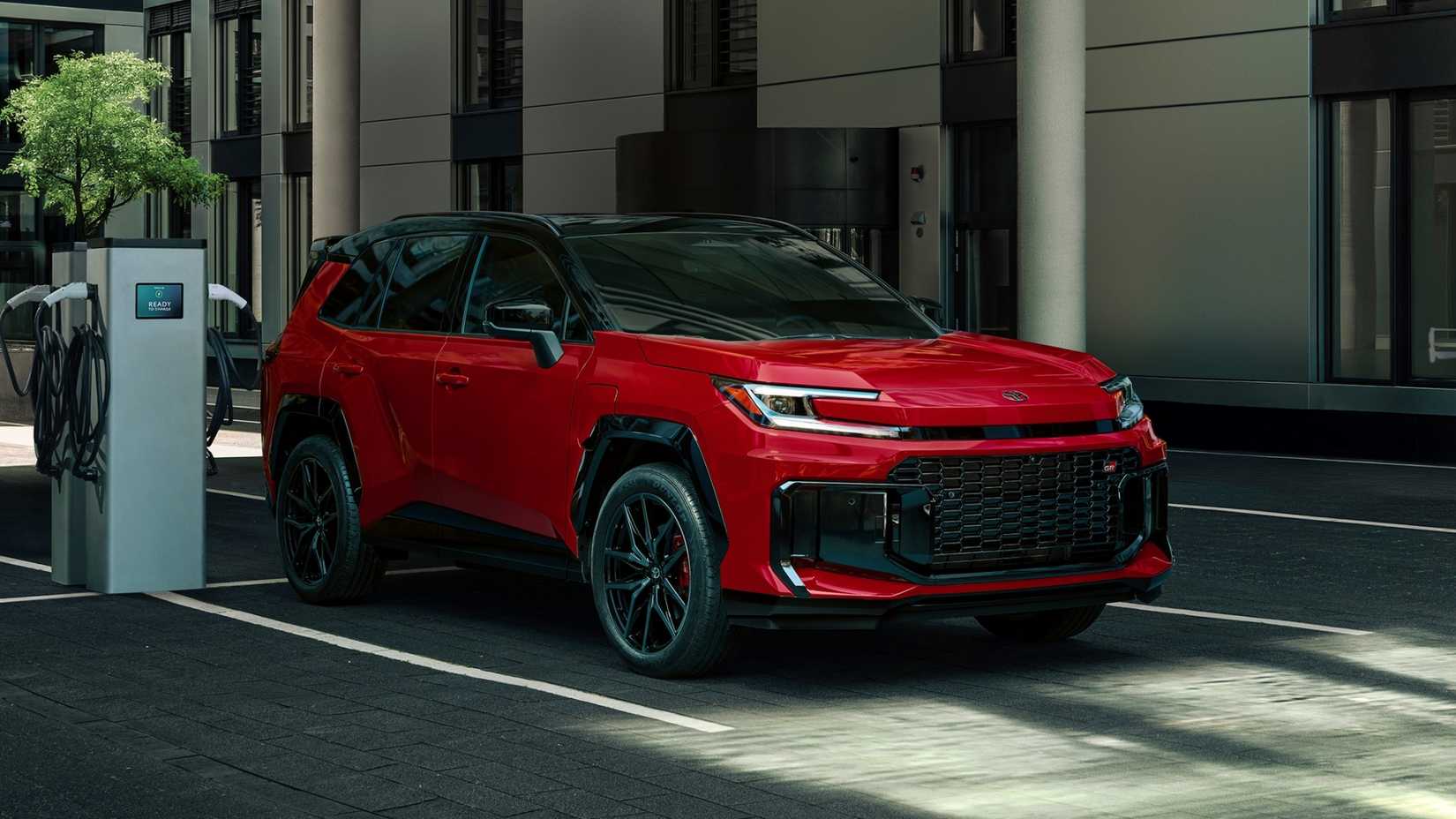
The Toyota RAV4 has become one of the defining vehicles of the compact SUV segment. What started as a relatively small and unconventional crossover has developed into a mainstream family vehicle that consistently attracts American buyers seeking reliability, fuel efficiency, cargo space, and manageable ownership costs.
Across multiple generations, Toyota has changed nearly every aspect of the RAV4, introducing larger cabins, more powerful engines, hybrid technology, advanced driver assistance systems, and improved all-wheel-drive capability. Yet the RAV4’s strong reputation should not lead used-car shoppers to assume that every model year is equally dependable.
Production year matters because engineering changes can introduce new problems just as easily as they can correct old ones. Certain RAV4 years have demonstrated impressive long-term durability, with engines and transmissions capable of handling substantial mileage when routine maintenance is performed.
Other years have generated more concern because of excessive oil consumption, transmission behavior, electrical complaints, water intrusion, or safety recalls. In some cases, the difference between a strong RAV4 and a questionable one may come down to only a few production years.
The best RAV4 years are particularly appealing because they combine proven mechanical components with the refinements Toyota introduced later in each generation.
These SUVs tend to offer predictable performance, practical cabins, good resale value, and fewer recurring mechanical complaints. For a buyer planning to keep a vehicle for many years, those characteristics can be more important than having the newest infotainment screen or exterior styling.
The RAV4 years to skip require a different approach. Not every example from these years is destined for expensive repairs, and proper maintenance can make a tremendous difference.
Still, documented problem patterns and recall histories give buyers valid reasons to inspect these vehicles more carefully. A low purchase price can quickly lose its appeal if engine or transmission repairs follow.
This comparison focuses on five of the strongest Toyota RAV4 years and five years that deserve greater caution. The goal is to separate reputation from real ownership considerations and identify the versions that make the most sense in the used market.
For buyers seeking a dependable commuter, family crossover, or long-term SUV, choosing the correct RAV4 model year can significantly affect both maintenance costs and satisfaction.
Also Read: 5 Car Colors That Hold Value vs 5 That Tank at Resale
5 Best Toyota RAV4 Years
1. 2022 Toyota RAV4
The 2022 Toyota RAV4 arrived several years into the fifth generation, giving Toyota time to refine a platform that had first appeared for the 2019 model year.
That timing is one reason this version deserves a place among the better RAV4 years. Buyers receive the modern design and improved efficiency of the current-generation architecture without selecting the introductory year of the redesign.
Its gasoline powertrain is built around Toyota’s 2.5-liter Dynamic Force four-cylinder engine. Producing 203 horsepower and 184 lb-ft of torque in the standard gasoline RAV4, it works with an eight-speed automatic transmission. The combination provides enough performance for highway merging while avoiding the added mechanical complexity of a turbocharger.
What makes the 2022 model especially attractive is its flexibility. Gasoline and hybrid configurations allow buyers to select a RAV4 that fits their driving habits.
The cabin offers useful cargo capacity, straightforward controls, and the upgraded seating position that compact SUV shoppers expect. Toyota Safety Sense technology also gives the vehicle a modern set of driver assistance features.
The 2022 RAV4 is not completely free from recalls or individual owner complaints, so a VIN-specific recall check remains necessary. Still, its position within the fifth-generation production cycle makes it more appealing than jumping immediately to the first year of the redesign.
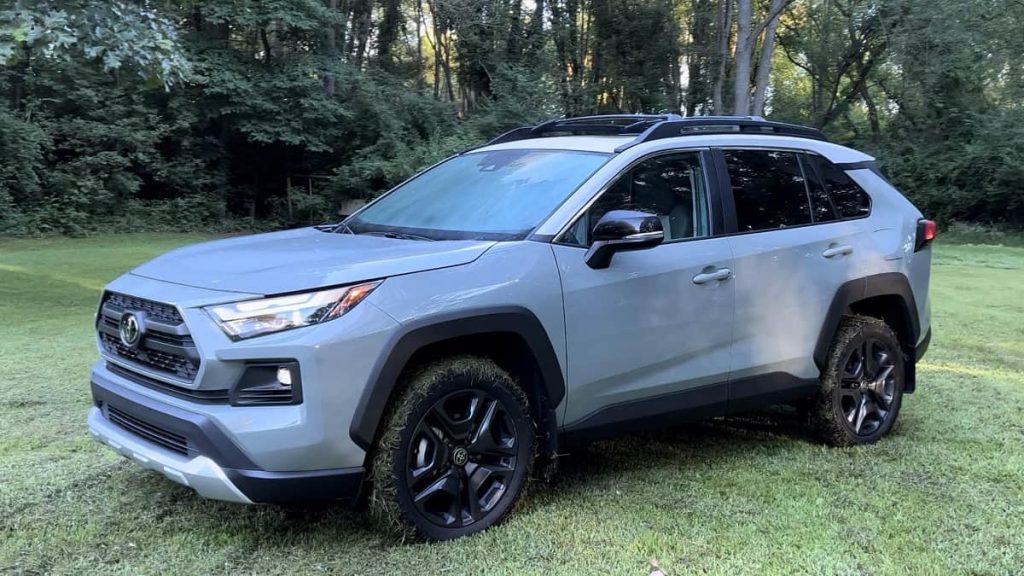
For buyers seeking a relatively recent used RAV4, this year provides a sensible combination of efficiency, strong naturally aspirated engine output, modern safety equipment, and established fifth-generation engineering.
It is particularly suitable for shoppers who want a newer SUV but still place mechanical simplicity and long-term ownership value high on their priority list.
Specifications
- Engine: 2.5-liter Dynamic Force Naturally Aspirated Inline-4
- Torque: 184 lb-ft
- Horsepower: 203 hp
- Length/Width: 180.9 in / 73.0 in
2. 2018 Toyota RAV4
There is a strong argument for choosing the final year of an established vehicle generation, and the 2018 Toyota RAV4 demonstrates why. By this point, the fourth-generation RAV4 had been in production for several years.
Toyota was no longer introducing an unfamiliar platform, and the basic gasoline powertrain had already accumulated extensive real-world mileage. Under the hood sits a 2.5-liter four-cylinder producing 176 horsepower and 172 lb-ft of torque, paired with a six-speed automatic transmission.
These numbers may appear modest beside newer turbocharged crossovers, but the RAV4’s appeal here is not based on aggressive acceleration. Its straightforward naturally aspirated engine and conventional automatic transmission create a familiar mechanical package for long-term owners.
Practicality is another reason the 2018 model remains attractive. The cabin provides useful passenger room, a large cargo area, and controls that are easier to operate than many screen-dominated newer interiors. Toyota Safety Sense P was standard, bringing important active safety technology to the RAV4 before the fourth generation ended.
There is one significant recall consideration buyers cannot ignore. Certain 2013 through 2018 RAV4s were included in a large U.S. recall concerning replacement 12-volt batteries with smaller top dimensions.
If improperly secured, battery movement could allow the positive terminal to contact the hold-down clamp and create a short-circuit risk. A buyer should verify recall completion rather than assuming the vehicle has already been repaired.
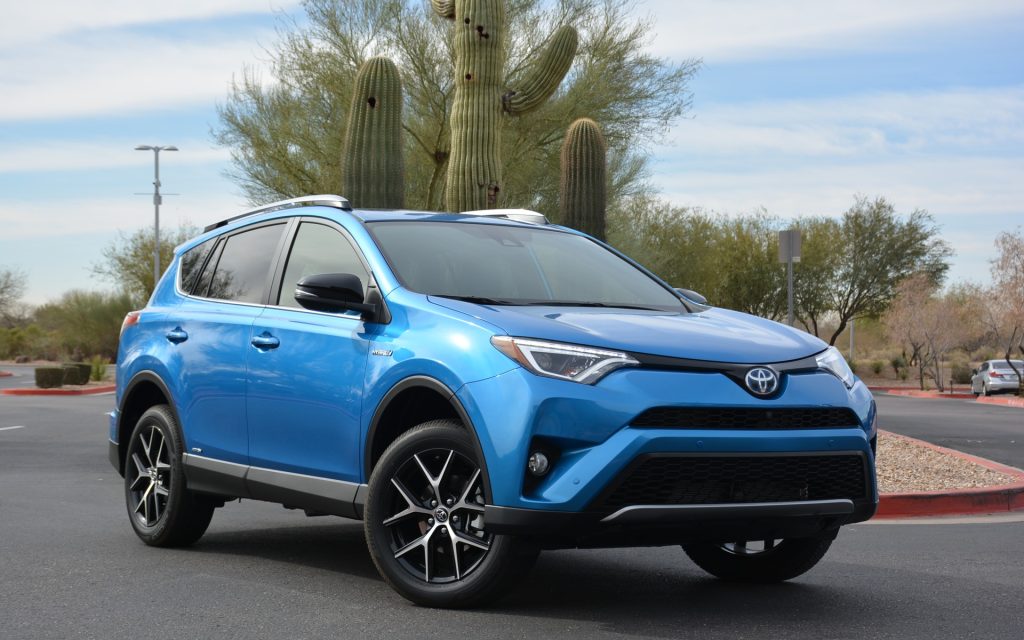
With that check completed, the 2018 RAV4 remains compelling because it combines late-generation maturity with a simple gasoline drivetrain. It suits buyers who value predictable operation, practical space, and proven components more than cutting-edge cabin technology.
Specifications
- Engine: 2.5-liter Naturally Aspirated Inline-4
- Torque: 172 lb-ft
- Horsepower: 176 hp
- Length/Width: 183.5 in / 72.6 in
3. 2016 Toyota RAV4
The 2016 Toyota RAV4 earns its place among the best years by offering the sort of straightforward ownership experience many used SUV buyers want.
Positioned well into the fourth generation, it benefited from an established platform while receiving a significant mid-cycle refresh. Toyota revised the exterior, updated parts of the cabin, and strengthened the RAV4’s safety credentials without abandoning its proven gasoline powertrain.
Beneath the hood, the 2.5-liter naturally aspirated four-cylinder produces 176 horsepower and 172 lb-ft of torque. A six-speed automatic transmission sends power to the front wheels as standard, while all-wheel drive is available.
This setup is not designed to deliver sports-car acceleration. Instead, predictable power delivery and the absence of a turbocharger make the gasoline RAV4 relatively uncomplicated from a long-term ownership perspective.
The 2016 model also marked an important safety improvement. Toyota introduced the available Toyota Safety Sense P package, which included technologies such as a pre-collision system with pedestrian detection, lane departure alert, automatic high beams, and dynamic radar cruise control.
The Insurance Institute for Highway Safety named properly equipped 2016 RAV4 models a Top Safety Pick+. Used buyers should still inspect the maintenance history and confirm completion of applicable recalls. The 2016 RAV4 is also among the production years affected by Toyota’s later 12-volt battery hold-down recall.
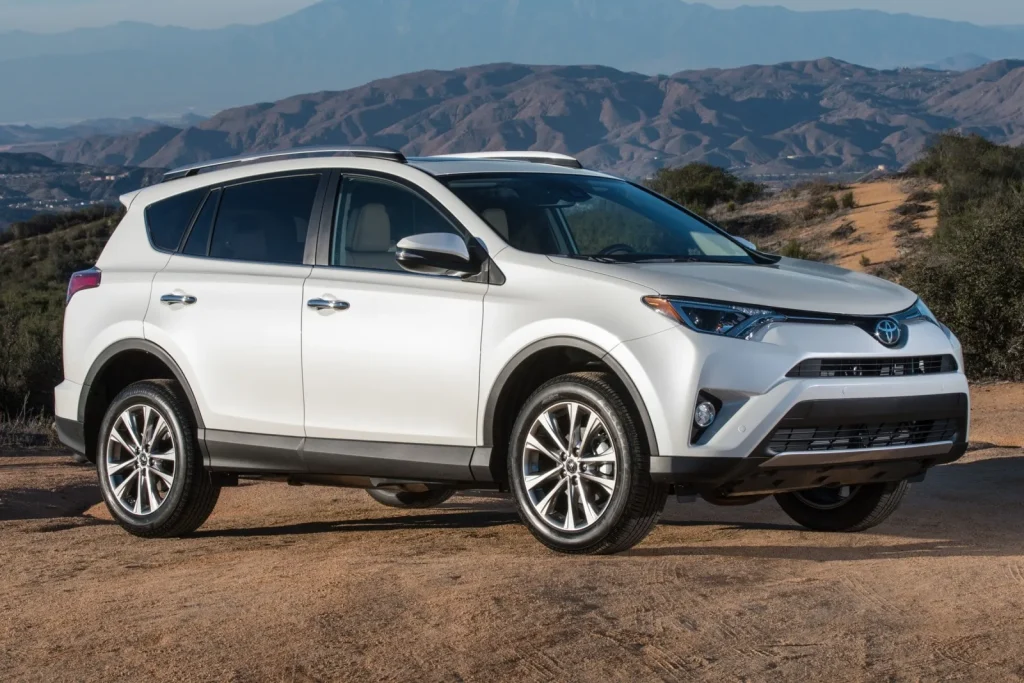
Its strengths are easy to understand. A practical cabin, proven four-cylinder engine, conventional automatic transmission, and useful safety technology make the 2016 RAV4 a convincing used SUV.
It represents a period when Toyota had already refined the fourth-generation formula but had not yet moved to the completely redesigned fifth-generation platform.
Specifications
- Engine: 2.5-liter Naturally Aspirated Inline-4
- Torque: 172 lb-ft
- Horsepower: 176 hp
- Length/Width: 181.1 in / 72.6 in
4. 2012 Toyota RAV4
For buyers who prefer an older RAV4 with a well-established mechanical reputation, the 2012 model deserves serious attention.
This was the final year of the third generation in the United States, and its appeal is very different from that of a newer technology-focused crossover. The 2012 RAV4 is attractive because of its practical design, available V6 power, and years of development behind its basic platform.
The standard engine is a 2.5-liter four-cylinder producing 179 horsepower and 172 lb-ft of torque. What makes this year particularly interesting, however, is the available 3.5-liter V6. With 269 horsepower and 246 lb-ft of torque, the V6 gave the RAV4 surprisingly strong acceleration for a compact SUV of its era. Both front-wheel-drive and four-wheel-drive configurations were offered, depending on the version.
Unlike some earlier third-generation RAV4s, the 2012 model does not carry the same reputation for the well-known excessive oil consumption concerns associated with certain older 2.4-liter engines.
Toyota had moved the standard RAV4 to the 2.5-liter four-cylinder for the 2009 model year, making the later examples more attractive to many used buyers.
Its age means condition matters tremendously. Suspension wear, fluid leaks, rubber components, corrosion, and neglected transmission service can turn any 2012 vehicle into an expensive project. A pre-purchase inspection is essential, especially because these SUVs are now well over a decade old.
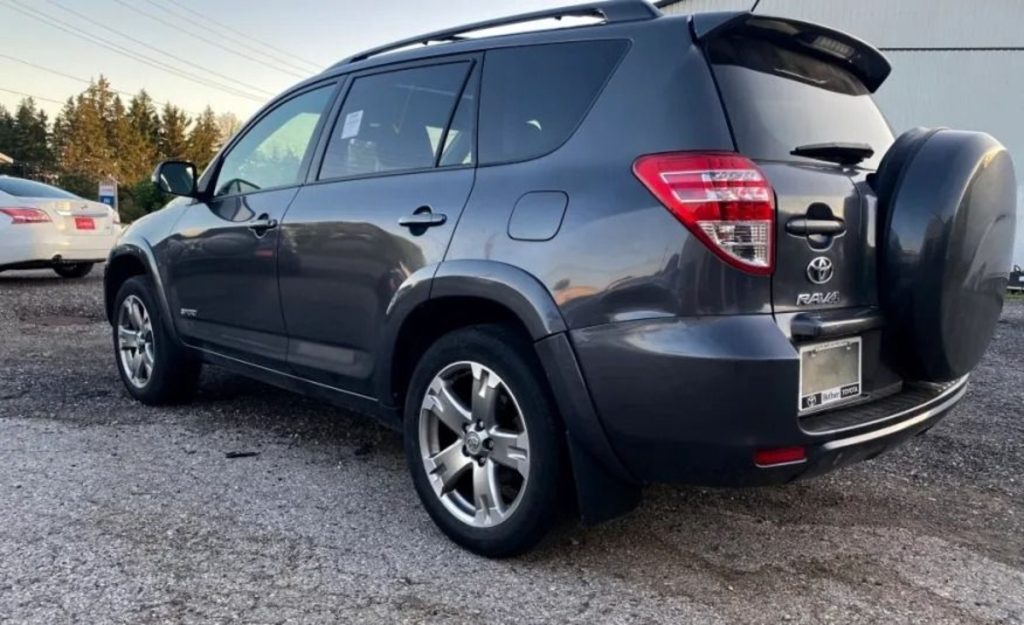
Still, a properly maintained 2012 RAV4 offers an appealing blend of cargo room, straightforward controls, and proven powertrain choices. As the closing year of its generation, it is one of the older RAV4s worth considering when maintenance history is documented and the vehicle has been carefully inspected.
Specifications
- Engine: 2.5-liter Naturally Aspirated Inline-4
- Torque: 172 lb-ft
- Horsepower: 179 hp
- Length/Width: 181.9 in / 73.0 in
5. 2017 Toyota RAV4
Sitting between the fourth generation’s major 2016 refresh and its final 2018 production year, the 2017 Toyota RAV4 occupies a particularly appealing position.
Toyota had already updated the crossover’s styling and safety technology, while the underlying gasoline powertrain remained familiar and well established. For used buyers, that combination of refinement and proven hardware is a major reason to consider this model year.
The 2.5-liter naturally aspirated four-cylinder produces 176 horsepower and 172 lb-ft of torque, working with a six-speed automatic transmission. Front-wheel drive came standard on gasoline models, with all-wheel drive available. The powertrain prioritizes smooth, predictable operation rather than aggressive acceleration, which fits the RAV4’s role as a practical family crossover.
Safety equipment strengthens the 2017 model’s case. Toyota Safety Sense P became standard across the RAV4 lineup, bringing a pre-collision system with pedestrian detection, lane departure alert with steering assist, automatic high beams, and dynamic radar cruise control.
This gives buyers useful driver assistance technology without requiring them to purchase a brand-new SUV.
The cabin is another reason the 2017 RAV4 has aged well. Cargo space is generous, rear passengers receive useful room, and the dashboard avoids excessive complexity. Its traditional controls may actually appeal to shoppers who prefer physical buttons to newer screen-heavy interfaces.
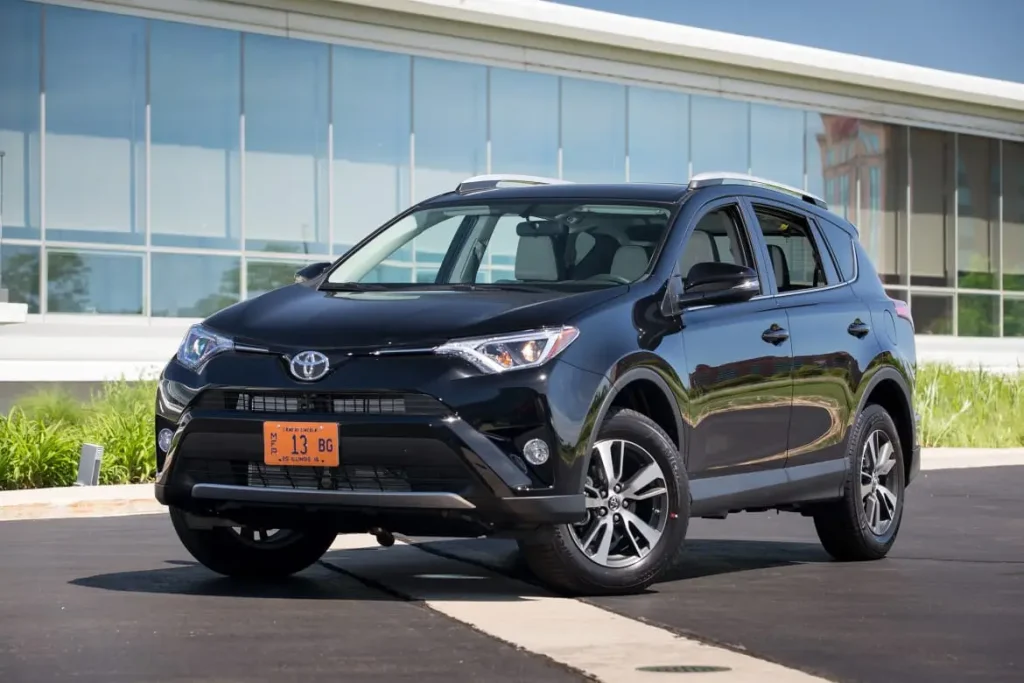
Buyers must confirm completion of Toyota’s 12-volt battery hold-down recall affecting certain 2013 through 2018 RAV4s. Once recall status and maintenance history are verified, the 2017 model becomes a strong used choice.
Its combination of a naturally aspirated engine, conventional automatic transmission, standard safety technology, and fourth-generation maturity makes it one of the RAV4 years worth prioritizing.
Specifications
- Engine: 2.5-liter Naturally Aspirated Inline-4
- Torque: 172 lb-ft
- Horsepower: 176 hp
- Length/Width: 183.5 in / 72.6 in
5 Toyota RAV4 Years to Skip
1. 2007 Toyota RAV4
The 2007 Toyota RAV4 demonstrates why even a vehicle with a strong reputation can have a problematic engine configuration. The primary concern centers on certain models equipped with Toyota’s 2.4-liter 2AZ-FE four-cylinder engine.
Excessive engine oil consumption became significant enough for Toyota to establish a warranty enhancement program addressing customer complaints involving eligible vehicles.
This problem is more serious than simply needing an occasional oil top-off. An affected engine may consume lubricant between scheduled oil changes, requiring the owner to inspect the oil level regularly.
If the level is allowed to become dangerously low, inadequate lubrication can contribute to accelerated internal wear and potentially severe engine damage. Toyota’s warranty enhancement documentation covered certain 2006 through 2008 RAV4 vehicles equipped with the 2AZ engine.
The repair process for vehicles that met Toyota’s oil-consumption test criteria could involve internal engine work addressing the pistons and piston rings. That documented manufacturer response is a major reason the 2007 model deserves caution in today’s used market.
Age creates another complication. The original warranty enhancement coverage period has long passed for most vehicles, meaning a buyer could inherit the cost of correcting an unresolved oil-burning problem. Simply checking for visible exhaust smoke is not enough because oil consumption may occur without dramatic symptoms during a short test drive.
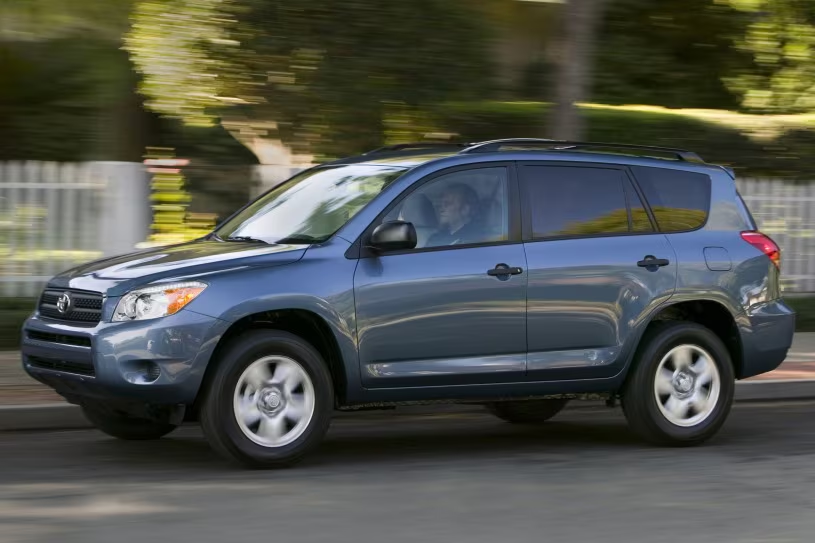
Anyone considering a 2007 RAV4 should ask for engine repair documentation, inspect the oil level, look for a history of frequent oil top-offs, and arrange a professional pre-purchase inspection.
A well-maintained example, particularly one with documented corrective engine work, may still be serviceable. Without that evidence, the four-cylinder 2007 RAV4 presents a risk that stronger RAV4 model years make easier to avoid.
Specifications
- Engine: 2.4-liter Naturally Aspirated Inline-4
- Torque: 165 lb-ft
- Horsepower: 166 hp
- Length/Width: 181.1 in / 71.5 in
2. 2008 Toyota RAV4
The 2008 Toyota RAV4 remains a cautionary choice primarily because certain four-cylinder versions continued using the 2.4-liter 2AZ-FE engine associated with documented excessive oil consumption concerns.
The issue became important enough for Toyota to include certain 2006 through 2008 RAV4 vehicles in its Warranty Enhancement Program ZE7, which addressed excessive engine oil consumption.
For owners, the problem could mean adding oil between regular service intervals. An affected engine allowed oil consumption to increase as internal piston and piston-ring conditions developed. If drivers failed to monitor the dipstick, the engine could operate with insufficient oil, increasing the possibility of internal wear and expensive damage.
This is particularly important today because a 2008 RAV4 is an older used vehicle. Most examples have accumulated significant mileage, and original warranty enhancement coverage is no longer a practical safety net for current shoppers. A low purchase price may therefore hide substantial repair risk if an unresolved oil-burning engine is involved.
The available 3.5-liter V6 does not share the same 2AZ oil-consumption issue and may be more appealing when properly maintained. Still, every high-mileage RAV4 requires a detailed inspection.
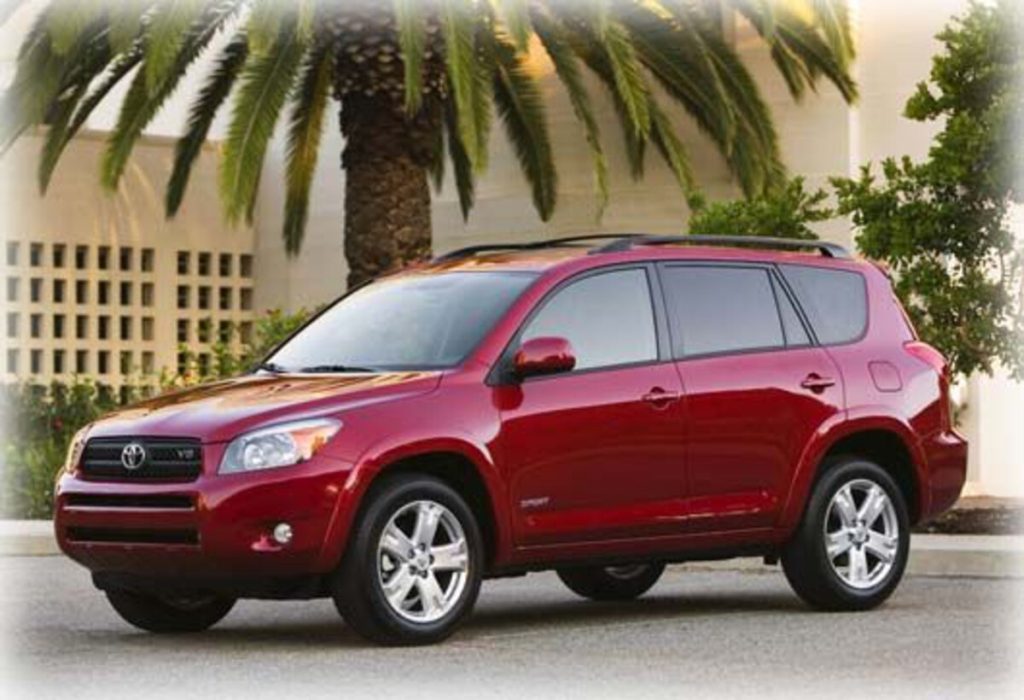
Before buying a 2008 four-cylinder model, check service records for oil-consumption testing or engine repairs. Inspect the oil level and ask directly about top-off frequency. The RAV4’s reputation for durability is strong, but the documented 2AZ concern gives buyers a clear reason to approach this particular year carefully.
Specifications
- Engine: 2.4-liter Naturally Aspirated Inline-4
- Torque: 165 lb-ft
- Horsepower: 166 hp
- Length/Width: 181.1 in / 71.5 in
3. 2019 Toyota RAV4
A complete redesign made the 2019 Toyota RAV4 one of the most important models in the nameplate’s history, but being the first year of the fifth generation also brought concerns that later versions had more time to refine. The most notable complaints centered on transmission behavior and fuel-system issues affecting certain vehicles.
Some gasoline-model owners reported hesitation, rough low-speed operation, or awkward shifting from the eight-speed automatic transmission. Toyota released technical service information addressing hesitation from a stop on certain 2019 RAV4 vehicles, with an engine control module software update used as part of the repair procedure for qualifying examples.
Fuel tank concerns also affected some 2019 RAV4 Hybrid owners. Toyota acknowledged that certain RAV4 Hybrid vehicles could experience a condition in which the fuel tank shape prevented a complete refill, reducing the amount of usable fuel added during refueling. A customer support program and repair procedure were later established for eligible vehicles.
The 2019 RAV4 is not automatically an unreliable SUV. Its 2.5-liter Dynamic Force engine delivers strong efficiency, and many owners have accumulated substantial mileage without major failures. The concern is that buyers can choose later fifth-generation years that benefited from additional software and production refinements.
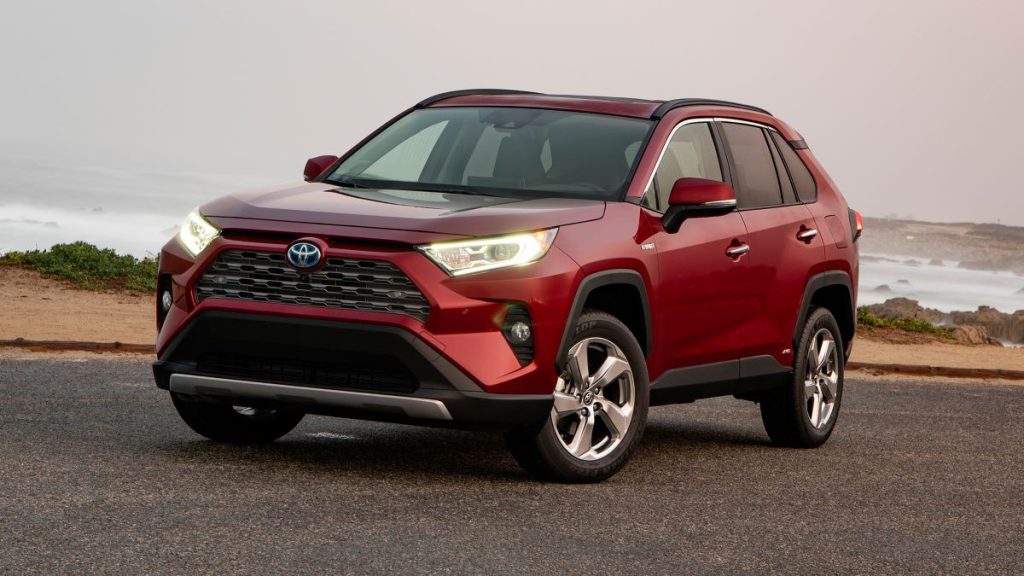
Anyone considering a 2019 model should test low-speed acceleration carefully, review dealer service records, and verify whether applicable updates or fuel-tank repairs were completed. As the first year of a major redesign, it deserves more scrutiny than the refined RAV4 models that followed.
Specifications
- Engine: 2.5-liter Dynamic Force Naturally Aspirated Inline-4
- Torque: 184 lb-ft
- Horsepower: 203 hp
- Length/Width: 180.9 in / 73.0 in
4. 2006 Toyota RAV4
The 2006 Toyota RAV4 brought a complete third-generation redesign to the U.S. market, but its position as the first year of that generation deserves caution. The biggest concern applies to four-cylinder models fitted with the 2.4-liter 2AZ-FE engine.
Toyota later included certain 2006 through 2008 RAV4s with the 2AZ engine in a warranty enhancement program related to excessive engine oil consumption.
For a used buyer, this issue can be difficult to identify during a short road test. An affected engine may run smoothly and show no immediate warning signs while still consuming an abnormal amount of oil between services. If a previous owner failed to monitor the oil level, prolonged low-oil operation may have increased internal engine wear.
The 2006 RAV4 also has age working against it. Rubber seals, suspension components, cooling system parts, and other wear items may now require attention regardless of Toyota’s durability reputation. Maintenance history therefore, matters just as much as the mileage displayed on the odometer.
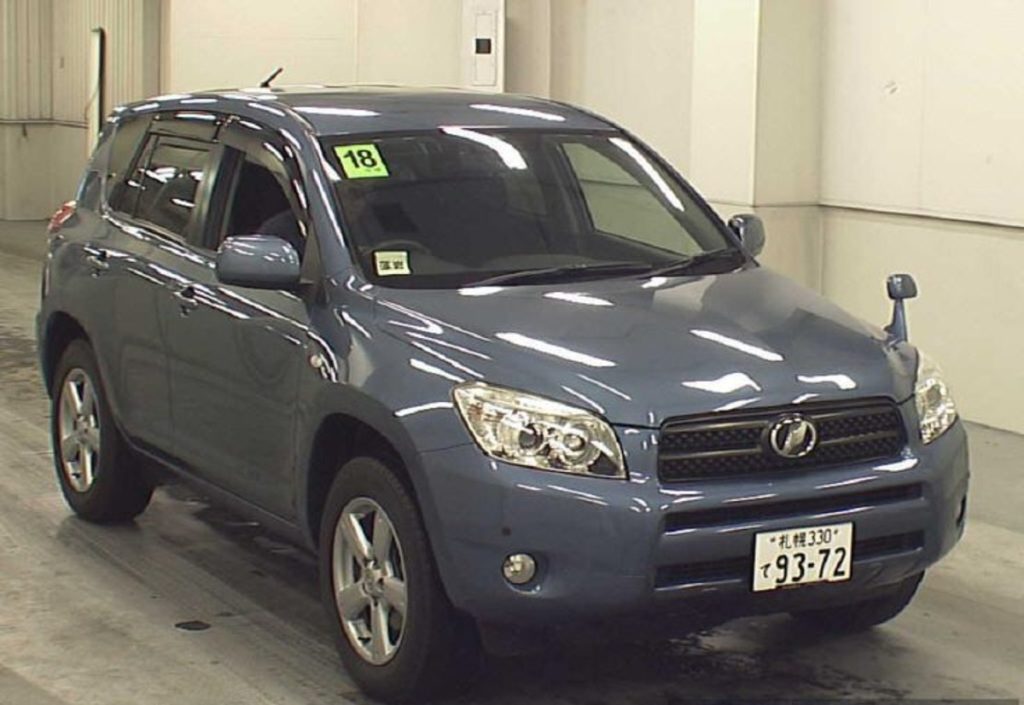
The available 3.5-liter V6 is a different powertrain and is not the 2AZ engine covered by the same excessive oil-consumption program. Buyers considering the four-cylinder version should specifically investigate oil usage and documented engine work.
The 2006 RAV4 is worth skipping when service records are incomplete. With later RAV4 years offering stronger buying confidence, taking a chance on an unresolved oil-consuming engine may create unnecessary repair risks.
Specifications
- Engine: 2.4-liter Naturally Aspirated Inline-4
- Torque: 165 lb-ft
- Horsepower: 166 hp
- Length/Width: 181.1 in / 71.5 in
5. 2020 Toyota RAV4
The 2020 Toyota RAV4 improved on the fifth generation’s launch year, yet it remains a model that used buyers should inspect more carefully than several later versions. The reason is not one universal engine failure. Instead, the year is associated with several important campaigns and production-period concerns that make vehicle history especially relevant.
One major issue involved certain 2020 RAV4 and RAV4 Hybrid vehicles equipped with specific 2.5-liter engines. Toyota recalled affected vehicles because engine blocks could have been manufactured with porosity that might allow coolant to leak internally or externally.
Toyota warned that possible consequences could include engine overheating, stalling, mechanical damage, or an increased fire risk in some circumstances.
Certain RAV4s from this production period were also affected by Toyota’s broader low-pressure fuel pump recall. The company said an affected fuel pump could stop operating, potentially causing the engine to stall. Recall applicability depends on the individual vehicle identification number, so buyers should not judge every 2020 RAV4 identically.
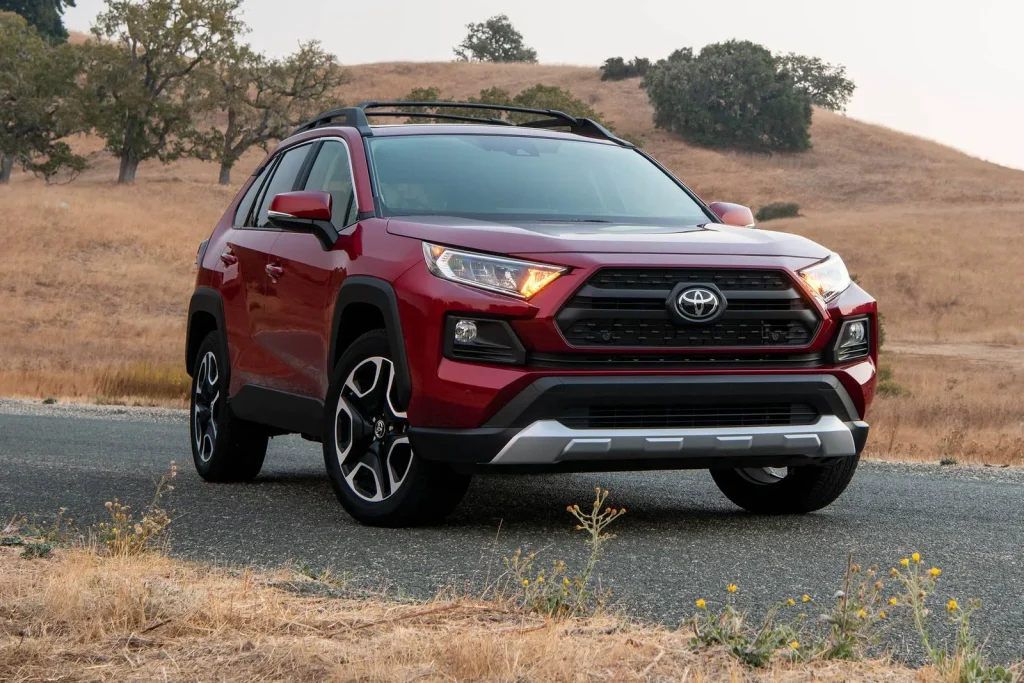
None of this means that every 2020 model is problematic. Many examples continue to provide dependable transportation, and the 2.5-liter Dynamic Force engine delivers 203 horsepower in gasoline models. Still, a later RAV4 may provide greater buying confidence.
Before purchasing, verify recall completion using the VIN and examine Toyota dealer service records. The 2020 RAV4 can be a good vehicle when its history is clear, but unresolved recall work or missing documentation makes this a year worth approaching cautiously.
Specifications
- Engine: 2.5-liter Dynamic Force Naturally Aspirated Inline-4
- Torque: 184 lb-ft
- Horsepower: 203 hp
- Length/Width: 180.9 in / 73.0 in
Also Read: 5 Best Honda HR-V Years vs 5 to Avoid
