

A reliable fuel pump is essential for delivering consistent fuel pressure and keeping an engine running smoothly. However, certain vehicles have developed reputations for fuel pump failures due to manufacturing defects, electrical problems, poor component designs, or demanding operating conditions. From family sedans and SUVs to heavy-duty trucks and performance cars, these issues can lead to symptoms such as hard starting, engine hesitation, loss of power, inaccurate fuel readings, and sudden stalling while driving.
Several models on this list, including the Honda Accord, Honda CR-V, and Lexus RC-F, were affected by large-scale recalls caused by defective fuel pump components. Others, such as the Chevrolet Silverado 1500, GMC Sierra 1500, Jeep Wrangler, Nissan Pathfinder, and Ford F-150, developed fuel system weaknesses linked to overheating, corrosion, wiring failures, or faulty supporting modules.
While some failures involve the fuel pump itself, many are caused by related components such as fuel pump driver modules, relays, wiring harnesses, or fuel level sensors. Understanding these common problems can help owners recognize warning signs early, avoid unexpected breakdowns, and make informed decisions about maintenance and repairs. In this guide, we examine eight vehicles known for fuel pump issues, their causes, symptoms, and the solutions manufacturers have introduced to address these failures.
1. Honda Accord (2018–2020)
The 2018–2020 Honda Accord was included in a major global safety recall due to a defective low-pressure fuel pump that could cause sudden engine stalling. The problem stems from a manufacturing defect in the fuel pump’s plastic impeller, which was improperly molded using low-density material.
Over time, the impeller absorbs fuel, causing it to swell and deform. As it expands, it rubs against the fuel pump housing, eventually preventing the impeller from rotating properly. When this occurs, the fuel pump can no longer deliver fuel to the engine, leading to serious drivability issues.
Common symptoms of a failing fuel pump include difficulty starting the engine, engine hesitation, sputtering, illuminated warning lights, and unexpected stalling while driving. In severe cases, the vehicle may fail to restart, creating a significant safety risk due to the sudden loss of engine power and reduced steering and braking assistance.
Because of the widespread nature of the defect, Honda, in coordination with the National Highway Traffic Safety Administration (NHTSA), issued a large-scale recall affecting more than 2.5 million Honda and Acura vehicles, including the 2018–2020 Accord. As part of the recall, authorized Honda dealerships will replace the entire fuel pump module at no cost to owners.
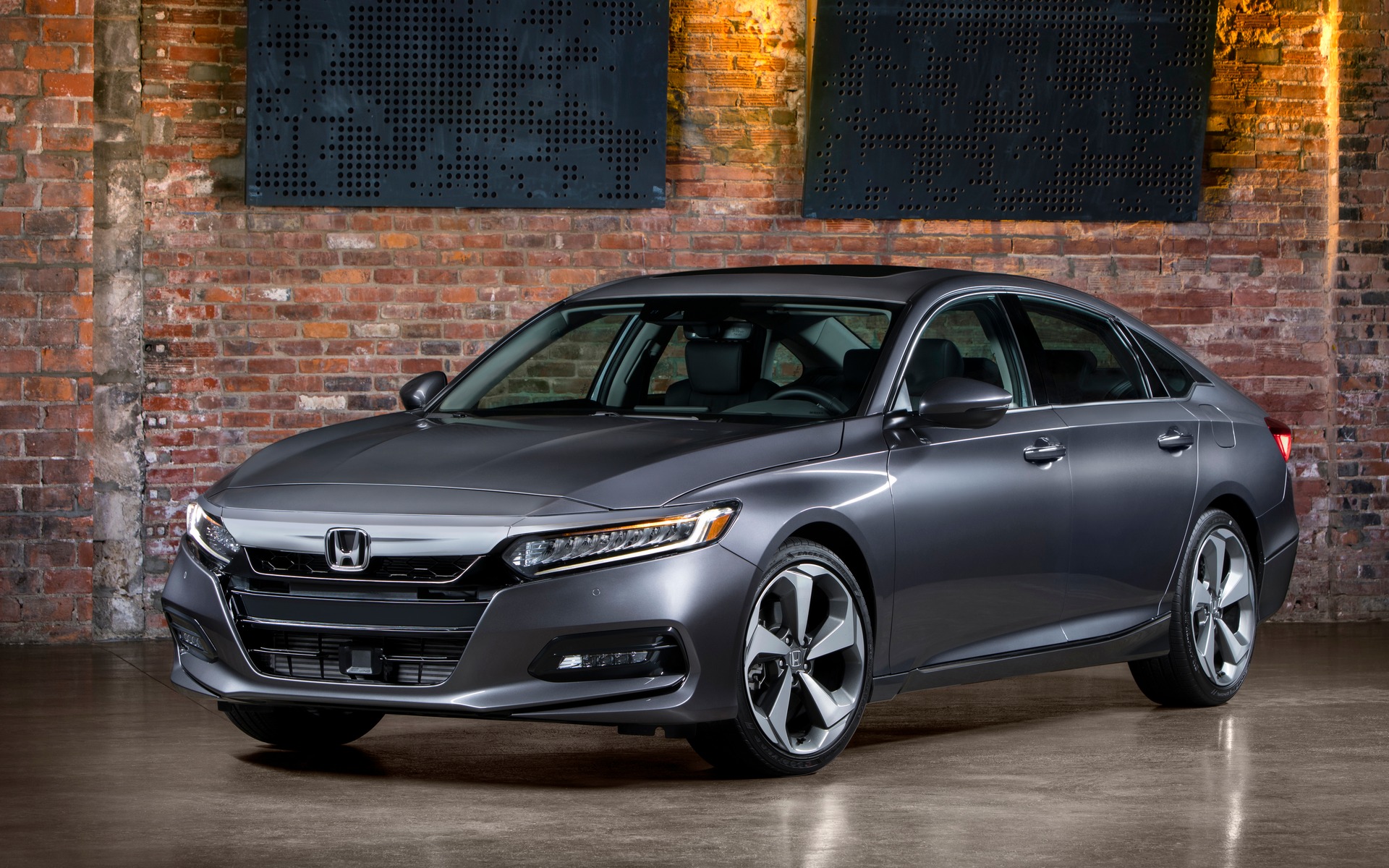
Since replacement campaigns have been conducted in phases, owners are encouraged to verify whether their vehicle is included by checking its 17-digit Vehicle Identification Number (VIN) through Honda or the NHTSA recall lookup system. Prompt repair is strongly recommended to prevent unexpected engine failure and reduce the risk of accidents caused by sudden vehicle stalling.
- Engine: 1.5-liter turbocharged inline-4 / 2.0-liter turbocharged inline-4 / 2.0-liter hybrid inline-4
- Torque: 192 lb-ft / 273 lb-ft / 232 lb-ft (motor)
- Horsepower: 192 hp / 252 hp / 212 hp (combined)
- Length/Width: 192.2 inches / 73.3 inches
2. Honda CR-V (2017–2020)
The 2017–2020 Honda CR-V was affected by a widespread fuel pump defect that led to one of Honda’s largest global safety recalls. The problem originated from a manufacturing flaw in the low-pressure fuel pump’s plastic impeller, which was molded with low-density material.
During normal operation, the impeller gradually absorbed fuel, causing it to swell, deform, and, in some cases, crack. As the impeller expanded, it created friction against the fuel pump housing, eventually preventing the pump from delivering fuel to the engine. This defect could cause the engine to lose power or stall unexpectedly, creating a serious safety hazard, particularly at highway speeds.
Common symptoms of a failing fuel pump include hard starting, engine hesitation, sputtering, sudden power loss during acceleration, and complete engine stalling. Some owners also reported a noticeable gasoline odor, which may indicate damage to the fuel pump housing or fuel delivery components. These failures can occur without warning, increasing the likelihood of collisions due to the sudden loss of engine power, steering assistance, and braking support.
The 2017–2020 CR-V’s 1.5-liter turbocharged engine also features a dual-pump fuel system consisting of a low-pressure in-tank pump and a high-pressure fuel pump for gasoline direct injection. This more complex design places additional stress on fuel system components. Early models have also been associated with oil dilution and occasional fuel injector issues, which can contribute to fuel system problems and complicate diagnosis.

To address the defect, Honda issued a large-scale safety recall requiring dealerships to replace the faulty fuel pump module with an improved, chemically resistant unit at no cost to owners. Drivers are encouraged to verify their Vehicle Identification Number (VIN) to determine whether their CR-V is included in the recall and schedule repairs promptly to prevent unexpected engine failure and improve vehicle safety.
- Engine: 1.5-liter turbocharged inline-4 / 2.4-liter naturally aspirated inline-4 / 1.6-liter turbo-diesel inline-4
- Torque: 179 lb-ft / 180 lb-ft / 221 lb-ft
- Horsepower: 190 hp / 184 hp / 118 hp
- Length/Width: 182.1 inches / 73.0 inches
3. Chevrolet Silverado 1500 (1999–2013)
The 1999–2013 Chevrolet Silverado 1500 is widely recognized for recurring fuel pump problems that affect both the GMT800 and GMT900 generations. Although the truck’s engines are known for their durability, the factory fuel pump assembly is a common weak point, often failing between 90,000 and 150,000 miles.
One of the primary causes is overheating when the truck is frequently driven with less than a quarter tank of fuel. Since gasoline cools and lubricates the electric fuel pump, low fuel levels expose the pump to excessive heat, accelerating wear and reducing its lifespan.
Electrical problems also contribute significantly to fuel pump failure. The factory wiring harness and electrical connector on top of the fuel pump module are prone to corrosion and overheating, which can melt the plastic connector and interrupt power to the pump. In addition, corroded frame ground connections can reduce voltage to the pump, forcing the motor to work harder and fail prematurely.
Another common issue involves the integrated fuel level sending unit, whose worn electrical contacts cause inaccurate fuel gauge readings or sudden drops to empty, often requiring replacement of the entire fuel pump module.
Fuel filter design also plays a role in pump reliability. Earlier models (1999–2003) use an external fuel filter that can become clogged if not replaced regularly, increasing strain on the pump. Later models (2004–2013) feature a non-serviceable internal strainer that can accumulate debris and restrict fuel flow.
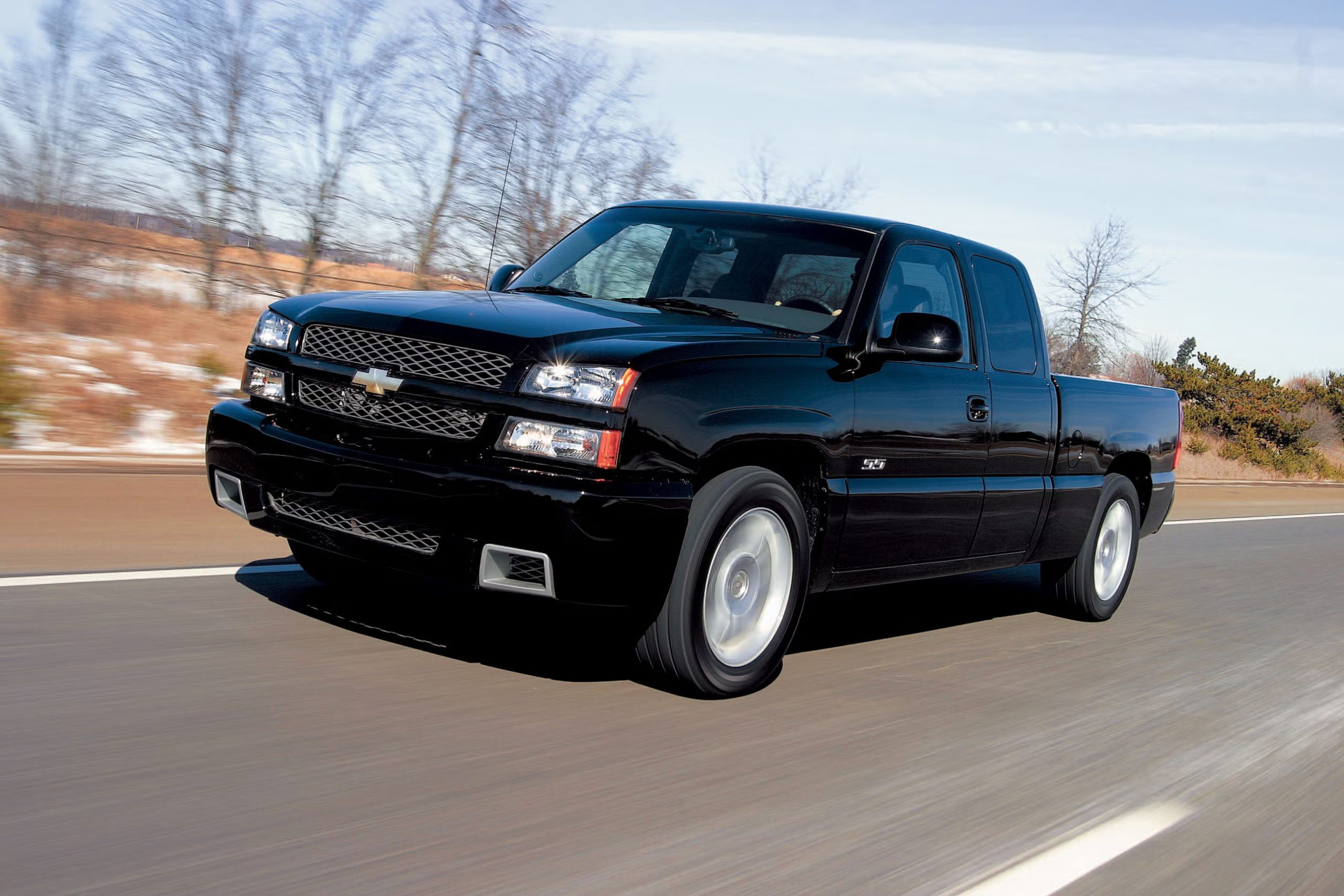
Typical symptoms include hard starting, engine sputtering, reduced power during acceleration or towing, loud whining noises from the fuel tank, and erratic fuel gauge readings. Regular maintenance, keeping the fuel tank above one-quarter full, and replacing worn wiring components can help extend fuel pump life and reduce the likelihood of unexpected failures.
- Engine: 4.3-liter Vortec V6 / 4.8-liter Vortec V8 / 5.3-liter Vortec V8 / 6.0-liter Vortec V8 / 6.2-liter Vortec V8 / 6.0-liter V8 Hybrid
- Torque: 260 lb-ft / 285–305 lb-ft / 315–348 lb-ft / 360–380 lb-ft / 417 lb-ft / 367 lb-ft
- Horsepower: 195–200 hp / 270–302 hp / 270–326 hp / 300–367 hp / 403 hp / 332 hp
- Length/Width: 203.1–246.6 inches / 78.5–80.0 inches
4. GMC Sierra 1500 (1999–2013)
The 1999–2013 GMC Sierra 1500 is well known for recurring fuel pump failures, largely because it shares the same platform, fuel system, and many components as the Chevrolet Silverado. Although these trucks are recognized for their durable engines, the factory fuel pump assembly is a common failure point, with many units requiring replacement after 100,000 to 150,000 miles. Electrical and thermal issues are the primary reasons for these failures, particularly in high-mileage or heavily used trucks.
One of the leading causes is the deterioration of the fuel pump wiring harness and electrical connector. Over time, exposure to moisture, road salt, and vibration causes corrosion at the ground connections and electrical terminals. The resulting resistance generates excess heat, which can melt the connector, interrupt power to the fuel pump, and eventually cause complete pump failure. Replacing only the pump without installing an updated wiring harness may result in repeated failures.
Fuel pump overheating is another significant concern. Since the pump is submerged inside the fuel tank, it relies on gasoline for cooling and lubrication. Frequently driving with less than a quarter tank of fuel exposes the pump to higher operating temperatures, accelerating internal wear. In addition, sediment that accumulates in the Sierra’s large fuel tank can clog the internal fuel strainer, forcing the pump to work harder to maintain adequate fuel pressure.
Drivers typically notice symptoms such as extended cranking, engine hesitation, power loss during acceleration, sputtering at highway speeds, inaccurate fuel gauge readings, and a loud whining noise from the fuel tank.
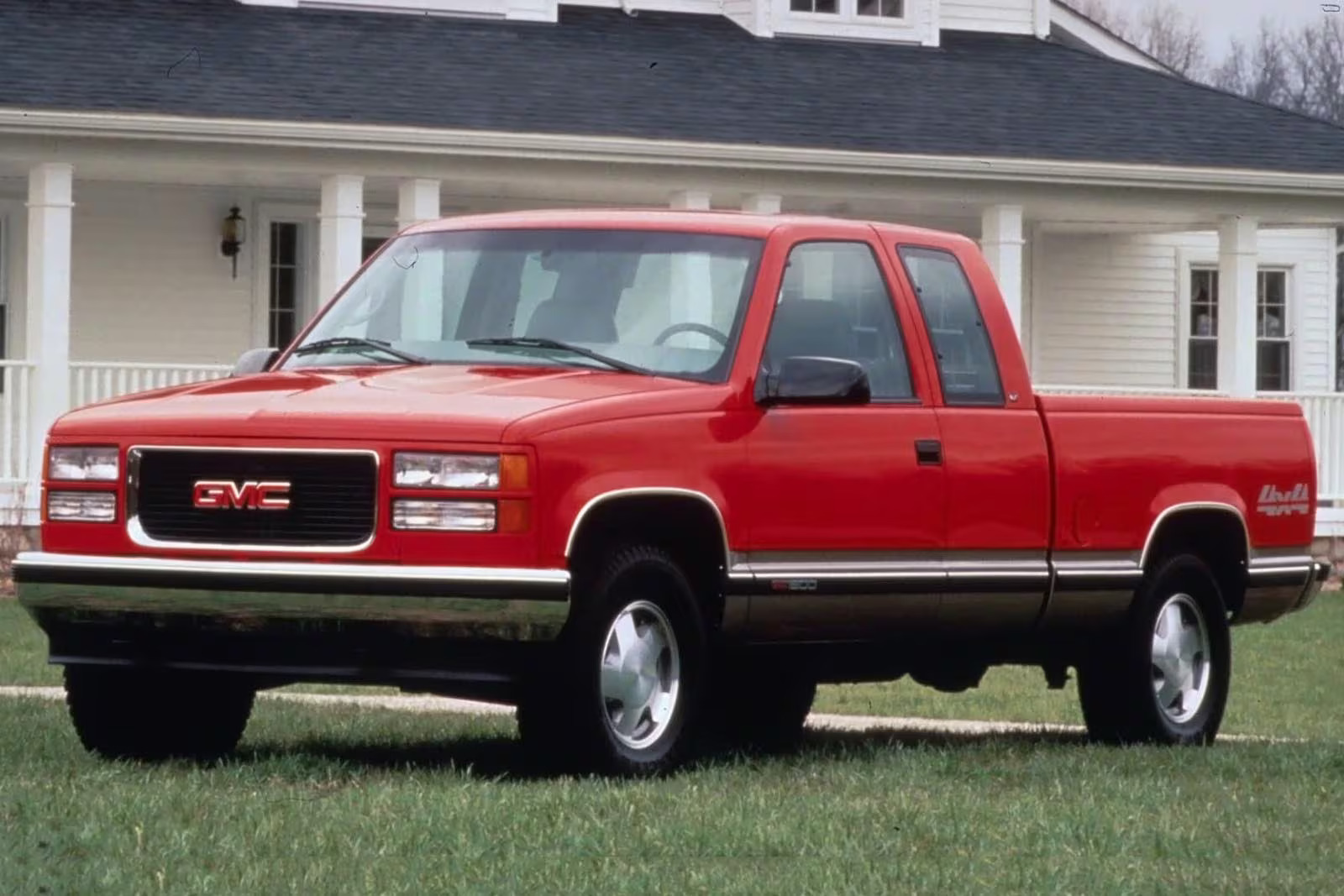
Later 2009–2013 models may also experience failures of the Fuel Pump Flow Control Module (FPCM), which is vulnerable to corrosion because of its exposed location on the frame. Routine maintenance, maintaining adequate fuel levels, and using high-quality replacement components can help reduce fuel system failures and improve long-term reliability.
- Engine: 4.3-liter Vortec V6 / 4.8-liter Vortec V8 / 5.3-liter Vortec V8 / 6.0-liter Vortec V8 / 6.2-liter Vortec V8
- Torque: 260 lb-ft / 285–305 lb-ft / 315–338 lb-ft / 365–380 lb-ft / 417 lb-ft
- Horsepower: 195–200 hp / 270–302 hp / 270–315 hp / 310–367 hp / 403 hp
- Length/Width: 203.1–249.0 inches / 78.5–80.0 inches
Also read: 5 Cars With the Highest Theft Rates in New York & 5 With the Lowest
5. Nissan Pathfinder (2013–2020)
The 2013–2020 Nissan Pathfinder is known for recurring fuel delivery problems that can affect engine performance and reliability. While the fuel pump itself is generally durable, failures often result from overheating, electrical faults, and contamination within the fuel system.
The electric fuel pump depends on gasoline for cooling and lubrication, so frequently driving with a nearly empty fuel tank can cause excessive heat buildup, leading to premature wear or complete pump failure. Sediment and debris inside the fuel tank may also clog the pump’s internal strainer, restricting fuel flow and placing additional stress on the motor.
Electrical issues are another common cause of fuel system failures. A faulty fuel pump relay, damaged wiring, or corroded electrical connections can interrupt power to the pump, causing intermittent operation or preventing the engine from starting.
Some vehicles have also experienced problems with improperly routed fuel tank temperature sensor wiring, which can short-circuit and blow the fuel pump fuse, creating symptoms similar to a failed pump. These electrical faults often make diagnosis more challenging because they mimic mechanical pump failures.
Another frequently reported issue involves the integrated fuel level sending unit. When the sensor fails, the dashboard fuel gauge may display inaccurate fuel levels, sometimes indicating that the tank is full when it is nearly empty. This can cause drivers to unknowingly run out of fuel, potentially damaging the pump through dry operation.

Common symptoms include hard starting, engine hesitation, sputtering during acceleration, unexpected stalling, reduced power, and a high-pitched whining noise from the fuel tank. Maintaining more than a quarter tank of fuel, checking relays and fuses during diagnosis, and addressing faulty fuel level sensors promptly can help prevent pump damage and improve the Pathfinder’s fuel system reliability.
- Engine: 3.5-liter naturally aspirated V6 / 2.5-liter hybrid inline-4
- Torque: 240–259 lb-ft / 243 lb-ft (combined)
- Horsepower: 260–284 hp / 250 hp (combined)
- Length/Width: 197.2 inches / 77.2 inches
6. Jeep Wrangler (2007–2018)
The 2007–2018 Jeep Wrangler (JK) is known for recurring fuel pump problems caused by a combination of harsh operating conditions, electrical failures, and the design of its integrated fuel pump assembly.
Off-road driving exposes the vehicle to constant vibration, steep inclines, and fuel sloshing inside the tank, which can temporarily expose the pump to air and reduce the cooling effect provided by gasoline. This increased heat accelerates wear on the pump motor, while dirt and sediment entering the fuel tank during off-road use can clog the pump’s inlet strainer, restricting fuel flow and placing additional strain on the system.
One of the Wrangler’s most significant fuel system issues is the failure of the Totally Integrated Power Module (TIPM). The TIPM contains a non-serviceable internal fuel pump relay that can overheat and fail, interrupting power to the fuel pump. Because the symptoms closely resemble those of a failed fuel pump, many owners replace the pump unnecessarily before identifying the electrical fault. The problem became so widespread that Fiat Chrysler issued multiple recalls and service campaigns related to TIPM failures.
The integrated fuel pump module also combines the fuel pump, filter, and fuel level sending unit into a single assembly. As a result, failure of any individual component often requires replacement of the entire module, increasing repair costs. Common symptoms include hard starting, engine hesitation, unexpected stalling, inaccurate fuel gauge readings, reduced power during acceleration or climbing steep terrain, and a loud whining noise from the fuel tank.

Repairing the fuel pump typically requires lowering the fuel tank, making replacement labor-intensive. Many owners choose original equipment or high-quality aftermarket fuel pump assemblies and install external relay bypass kits to address recurring TIPM-related electrical problems, improving long-term fuel system reliability.
- Engine: 3.8-liter naturally aspirated V6 / 3.6-liter naturally aspirated Pentastar V6
- Torque: 237 lb-ft / 260 lb-ft
- Horsepower: 202 hp / 285 hp
- Length/Width: 152.8–164.3 inches (2-Door) / 173.4–184.9 inches (4-Door Unlimited) / 73.7–73.9 inches
7. Lexus RC-F (2014–2020)
The 2014–2020 Lexus RC-F was affected by significant fuel pump defects that resulted in large-scale recalls involving Toyota and Lexus vehicles. The primary issue centered on the low-pressure in-tank fuel pump supplied by Denso. Its plastic impeller was manufactured with low-density resin that could absorb fuel over time, causing it to swell, deform, and eventually jam against the pump housing.
When the impeller seized, the fuel pump stopped delivering fuel to the engine, leading to hard starting, rough idling, illuminated warning lights, or sudden engine stalling. In a high-performance V8 sports car like the RC-F, unexpected power loss at speed poses a serious safety risk by reducing engine output as well as power steering and braking assistance.
In addition to the low-pressure pump defect, certain early 2014–2018 models experienced problems with the high-pressure fuel pump. A defective pulsation damper could develop fatigue cracks, resulting in fuel leaks and an increased risk of fire. Some owners also reported chirping, ticking, or humming noises from the engine bay, which often indicated deterioration of the high-pressure pump or its associated components. These issues prompted additional recall campaigns and service actions.
The RC-F’s advanced twin-injection fuel system, which combines low- and high-pressure fuel pumps, delivers excellent performance but increases the complexity of the fuel system. As a result, failures in either pump can significantly affect engine operation and drivability.

To address these defects, Lexus initiated comprehensive recall programs that replaced the faulty low-pressure fuel pump with an improved design and, where necessary, replaced defective high-pressure fuel pump components. Owners are encouraged to verify their Vehicle Identification Number (VIN) to determine recall eligibility and complete any outstanding repairs to ensure reliable performance and safe vehicle operation.
- Engine: 5.0-liter naturally aspirated V8 (2UR-GSE)
- Torque: 389–395 lb-ft
- Horsepower: 467–472 hp
- Length/Width: 185.4 inches / 72.6 inches
8. Ford F-150 (2004–2014)
The 2004–2014 Ford F-150 is widely known for fuel delivery problems that are often caused by electrical components rather than the fuel pump itself. The most common culprit is the Fuel Pump Driver Module (FPDM), which regulates power to the in-tank fuel pump. On many models, the aluminum FPDM is mounted directly against the truck’s steel frame above the spare tire.
Over time, exposure to road salt and moisture causes galvanic corrosion between the two metals, cracking the module’s housing and allowing water to damage its internal electronics. When the FPDM fails, it cuts power to the fuel pump, resulting in a crank-no-start condition that is frequently mistaken for a failed fuel pump.
Other electrical issues also contribute to fuel system problems. Corroded wiring harnesses and poor ground connections can interrupt power delivery to the fuel pump, while certain 2009–2014 models are prone to the well-documented “Fuse 27” issue. In these trucks, the undersized fuel pump fuse can overheat and melt its housing, causing intermittent engine stalling or preventing the engine from starting. Ford later addressed this problem through a Technical Service Bulletin that introduced an upgraded fuse relocation kit.
Although the mechanical fuel pump is generally reliable, its lifespan can be shortened by repeatedly driving with less than one-quarter of a tank of fuel. Since gasoline cools and lubricates the electric pump, low fuel levels increase operating temperatures and accelerate wear.
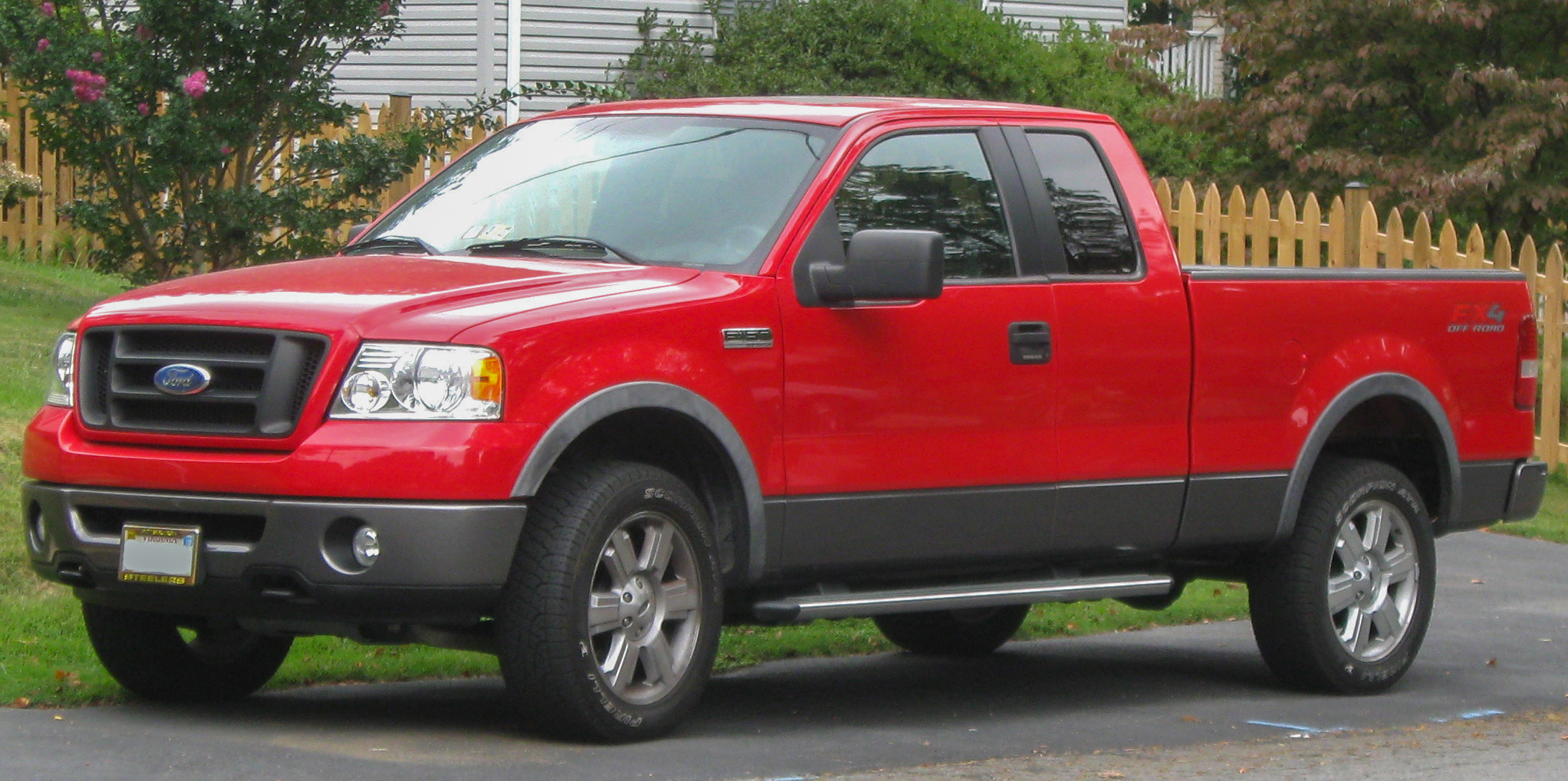
Common symptoms include hard starting, sudden stalling, power loss, and complete no-start conditions. Before replacing the fuel pump, technicians often inspect the FPDM, wiring, and fuse system, as these components are more likely to be responsible for fuel delivery failures. Updated replacement modules with corrosion-resistant standoff spacers provide a more durable solution.
- Engine: 4.2-liter naturally aspirated V6 / 4.6-liter naturally aspirated V8 / 5.4-liter Triton V8 / 3.7-liter Duratec V6 / 3.5-liter EcoBoost twin-turbo V6 / 5.0-liter Coyote V8 / 6.2-liter naturally aspirated V8
- Torque: 260 lb-ft / 293–320 lb-ft / 365–390 lb-ft / 278 lb-ft / 420 lb-ft / 380 lb-ft / 434 lb-ft
- Horsepower: 210 hp / 231–292 hp / 300–310 hp / 302 hp / 365 hp / 360 hp / 411 hp
- Length/Width: 211.5–243.9 inches / 78.9–79.2 inches
Also read: 5 Cars Worth Buying for City Living vs 5 Built Wrong for It
