
City driving in the United States presents a distinct set of challenges, including heavy traffic, limited parking, narrow streets, frequent stop-and-go movement, and high fuel costs. These conditions make urban environments very different from highway or rural driving, turning a car into more than just a means of transportation, since it strongly influences daily convenience and stress levels.
In major cities like New York, Los Angeles, Chicago, and San Francisco, drivers must balance size, efficiency, comfort, and maneuverability. Smaller vehicles often perform better because they are easier to park, more fuel-efficient, and better suited for tight spaces and congested roads. Larger vehicles may offer more space and comfort, but often struggle with agility and parking in dense urban areas.
Cost of ownership is another major consideration, as parking fees, insurance, fuel, and maintenance can quickly add up. This is why compact cars, hybrids, and electric vehicles are often better suited for city use, offering lower running costs and improved efficiency in stop-and-go traffic.
Modern urban-friendly vehicles also prioritize features like parking assistance, safety systems, visibility, and tight turning radius to improve usability. This article focuses on identifying cars that perform well in real-world city conditions, helping drivers choose more practical options for everyday urban commuting.
Also Read: 10 SUVs That Are Just Tall Hatchbacks
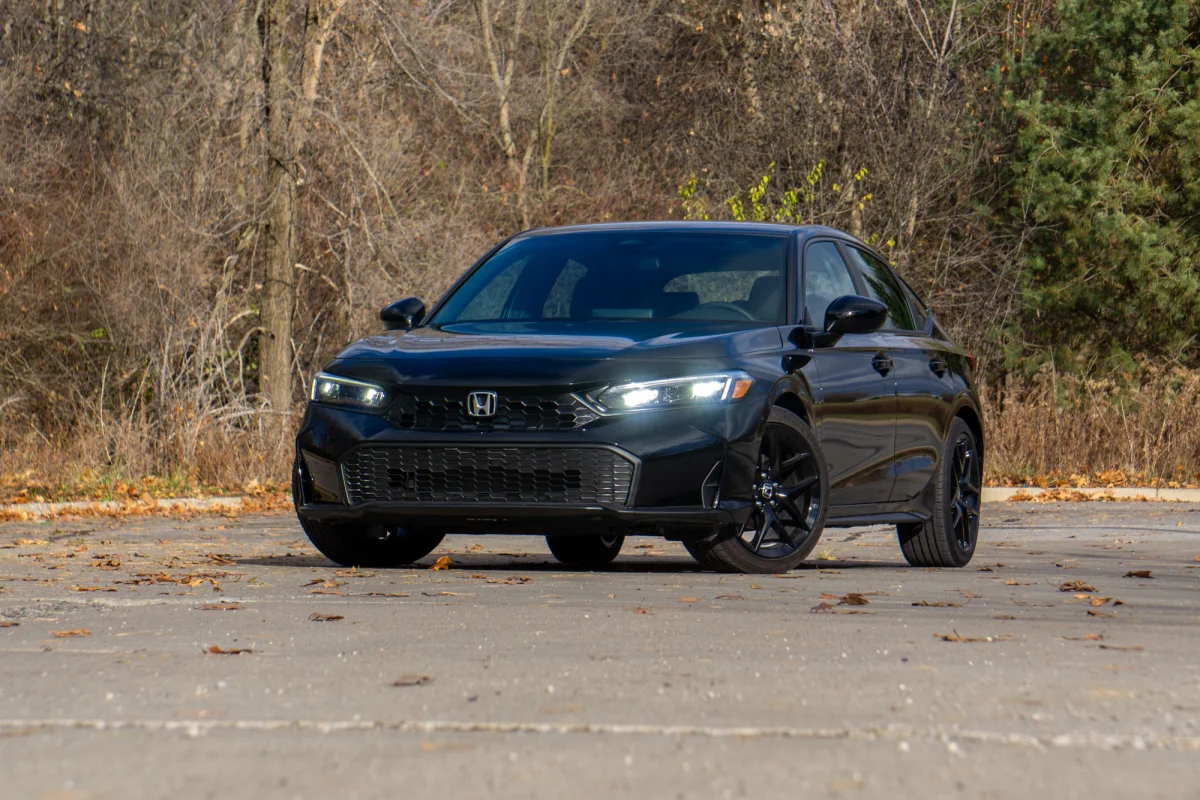
- Engine: 2.0L Inline 4 cylinder (base engine)
- Horsepower: 158 hp
- Torque: 138 lb-ft
- Length: about 184.0 inches
- Width: about 70.9 inches
1. Honda Civic
The Honda Civic has long been one of the most trusted compact cars for urban drivers in the United States. Its reputation is built on a combination of reliability, fuel efficiency, and ease of driving, all of which are essential for getting through busy city streets.
In dense urban environments where stop-and-go traffic is constant, the Civic performs smoothly without feeling underpowered or overly complicated. Its compact size makes it easy to maneuver through narrow lanes and tight intersections, which is a major advantage in older cities with limited road space.
One of the strongest advantages of the Honda Civic is its fuel efficiency, which directly benefits city commuters who deal with frequent braking and acceleration. The engine is tuned to handle urban driving conditions without consuming excessive fuel, making it a cost-effective choice for daily use.
Over time, this efficiency translates into significant savings, especially for drivers who commute long distances within city limits. In addition, hybrid and efficient engine variants make it even more appealing for environmentally conscious drivers in the US.
Parking is another area where the Civic excels. In cities where parking spaces are often limited and expensive, the compact dimensions of the Civic make it easier to fit into tight spots.
Whether it is parallel parking on a busy street or moving through underground parking garages, the Civic offers a level of convenience that larger vehicles simply cannot match. Its visibility and steering response also help reduce the stress associated with urban parking.
Comfort and interior design in the Honda Civic are also well-balanced for city driving. While it is not a luxury sedan, it offers a modern interior layout with intuitive controls and sufficient space for daily commuting.
The seating position provides good visibility, which is important when dealing with unpredictable urban traffic. Technology features such as driver assistance systems and connectivity options further enhance its usability in a modern city environment.
The Honda Civic remains one of the most practical and dependable choices for city living in the United States. It strikes an ideal balance between affordability, efficiency, and maneuverability, making it a top recommendation for anyone looking for a reliable urban commuter car.
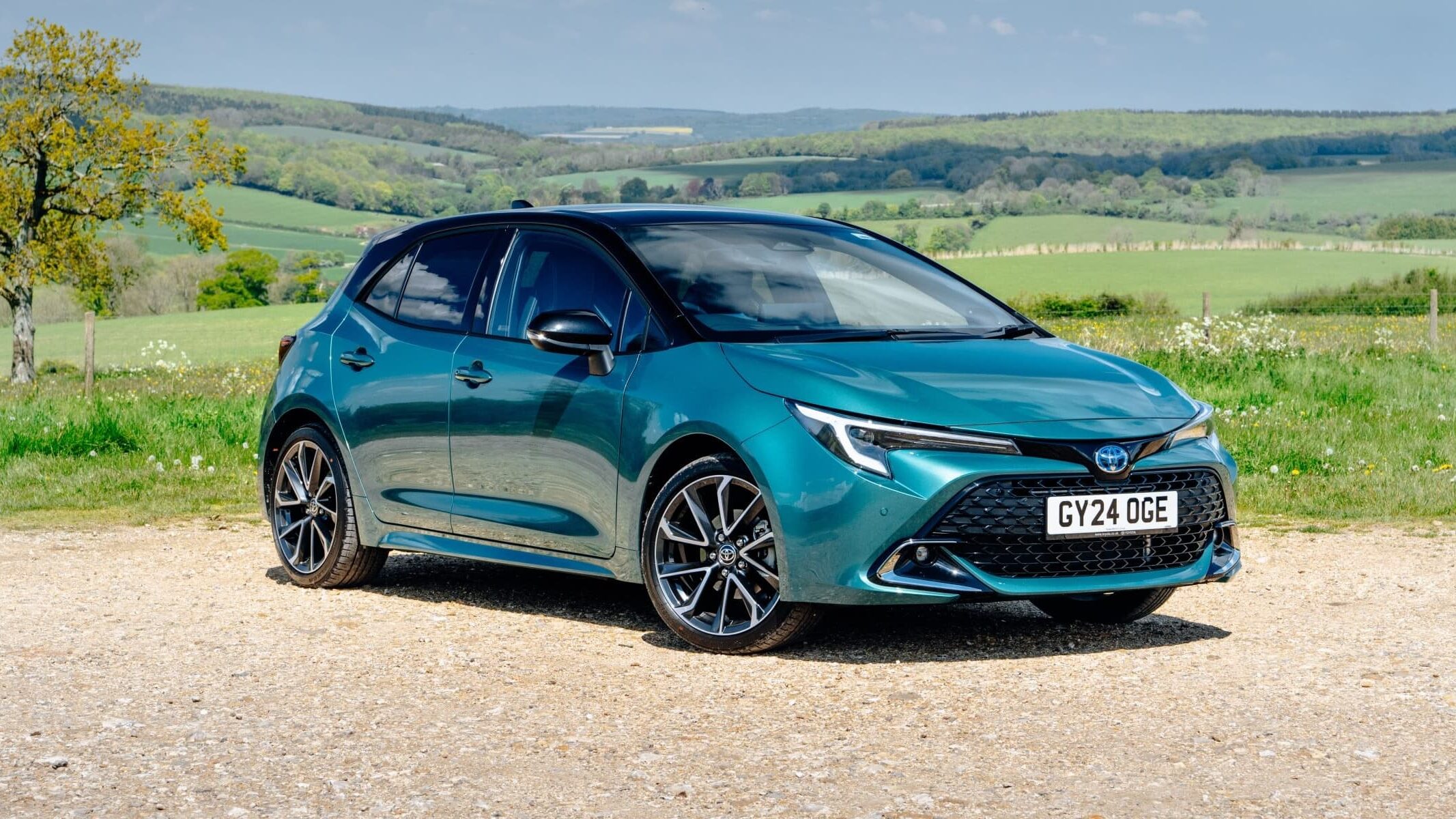
- Engine: 2.0L Inline 4 cylinder
- Horsepower: 169 hp
- Torque: 151 lb-ft
- Length: about 182.5 inches
- Width: about 70.1 inches
2. Toyota Corolla
The Toyota Corolla is another standout option for urban driving in the United States, known for its unmatched reliability and low maintenance costs. In busy city environments, where stop-and-go traffic is unavoidable, the Corolla performs consistently without requiring frequent repairs or high upkeep expenses.
This reliability makes it especially appealing to commuters, students, and first-time car buyers who want a stress-free ownership experience.
Fuel efficiency is one of the key reasons the Corolla is so well-suited for city driving. Its engine is designed to maximize mileage in urban conditions, where idling and short trips are common. This means drivers can expect lower fuel costs even with daily commuting in heavily congested areas. Hybrid versions of the Corolla further enhance its efficiency, making it one of the most economical choices in its segment.
The compact design of the Toyota Corolla allows it to navigate tight city streets with ease. Whether driving through downtown traffic or squeezing into a small parking space, the Corolla provides the agility needed for urban mobility. Its steering is light and responsive, which makes it easier to handle in crowded intersections and narrow lanes commonly found in US cities.
Inside the cabin, the Corolla focuses on practicality and comfort rather than luxury. The seating is supportive enough for daily commutes, and the dashboard layout is simple and user-friendly.
This minimalistic approach reduces distractions, which is beneficial when driving in complex traffic conditions. Safety features also play a major role, with modern Corolla models offering advanced driver assistance systems that help prevent collisions in busy environments.
The Toyota Corolla is a dependable and cost-efficient vehicle that fits perfectly into city life in the United States. Its combination of reliability, efficiency, and ease of use makes it one of the most practical urban commuting options available today.
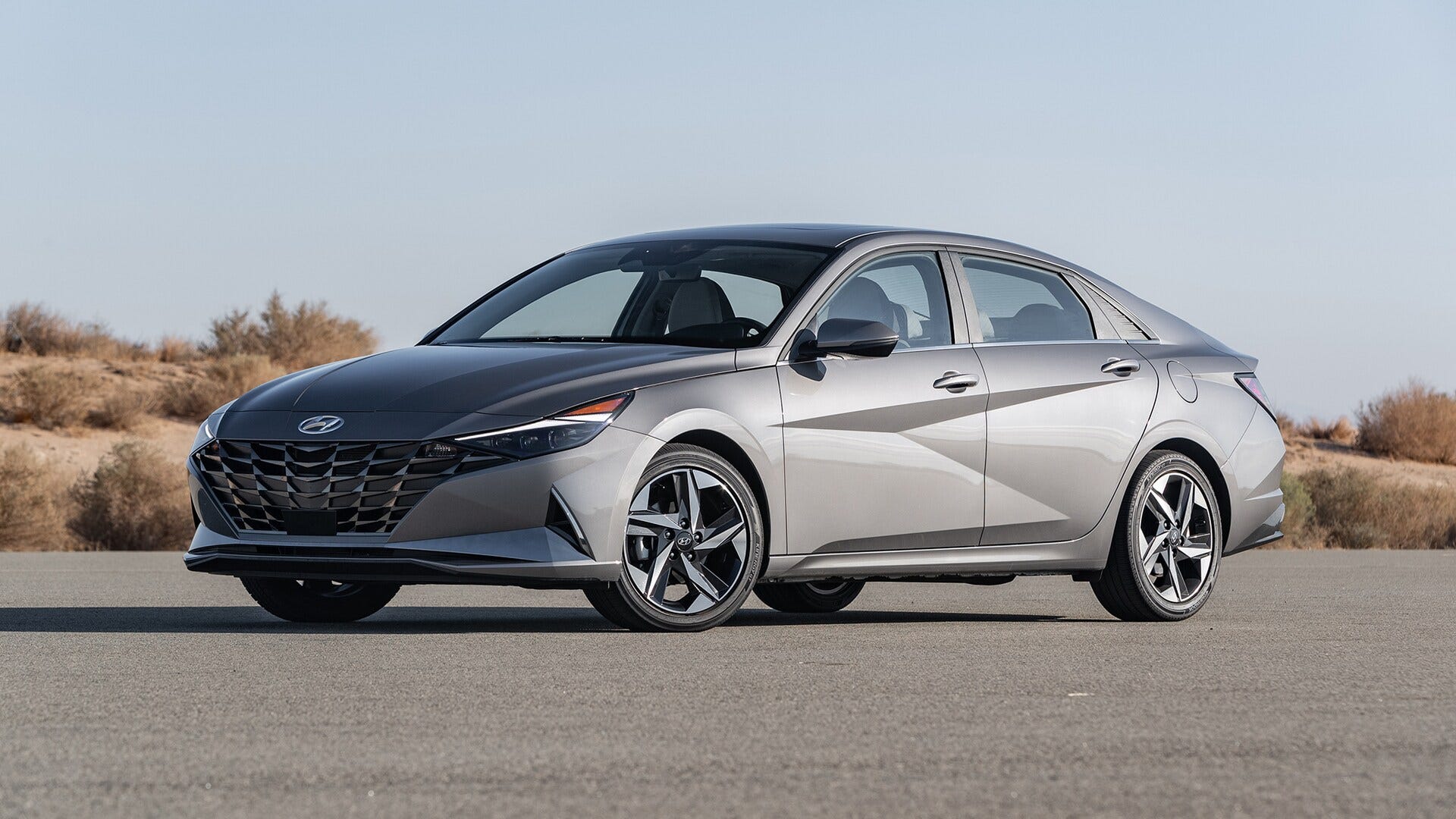
- Engine: 2.0L Inline 4 cylinder
- Horsepower: 147 hp
- Torque: 132 lb-ft
- Length: about 184.1 inches
- Width: about 71.9 inches
3. Hyundai Elantra
The Hyundai Elantra has become a strong competitor in the compact sedan category, offering a modern design and impressive technology features that appeal to urban drivers.
In US cities where style and efficiency both matter, the Elantra manages to balance affordability with a more premium feel than many of its competitors. It is especially attractive for younger drivers and professionals who want a stylish yet practical city car.
One of the major strengths of the Hyundai Elantra is its fuel efficiency, which makes it ideal for stop-and-go city traffic. The engine is optimized to deliver consistent performance without excessive fuel consumption, helping drivers manage rising fuel costs in urban areas. Hybrid variants further improve efficiency, making it a strong contender for eco-conscious city commuters.
The Elantra also performs well in terms of maneuverability. Its compact frame and responsive steering allow it to handle tight turns and congested streets with ease. Parking in crowded urban environments is less stressful due to its manageable size and good visibility. This makes it a practical choice for drivers who frequently navigate busy downtown areas.
Inside the cabin, the Elantra offers one of the more modern interiors in its class. The design is sleek and driver-focused, with digital displays and intuitive controls that enhance the driving experience. For city drivers who spend a lot of time in traffic, the comfort and connectivity features help make daily commutes more enjoyable and less tiring.
- Engine: 2.5L Inline 4 cylinder
- Horsepower: 191 hp
- Torque: 186 lb-ft
- Length: about 183.5 inches
- Width: about 70.7 inches
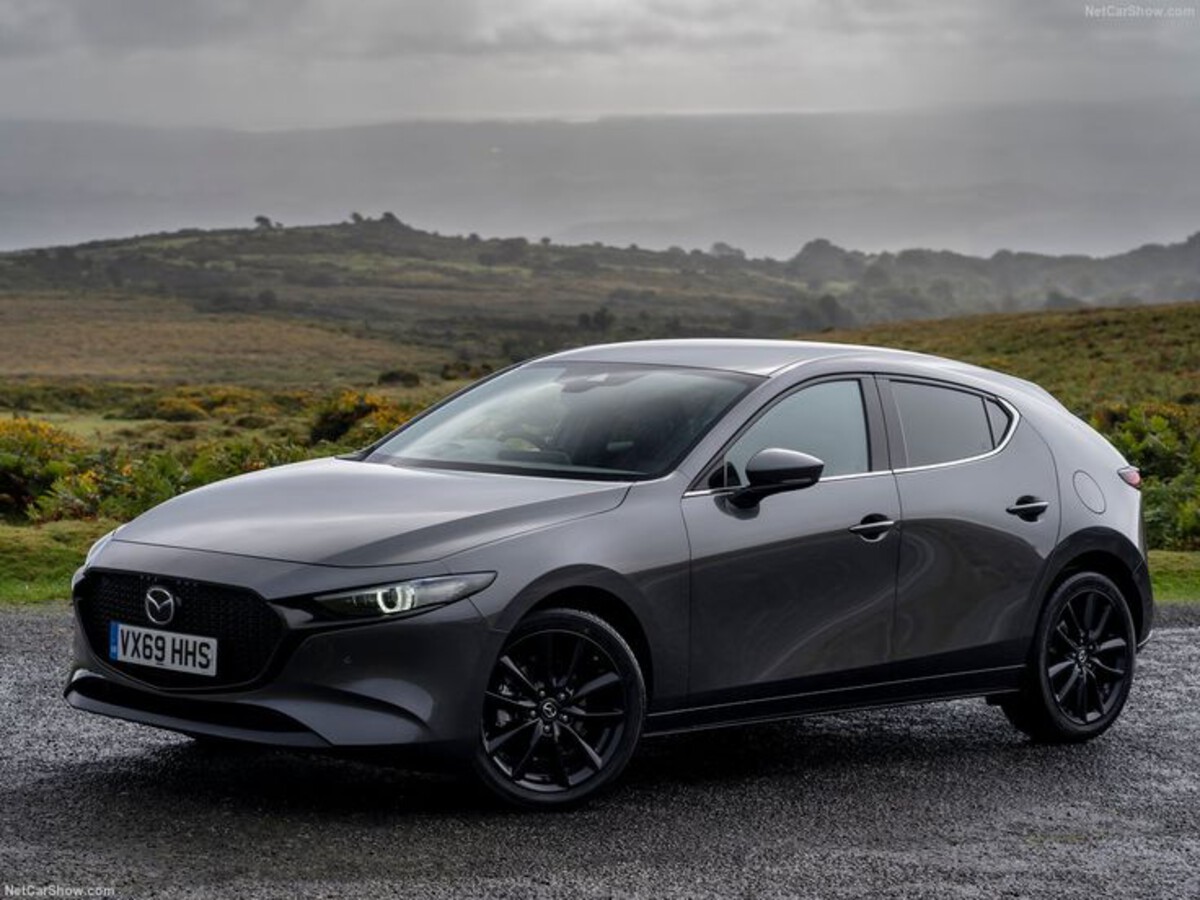
4. Mazda3
The Mazda3 is widely recognized for delivering a more engaging driving experience compared to many other compact cars, which makes it especially appealing in urban environments where driving enjoyment can often be limited by traffic. In US cities, where daily commutes can feel repetitive, the Mazda3 adds a level of refinement and responsiveness that helps improve the experience of driving through congested streets.
One of the key strengths of the Mazda3 is its precise handling. The steering response is sharp and controlled, which allows drivers to confidently navigate tight urban corners and sudden lane changes. This makes it particularly useful in dense traffic conditions where quick reactions are often required. Despite its sporty feel, it remains easy to drive in everyday city scenarios.
Fuel efficiency in the Mazda3 is also well balanced for urban use. While it may not always lead the segment in economy, it delivers competitive mileage that is sufficient for daily commuting in US cities. The balance between performance and efficiency makes it a versatile option for drivers who want both practicality and enjoyment.
The Mazda3 is a strong city car choice for US drivers who value driving enjoyment alongside practicality. It offers a blend of style, efficiency, and handling that makes urban commuting more engaging.
- Engine: Electric motor (single motor FWD)
- Horsepower: 200 hp
- Torque: 266 lb-ft
- Length: about 163.2 inches
- Width: about 69.5 inches
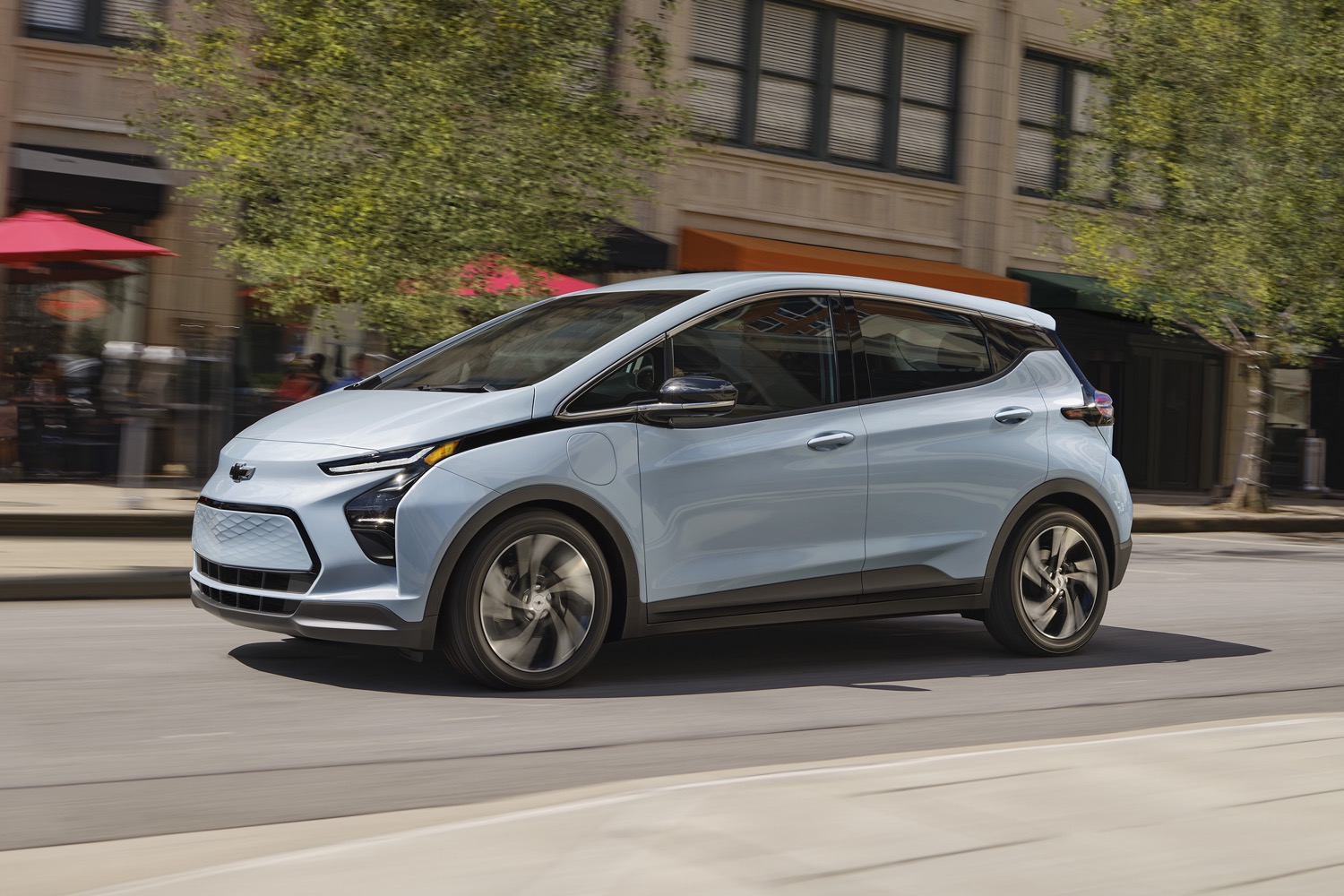
5. Chevrolet Bolt
The Chevrolet Bolt EV is one of the most practical electric vehicles for city driving in the United States. Its fully electric powertrain makes it especially suitable for urban environments where short trips, frequent stops, and regenerative braking can maximize efficiency. For city dwellers looking to reduce fuel costs and emissions, the Bolt EV is a highly relevant option.
One of the biggest advantages of the Bolt EV is its excellent range for city commuting. Most urban drivers can complete daily routines without needing frequent charging, which reduces inconvenience and increases practicality. Charging infrastructure in many US cities is expanding, making ownership increasingly convenient.
The compact size of the Bolt EV makes it ideal for city navigation. It is easy to maneuver through traffic and fits well into tight parking spaces. This is particularly important in densely populated urban areas where parking availability is limited and expensive.
The Chevrolet Bolt EV is a highly efficient and practical electric city car in the United States. It combines affordability, compact design, and electric efficiency, making it one of the best choices for urban drivers transitioning to EVs.
Also Read: IIHS Dings BMW i4 for Weak Headlights and AEB System
5 Cars Built Wrong for City Living in the US
- Engine: 3.5L Twin Turbo V6
- Horsepower: 450 hp
- Torque: 510 lb-ft
- Length: about 232.0 inches
- Width: about 86.6 inches
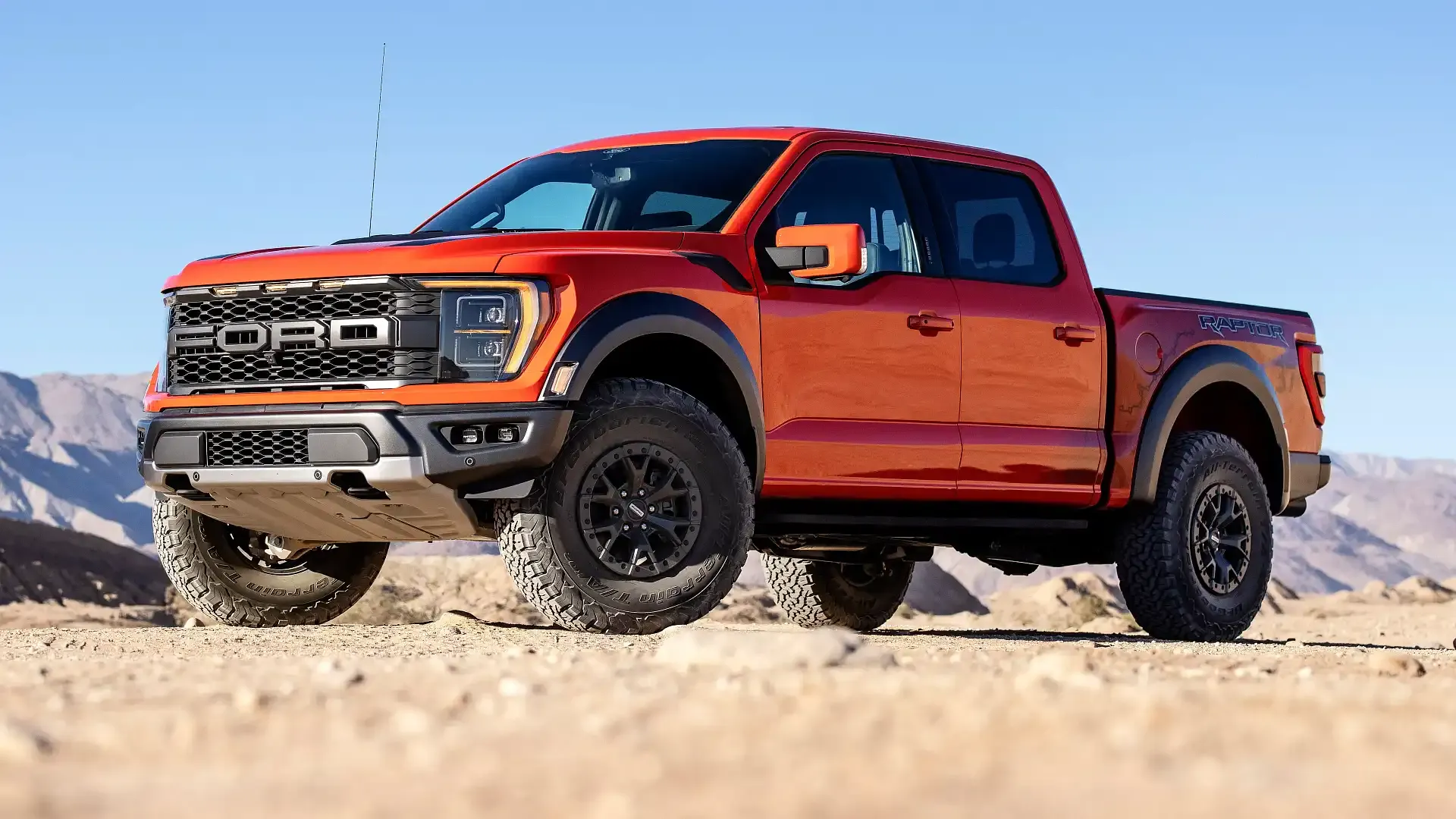
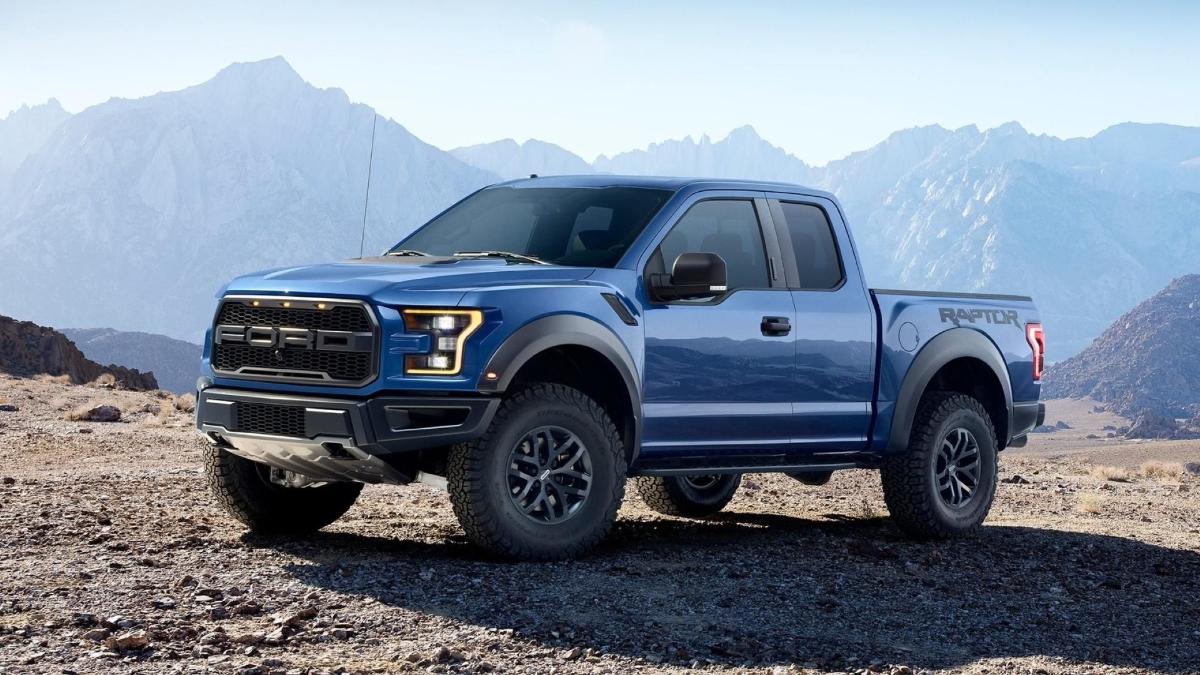
1. Ford F-150 Raptor
The Ford F-150 Raptor is engineered primarily for high-performance off-road driving, desert running, and heavy terrain use, which makes it fundamentally mismatched for dense urban environments in the United States.
In cities like New York, Los Angeles, or Chicago, where space is limited and traffic is constantly congested, the Raptor’s oversized footprint becomes an immediate disadvantage. Its wide body and elevated stance may provide road presence, but they also make lane positioning more difficult and reduce maneuverability in tight traffic situations.
From a fuel economy perspective, the Raptor is one of the least efficient options for city driving. Stop-and-go traffic, which is unavoidable in urban commuting, forces its large twin-turbo engine to consume significantly more fuel than necessary.
This creates a noticeable financial burden over time, especially for drivers who use their vehicle daily for short commutes, errands, or work travel within city limits. Compared to compact sedans or hybrid vehicles, the operating cost difference is substantial and continuous.
Parking is another major challenge for the Ford F-150 Raptor in urban areas. Many city parking structures in the United States are designed with standard vehicle dimensions in mind, and fitting a full-size off-road truck can be difficult or even impossible in certain locations.
Parallel parking on crowded streets also becomes stressful due to its length and width, often requiring multiple adjustments that slow down traffic behind it.
Comfort and interior features do offer some compensation, as the Raptor provides a spacious cabin, advanced technology, and strong seating support.
While the Ford F-150 Raptor is an exceptional performance truck for off-road enthusiasts, it is poorly optimized for city living. Its size, fuel consumption, and parking difficulty make it a costly and inconvenient choice for daily urban commuting in the United States.
- Engine: 5.3L V8
- Horsepower: 355 hp
- Torque: 383 lb-ft
- Length: about 225.7 inches
- Width: about 81.1 inches
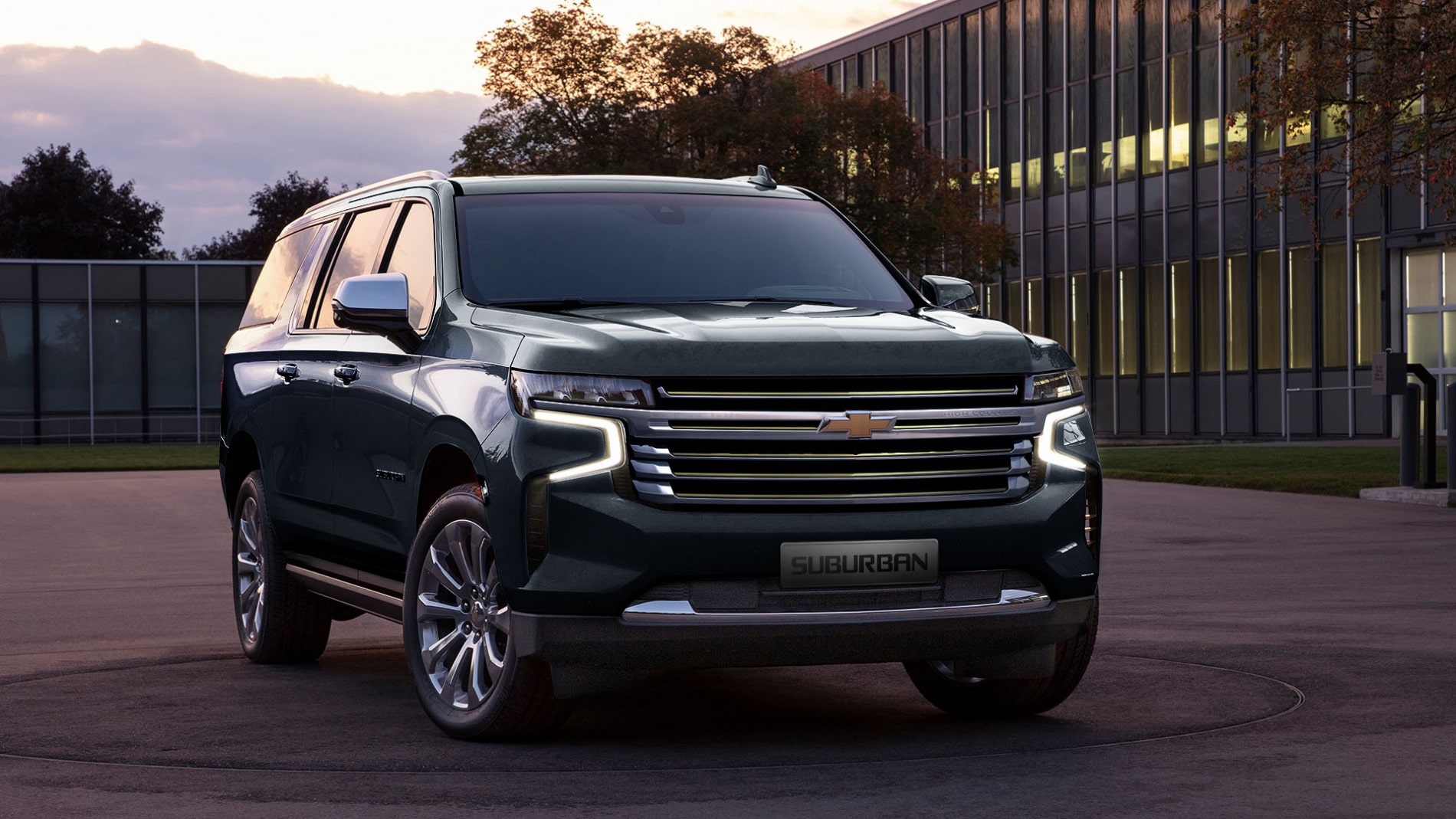
2. Chevrolet Suburban
The Chevrolet Suburban is one of the largest full-size SUVs available in the US automotive market, and its design is heavily focused on space, long-distance travel, and family hauling rather than urban practicality.
In city environments, its sheer size becomes a limiting factor, especially when moving through narrow streets, tight intersections, and crowded downtown traffic. Drivers often find themselves needing extra caution and planning simply to get through areas that smaller vehicles pass through effortlessly.
Fuel consumption is another major drawback when using the Suburban in urban driving conditions. The heavy frame and large engine are optimized for highway cruising and towing, not frequent acceleration and braking in stop-and-go traffic. As a result, city driving significantly reduces its efficiency and increases fuel costs, making it an expensive option for daily commuting in metropolitan areas.
Despite its spacious interior and premium comfort features, much of the Suburban’s capacity is unnecessary for typical city usage. The three-row seating and large cargo space are ideal for long road trips or large families, but in urban commuting scenarios, most of this space remains unused, making the vehicle feel oversized for its actual daily requirements.
- Engine: 6.2L Supercharged V8
- Horsepower: 717 hp
- Torque: 650 lb-ft
- Length: about 198.4 inches
- Width: about 75.0 inches
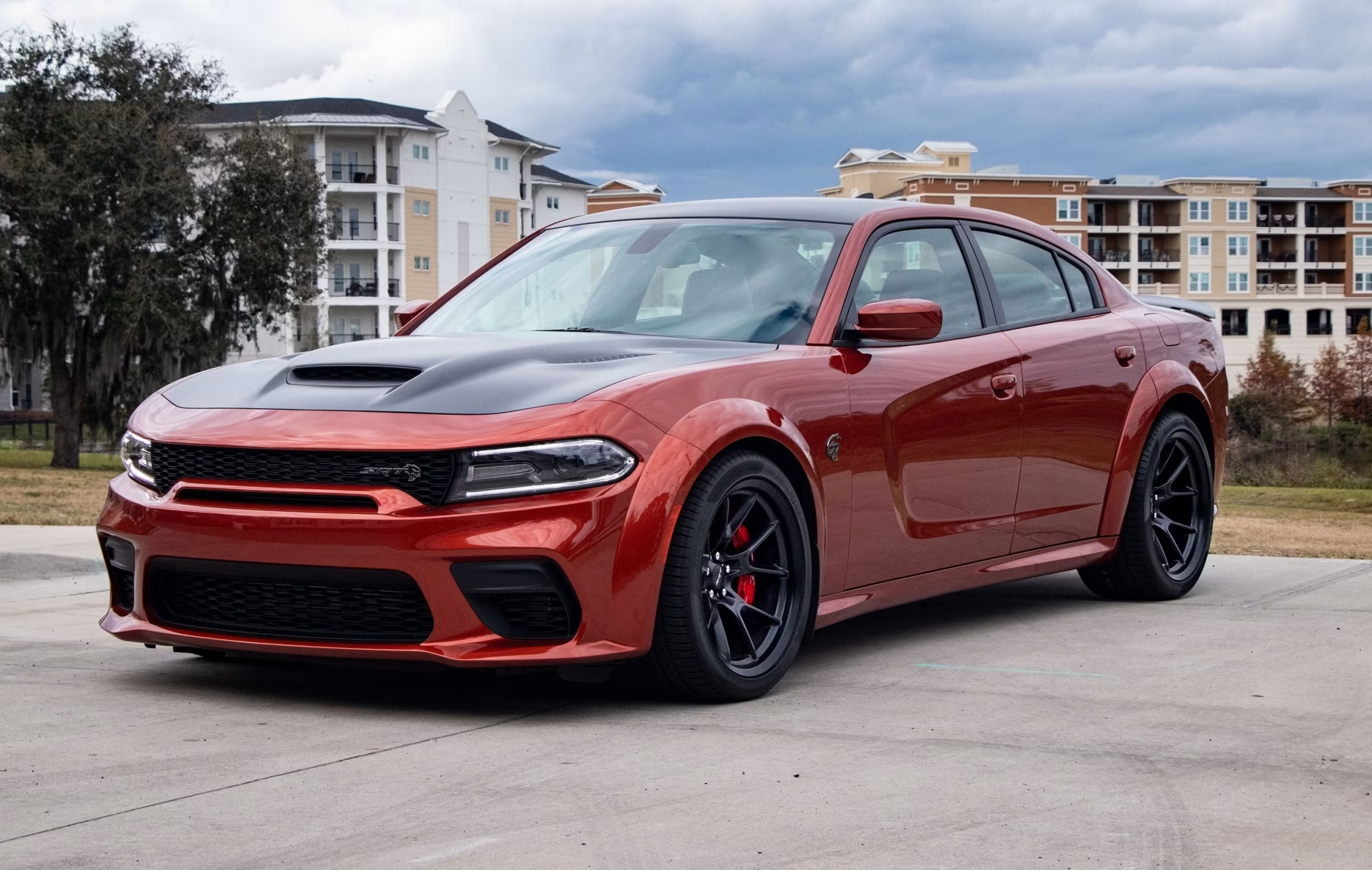
3. Dodge Charger Hellcat
The Dodge Charger Hellcat is a high-performance muscle car designed with raw power and acceleration in mind, which immediately creates a mismatch with the realities of city driving in the United States.
Urban environments rarely allow drivers to utilize the extreme horsepower this vehicle offers, as speed limits, traffic congestion, and frequent stops restrict performance usage. This means much of its engineering potential remains unused during daily commuting.
Fuel efficiency is one of the biggest disadvantages of the Charger Hellcat in city conditions. The supercharged V8 engine consumes fuel at a high rate, especially in stop-and-go traffic, where performance tuning is not optimized for economy. For drivers who use their vehicle primarily within city limits, this results in significantly higher fuel expenses compared to standard sedans or hybrid alternatives.
Maneuverability is another issue in dense urban settings. While the Charger is not as large as a truck or full-size SUV, its wide stance and performance-oriented design make it less agile in tight traffic situations. Quick lane changes, narrow street navigation, and frequent braking can feel less convenient compared to compact vehicles designed specifically for urban driving.
Parking in crowded US cities can also be inconvenient with the Charger Hellcat, especially in older downtown areas where parking spaces are smaller and more tightly arranged. Although it is easier to manage than a full-size SUV, it still lacks the compact advantage needed for effortless urban parking, particularly during peak hours or in underground garages with limited space.
The Dodge Charger Hellcat is built for performance enthusiasts who prioritize speed and power over practicality. In city environments, these strengths lose their relevance, making it a less efficient and more costly option for everyday urban transportation.
- Engine: 3.6L V6
- Horsepower: 285 hp
- Torque: 260 lb-ft
- Length: about 188.4 inches
- Width: about 73.8 inches
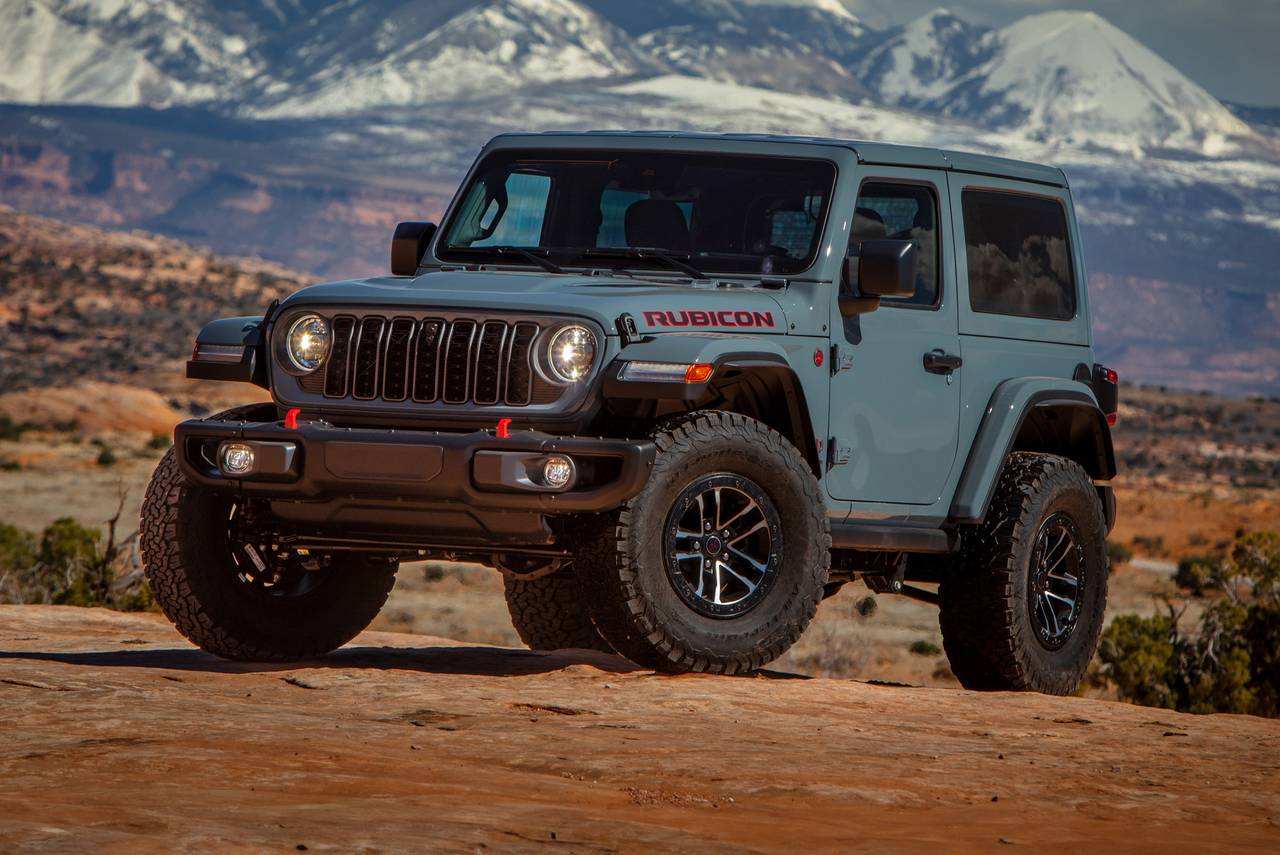
4. Jeep Wrangler Rubicon
The Jeep Wrangler Rubicon is widely respected for its off-road capability and rugged design, but these same characteristics make it less suitable for city driving in the United States.
Its boxy structure, high ground clearance, and heavy-duty build are optimized for trails, rocks, and uneven terrain rather than paved urban streets. In cities, this translates into reduced aerodynamic efficiency and less smooth handling.
Fuel efficiency is a significant limitation when using the Wrangler Rubicon in city conditions. The vehicle’s design prioritizes torque and off-road strength, which leads to higher fuel consumption during stop-and-go driving. Urban commuters often find that frequent braking and idling in traffic reduces mileage further, making it more expensive to operate on a daily basis compared to compact cars or hybrids.
Another challenge is maneuverability in tight city spaces. The Wrangler’s wider turning radius and tall frame make it less convenient when moving through narrow streets, crowded intersections, or compact parking areas. While it is highly capable in off-road environments, these advantages do not translate well to urban driving scenarios where precision and compact movement are more important.
Parking can also be somewhat inconvenient, particularly in older US cities where parking structures and street layouts were not designed for larger, taller vehicles. While not as difficult as full-size trucks or large SUVs, the Wrangler still requires more attention and space than typical city-friendly sedans or hatchbacks.
The Jeep Wrangler Rubicon is a specialized vehicle built for adventure and outdoor terrain. In urban environments, its fuel inefficiency, boxy design, and limited maneuverability make it less practical for daily commuting needs.
- Engine: 5.6L V8
- Horsepower: 400 hp
- Torque: 413 lb-ft
- Length: about 242.0 inches
- Width: about 79.5 inches
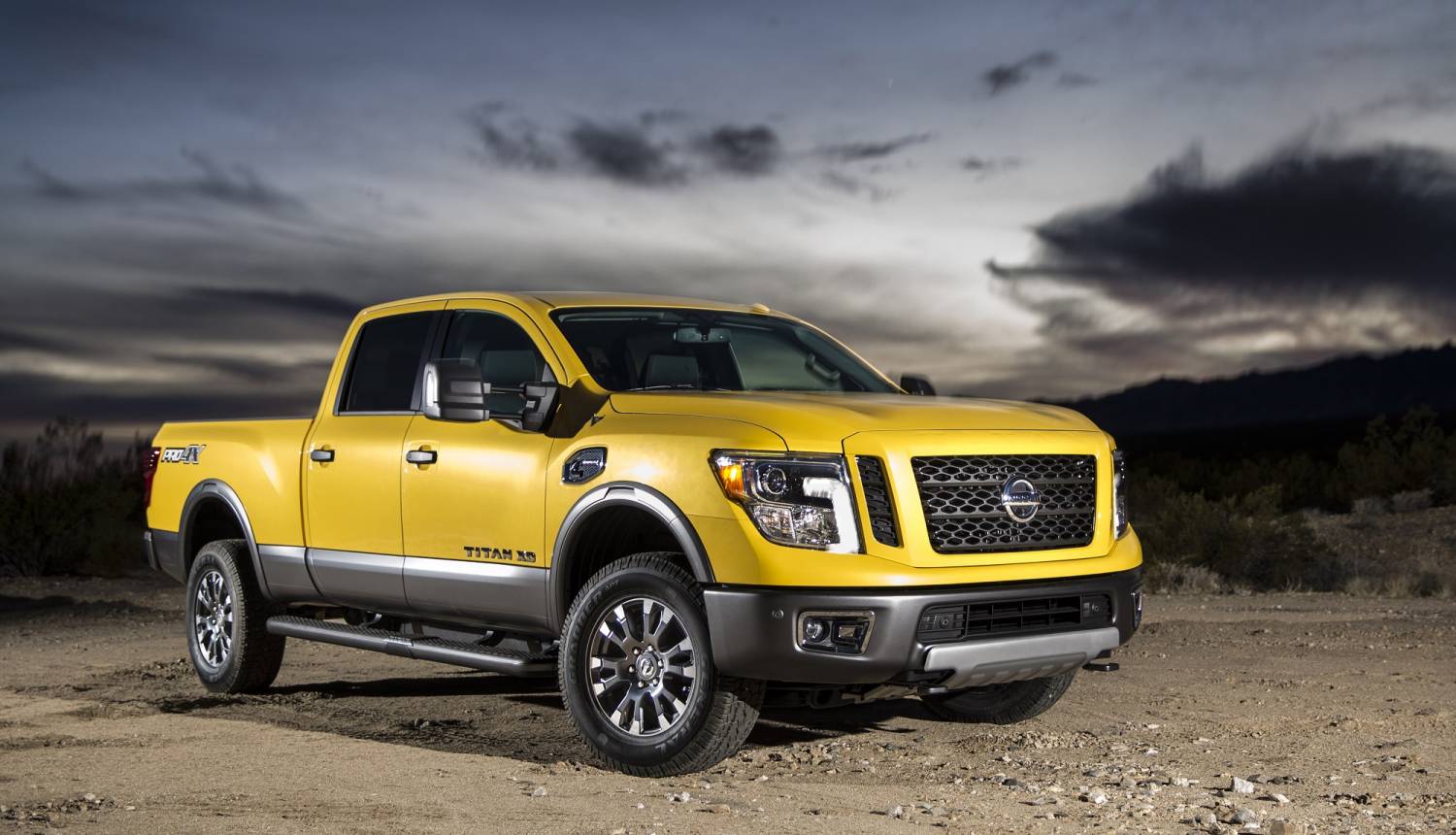
5. Nissan Titan XD
The Nissan Titan XD is a heavy-duty pickup truck designed primarily for towing, hauling, and industrial-level utility rather than urban transportation.
In city environments, its large size and heavy build make it difficult to fit into everyday traffic conditions. Moving through narrow streets, tight corners, and congested intersections often requires more effort and planning compared to smaller vehicles.
Fuel efficiency is one of the biggest disadvantages of the Titan XD in city driving. The powerful engine is built to handle heavy loads and long-distance travel, not short urban trips with frequent stops. As a result, fuel consumption increases significantly in city conditions, making it an expensive vehicle to operate for daily commuting or routine errands.
Parking is another major limitation in urban environments. Many US cities have limited parking space availability, and the Titan XD’s large dimensions make it difficult to fit into standard parking spots or compact parking garages. Even when parking is available, maneuvering such a large truck into tight spaces can be stressful and time-consuming for drivers.
Ride comfort and practicality are also impacted in city settings. While the truck performs well under heavy-duty conditions, many of its capabilities are unnecessary for urban driving. Features designed for towing or payload capacity are rarely used in city life, meaning drivers are essentially carrying extra weight and size without practical benefit.
The Nissan Titan XD is built for strength and utility rather than urban convenience. Its size, fuel inefficiency, and parking challenges make it one of the least practical choices for city living in the United States.
