
Modern vehicles are more advanced than ever, incorporating complex electronics, encrypted software, sophisticated driver assistance systems, and highly integrated powertrains. While these technologies improve safety, efficiency, and performance, they have also made many vehicles increasingly difficult for independent repair shops to service.
In numerous cases, repairs now require factory diagnostic software, online programming access, proprietary calibration procedures, or specialized tools that are available only to authorized dealerships.
Manufacturers have also expanded the use of over-the-air software updates, security gateways, digital key systems, and electronically controlled components that must be paired to the vehicle after installation.
Even relatively common repairs such as replacing a battery, steering rack, headlight, transmission module, or radar sensor can require manufacturer-specific programming before the vehicle functions properly.
As a result, independent mechanics may have the technical expertise to complete the mechanical work but still lack access to the software needed to finish the repair.
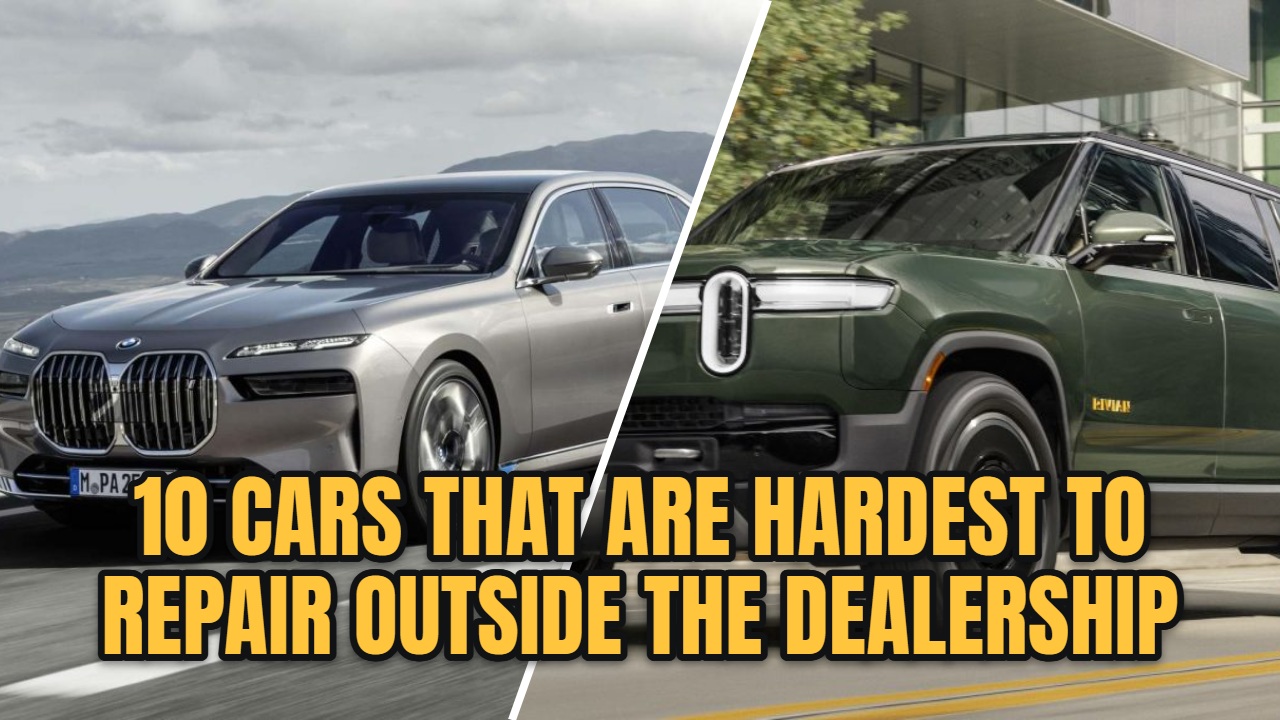
This list highlights ten vehicles sold in the United States that are particularly challenging to repair outside their authorized dealer networks.
The rankings are based on documented service procedures, manufacturer repair requirements, the availability of factory diagnostic tools, electronic system complexity, and the extent to which software programming is required after component replacement.
These vehicles are not necessarily unreliable. Instead, they represent models whose advanced engineering often makes dealership service the most practical option for many major repairs.
Also Read: 10 Vehicles With the Smallest Gap Between New and Used Prices
1. Tesla Model S
Few modern vehicles demonstrate the transition to software-defined automobiles as clearly as the Tesla Model S. Nearly every major vehicle function is integrated into Tesla’s proprietary software ecosystem, making its technology far more interconnected than that of many traditional luxury sedans.
Independent repair shops can replace physical components such as suspension parts or brakes, but many electronic repairs require factory authorization, online software pairing, or diagnostic functions that are available only through Tesla’s service platform.
One of the biggest challenges involves module replacement. Components including battery management systems, drive units, cameras, electronic control units, and high-voltage hardware frequently require software configuration after installation.
Without proper programming, the replacement part may not communicate correctly with the rest of the vehicle. Tesla also relies heavily on over-the-air software updates that continuously modify vehicle behavior, meaning independent technicians must stay current with evolving service procedures.
High-voltage safety requirements further complicate repairs. The Model S operates on a battery system capable of delivering hundreds of volts, requiring specialized protective equipment and technician certification before many repairs can safely begin.
In addition, advanced driver assistance features such as Autopilot require precise camera and sensor calibration after windshield replacement, suspension work, or collision repairs.
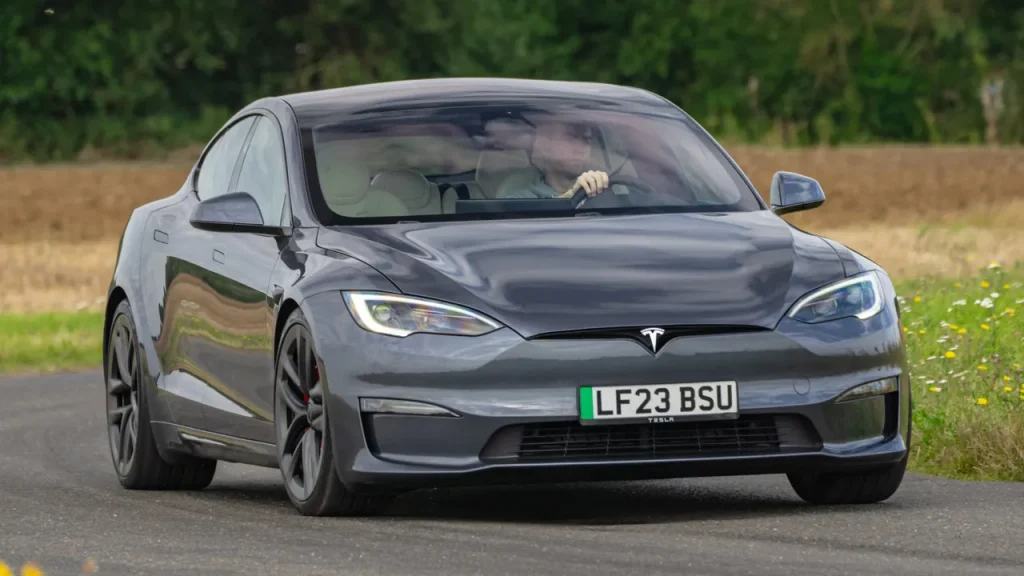
Tesla has expanded access to service information in recent years, but many repairs still depend on factory diagnostic tools and software authorization.
As a result, owners often discover that dealership or Tesla-approved service centers remain the most practical choice for major electronic, battery, or software-related repairs, even when an experienced independent mechanic performs the mechanical work.
Specifications
- Engine: Dual electric motors
- Torque: 713 lb-ft
- Horsepower: 670 hp
- Length/Width: 197.7 inches / 78.2 inches
2. Mercedes-Benz S-Class (W223)
The latest Mercedes-Benz S-Class showcases some of the most sophisticated automotive technology available in the United States. It also ranks among the most difficult luxury sedans for independent repair facilities to service because nearly every major component communicates through an extensive network of electronic control modules.
Even routine maintenance can require manufacturer-specific diagnostic equipment to reset systems or initialize replacement parts.
A defining challenge is Mercedes-Benz’s use of security gateways and encrypted electronic architecture. Many control modules require factory software access before they can be programmed or coded to the vehicle.
Replacing an adaptive headlight, air suspension component, steering rack, radar sensor, or transmission controller is often only part of the repair process. Once the hardware is installed, technicians must perform software coding and system calibration using Mercedes-Benz’s official XENTRY diagnostic platform.
The S-Class also incorporates advanced features such as E-Active Body Control, rear-wheel steering, MBUX infotainment, Digital Light technology, adaptive cruise control, and multiple radar and camera systems.
Following repairs involving suspension, steering, or body components, these systems frequently require electronic calibration to restore proper operation. Independent repair shops without factory subscriptions may not have access to every required procedure.
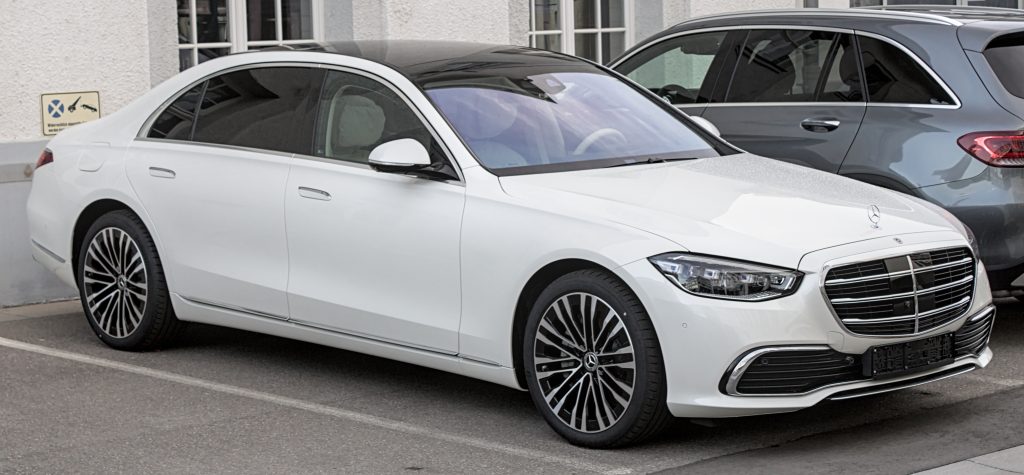
Although aftermarket diagnostic tools continue to improve, they often cannot perform every coding function supported by Mercedes-Benz’s factory software. Consequently, many complex electrical or safety-related repairs ultimately require dealership involvement.
Owners benefit from exceptional technology and luxury, but those same innovations make the W223 S-Class one of the most dealership-dependent vehicles currently sold in America.
Specifications
- Engine: 3.0-liter turbocharged inline-six with mild hybrid assistance (S 500)
- Torque: 413 lb-ft
- Horsepower: 442 hp
- Length/Width: 208.2 inches / 76.9 inches
3. Rivian R1S
The Rivian R1S represents a new generation of software-driven electric SUVs, and its highly integrated design makes independent repairs considerably more challenging than those on conventional vehicles.
Nearly every major system, from the battery pack and drive units to the air suspension and advanced driver assistance features, communicates through a centralized electronic architecture.
While experienced independent technicians can perform some mechanical work, many repairs still depend on Rivian’s proprietary diagnostic software and factory procedures.
One of the biggest obstacles is component programming. Replacing electronic modules often requires the new part to be recognized and configured through Rivian’s service software before the system will operate correctly.
This applies to battery-related hardware, drive units, onboard charging equipment, and numerous body control modules. Without the proper software access, installing replacement parts alone may not restore full functionality.
The R1S also uses an advanced sensor suite that supports adaptive cruise control, lane-centering assistance, collision mitigation, and 360-degree camera views. Following windshield replacement, suspension repairs, steering work, or collision damage, these systems typically require calibration using manufacturer-approved procedures.
Rivian’s air suspension adds another layer of complexity because ride height sensors and suspension modules must communicate accurately with multiple control units.
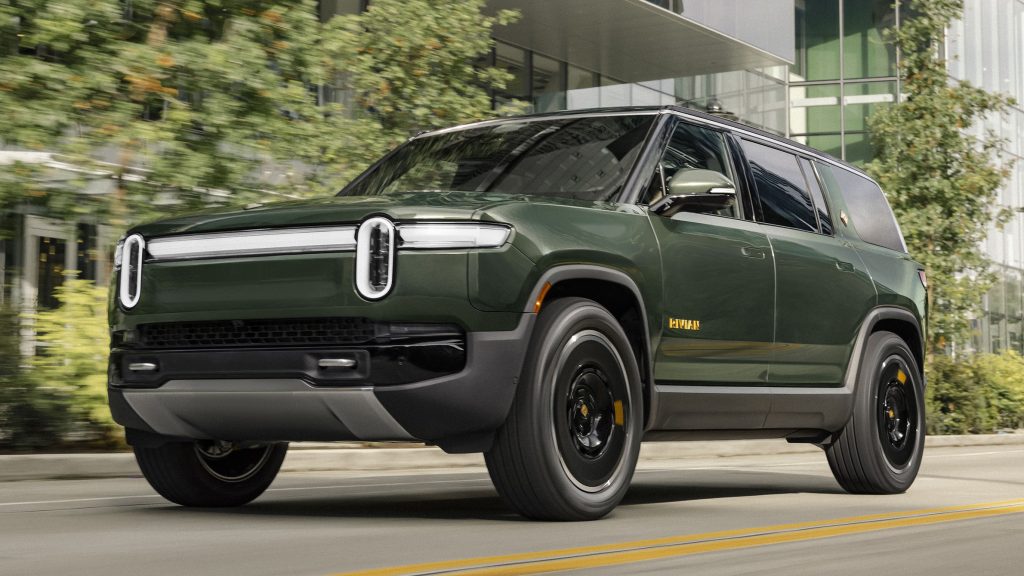
High-voltage safety requirements further increase the challenge. The battery pack and electrical architecture demand specialized protective equipment and technician training before major repairs can begin.
For this reason, many insurance companies and collision centers direct significant repairs to Rivian-certified facilities. Although Rivian continues expanding service information, dealership- or factory-authorized service centers remain the preferred option for many electronic, software, and high-voltage repairs.
Specifications
- Engine: Quad electric motors (Launch Edition)
- Torque: 908 lb-ft
- Horsepower: 835 hp
- Length/Width: 200.8 inches / 79.3 inches
4. BMW i7
Luxury electric sedans have introduced unprecedented levels of electronic integration, and the BMW i7 is among the most technically demanding vehicles for independent repair shops.
Beyond its dual-motor electric drivetrain, the i7 incorporates dozens of interconnected control modules that manage battery systems, suspension, steering, infotainment, lighting, climate control, and advanced driver assistance technologies. Many replacement components require factory software coding before they become operational.
BMW’s diagnostic platform plays a central role in nearly every major repair. Replacing modules associated with the battery management system, adaptive air suspension, steering electronics, or Digital Interaction Bar often requires programming through BMW’s ISTA service software.
Independent repair facilities with limited access to factory tools may complete the physical installation but still be unable to finish the electronic commissioning process.
Another complication is the i7’s extensive driver assistance package. Radar sensors, ultrasonic sensors, multiple cameras, and highway driving assistance functions depend on precise calibration whenever suspension geometry changes or collision repairs affect sensor alignment.
Even replacing a windshield may require recalibration of several safety systems before the vehicle can operate normally.
The vehicle’s high-voltage battery also requires certified handling procedures. Technicians must follow manufacturer safety guidelines and use specialized equipment when servicing battery components or high-voltage electrical systems.
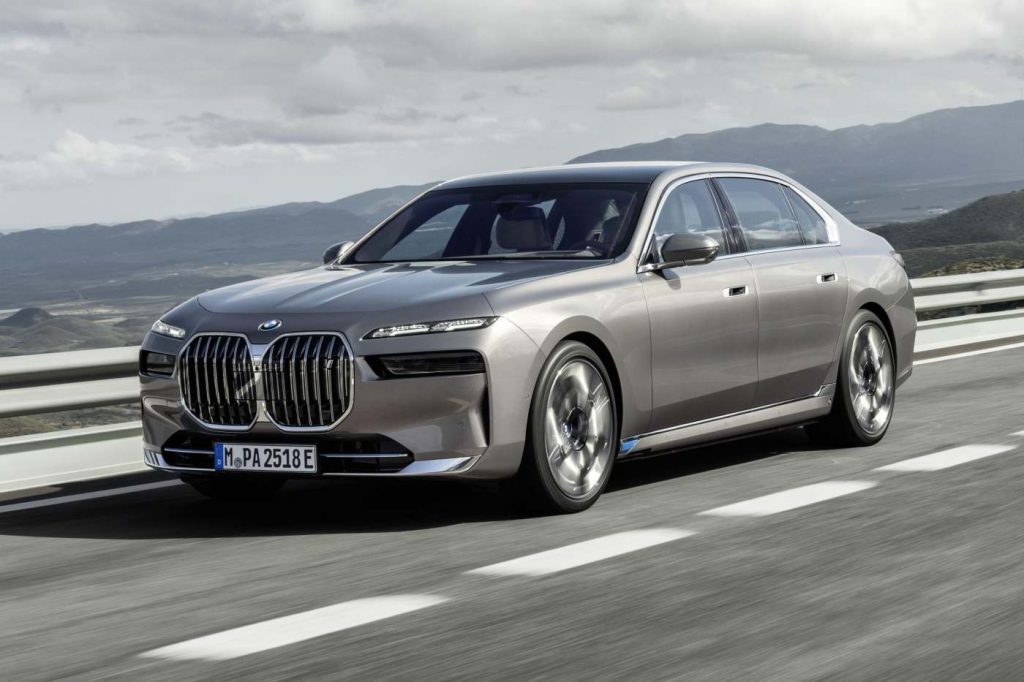
Because of these requirements, many complex repairs are directed to BMW dealerships or certified electric vehicle repair facilities. The i7 demonstrates how cutting-edge luxury and electrification can significantly increase dependence on factory diagnostics, proprietary software, and manufacturer-approved repair procedures.
Specifications
- Engine: Dual electric motors
- Torque: 549 lb-ft
- Horsepower: 536 hp
- Length/Width: 212.2 inches / 76.8 inches
5. Lucid Air
The Lucid Air entered the U.S. market with industry-leading range, an advanced 900-volt electrical architecture, and some of the most sophisticated power electronics currently used in a production sedan. Those innovations have earned widespread praise, but they have also created significant repair challenges outside Lucid’s authorized service network.
Independent repair shops may be capable of handling routine maintenance such as tires, brakes, or suspension work, yet major electrical and software-related repairs often require factory support.
The Lucid Air relies on a tightly integrated network of electronic control units that continuously communicate with one another to manage the vehicle’s core functions. This advanced electronic architecture increases system complexity and often requires specialized diagnostic tools and repair procedures.
If a drive unit, battery management module, charging component, or vehicle controller is replaced, it generally must be configured through Lucid’s proprietary diagnostic system before normal operation is restored. Simply installing a new component is rarely sufficient.
The Air also features a comprehensive suite of advanced driver assistance systems, including multiple cameras, radar sensors, ultrasonic sensors, and high-definition displays.
Following windshield replacement, collision repairs, steering work, or suspension adjustments, these systems frequently require calibration using manufacturer-approved software. Access to those procedures is limited compared with more established automakers.
Another factor is the vehicle’s high-voltage electrical system. The 900-volt architecture requires specialized insulated tools, protective equipment, and technicians trained to work safely around high-energy battery systems.
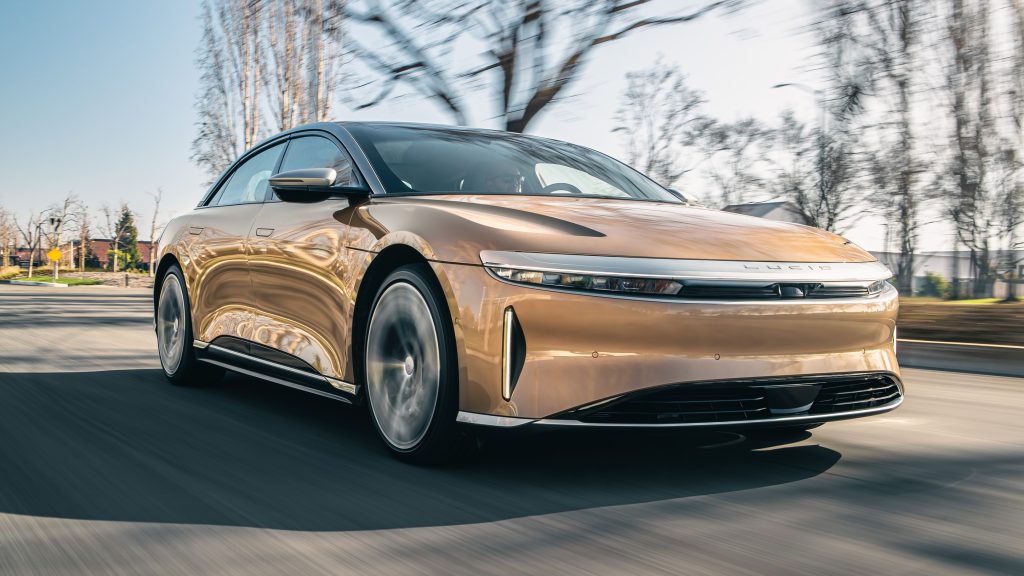
Because Lucid’s service network remains relatively small compared with legacy manufacturers, many owners rely on factory-authorized service centers for complex repairs.
The Lucid Air demonstrates how rapidly advancing EV technology can outpace the capabilities of many independent repair facilities. Its engineering delivers exceptional performance and efficiency, but major repairs often depend on proprietary software, specialized equipment, and factory-certified technicians.
Specifications
- Engine: Dual electric motors (Air Touring)
- Torque: 885 lb-ft
- Horsepower: 620 hp
- Length/Width: 195.9 inches / 76.3 inches
6. Land Rover Range Rover (L460)
The latest Range Rover combines luxury with advanced off-road capability, but it also ranks among the most technically demanding SUVs for independent repair facilities.
Beneath its refined appearance lies an extensive electronic architecture that manages everything from adaptive air suspension and all-wheel steering to terrain response systems, active anti-roll technology, and dozens of interconnected control modules. Servicing these systems often requires factory-level diagnostic equipment.
Many repairs extend well beyond replacing defective parts. Installing an electronic air suspension compressor, steering rack, transfer case controller, adaptive headlight, or body control module usually requires programming and software initialization using Jaguar Land Rover’s official Pathfinder diagnostic platform.
Without proper coding, replacement components may not communicate correctly with the rest of the vehicle.
The Range Rover’s driver assistance technology further increases repair complexity. Adaptive cruise control, lane-keeping assistance, surround-view cameras, parking systems, and traffic sign recognition depend on accurately aligned sensors and cameras.
After suspension work, wheel alignment, windshield replacement, or collision repairs, factory calibration procedures are often required before these systems function correctly.
Electronic complexity is matched by mechanical sophistication. The adjustable air suspension, active differentials, and terrain management systems all rely on multiple sensors working together in real time. Diagnosing faults frequently involves interpreting data from numerous electronic modules rather than replacing a single failed component.

Independent specialists with advanced equipment can successfully service many Range Rovers, but major electrical, suspension, and software-related repairs often remain dealership-oriented.
The L460 exemplifies how luxury, off-road capability, and modern electronics can combine to make independent servicing significantly more challenging than on traditional SUVs.
Specifications
- Engine: 3.0-liter turbocharged inline-six with mild hybrid assistance (P400)
- Torque: 406 lb-ft
- Horsepower: 395 hp
- Length/Width: 198.9 inches / 78.6 inches
7. Porsche Taycan
Porsche designed the Taycan as a high-performance electric sports sedan rather than simply an electric version of an existing model. Its engineering includes an 800-volt electrical architecture, dual-voltage battery systems, adaptive air suspension, rear-axle steering, and sophisticated power electronics.
These technologies provide outstanding performance, but they also make the Taycan one of the most difficult EVs for independent repair shops to service without factory resources.
Many Porsche Taycan components require more than a simple parts replacement. After installing items such as battery control modules, power electronics, drive units, charging components, and numerous electronic control units, Porsche mandates software commissioning to properly integrate and calibrate the new hardware with the vehicle’s systems.
These procedures are performed using Porsche’s PIWIS diagnostic system, which offers functions beyond the capabilities of many aftermarket scan tools.
The vehicle’s advanced safety technologies create additional challenges. Adaptive cruise control, lane-keeping assistance, surround-view cameras, parking sensors, and traffic sign recognition all rely on precise calibration after repairs involving the windshield, suspension, steering, or body panels.
Porsche specifies exact calibration procedures to ensure these systems operate within factory tolerances. Servicing the high-voltage battery also demands certified technicians and insulated equipment designed specifically for EV repair.
The 800-volt system presents additional safety considerations compared with lower-voltage electric vehicles, making manufacturer training particularly important. Even routine battery isolation procedures require following detailed factory instructions.
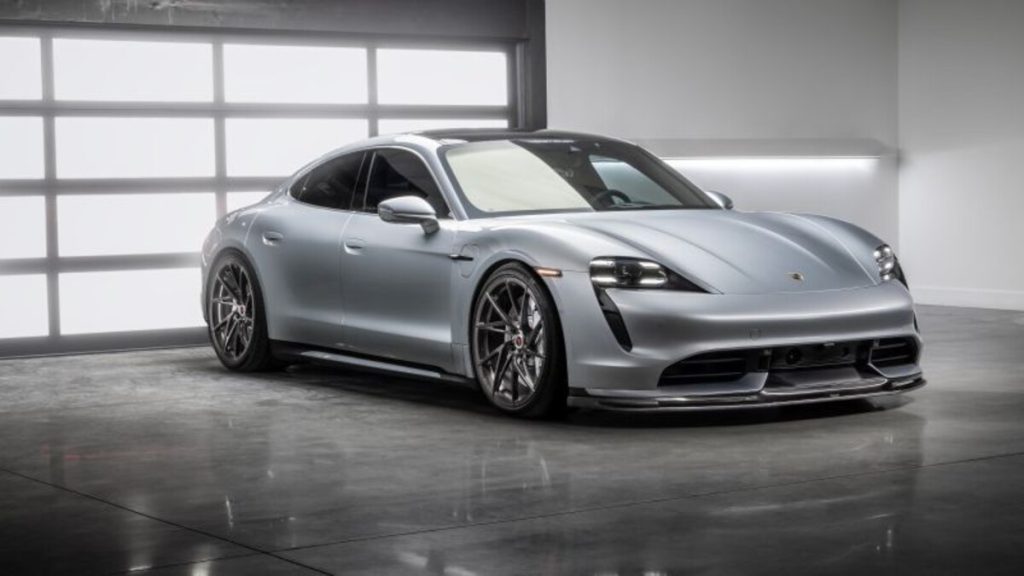
While experienced independent Porsche specialists can perform mechanical maintenance such as brakes and suspension work, major electrical or software-related repairs frequently require dealership involvement.
The Taycan’s blend of advanced electronics, proprietary programming, and high-voltage technology makes it one of the most dealership-dependent performance cars available in the U.S. market.
Specifications
- Engine: Dual electric motors (Taycan 4S)
- Torque: 479 lb-ft
- Horsepower: 509 hp
- Length/Width: 195.4 inches / 77.4 inches
8. Genesis GV80
The Genesis GV80 pairs premium luxury features with a highly sophisticated electronic architecture that can make repairs more challenging, particularly outside an authorized Genesis retailer. Its advanced network of electronic systems often requires specialized diagnostic equipment and manufacturer-specific expertise for proper servicing.
Although routine maintenance is straightforward, replacing many electronic components requires factory diagnostic software and coding procedures that are not always available to independent repair facilities.
The GV80 incorporates numerous interconnected control units responsible for adaptive suspension, electronically controlled all-wheel drive, digital instrument displays, fingerprint authentication, advanced climate systems, and an extensive suite of driver assistance technologies.
When modules such as the steering controller, radar unit, adaptive headlight assembly, or body control module are replaced, Genesis often requires programming and initialization using its Global Diagnostic System (GDS).
Another area where dealership equipment becomes valuable is sensor calibration. Features such as Highway Driving Assist II, forward collision avoidance, blind-spot monitoring, surround-view cameras, and smart parking assist depend on accurate calibration following windshield replacement, collision repairs, suspension work, or wheel alignment.
Even if the repair itself is completed correctly, these systems may not function properly until calibration is performed according to factory procedures.
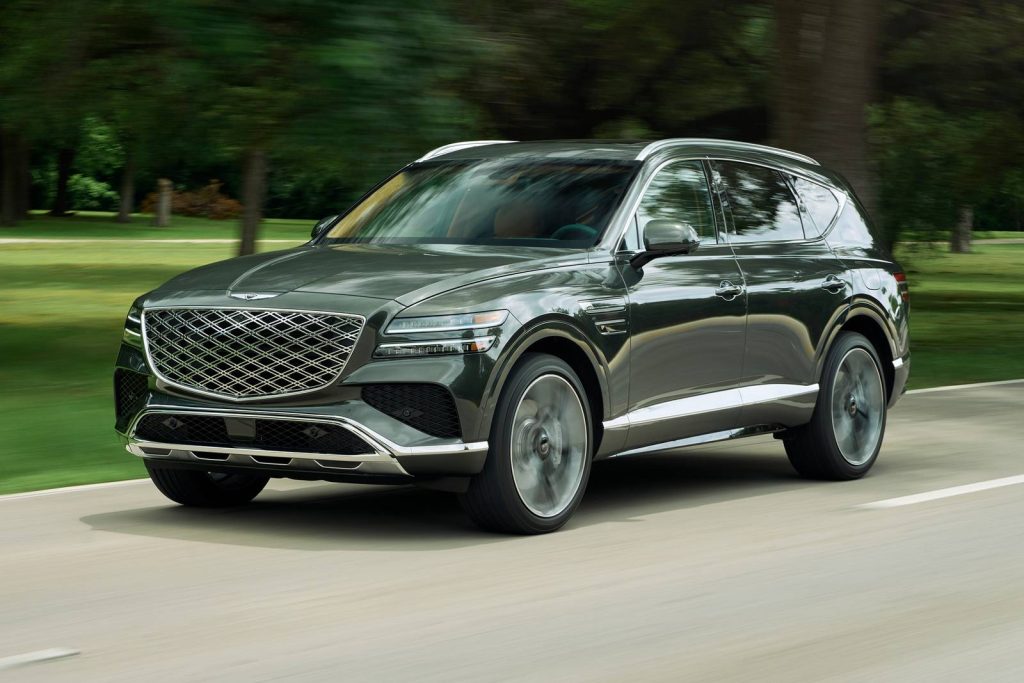
The GV80 also employs encrypted communication between many electronic modules, making advanced diagnostics more complicated than on older luxury SUVs. Independent specialists equipped with factory-level tools can successfully service the vehicle, but smaller repair shops often lack access to every required function.
Genesis has earned recognition for quality and technology, yet those same advancements have increased the need for dealership-level software, specialized diagnostic equipment, and manufacturer service information during major repairs.
Specifications
- Engine: 3.5-liter twin-turbocharged V6
- Torque: 391 lb-ft
- Horsepower: 375 hp
- Length/Width: 194.7 inches / 77.8 inches
9. Audi e-tron GT
The Audi e-tron GT shares much of its underlying engineering with the Porsche Taycan, including its advanced 800-volt electrical architecture. That shared technology gives the car exceptional charging speeds and performance, but it also places it among the most difficult vehicles for independent repair shops to service.
Many repairs involve software configuration, component coding, and calibration procedures that depend on Audi’s factory ODIS diagnostic platform.
One of the primary challenges is the integration of the vehicle’s electronic systems. The battery management unit, power electronics, drive motors, adaptive air suspension, thermal management system, and charging hardware constantly communicate through multiple control modules.
If one of these components is replaced, factory programming is typically required before the vehicle can recognize the new part and restore full functionality. Without proper coding, warning messages or reduced operating capability may remain.
The e-tron GT also features an extensive collection of driver assistance technologies, including adaptive cruise assist, lane guidance, intersection assist, surround-view cameras, and parking sensors.
Following collision repairs, windshield replacement, suspension service, or steering work, Audi specifies precise calibration procedures to ensure these systems meet factory standards. Many independent shops lack the complete equipment needed to perform every required calibration.
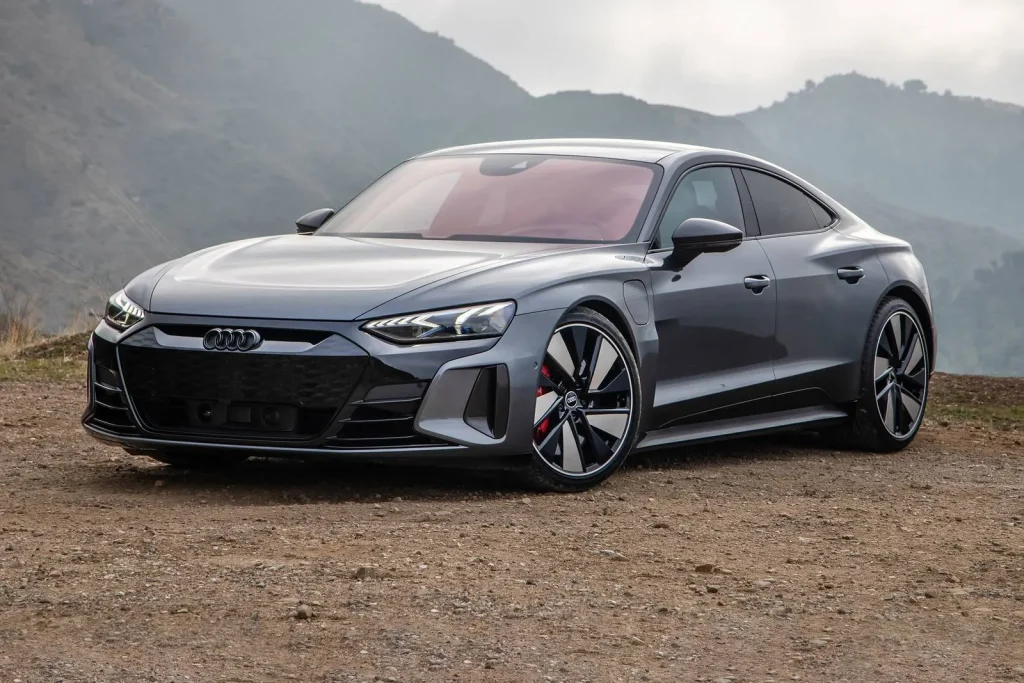
High-voltage safety requirements further increase repair complexity. The battery system demands insulated tools, protective equipment, and technicians trained to work safely around high-energy electrical components. Because of these requirements, many insurers recommend factory-certified repair facilities after significant accidents.
The e-tron GT showcases Audi’s engineering capabilities, but it also demonstrates how sophisticated electronics, proprietary software, and high-voltage systems can make dealership-level support essential for many major repairs.
Specifications
- Engine: Dual electric motors
- Torque: 612 lb-ft (launch control)
- Horsepower: 522 hp (637 hp with launch control on RS e-tron GT)
- Length/Width: 196.4 inches / 77.3 inches
10. BMW XM
The BMW XM is unlike any previous BMW SUV. It combines a plug-in hybrid V8 powertrain with advanced chassis technology, active anti-roll stabilization, adaptive air suspension, rear-wheel steering, and a sophisticated electronic architecture that controls virtually every aspect of the vehicle.
While these systems deliver remarkable performance and luxury, they also make the XM exceptionally difficult to repair outside an authorized BMW dealership.
A major reason is the complexity of its plug-in hybrid system. The twin-turbocharged V8 engine must operate seamlessly alongside the electric motor, high-voltage battery, regenerative braking system, and multiple electronic controllers.
Servicing or replacing any of these components often requires BMW’s ISTA diagnostic software for coding, software updates, and system commissioning. Simply replacing a defective module is usually not enough to complete the repair.
The XM also incorporates numerous advanced driver assistance systems that rely on cameras, radar sensors, ultrasonic sensors, and electronic steering controls. Repairs involving suspension, steering components, windshield replacement, or collision damage typically require factory calibration before these systems can function correctly.
In addition, the vehicle’s adaptive suspension and active anti-roll system contain specialized hydraulic and electronic components that require manufacturer-specific diagnostic procedures.
Even routine electrical work can become time-consuming because many modules are protected by secure communication protocols that limit the capabilities of generic scan tools.
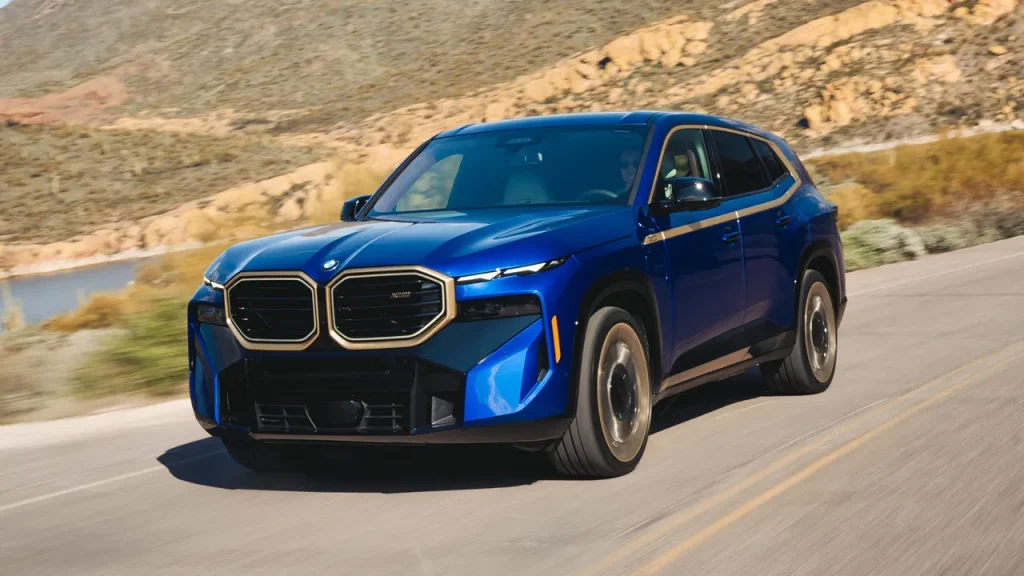
Although experienced BMW specialists can perform many maintenance tasks, complex hybrid, chassis, and software-related repairs frequently require dealership equipment and technical support.
The BMW XM illustrates how combining high-performance engineering with electrification and advanced electronics creates a vehicle that is exceptionally capable on the road but highly dependent on factory service resources when major repairs become necessary.
Specifications
- Engine: 4.4-liter twin-turbocharged V8 plug-in hybrid
- Torque: 590 lb-ft
- Horsepower: 644 hp
- Length/Width: 201.2 inches / 78.9 inches
