
Modern drivers often take automatic gear changes, continuously variable ratios, paddle shifters, and computer-controlled dual-clutch transmissions for granted.
The path to these technologies, however, was shaped by experimental production cars that challenged the established idea of how power should reach the wheels. Some arrived when a clutch pedal and manually selected gears were still considered unavoidable parts of driving.
The most important transmission pioneers were not always sports cars. Family sedans, economy cars, luxury vehicles, and unusual engineering projects frequently became the first places where manufacturers tested radical concepts.
Several systems initially appeared complicated, expensive, or simply too strange for traditional buyers. Decades later, their underlying ideas became familiar across the automotive industry.
This list focuses on production cars whose transmissions introduced or advanced technologies far earlier than most competitors. Historical importance, mechanical design, and the timing of each innovation are central to the selection.
Specifications refer to representative versions discussed because engines and dimensions sometimes differed across model years and body styles.
From a four-speed automatic sold before World War II to a belt-driven transmission without fixed gear ratios, these ten cars show that transmission engineers were imagining the future long before electronics made their most ambitious ideas easier to build.
Also Read: 10 Cars With the Biggest Trunks Ever Made, Ranked by Cargo Capacity
1. 1940 Oldsmobile Series 60
The transmission revolution did not begin with a computer, paddle shifter, or high-performance supercar. It arrived in an Oldsmobile. For the 1940 model year, General Motors introduced Hydra-Matic Drive in Oldsmobile production cars, including the Series 60.
The system went into production in 1939 and became the first successful mass-production fully automatic transmission, establishing a template that would transform American driving.
Hydra-Matic was remarkably ambitious for its era. The transmission provided four forward speeds and eliminated the conventional clutch pedal. Once the driver selected the appropriate driving range, the gearbox could handle ratio changes automatically.
This was fundamentally different from earlier preselector and semi-automatic systems that still demanded more involvement from the person behind the wheel.
Consider the timing. In 1940, many American roads were still filled with cars requiring drivers to coordinate a clutch and manual gearbox. Oldsmobile offered Hydra-Matic for just $57. Demand quickly demonstrated that easier driving was not merely a novelty.
Nearly 200,000 Hydra-Matic units had been sold before U.S. passenger-car production was interrupted during World War II.
The original design did not use a modern torque converter. It combined a fluid coupling with planetary gearsets and hydraulically controlled shifting. By current standards, the operation and selector arrangement were primitive. Historically, its significance is difficult to exaggerate.
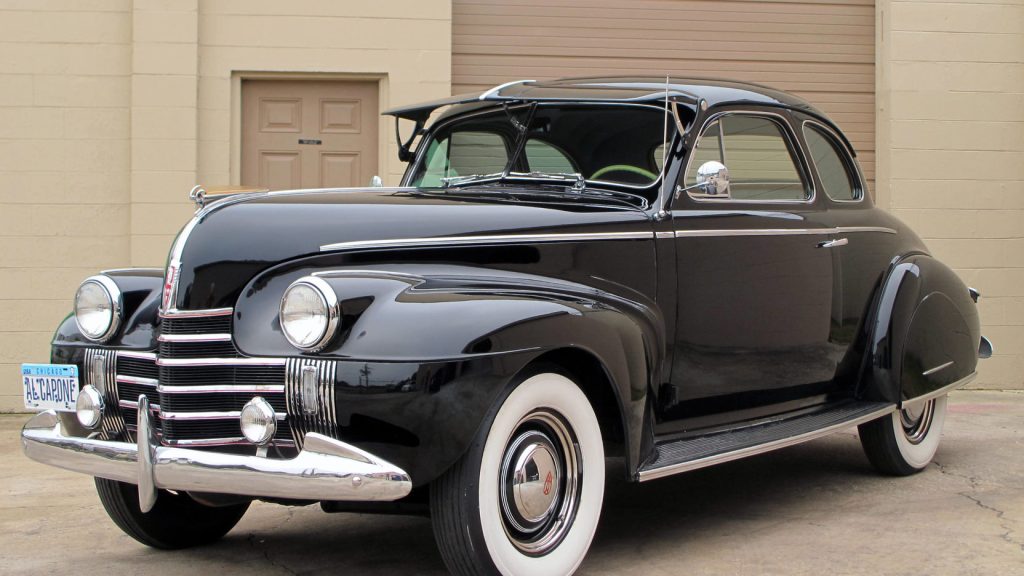
Every conventional automatic that later made clutch-free driving normal followed a path Hydra-Matic helped establish. Oldsmobile gave ordinary buyers a car that could change its own gears before World War II had even begun.
- Engine: 3.8-liter L-head inline-six
- Torque: 180 lb-ft
- Horsepower: 95 hp
- Length/Width: Approximately 197.8 inches / 73.0 inches
2. 1959 DAF 600
The DAF 600 looked like a tiny, modest family sedan. Beneath that harmless Dutch body was a transmission concept that modern automakers would still be developing more than half a century later. DAF’s Variomatic gave the 600 a continuously variable transmission, replacing a normal set of fixed forward gears with an ingenious belt-and-pulley system.
DAF presented the 600 at the Amsterdam Motor Show in February 1958, with production following in 1959. The Variomatic used V-belts and variable-diameter pulleys.
Centrifugal weights, engine speed, and manifold vacuum influenced the transmission ratio. Instead of shifting through first, second, third, and fourth gears, the system could continuously alter its effective ratio.
That principle sounds extremely familiar today. Modern CVTs are common in fuel-conscious passenger cars because they can adjust ratios without following the fixed steps of a conventional gearbox.
The electronic controls and internal construction have advanced enormously, but the central objective remains similar: keep the engine operating in a useful range while the transmission continuously changes the relationship between engine and road speed.
The DAF had another famously unusual characteristic. Its transmission design gave it essentially the same range of ratios in reverse as it had moving forward. Variomatic-equipped DAFs consequently became known for their extraordinary theoretical reverse-speed capability.
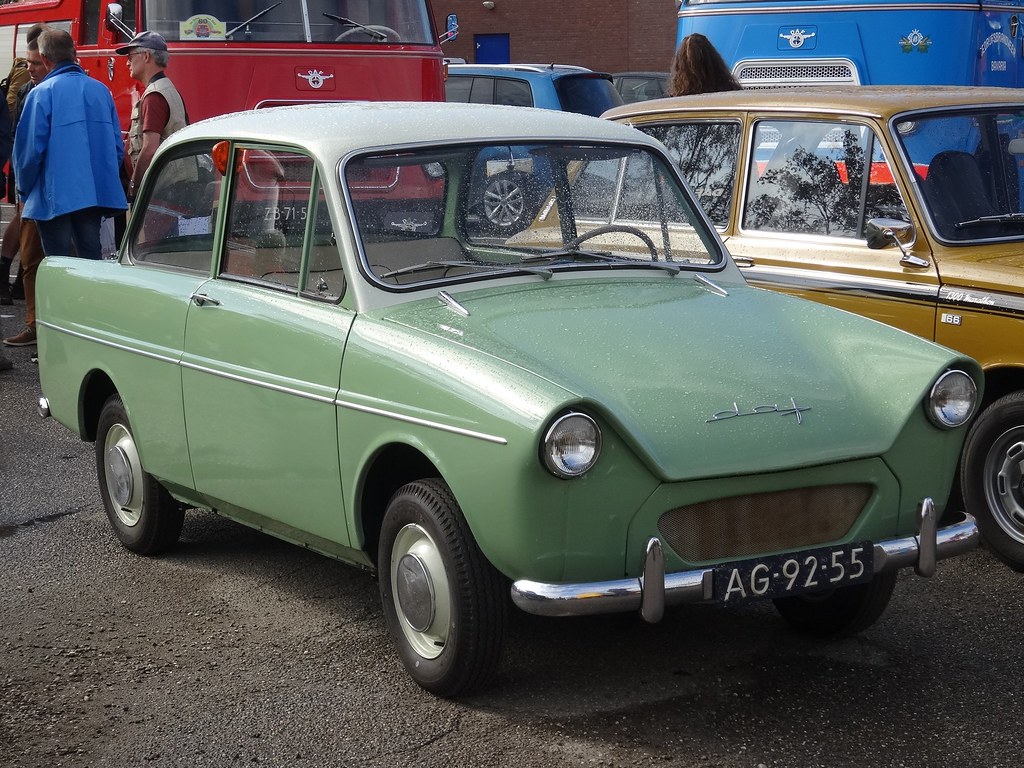
Power was hardly dramatic. The 590-cc air-cooled flat-twin produced just 22 horsepower, while documented specifications put torque near 33 lb-ft. DAF Club Netherlands lists a top speed of about 56 mph.
Yet horsepower is almost irrelevant to the DAF 600’s importance. This tiny 1959 sedan demonstrated the production-car potential of continuously variable gearing decades before CVTs became a familiar part of the American automotive market.
- Engine: 590-cc air-cooled flat-twin
- Torque: Approximately 33 lb-ft
- Horsepower: 22 hp
- Length/Width: Approximately 142.1 inches / 56.7 inches
3. 1956 Citroën DS 19
The Citroën DS did not merely remove the clutch pedal and call itself advanced. Its original four-speed BVH, or Boîte de Vitesses Hydraulique, transmission used high-pressure hydraulics to manage the clutch and physically execute gear changes.
The driver still selected the desired ratio with a small lever near the steering wheel, but much of the mechanical work normally performed by hands and feet happened automatically.
A gear change involved an extraordinary sequence for a 1950s production sedan. After the driver selected another ratio and eased the accelerator, the hydraulic controller disengaged the clutch, released the current gear, selected the next gear, and re-engaged the clutch. Engagement speed could respond to engine rpm and throttle position. The system even interacted with the car’s braking and idle behavior.
This was not a conventional torque-converter automatic. It was closer in philosophy to the automated manual transmissions that appeared decades later. Those later systems also used actuators to operate a clutch and change gears while retaining the basic idea of a manual-type gearbox.
The DS reached North America beginning in 1956, making its technology available to U.S. buyers, although the car never became a major American sales success. Its unusual controls and limited power were far removed from Detroit’s luxury-car formula.
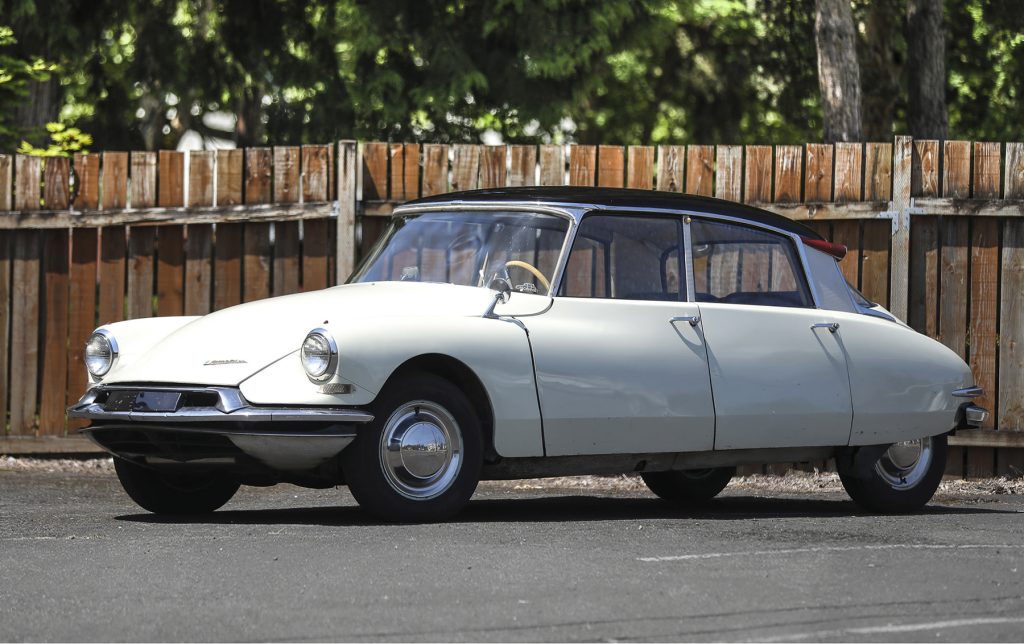
Yet transmission history is not measured by sales alone. In an era when manual gear changes normally demanded direct clutch-pedal coordination, Citroën engineered a production car that hydraulically handled clutch operation and gear engagement.
The DS was effectively automating a manual transmission before electronic control modules made the concept practical on a massive scale.
- Engine: 1.9-liter inline-four
- Torque: Approximately 101 lb-ft
- Horsepower: Approximately 75 hp
- Length/Width: Approximately 190.0 inches / 70.5 inches
4. 1967 NSU Ro 80
Touch the NSU Ro 80’s gear lever, and the transmission begins preparing itself before the driver has completed the shift. That unusual behavior came from a switch incorporated into the gear lever knob.
Contact with the lever activated an electro-pneumatic system, which used vacuum assistance to disengage the clutch. The driver then moved the lever through a familiar H-pattern without operating the clutch pedal.
NSU combined this automatic clutch with a three-speed all-synchromesh manual gearbox and a Fichtel & Sachs torque converter. The arrangement was neither a traditional manual nor a fully automatic transmission. It created a semi-automatic driving process in which the person selected gears while the vehicle managed clutch operation.
The concept becomes more impressive when the Ro 80’s 1967 introduction date is considered. Automated manuals would later use electronic controllers and hydraulic or electric actuators to perform similar clutch-related tasks. NSU was attacking the human-effort problem with the vacuum and electrical technology available during the 1960s.
Its engine was equally unconventional. A 995-cc twin-rotor Wankel produced 115 horsepower, according to Ro 80 Club International data. Published technical specifications list maximum torque at approximately 119 lb-ft. Power went to the front wheels, while the sleek sedan could reach roughly 112 mph.
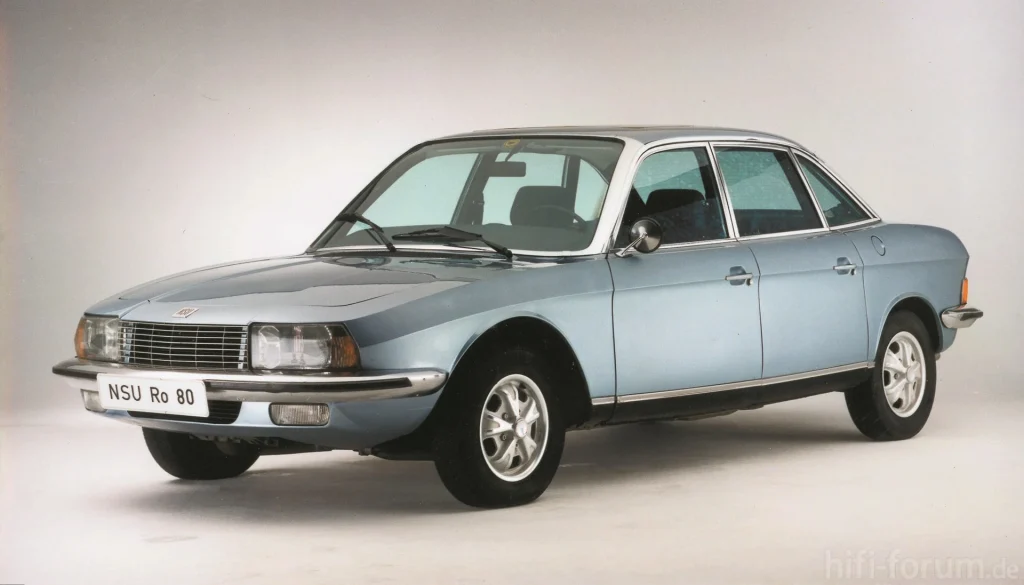
The transmission was only one part of a remarkably forward-thinking package that also included four-wheel disc brakes, independent suspension, power-assisted rack-and-pinion steering, and a body with a 0.355 drag coefficient.
For this list, however, the gear lever tells the story. The Ro 80 sensed the driver’s intention to shift and automatically handled the clutch. More than half a century ago, NSU was already reducing the physical steps required to operate a manual-type transmission.
- Engine: 995-cc twin-rotor Wankel
- Torque: Approximately 119 lb-ft
- Horsepower: 115 hp
- Length/Width: 188.2 inches / 69.3 inches
5. 1968 Volkswagen Beetle Automatic Stick Shift
Volkswagen found an unusual middle ground between manual and automatic driving in 1968. The Beetle’s available automatic stick shift, commonly called the “Autostick,” still gave the driver a gear lever and three forward ranges. What disappeared was the clutch pedal.
The resulting transmission was difficult to place into a conventional category, which is exactly why it was so technologically interesting.
The cleverest detail was hidden inside the gearshift knob. When the driver touched and moved the lever, an electrical switch activated a 12-volt solenoid. Vacuum then operated a servo that disengaged the clutch.
Once the driver’s hand left the shifter, the clutch automatically re-engaged. A torque converter allowed the Beetle to idle while stationary in gear, something a normal manual transmission could not comfortably do.
This created an early form of automated manual driving. The person behind the wheel still decided when to change ratios, but the car handled clutch operation. Decades later, electronically actuated manual transmissions would pursue a related goal with computers, hydraulic actuators, and far faster response times.
Speed was certainly not the reason to choose this Volkswagen. The 1968 U.S.-market Beetle’s 1.5-liter air-cooled flat-four produced approximately 53 horsepower. The Autostick’s three forward ranges and torque converter were designed around convenience rather than acceleration.
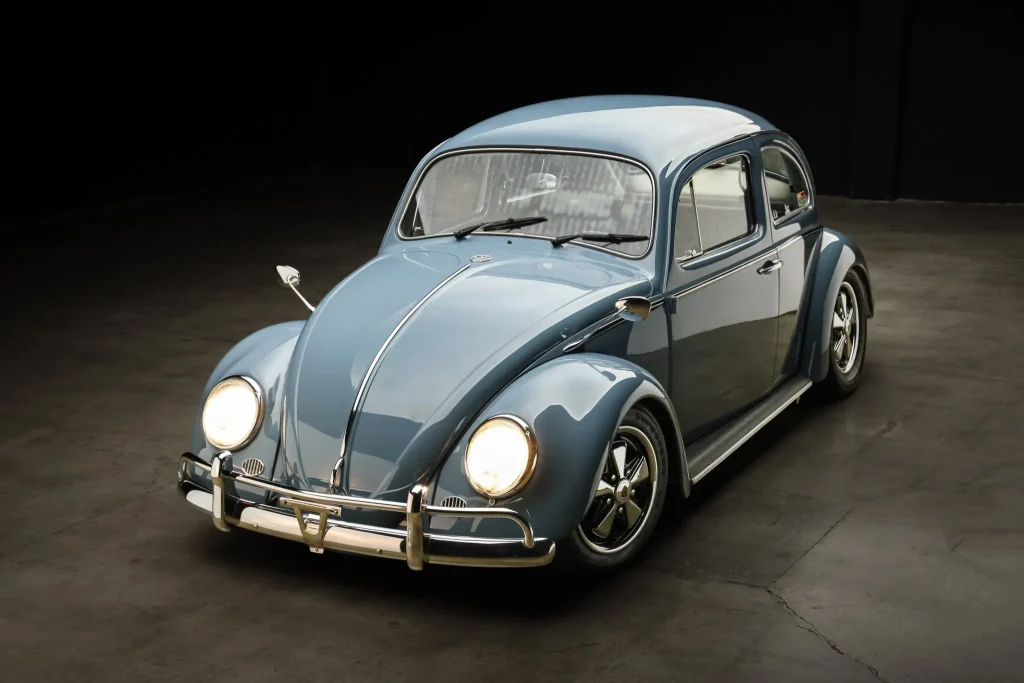
Its significance comes from the interaction between driver and machine. Volkswagen removed one of the most demanding parts of manual driving without taking gear selection away from the driver. In 1968, that was a remarkably forward-thinking transmission philosophy.
- Engine: 1.5-liter air-cooled flat-four
- Torque: Approximately 78 lb-ft
- Horsepower: Approximately 53 hp
- Length/Width: Approximately 160.6 inches / 61.0 inches
6. 1991 Ferrari Mondial T Valeo
A Ferrari with an exposed manual-style shift gate but no clutch pedal sounds like a modern experiment in retro design. Ferrari actually sold that concept during the early 1990s.
Near the end of the Mondial T’s production run, a Valeo electronically actuated clutch became available, allowing the driver to change gears through a conventional manual selector while electronics controlled clutch operation.
Ferrari’s own historical material confirms that the Valeo system provided normal manual gear changes without requiring the driver to use a clutch pedal. Unlike a torque-converter automatic, the system retained the Mondial’s manual-transmission character. Movement of the gear lever triggered an electromechanical actuator.
The control system used vehicle and powertrain information to manage clutch engagement and could protect against unsuitable gear-selection attempts. The driver chose the ratio, while the machine performed the clutch work.
This was an important step toward Ferrari’s later transmission philosophy. The F355 F1, introduced several years afterward, used electrohydraulic actuation to automate gear selection and clutch operation through paddles.
Modern automated performance gearboxes are far quicker and more sophisticated, but the Mondial Valeo demonstrated that electronics could remove the clutch pedal from a Ferrari without forcing the driver into a conventional automatic.
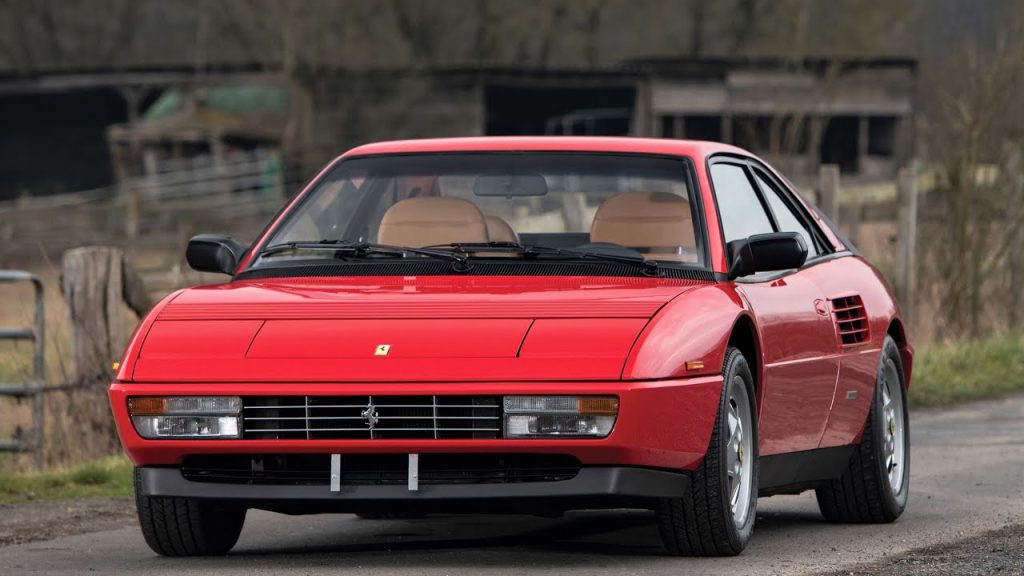
Its 3.4-liter V8 was also a serious engine for the period. Ferrari’s factory data lists 300 horsepower, and the Mondial T used a five-speed transmission with its distinctive transverse gearbox arrangement.
The Valeo-equipped Mondial remains rare, yet rarity does not diminish its importance. It represented an early production attempt to electronically separate manual gear selection from physical clutch operation in an exotic car.
- Engine: 3.4-liter naturally aspirated V8
- Torque: Approximately 238 lb-ft
- Horsepower: 300 hp
- Length/Width: Approximately 178.5 inches / 71.0 inches
7. 1991 Porsche 911 Carrera 2 Tiptronic
Porsche did something unusual with the 911 Carrera 2: it gave an automatic transmission a manual-style shift path.
The four-speed Tiptronic allowed a driver to leave the gearbox in automatic operation or move the selector into a separate gate and request upshifts and downshifts. Porsche identifies the rear-wheel-drive 911 Carrera 2 of the 964 generation as its first model with Tiptronic.
This was a major philosophical change for a performance car. Conventional automatics were generally associated with comfort, while serious drivers were expected to choose a clutch pedal. Tiptronic tried to combine both experiences.
The transmission retained a torque converter and automatic operation, but its second selector path gave the driver greater control over gear choice.
A 1991 U.S. test of the Carrera 2 Tiptronic documented the four-speed automatic with a lockup torque converter. Car and Driver also listed the 3.6-liter flat-six at 247 horsepower and 228 lb-ft of torque. The tested car weighed 3,189 pounds, yet the magazine recorded a 6.6-second run from 0 to 60 mph.
The transmission was not as fast as a modern dual-clutch unit. Gear changes lacked today’s near-instant response, and only four forward ratios were available. Its influence matters more than raw shift speed.
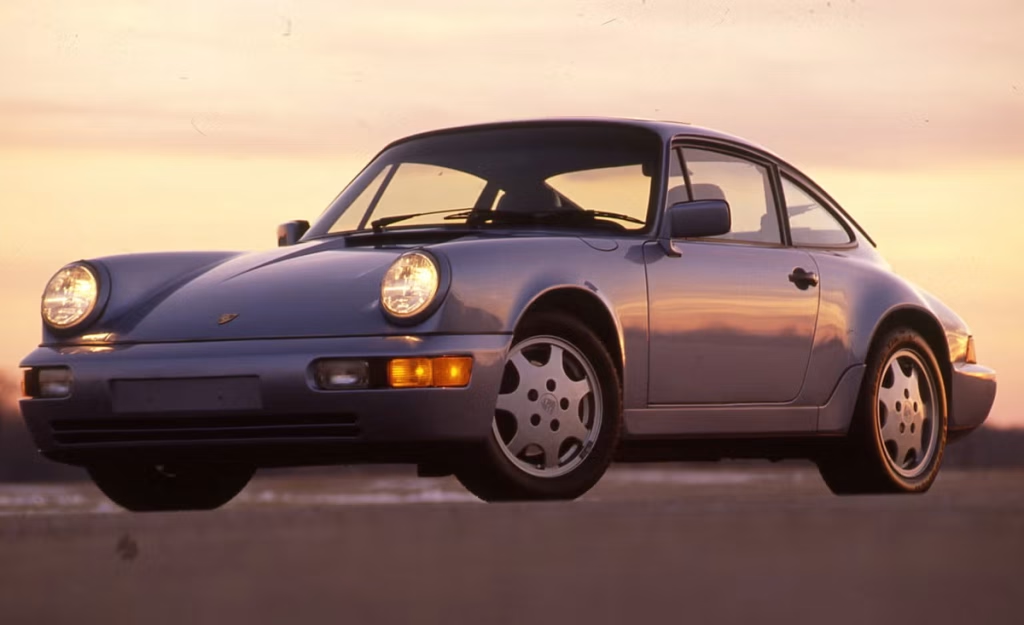
Manual control of automatic transmissions later spread through the industry. Steering-wheel buttons and paddles eventually replaced console-only selectors in many performance cars, but the idea remained recognizable: let the transmission handle normal driving, then give the driver direct gear-selection authority when desired. The 964 Carrera 2 helped make that combination credible in a serious sports car.
- Engine: 3.6-liter air-cooled flat-six
- Torque: 228 lb-ft
- Horsepower: 247 hp
- Length/Width: 168.3 inches / 65.0 inches
8. 2003 Volkswagen Golf R32 DSG
Two clutches changed the future of performance transmissions, and Volkswagen brought the technology into large-scale production with the Golf R32 in 2003. Volkswagen’s historical material identifies the Golf R32 as the first model to receive its DSG automatic dual-clutch gearbox in large-scale production.
The transmission had six forward speeds and created a new alternative to both the conventional manual and torque-converter automatic.
The basic concept was ingenious. One clutch could manage one group of gears while the second handled the other. With another ratio prepared, the transmission could transfer drive between clutches during a shift.
This architecture created the foundation for exceptionally rapid gear changes without requiring the driver to operate a clutch pedal.
That mattered because older automated manuals often interrupted power delivery noticeably during shifts. DSG attacked the problem differently. Volkswagen was effectively preparing the next gear before the current one had finished its job.
The R32 was an appropriate car for the technology. Its 3.2-liter narrow-angle six-cylinder engine produced about 240 horsepower and 236 lb-ft of torque in U.S.-specification form. Volkswagen paired the engine with all-wheel drive, creating one of the most serious performance Golfs of its period.
U.S.-market 2004 R32 models used a six-speed manual, so the pioneering DSG distinction specifically belongs to the European-market 2003 production car. The American specifications below are provided for the R32’s representative engine and dimensions.
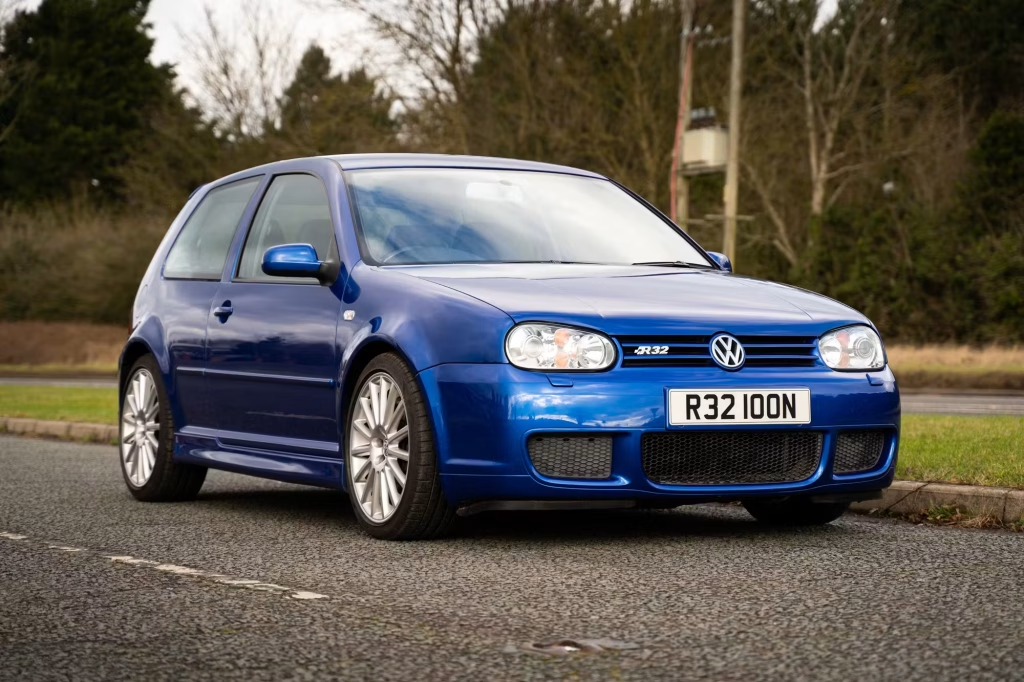
Dual-clutch transmissions later appeared in Porsches, Ferraris, Audis, BMW M cars, and numerous mainstream vehicles. Modern versions add more ratios, faster electronics, and sophisticated launch strategies.
The Golf R32’s importance is simple. Volkswagen placed dual-clutch technology into series production before it became one of the defining transmission designs of the modern performance era.
- Engine: 3.2-liter narrow-angle six-cylinder
- Torque: 236 lb-ft
- Horsepower: 240 hp
- Length/Width: 164.4 inches / 68.3 inches
9. 1990 Lexus LS 400
A luxury car’s transmission can be technologically advanced without adding more gears or removing the clutch pedal. The original Lexus LS 400 demonstrated this through electronic coordination.
Its four-speed automatic used ECT-i electronic control, bringing engine and transmission behavior into a more closely managed relationship at a time when smooth mechanical operation remained the primary goal for many automatic gearboxes.
The importance of that coordination becomes clearer in period descriptions of Toyota and Lexus transmission technology. Electronically controlled shifting allowed the car to consider operating conditions when managing gear changes.
The LS 400’s 4.0-liter V8 and four-speed automatic were engineered as parts of the same refinement-focused powertrain rather than unrelated components connected by a torque converter.
This philosophy predicted the deeply integrated powertrain management used by current cars. Modern transmission computers constantly communicate with engine electronics, reducing or adjusting torque during shifts and selecting ratios according to throttle position, speed, temperature, and driving conditions.
The LS 400 arrived when this type of electronic coordination was still becoming a defining feature of premium automatics.
Numbers support the effectiveness of the package. U.S.-specification data for the 1990 LS 400 lists 250 horsepower and 260 lb-ft of torque from its 4.0-liter DOHC V8. MotorTrend’s retrospective specification data records a manufacturer-estimated 7.9-second 0-to-60-mph time and dimensions of 196.7 inches long by 71.7 inches wide.
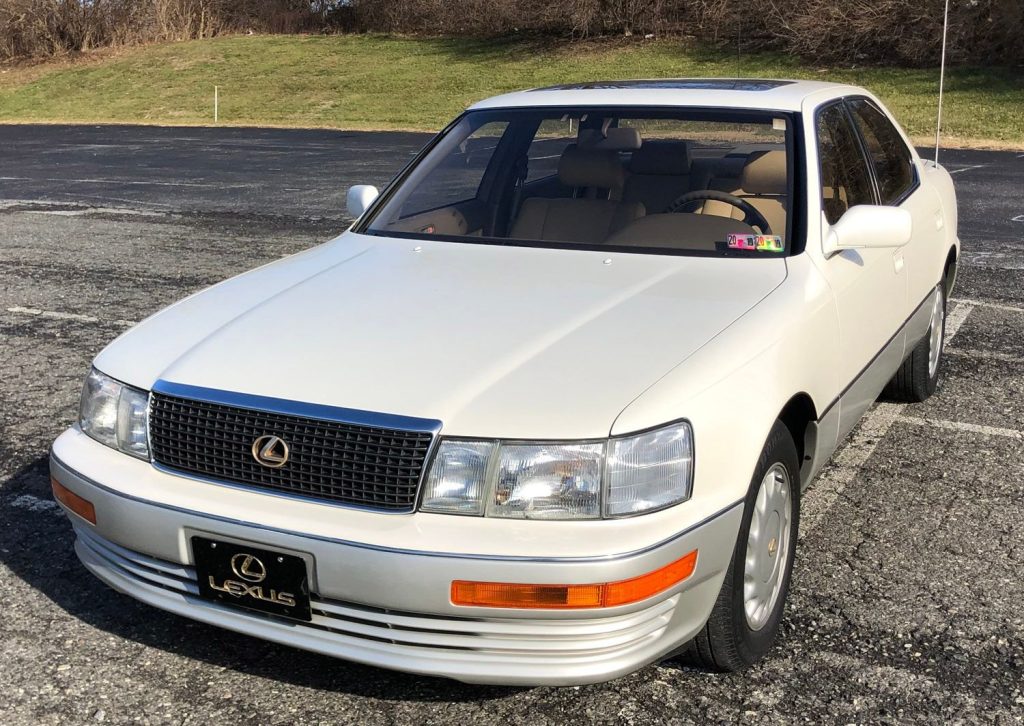
Four forward gears sound primitive beside today’s eight, nine, and 10-speed automatics. Yet the LS 400’s achievement was control, not gear count. Lexus showed that electronics could make the transmission a coordinated part of the engine-management strategy, helping create the seamless behavior that later became expected from luxury cars.
- Engine: 4.0-liter naturally aspirated DOHC V8
- Torque: 260 lb-ft
- Horsepower: 250 hp
- Length/Width: 196.7 inches / 71.7 inches
10. 2004 Mercedes-Benz E500 7G-TRONIC
Seven forward gears in a passenger car sounded excessive when Mercedes-Benz introduced 7G-TRONIC in 2003. At the time, five-speed automatics were still common, and six ratios represented advanced hardware.
Mercedes went further, launching what its historical archive identifies as the world’s first series-produced seven-speed automatic transmission for passenger cars. The gearbox was fitted to V8-powered E-Class, S-Class, CL-Class, and SL-Class models.
The rear-wheel-drive E500 provides a strong example of why those extra ratios mattered. Mercedes could use smaller steps between gears while also selecting ratios suited to relaxed cruising.
The transmission was designed to improve acceleration, fuel consumption, and shifting comfort. Its control strategy could skip individual ratios during certain downshifts rather than mechanically working through every intermediate gear.
That concept now seems ordinary. Current passenger vehicles routinely use eight, nine, or 10 forward speeds to keep engines closer to efficient operating ranges. In 2003, Mercedes was proving that a production automatic could package seven ratios and manage them intelligently.
For the U.S. market, the 2004 E500 7G-TRONIC paired its seven-speed automatic with a 5.0-liter V8 producing 302 horsepower and 339 lb-ft of torque. Contemporary specification data confirm the seven-speed powertrain was offered for the North American model.
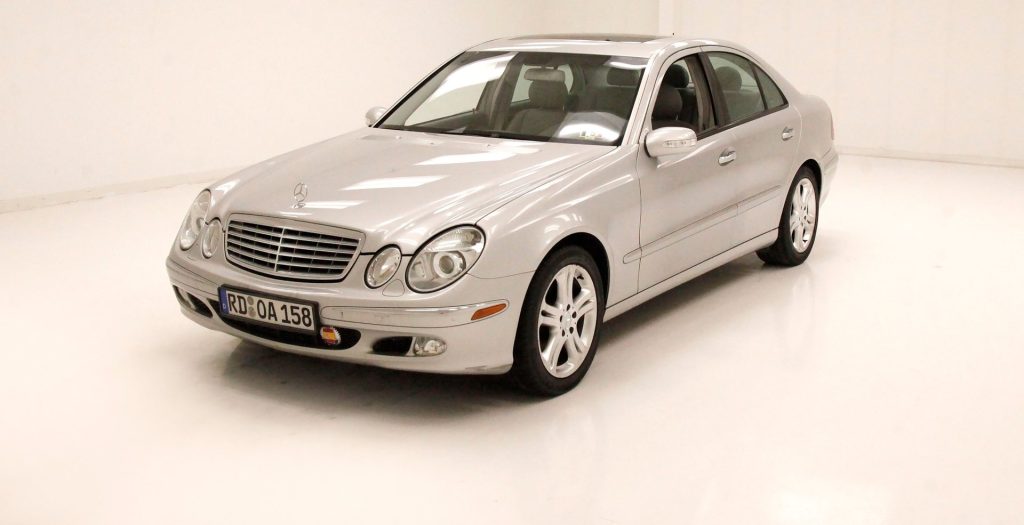
The E500 did not introduce a strange transmission concept that disappeared after one generation. It previewed an industry-wide race for additional forward ratios.
Automakers later moved beyond seven speeds, but Mercedes had already demonstrated the central argument: more carefully spaced ratios could improve performance and refinement without requiring the driver to change gears manually.
- Engine: 5.0-liter naturally aspirated V8
- Torque: 339 lb-ft
- Horsepower: 302 hp
- Length/Width: Approximately 190.3 inches / 71.7 inches
Also Read: 10 People With The Biggest Car Collections In The World
