

The 1970s transformed automotive safety as new regulations and growing awareness of crash injuries pushed manufacturers to prioritize occupant protection alongside performance and styling. During this decade, automakers introduced stronger passenger compartments, improved restraint systems, energy-absorbing structures, and other engineering advancements that significantly improved crash safety.
Several vehicles from the era became industry milestones by pioneering features such as crumple zones, enhanced side-impact protection, stronger roofs, anti-lock braking systems, and improved seat designs. These innovations later became common across a wide range of vehicles and continue to influence modern crash structures, safety technologies, and regulations. This article highlights ten cars whose groundbreaking engineering helped shape the future of automotive safety.
Also Read: 10 Vehicles With the Smallest Gap Between New and Used Prices
1. Volvo 240
When the Volvo 240 debuted for the 1975 model year in the United States, it quickly became one of the industry’s most influential safety benchmarks. Rather than chasing higher horsepower or flashier styling, Volvo devoted enormous engineering resources to occupant protection.
The company refined its already respected safety cage design by strengthening the passenger compartment while allowing carefully engineered crumple zones at the front and rear to absorb impact energy.
This philosophy significantly reduced the forces transferred to occupants during a collision and became a blueprint followed by manufacturers worldwide.
The 240 also incorporated reinforced roof pillars, substantial side-impact protection, collapsible steering components, and improved three-point seat belts. Volvo engineers worked extensively with accident investigators and medical researchers to understand how real-world crashes caused injuries, then used those findings to improve vehicle design.
Unlike many competitors of the era, the company viewed crash testing as an ongoing engineering process rather than a regulatory requirement.
Another important innovation was the car’s suspension geometry and steering behavior, which contributed to stable emergency handling. Safety extended beyond surviving a crash to helping drivers avoid one altogether. The 240’s visibility, predictable road manners, and durable braking system reinforced that philosophy.
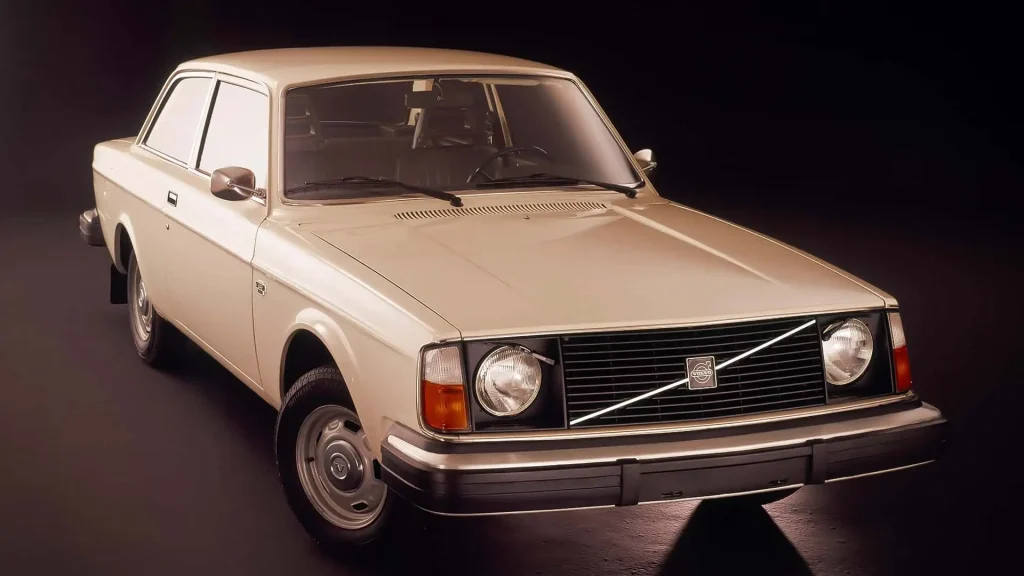
Its influence reached well beyond Volvo showrooms. Numerous structural concepts first refined in the 240 later appeared in mainstream sedans, SUVs, and luxury vehicles. Decades after production began, crash engineers still reference the Volvo 240 as one of the defining examples of practical automotive safety engineering.
It proved that thoughtful design could dramatically improve occupant protection without sacrificing reliability or everyday usability.
Specifications
- Engine: 2.3-liter naturally aspirated inline-four (B23F, U.S.)
- Torque: 136 lb-ft
- Horsepower: 114 hp
- Length/Width: 193.3 inches / 67.1 inches
2. Mercedes-Benz W116 S-Class
Luxury buyers in the 1970s expected comfort and prestige, but Mercedes-Benz believed the flagship sedan should also establish new standards for occupant protection. Introduced in the United States for the 1973 model year, the W116 S-Class incorporated numerous safety innovations that later became common throughout the automotive industry.
Engineers designed the passenger compartment as an exceptionally rigid protective shell surrounded by front and rear crumple zones that dissipated crash energy before it reached occupants.
One of the W116’s most significant contributions was its role in advancing anti-lock braking technology. In 1978, Mercedes-Benz became the first manufacturer to offer a fully electronic four-wheel anti-lock braking system developed with Bosch on a production passenger car.
Although initially optional and limited to certain models, this breakthrough transformed emergency braking by allowing drivers to maintain steering control while braking hard on slippery surfaces. ABS eventually became one of the most important active safety technologies ever introduced.
The W116 also featured an energy-absorbing steering column, recessed interior controls designed to reduce injury during impacts, reinforced door structures, and carefully engineered fuel system protection. Mercedes invested heavily in crash research, using sophisticated testing methods that exceeded many regulatory requirements of the period.
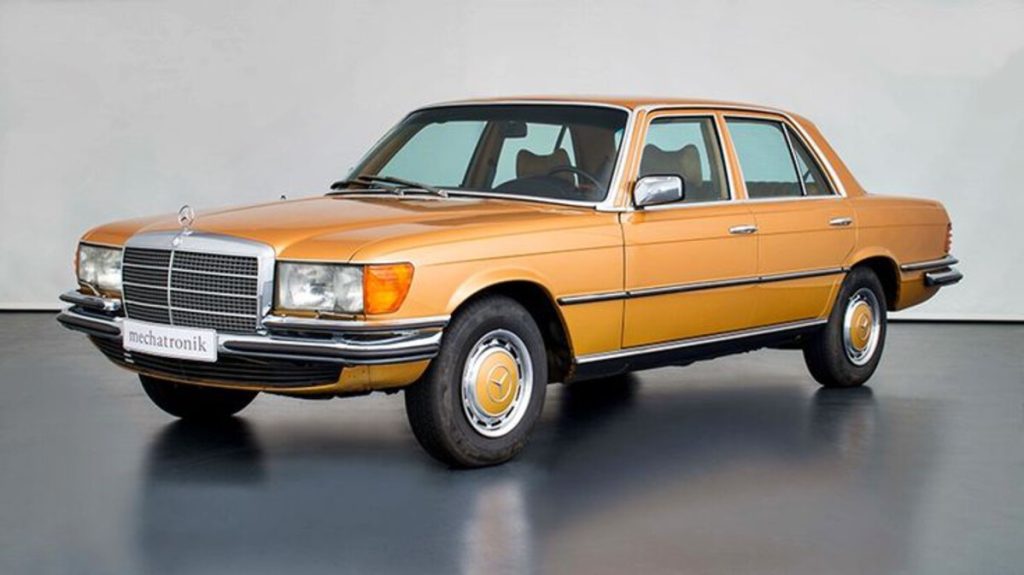
The sedan’s influence extended far beyond the luxury segment. Many engineering principles demonstrated in the W116 became reference points for manufacturers developing safer passenger vehicles during the following decades. Its combination of passive protection and active accident avoidance helped define what a modern flagship automobile should be.
Specifications
- Engine: 4.5-liter naturally aspirated V8 (450 SE/SEL U.S.)
- Torque: 278 lb-ft
- Horsepower: 225 hp
- Length/Width: 195.9 inches / 71.3 inches
3. Saab 99
Long before safety became a major selling point across the automotive industry, Saab built its reputation on engineering cars that protected occupants in severe real-world crashes.
The Saab 99, introduced in the United States during the early 1970s, became one of the company’s most influential models because it incorporated numerous structural and ergonomic safety innovations that later spread throughout the industry.
Rather than focusing solely on meeting federal regulations, Saab engineers studied aviation safety principles and adapted many of those concepts to passenger vehicles.
One of the car’s defining characteristics was its exceptionally strong passenger safety cell. High-strength steel reinforced the roof, pillars, and door openings to maintain cabin integrity during collisions. Saab also engineered substantial front and rear crumple zones that absorbed impact energy before it reached occupants.
The company devoted equal attention to side-impact resistance by strengthening the doors and reinforcing the surrounding body structure. The 99 also introduced practical safety details that were unusual for the era. Large glass areas improved outward visibility, reducing blind spots in traffic.
The ignition switch was mounted between the front seats instead of on the steering column, lowering the chance of knee injuries during frontal crashes while also helping prevent steering-column theft.
Deeply padded interior surfaces, effective head restraints, and carefully designed seating positions further reflected Saab’s human-centered engineering philosophy.

Crash investigators frequently praised Saab’s structural integrity during the decade, and the lessons learned from the 99 directly influenced the later Saab 900, another vehicle widely respected for occupant protection.
Although production numbers were modest compared with many American competitors, the Saab 99 demonstrated that thoughtful engineering and crash research could significantly improve safety without requiring a large luxury vehicle.
Specifications
- Engine: 2.0-liter naturally aspirated inline-four (U.S.)
- Torque: 119 lb-ft
- Horsepower: 100 hp
- Length/Width: 172.6 inches / 66.5 inches
4. Cadillac Fleetwood With Air Cushion Restraint System
During the 1970s, General Motors became one of the first American manufacturers to seriously investigate airbags as a production safety feature. Among the vehicles involved in this pioneering effort was the Cadillac Fleetwood, which offered the experimental Air Cushion Restraint System on select models during the decade.
Although very few buyers ordered the option because of its additional cost, the technology represented a milestone in American automotive safety history.
Instead of relying solely on conventional seat belts, the Air Cushion Restraint System combined driver and passenger airbags with specially designed restraint components intended to reduce injuries during frontal impacts.
At the time, this was an extraordinarily ambitious engineering project. Sensors had to detect collisions within milliseconds, inflators needed to deploy reliably, and the system had to function under a wide range of temperatures and operating conditions. These challenges required years of development and extensive crash testing.
The Fleetwood itself was already engineered with numerous passive safety features expected in a premium American sedan, including an energy-absorbing steering column, reinforced occupant compartment, padded dashboard surfaces, and improved fuel system protection.
The addition of airbags represented a significant leap beyond existing safety practices and helped demonstrate that supplemental restraint systems could function effectively in production automobiles.
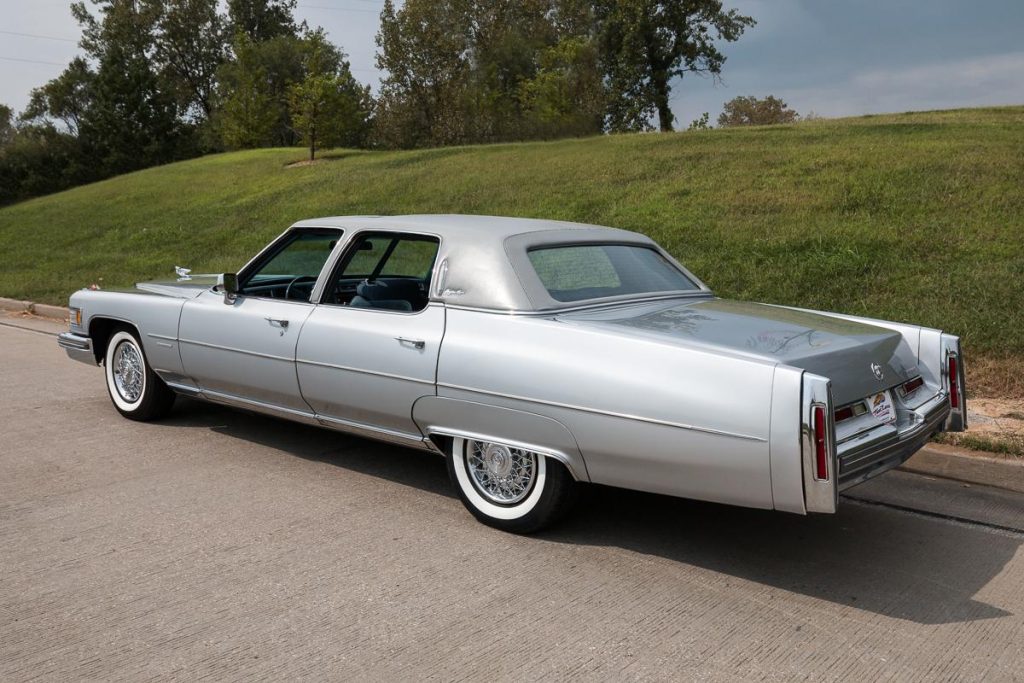
Although the Air Cushion Restraint System did not achieve widespread commercial success during the 1970s, the engineering knowledge gained from programs like Cadillac’s became invaluable.
By the 1990s, driver and passenger airbags had become standard equipment across much of the American market and eventually evolved into one of the most important life-saving technologies in automotive history.
Specifications
- Engine: 7.7-liter naturally aspirated V8 (472 cubic inches, early 1970s U.S.)
- Torque: 375 lb-ft
- Horsepower: 220 hp (SAE net)
- Length/Width: 233.0 inches / 79.8 inches
5. Volkswagen Rabbit (Golf Mk1)
When the Volkswagen Rabbit arrived in the United States for the 1975 model year, it changed more than Americans’ perception of compact cars.
It also demonstrated that a small, lightweight hatchback could be engineered with occupant protection as a primary objective. At a time when many buyers associated safety with sheer size, Volkswagen proved intelligent structural design could play an equally important role.
The Rabbit featured a rigid passenger compartment surrounded by engineered front and rear deformation zones that absorbed crash energy before it reached occupants.
Volkswagen strengthened the roof structure and reinforced the doors while carefully designing the steering column to collapse during severe frontal impacts. This reduced the likelihood of serious injuries caused by the steering assembly entering the driver’s space.
Visibility also became a major part of the Rabbit’s safety philosophy. Large windows, slim roof pillars, and an upright seating position gave drivers an excellent view of surrounding traffic.
Combined with responsive rack-and-pinion steering and predictable front-wheel-drive handling, the car helped drivers avoid accidents as well as survive them. Engineers viewed accident prevention and crash protection as equally important objectives.
The Rabbit’s success influenced nearly every front-wheel-drive compact introduced in the following decade. Manufacturers increasingly adopted similar structural concepts, efficient packaging, and driver-focused ergonomics.

While later generations gained airbags and electronic safety systems, the first-generation Rabbit established a strong engineering foundation that showed compact cars did not have to compromise on occupant protection. Its balanced approach to passive and active safety helped reshape expectations in the American small-car market.
Specifications
- Engine: 1.6-liter naturally aspirated inline-four
- Torque: 80 lb-ft
- Horsepower: 71 hp
- Length/Width: 149.6 inches / 63.8 inches
6. Honda Accord (First Generation)
Honda entered the American midsize market in 1976 with a clear understanding that safety would become increasingly important alongside fuel economy and reliability.
The first-generation Accord was designed during a period of tightening federal safety regulations, and Honda used the opportunity to incorporate structural improvements that distinguished the model from many competitors in its class.
Rather than relying on excessive vehicle weight, Honda emphasized efficient engineering. The Accord’s body structure included reinforced passenger compartment sections intended to preserve occupant space during collisions.
Front and rear sections of the body were engineered to deform progressively under impact, helping dissipate crash energy before it reached the cabin. The steering column incorporated energy-absorbing features, while three-point seat belts and integrated head restraints contributed to improved occupant protection.
Honda also paid close attention to accident avoidance. The Accord’s front-wheel-drive layout, balanced weight distribution, responsive steering, and predictable handling characteristics inspired confidence during emergency maneuvers.
Excellent outward visibility from the large greenhouse further helped drivers recognize hazards sooner, an advantage frequently noted by automotive journalists during the model’s introduction.
The Accord’s influence extended well beyond the 1970s. It established Honda’s reputation for combining engineering efficiency with practical safety, a philosophy that continued through later generations featuring advanced crash structures, airbags, and electronic driver assistance technologies.
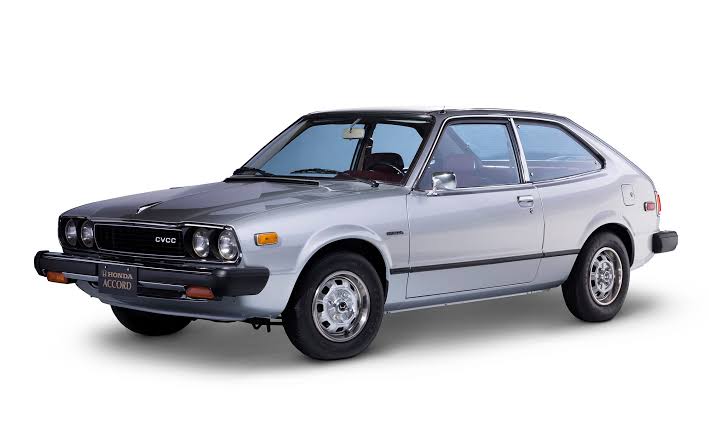
Although modest in appearance, the original Accord helped demonstrate that an affordable family sedan could prioritize occupant protection without sacrificing economy or everyday usability, setting a standard that many competitors would eventually follow.
Specifications
- Engine: 1.8-liter naturally aspirated inline-four
- Torque: 94 lb-ft
- Horsepower: 72 hp
- Length/Width: 175.0 inches / 63.4 inches
7. Mercedes-Benz W123
By the time the Mercedes-Benz W123 reached American dealerships for the 1977 model year, the company’s engineers had already earned a reputation for treating crash protection as a fundamental design principle rather than an optional feature.
The W123 built upon lessons learned from the earlier W116 S-Class and brought many advanced safety concepts to a broader segment of buyers. Its reputation for durability often receives the most attention today, but its contribution to occupant protection was equally significant.
The body structure is centered around a rigid passenger compartment surrounded by carefully engineered crumple zones. During a collision, the front and rear sections were designed to absorb impact forces while preserving survival space inside the cabin.
Mercedes also strengthened the roof and door structures, improving protection during side impacts and rollovers. Energy-absorbing steering components reduced the likelihood of serious chest and head injuries, while padded interior surfaces minimized secondary impact risks.
Engineers also considered post-crash safety. The fuel system was designed to reduce leakage after an accident, and the doors were engineered to remain operable whenever possible so occupants could exit more easily. Excellent visibility, predictable handling, and powerful disc brakes further supported accident avoidance before a collision ever occurred.
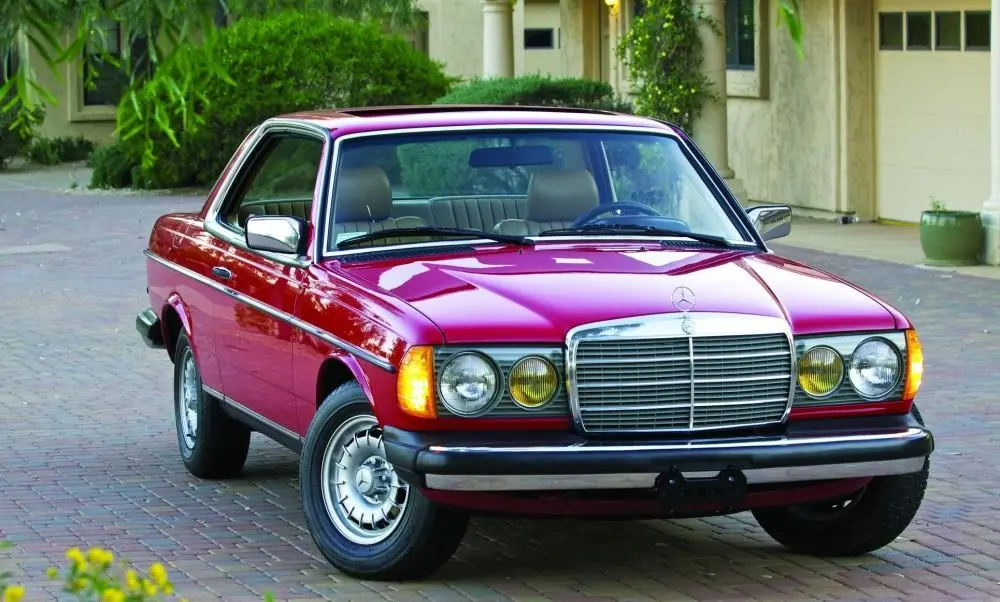
The W123 became one of the most respected executive sedans of its era, and many of its engineering principles influenced later Mercedes-Benz models as well as competing manufacturers.
Numerous examples remain on American roads today, a testament not only to their mechanical longevity but also to the thoughtful safety engineering that helped make the W123 one of the defining automobiles of the late 1970s.
Specifications
- Engine: 3.0-liter naturally aspirated inline-five diesel (300D, U.S.)
- Torque: 127 lb-ft
- Horsepower: 77 hp
- Length/Width: 185.8 inches / 70.5 inches
8. Volvo 260 Series
The Volvo 260 Series demonstrated that safety innovations developed for one successful model could be expanded into an entire lineup without compromising luxury or performance.
Introduced in the mid-1970s, the 260 shared much of its engineering philosophy with the highly regarded Volvo 240 but incorporated additional refinement while maintaining the Swedish manufacturer’s uncompromising approach to occupant protection.
Volvo engineers reinforced the passenger safety cage with high-strength steel in critical areas, creating a cabin capable of resisting deformation during severe impacts. Front and rear crumple zones were carefully tuned to absorb collision energy progressively instead of transmitting it directly to occupants.
The steering column collapsed under heavy frontal loads, reducing injury potential, while the vehicle’s seating system and three-point seat belts worked together to better manage occupant movement during a crash.
Another important aspect of the 260’s design involved side-impact protection. Reinforced doors and strengthened body pillars improved resistance to intrusion at a time when side-impact standards were still evolving.
Volvo also prioritized driver awareness through excellent visibility, large mirrors, and stable road manners that contributed to accident avoidance. These characteristics reflected the company’s belief that preventing a collision was just as valuable as protecting occupants once one occurred.
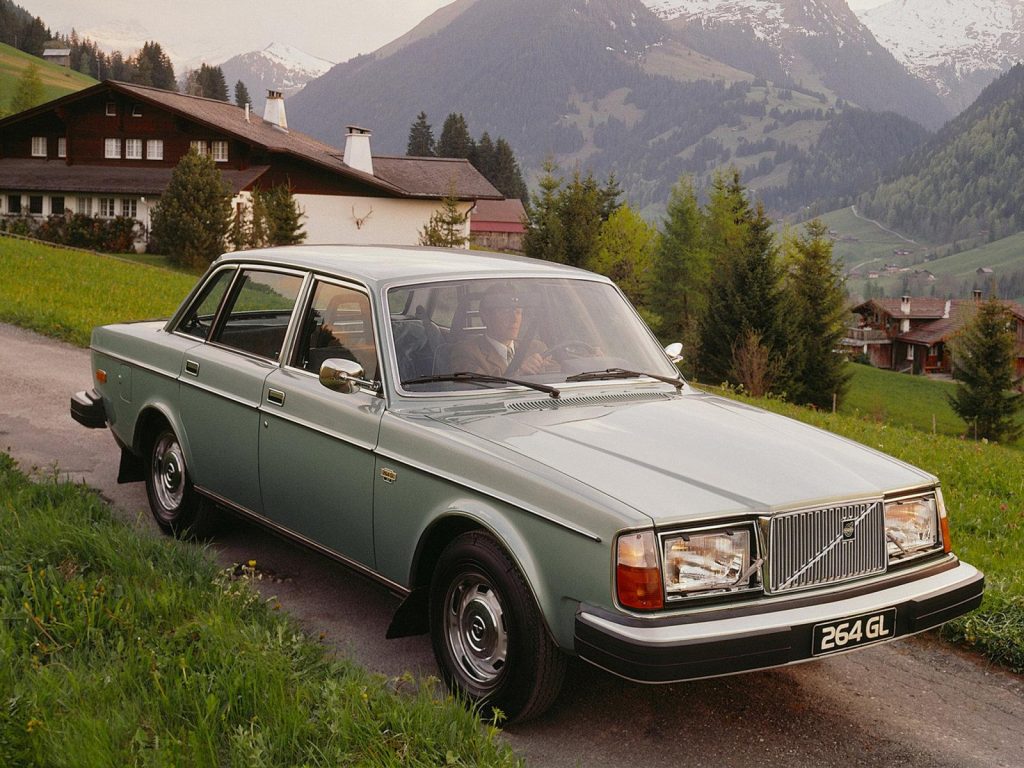
Although luxury features attracted many buyers, it was the engineering beneath the sheet metal that cemented the Volvo 260’s legacy. Many structural concepts refined in this vehicle continued to influence Volvo safety development through the following decades.
The model reinforced the brand’s global reputation for building automobiles where occupant protection consistently ranked above styling trends or marketing priorities.
Specifications
- Engine: 2.8-liter PRV V6
- Torque: 145 lb-ft
- Horsepower: 130 hp
- Length/Width: 193.3 inches / 67.1 inches
9. Lincoln Continental (1970s)
The Lincoln Continental of the 1970s represented more than traditional American luxury. It also reflected Ford Motor Company’s growing commitment to occupant protection during a period when federal safety regulations were rapidly evolving.
While buyers were often drawn to its spacious cabin and smooth ride, engineers incorporated numerous structural and restraint improvements that helped establish new expectations for full-size luxury sedans in the United States.
One of the Continental’s most significant contributions was its use of reinforced body construction designed to better maintain occupant survival space during frontal and side impacts.
The vehicle featured an energy-absorbing steering column, federally mandated three-point seat belts for front occupants, padded interior surfaces, and carefully engineered dashboards intended to reduce injury during secondary impacts.
Engineers also strengthened door latches and hinges to improve door retention in collisions, an area receiving increasing attention throughout the decade.
The Continental benefited from extensive compliance testing as federal crash standards became more demanding. Improvements in fuel tank placement and structural reinforcement were incorporated to reduce fire risk following serious accidents.
Combined with the car’s substantial wheelbase and stable suspension tuning, these developments helped make the Continental one of the more safety-conscious American luxury vehicles of its era.
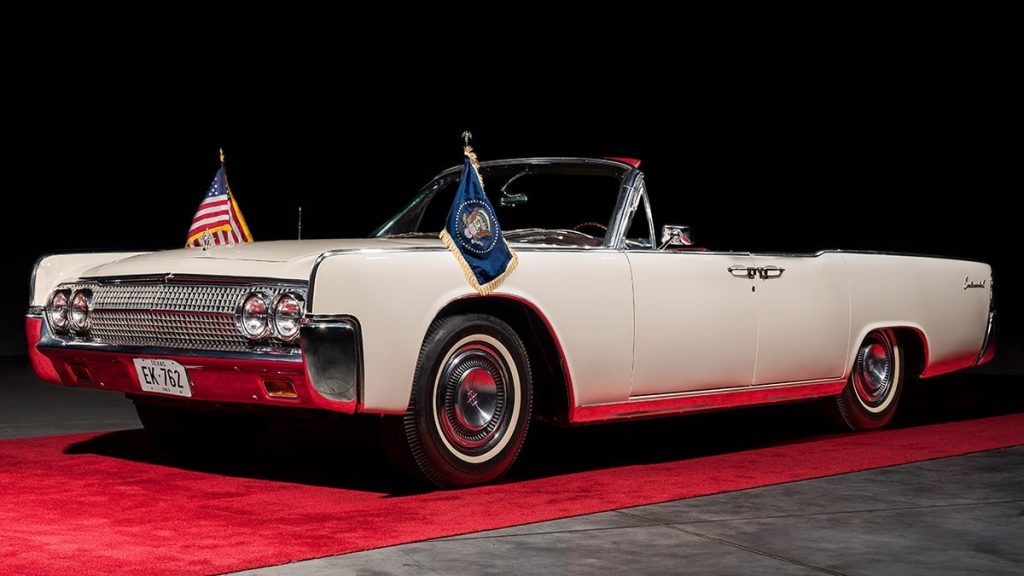
Although modern crash standards have advanced dramatically, many engineering principles found in the Continental became stepping stones toward later passive restraint systems and stronger crash structures.
It demonstrated that large luxury cars could combine comfort with meaningful advances in occupant protection, helping influence future generations of Ford and Lincoln vehicles as safety engineering became a central focus of product development.
Specifications
- Engine: 7.5-liter naturally aspirated V8 (460 cubic inch)
- Torque: 365 lb-ft
- Horsepower: 220 hp (SAE net)
- Length/Width: 233.0 inches / 79.7 inches
10. Oldsmobile Toronado (Late 1970s)
The Oldsmobile Toronado had already gained recognition for introducing front-wheel drive to the American personal luxury segment during the 1960s, but its later 1970s models also became important participants in General Motors’ early supplemental restraint research.
Certain Toronado models were available with the optional Air Cushion Restraint System, placing the car among the first production vehicles in America to offer driver and passenger airbags years before they became mainstream.
Developing an operational airbag system during the 1970s required solving problems that had never been addressed in mass-produced automobiles. Engineers needed reliable crash sensors, rapid inflation systems, and restraint calibration capable of protecting occupants in severe frontal impacts.
While customer adoption remained limited because of cost and unfamiliarity, these early systems provided invaluable real-world data that shaped future generations of supplemental restraints.
Beyond its airbag experimentation, the Toronado incorporated numerous passive safety features expected from a premium General Motors vehicle.
Energy-absorbing steering components, reinforced passenger compartment construction, improved seat belt systems, and carefully designed interior padding reflected the industry’s broader transition toward occupant-centered engineering.
The front-wheel-drive layout also contributed to stable handling characteristics in poor weather, offering another layer of accident prevention.
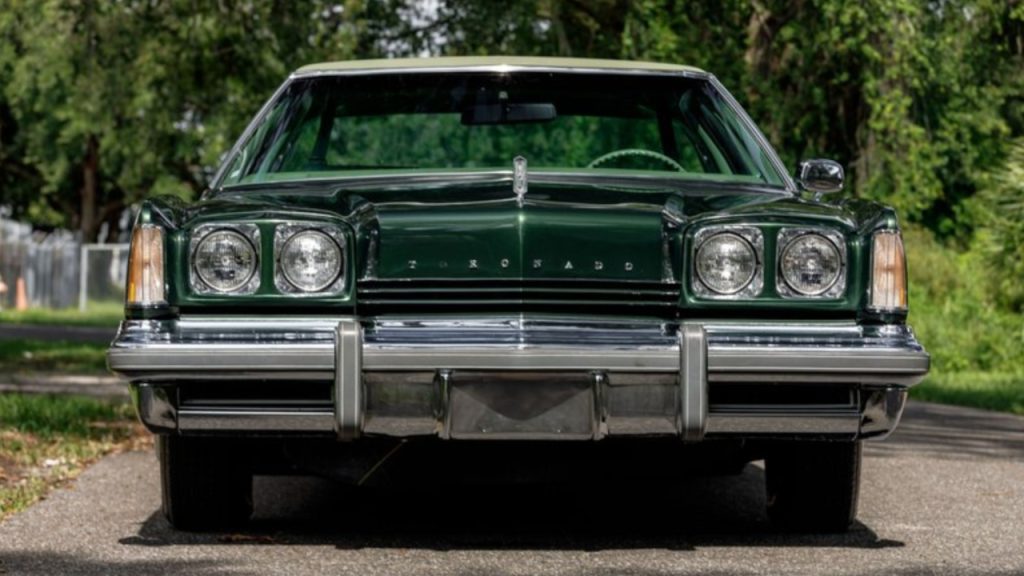
The Toronado’s contribution is best understood not by production numbers but by technological influence. The knowledge gained through General Motors’ airbag development programs eventually helped make airbags standard equipment across the American automotive market.
Today, virtually every new passenger vehicle benefits from innovations that trace part of their engineering heritage back to pioneering projects involving cars such as the Toronado.
Specifications
- Engine: 6.6-liter naturally aspirated V8 (403 cubic inch)
- Torque: 315 lb-ft
- Horsepower: 185 hp
- Length/Width: 221.0 inches / 79.8 inches
Also Read: 10 Cars Loved By Critics But Hated By Buyers
