Critical acclaim does not guarantee success in a showroom. Automotive journalists can praise steering precision, chassis balance, engine performance, and intelligent engineering, yet buyers may walk directly past the same vehicle.
Price, brand perception, limited advertising, body style, dealer availability, and changing consumer tastes can matter far more than a glowing road test.
The divide becomes particularly interesting when sales figures enter the discussion. Some cars won major awards or received enthusiastic reviews, but survived only a few model years. Others became used-car favorites after buyers finally recognized qualities that critics had identified from the beginning.
In many cases, weak demand had less to do with the car’s mechanical ability than with how difficult it was to position in the American market.
This list examines ten production cars praised by professional reviewers but met with comparatively limited U.S. buyer demand. The phrase “hated by buyers” refers to weak sales, disappointing showroom acceptance, or failure to achieve the market impact expected from the product. It does not mean every owner disliked the vehicle.
These cars prove an uncomfortable truth for automakers. Building something excellent is only part of the job. Buyers still have to understand it, want it, and be willing to spend their money on it.
Also Read: 10 Cars With the Biggest Trunks Ever Made, Ranked by Cargo Capacity
1. 2018 Kia Stinger GT
Kia appeared to have done almost everything required to win over performance-car critics when the Stinger arrived in the United States.
The rear-wheel-drive-based fastback offered a twin-turbocharged V6, an eight-speed automatic, available all-wheel drive, and tuning developed with serious European performance ambitions. Reviewers quickly recognized that this was not a conventional Kia sedan wearing an aggressive body kit.
The Stinger GT’s 3.3-liter twin-turbo V6 produced 365 horsepower and 376 lb-ft of torque. Car and Driver recorded a 4.6-second 0-to-60-mph time from a rear-wheel-drive GT and praised its ability to challenge established European sport sedans.
The publication even awarded the Stinger a place on its 2018 10Best list. Critical recognition was not the problem.
American buyers never responded in huge numbers. U.S. sales reached 16,806 units in 2018, then fell to 13,861 in 2019 and 12,556 in 2020. Even during Kia America’s record-setting 2021 calendar year, the Stinger accounted for 13,517 U.S. sales. That was modest beside the brand’s high-volume crossovers and SUVs.
Brand perception likely created one of the Stinger’s toughest challenges. Kia was asking buyers shopping for serious performance to consider its badge against established premium and enthusiast names. The fastback body also arrived while American demand was shifting heavily toward SUVs.
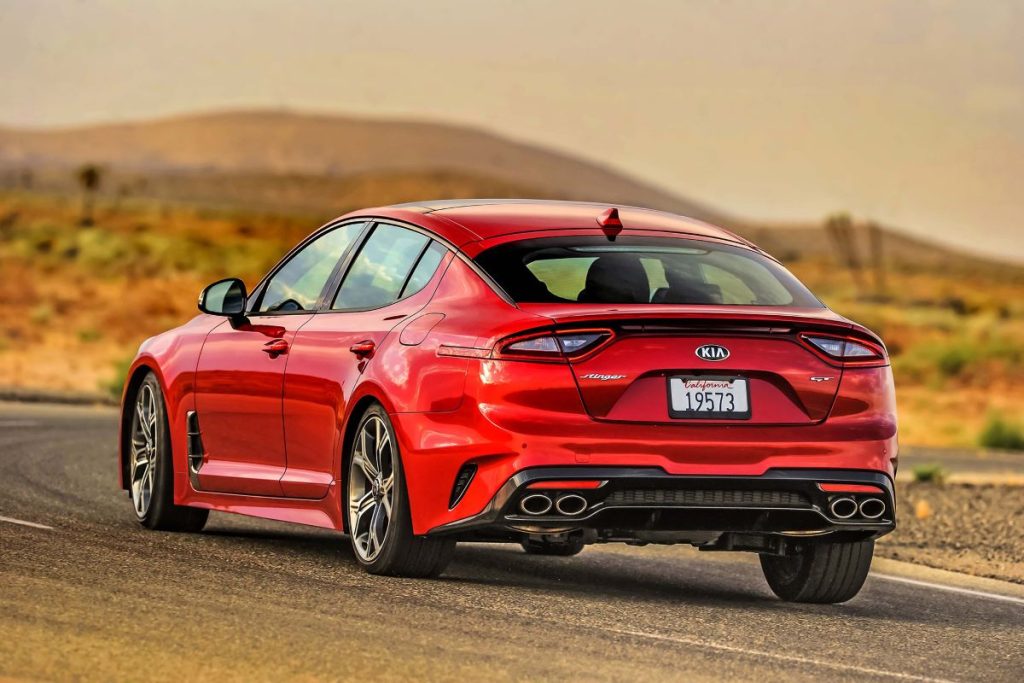
Critics saw a genuinely capable grand tourer with strong acceleration and practical hatchback cargo access. Too few buyers made the same decision with their wallets. Production eventually ended, leaving the Stinger as a textbook example of critical praise failing to create mass-market demand.
- Engine: 3.3-liter twin-turbocharged V6
- Torque: 376 lb-ft
- Horsepower: 365 hp
- Length/Width: 190.2 inches / 73.6 inches
2. 2017 Chevrolet SS
The Chevrolet SS had the kind of specifications enthusiasts repeatedly claimed they wanted. It was a rear-wheel-drive sedan powered by a naturally aspirated V8.
A six-speed manual transmission was available. Magnetic Ride Control and Brembo brakes added serious chassis hardware, while the exterior remained restrained enough to give the car genuine sleeper character.
Professional reviewers understood the formula immediately. Car and Driver described the SS as an ideal sleeper and praised its acceleration, available manual transmission, and rare combination of performance and four-door practicality. The 6.2-liter LS3 V8 generated 415 horsepower and 415 lb-ft of torque.
Then came the sales numbers. Chevrolet sold only 2,479 SS sedans in the United States during 2014. Volume reached 2,895 in 2015 and 3,013 in 2016. Even the final full calendar year produced just 4,055 U.S. sales. Another 46 were recorded in early 2018 after production had ended.
The SS faced several problems that had little to do with its mechanical ability. Its conservative styling looked remarkably similar to an ordinary Chevrolet sedan to unfamiliar buyers. The SS name carried less instant recognition than Camaro or Corvette. Chevrolet also never positioned the Australian-built performance sedan as a mainstream volume product.
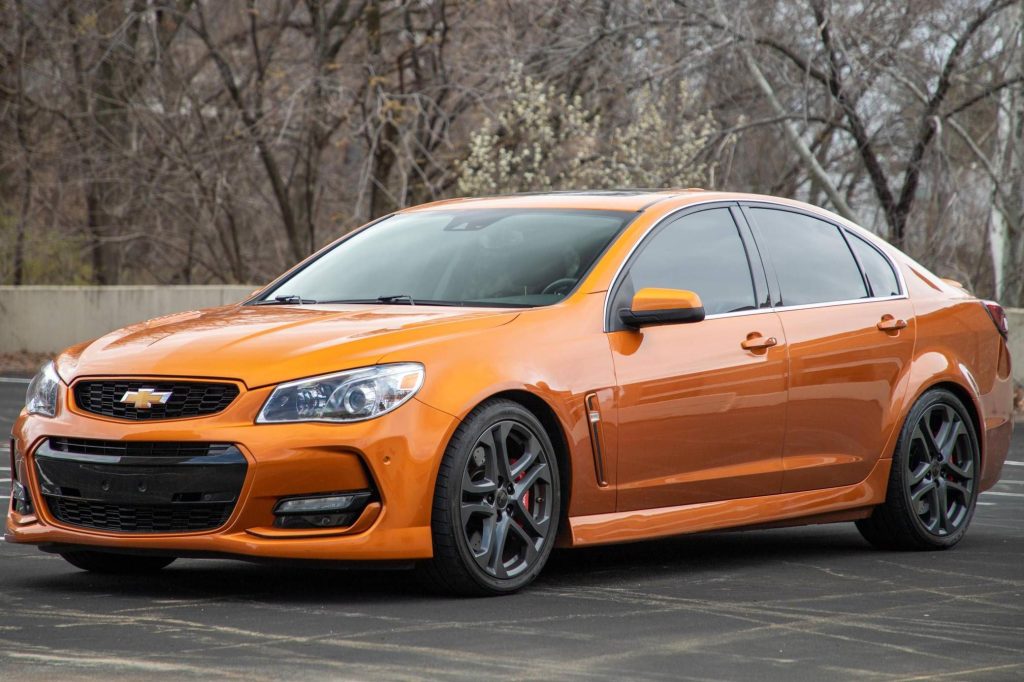
That created one of the strangest contradictions in recent American performance-car history. Critics had a 415-horsepower V8 sedan with rear-wheel drive and an available manual transmission. Buyers were offered exactly the type of disappearing enthusiast machine that automotive fans regularly demanded.
Almost nobody bought one in mass-market terms. Today, the Chevrolet SS has a strong enthusiast reputation. The market simply appreciated the car far more enthusiastically after its opportunity to buy new examples had nearly disappeared.
- Engine: 6.2-liter naturally aspirated LS3 V8
- Torque: 415 lb-ft
- Horsepower: 415 hp
- Length/Width: 195.5 inches / 74.8 inches
3. 2016 Cadillac ATS-V
Cadillac built the ATS-V to attack the established German performance hierarchy, and professional testers repeatedly found that its chassis deserved to be taken seriously.
Car and Driver’s instrumented test of the manual sedan recorded 60 mph in 4.2 seconds and praised the car’s steering, braking, and track-ready behavior. The magazine’s criticism centered more on Cadillac’s CUE interface and interior details than on the way the ATS-V attacked a road.
The hardware was difficult to argue with. A 3.6-liter twin-turbocharged V6 produced 464 horsepower and 445 lb-ft of torque. Cadillac offered a six-speed manual transmission, while an eight-speed automatic was available for buyers seeking quicker gear changes.
Magnetic Ride Control, an electronically controlled limited-slip differential, and serious performance hardware gave the ATS-V far more substance than a cosmetic sport package.
Yet buyers never turned it into the volume rival Cadillac needed against the BMW M3 and Mercedes-AMG competition. The ATS-V lasted only from the 2016 through 2019 model years before disappearing with the ATS line. Even its used-market identity now emphasizes the brief production run of the performance model.
Part of the difficulty was the badge battle. Cadillac had decades of luxury history, but convincing compact performance-sedan buyers to abandon established German choices was a separate challenge. The car also entered the market with a base price above $61,000, placing it directly against highly recognizable competitors.
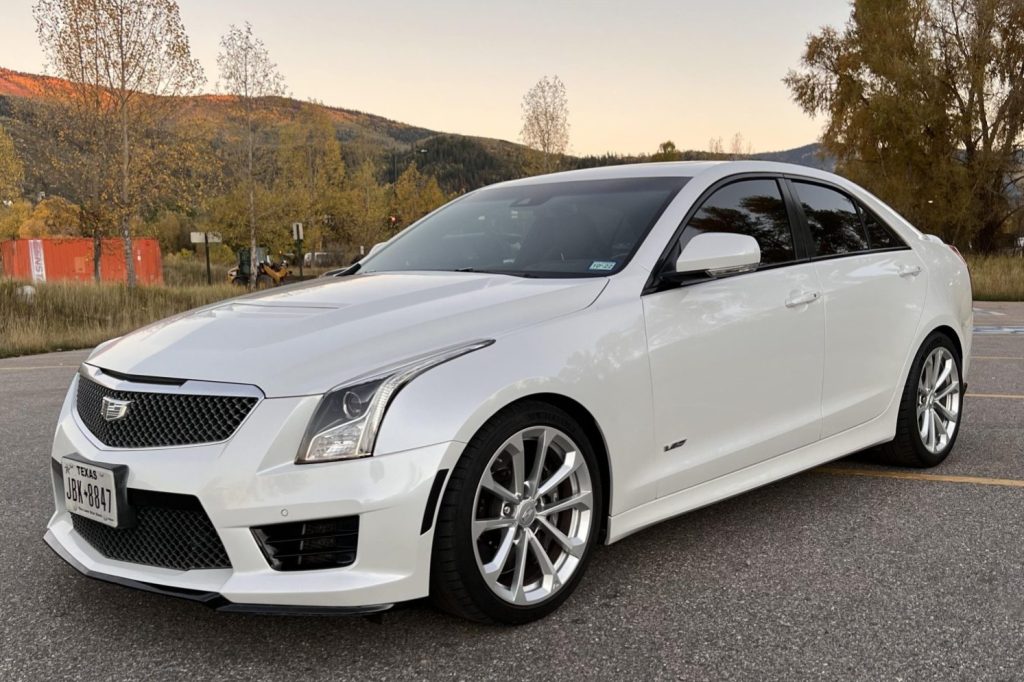
Critics discovered a ferociously capable chassis and huge turbocharged performance. American buyers never embraced the ATS-V in comparable numbers. Its short production life now makes the car feel like a performance secret that reviewers understood before the broader market did.
- Engine: 3.6-liter twin-turbocharged V6
- Torque: 445 lb-ft
- Horsepower: 464 hp
- Length/Width: Approximately 184.7 inches / 72.5 inches
4. 2017 Alfa Romeo Giulia Quadrifoglio
Few modern sedans arrived in America with more critical excitement than the Alfa Romeo Giulia Quadrifoglio. The ingredients sounded almost engineered for automotive journalists: rear-wheel drive, Italian styling, a twin-turbocharged V6, carbon-fiber components, and steering calibrated around rapid responses.
The Quadrifoglio produced 505 horsepower and could reach 60 mph in a manufacturer-claimed 3.8 seconds, with a stated 191-mph top speed.
Giulia’s driving character helped Alfa Romeo immediately establish credibility in a segment dominated by BMW, Mercedes-Benz, and Audi. Its engine displaced 2.9 liters and generated 443 lb-ft of torque.
An eight-speed automatic handled gear changes in the U.S. market, while the active aerodynamic system could alter the front splitter to manage downforce.
The difficult part came after the enthusiastic road tests. Alfa Romeo needed the Giulia to help rebuild the brand’s American presence after a long absence from the mainstream U.S. market. The sedan never achieved the scale required to seriously threaten the German luxury establishment.
Even years later, Alfa Romeo’s U.S. business remained small, with total brand demand falling to 5,652 vehicles in 2025. The Giulia and Stelvio also failed to meet the company’s broader volume expectations.
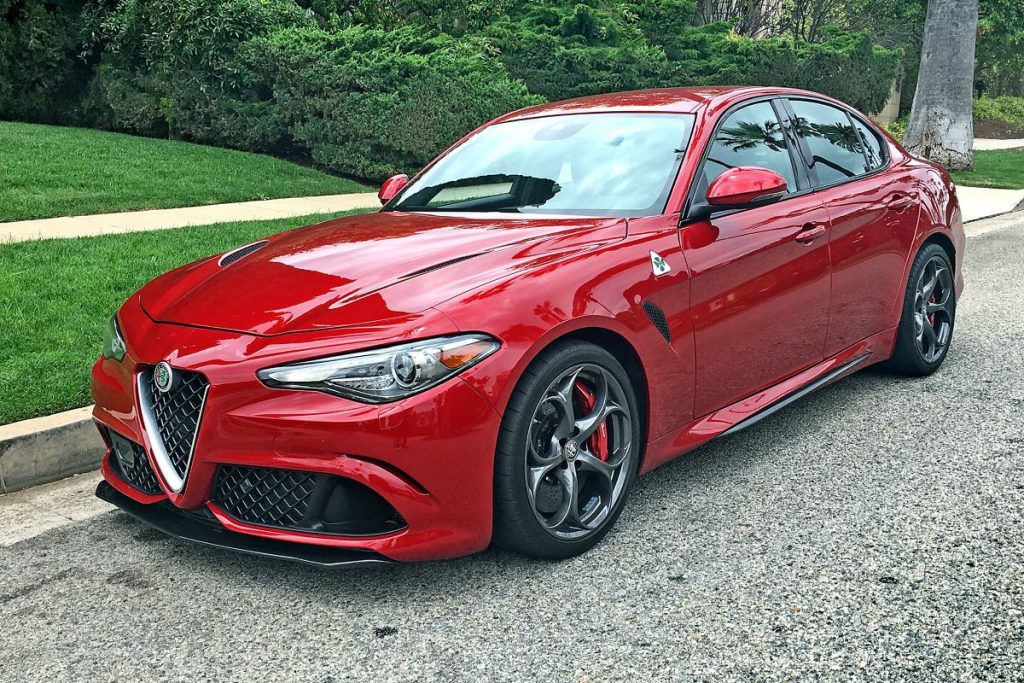
That weak market performance makes the Quadrifoglio particularly fascinating. Critics saw an emotional, extremely fast alternative to predictable performance sedans. Buyers had to consider a smaller dealer network, an unfamiliar modern Alfa ownership proposition, and competitors carrying decades of established U.S. luxury-market credibility.
The Giulia Quadrifoglio proved that critical admiration can establish a car’s reputation without guaranteeing showroom dominance. Its 505-horsepower specification earned respect almost immediately. Turning that praise into mass buyer confidence was far more difficult.
- Engine: 2.9-liter twin-turbocharged V6
- Torque: 443 lb-ft
- Horsepower: 505 hp
- Length/Width: Approximately 182.6 inches / 73.7 inches
5. 2014 BMW i3
The BMW i3 won praise because it treated the electric car as a clean-sheet engineering project rather than a conventional hatchback with batteries installed underneath. Its passenger cell used carbon-fiber-reinforced plastic, the chassis incorporated extensive aluminum, and BMW designed the narrow tires, upright cabin, and unusual interior around efficiency.
Critics recognized the ambition. The i3 became a 2014 World Car Awards category winner, taking World Green Car and World Car Design of the Year honors. American buyers faced a more complicated proposition.
The 2014 battery-electric i3 had an EPA-estimated range of just 81 miles. BMW offered a range extender version with a small 647-cc gasoline engine, but its EPA-rated electric range was 72 miles before the extender became relevant.
The original i3’s 170-horsepower electric motor produced 184 lb-ft of torque, so performance was not the central problem. Its limited driving range and unconventional appearance made the car a difficult sell beyond early EV adopters.
Price added another hurdle. The 2014 i3 carried a U.S. starting MSRP above $41,000 before destination charges. Buyers were being asked to pay premium-car money for a compact four-seat EV with rear-hinged rear doors and a shape unlike anything else in BMW showrooms.
Sales reflected its niche appeal. BMW sold 6,092 i3s in the United States in 2014 and 11,024 in 2015. Annual volume later fell, reaching just 1,476 units in 2021. The i3 disappeared from the U.S. lineup after the 2021 model year.
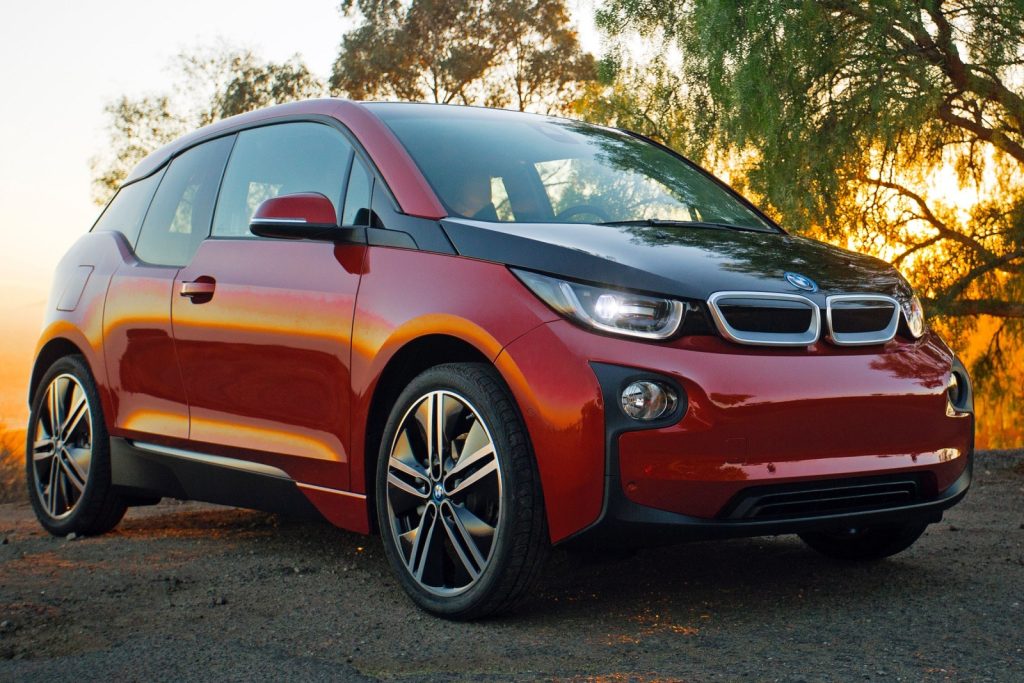
Critics appreciated the lightweight construction, sustainable interior thinking, and purpose-built EV architecture. Mainstream buyers were less willing to accept short early range and radical packaging.
The i3’s engineering ideas aged better than its sales performance. Carbon-intensive construction proved expensive, but its dedicated electric architecture anticipated the clean-sheet EV platforms that later became an industry priority.
- Engine: Single electric motor
- Torque: 184 lb-ft
- Horsepower: 170 hp
- Length/Width: 157.4 inches / 69.9 inches
6. 2011 Mazda RX-8
The Mazda RX-8 spent much of its production life collecting praise for qualities that were difficult to communicate during an ordinary dealership test drive. Car and Driver placed the RX-8 on its 10Best list for 2004, 2005, and 2006.
Reviewers celebrated the car’s steering, chassis balance, high-revving rotary engine, and unusual ability to combine sports-car handling with four usable doors. Buyers had to live with a very different set of numbers.
For 2011, the six-speed manual RX-8 produced 232 horsepower from its 1.3-liter RENESIS twin-rotor engine. Torque was only 159 lb-ft at 5,500 rpm.
The EPA rated the manual car at 16 mpg city and 22 mpg highway. That meant a small sports car with a 1.3-liter advertised displacement could consume fuel at a rate associated with much larger engines.
Rotary ownership also required attention to oil. Mazda’s owner’s manual instructed drivers to check engine oil regularly, while the rotary’s metered oil system intentionally supplied lubricant to internal engine components. Low compression and engine durability concerns became major topics in the RX-8 ownership community.
U.S. sales tell the market story. Mazda sold 23,690 RX-8s in America during 2004. By 2010, annual volume had fallen to 3,250 units. Only 759 were sold in 2011, followed by 243 in 2012 as remaining inventory disappeared.
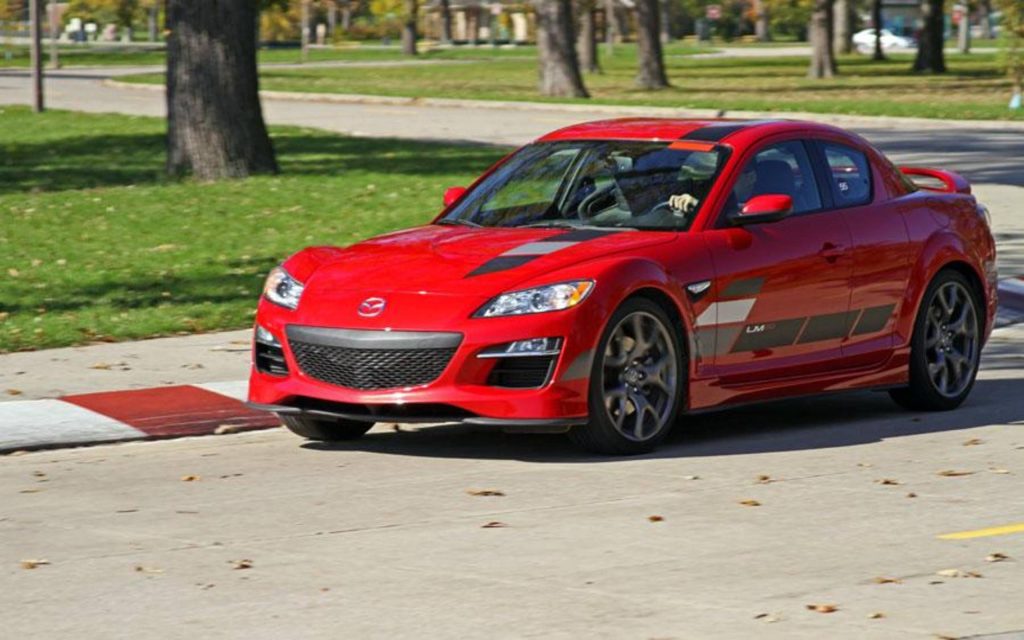
Yet critics continued to understand the car’s dynamic strengths. The engine sat low and behind the front axle line, helping Mazda achieve a near 50:50 weight distribution. Rear-hinged auxiliary doors gave access to the back seats without forcing the RX-8 into a conventional sedan shape.
Journalists praised how the Mazda behaved on a winding road. Buyers had to think about fuel stops, oil checks, and rotary-specific ownership concerns.
The RX-8 was critically successful because it was unusual. Its market problem was the same.
- Engine: 1.3-liter RENESIS twin-rotor rotary
- Torque: 159 lb-ft
- Horsepower: 232 hp with six-speed manual
- Length/Width: 175.6 inches / 69.7 inches
7. 2011 Honda CR-Z
Honda created a rare contradiction with the CR-Z. Reviewers recognized the cleverness of a compact hybrid coupe offered with a six-speed manual transmission, yet American buyers never turned that unusual formula into a sustained sales success. The car sat awkwardly between the fuel-economy market and the traditional sports-car crowd.
The mechanical specification explains why critics found it interesting. Honda combined a 1.5-liter gasoline four-cylinder with its Integrated Motor Assist hybrid system. Total system output reached 122 horsepower and 128 lb-ft of torque with the manual transmission.
Honda’s factory specifications list the six-speed manual as standard, an extraordinary transmission choice for an early-2010s hybrid. The manual model also weighed just 2,637 pounds in base trim.
That creativity did not solve the CR-Z’s identity problem. Performance fans compared it with Honda’s lightweight CR-X heritage and wanted more power. Economy-focused buyers could find hybrids with more passenger space. In North America, the CR-Z was only a two-seater, further limiting its usefulness.
Sales initially showed promise but failed to create long-term momentum. U.S. volume reached 5,249 units during its shortened 2010 launch period, and the car recorded 9,635 sales through August 2011. Demand later weakened, and the CR-Z’s U.S. model run ended after 2016.
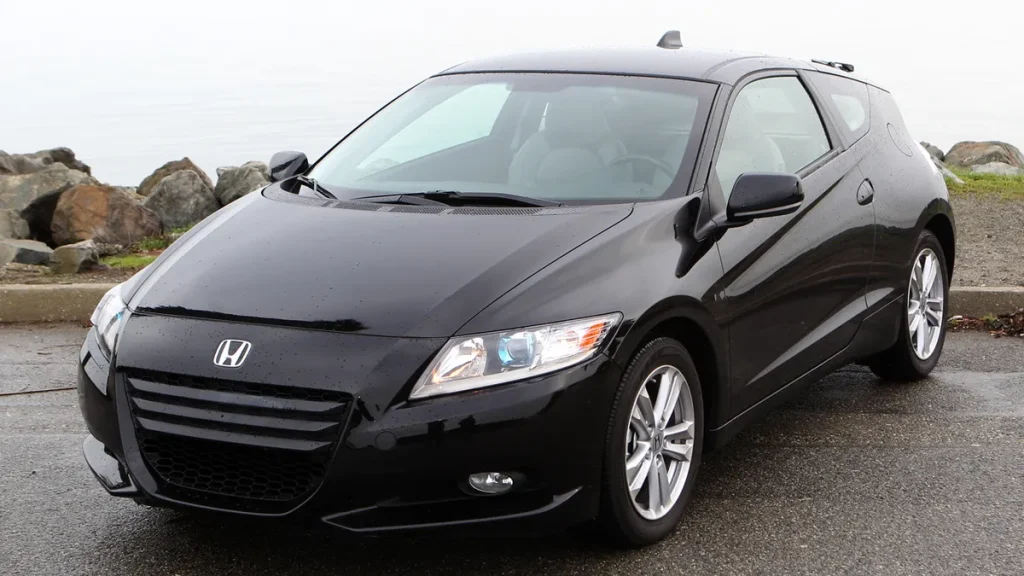
Critics could appreciate the experiment. A small, lightweight hybrid with three selectable driving modes and an available manual gearbox challenged the assumption that electrification had to eliminate driver involvement.
Buyers faced a harder question: was the CR-Z an economical commuter or a sports coupe? Honda never produced an answer convincing enough for the mass market. Its unusual specification earned respect, but its narrow mission kept showroom demand limited.
- Engine: 1.5-liter inline-four with Integrated Motor Assist hybrid system
- Torque: 128 lb-ft with six-speed manual
- Horsepower: 122 hp combined
- Length/Width: 160.6 inches / 68.5 inches
8. 2011 Chevrolet Volt
The Chevrolet Volt earned one of the automotive industry’s most important critical honors before buyers fully understood what Chevrolet was trying to sell.
MotorTrend named it the 2011 Car of the Year, praising a powertrain concept capable of handling routine electric driving while retaining gasoline-backed long-distance capability. In the publication’s mixed 299-mile test, overnight charging helped the Volt use only 2.36 gallons of gasoline.
Its architecture was unusual for the period. A 16-kWh lithium-ion battery supplied energy for electric operation, while a 1.4-liter gasoline engine supported extended-range travel after usable battery energy was depleted.
MotorWeek noted that a 120-volt household outlet required roughly 10 to 12 hours for a full recharge, while 240-volt charging reduced that figure to about four hours. The problem was explaining all of this to ordinary buyers.
A starting MSRP of $40,280 made the 2011 Volt expensive beside many compact cars and conventional hybrids. The distinction between a traditional hybrid, a plug-in hybrid, and Chevrolet’s “extended-range electric vehicle” language added another layer of confusion.
People involved with the Volt later acknowledged that GM struggled to explain the concept beyond early adopters, even though the customers who bought the car often became highly enthusiastic owners.
Critics saw the engineering solution. A driver could handle many daily trips on electricity without facing the long-distance limitations of a battery-only EV. The Volt even delivered 273 lb-ft of immediate electric-motor torque in published U.S. specifications.
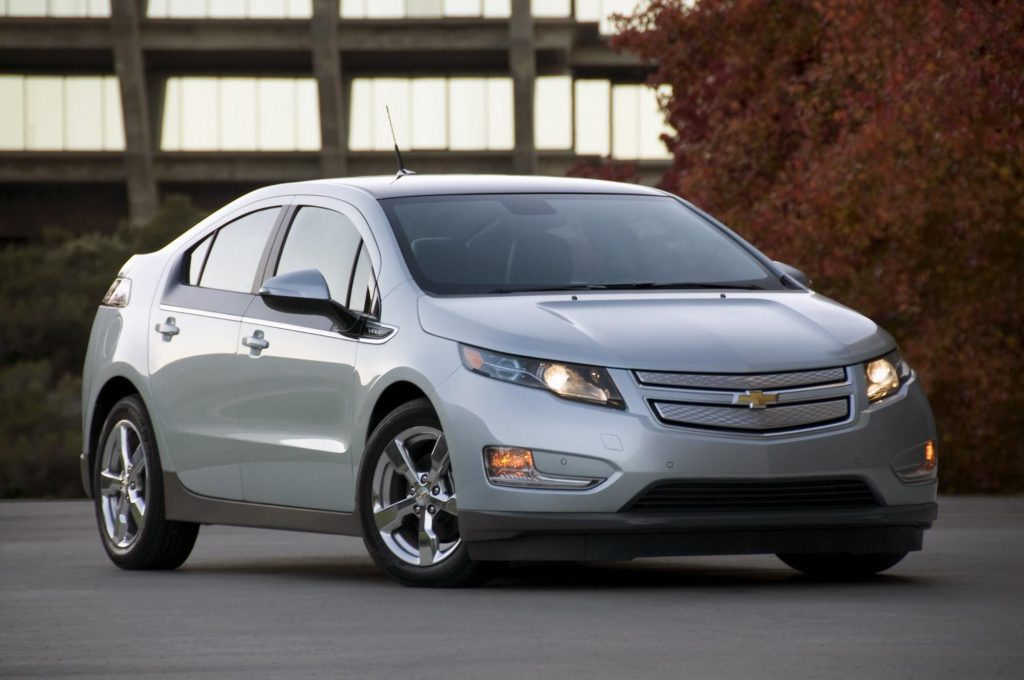
Buyers never turned that critical admiration into dominant mainstream demand. Chevrolet had engineered an answer to range anxiety before most Americans were seriously shopping for plug-in vehicles. The Volt’s greatest problem may simply have been arriving before the market knew how to categorize it.
- Engine: Electric drive system with 1.4-liter gasoline range-extending engine
- Torque: 273 lb-ft
- Horsepower: 149 hp
- Length/Width: 177.1 inches / approximately 70.4 inches
9. 2018 Honda Clarity Plug-In Hybrid
The Honda Clarity Plug-In Hybrid had the type of specification that automotive reviewers could appreciate once they looked beyond its unusual rear-wheel covers and complicated name. Honda built a midsize five-passenger sedan capable of completing many commutes on electricity, yet it retained a gasoline engine for longer journeys.
The EPA-rated all-electric range was 47 miles, which Honda described as the highest among midsize plug-in hybrids when the 2018 model launched.
Its engineering was more interesting than its styling suggested. A 17-kWh lithium-ion battery supplied energy to an electric motor rated at 181 horsepower and 232 lb-ft of torque. Honda listed the total system output at 212 horsepower.
The 1.5-liter Atkinson-cycle gasoline four-cylinder could support extended travel after the usable electric charge was depleted. With a 240-volt supply, Honda stated that a full charge could take approximately 2.5 hours.
That made the Clarity a convincing technological package. Buyers, however, never turned it into a lasting high-volume Honda nameplate. U.S. demand peaked during its first full sales year at just over 20,000 units across the Clarity family, then declined steadily. Only 2,597 Clarity models were delivered in 2021, and production ended that year.
The problem was not one obvious mechanical failure. The Clarity arrived with unconventional styling, a plug-in powertrain that still required consumer education, and a market rapidly moving toward crossovers. Even Honda buyers had easier choices if they wanted a familiar sedan or SUV.
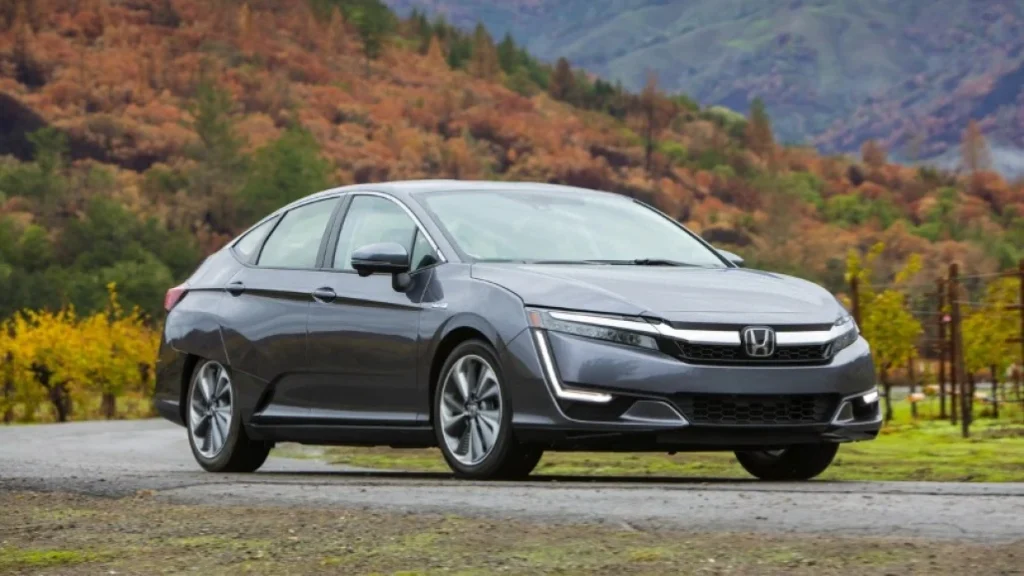
Reviewers could recognize the intelligence of combining 47 miles of electric range with gasoline-backed flexibility. The broader market remained far less enthusiastic. The Clarity was a sensible answer to a transportation question many American buyers were not yet asking.
- Engine: 1.5-liter inline-four with plug-in hybrid electric system
- Torque: 232 lb-ft from electric drive motor
- Horsepower: 212 hp total system output
- Length/Width: 192.7 inches / 73.9 inches
10. 2017 Acura NSX
The second-generation Acura NSX arrived with one of the most technically ambitious powertrains ever installed in an American-built production supercar. Critics found serious performance beneath the complexity. Buyers found a $156,000 Acura competing for attention against established exotic brands.
Acura combined a mid-mounted 3.5-liter twin-turbocharged V6 with three electric motors and a nine-speed dual-clutch transmission. Total system output reached 573 horsepower and 476 lb-ft of torque.
Two electric motors independently powered the front wheels, while the V6 and a third electric motor contributed to rear-wheel propulsion. The result was electrically assisted all-wheel drive and active torque distribution across the front axle.
Performance was unquestionably serious. Acura quoted a 191-mph top speed, while contemporary technical reporting cited a 0-to-60-mph estimate of 3.0 seconds. The NSX also carried a 3,803-pound curb weight and 42/58 front-to-rear weight distribution.
Yet showroom volume remained tiny. U.S. sales reached 581 cars in 2017, then collapsed to 170 in 2018. Later annual totals remained in the low hundreds before the second-generation NSX ended production.
Price and perception created a difficult challenge. The 2017 NSX started at $156,000 and could reach $205,700 with every available factory option. At that level, buyers could consider supercars from brands with stronger exotic-car identities.
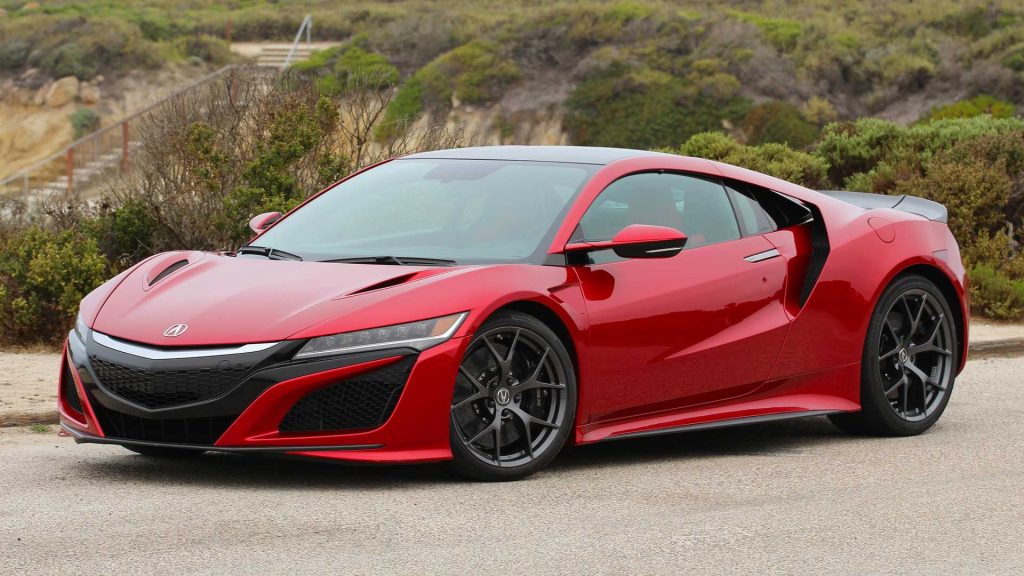
Critics could study the instant electric response, torque-vectoring hardware, and seamless integration of four propulsion sources. Many wealthy buyers simply wanted something else.
The NSX was technologically sophisticated, extremely fast, and commercially limited. Its engineering earned respect, but critical approval could not persuade enough customers to put an Acura badge in their supercar collection.
- Engine: 3.5-liter twin-turbocharged V6 with three electric motors
- Torque: 476 lb-ft total system output
- Horsepower: 573 hp total system output
- Length/Width: 176.1 inches / 76.3 inches