
A family SUV is more than just a way to get from one place to another. It handles school runs, family holidays, grocery trips, and daily commuting, so choosing the right one can make life much easier for years to come. Since many owners keep these vehicles well beyond 100,000 miles, long-term reliability should take priority over flashy features or the latest infotainment technology.
Research from Consumer Reports and J.D. Power shows that SUVs with proven naturally aspirated V6 engines and well-established hybrid systems often deliver better long-term dependability than newer, more complicated powertrains.
This guide ranks eight three-row SUVs based on their real-world reliability, maintenance history, and long-term ownership records rather than marketing claims. If you want a family vehicle that can comfortably cover 150,000 miles with fewer unexpected repairs, these models have built strong reputations through years of dependable service and satisfied owners.
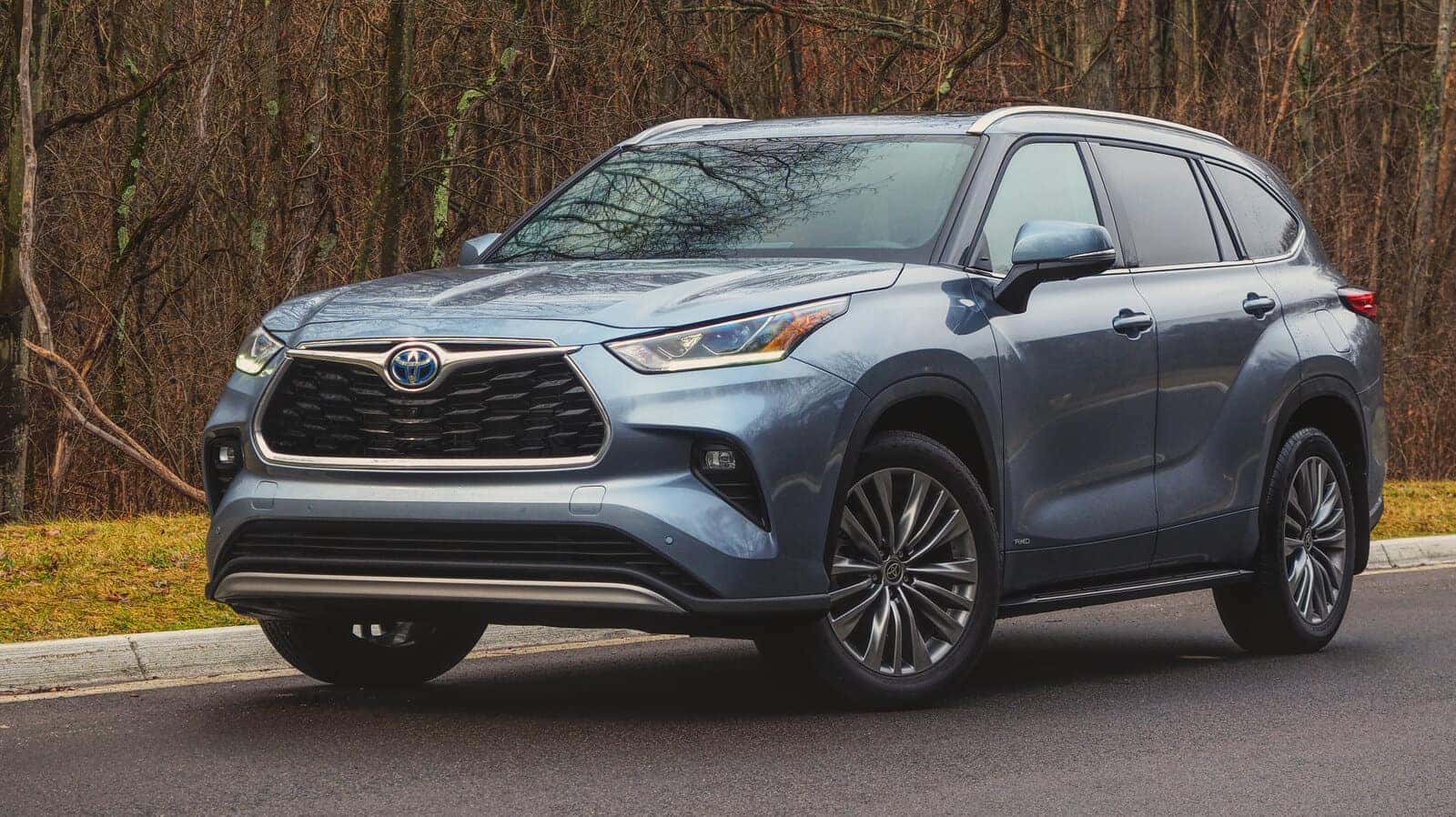
1. Toyota Highlander Hybrid
- Engine: 2.5-liter Hybrid I4
- Horsepower: 243 hp
- Torque: 175 lb-ft
- Size: 194.9″ L x 76.0″ W x 68.1″ H
Reliability Profile: Toyota’s hybrid system remains one of the most proven powertrains in the industry, regularly delivering very high mileage with minimal major repairs.
Toyota didn’t stumble into hybrid dominance by accident. Decades of refinement, starting with the original Prius and extending through nearly every model in the lineup since, have turned this specific hybrid architecture into something close to a known quantity among mechanics and long-term owners alike. The Highlander Hybrid inherits that pedigree directly, and the numbers back it up convincingly.
Two hundred thousand miles isn’t some theoretical ceiling for this powertrain; it’s a genuinely common milestone that plenty of Toyota hybrid owners reach with nothing more than routine maintenance. That kind of track record doesn’t happen by luck.
It happens because Toyota’s engineering team has spent years quietly refining battery durability, motor efficiency, and the transition between gas and electric power until the whole system became remarkably resistant to the kind of premature failures that plague less mature hybrid designs.
Although its horsepower figures may seem modest compared with more performance-oriented engines, outright acceleration was never the primary objective of its design. Instead, the engine was engineered to deliver dependable performance, exceptional durability, and years of reliable operation while minimizing the need for costly repairs.
Resale values reflect this reputation clearly, with used Highlander Hybrids commanding prices that stay stubbornly close to comparable gas-only competitors, sometimes even higher, because buyers specifically hunt for this exact combination of proven reliability and genuine fuel savings.
For families specifically prioritizing peace of mind over raw performance, the Highlander Hybrid represents about as close to a sure thing as the three-row segment currently offers, a genuinely rare combination of efficiency and dependability that’s earned its position at the very top of this list.
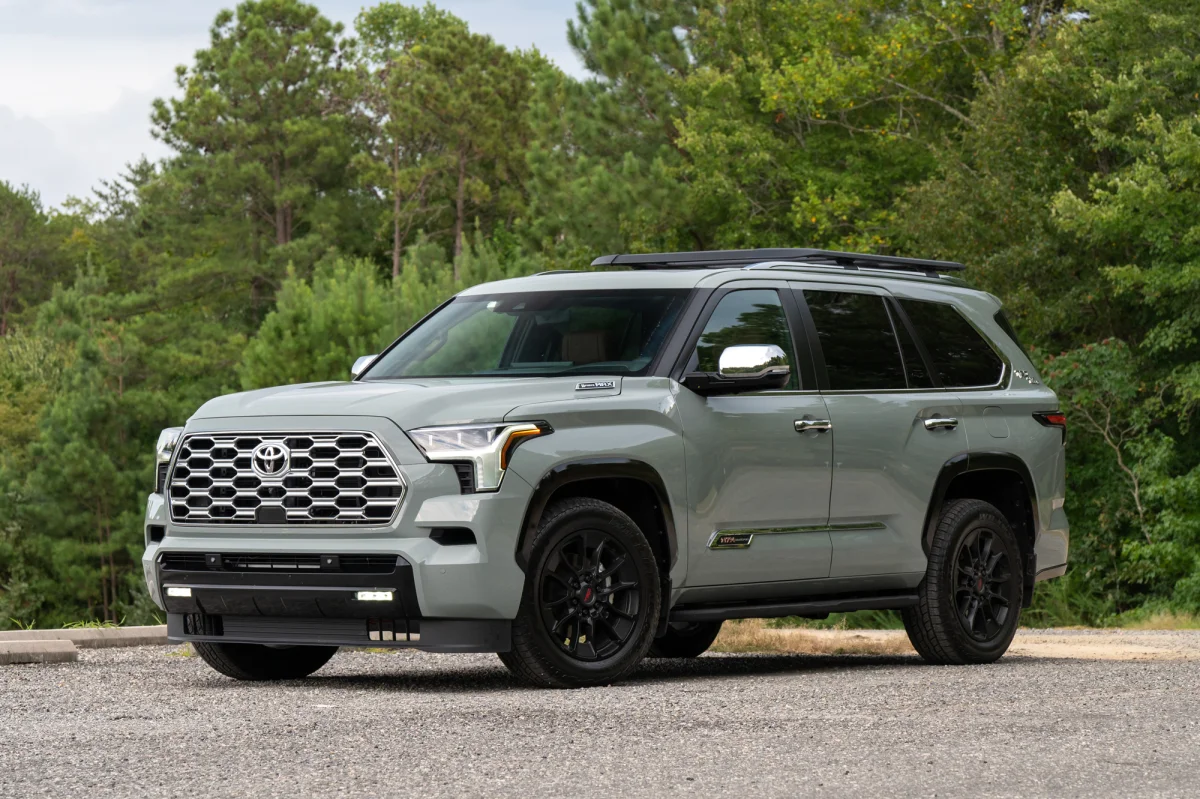
2. Toyota Sequoia
- Engine: 3.4-liter Twin-Turbo V6 Hybrid
- Horsepower: 437 hp
- Torque: 583 lb-ft
- Size: 208.1″ L x 80.2″ W x 74.5″ H
Reliability Profile: Built for heavy-duty use with Toyota’s strong durability record and excellent long-term ownership history.
Big, powerful, and built to work hard, the Sequoia carries Toyota’s reliability reputation into genuinely serious hauling territory. That twin-turbo V6 hybrid setup produces a considerable 437 horsepower and 583 lb-ft of torque, numbers that give this full-size SUV genuine towing muscle without sacrificing the mechanical trustworthiness Toyota buyers have come to expect across the broader lineup.
Heavy-duty use tends to expose weaknesses in lesser engineered vehicles fairly quickly, yet the Sequoia has built a genuinely strong track record precisely in that demanding context. Owners who tow trailers, haul boats, or regularly load up cargo space for extended trips report considerably fewer mechanical surprises compared to rivals attempting similar duty cycles.
A turbocharged engine combined with hybrid technology creates a more advanced powertrain than the naturally aspirated V6 setups used in many of the other SUVs on this list. With more components working together, some buyers may question how well it will hold up after years of regular use.
Toyota has done an impressive job with this system, proving that it can deliver strong reliability. That confidence comes from the company’s long-standing engineering approach, which has helped its hybrid technology earn a solid reputation across many of its cars and SUVs.
Full-size dimensions mean the Sequoia genuinely competes in a different category than most three-row SUVs on this list, offering considerably more cargo and passenger space alongside that added mechanical capability. Families specifically needing genuine towing capacity alongside three-row seating rarely find a more dependable option matching this particular combination of size and power.
Given Toyota’s continued excellence in translating hybrid technology into genuinely durable, long-lasting powertrains, the Sequoia earns its position near the very top of this list, trailing only its smaller Highlander sibling among currently available three-row options.
Also Read: 9 SUVs That Drew the Most Owner Scrutiny in 2026
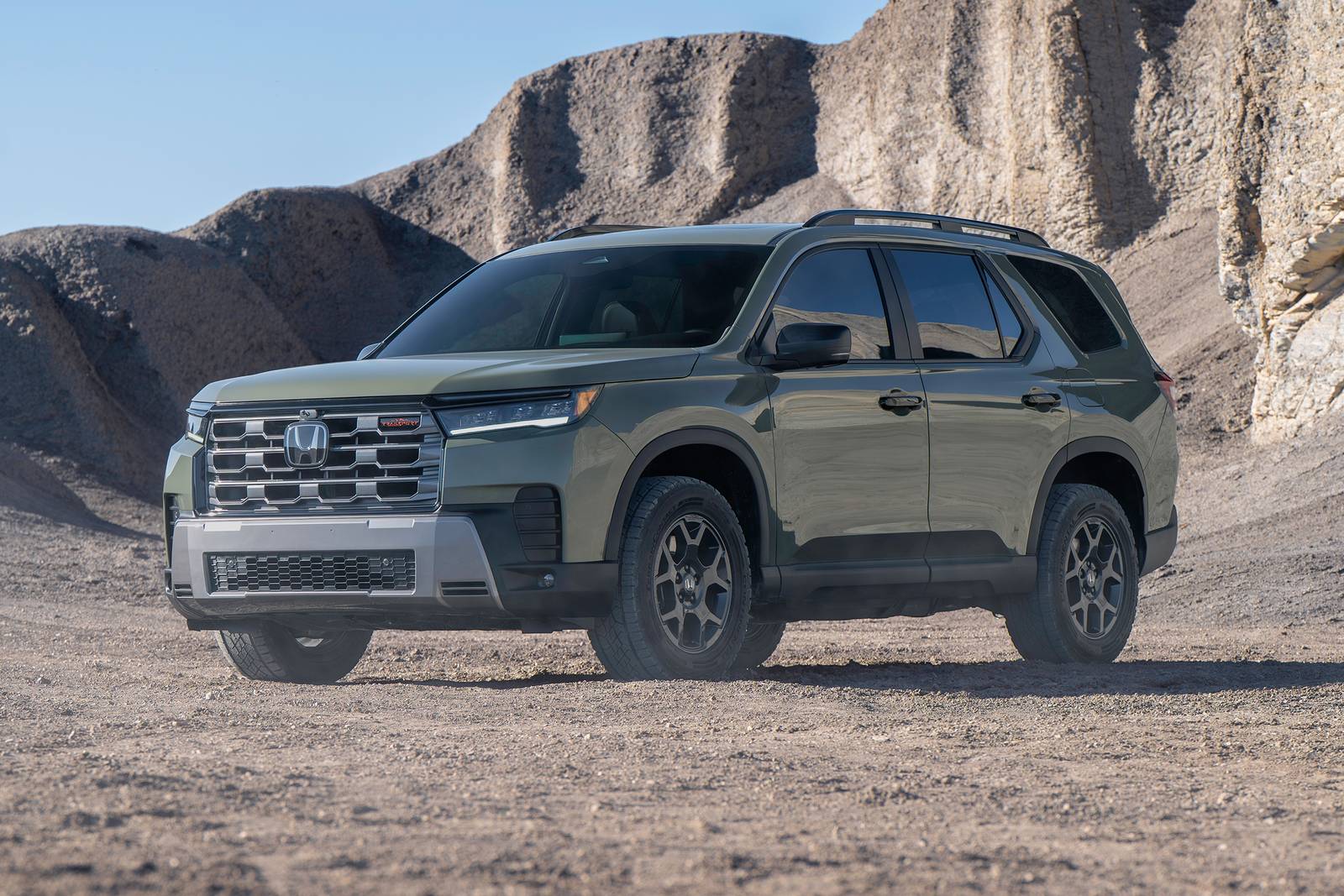
3. Honda Pilot
- Engine: 3.5-liter Naturally Aspirated V6
- Horsepower: 285 hp
- Torque: 262 lb-ft
- Size: 200.2″ L x 78.5″ W x 71.0″ H
Reliability Profile: The naturally aspirated V6 and proven automatic transmission help make it one of the most dependable midsize three-row SUVs.
Honda has built a strong reputation by improving an already dependable formula instead of replacing it with something completely different. The naturally aspirated 3.5-liter V6 engine has served several generations of the Pilot, receiving careful updates through the years rather than a complete redesign. That steady development has helped the SUV earn the trust of drivers looking for lasting reliability.
A major strength of the Pilot comes from its straightforward engineering. It does not depend on turbochargers or hybrid battery systems that may require costly replacement later.
Instead, Honda pairs its trusted V6 engine with an automatic transmission that has been refined through years of real driving experience. With fewer mechanical parts that can fail, owners often enjoy fewer unexpected repair issues while keeping maintenance simple and manageable.
Performance also remains more than adequate for everyday family use. Producing 285 horsepower, the Pilot delivers smooth acceleration for city driving, confident highway merging, and enough towing ability for small trailers or recreational equipment. The engine achieves this without being pushed beyond its comfort zone, helping preserve its reputation for lasting durability.
Many families planning to keep their SUV for several years continue to rate the Pilot highly in reliability reports and owner satisfaction surveys. Its strong standing has been built through years of dependable service rather than flashy features or bold advertising. People appreciate a vehicle that performs consistently without creating unnecessary ownership worries.
Servicing the Pilot is also less stressful because Honda dealerships and many independent workshops have extensive experience working on this engine and transmission. That familiarity often leads to quicker diagnosis, lower repair costs, and easier access to replacement parts.
Anyone looking for a dependable three-row SUV with proven mechanical reliability will find the Honda Pilot to be a dependable choice that continues to stand the test of time.
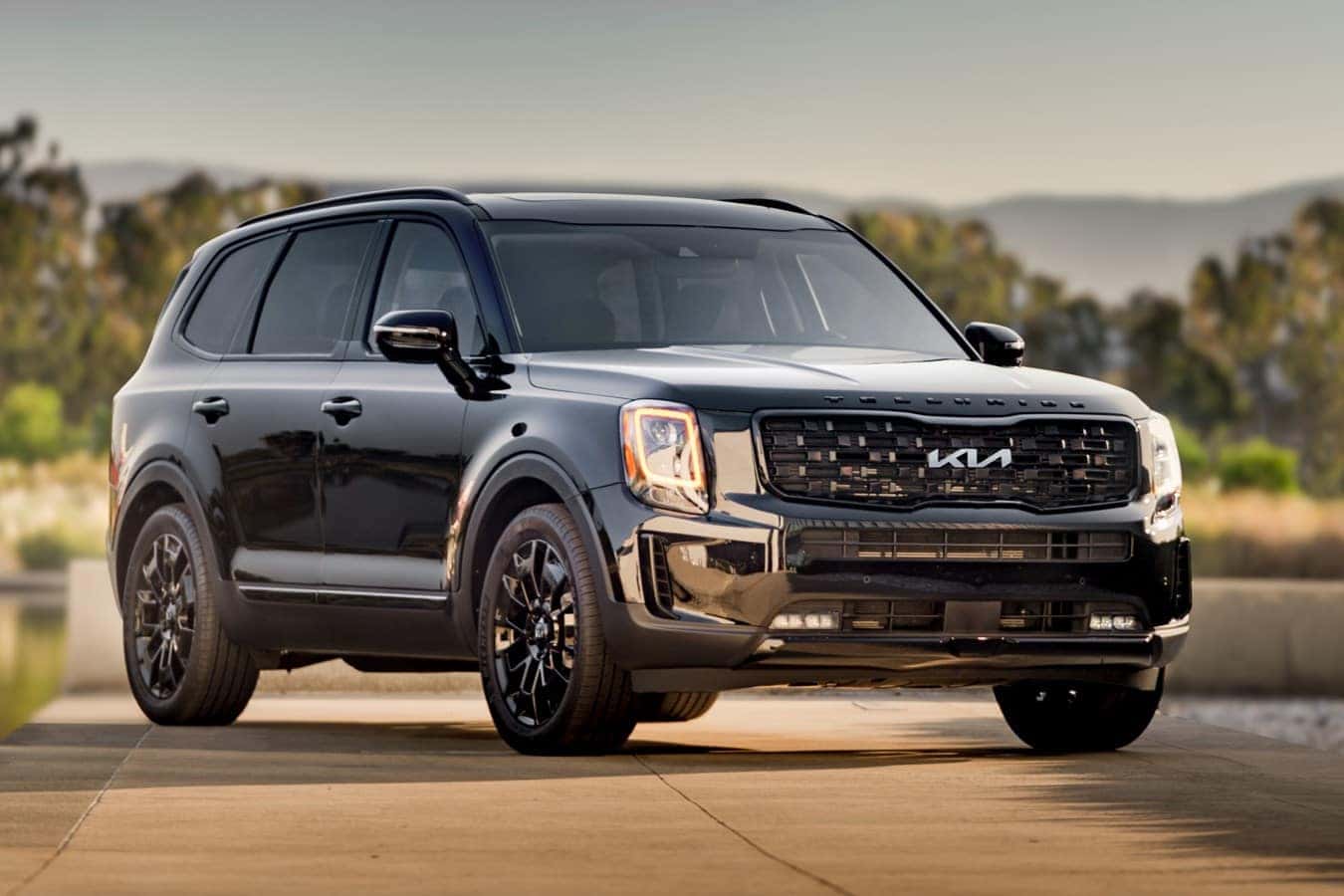
4. Kia Telluride
- Engine: 3.8-liter Naturally Aspirated V6
- Horsepower: 291 hp
- Torque: 262 lb-ft
- Size: 196.9″ L x 78.3″ W x 68.9″ H
Reliability Profile: Consistently earns strong owner satisfaction scores and has avoided major widespread powertrain problems.
Kia has changed the way many people view the brand. Years ago, buyers often linked it with affordable vehicles that required certain compromises. Today, the Telluride has earned a strong reputation for quality and dependability, proving how much the company’s engineering standards have improved within a relatively short period.
Power comes from a naturally aspirated 3.8-liter V6 engine, avoiding the extra parts that come with turbocharged setups. Producing 291 horsepower, it delivers smooth and dependable performance through a design that has already built a solid reliability record. This straightforward approach has helped the Telluride avoid many of the engine concerns that sometimes affect rivals using smaller turbocharged powertrains.
Owners also speak highly of their experience after years of driving. Reliability studies and customer satisfaction surveys continue to place the Telluride among the better-performing three-row SUVs. That reputation has been earned through dependable everyday use rather than attractive showroom presentation alone.
Beyond its attractive styling and well-finished cabin, the engineering beneath the body deserves equal praise. Many buyers comparing the Telluride with long-established Japanese SUVs now consider it a genuine alternative because of its proven mechanical durability and dependable ownership record.
Strong resale values and continued buyer demand also reflect the confidence people have in this SUV. Even used models often attract plenty of interest, showing that many shoppers trust its long-term dependability. Families searching for a reliable three-row SUV without paying luxury brand prices will find the Telluride to be a smart and dependable choice.
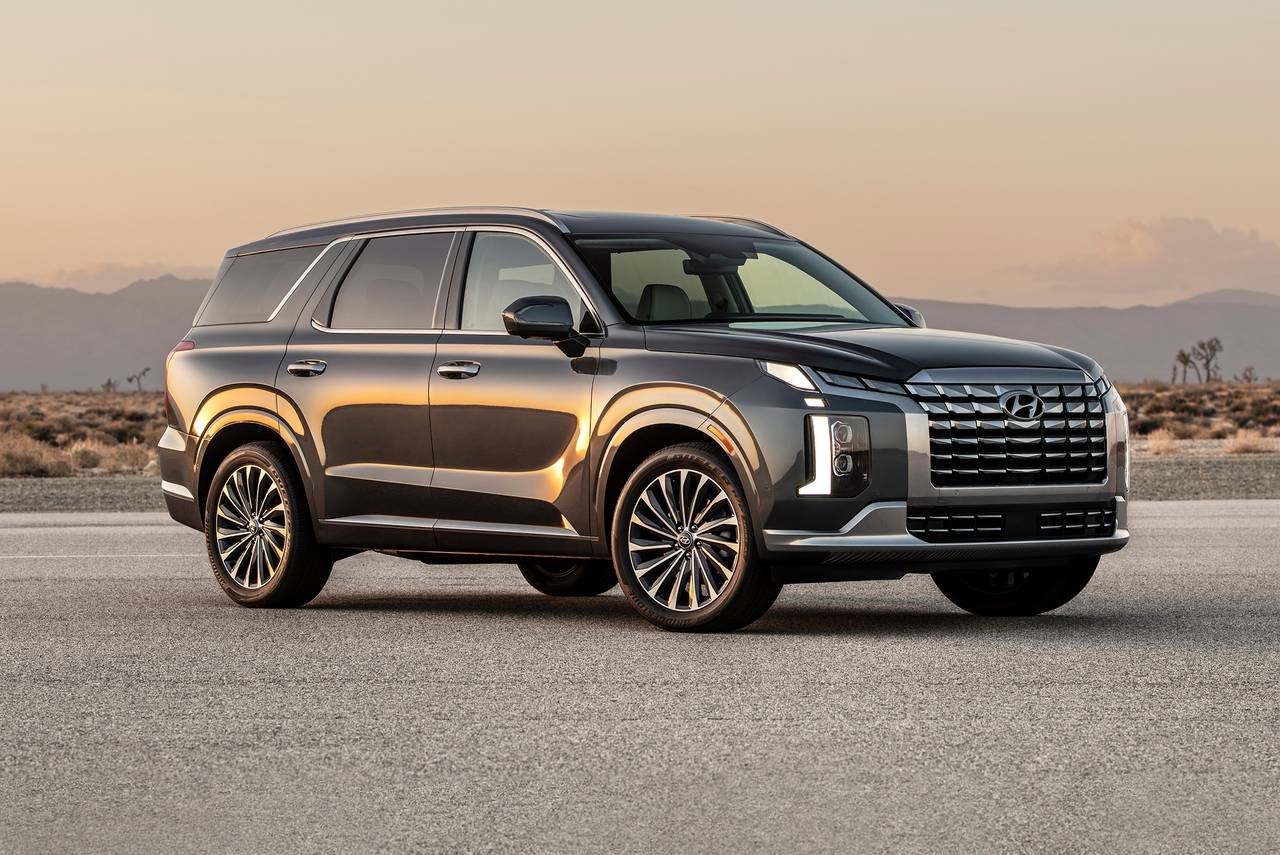
5. Hyundai Palisade
- Engine: 3.8-liter Naturally Aspirated V6
- Horsepower: 291 hp
- Torque: 262 lb-ft
- Size: 196.7″ L x 77.8″ W x 68.9″ H
Reliability Profile: Shares much of its proven mechanical hardware with the Telluride and has established a strong reliability record.
Corporate siblings, mechanical twins. The Palisade shares its underlying platform, and that same naturally aspirated 3.8-liter V6 directly with the Telluride covered just above it, inheriting nearly identical reliability credentials as a direct result of that close engineering relationship between Hyundai and Kia.
Two hundred ninety-one horsepower and 262 lb-ft of torque, numbers matching precisely because these two SUVs genuinely share the same proven mechanical hardware underneath their distinctly different exterior styling and interior presentation choices.
That shared foundation matters enormously for buyers specifically researching long-term dependability, since a proven engine and transmission combination doesn’t become less reliable simply because it’s wearing a different badge on the grille. Hyundai’s execution here has earned genuine trust among reviewers and owners alike, establishing the Palisade as a legitimate reliability contender rather than simply riding on its Kia sibling’s coattails.
Styling differences between these two SUVs give buyers genuine choice without sacrificing mechanical trustworthiness either direction, a rare situation where personal aesthetic preference doesn’t require compromising on proven dependability, since both nameplates draw from the exact same reliable engineering foundation.
Hyundai’s broader warranty coverage adds an extra layer of buyer confidence too, backing up that mechanical reputation with genuinely generous coverage terms that reflect the manufacturer’s own confidence in long-term durability.
For buyers specifically torn between Hyundai and Kia badges, choosing based purely on styling or dealership relationships makes genuine sense here, since the Palisade delivers reliability credentials essentially identical to its Telluride sibling, both earning their well-deserved position among this list’s strongest dependable three-row options.
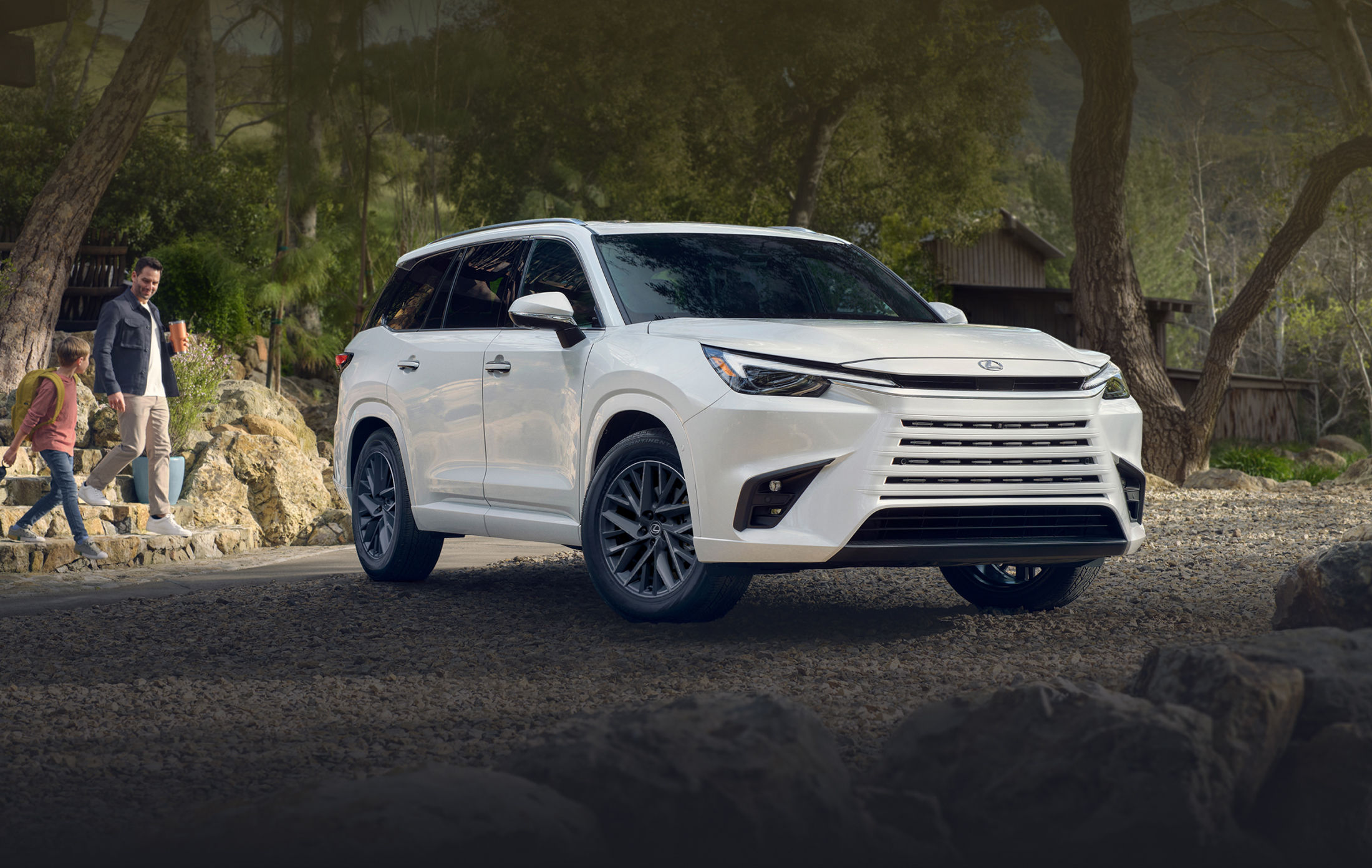
6. Lexus TX 350
- Engine: 2.4-liter Turbocharged I4
- Horsepower: 275 hp
- Torque: 317 lb-ft
- Size: 203.1″ L x 78.3″ W x 70.1″ H
Reliability Profile: Early quality indicators are promising, though its limited production history prevents a higher ranking.
Promising, but still proving itself. That’s the honest, straightforward reality surrounding the Lexus TX 350’s reliability standing, a genuinely new nameplate within Lexus’s broader lineup that hasn’t yet accumulated the years of ownership data needed to earn a spot alongside this list’s most established, proven performers.
Turbocharged four-cylinder power might initially raise eyebrows among buyers specifically prioritizing mechanical simplicity, especially compared against the naturally aspirated V6 configurations found in several competitors covered earlier on this list. Lexus’s execution, though, benefits considerably from the brand’s broader reputation for meticulous engineering and genuine quality control throughout its production process.
Two hundred seventy-five horsepower alongside a genuinely strong 317 lb-ft of torque gives the TX 350 confident, responsive performance, numbers that reflect turbocharging’s inherent advantage in delivering strong torque from a smaller displacement engine compared to larger naturally aspirated alternatives.
Early ownership feedback and initial quality surveys have generally trended positive, suggesting Lexus’s typical attention to detail and refinement extends genuinely into this newer platform. Still, without years of accumulated high-mileage ownership data behind it, independent reliability trackers understandably hesitate to rank this SUV alongside genuinely proven veterans like the Highlander Hybrid or Sequoia.
For buyers specifically willing to accept some genuine uncertainty in exchange for Lexus’s premium badge, refined cabin experience, and generally strong brand reputation for quality, the TX 350 represents a reasonably confident bet, even while acknowledging its relatively limited track record keeps it positioned in this list’s middle tier rather than among the most thoroughly proven long-term performers.
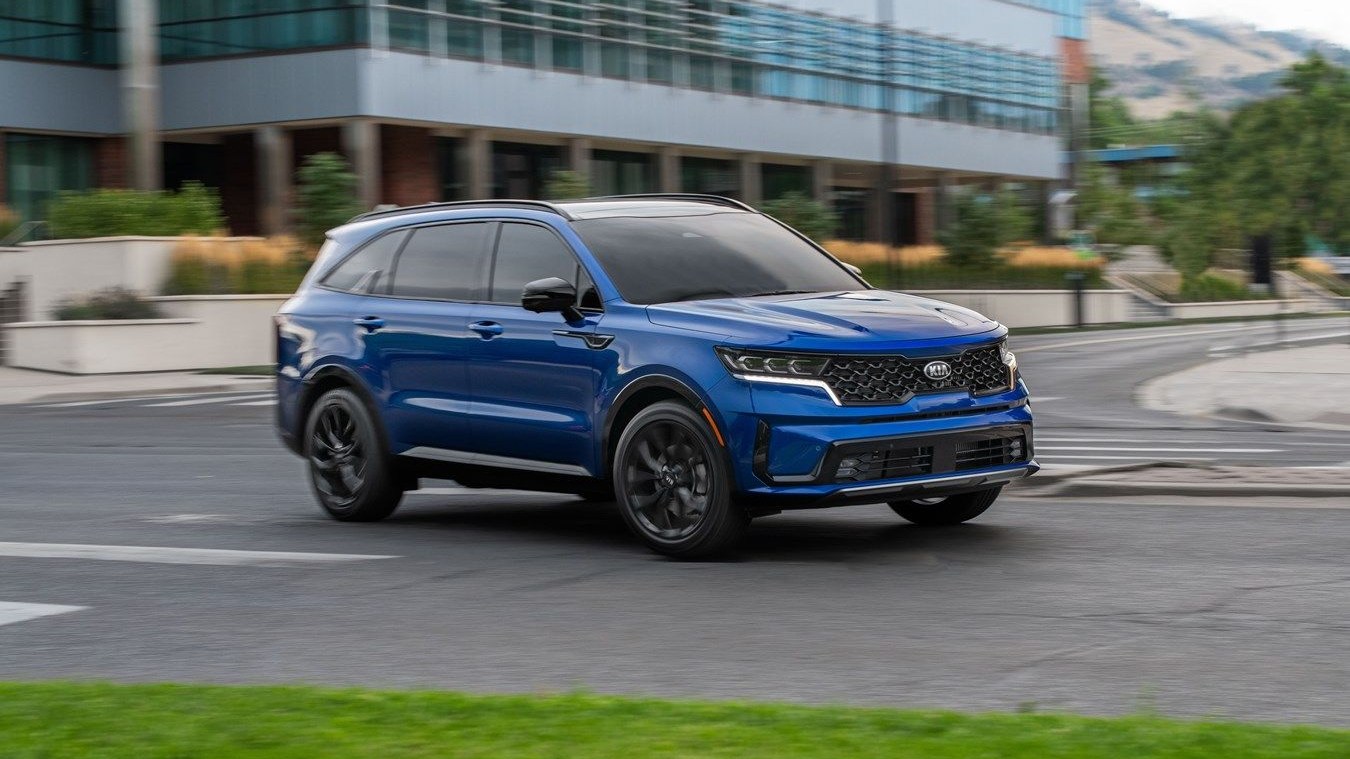
7. Kia Sorento Hybrid
- Engine: 1.6-liter Turbocharged Hybrid I4
- Horsepower: 227 hp
- Torque: 258 lb-ft
- Size: 189.4″ L x 74.8″ W x 66.7″ H
Reliability Profile: Good reliability scores so far, though its turbocharged hybrid setup lacks the decades-long track record of Toyota’s hybrid systems.
Good, genuinely good, just not quite battle-tested yet. That’s the fair, honest assessment surrounding the Sorento Hybrid’s reliability standing, a vehicle earning solid marks from early owners and independent reviewers while still lacking the extensive, multi-decade track record that’s helped Toyota’s hybrid systems earn their considerably stronger reputation.
Combining turbocharging with hybrid assistance in a relatively compact 1.6-liter engine represents genuinely sophisticated modern engineering, and Kia’s execution has generally impressed reviewers testing real-world fuel efficiency and everyday drivability. That sophistication, though, inherently introduces more components capable of eventually needing repair compared to a simpler, naturally aspirated setup.
Two hundred twenty-seven horsepower might sound modest against some competitors on this list, but genuinely strong torque delivery, 258 lb-ft, gives the Sorento Hybrid confident everyday responsiveness that belies its smaller displacement engine specification.
Kia’s broader manufacturing quality has improved dramatically in recent years, a trend reflected clearly in this SUV’s early reliability data, even while acknowledging that turbocharged hybrid architecture generally carries somewhat more long-term uncertainty than Toyota’s considerably more mature, extensively proven hybrid technology.
Buyers specifically prioritizing genuine fuel efficiency within a three-row package, while still wanting reasonable confidence in long-term dependability, find a genuinely compelling option here, even while acknowledging this particular powertrain configuration simply hasn’t accumulated the same extensive high-mileage track record that’s helped push Toyota’s hybrid offerings into this list’s top position.
Also Read: 10 SUVs That Changed the Automotive Industry Forever
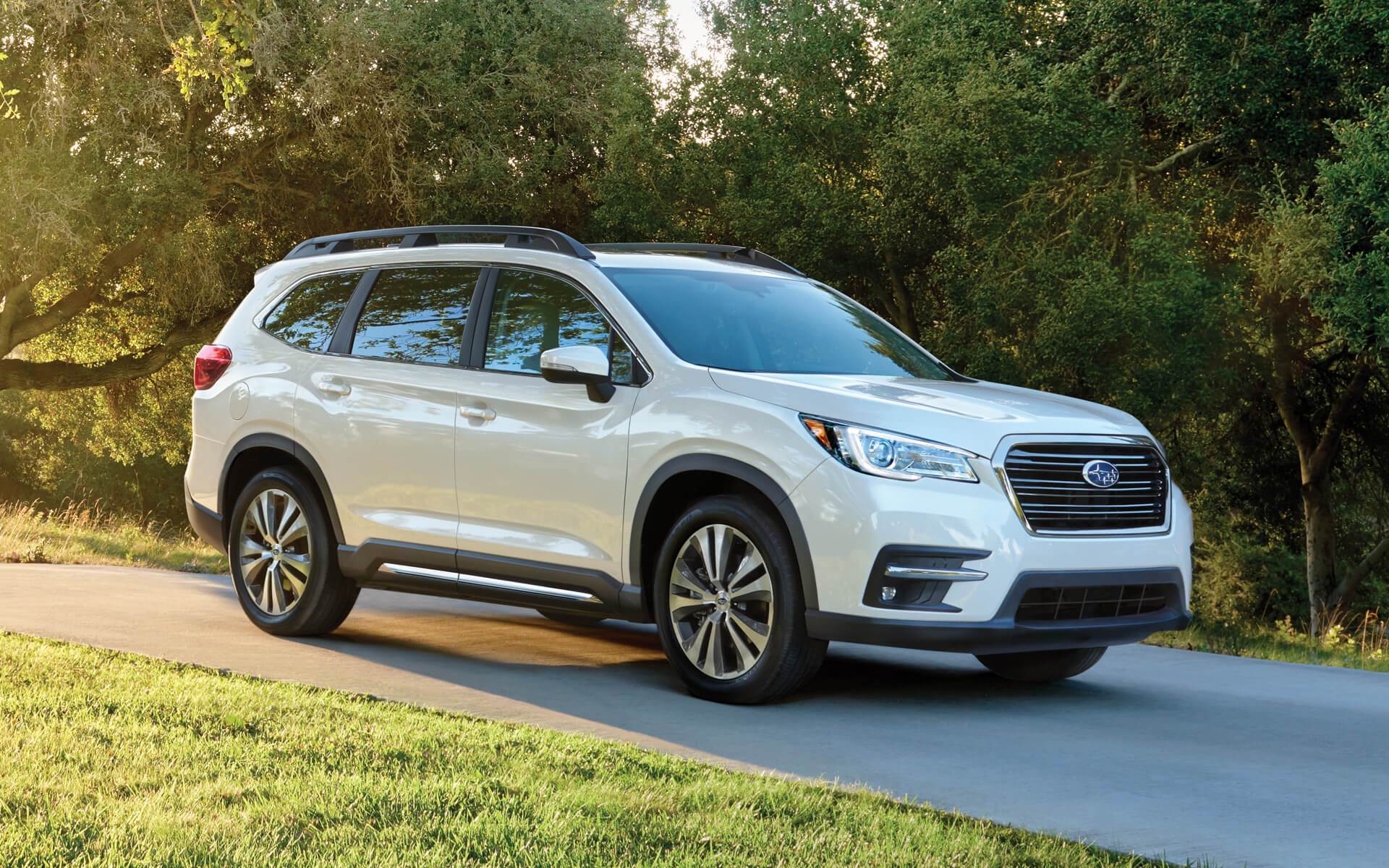
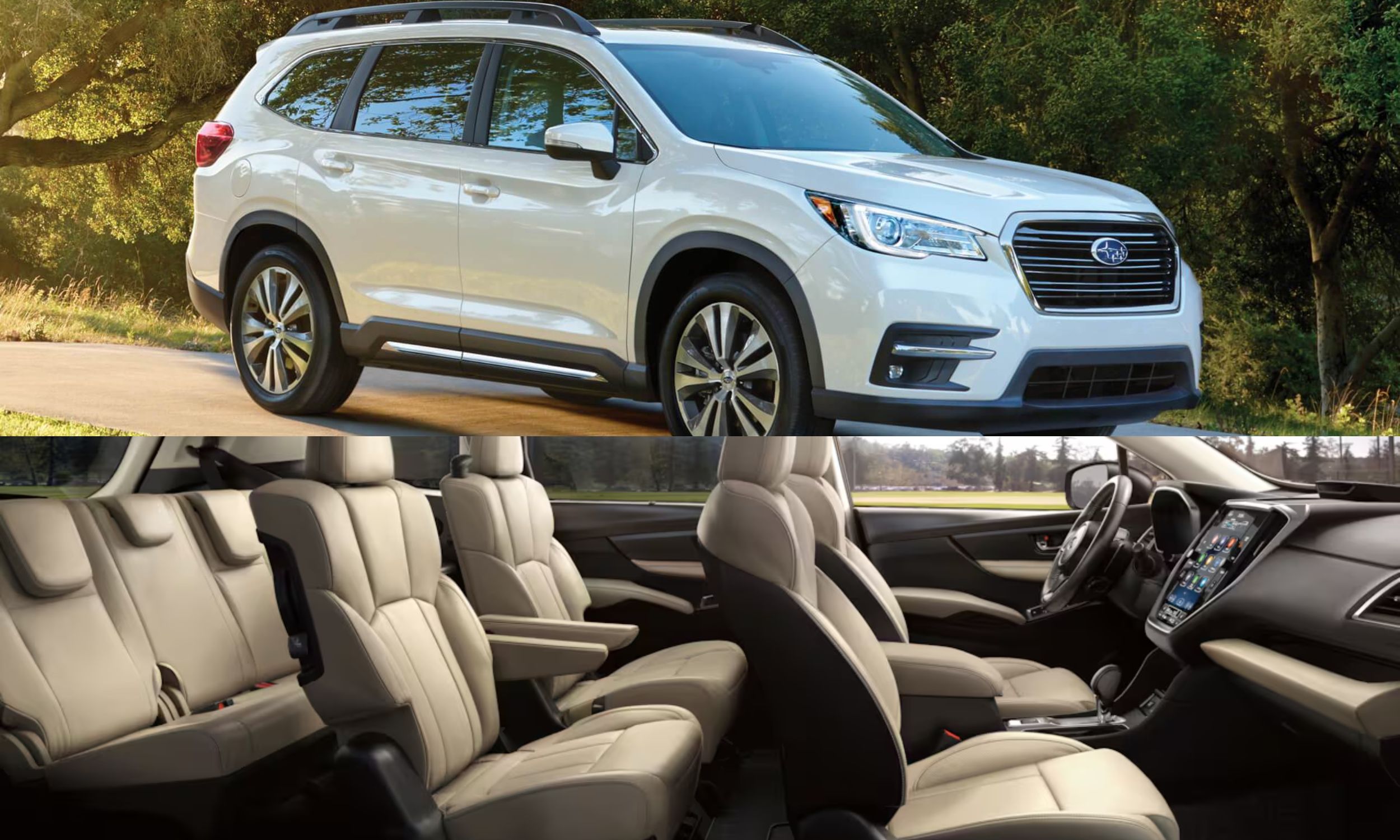
8. Subaru Ascent
- Engine: 2.4-liter Turbocharged Boxer-4
- Horsepower: 260 hp
- Torque: 277 lb-ft
- Size: 196.8″ L x 76.0″ W x 71.6″ H
Reliability Profile: Later models are much improved, but earlier transmission concerns keep it behind the segment leaders for long-term dependability.
The Subaru Ascent has come a long way from its early challenges. When it was first introduced, many owners reported transmission problems that affected confidence in the SUV and gave it a weaker reputation for reliability. Subaru responded by addressing those issues, and the improvements in later models have helped restore trust among buyers seeking a dependable family vehicle.
Unlike many rivals, the Ascent uses Subaru’s turbocharged boxer engine, a design that places the engine lower in the vehicle to improve balance and stability. With 260 horsepower and 277 lb-ft of torque, it delivers strong performance for daily driving, highway trips, and light towing. This engine design is also shared with several other Subaru models, giving technicians plenty of experience working with it.
Recent model years have shown clear progress in reliability. Subaru introduced updated transmission software and made mechanical changes that reduced many of the problems found in the earlier versions. Owner feedback and independent reliability studies now paint a much better picture, showing that the company took those early complaints seriously and invested in lasting improvements.
Every Ascent comes with Subaru’s well-known all-wheel-drive system as standard equipment, making it a strong choice for drivers who regularly deal with wet roads or harsh winter conditions. While it still does not match the long-term reliability record of some class leaders, it has become a far more dependable SUV than it was at launch. Buyers who appreciate Subaru’s engineering approach and year-round capability will find the newer Ascent models much easier to recommend.
