
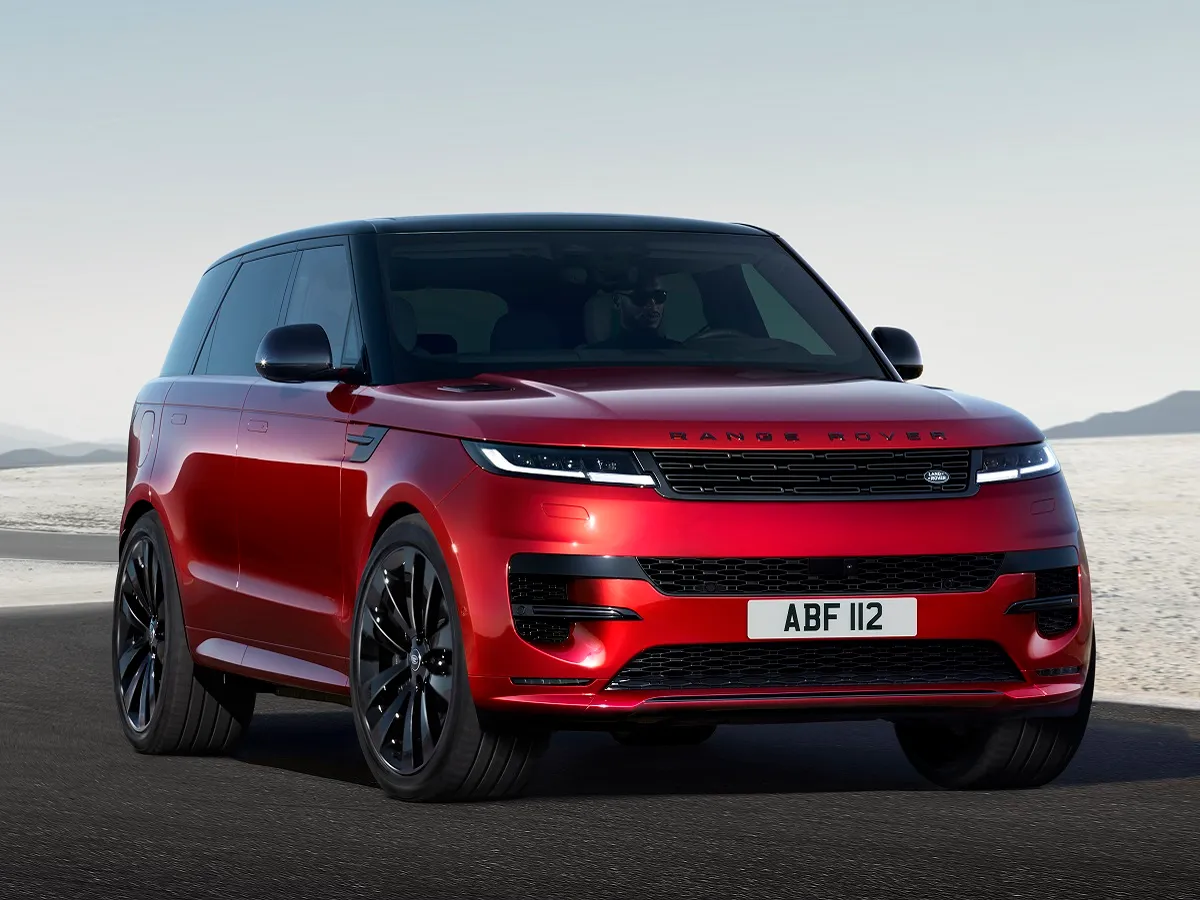
The SUV’s history was shaped by real-world needs from farmers, military users, and off-road enthusiasts rather than a single design plan. Over more than six decades, key models transformed the segment by introducing new construction methods, luxury features, advanced technology, and electric power.
This list explores ten influential SUVs that changed the industry, from early utility-focused vehicles like the Jeep Wagoneer to modern electric crossovers. Each model represents a major shift in design, capability, or consumer expectations and shows how SUVs evolved into today’s dominant vehicle category.
1. Jeep Wagoneer (1963)
The Wagoneer didn’t just start a category. It defined it. The Jeep Wagoneer was produced under varying marques from 1963 to 1991, and it stayed in production for more than 28 years with only minor mechanical changes. That kind of longevity was almost unheard of.
It featured an overhead cam engine and independent front suspension, along with power steering and an automatic transmission, features unheard of in any other 4WD vehicle at the time. Competitors were still building trucks.
Compared to offerings from International Harvester and Land Rover, which were utilitarian and spartan, the Wagoneer was the first true luxury 4×4. That single idea reshaped an entire industry.
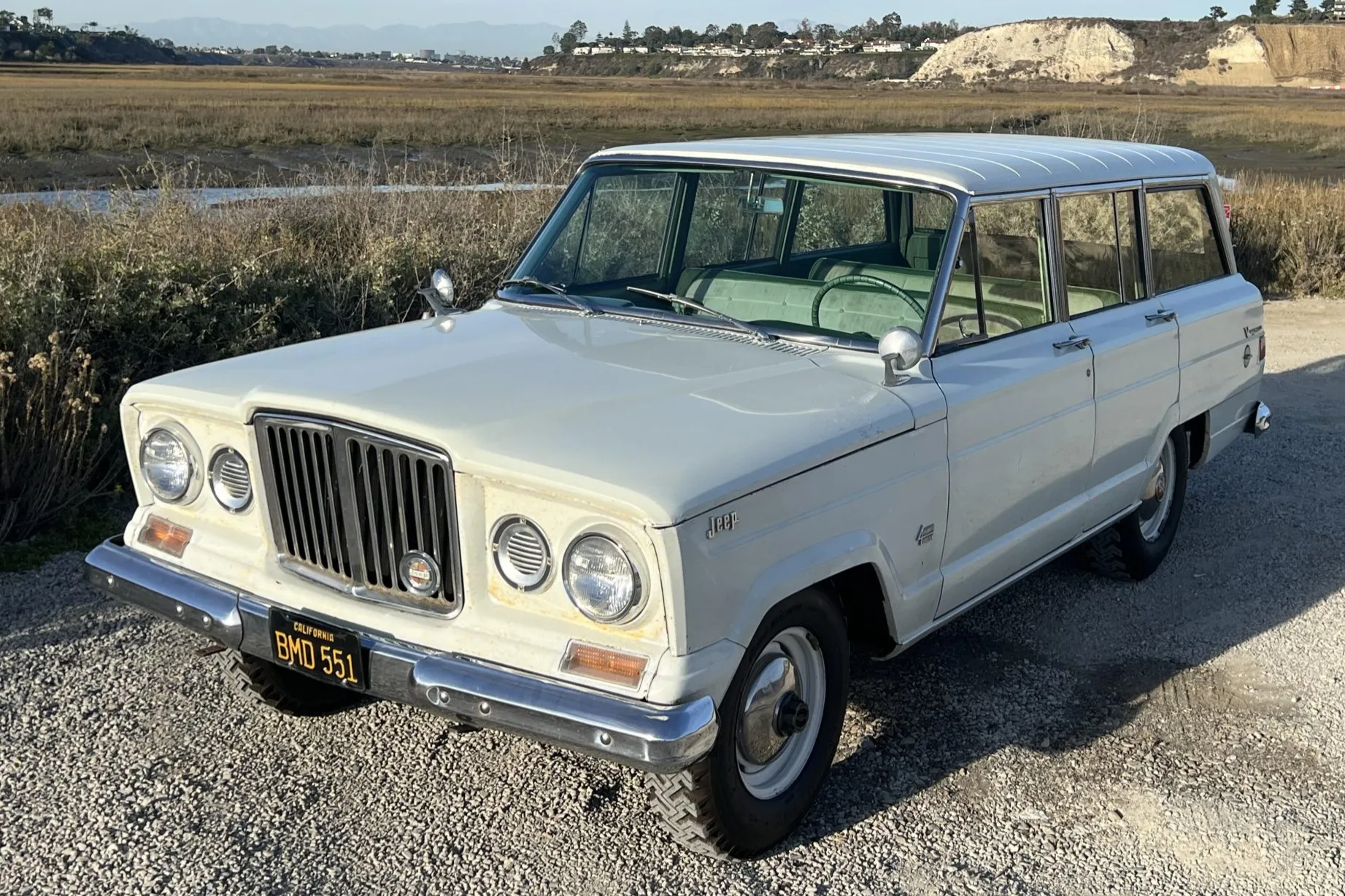
The Wagoneer featured a highly advanced engine for its time. Early models were powered by Willys’ 140-horsepower “Tornado” 230 cubic-inch SOHC inline-six, which offered impressive efficiency and modern engineering compared with many engines available during the 1960s.
The engine wasn’t perfect, though. It was prone to cooling problems and pinging at higher altitudes, which led to a lower-compression 133 hp version in 1964. Engineers adapted quickly.
As the Wagoneer evolved, its performance capabilities increased significantly. Later versions introduced V8 engines that delivered more than 200 horsepower, representing a substantial improvement over the original six-cylinder powertrain and giving the SUV stronger capability for both daily driving and demanding conditions.
Specifications:
- Engine: 3.8L “Tornado” SOHC inline-six (later V8 options)
- Horsepower: 140 hp @ 4400 rpm
- Torque: Approx. 210 lb-ft
- Length: 186.4 in
- Width: 74.8 in
The Wagoneer proved SUVs could be comfortable daily drivers. That single insight influenced nearly every vehicle on this list.
2. Range Rover Classic (1970)
If the Wagoneer whispered “luxury SUV,” the Range Rover shouted it. The Range Rover was produced from 1970 to 1996, initially by Rover and later by the Rover Group, as a mid-size 4×4 off-road vehicle. It arrived with serious engineering ambition.
Power came from a brawny aluminium 3.5-litre V8, a modified version of a Buick/General Motors design that was light, powerful, and torquey. That aluminum block was crucial for weight savings.
Official output figures varied slightly by source. The overhead-valve 3.5-litre V8 developed 130 bhp at 5000 rpm and 251 N·m of torque at 2500 rpm. Modest by modern standards, but competitive then.
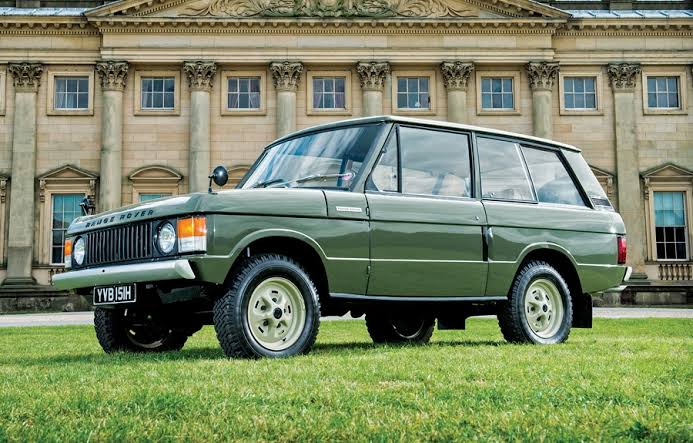
It drove through a four-speed manual gearbox, weighed 1,724 kg at the kerb, and reached a claimed top speed of 154 km/h. Off-road ability came without sacrificing usability.
The original design used a two-door body exclusively. It stayed a two-door model for eleven years, until a four-door variant arrived in 1981. Practicality eventually won out.
The Wagoneer had already demonstrated that combining everyday comfort with off-road capability could succeed. Range Rover took that idea further by adding greater refinement, premium features, and a more sophisticated driving experience. This approach established the blueprint that many modern luxury SUVs continue to follow.
Specifications:
- Engine: 3.5L Rover V8, naturally aspirated
- Horsepower: 130 hp @ 5000 rpm
- Torque: 185 lb-ft @ 2500 rpm
- Length: 175 in (SWB)
- Width: 70.1 in
3. Jeep Cherokee XJ (1984)
This is where SUV engineering fundamentally shifted. The XJ Cherokee was introduced in 1984 as the first unibody Jeep. That single change altered how SUVs would be built for decades.
The Jeep Cherokee XJ featured unibody construction, integrating the body and frame into a single structure, which made it lighter and more fuel-efficient than traditional body-on-frame SUVs. Rivals were forced to respond.
Because the bodywork was welded onto the vehicle’s chassis, the Cherokee ended up at least 1,000 lbs lighter than its competitors, yet remained rugged. Lighter weight meant better handling and economy.
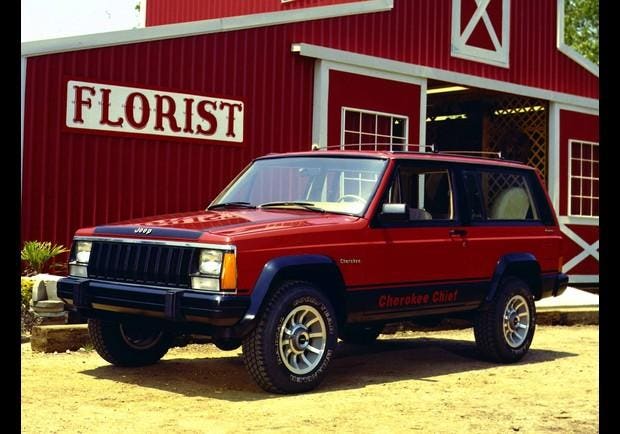
Base models kept things simple mechanically. The 1984 Jeep Cherokee’s engine was an inline-six 4.2-liter producing 102 hp at 3000 rpm and 204 lb-ft of torque at 1650 rpm. A smaller four-cylinder was also offered.
The 2.5-liter four-cylinder engine, fed through a one-barrel carburetor, achieved 105 horsepower. It was the economical choice for budget-conscious buyers.
The XJ’s dimensions were compact by design. It targeted buyers who wanted SUV capability without a full-size footprint or fuel bill. The XJ Cherokee’s unibody approach became the standard blueprint for nearly every compact and mid-size SUV built today.
Specifications:
- Engine: 2.5L I4 (base) / 4.2L I6 (optional)
- Horsepower: 105 hp (I4) / 102-112 hp (I6)
- Torque: 132 lb-ft (I4) / 204-210 lb-ft (I6)
- Length: 165.3 in
- Width: 70.5 in
4. Toyota Land Cruiser FJ40 (1960)
Before luxury SUVs existed, there was raw survival engineering. The Toyota Land Cruiser 40 Series, produced from 1960 to 1984, became both incredibly popular with enthusiasts and legendary for its durability and versatility. It built Toyota’s global reputation for reliability.
The J40 launched with a new 3.9-liter inline six-cylinder gasoline engine producing 125 horsepower at 2,600 RPM and 209 lb-ft of torque. Torque, not top speed, was the priority.
The FJ40 became Toyota’s best-selling vehicle in the United States from 1961 to 1965, cementing its reputation as the pinnacle of off-roading success. Reliability sold itself.
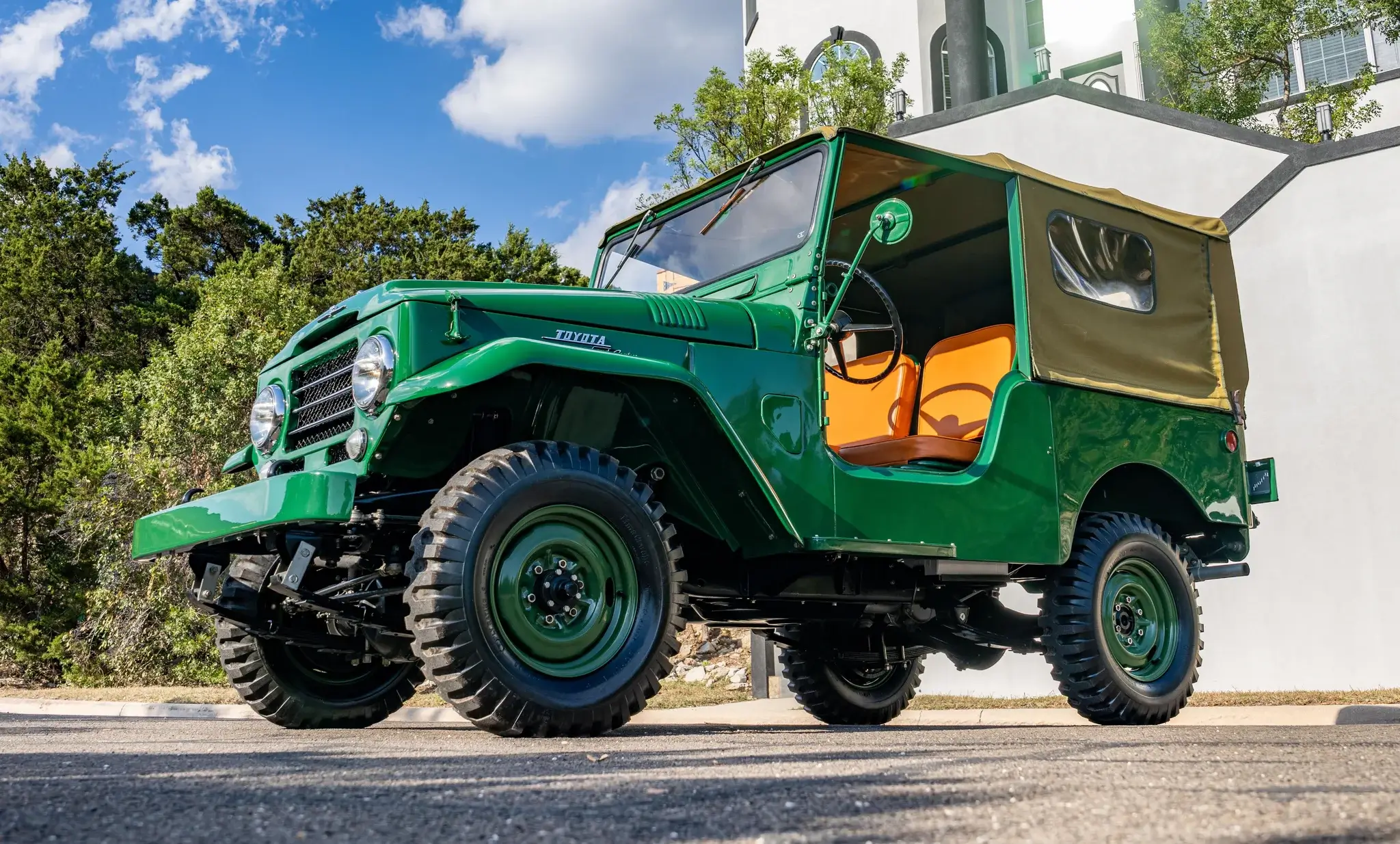
Transmission options stayed simple through most of its run. Toyota used a three-speed manual between 1960 and 1973, and a four-speed manual from 1974 to 1983. All-wheel control mattered more than gear count.
The FJ40 weighed a stout 3,263 pounds and skipped luxury features entirely, focused instead on straightforward performance. That simplicity is exactly why it still runs today.
Its global footprint expanded quickly. It was built and sold across continents, from South America to the Middle East, establishing Toyota as a serious off-road contender worldwide. The FJ40 proved that durability alone could build a legacy that outlasts flashier competitors.
Specifications:
- Engine: 3.9L “F” inline-six
- Horsepower: 125 hp @ 2600 rpm
- Torque: 209 lb-ft
- Length: Approx. 152 in (short-wheelbase)
- Width: Approx. 66 in
Also Read: 8 Best Trucks for Off-Grid and Rural Living
5. Ford Explorer (1991)
No SUV changed American car culture quite like this one. The Explorer arrived at the perfect moment, replacing Ford’s smaller Bronco II with something roomier and more refined. It became the vehicle that turned SUVs mainstream.
The first-generation Ford Explorer used a 4.0-liter V6 engine producing 160 horsepower. That output felt substantial for a family-oriented truck at the time.
The Explorer shared its platform with several other vehicles, including a Mazda-badged twin. The Mazda Navajo, a rebadged version of the first-generation Ford Explorer, was Mazda’s first SUV and won the 1991 Motor Trend Truck of the Year award. That shared platform proved how influential the underlying design was.
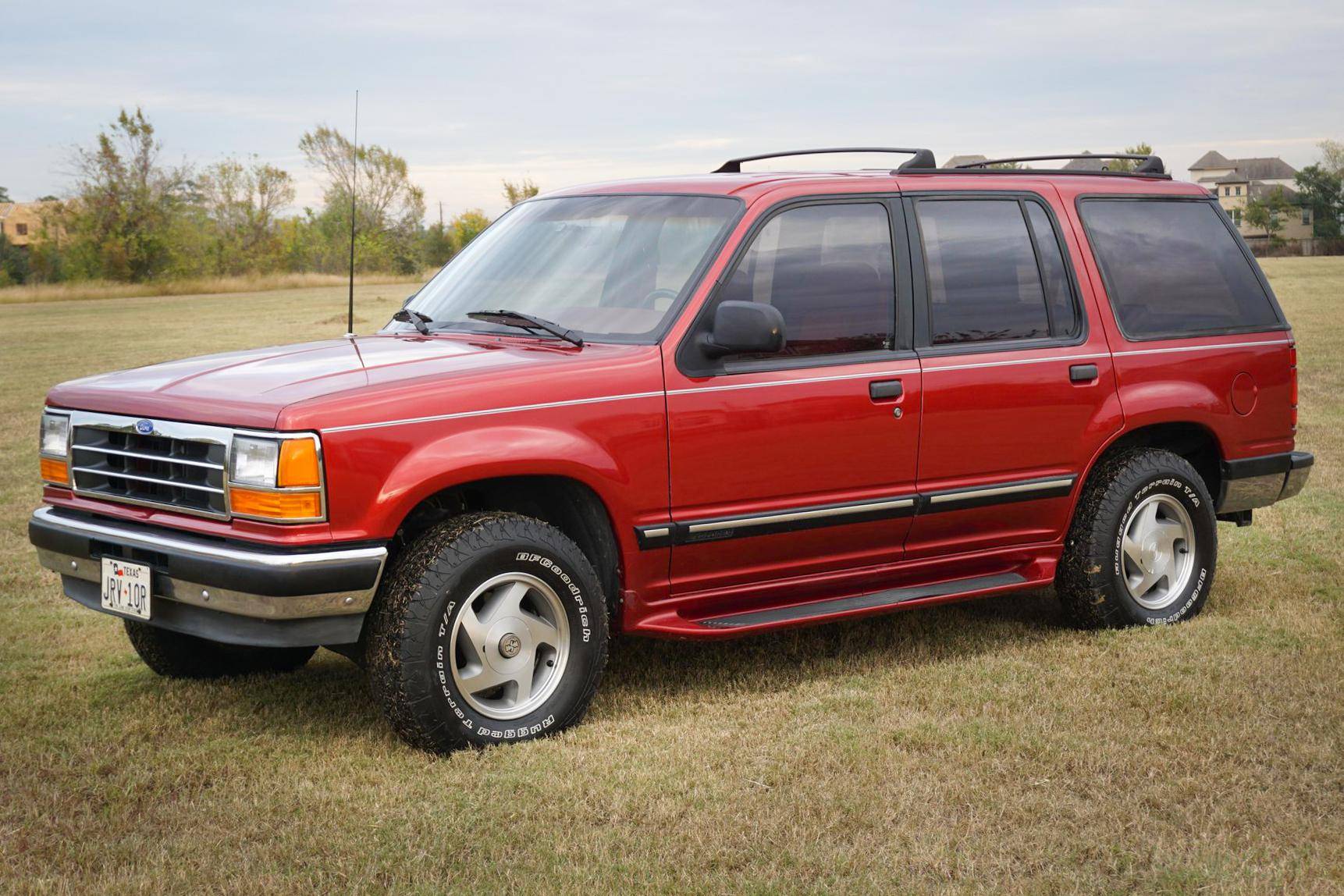
The related Navajo provides a useful comparison for the Explorer’s size. It measured 175.3 inches in length, 70.2 inches in width, and featured a 102.1-inch wheelbase. The Explorer followed a similar dimensional layout, offering nearly the same footprint and proportions.
Sales exploded almost immediately. Families who’d never considered an SUV suddenly wanted one, drawn by its size, comfort, and capability combination.
By the mid-1990s, the Explorer was the best-selling SUV in America, a title it held for years. Competitors scrambled to build rivals in its image. The Explorer didn’t just sell well. It permanently shifted what “family vehicle” meant to American buyers.
Specifications:
- Engine: 4.0L Cologne OHV V6
- Horsepower: 160 hp
- Torque: Approx. 225 lb-ft
- Length: Approx. 175 in
- Width: Approx. 70 in
6. Land Rover Discovery (1989)
Land Rover needed something between the utilitarian Defender and the pricey Range Rover. The Discovery filled that gap perfectly. This generation of the Land Rover Discovery was produced between 1989 and 1998, offered as a front-engined all-wheel-drive SUV with either three or five doors. Flexibility was the whole point.
Buyers had a real choice in powertrains. Four power levels were available from either a 2.5-liter turbo-diesel inline-four or a 3.5-liter V8 gasoline engine. That range widened its appeal considerably.
The V8 variant delivered respectable numbers for the era. The Land Rover Discovery V8’s 3.5-litre engine produced 143 hp at output, paired with 190 lb-ft of torque, running through a five-speed manual gearbox. Diesel buyers had a torquier alternative.
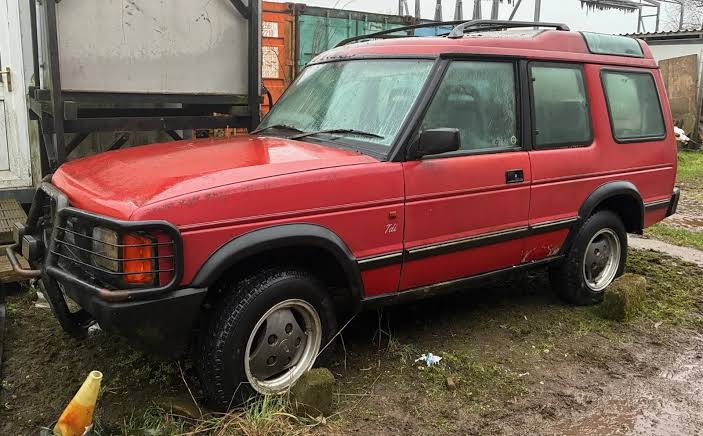
The diesel-powered TDi variant produced 111 hp and 195 lb-ft of torque from its 2.5-litre four-cylinder engine. Lower power but excellent low-end pull for towing and trails.
Interior design broke from Land Rover convention, too. Stadium seating in the rear and quirky details like an offset numberplate gave the Discovery real personality.
It borrowed heavily from Range Rover engineering underneath, while wearing distinctly different, friendlier bodywork. That balance made it a commercial success almost immediately. The Discovery showed that a mid-priced SUV could still carry genuine off-road pedigree.
Specifications:
- Engine: 3.5L V8 (petrol) / 2.5L Turbo-diesel I4
- Horsepower: 143 hp (V8) / 111 hp (TDi)
- Torque: 190 lb-ft (V8) / 195 lb-ft (TDi)
- Length: Approx. 175 in
- Width: Approx. 70 in
7. Toyota RAV4 (1994)
Before crossovers were a category, the RAV4 basically invented one. The Toyota RAV4 is a compact crossover SUV that has sold over 15 million units worldwide as of 2025, making it the best-selling SUV of all time. That’s a staggering legacy for a car once considered a novelty.
It’s often credited as the first modern compact crossover SUV, popularizing the entire category. Toyota essentially built a template that every automaker later copied. The RAV4 made its debut in Japan and Europe in 1994, arriving in North America in 1996. Its unibody construction was central to the concept.
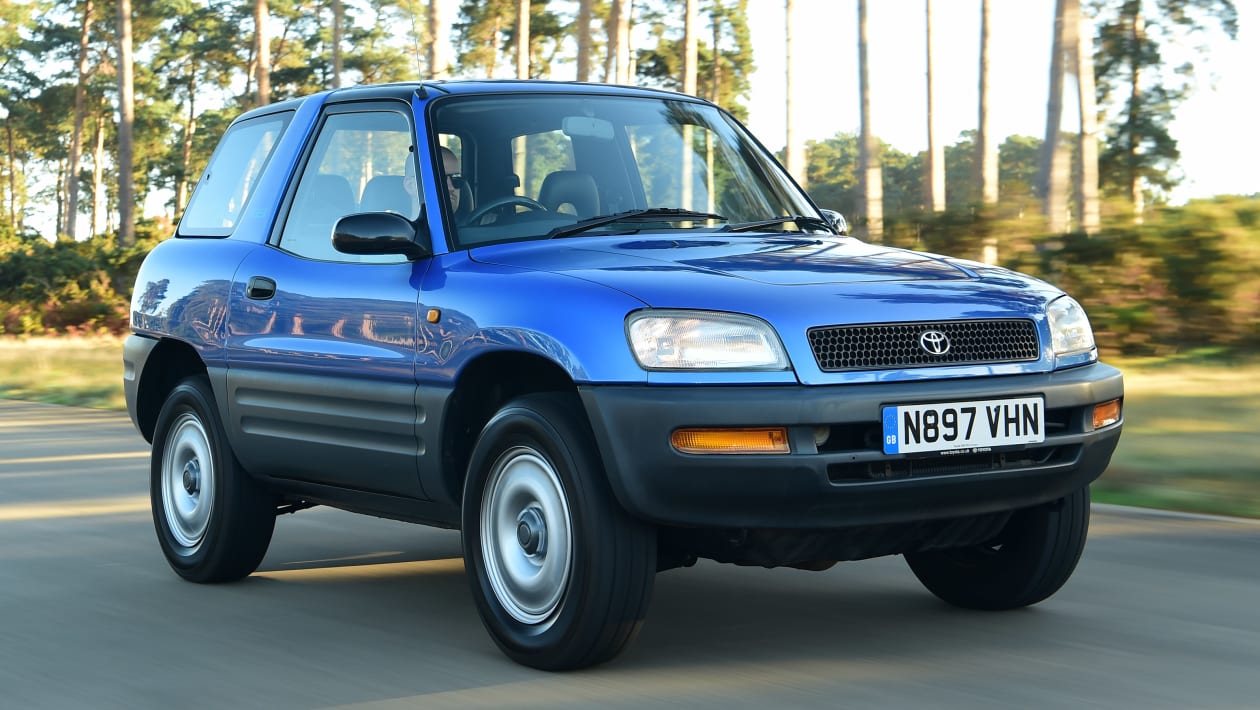
The RAV4 moved away from the traditional SUV approach by adopting a self-supporting body structure instead of a ladder frame. This engineering choice helped establish the crossover formula that prioritized car-like handling, improved efficiency, and everyday practicality.
Power came from a modest but efficient engine. Its 2.0-litre naturally aspirated engine produced 129 bhp at 5600 rpm, with maximum torque of 175 N·m at 4600 rpm. Nobody bought a RAV4 for speed.
The RAV4’s lightweight raised body, unibody construction, standard all-wheel-drive system, and efficient four-cylinder engine created a combination that appealed to both critics and consumers. Its quick rise in popularity transformed it into a lifestyle-oriented vehicle and established a formula that continues to influence nearly every compact crossover sold today.
Specifications:
- Engine: 2.0L 3S-FE DOHC inline-four
- Horsepower: 127-129 hp @ 5600 rpm
- Torque: 129 lb-ft @ 4600 rpm
- Length: 147.2 in (3-door) / 163.4 in (5-door)
- Width: 66.7 in
8. BMW X5 (E53, 1999)
BMW had never built an SUV before. The X5 changed that and changed expectations for the entire segment. After the midsize SUV craze took off in the ’90s, BMW added the X5 E53 to a portfolio previously dominated by sedans and rear-wheel drive sports cars. It was a genuine gamble.
The E53 was the first SUV ever produced by BMW, built between 1999 and 2006, and developed shortly after BMW acquired Land Rover. That ownership gave BMW crucial off-road know-how.
The E53 offered three engine options: a 3.0i with a 231-horsepower inline-six, a 4.4i with a 290-horsepower V8, and later a high-performance 4.6is with 347 horsepower. Performance was the priority, not off-road prowess.
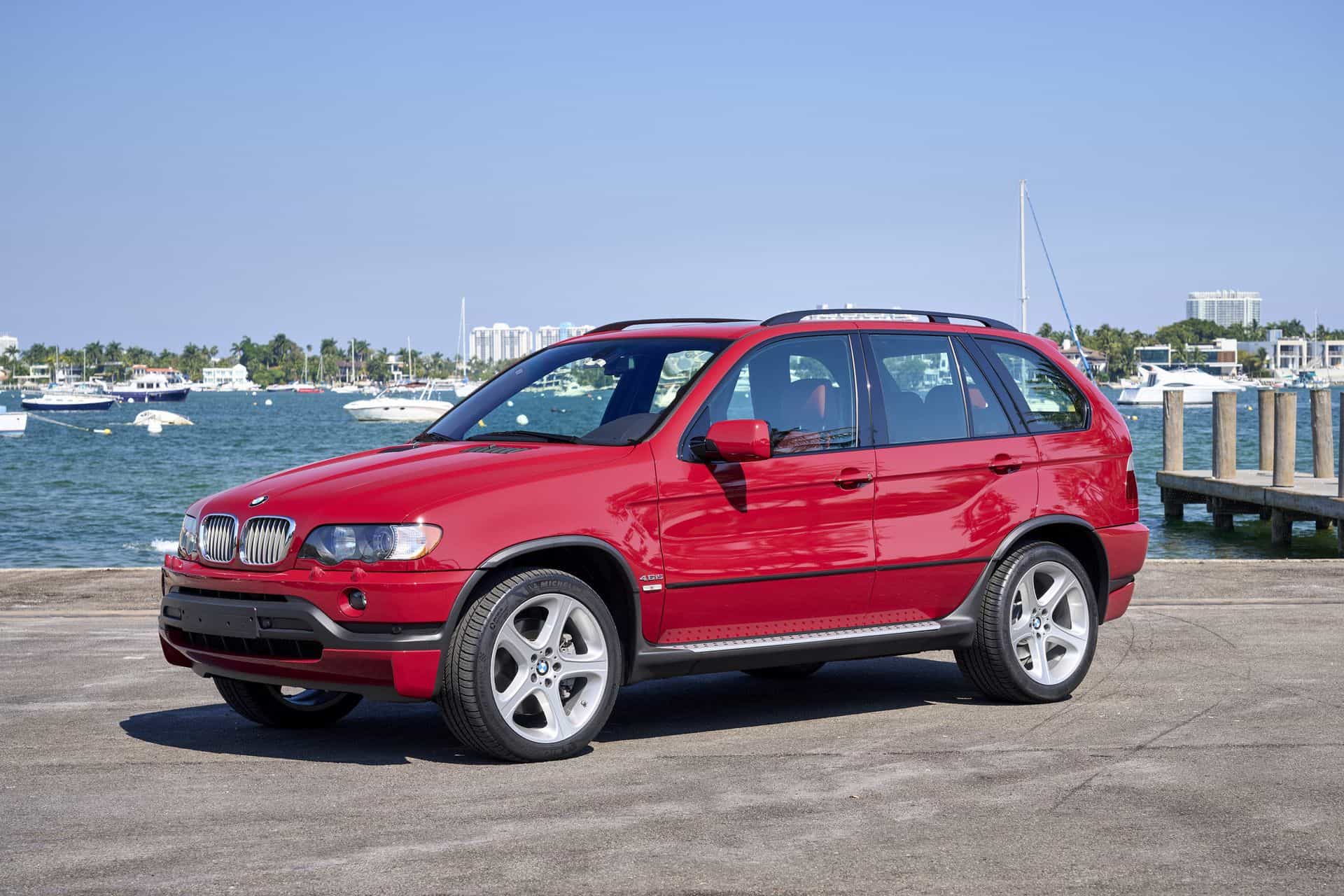
The X5 4.4i’s naturally aspirated V8 produced 282 bhp at 5400 rpm, with maximum torque of 440 N·m at 3600 rpm, through a five-speed automatic transmission. Numbers varied slightly by source and market.
BMW famously resisted calling it an SUV at all. BMW reportedly worked hard to have it referred to as an SAV (Sports Activity Vehicle) instead of an SUV, prioritizing driving feel over rugged capability. That branding stuck.
BMW chose to route 60% of the engine’s torque to the rear wheels, making it feel as close as possible to the company’s rear-wheel drive sedans. That decision defined the “performance SUV” concept. The X5 proved SUVs could handle like sports sedans, inspiring an entire genre of performance-focused rivals.
Specifications:
- Engine: 3.0L M54 I6 / 4.4L M62 V8
- Horsepower: 231 hp (I6) / 282-290 hp (V8)
- Torque: 300 lb-ft (I6) / 325 lb-ft (V8)
- Length: 183.7 in
- Width: 73.7 in
9. Porsche Cayenne (2003)
Purists were furious. Porsche built an SUV anyway, and it saved the company. For the launch of the Porsche SUV, the Cayenne S earned its designation thanks to a 340-horsepower, 4.5-liter, normally aspirated V8 engine designed and manufactured entirely by Porsche. This wasn’t a badge-engineered rival’s platform.
The range-topping model raised the stakes dramatically. The twin-turbocharged 4.5-liter V8 produced peak torque of 457 lb-ft between 2250 and 4750 rpm, alongside 450 horsepower at 6000 rpm. That was a serious performance for an SUV in 2003.
The Cayenne Turbo’s dimensions came in at an 112.4-inch wheelbase, 188.3 inches long, 75.9 inches wide, and 66.9 inches tall, with a curb weight of 5,724 pounds. It was heavy but shockingly quick.
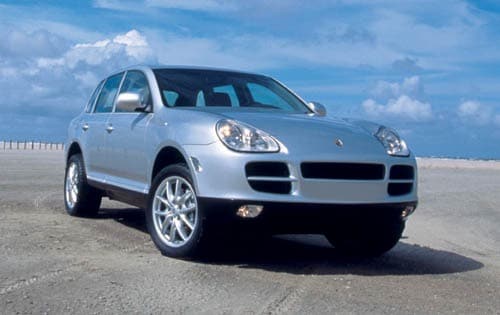
The Cayenne also introduced Porsche Traction Management, a four-wheel-drive system offering outstanding performance across both paved and unpaved terrain. Off-road ability wasn’t an afterthought.
Financially, the Cayenne mattered enormously. Its profitability directly funded future Porsche sports car development, essentially keeping the brand independent during a difficult period.
Rivals took notice immediately. Within years, Lamborghini, Bentley, and even Aston Martin followed with their own SUVs, chasing the same profitable formula the Cayenne pioneered. The Cayenne normalized the idea that sports car makers could build SUVs without compromising their identity.
Specifications:
- Engine: 4.5L twin-turbo V8 (Turbo) / 4.5L NA V8 (S)
- Horsepower: 450 hp (Turbo) / 340 hp (S)
- Torque: 457 lb-ft (Turbo) / 310 lb-ft (S)
- Length: 188.3 in
- Width: 75.9 in
10. Tesla Model X (2015)
The final entry proved SUVs didn’t need an engine at all. The Tesla Model X is a battery electric mid-size luxury crossover SUV built from 2015 to 2026, developed from the full-sized sedan platform of the Tesla Model S. It shared serious engineering DNA with its sedan sibling.
After the successful Model S sedan, the Model X came to market as the first SUV from Tesla Motors, and at launch was the quickest SUV on the market. Electric power upended performance expectations entirely.
Its most famous feature had nothing to do with speed. The rear doors were hinged upward like wings, doors Elon Musk named “Falcon-Doors” after the Millennium Falcon spaceship. No production SUV had attempted anything similar.
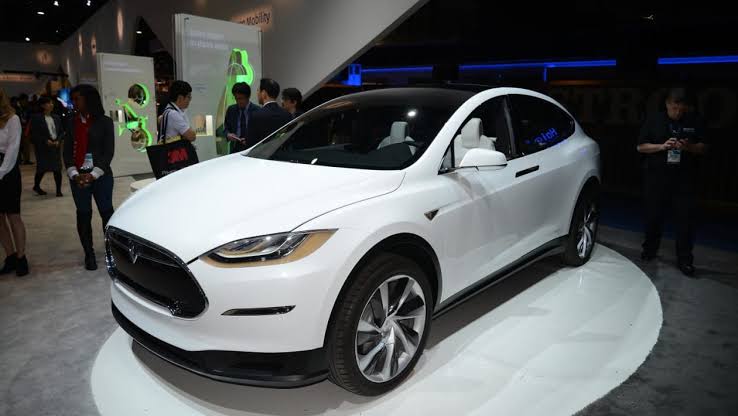
Aerodynamics mattered just as much as styling flair. The Model X was the most aerodynamic SUV, with a drag coefficient of just 0.25, a figure many sports cars couldn’t match. That efficiency directly extended the driving range.
Performance figures stunned traditional automakers. The Plaid variant’s tri-motor setup produces 1,020 horsepower, while dimensions stretch to 198.3 inches long and 78.7 inches wide. Numbers once reserved for hypercars.
Early performance variants were already remarkable. The dual-motor P90D delivered a combined output well beyond 700 horsepower, launching from 0-60 mph in roughly the same time as dedicated sports cars. The Model X forced every legacy automaker to accelerate their own electric SUV programs, reshaping the industry’s next decade.
Specifications:
- Engine: Dual electric motors (AWD) / Tri-motor (Plaid)
- Horsepower: Up to 1,020 hp (Plaid)
- Torque: Approx. 713 lb-ft (P90D combined)
- Length: 198.3 in
- Width: 78.7 in
Also Read: 8 Best Trucks for Off-Grid and Rural Living
