
Buying a used car is a major financial decision, and most buyers naturally look for vehicles that are popular, highly rated, and easy to resell later. Cars with strong demand often attract attention quickly, but they can also come with higher price tags because many people are competing for the same models.
A smarter approach is to pay attention to used cars that are sitting on dealership lots or online listings for longer periods. These slow-selling vehicles are often overlooked, even when they offer strong reliability, useful features, and good condition.
A vehicle that takes longer to sell is not always a bad choice. Sometimes, the reason behind slow sales has little to do with quality. Factors such as changing buyer preferences, vehicle color, body style, fuel type, or market trends can reduce demand. For buyers willing to research and negotiate, these situations create opportunities to secure significant discounts.
Dealers and private sellers are often more motivated to close deals on vehicles that have been available for a long time. Understanding how slow-moving inventory works can help shoppers find better prices while making a practical purchase decision.
Also Read: 10 Luxury Cars With the Least 10-Year Maintenance Costs
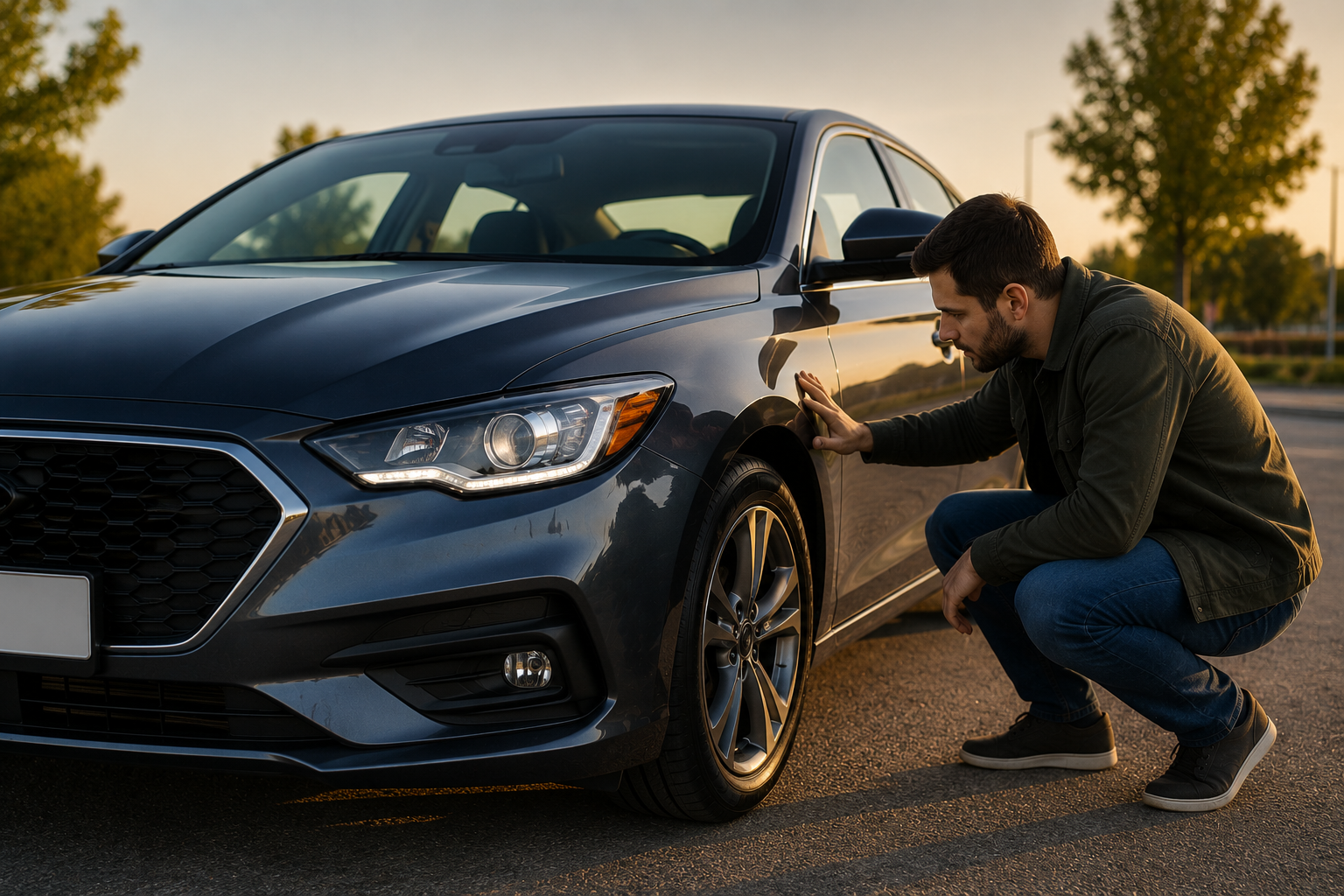
What Makes a Used Car Sell Slowly?
Many factors influence how quickly a used car finds a buyer. Market demand is one of the biggest influences. Certain models become popular because they have strong reputations, modern features, or high resale value.
When many buyers want the same vehicle, sellers have less motivation to reduce prices. On the other hand, cars that receive less attention may remain available longer, creating opportunities for people who are willing to consider different options.
A vehicle’s body style can have a major impact on demand. Consumer preferences change over time, and some categories become more desirable than others. For example, many buyers currently prefer larger vehicles because of their space and practicality.
This can reduce interest in smaller sedans or traditional passenger cars, even when those vehicles provide reliable transportation and lower ownership costs. A buyer focused on value rather than trends may find excellent deals in these overlooked categories.
Appearance can also affect how quickly a vehicle sells. Color is a simple example. Common colors such as black, white, gray, and silver usually attract more buyers because they appeal to a wider range of tastes.
Vehicles with less common paint colors may take longer to sell because fewer shoppers feel comfortable choosing them. However, color does not determine mechanical quality, meaning buyers can sometimes benefit from lower prices without accepting any major disadvantages.
Mileage is another factor that affects buyer interest. Many shoppers automatically avoid vehicles with higher mileage because they assume the car may require expensive repairs soon. While mileage is important, it should always be considered along with maintenance history.
A vehicle with regular servicing, proper care, and detailed records may provide excellent reliability even after covering more miles. Buyers who understand this can find valuable deals that others ignore.
Pricing decisions also influence sales speed. Sometimes a vehicle stays on the market because the original asking price does not match current demand. If buyers believe the price is too high, they may move on to other options.
Over time, sellers often adjust prices to attract attention. Monitoring these changes can help buyers identify vehicles that have become more affordable after sitting unsold.
Why Dealers Are More Flexible With Slow-Selling Vehicles
Dealerships manage their inventory carefully because every vehicle represents money invested. When a used car remains unsold for a long period, it can become less attractive from a business perspective. Dealers prefer moving vehicles quickly so they can bring in newer inventory that may generate more interest. This pressure often creates room for negotiation.
A vehicle sitting on a dealership lot also creates ongoing costs. Dealers must maintain their inventory, keep vehicles clean, advertise listings, and manage available parking spaces.
The longer a car remains unsold, the more expensive it becomes to keep. Reducing the price can be a practical decision because recovering some profit is often better than allowing inventory to continue aging.
Monthly and quarterly sales goals can also influence negotiation opportunities. Many dealerships track performance based on completed sales numbers.
As deadlines approach, managers may become more willing to approve discounts on vehicles that have not attracted enough attention. Buyers who understand dealership timing may find better opportunities during these periods.
Trade-ins contribute to the need for faster inventory movement. Dealerships receive new vehicles regularly from customers looking to purchase something different. When additional cars enter the lot, older inventory becomes a priority. A slow-selling used car may receive price adjustments simply because the dealership needs space for incoming vehicles.
Private sellers can also become more flexible over time. Someone selling a personal vehicle may have a specific reason for needing a quick sale, such as purchasing another car, moving, or reducing expenses.
If their listing receives limited interest, they may become more open to reasonable offers. This creates opportunities for buyers who communicate clearly and make informed proposals.
How to Find Slow-Selling Used Cars With Good Value
Finding a slow-selling used car requires patience and research. Many buyers make decisions quickly because they worry about losing a good opportunity. However, taking time to compare listings, check prices, and study market trends can reveal vehicles that offer better value than popular choices.
One useful strategy is checking how long a vehicle has been listed. Older listings may indicate reduced buyer interest, which can strengthen your negotiating position. A car that has been available for several weeks or months may have a seller who is more interested in completing a transaction rather than waiting indefinitely.
Expanding your search criteria can also lead to better deals. Instead of focusing only on the most popular models, consider vehicles with similar features from less competitive categories.
A reliable car with comfortable seating, safety features, and reasonable maintenance costs can provide excellent ownership value even if it does not receive as much attention from buyers.
A professional inspection is essential before purchasing any used vehicle. A slow-selling car may be a great bargain, but buyers should still confirm its condition. A mechanic can identify mechanical issues, upcoming repair needs, and potential problems that are not obvious during a short test drive.
Vehicle history is another important factor. Checking ownership records, accident history, and maintenance details helps buyers understand the vehicle’s background. A car with a clean history and consistent maintenance can be a strong purchase even if it has been available longer than similar vehicles.
Negotiation Tips to Get the Best Discount
Successful negotiation starts with preparation. Before making an offer, research the average market price for similar vehicles. Understanding what comparable cars are selling for helps you create a realistic offer and prevents you from paying more than necessary.
Use the vehicle’s condition as the foundation for your negotiation. If the inspection reveals worn tires, cosmetic damage, or upcoming maintenance needs, these details can support a lower price request. Sellers are more likely to consider a discount when buyers provide clear reasons rather than simply asking for a lower price.
Timing can also affect negotiation results. Visiting dealerships near the end of a month or sales period may provide additional opportunities because sales teams often have stronger motivation to complete transactions. Private sellers may also become more flexible after their vehicle has been listed for a long time.
Confidence is important during the buying process. Some shoppers become emotionally attached to a particular vehicle and feel pressured to accept a price that does not fit their budget. Remaining willing to consider other options helps you make better decisions and gives you more control during discussions.
The purchase price is only part of the total cost of ownership. Fuel expenses, insurance rates, maintenance requirements, and repair costs should also be considered. A discounted vehicle is valuable only if it remains affordable to own after the purchase is complete.
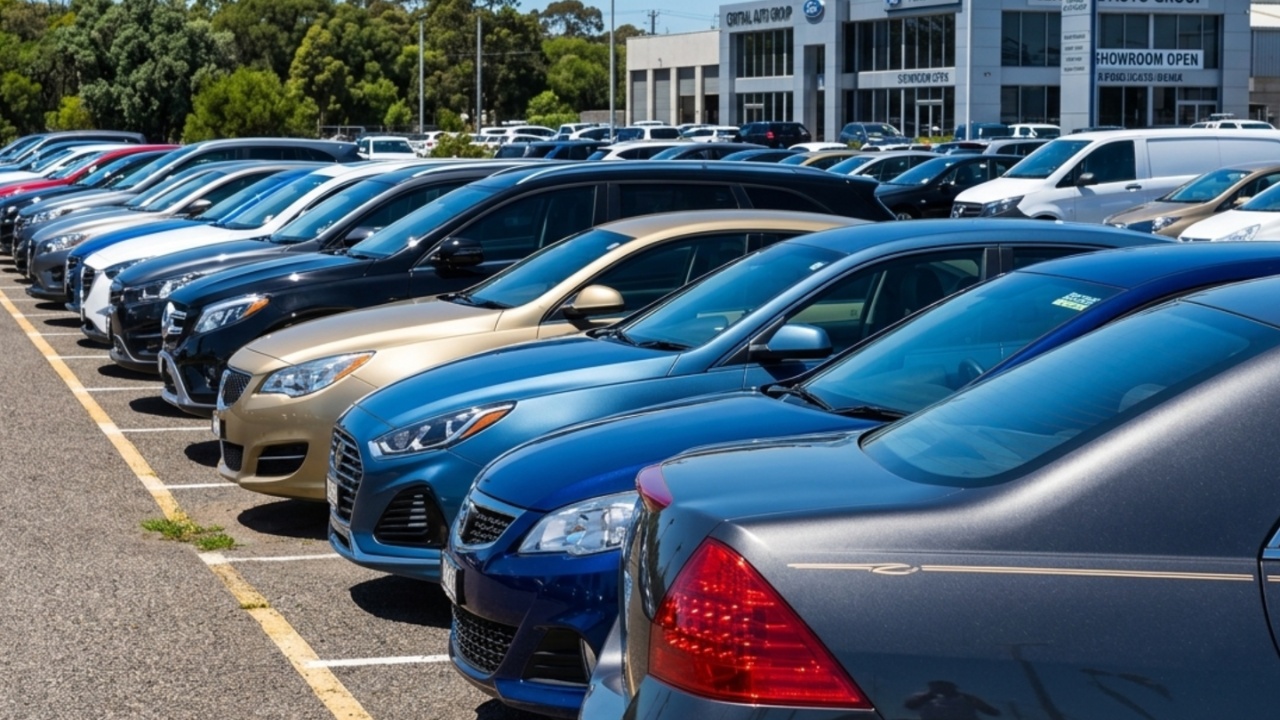
Why Slow-Selling Cars Can Be Smart Purchases
Slow-selling used cars can provide excellent opportunities for buyers who look beyond popularity. A vehicle’s sales speed does not always reflect its reliability, comfort, or long-term value. Sometimes, lower demand is caused by factors unrelated to performance, allowing careful buyers to secure better prices.
Many shoppers follow current trends without considering whether those trends match their actual needs. A less popular vehicle may provide everything a driver requires while costing thousands less. Choosing practicality over popularity can lead to significant savings without reducing everyday convenience.
Research remains the key to making a smart purchase. Buyers should examine maintenance records, compare prices, arrange inspections, and understand why a vehicle has remained available longer than expected. A slow-selling car deserves attention and evaluation rather than automatic rejection.
Negotiation becomes easier when sellers are motivated. Dealers and private owners often recognize that older inventory needs to move, which can create room for discounts, additional services, or better purchase terms. Buyers who approach these situations with knowledge are more likely to achieve favorable results.
The best used car purchase is not always the most popular model on the market. Sometimes the greatest value comes from vehicles that others overlook. By understanding why certain cars sell slowly and using careful buying strategies, shoppers can find dependable transportation while keeping more money in their pockets.
Also Read: 10 Slowest Sports Cars Ever Made
