
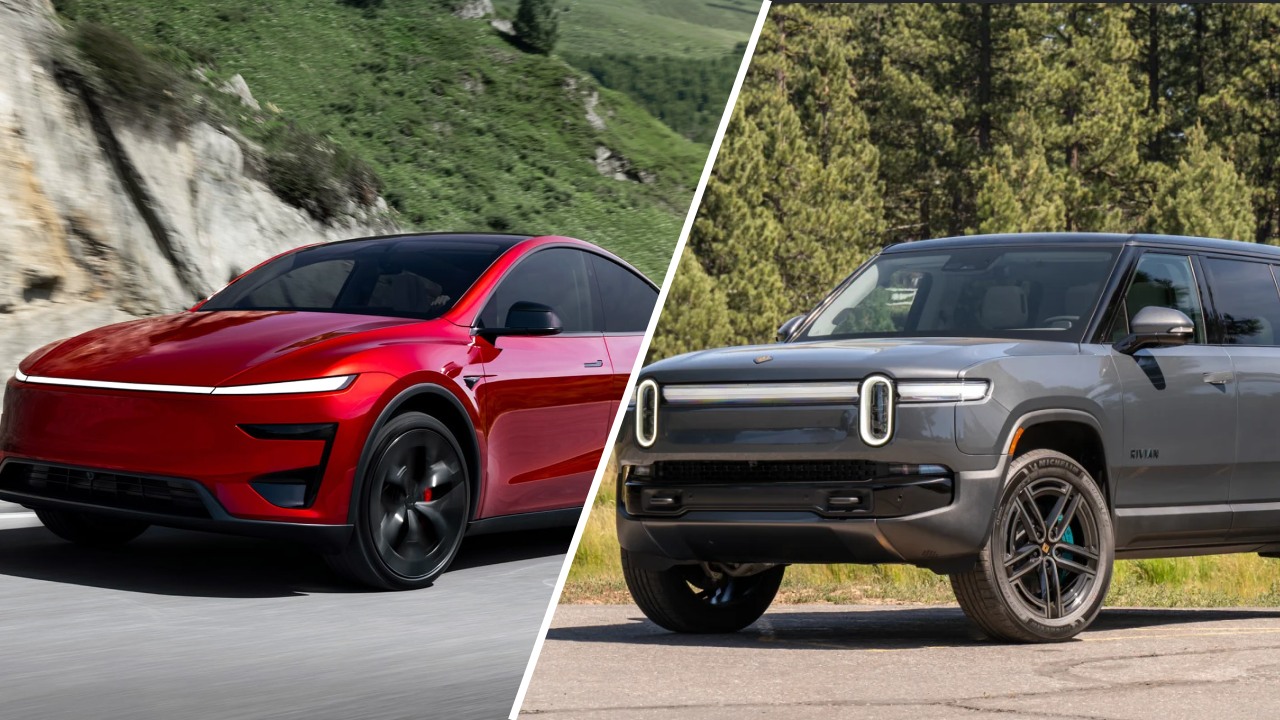
Electric vehicles have reached an important milestone, with real-world driving range improving by 11% in just a single year. This increase reflects steady progress in battery technology, energy management systems, and vehicle design rather than simple growth in battery size.
Drivers can now travel farther on a single charge while enjoying better efficiency in everyday conditions such as city traffic, highway cruising, and mixed weather. At the same time, charging technology has advanced at an impressive pace.
Several new electric vehicles can recover around 100 miles of driving range in less than 10 minutes when connected to high-power DC fast chargers. These improvements reduce waiting times and make long-distance travel much more practical for both families and business users.
As manufacturers continue refining batteries, thermal management, and charging infrastructure, electric vehicles are becoming a stronger alternative to traditional gasoline-powered cars. The latest developments show that range anxiety is gradually becoming less of a concern, giving buyers greater confidence when considering their next vehicle.
Also Read: 10 Luxury Cars With the Least 10-Year Maintenance Costs
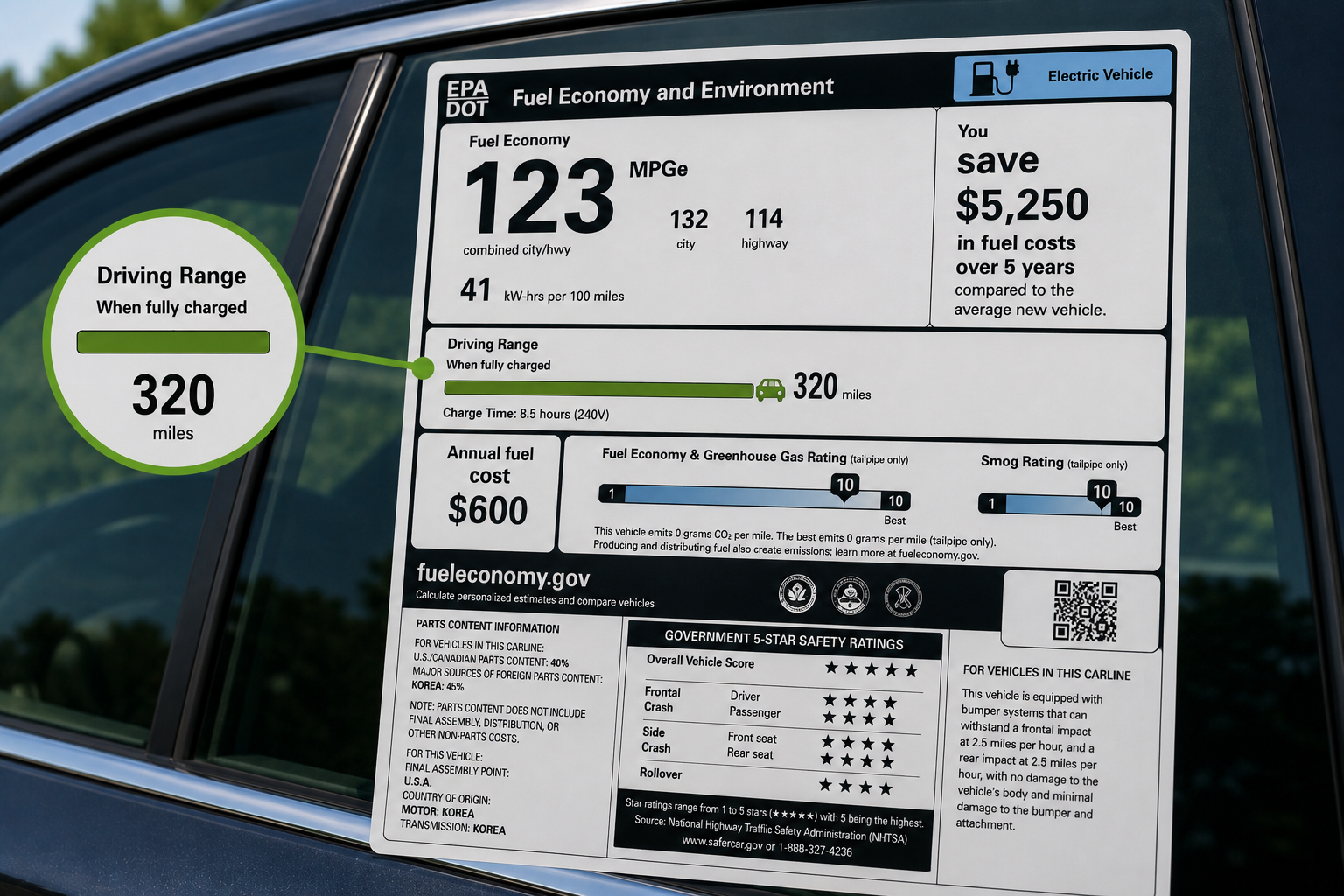
Real World Driving Range Is Improving Faster Than Many Expected
The latest generation of electric vehicles delivers noticeable improvements in everyday driving conditions. Laboratory testing has always provided useful benchmarks, but buyers pay closer attention to real-world performance because it reflects how vehicles behave during daily commuting, weekend trips, and long highway drives.
An 11% increase in average driving range within a single year shows that manufacturers are making meaningful progress where it matters most. Drivers benefit from greater flexibility without changing their driving habits or planning frequent charging stops.
Battery chemistry has played a major role in these gains. Modern lithium-ion cells store more energy within the same physical space while reducing energy loss during charging and discharging.
Engineers have also refined battery management software that carefully controls temperature and power delivery. Better thermal regulation allows batteries to maintain higher efficiency across different climates, helping drivers achieve more consistent mileage throughout the year.
Vehicle efficiency has improved beyond the battery pack itself. Automakers have redesigned motors, inverters, and power electronics to reduce energy consumption. Even small improvements in drivetrain efficiency contribute to additional miles of range over the life of the vehicle.
These engineering changes work together rather than relying on larger battery packs, which would increase weight and manufacturing costs. Aerodynamics also contribute significantly to higher real-world range. New electric vehicles feature smoother body shapes, active grille shutters, flush door handles, and carefully designed wheel covers that reduce air resistance.
At highway speeds, minimizing drag has a direct impact on energy consumption. Better airflow allows vehicles to travel farther without increasing battery capacity, making efficiency gains available to drivers every day.
Software optimization has become an equally valuable tool. Intelligent navigation systems now estimate routes more accurately by considering elevation, traffic, and weather conditions. Regenerative braking systems recover more energy during deceleration, especially in urban environments where vehicles frequently stop and start.
These digital improvements continue to increase real-world range through software updates, allowing owners to benefit from ongoing refinements even after purchasing their vehicles.
Ultra Fast Charging Is Changing the Ownership Experience
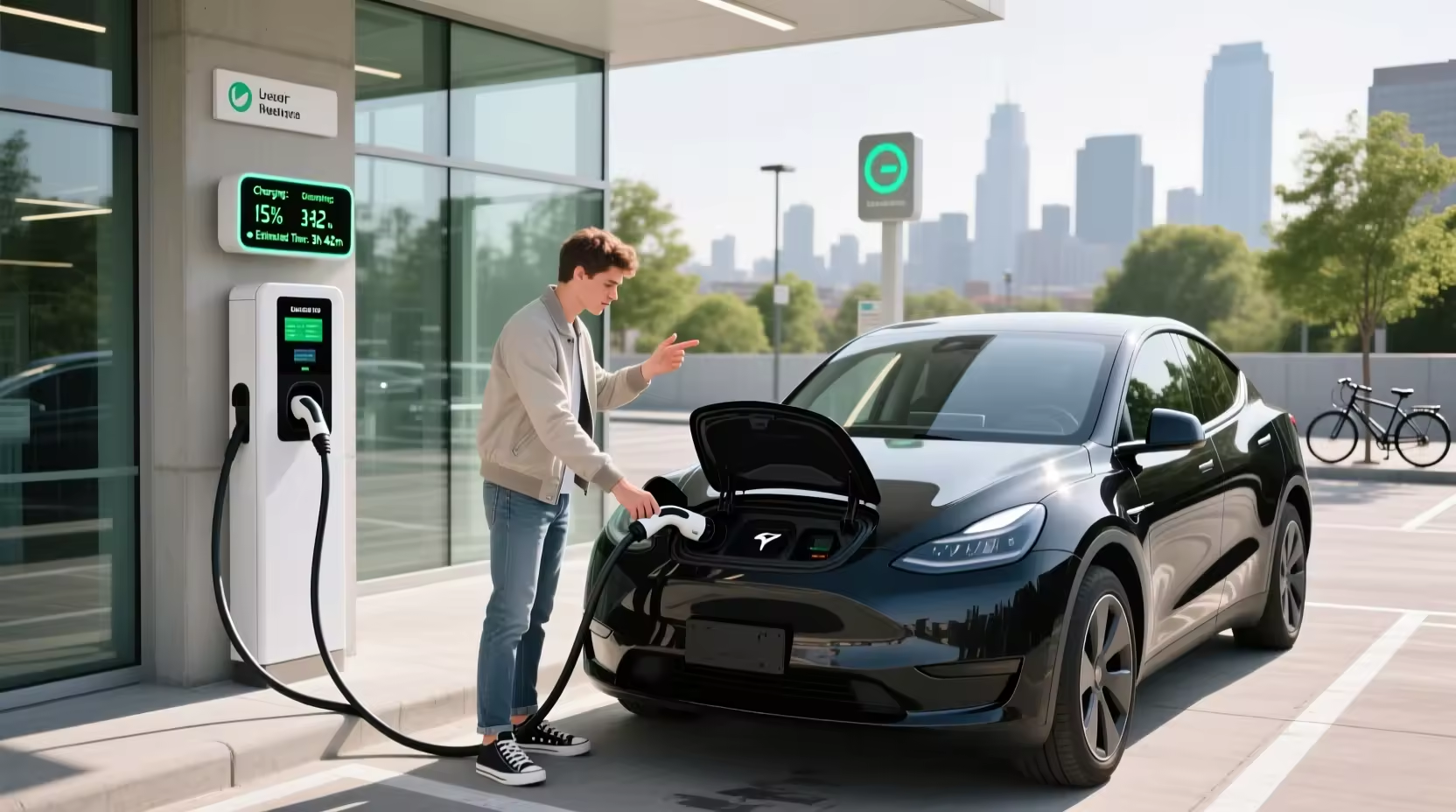
Charging speed has become as important as total driving range for many buyers. A vehicle capable of adding around 100 miles of range in under 10 minutes changes how drivers think about road trips and daily travel.
Short charging sessions can easily fit into meal breaks or coffee stops, reducing inconvenience and making electric vehicles feel much closer to the experience of refueling conventional cars.
The biggest factor behind these rapid charging times is the adoption of higher-voltage electrical systems. Many premium electric vehicles now use 800-volt architectures instead of traditional 400-volt systems.
Higher voltage allows greater power transfer while reducing heat generation, enabling batteries to accept energy much faster without compromising reliability. This design represents a significant engineering advancement across the industry. Battery cooling systems have also become far more sophisticated. Fast charging generates considerable heat, and excessive temperatures can reduce battery performance over time.
Advanced liquid cooling systems circulate coolant through precisely engineered channels, maintaining ideal operating temperatures throughout the charging session. Stable temperatures allow batteries to sustain higher charging speeds for longer periods before gradually slowing near full capacity.
Charging infrastructure continues expanding alongside vehicle improvements. High power charging stations capable of delivering hundreds of kilowatts are appearing along major highways, urban centers, and commercial locations.
Better station reliability, simpler payment methods, and wider network coverage encourage more drivers to rely on public charging without worrying about long delays or unavailable equipment.
Vehicle software further improves the charging experience by preparing the battery before arriving at a charging station. Navigation systems automatically warm or cool the battery to its ideal charging temperature during the drive.
This preparation allows the battery to reach peak charging performance immediately after plugging in, reducing total charging time and improving efficiency during every stop.
Engineering Innovations Behind Longer Range and Faster Charging
Modern battery chemistry continues to advance through years of research and development. Engineers are improving electrode materials, electrolyte formulations, and cell construction to increase energy density while maintaining long-term durability.
These advances allow manufacturers to extract more usable energy from each battery pack without making vehicles substantially heavier or larger.
Power electronics have become more efficient as semiconductor technology evolves. Silicon carbide components are replacing older silicon-based designs in many premium electric vehicles.
These advanced materials reduce electrical losses, improve thermal efficiency, and support higher operating voltages. Better efficiency means more of the battery’s stored energy reaches the wheels instead of being lost as heat.
Electric motors themselves have also become increasingly refined. Modern permanent magnet and induction motors deliver stronger performance while consuming less electricity under normal driving conditions.
Improved winding techniques, better magnetic materials, and optimized cooling systems contribute to higher efficiency across a broad range of vehicle speeds, helping maximize available driving distance.
Vehicle weight reduction remains an important engineering priority. Manufacturers are using aluminum, high-strength steel, and composite materials to reduce mass without sacrificing structural safety.
Lower vehicle weight requires less energy for acceleration and climbing hills, directly contributing to improved driving range. Lightweight construction also benefits handling, braking, and driving comfort.
Artificial intelligence and predictive software now play growing roles in energy management. Smart control systems continuously monitor driving conditions, battery health, outside temperature, and driver behavior.
These systems automatically adjust power delivery, climate control, and regenerative braking to maximize efficiency throughout every journey. As software continues improving, future electric vehicles may gain additional real-world range through updates without requiring new hardware.
What These Advances Mean for Consumers and the Future of Electric Mobility
For many buyers, a longer range removes a major obstacle to electric vehicle ownership. Drivers can complete daily commutes, shopping trips, and weekend travel with fewer charging stops, making electric vehicles practical for a wider variety of lifestyles. Greater confidence in available driving distance encourages consumers who previously hesitated because of range concerns.
Business fleets also benefit significantly from these improvements. Delivery companies, ride-sharing operators, and corporate vehicle fleets depend on maximizing productive driving time.
Faster charging reduces downtime while increased range allows vehicles to complete more work between charging sessions. Lower operating costs combined with greater efficiency improve the financial case for fleet electrification.
Competition among manufacturers continues to accelerate innovation. Every major automaker is investing heavily in battery research, charging technology, and software development.
This competitive environment encourages continuous improvements in efficiency, charging performance, safety, and affordability. Consumers benefit from better vehicles offered across a wider range of price categories.
Charging infrastructure growth remains essential for supporting widespread adoption. Governments, utility companies, and private businesses continue expanding fast-charging networks across highways and urban areas. Improved charger availability reduces travel limitations and increases consumer confidence.
As charging stations become more common, electric vehicle ownership becomes easier for apartment residents and people without home charging options.
Future developments suggest even greater progress lies ahead. Researchers continue working on next-generation battery materials, improved manufacturing techniques, and advanced charging systems capable of delivering even shorter charging times.
Combined with ongoing software improvements and more efficient vehicle platforms, these innovations are expected to increase driving range further while making charging quicker, simpler, and more convenient for drivers everywhere.
Also Read: 10 Slowest Sports Cars Ever Made
