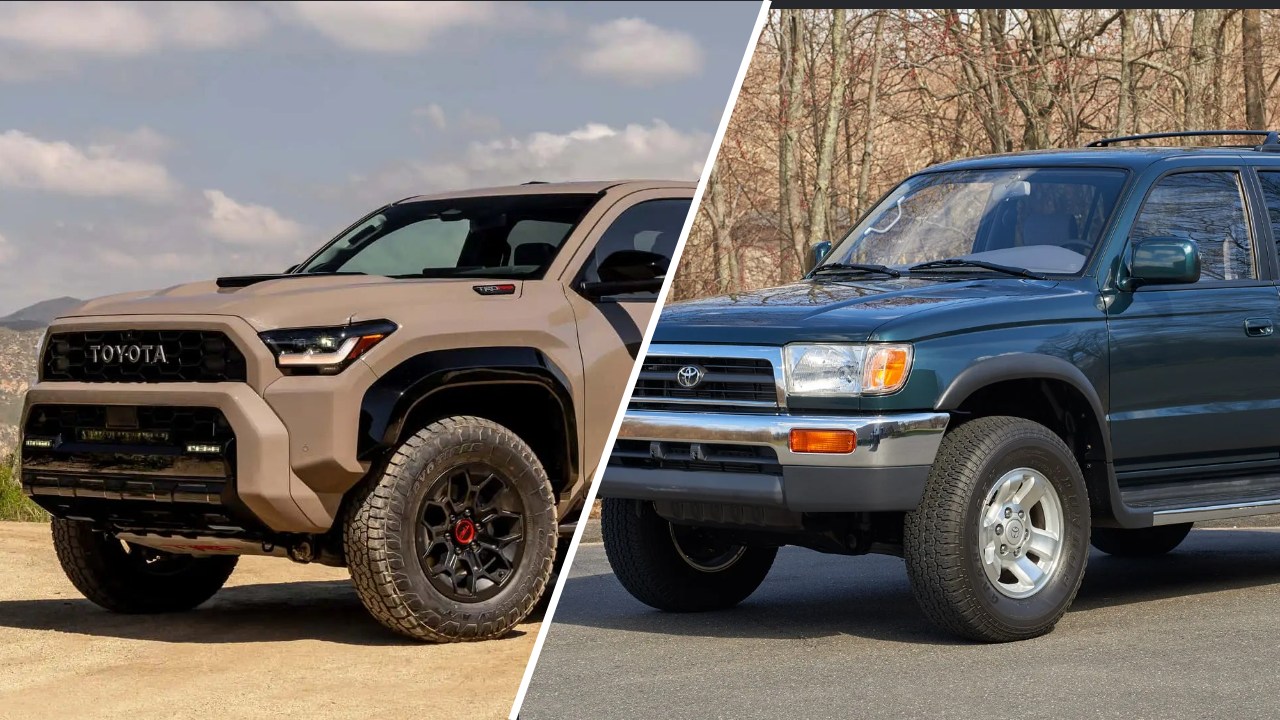
The Toyota 4Runner has earned a strong reputation for combining rugged capability, durability, and everyday practicality. Since its debut in 1984, it has evolved through multiple generations while remaining true to its body-on-frame design and off-road heritage. Unlike many SUVs that transitioned to car-based platforms, the 4Runner has continued to appeal to drivers seeking a vehicle built for challenging terrain, towing, and outdoor adventures.
Each generation introduced improvements in performance, comfort, safety, and technology while preserving the model’s reputation for reliability. This ranking evaluates every 4Runner generation based on capability, durability, refinement, historical significance, and long-term value to determine which versions have stood the test of time.
Also Read: 10 Three-Pedal Cars That Keep Driving Fun Alive
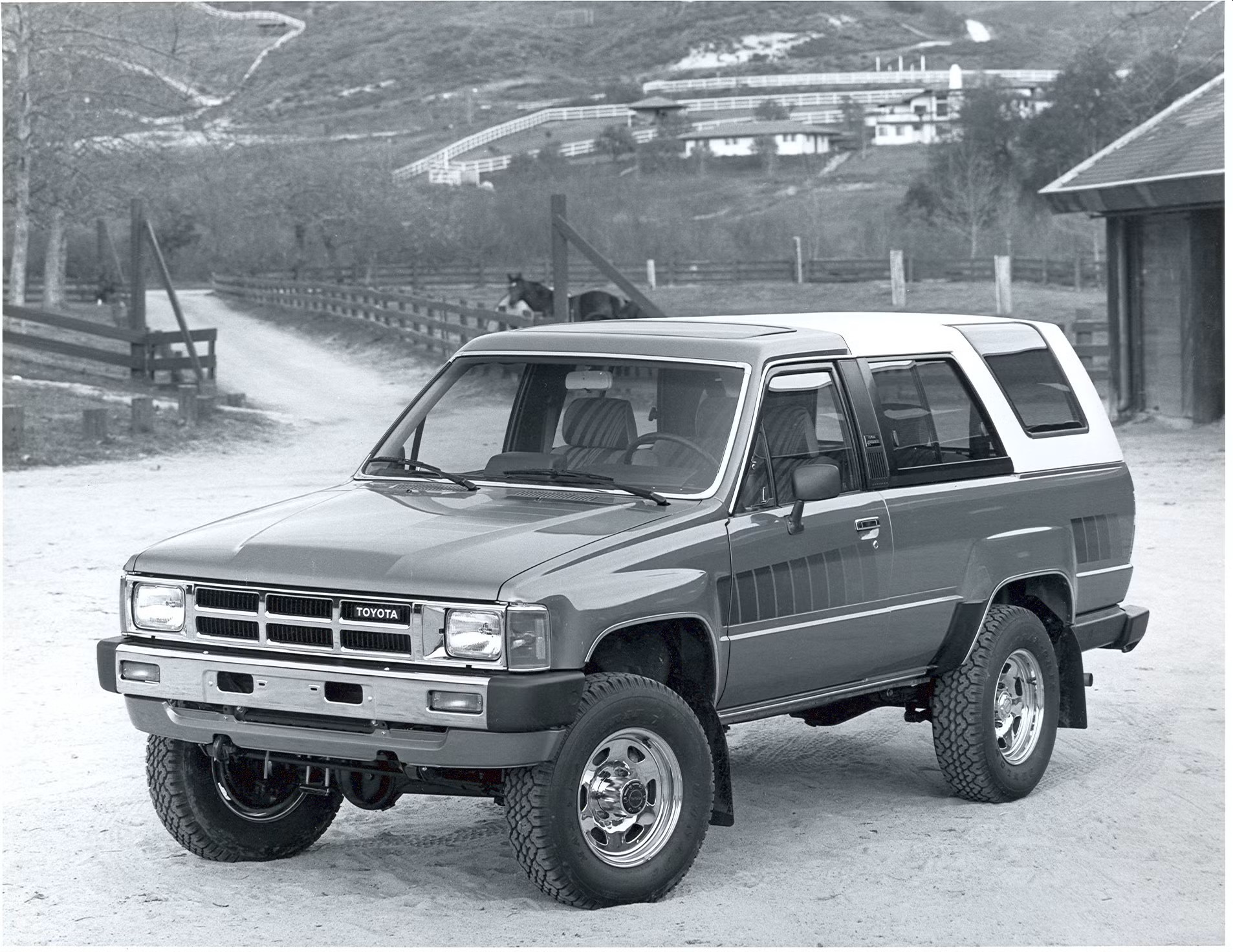
- Engine options:
- 2.4-liter 22R-E inline-four gasoline engine
- 3.0-liter 3VZ-E V6 gasoline engine (introduced later)
- Horsepower:
- 22R-E four-cylinder: approximately 105 hp
- 3.0-liter V6: approximately 145 hp
- Torque:
- 22R-E: approximately 137 lb-ft
- 3.0-liter V6: approximately 180 lb-ft
- Length: approximately 174.6 inches
- Width: approximately 66.5 inches
1. First Generation Toyota 4Runner (1984 to 1989)
The first-generation Toyota 4Runner established the foundation for everything that followed. Introduced in 1984, it was closely related to the Toyota Pickup truck, sharing a body-on-frame platform, suspension components, and many mechanical parts.
Toyota created the 4Runner as a compact SUV designed for buyers who wanted more passenger space than a pickup truck but still needed serious off-road ability. The removable fiberglass rear roof and two-door configuration gave it a unique appearance that separated it from other vehicles available during that period.
Power came from Toyota’s durable four-cylinder engines, with later models receiving the company’s legendary 22RE engine. While the horsepower figures were modest by modern standards, the engine became famous for its toughness and ability to survive high mileage with proper maintenance.
A V6 engine option arrived later, giving drivers more power for highway driving and towing. The combination of simple engineering and strong components helped these early 4Runners develop a loyal following among off-road enthusiasts.
The first-generation 4Runner was not designed with luxury in mind. The interior was basic, with durable materials and straightforward controls.
Comfort features were limited compared with modern SUVs, but the simple cabin matched the vehicle’s purpose. Drivers valued its easy-to-repair mechanical systems, compact dimensions, and excellent visibility. The smaller size also made it highly capable on narrow trails where larger SUVs could struggle.
Off-road performance was where the first 4Runner earned its reputation. Four-wheel drive systems, solid rear axles, and strong aftermarket support made it a popular choice for modifications.
Owners frequently added suspension upgrades, larger tires, and protective equipment to improve trail performance. Many examples continue to be used for serious off-road driving decades after production ended.
The first generation ranks highly because it created the identity that still defines the 4Runner today. It lacked modern refinement and safety technology, but its durability, simplicity, and connection to Toyota’s truck heritage make it a highly respected model.
For enthusiasts who appreciate classic SUVs, the original 4Runner remains among the most memorable versions ever produced.
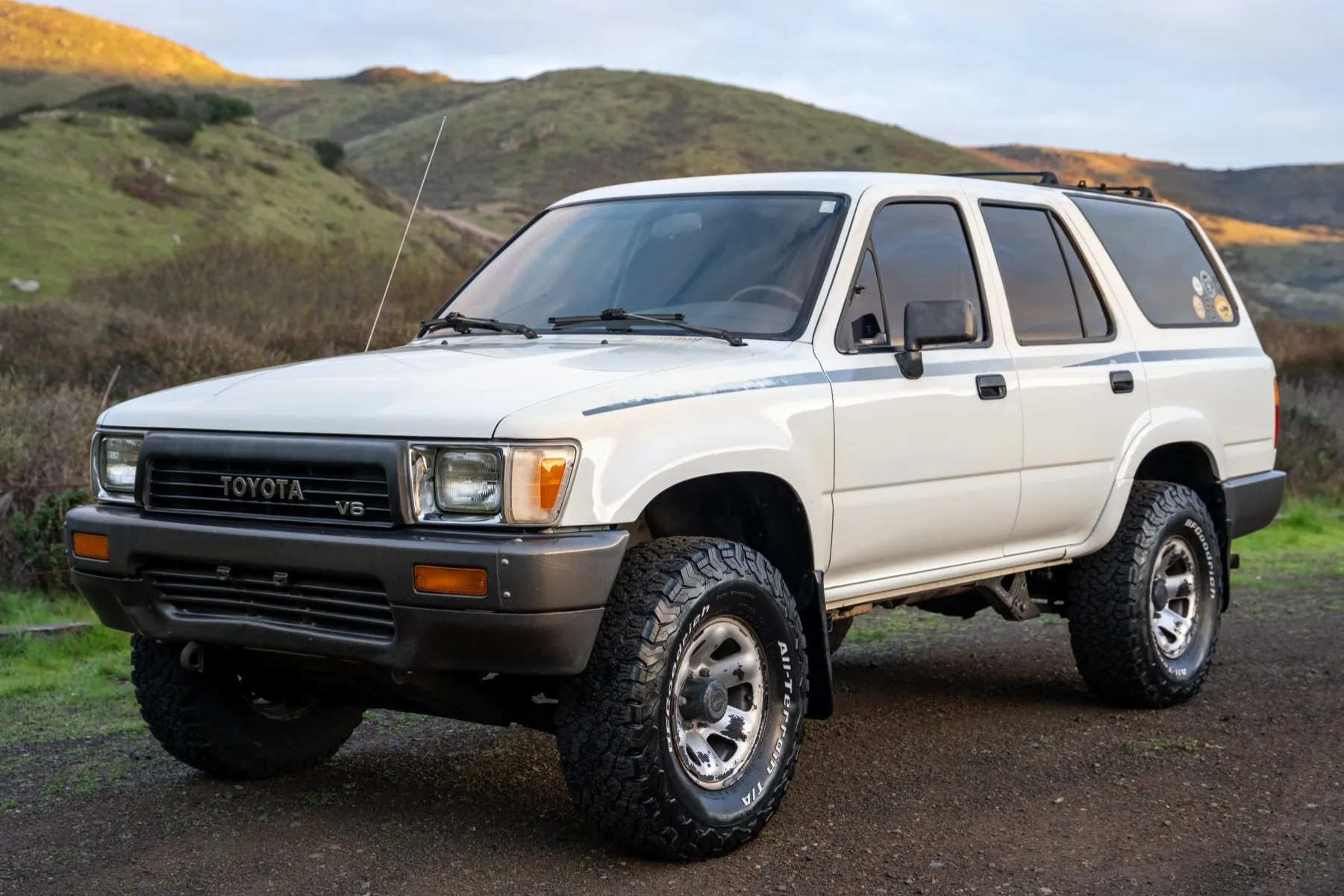
- Engine options:
- 2.4-liter 22R-E inline-four gasoline engine
- 3.0-liter 3VZ-E V6 gasoline engine
- 2.8-liter 3L diesel engine (available in some international markets)
- Horsepower:
- 22R-E four-cylinder: approximately 116 hp
- 3.0-liter V6: approximately 150 hp
- Torque:
- 22R-E: approximately 140 lb-ft
- 3.0-liter V6: approximately 185 lb-ft
- Length: approximately 176.0 inches
- Width: approximately 66.5 inches
2. Second Generation Toyota 4Runner (1990 to 1995)
The second-generation Toyota 4Runner represented a major step forward by moving away from the removable-top design and introducing a more SUV-focused body style.
Toyota kept the truck-based platform but improved passenger comfort, interior space, and everyday practicality. The new design looked more like a traditional SUV, helping the 4Runner compete with growing demand for family-friendly vehicles that could still handle outdoor activities.
The second generation continued using proven Toyota engines, including the four-cylinder 22RE and the 3.0-liter V6. The four-cylinder models maintained a reputation for reliability, while the V6 offered improved performance for drivers who needed additional power.
Some V6 models experienced mechanical issues related to head gasket problems, which affected the long-term reputation of those engines. Well-maintained examples, however, remain valued by enthusiasts.
Toyota improved the interior significantly compared with the first generation. More comfortable seating, additional storage areas, and improved climate controls made the 4Runner better suited for daily transportation.
The rear seating area became more practical, allowing families to use the SUV for longer trips. These updates helped the 4Runner transition from a niche adventure vehicle into a more versatile SUV.
The second-generation model maintained excellent off-road capability. A stronger chassis, improved suspension design, and available four-wheel-drive systems allowed it to perform well in challenging environments.
Many owners still use these vehicles for camping, overlanding, and trail driving. The large aftermarket community also helped keep older examples relevant by providing replacement parts and upgrades.
This generation ranks near the top because it successfully balanced classic Toyota toughness with improved comfort. It introduced many buyers to the idea that an SUV could serve as both a daily vehicle and an adventure machine.
While certain engine concerns reduce its ranking slightly, the second-generation 4Runner remains a favorite among collectors and outdoor enthusiasts.
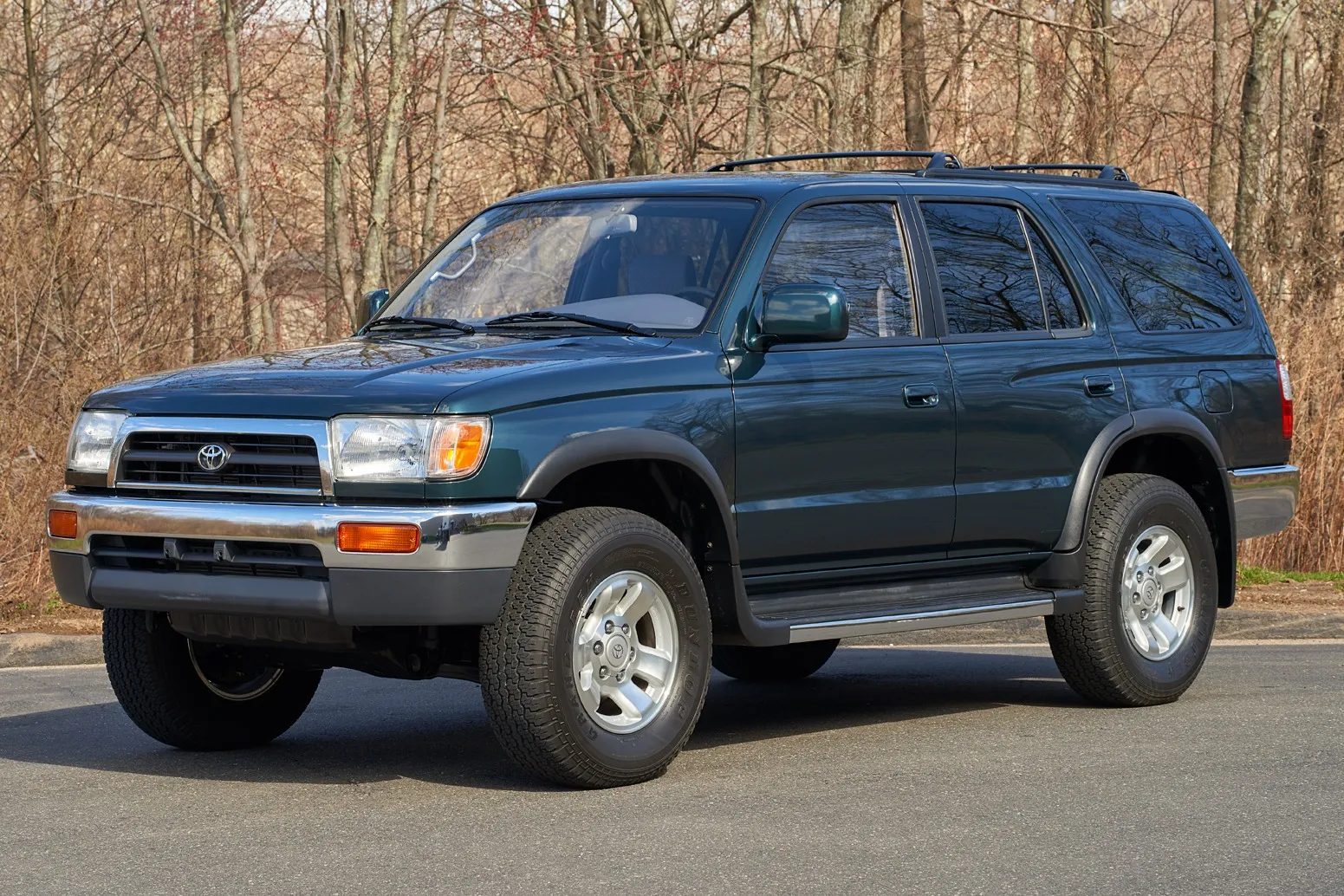
- Engine options:
- 2.7-liter 3RZ-FE inline-four gasoline engine
- 3.4-liter 5VZ-FE V6 gasoline engine
- Horsepower:
- 2.7-liter four-cylinder: approximately 150 hp
- 3.4-liter V6: approximately 183 hp
- Torque:
- 2.7-liter four-cylinder: approximately 177 lb-ft
- 3.4-liter V6: approximately 217 lb-ft
- Length: approximately 183.5 inches
- Width: approximately 66.5 inches
3. Third Generation Toyota 4Runner (1996 to 2002)
The third-generation Toyota 4Runner is often considered the most beloved version among longtime fans. Released in 1996, it introduced a more refined design while keeping the rugged qualities that made earlier models popular. Toyota developed this generation with stronger attention toward comfort, safety, and improved driving quality without sacrificing off-road performance.
The biggest improvement came from the updated engine lineup. The 3.4-liter V6 became the standout option, replacing the previous 3.0-liter engine. Known as the 5VZ-FE, this engine developed a strong reputation for reliability, smooth operation, and durability.
Many examples have reached extremely high mileage with routine maintenance. The four-cylinder engine remained available, but most buyers preferred the stronger V6 for its better performance.
The interior received major improvements, offering a more modern layout and higher-quality materials. The cabin became quieter, seating comfort improved, and additional features made the 4Runner easier to live with every day.
Safety also improved through features such as additional airbags and stronger structural design. These changes helped the 4Runner appeal to buyers who wanted capability without giving up comfort.
Off-road ability remained a major strength. The third-generation model featured a strong frame, available locking rear differentials, and excellent suspension performance.
The balance between reliability and capability made it especially popular among overlanding communities. Many owners consider it a perfect platform because it requires fewer modifications to perform well on difficult terrain.
The third-generation 4Runner earns a top ranking because it represents an ideal combination of classic durability and modern usability. It has enough comfort for daily driving, enough strength for demanding trails, and one of Toyota’s most respected engines. For many enthusiasts, this generation represents the point where the 4Runner reached its best balance.
- Engine options:
- 4.0-liter 1GR-FE V6 gasoline engine
- 4.7-liter 2UZ-FE V8 gasoline engine
- Horsepower:
- 4.0-liter V6:
- 2003 to 2004: approximately 245 hp
- 2005 to 2009: approximately 270 hp
- 4.7-liter V8: approximately 235 hp to 260 hp depending on year
- 4.0-liter V6:
- Torque:
- 4.0-liter V6:
- Early models: approximately 282 lb-ft
- Later models: approximately 278 lb-ft
- 4.7-liter V8: approximately 320 lb-ft
- 4.0-liter V6:
- Length: approximately 189.2 inches
- Width: approximately 73.8 inches
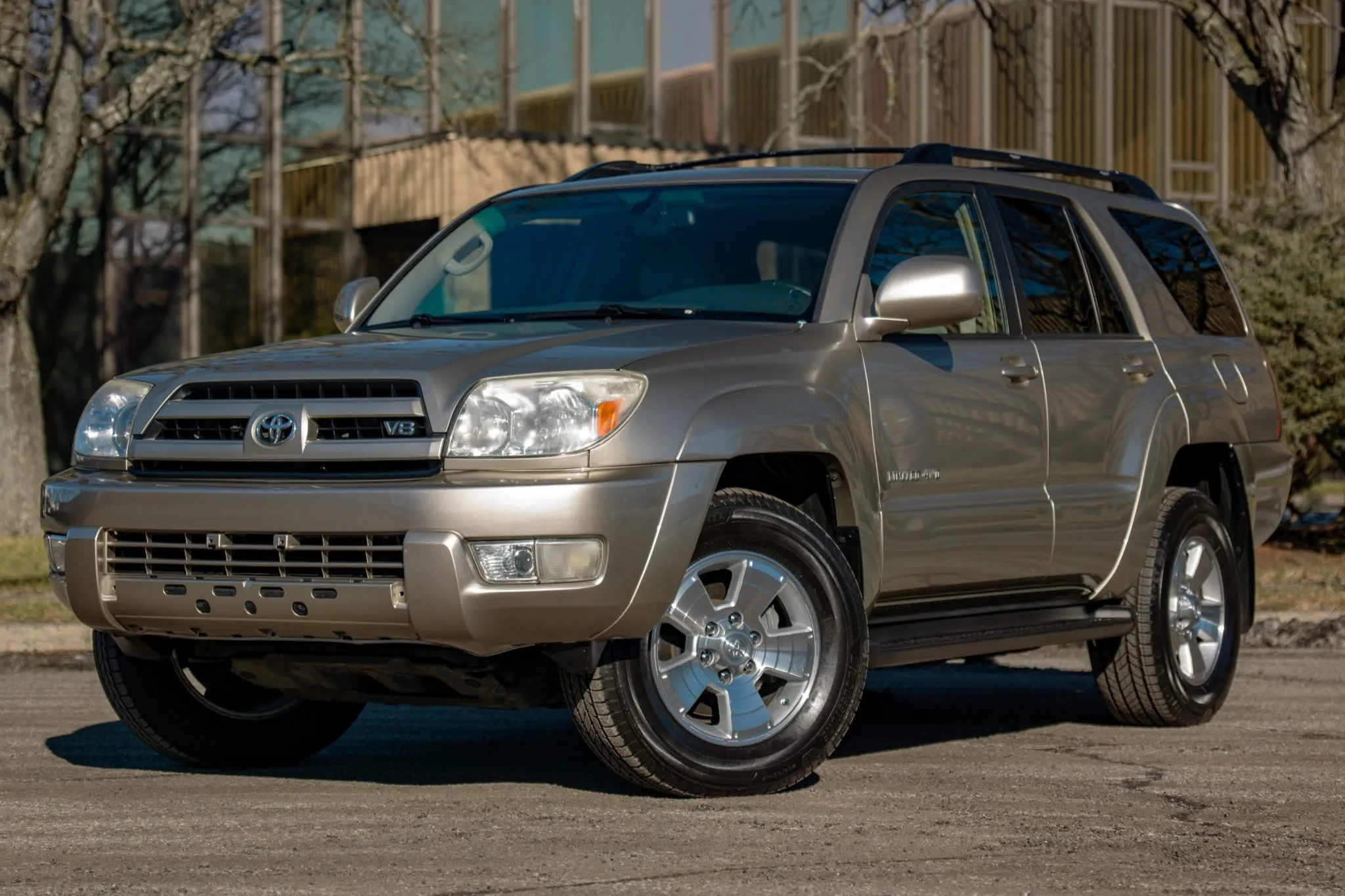
4. Fourth Generation Toyota 4Runner (2003 to 2009)
The fourth-generation Toyota 4Runner brought a significant change in direction by introducing a larger, more powerful, and more comfortable SUV design.
Built on Toyota’s updated truck platform, this generation moved the 4Runner further toward the midsize SUV category while maintaining its body-on-frame construction.
It appealed to buyers who wanted stronger performance, more interior room, and improved road manners while still expecting serious off-road ability.
The biggest change came from the available engines. Toyota introduced the 4.0-liter V6 engine, which became highly respected for its smooth performance and durability.
A 4.7-liter V8 engine was also offered, providing impressive towing capability and strong acceleration. The V8 option gave the 4Runner a unique advantage among midsize SUVs of its era because it combined truck-like strength with SUV practicality. Both engines developed strong reputations when properly maintained.
The interior of the fourth generation represented a major improvement over previous models. Toyota focused on creating a more comfortable cabin with better materials, improved seating, and additional convenience features.
The increased size provided more passenger space and cargo capacity, making it a better choice for families and long-distance travel. Features such as available leather seating, navigation systems, and upgraded audio options helped position the 4Runner as a more premium SUV.
Off-road performance remained impressive. The fourth-generation model offered advanced four-wheel-drive systems, including versions equipped with Toyota’s Multi-Mode 4WD system and electronic traction aids. Models with the optional rear locking differential became highly desirable among enthusiasts.
The stronger frame and improved suspension allowed the 4Runner to handle difficult trails while offering better highway stability than earlier versions.
The fourth generation ranks highly because it expanded the 4Runner’s abilities without abandoning its original purpose. It delivered more power, greater comfort, and better everyday usability.
Some owners criticize its larger size and increased weight compared with older models, but those changes also improved its towing ability and passenger comfort. For drivers seeking a combination of adventure capability and daily practicality, this generation remains an excellent choice.
- Engine options:
- 4.0-liter 1GR-FE V6 gasoline engine
- Horsepower:
- 4.0-liter V6: approximately 270 hp
- Torque:
- 4.0-liter V6: approximately 278 lb-ft
- Length: approximately 191.3 inches
- Width: approximately 75.8 inches
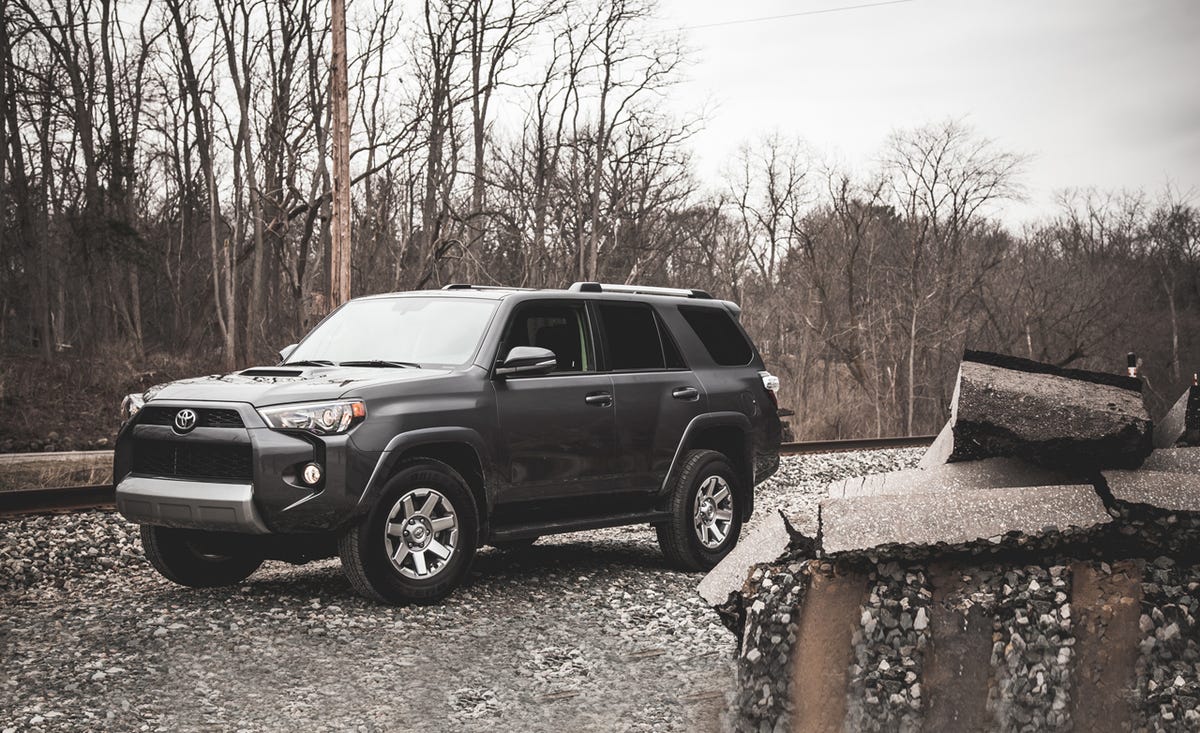
5. Fifth Generation Toyota 4Runner (2010 to 2024)
The fifth-generation Toyota 4Runner became the longest-running generation in the vehicle’s history. Introduced in 2010, it continued the body-on-frame approach while many competitors moved toward lighter car-based platforms. This decision helped the 4Runner maintain its reputation as a rugged SUV built for outdoor activities, off-road travel, and demanding environments.
The fifth generation used Toyota’s 4.0-liter V6 engine, producing reliable performance and strong low-end power. While fuel economy was not its strongest area, the engine gained appreciation for its durability and straightforward design.
The five-speed automatic transmission paired well with the engine, creating a dependable drivetrain combination. Many owners kept these vehicles for hundreds of thousands of miles because of their proven mechanical strength.
Toyota expanded the range of available models during this generation, including popular off-road-focused trims. Versions equipped with advanced terrain systems, specialized suspension components, and additional underbody protection became favorites among camping and overlanding communities.
The TRD Off-Road and TRD Pro models helped strengthen the 4Runner’s reputation among drivers who wanted a factory-built adventure vehicle.
The interior showed its age as the years passed, especially when compared with newer SUVs featuring advanced technology and modern cabin designs.
However, many owners appreciated the practical layout, durable materials, and physical controls. The large cargo area and fold-flat rear seats made the 4Runner useful for outdoor equipment, road trips, and everyday hauling.
The fifth generation ranks highly because it preserved the traditional 4Runner formula during a period when many SUVs changed direction. It offered proven reliability, excellent resale value, and strong off-road capability.
Its aging design prevented it from reaching the top ranking, but its long production run and loyal following demonstrate how successful this generation became.
- Engine options:
- 2.4-liter i-FORCE turbocharged four-cylinder gasoline engine
- 2.4-liter i-FORCE MAX hybrid powertrain
- Horsepower:
- Turbo four-cylinder: approximately 278 hp
- Hybrid turbo: approximately 326 hp
- Torque:
- Turbo four-cylinder: approximately 317 lb-ft
- Hybrid turbo: approximately 465 lb-ft
- Length: approximately 194.9 inches
- Width: approximately 77.9 inches
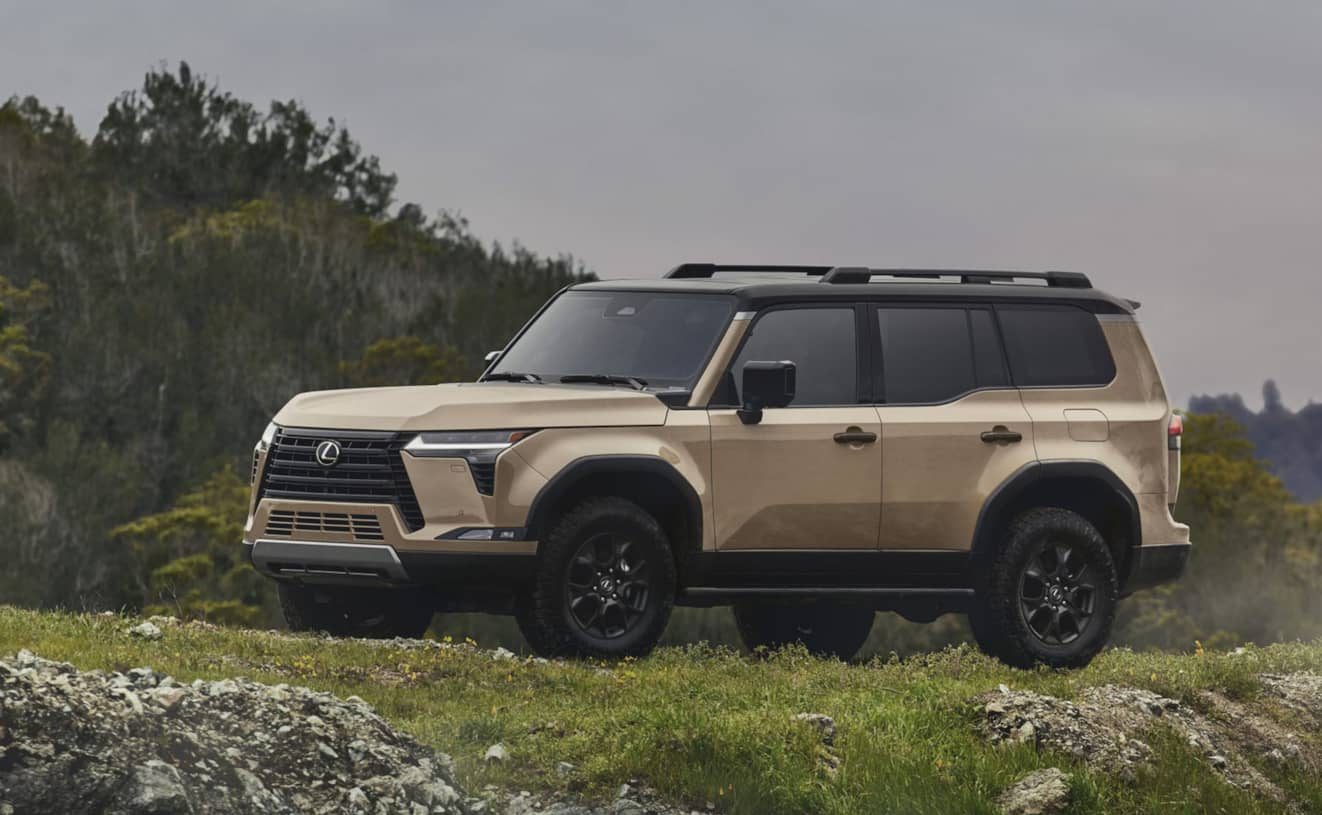
6. Sixth Generation Toyota 4Runner (2025 Present)
The sixth-generation Toyota 4Runner introduced a new era for the SUV after more than a decade of the previous generation. Toyota redesigned the vehicle using the company’s modern truck platform, bringing updated technology, improved efficiency, and stronger performance while keeping the body-on-frame construction that enthusiasts expected.
One of the biggest changes was the introduction of Toyota’s turbocharged hybrid powertrain option. This system provided increased power and improved efficiency compared with older engines.
The updated platform also allowed Toyota to improve suspension design, towing ability, and driving refinement. The new generation showed how the 4Runner could adapt to changing expectations while maintaining its rugged identity.
The interior received a complete modernization. A larger infotainment display, updated driver assistance systems, improved materials, and more advanced connectivity features brought the 4Runner closer to current SUV standards. The cabin design focused on combining technology with practical features that appeal to outdoor-focused drivers.
Off-road capability remained a central part of the sixth generation. Toyota continued offering adventure-oriented versions with specialized equipment designed for difficult terrain.
Features such as advanced traction systems, available locking differentials, and off-road drive modes helped maintain the vehicle’s reputation as a capable trail machine.
Because this generation is still new, its long-term reliability history has not yet been established. Previous 4Runner generations built their reputations over decades, so the sixth generation will need time before its place in the lineup becomes clear. Its modern improvements are impressive, but its final ranking will depend on how well it performs over many years.
Also Read: 10 SUVs That Changed the Automotive Industry Forever