
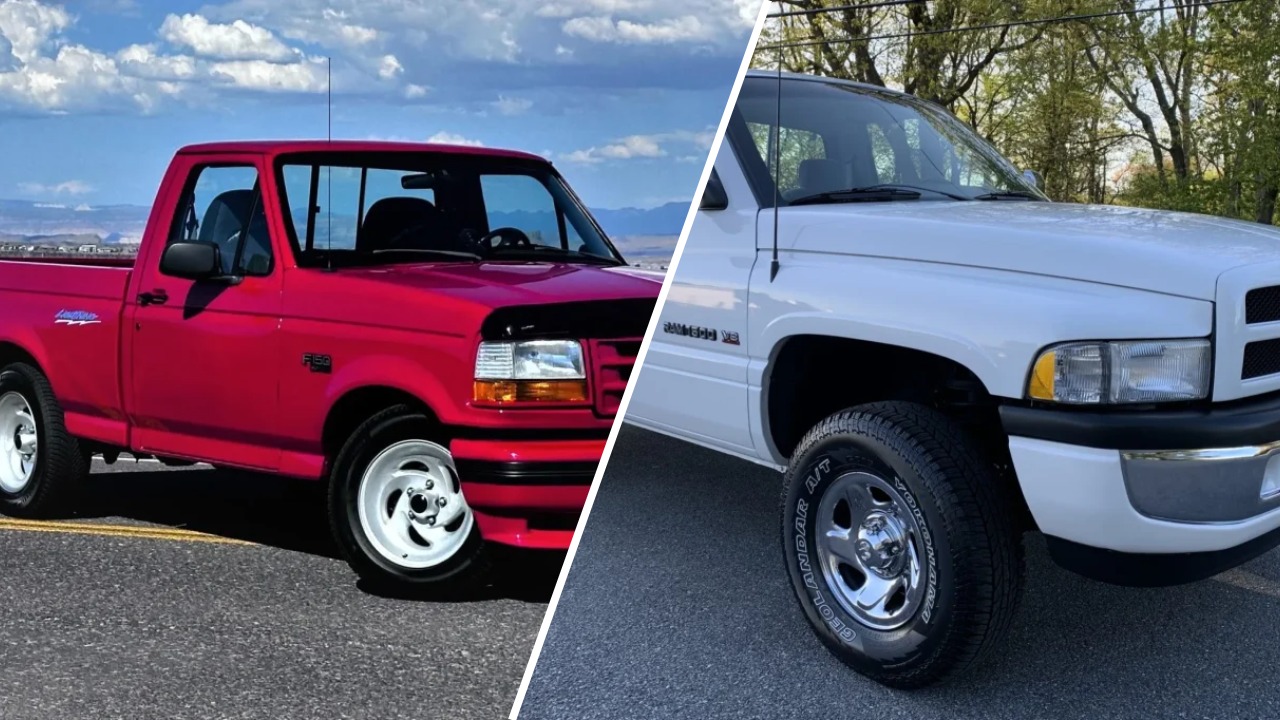
The 1990s marked a turning point for pickup trucks in the United States. Manufacturers moved beyond building simple work vehicles and began offering improved comfort, stronger engines, better safety features, and more refined interiors without sacrificing durability.
Many trucks introduced during this decade became legendary for their reliability, towing capability, and long service life. Decades later, several remain highly sought after by collectors, enthusiasts, and buyers looking for dependable classic pickups.
The following trucks helped define the decade through innovative engineering, proven powertrains, and lasting reputations that continue to influence the modern pickup market.
Also Read: 10 Inline-Six Engines That Became Automotive Legends
1. Ford F-150 (Ninth Generation, 1992 to 1996)
When discussing iconic American pickup trucks, the ninth-generation Ford F-150 deserves a place near the top. Although the generation debuted for the 1992 model year, it represented the culmination of Ford’s long-running OBS, or Old Body Style, design that became one of the most recognizable truck shapes ever sold in the United States.
During the 1990s, the F-Series consistently remained America’s best-selling truck, reinforcing Ford’s dominance in the full-size pickup segment.
The truck appealed to an exceptionally wide audience because buyers could configure it as a basic work vehicle or a well-equipped family truck. Regular Cab, SuperCab, and multiple bed lengths allowed owners to match the truck to their specific needs.
Engine choices ranged from durable inline-six powerplants to the highly respected 5.0-liter and 5.8-liter Windsor V8 engines, both known for longevity when properly maintained.
Ford also improved ride quality compared with earlier generations by refining the suspension and introducing more comfortable interiors. Later production years included features such as dual airbags, anti-lock brakes, improved climate controls, and premium trim packages that made the F-150 increasingly attractive for everyday use rather than just commercial work.
Today, clean OBS F-150s have become highly collectible. Enthusiasts value their straightforward mechanical design, widespread parts availability, and strong aftermarket support.
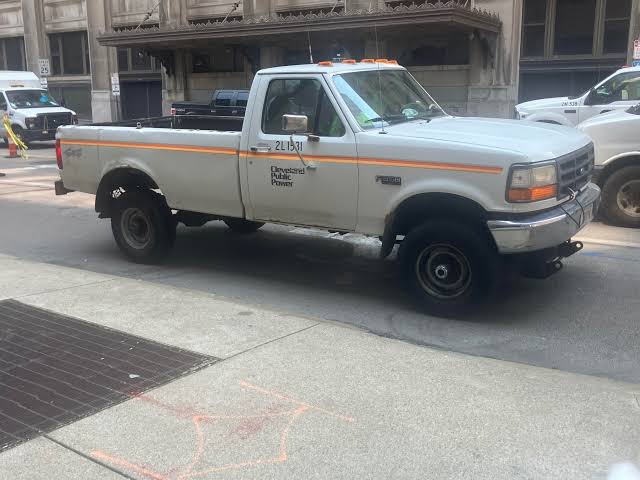
Restoration projects remain practical because replacement body panels, engine components, and suspension parts are readily available throughout the United States.
The combination of dependable powertrains, timeless styling, and historical significance ensures that the 1992 to 1996 Ford F-150 remains one of the defining pickup trucks of the 1990s.
Specifications
- Engine: 5.8-liter Windsor V8
- Torque: 325 lb-ft
- Horsepower: 210 hp
- Length/Width: 213.3 inches / 79.0 inches
2. Dodge Ram 1500 (Second Generation, 1994 to 2001)
Few pickups transformed public perception as dramatically as the second-generation Dodge Ram 1500. Introduced for the 1994 model year, the redesigned Ram abandoned the conservative styling common among full-size trucks and adopted a bold appearance inspired by heavy-duty commercial rigs.
Its large grille, sculpted fenders, and muscular stance immediately distinguished it from competitors and influenced pickup truck design for years afterward. The redesign involved much more than styling. Dodge significantly improved cabin comfort by introducing a modern dashboard, more supportive seating, and easier-to-use controls.
Buyers who previously viewed pickups solely as work vehicles began considering the Ram as an everyday family truck, reflecting a broader shift occurring throughout the American market during the 1990s.
Under the hood, the Magnum engine family became a major selling point. The 5.2-liter and 5.9-liter Magnum V8 engines delivered strong low-end torque suited for towing and hauling, while the legendary 5.9-liter Cummins turbo diesel remained available in heavier-duty Ram models, further strengthening Dodge’s reputation among commercial users.
The truck’s popularity also created one of the largest enthusiast communities in the pickup segment. Owners continue restoring and modifying second-generation Rams using an extensive aftermarket offering everything from suspension upgrades to replacement body panels.
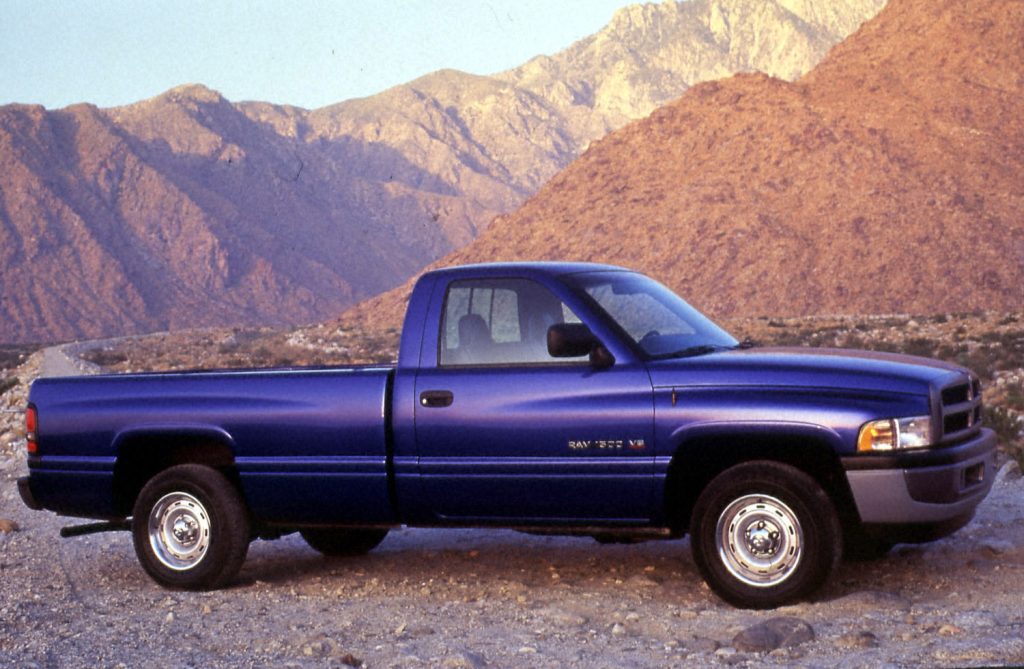
Although later model years introduced more sophisticated technology, many collectors still regard the 1994 redesign as one of the most influential pickup launches in American automotive history. Its distinctive styling, capable engines, and enduring popularity make it a fitting representative of why the 1990s are often considered a golden era for pickup trucks.
Specifications
- Engine: 5.9-liter Magnum V8
- Torque: 330 lb-ft
- Horsepower: 245 hp
- Length/Width: 218.7 inches / 79.4 inches
3. Chevrolet C/K 1500 (1990 to 1998)
Long before the Silverado name appeared, Chevrolet’s C/K 1500 served as one of America’s most dependable full-size pickups. Throughout the 1990s, it earned a reputation for balancing durability, comfort, and everyday practicality, making it a favorite among contractors, ranchers, and families alike.
The GMT400 platform, introduced in the late 1980s and refined throughout the decade, is still regarded by many enthusiasts as one of General Motors’ best truck architectures.
Unlike earlier generations that emphasized utility above all else, the C/K 1500 introduced a noticeably more refined driving experience. Independent front suspension provided better ride quality than many competitors, while the cabin featured improved ergonomics and quieter operation.
Chevrolet also offered a wide range of trim levels, allowing buyers to choose anything from a basic work truck to a well-equipped Silverado trim with premium interior appointments.
The truck’s popularity was supported by several dependable powertrains. The 5.7-liter small-block V8 became the standout choice, producing strong low-end torque for towing while earning a reputation for longevity.
Routine maintenance was straightforward, replacement parts were inexpensive, and independent repair shops across the United States became highly familiar with the platform.
Another reason these trucks remain desirable today is the enormous aftermarket support. Restoration components, performance upgrades, suspension kits, and reproduction body panels are widely available, making ownership practical even decades after production ended.
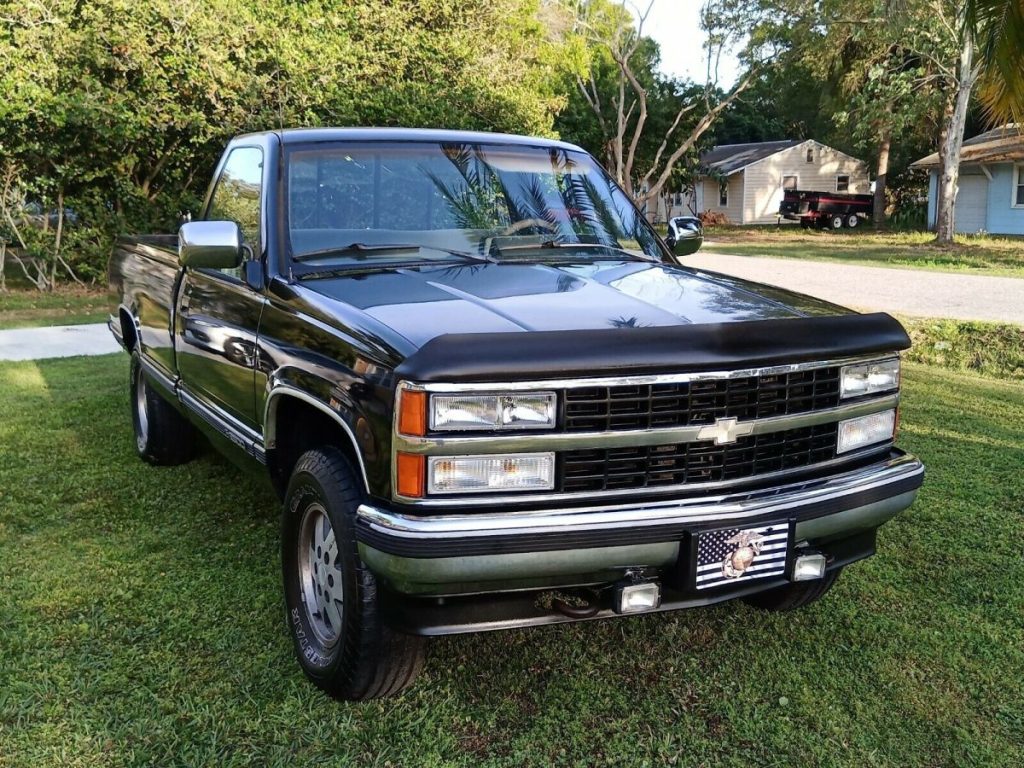
Well-preserved GMT400 trucks have steadily appreciated as collectors recognize their historical significance and mechanical simplicity.
The Chevrolet C/K 1500 represents an era when pickups became more refined without losing their rugged character. Its combination of proven engineering, dependable V8 performance, and timeless styling ensures it remains one of the defining American trucks of the 1990s.
Specifications
- Engine: 5.7-liter Vortec V8
- Torque: 330 lb-ft
- Horsepower: 255 hp
- Length/Width: 218.8 inches / 76.8 inches
4. Toyota Tacoma (First Generation, 1995 to 2004)
Toyota entered the midsize truck market with a completely new name in 1995, replacing the long-running Pickup with the Tacoma.
Although compact by today’s standards, the first-generation Tacoma quickly established a reputation that continues to influence used truck prices decades later. Buyers valued its reliability, manageable size, and ability to handle both everyday driving and recreational off-road use.
Rather than competing directly with full-size domestic pickups, Toyota focused on durability and ownership experience.
The Tacoma’s body-on-frame construction, dependable four-wheel-drive system, and proven engines made it especially popular among outdoor enthusiasts, contractors, and drivers living in rural parts of the United States. Even today, high-mileage examples routinely remain on the road with proper maintenance.
The optional 3.4-liter V6 became one of Toyota’s most respected truck engines. Known for its smooth operation and exceptional longevity, it powered thousands of Tacomas beyond 250,000 miles with routine servicing.
Combined with manual or automatic transmissions that also developed strong reliability records, the Tacoma became one of the safest long-term ownership choices of the decade.
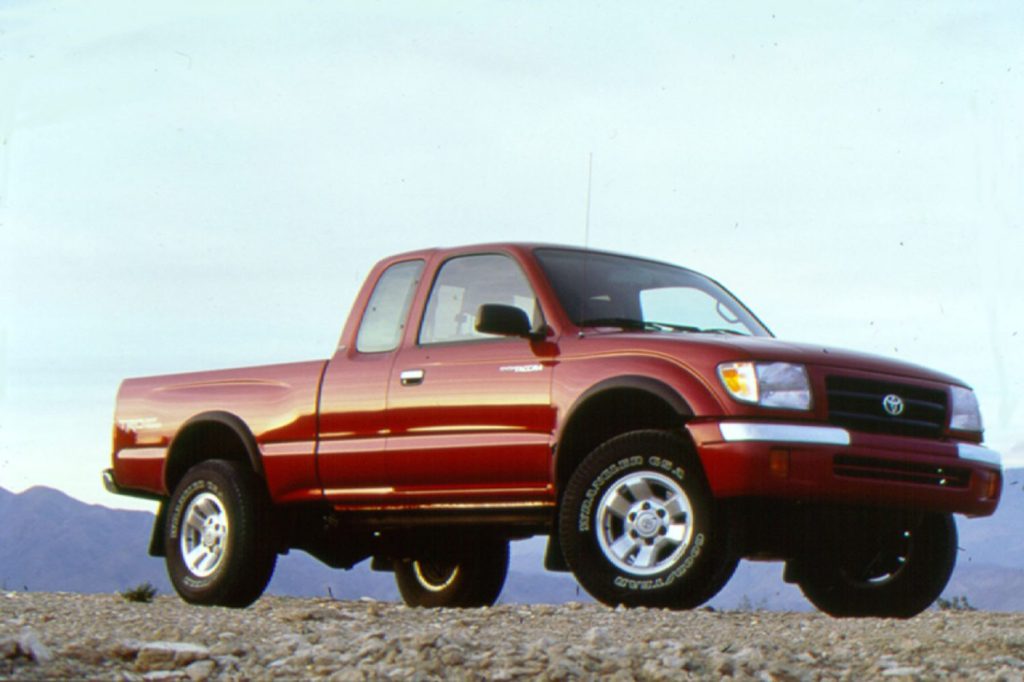
Off-road capability further strengthened its reputation. The Tacoma’s compact dimensions allowed it to navigate narrow trails more easily than larger trucks, while aftermarket support expanded rapidly as enthusiasts embraced the platform. Lift kits, skid plates, locking differentials, and suspension upgrades remain widely available today.
The first-generation Tacoma continues to command impressive resale values because buyers recognize its durability and dependable engineering. Few pickups from the 1990s have maintained such consistent demand in the American used market, making it one of the clearest examples of why the decade produced so many legendary trucks.
Specifications
- Engine: 3.4-liter V6
- Torque: 220 lb-ft
- Horsepower: 190 hp
- Length/Width: 202.9 inches / 66.5 inches
5. Nissan Hardbody Pickup (D21, 1990 to 1997)
The Nissan Hardbody, officially known by its D21 chassis designation, became one of the most respected compact pickups of the 1990s because of its durability and straightforward engineering.
While it never matched the sales numbers of domestic full-size trucks, it built an exceptionally loyal following among buyers who wanted a dependable pickup that could withstand years of daily use. Its nickname came from the truck’s distinctive double-wall cargo bed, a design that improved strength and durability compared with many competitors.
Unlike several compact pickups that focused primarily on affordability, the Hardbody earned praise for its balanced handling and solid build quality.
Independent front suspension provided a comfortable ride on paved roads, while four-wheel-drive models demonstrated impressive capability on trails, construction sites, and rural backroads. Its relatively compact dimensions also made it easier to maneuver in urban areas than larger American pickups.
The available 2.4-liter KA24E inline-four became the engine most closely associated with the Hardbody. It developed a reputation for lasting well beyond 200,000 miles when maintained properly.
Simple mechanical design, chain-driven camshaft operation, and easy access to common service items kept maintenance costs relatively low throughout ownership.
The truck also became popular within the customization community. Enthusiasts appreciated its strong chassis for both off-road builds and lowered street trucks, and aftermarket support continues to be available decades after production ended.
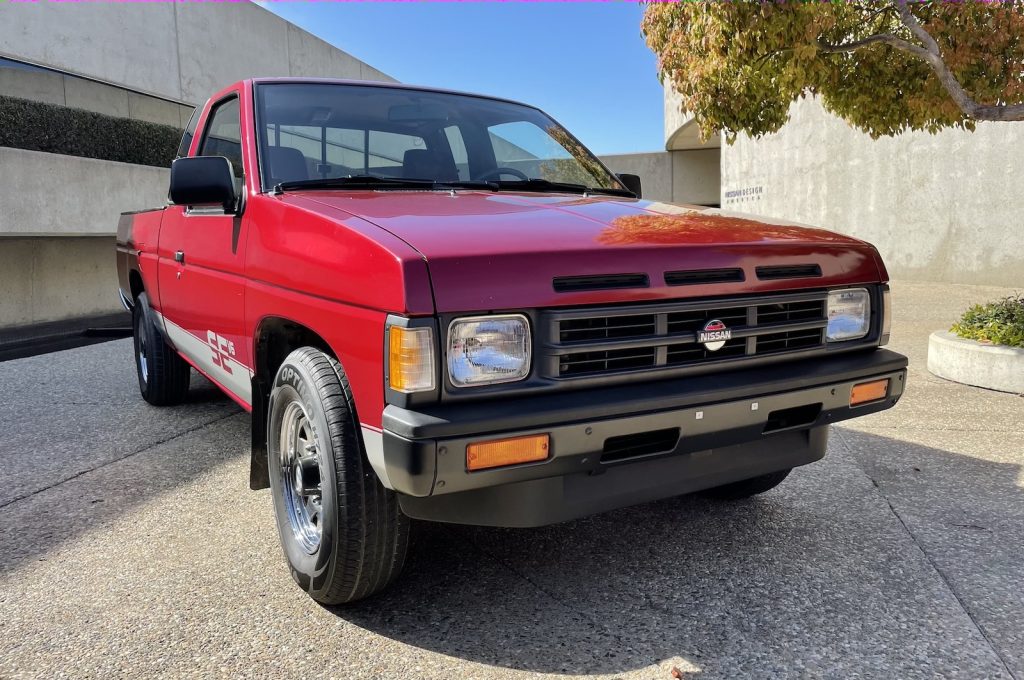
Today, clean Nissan Hardbody pickups are becoming increasingly difficult to find. As interest in well-preserved Japanese trucks continues to grow, values have steadily increased, especially for four-wheel-drive and extended-cab models.
Its lasting reliability and distinctive styling firmly establish the Hardbody as one of the standout pickups that helped define the 1990s.
Specifications
- Engine: 2.4-liter KA24E inline-four
- Torque: 137 lb-ft
- Horsepower: 134 hp
- Length/Width: 184.5 inches / 66.7 inches
6. GMC Sierra 1500 (GMT400, 1990 to 1998)
Although it shared its underlying platform with the Chevrolet C/K 1500, the GMC Sierra developed its own identity by emphasizing premium trim levels, upscale appointments, and a slightly different styling approach.
Throughout the 1990s, it became a favorite among buyers seeking a work truck that also delivered greater comfort during everyday driving. The GMT400 platform itself remains one of the most respected truck architectures General Motors has ever produced.
The Sierra combined traditional body-on-frame construction with a suspension that offered better ride quality than many competitors. Independent front suspension helped reduce harshness over rough pavement, making long highway trips less tiring while preserving the truck’s towing and hauling capability.
GMC also expanded available luxury features during the decade, including upgraded seating, premium sound systems, and enhanced interior materials.
Powertrain choices contributed significantly to the truck’s reputation. The 5.7-liter Vortec V8 became especially popular because it delivered dependable performance, abundant low-end torque, and straightforward maintenance.
Millions of these engines were produced, ensuring that replacement parts remain widely available throughout the United States. Independent repair facilities continue to service these trucks with ease because of their familiar mechanical layout.
Collectors have increasingly recognized the GMT400 Sierra for its clean design and long-term durability. Well-preserved examples are becoming more difficult to locate, particularly trucks that have avoided heavy commercial use or extensive modifications. Interest has also grown among enthusiasts restoring 1990s American pickups to factory condition.
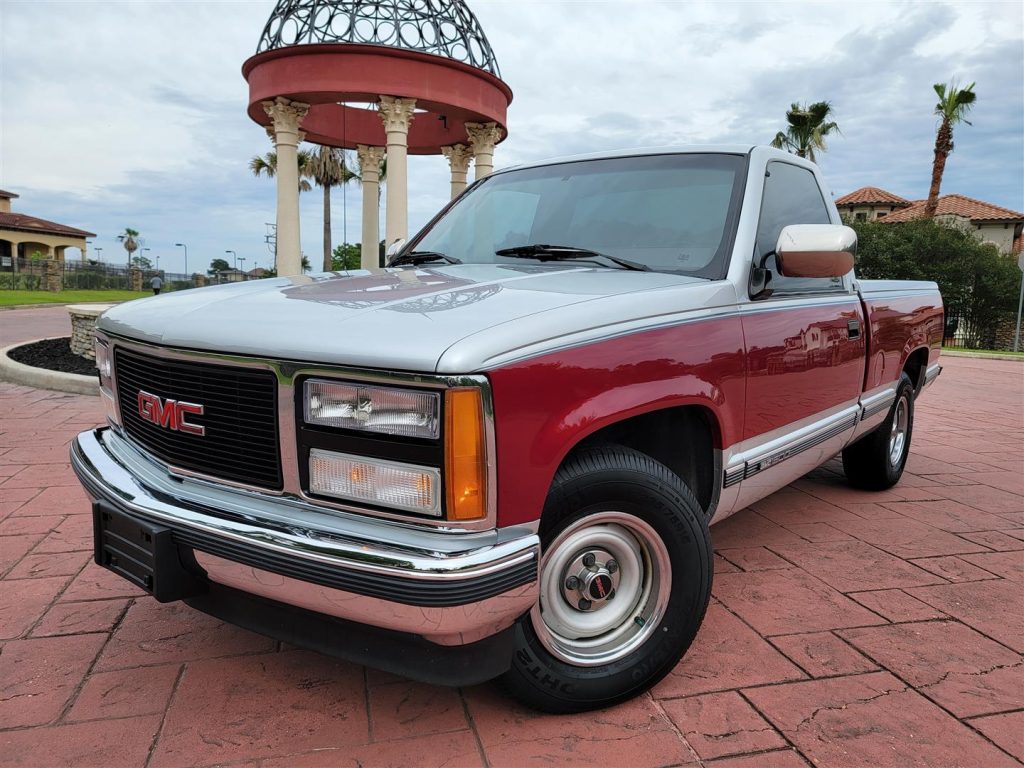
The GMC Sierra represents a period when trucks evolved into comfortable daily drivers without sacrificing the rugged capability expected from a full-size pickup. That balance continues to make it one of the most respected trucks of the decade.
Specifications
- Engine: 5.7-liter Vortec V8
- Torque: 330 lb-ft
- Horsepower: 255 hp
- Length/Width: 218.8 inches / 76.8 inches
7. Ford Ranger (Second Generation, 1993 to 1997)
During the 1990s, the compact pickup segment was fiercely competitive, yet the Ford Ranger consistently ranked among America’s best-selling small trucks. The second-generation Ranger struck a balance that appealed to a broad range of buyers.
It was compact enough for city driving, capable enough for light-duty work, and rugged enough for weekend adventures. That versatility helped it become one of Ford’s most successful products of the decade.
Ford offered the Ranger in multiple body styles, wheelbases, and trim levels, allowing buyers to configure the truck for commercial fleets, personal transportation, or recreational use. Rear-wheel drive and four-wheel drive models were both available, while regular cab and SuperCab configurations expanded its appeal to different customers.
One of the Ranger’s greatest strengths was its dependable 4.0-liter Cologne V6. The engine produced enough torque for towing small trailers and hauling construction materials without becoming overly complex to maintain.
Owners also appreciated the truck’s durable manual and automatic transmission options, both of which established solid reliability records when serviced properly.
The Ranger’s suspension contributed to its reputation for durability. Twin I-beam front suspension on earlier versions and later refinements provided respectable off-road capability while maintaining predictable on-road handling.
The truck also benefited from excellent parts availability, and because Ford sold hundreds of thousands of Rangers throughout the decade, replacement components remain inexpensive and easy to locate.
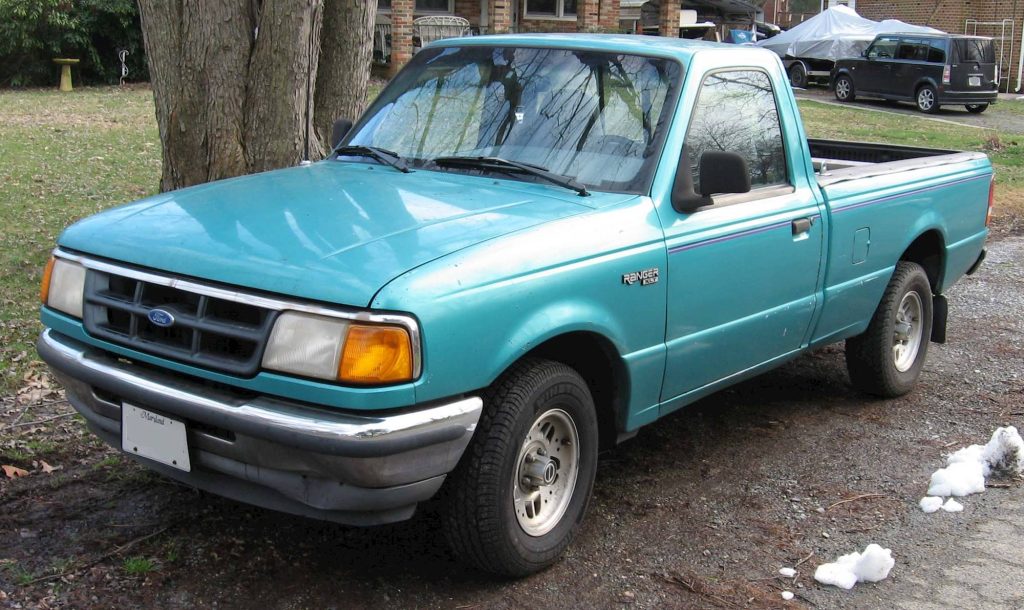
Today, interest in unmodified Rangers continues to grow. Collectors and enthusiasts appreciate their straightforward engineering, practical size, and dependable drivetrains.
Many examples remain in daily service more than three decades after leaving the factory, demonstrating why the Ranger deserves recognition as one of the pickups that helped define the golden era of the 1990s.
Specifications
- Engine: 4.0-liter Cologne V6
- Torque: 225 lb-ft
- Horsepower: 160 hp
- Length/Width: 187.5 inches / 69.4 inches
8. Chevrolet S-10 (Second Generation, 1994 to 2004)
While full-size pickups often receive most of the attention, the second-generation Chevrolet S-10 played an equally important role in shaping the American truck market during the 1990s.
Introduced for the 1994 model year, the redesigned S-10 featured updated styling, improved safety, and a more refined interior while maintaining the compact dimensions that made it practical for everyday use. It quickly became one of the best-selling compact pickups in the United States.
Chevrolet designed the S-10 to satisfy a wide variety of buyers. It served as an economical commuter during the week, a capable work truck for contractors, and a recreational vehicle for outdoor enthusiasts.
Regular Cab, Extended Cab, rear-wheel drive, and four-wheel drive configurations gave customers numerous choices depending on their needs.
The optional 4.3-liter Vortec V6 became the truck’s signature powertrain. Derived from Chevrolet’s small-block V8 family, the engine developed a reputation for producing impressive torque while remaining relatively simple to maintain.
Its strong low-end performance made towing small boats, campers, and utility trailers well within the truck’s capabilities.
The S-10 also became one of the most customized pickups of its era. It was equally popular with off-road enthusiasts installing lift kits and with street-truck builders creating lowered custom trucks. That broad aftermarket support continues today, making restoration projects both practical and affordable.
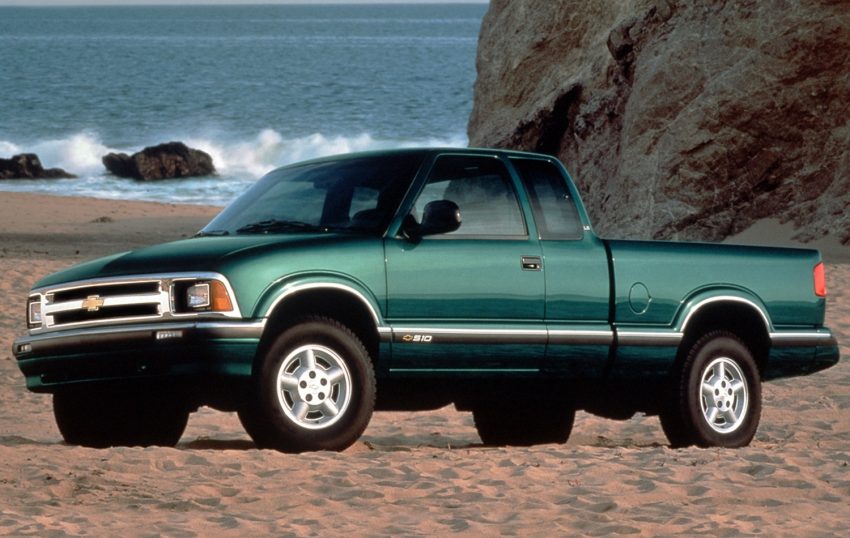
More than thirty years after its introduction, clean second-generation S-10s remain in demand because of their dependable mechanical design, accessible maintenance costs, and nostalgic appeal.
Their lasting popularity demonstrates why the compact pickup segment flourished during the 1990s and why that decade continues to be remembered as one of the greatest periods in American truck history.
Specifications
- Engine: 4.3-liter Vortec V6
- Torque: 250 lb-ft
- Horsepower: 190 hp
- Length/Width: 190.0 inches / 67.9 inches
Also Read: 10 Revolutionary 1970s Cars That Changed Automotive Safety Forever
