
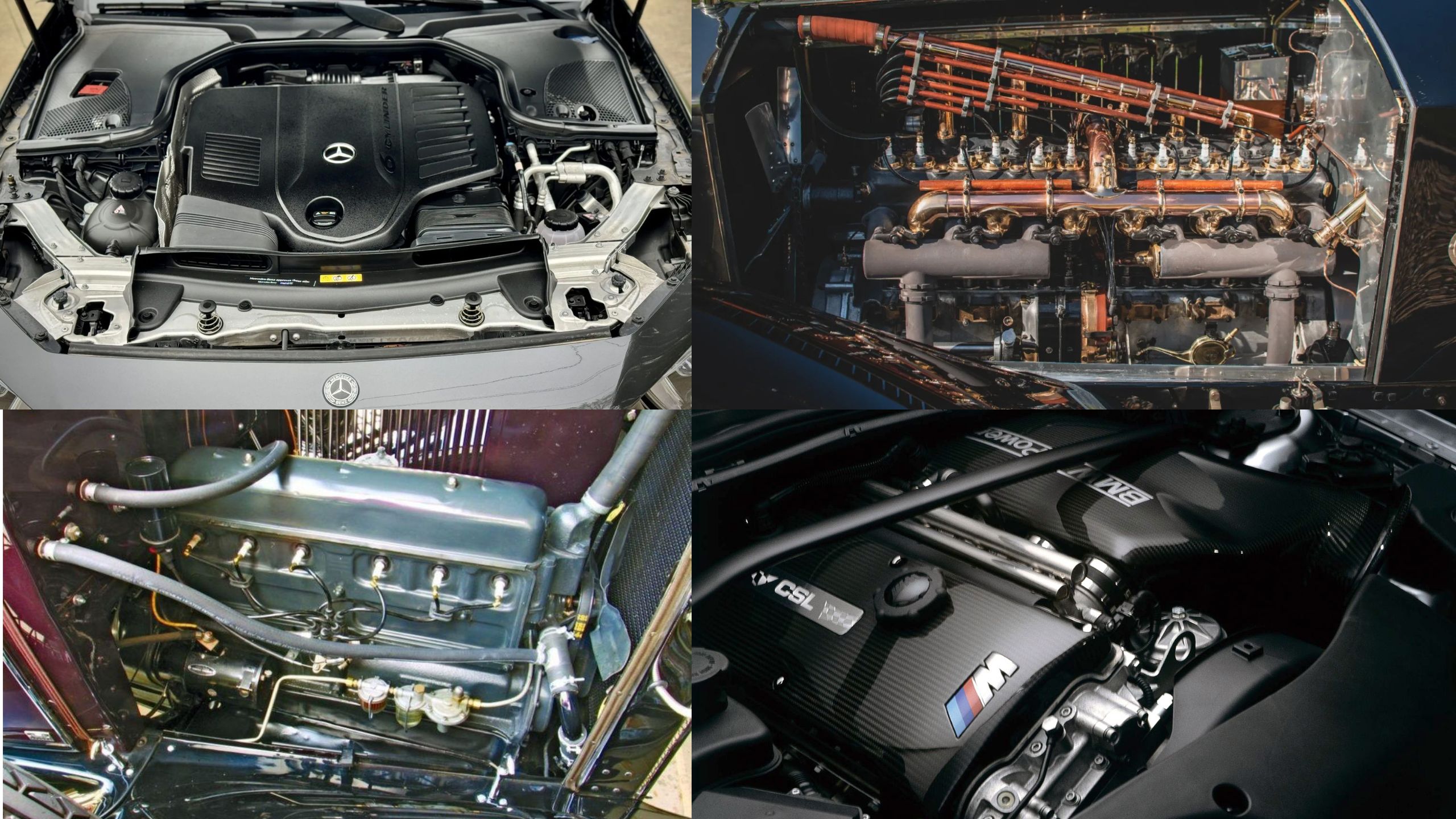
The inline-six engine has long been admired for its naturally balanced design, delivering exceptional smoothness and refinement without the need for counterweights. For decades, this layout has powered everything from luxury sedans and endurance racers to iconic sports cars, earning a reputation for reliability, performance, and engineering excellence.
This article highlights ten legendary inline-six engines that left a lasting mark on automotive history. Some introduced new levels of comfort and refinement, while others became favorites among enthusiasts and tuners for their durability and performance potential. Along with their history and engineering innovations, the list explores the specifications and achievements that continue to make the straight-six one of the most respected engine designs today.
1. Jaguar XK Engine
The Jaguar XK engine debuted in 1948. It powered the XK120, one of the most beautiful cars of its era. William Heynes and Walter Hassan designed it during World War II blackout duty.
They sketched the twin-cam head design on fire-watch shifts at the factory. Its double overhead camshafts were radical for a mainstream production car.
Most rivals still used simple pushrod setups at the time. The XK engine powered Jaguar’s D-Type to three Le Mans victories. It also stayed in production for over four decades, an astonishing run.
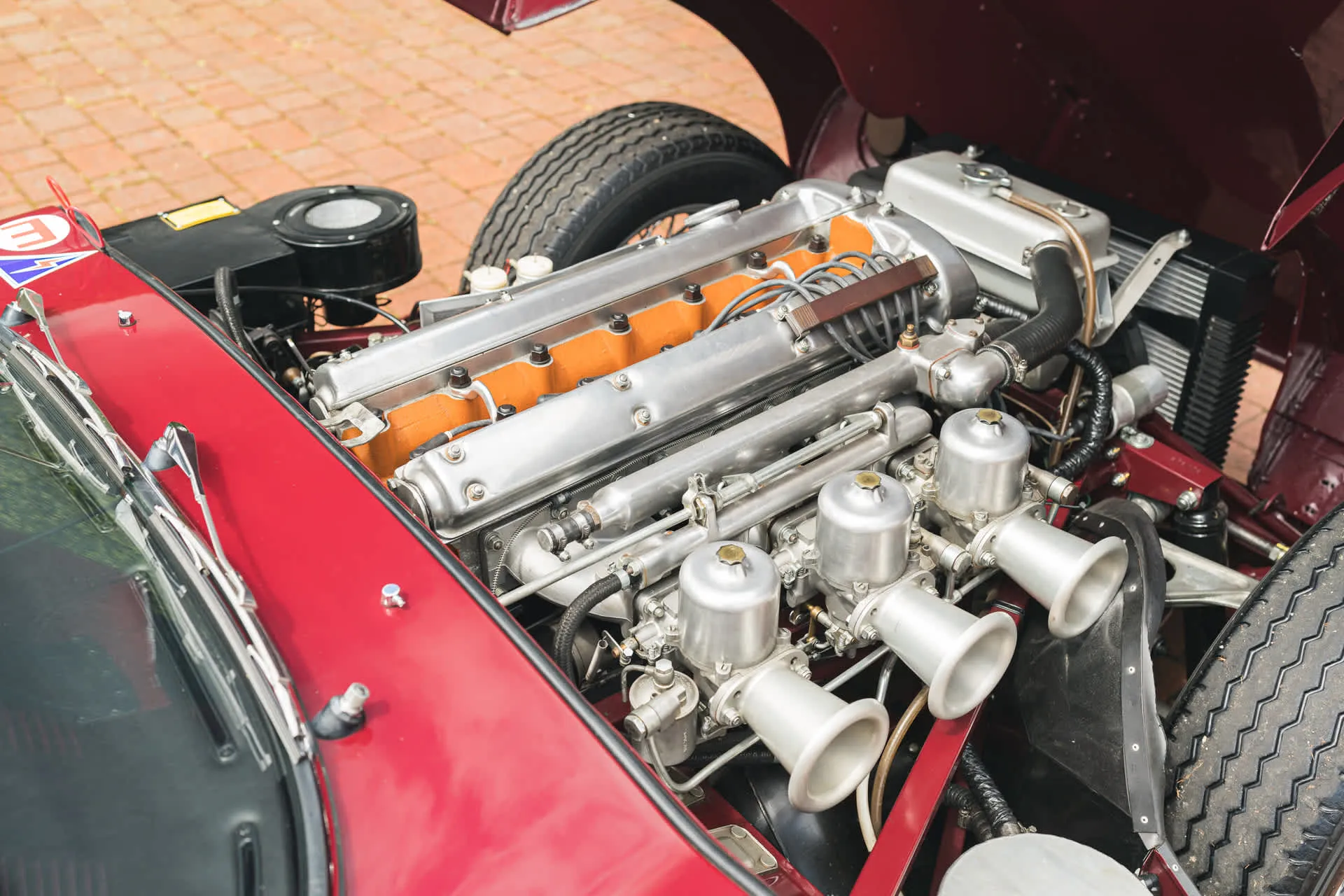
Later versions grew from 3.4 liters to 4.2 liters. That growth kept the engine competitive well into the 1980s. Its cast-iron block gave it exceptional durability for endurance racing.
The aluminum head kept the weight reasonable despite its size. The engine defined Jaguar’s reputation for effortless power delivery. Drivers praised its smoothness at high speed on the autobahn and at Le Mans.
It appeared in the E-Type, arguably the most iconic sports car shape ever made. Enzo Ferrari himself reportedly called the E-Type the most beautiful car ever built.
2. Mercedes-Benz M198
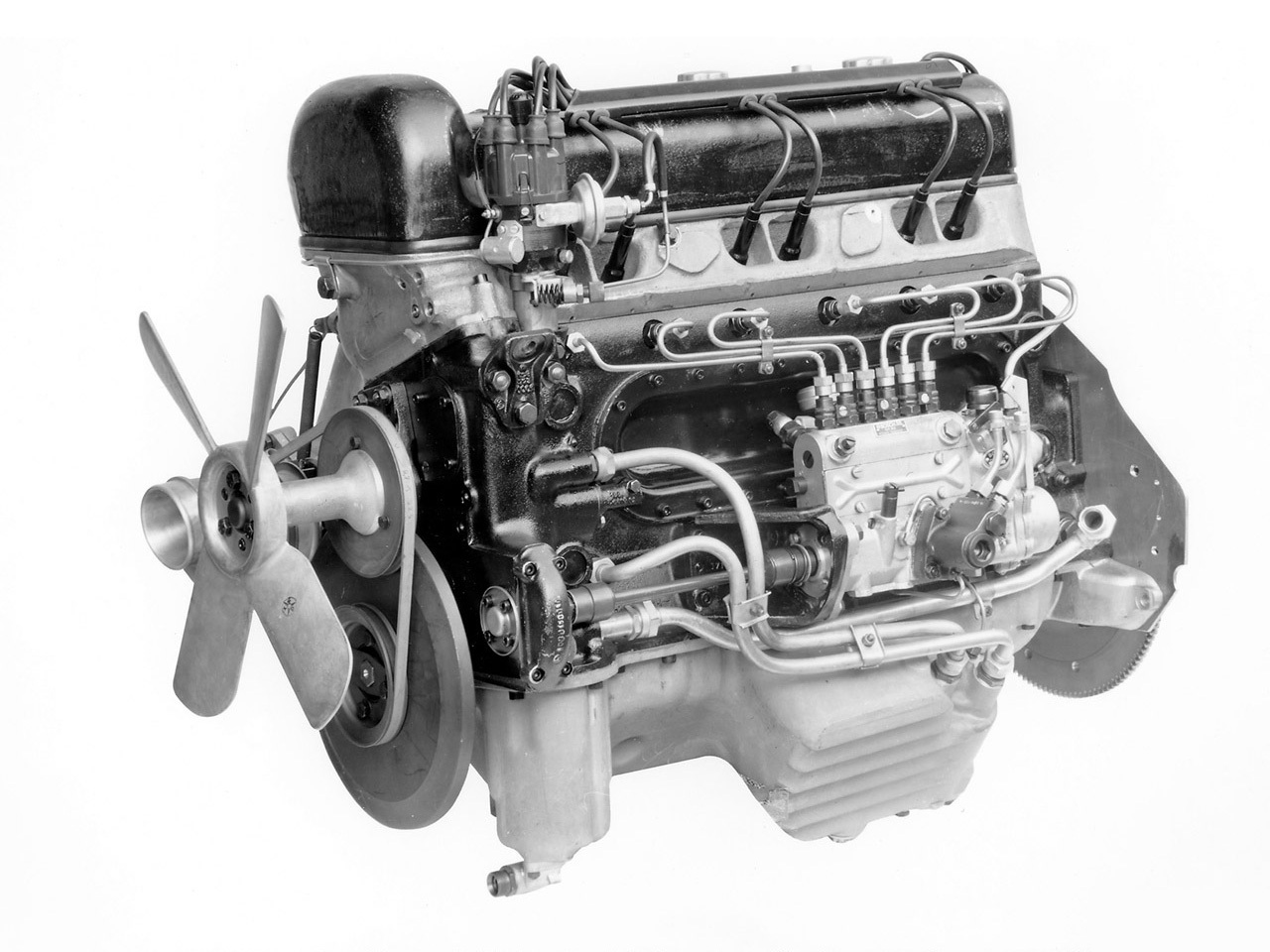
The Mercedes-Benz M198 arrived in the legendary 300SL Gullwing. It was the first production car with direct fuel injection. Mercedes borrowed the technology from Luftwaffe fighter planes.
That heritage gave the 300SL genuine performance credibility in 1954. Engineers tilted the engine 50 degrees to fit the low hood line. This unusual angle let designers achieve the Gullwing’s dramatically low profile.
Direct injection boosted output far beyond carbureted rivals of the day. The 300SL became the fastest production car at launch. Its top speed reached nearly 260 km/h depending on gearing.
That was extraordinary for a road car in the mid-1950s. The engine’s dry-sump lubrication prevented oil starvation during hard cornering. This was crucial given the car’s racing pedigree and clientele.
Wealthy enthusiasts and Hollywood stars queued up to buy one. Clark Gable and Sophia Loren were both early owners. The M198 proved that German engineering could rival Italian exotica. It remains one of the most collectible engines in automotive history today.
3. BMW M30
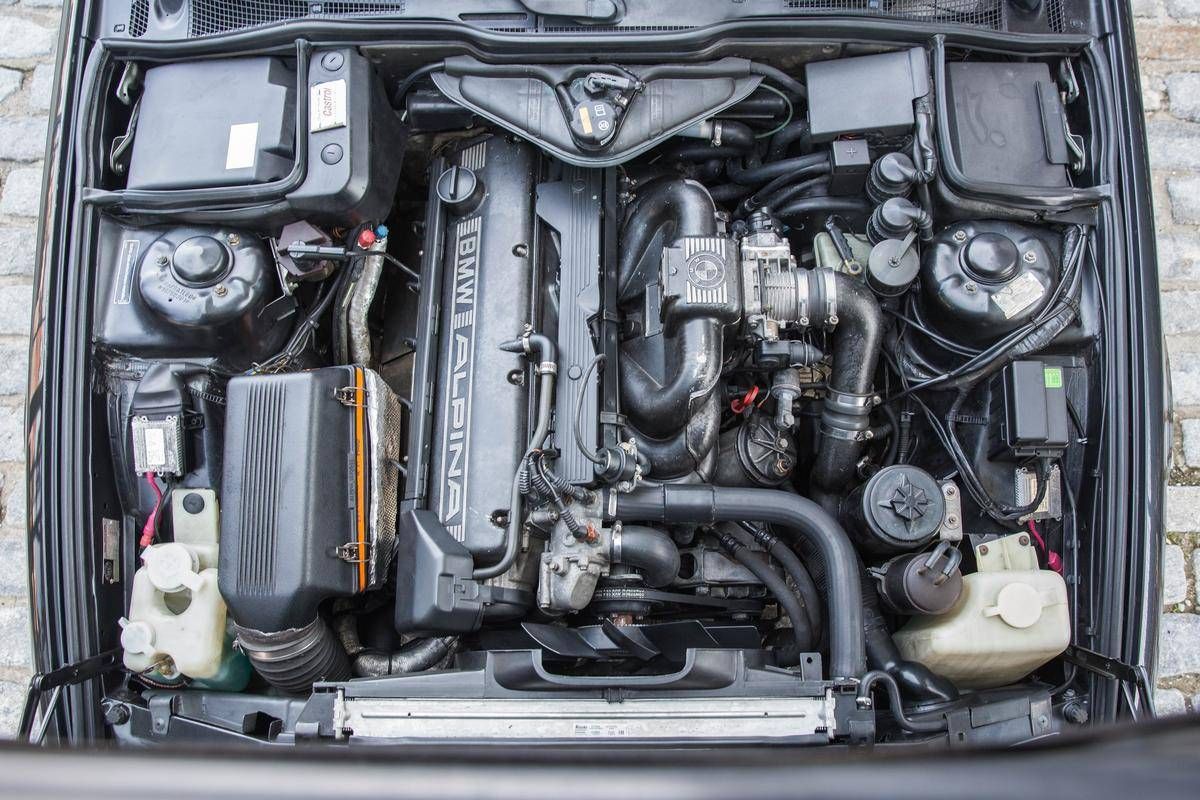
The BMW M30 debuted in 1968 and ran until 1994. Few engines have enjoyed a production run that long. It powered everything from the E3 sedan to the E34 M5.
That versatility speaks to its fundamentally sound engineering. The M30 used a single overhead camshaft rather than dual cams. BMW favored torque and durability over outright high-revving performance.
Its cast-iron block could handle enormous power increases from turbocharging. Tuners loved it for exactly that reason during the 1980s. The M30 also powered the legendary 635CSi and early 7 Series models.
These cars established BMW’s reputation for effortless autobahn cruising. Later versions grew to 3.5 liters with Bosch Motronic engine management. That combination gave the M5 supercar-slaying performance in a practical sedan. The engine’s reliability became almost mythical among BMW enthusiasts.
Many M30 units have exceeded 300,000 miles with basic maintenance. It represents an era when BMW prioritized longevity alongside performance. That philosophy still echoes through BMW’s inline-six engines today.
4. Toyota 2JZ-GTE
The Toyota 2JZ-GTE arrived in 1991 inside the Mk4 Supra. It quickly became the most famous tuner engine in history. Its closed-deck cast-iron block was massively over-engineered from the factory.
Toyota built it strong enough to handle far more power than stock. Sequential twin turbochargers gave smooth power delivery across the rev range. One turbo spooled early while the second joined in around 4,000 rpm. The engine displaces 2,997cc with square bore and stroke dimensions of 86.0mm each.
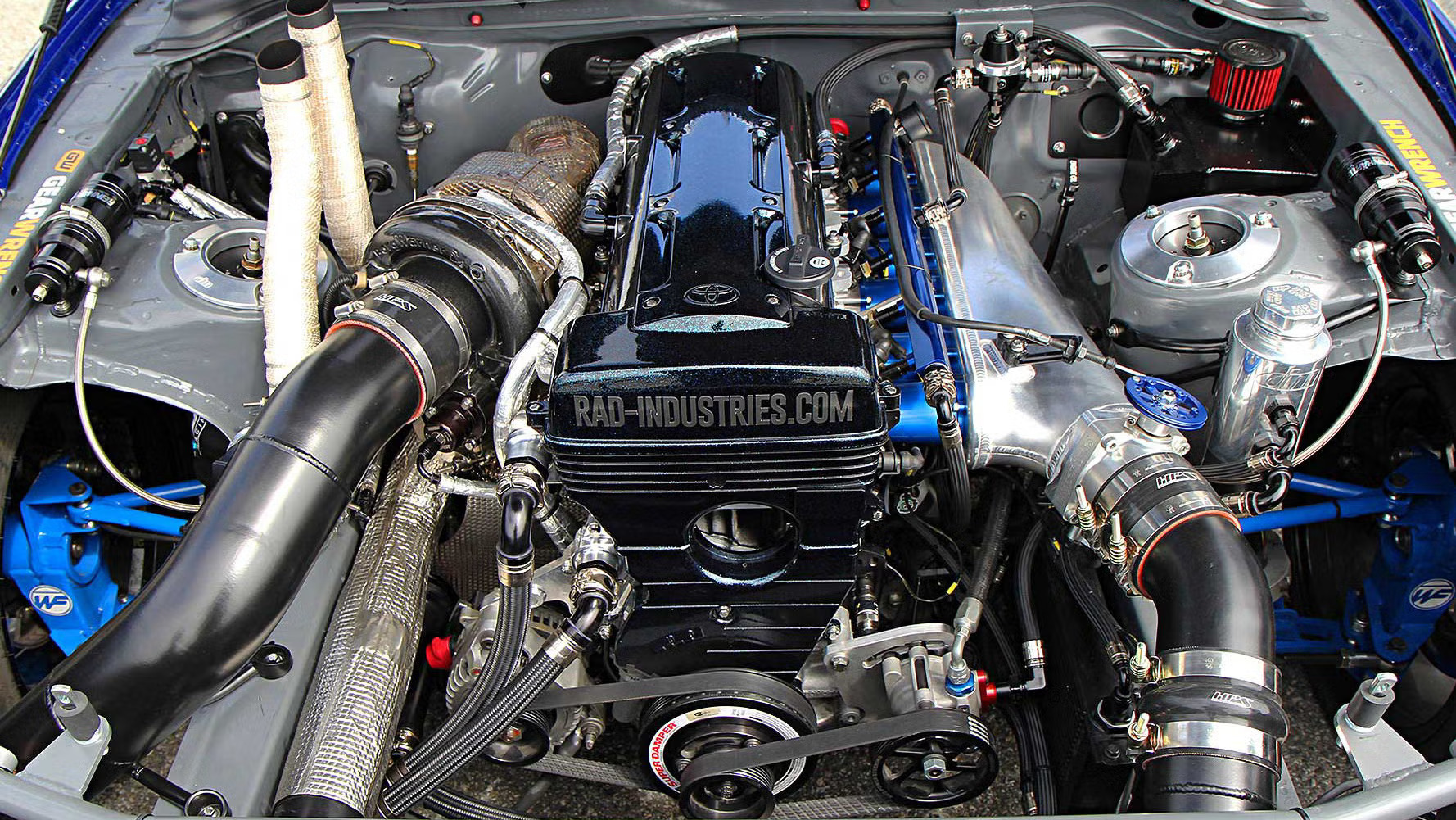
That balanced geometry helped it rev cleanly to its redline. Export models officially produced 320 horsepower and 315 lb-ft of torque. Real-world dyno testing often showed even higher output than advertised.
The 2JZ-GTE became a cultural icon after appearing in “The Fast and the Furious.” That exposure cemented its legendary status well beyond Japan’s tuning scene.
Stock internals have famously supported 600 to 700 horsepower reliably. Built versions have exceeded 1,000 horsepower on aftermarket turbo setups. Few engines in history have offered this much untapped potential from factory parts. That reputation still drives Supra prices upward decades after production ended.
Also Read: 8 New SUVs Frequently Stolen for Parts, Not Resale
5. Nissan RB26DETT
The Nissan RB26DETT was built exclusively for the Skyline GT-R. It never appeared in any other production vehicle. Nissan designed it to meet Group A racing homologation rules. That racing focus shaped nearly every engineering decision behind it. The engine used two ceramic Garrett ball-bearing turbochargers with a twin-scroll manifold.
Individual throttle bodies improved throttle response for track driving. Nissan’s Response Balance family started with the 2.0-liter RB20E in the mid-1980s.
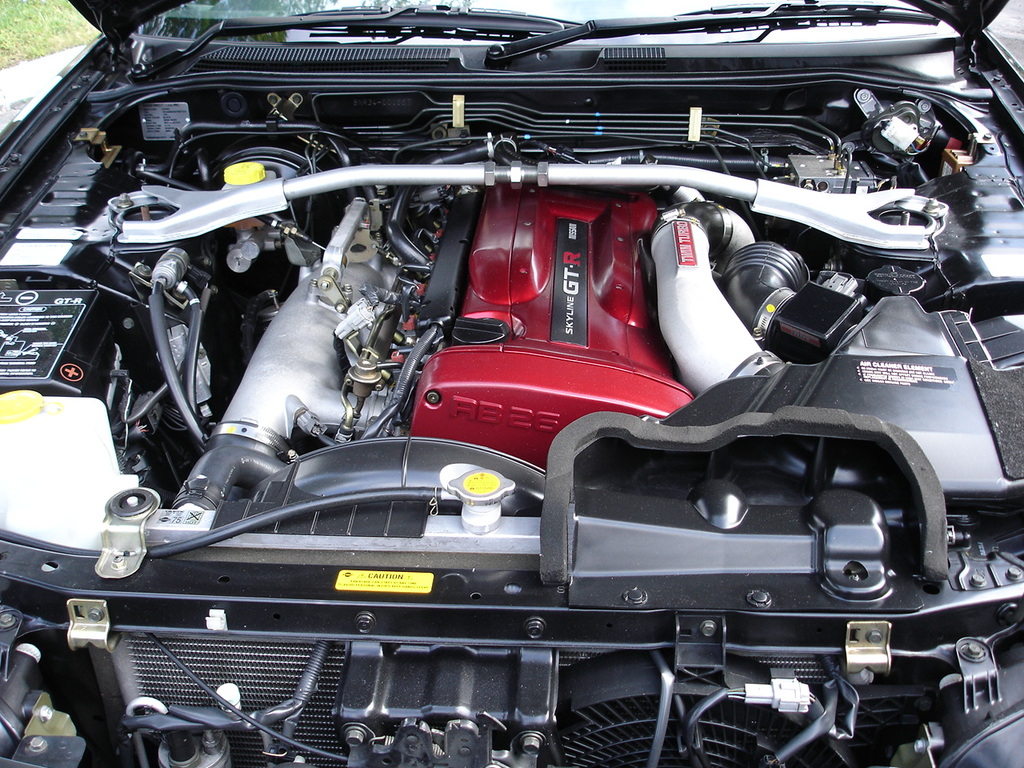
The RB26 represented the ultimate evolution of that engineering lineage. Officially, the R32 GT-R made a claimed 276 horsepower at 6,800 rpm and 260 lb-ft of torque. That figure honored Japan’s unofficial horsepower gentlemen’s agreement. Independent dyno tests of factory R34 engines showed 330 to 335 horsepower at the crank.
The real number was always higher than Nissan admitted publicly. The GT-R earned the nickname “Godzilla” for dominating touring car racing. It humiliated European rivals across Australia and Japan during the 1990s.
Stock blocks with supporting modifications regularly achieve 500 to 550 horsepower at the wheels. That tuning ceiling made the RB26 a cornerstone of JDM culture worldwide.
6. BMW S54
The BMW S54 powered the E46 M3, one of the great driver’s cars. It arrived in 2000 as a naturally aspirated screamer. Individual throttle bodies gave it razor-sharp throttle response.
Each cylinder breathed independently rather than sharing a single manifold. The S54 revved to 8,000 rpm with genuine mechanical urgency. That character made it feel closer to a race engine than a road unit.
BMW’s double-VANOS variable valve timing optimized both power and drivability. It smoothed the powerband without sacrificing top-end aggression.
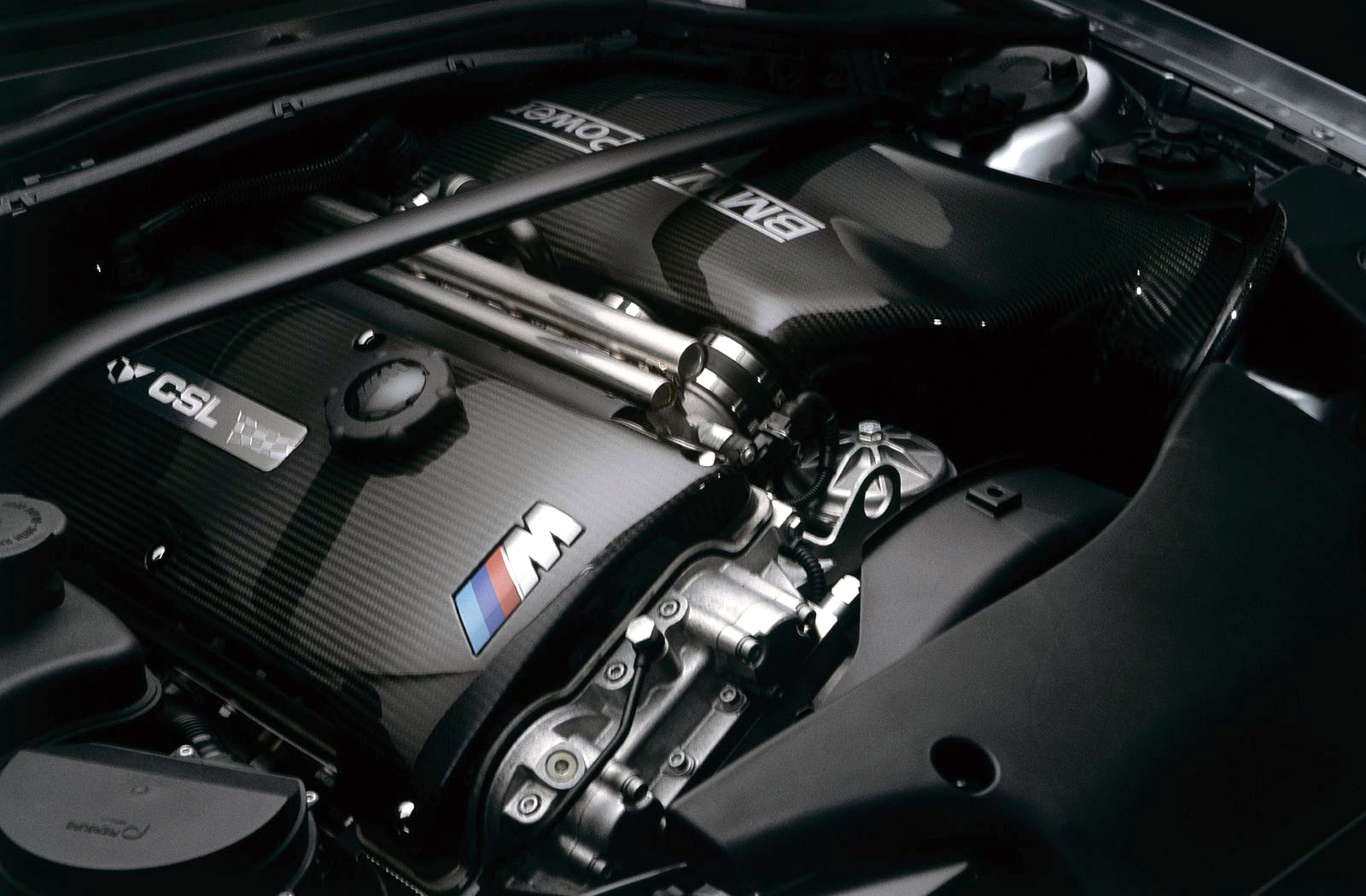
The engine produced 333 horsepower from just 3.2 liters of displacement. That specific output was remarkable for a naturally aspirated engine in 2000.
Enthusiasts still consider the E46 M3 a benchmark for steering feel. The S54’s soundtrack became as celebrated as its performance figures. Known weaknesses included rod bearing wear and vanos seal failures over time.
Proper maintenance largely mitigated these issues for careful owners. The S54 represented the peak of BMW’s naturally aspirated inline-six philosophy. Turbocharging would soon replace this approach across BMW’s entire lineup.
7. Chevrolet “Stovebolt Six”
Chevrolet introduced the Stovebolt Six in 1929. Its nickname came from the slotted bolt heads used on the valve covers. This engine helped Chevrolet outsell Ford for the first time. Affordable six-cylinder smoothness beat Ford’s rougher four-cylinder economy. The design used overhead valves rather than the flathead layout common then.
That gave better breathing and efficiency for its era. Later evolved into the famous 235 and 261 cubic-inch variants. These powered trucks, cars, and even early Corvettes through the 1950s.
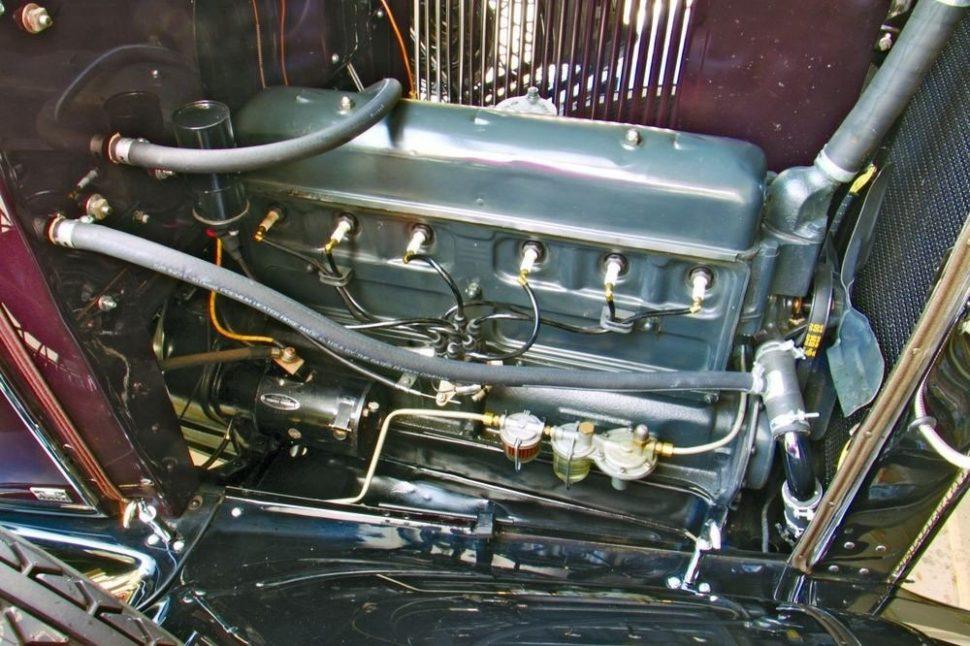
The engine became legendary for stump-pulling low-end torque. Farmers and truckers relied on it for decades of hard work. Its cast-iron simplicity meant it could be repaired almost anywhere.
Parts availability made it a favorite for postwar rebuilding and hot-rodding. The 235 version even used a novel “Thermostatic Spark Control” for smoother idling.
That was innovative engineering hidden inside a humble workhorse engine. Millions were built across three decades of continuous refinement. Few engines shaped American car culture as thoroughly as this one did.
8. Rolls-Royce Silver Ghost Inline-Six
The Rolls-Royce Silver Ghost, introduced in 1906, is arguably the most significant engine in the brand’s history, establishing the legendary “Best Car in the World” reputation.
At its heart sat a 7.0-liter (later expanded to 7.4-liter) inline-six that prioritized mechanical harmony above all else. During an era when early internal combustion engines were notoriously coarse, loud, and prone to violent vibration, the Silver Ghost was a revelation of refinement.
Its nickname was derived from its “ghost-like” silence and its uncanny ability to travel with almost zero discernible vibration. Rolls-Royce engineers achieved this through obsessive attention to detail, utilizing a side-valve configuration and exceptionally high manufacturing tolerances.
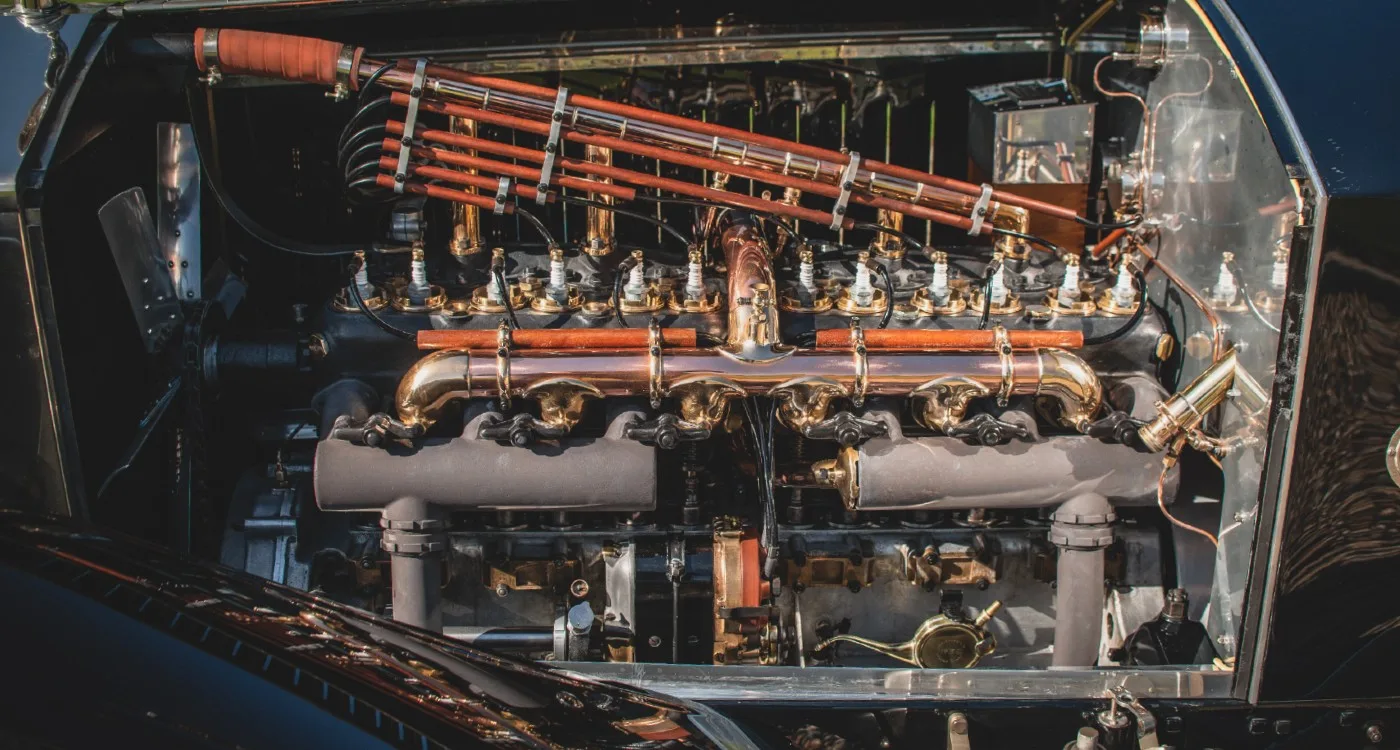
The engine’s smoothness was so profound that it became a marketing legend; advertisements famously claimed one could balance a coin on edge on the engine block while it was idling.
Beyond its luxury credentials, the engine was incredibly robust. Its reliability was so absolute that the British military utilized the Silver Ghost chassis and powerplant for its armored cars during World War I, where they performed under grueling conditions.
For two decades, this engine defined the pinnacle of automotive engineering, proving that an inline-six could offer an effortless, sophisticated driving experience that no other configuration could match.
9. Mercedes-Benz M256
The Mercedes-Benz M256 represents the modern inline-six renaissance. It launched in 2017 inside the W223 S-Class and other flagship models. This engine combines a turbocharger with a 48-volt electric starter-generator.
That hybrid system fills in turbo lag almost instantly under acceleration. The integrated starter-generator can add up to 21 horsepower temporarily. It also enables smooth engine stop-start and coasting with the engine off. Mercedes mounted the turbocharger directly onto the exhaust manifold.
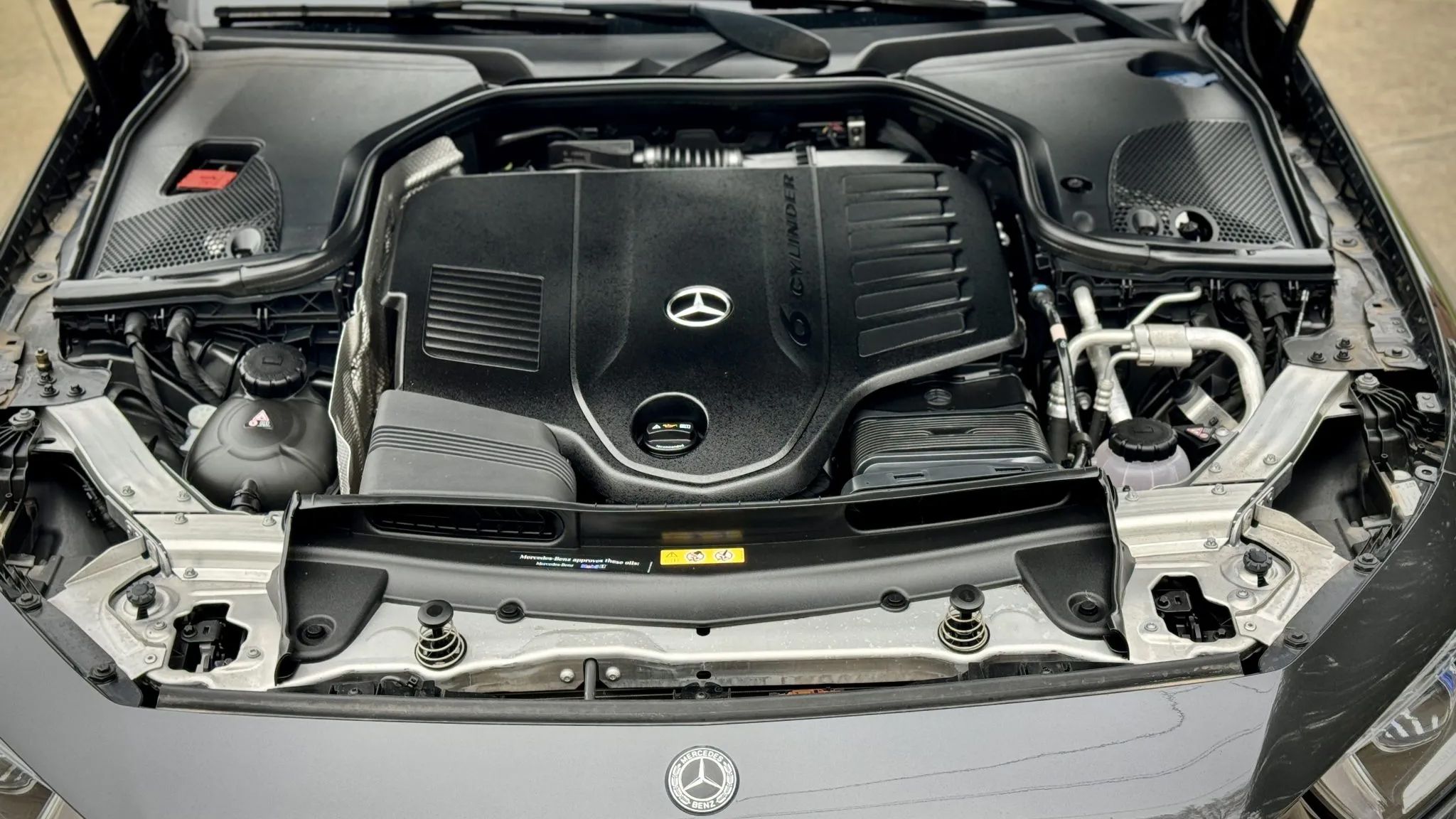
This “hot inside V” style layout reduces turbo lag significantly. The M256 replaced Mercedes’s long-serving V6 in many applications. Engineers found the inline-six offered better efficiency and smoother operation.
It proved that straight-six architecture still beats V6 layouts in key ways. Fewer moving parts and better balance remain enduring inline-six advantages.
The engine also supports 48-volt mild-hybrid functions across the lineup. That includes electric-only creeping at low speeds in traffic. Mercedes essentially revived the inline-six for the electrification era. Rivals like BMW have followed with their own modern turbocharged sixes.
10. Datsun/Nissan L28
The Datsun L28 powered the beloved 280Z and 280ZX sports cars. It represented the final and largest evolution of Nissan’s L-series engine family. Nissan grew the original L24 from 2.4 liters to 2.8 liters. That extra displacement gave the L28 stronger real-world torque. Fuel injection replaced carburetors on export models by the late 1970s.
This improved emissions compliance while maintaining reasonable performance figures. The engine used a cast-iron block with an aluminum cylinder head.
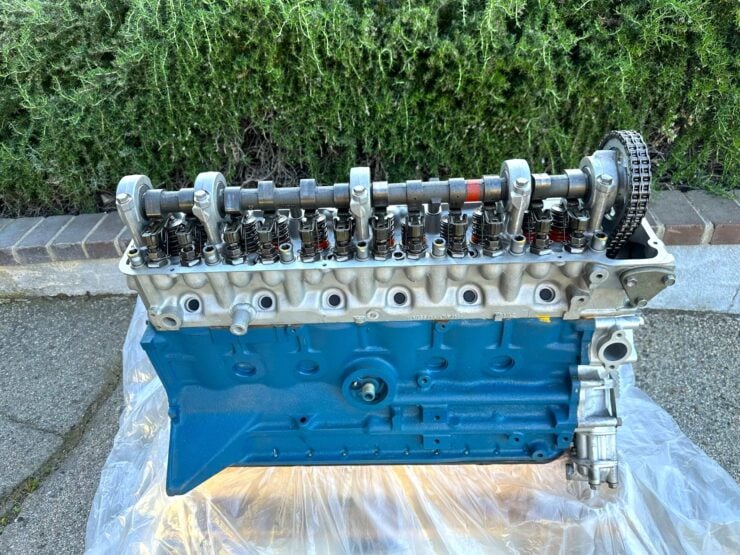
That combination balanced durability against manufacturing cost effectively. Datsun’s Z-car lineup became America’s best-selling sports car during the 1970s. The L28’s smooth power delivery suited relaxed American highway cruising perfectly. Its bulletproof reputation made it a favorite among budget racers for decades.
Many L28 blocks were later turbocharged for grassroots motorsport builds. The engine’s simple pushrod-free SOHC design kept maintenance costs low. Owners praised its longevity even under enthusiastic daily driving conditions. The L28 helped establish Japan’s reputation for dependable performance engineering. That reputation paved the way for later legends like the RB26 and 2JZ.
Also Read: 10 Everyday Cars Cheapest to Insure in 2026
