
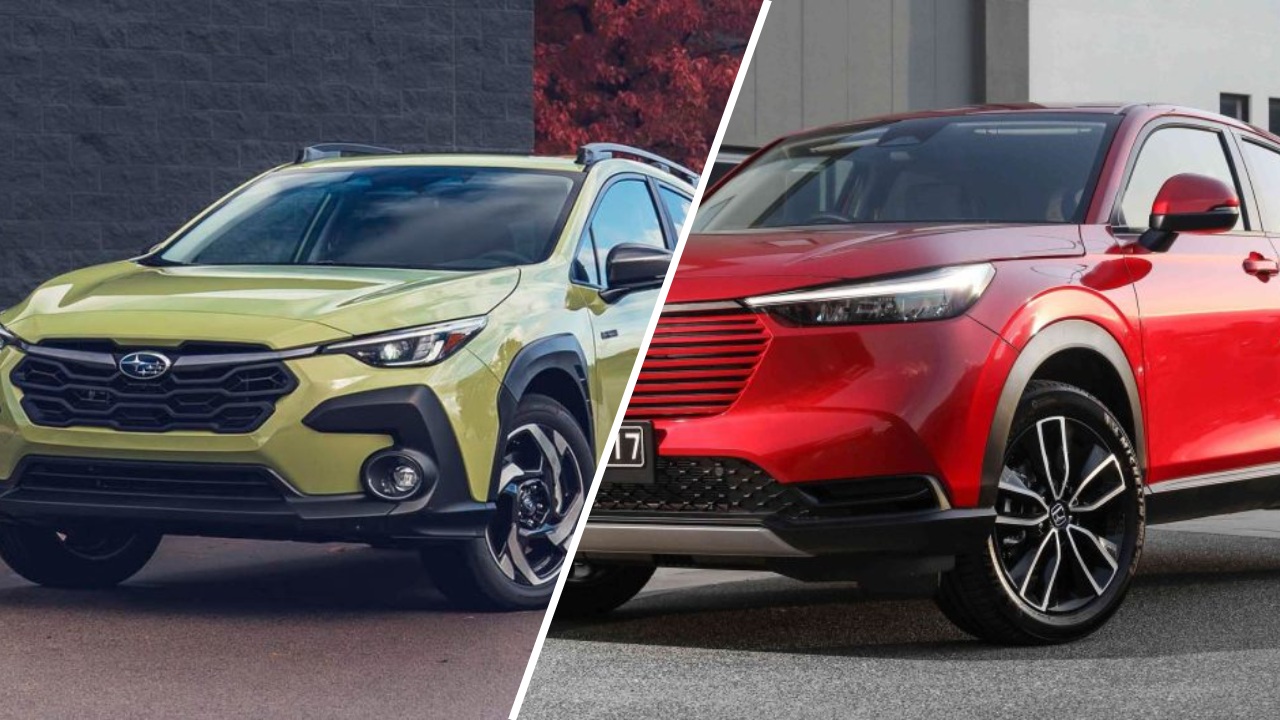
The Subaru Crosstrek and Honda HR-V are two of the most appealing choices in the subcompact SUV segment, but they target different kinds of buyers.
The Crosstrek emphasizes adventure with standard all-wheel drive, generous ground clearance, and light off-road capability, making it ideal for drivers who frequently encounter snow, gravel roads, or outdoor destinations.
The Honda HR-V, meanwhile, focuses on comfort, practicality, and refinement, borrowing many of its strengths from the Civic platform. Both SUVs offer excellent safety technology, solid fuel economy, and strong reliability reputations.
This comparison examines six important categories to determine which small SUV delivers the better value and the smarter long-term purchase.
Also Read: 10 SUVs That Changed the Automotive Industry Forever
1. Exterior Design and Road Presence
The Subaru Crosstrek and Honda HR-V may compete in the same class, but their styling reflects two completely different philosophies. Subaru has built the Crosstrek around an adventurous identity, while Honda has chosen a cleaner, more urban-focused appearance.
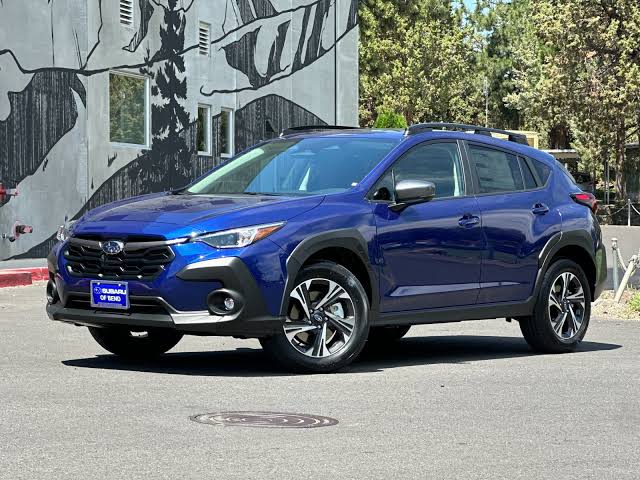
The Crosstrek immediately stands out thanks to its rugged stance. Standard roof rails on many trims, black body cladding around the wheel arches, raised suspension, and generous 8.7 inches of ground clearance give it the appearance of a genuine adventure vehicle instead of simply a lifted hatchback.
Subaru also offers the Wilderness trim, which adds all-terrain tires, unique bumpers, skid plates, copper-colored exterior accents, and improved approach and departure angles. These features are more than cosmetic, as they support the vehicle’s capability on rough trails and unpaved roads.
Honda takes a more sophisticated direction with the HR-V. Sharing much of its design language with the latest Civic, it features slim LED headlights, a wide grille, smooth body panels, and understated character lines.
The proportions are balanced, and the SUV looks more upscale than many competitors. Rather than attracting attention with aggressive styling, the HR-V projects maturity and elegance that many urban buyers appreciate.
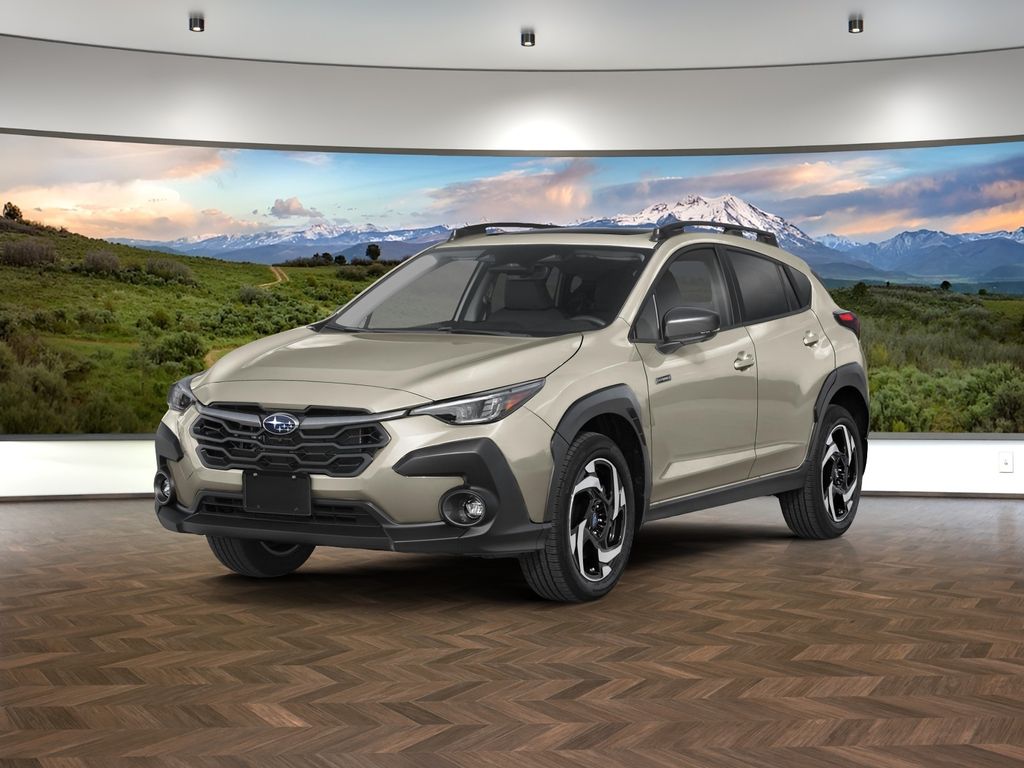
Build quality is impressive in both models. Panel fitment, paint quality, and exterior materials meet the high standards expected from Japanese manufacturers. Honda’s cleaner styling may age gracefully over the years, while Subaru’s rugged appearance remains appealing to buyers with active lifestyles.
If appearance alone determined the winner, the decision would depend largely on personal preference. However, the Crosstrek’s styling directly reflects its additional capability, making it more than just a design exercise. It looks ready for outdoor adventures because it genuinely is.
Winner: Subaru Crosstrek
Why It Wins: Rugged styling is backed by real capability, giving the Crosstrek stronger road presence and a more distinctive personality.
2. Interior Comfort, Passenger Space, and Cabin Quality
Both Subaru and Honda have significantly improved interior quality over the past decade, but they prioritize different aspects of cabin design.
The Honda HR-V immediately impresses with a cabin inspired by the Civic, one of the most highly regarded interiors in its class. The dashboard features a clean horizontal layout with an attractive honeycomb air vent design, physical climate controls, and intuitive switchgear.
Materials feel soft where passengers regularly make contact, and the full build quality is excellent. The cabin feels quiet at highway speeds, contributing to a more premium driving experience.
Passenger space is another HR-V strength. Front seats provide excellent support during long journeys, while rear-seat passengers benefit from generous legroom and ample headroom despite the SUV’s compact footprint.
Honda has also done an outstanding job maximizing visibility through large windows and relatively thin pillars, making the vehicle easy to maneuver in traffic and parking lots.
The Subaru Crosstrek adopts a more functional approach. The dashboard is dominated by a vertically oriented touchscreen on most trims, while controls remain logically positioned and easy to operate.
The materials are durable and well assembled, particularly on higher trims featuring leather upholstery and contrast stitching. Subaru’s seats are comfortable, and the upright seating position provides excellent outward visibility.
Although the Crosstrek’s rear seating is spacious enough for adults, it offers slightly less rear legroom than the HR-V. Cargo capacity is competitive, but Honda’s packaging makes the HR-V feel marginally roomier for passengers during daily use.
One area where Subaru deserves praise is durability. The Crosstrek’s cabin materials are designed to withstand muddy boots, outdoor equipment, pets, and frequent use without showing excessive wear. Buyers who regularly travel to campsites or hiking trails will appreciate this practical design philosophy.
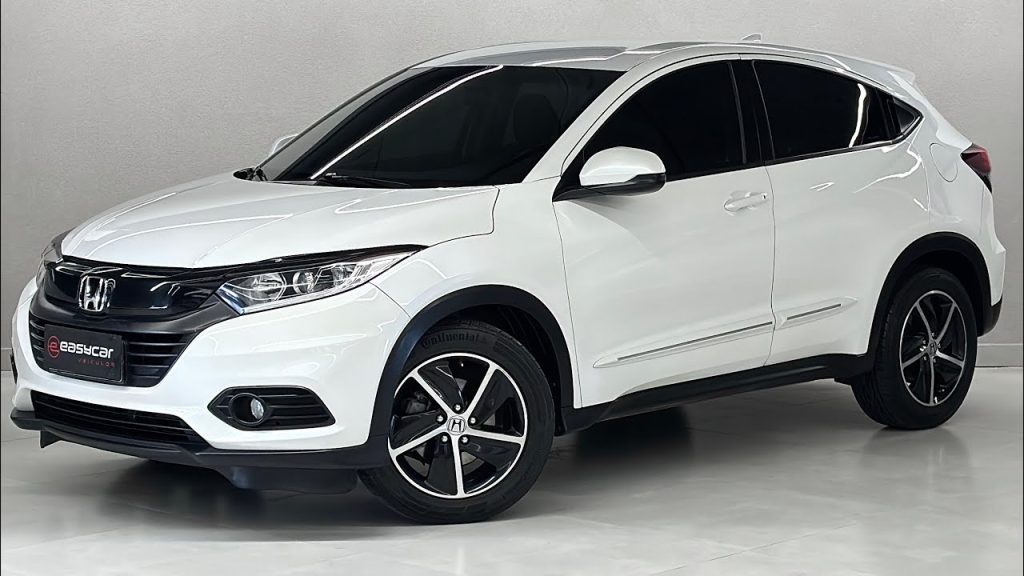
For families and commuters who spend most of their time on paved roads, however, the HR-V delivers a more refined and spacious interior that feels closer to a compact SUV than a subcompact model.
Winner: Honda HR-V
Why It Wins: Better passenger space, quieter cabin, and more premium interior design improve comfort during everyday driving.
3. Technology, Infotainment, and Safety Features
Technology has become one of the biggest deciding factors for modern SUV buyers, and both vehicles include comprehensive equipment designed to improve convenience and safety.
The Subaru Crosstrek offers either dual 7-inch displays on lower trims or an available 11.6-inch vertically oriented touchscreen on higher models.
Wireless Apple CarPlay and Android Auto, USB-C ports, wireless charging, and cloud-based navigation are available depending on trim. Subaru’s latest software is considerably faster and more intuitive than previous generations, with sharper graphics and quicker response times.
Every Crosstrek also includes Subaru EyeSight, one of the industry’s most respected driver-assistance systems.
Features include adaptive cruise control, lane centering, automatic emergency braking, lane departure warning, pre-collision throttle management, and lane departure prevention. The system performs smoothly on highways and reduces fatigue during long trips.
Honda counters with an equally user-friendly infotainment system. While its touchscreen is smaller than Subaru’s largest display, the interface is extremely responsive and easy to understand.
Wireless Apple CarPlay and Android Auto are available on upper trims, while physical volume and climate controls make daily operation simpler than relying entirely on touch-sensitive controls.
Honda Sensing includes adaptive cruise control, lane-keeping assistance, collision mitigation braking, road departure mitigation, traffic sign recognition, and automatic high beams. The suite operates seamlessly and consistently earns praise for its unobtrusive intervention.
Where Subaru gains an advantage is presentation. The large portrait-style touchscreen gives the Crosstrek a more modern appearance, while EyeSight remains among the most refined safety systems available. The larger display also allows navigation, audio, and vehicle settings to be viewed more comfortably.
Both SUVs receive strong safety ratings and include comprehensive standard driver-assistance technologies, making either an excellent choice for families.
Winner: Subaru Crosstrek
Why It Wins: A larger infotainment display and an excellent EyeSight safety suite provide a richer technology experience.
4. Performance, Ride Quality, and Capability
Performance is where these SUVs begin to separate themselves most clearly. Every Subaru Crosstrek comes standard with Symmetrical All-Wheel Drive, a feature that distinguishes it from many competitors.
Buyers can choose between a 2.0-liter boxer engine or a stronger 2.5-liter boxer four-cylinder depending on trim. The larger engine delivers noticeably better acceleration, especially during highway merging and passing.
Ground clearance measures an impressive 8.7 inches, one of the highest figures in the segment. Combined with X-MODE traction management and hill descent control, the Crosstrek confidently handles muddy trails, gravel roads, deep snow, and uneven terrain.
The Wilderness trim goes even further with revised gearing and off-road-focused suspension tuning.
Despite these capabilities, the Crosstrek remains comfortable during everyday commuting. The suspension absorbs potholes well, steering feels predictable, and the vehicle inspires confidence during poor weather conditions.
The Honda HR-V emphasizes refinement rather than ruggedness. Its naturally aspirated 2.0-liter engine delivers adequate performance for city driving, though acceleration is modest when fully loaded or climbing steep grades. Steering is light and accurate, making the HR-V exceptionally easy to maneuver through urban traffic.
Ride quality is one of Honda’s greatest strengths. The suspension feels composed over rough pavement, while cabin noise remains impressively low for the class. The HR-V also benefits from excellent chassis tuning inherited from the Civic platform, providing stable handling without sacrificing comfort.
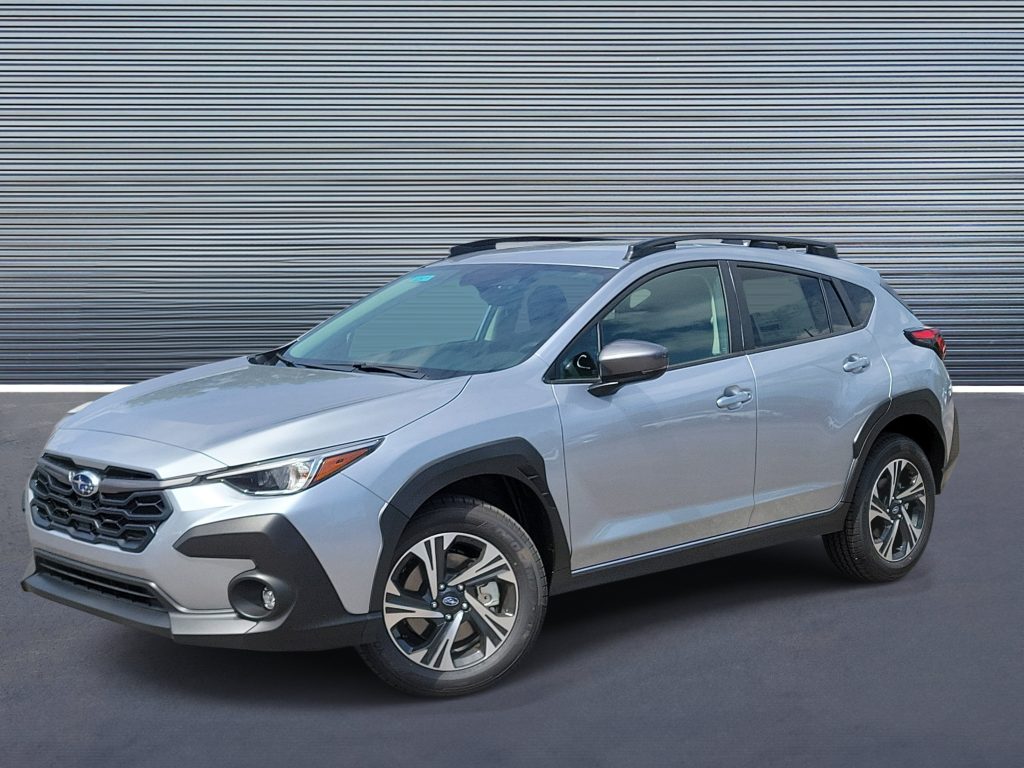
However, buyers living in regions with harsh winters or frequently traveling beyond paved roads will immediately appreciate Subaru’s standard all-wheel drive and additional ground clearance. These are meaningful advantages rather than marketing features.
For drivers seeking maximum versatility, the Crosstrek simply offers more capability without giving up everyday comfort.
Winner: Subaru Crosstrek
Why It Wins: Standard all-wheel drive and exceptional ground clearance deliver superior capability in every season.
5. Cargo Space, Practicality, and Everyday Usability
Small SUVs succeed when they maximize usable interior space, and both manufacturers have approached practicality differently.
The Honda HR-V excels in everyday usability. Cargo space is among the best in the subcompact SUV segment, and the low cargo floor makes loading groceries, luggage, strollers, and household supplies much easier. The rear hatch opens wide, while the split-folding rear seats expand the cargo area significantly for larger items.
Passenger access is another Honda advantage. Wide-opening rear doors simplify installing child seats, and rear passengers enjoy generous legroom for the segment. Storage throughout the cabin is intelligently arranged, with numerous compartments for phones, water bottles, and personal belongings.
The Subaru Crosstrek also offers a practical interior, though its slightly smaller cargo area reflects its emphasis on off-road capability. The higher ride height requires lifting cargo a bit higher into the vehicle, but roof rails on many trims increase carrying flexibility for bikes, kayaks, and roof-mounted cargo boxes.
Owners who regularly participate in outdoor activities will appreciate the Crosstrek’s rugged utility. Muddy hiking boots, camping equipment, fishing gear, and bicycles are handled with ease thanks to durable interior materials and thoughtful storage solutions.
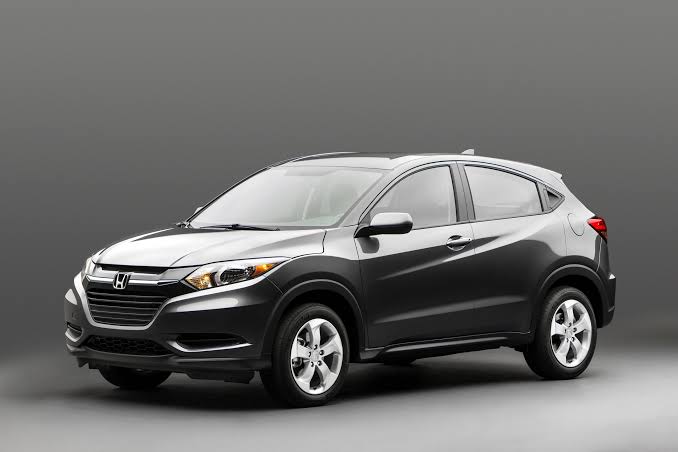
Honda’s packaging efficiency gives it a slight edge for families whose daily routine consists primarily of commuting, shopping, school runs, and weekend travel. The additional cargo space and passenger room make the HR-V feel larger than its dimensions suggest.
Subaru remains extremely versatile, but Honda’s superior interior packaging better serves the needs of the average buyer.
Winner: Honda HR-V
Why It Wins: Larger cargo area and better passenger packaging make the HR-V more practical for daily family use.
6. Reliability, Ownership Costs, and Long-Term Value
Long-term ownership often determines whether a vehicle truly represents good value, and both SUVs perform exceptionally well in this category.
The Subaru Crosstrek has earned an outstanding reputation for durability. Many owners routinely exceed 200,000 miles with regular maintenance, and Subaru’s all-wheel-drive system has proven dependable across multiple generations.
Routine servicing remains affordable, and resale values are consistently among the strongest in the subcompact SUV segment. Buyers in northern climates particularly appreciate the standard all-wheel-drive system because they do not need to pay extra for enhanced winter capability.
The Honda HR-V also enjoys an excellent reliability record. Honda’s engineering consistency has produced vehicles known for dependable operation, reasonable maintenance costs, and excellent resale value. Replacement parts are widely available, and Honda’s nationwide dealer network makes servicing convenient regardless of location.
Fuel economy is competitive for both models, although front-wheel-drive HR-V models generally have a slight advantage over the all-wheel-drive Crosstrek in everyday driving. Insurance costs are also similar, making either vehicle relatively affordable to own.
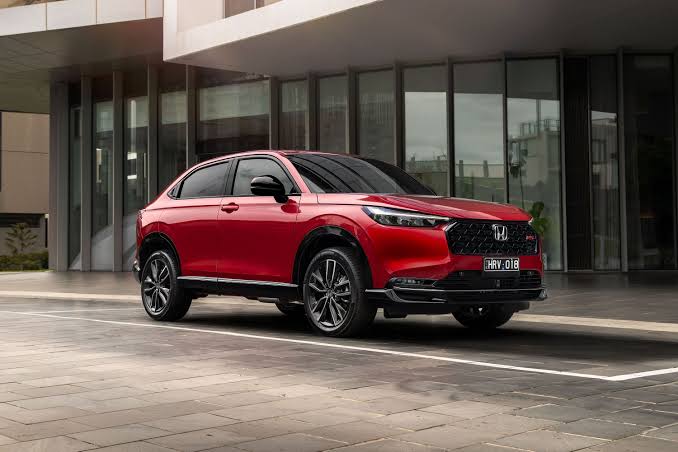
Resale value is another important consideration. Honda vehicles have historically retained value exceptionally well, and the HR-V continues that trend thanks to strong consumer demand and a reputation for long-term dependability. Subaru also performs strongly in resale, particularly in regions where all-wheel drive is highly valued.
Ultimately, the decision depends on buyer priorities. Those needing year-round capability may find Subaru’s standard all-wheel drive worth the slightly higher operating costs. Buyers focused primarily on commuting, urban driving, and minimizing ownership expenses will likely benefit more from Honda’s efficiency and long-term reliability record.
Winner: Honda HR-V
Why It Wins: Outstanding reliability, strong resale value, and lower long-term ownership costs make it the smarter financial investment.
Comparison Scorecard
| Category | Winner | The Edge |
|---|---|---|
| Exterior Design and Road Presence | Subaru Crosstrek | Rugged styling reflects genuine adventure capability. |
| Interior Comfort, Passenger Space, and Cabin Quality | Honda HR-V | More refined cabin with greater passenger comfort. |
| Technology, Infotainment, and Safety Features | Subaru Crosstrek | Larger touchscreen and outstanding EyeSight safety system. |
| Performance, Ride Quality, and Capability | Subaru Crosstrek | Standard all-wheel drive and excellent off-road versatility. |
| Cargo Space, Practicality, and Everyday Usability | Honda HR-V | Better interior packaging and more usable cargo space. |
| Reliability, Ownership Costs, and Long-Term Value | Honda HR-V | Lower ownership costs and consistently excellent resale value. |
Also Read: 10 Cars With Hidden Messages Molded Into the Plastic
