
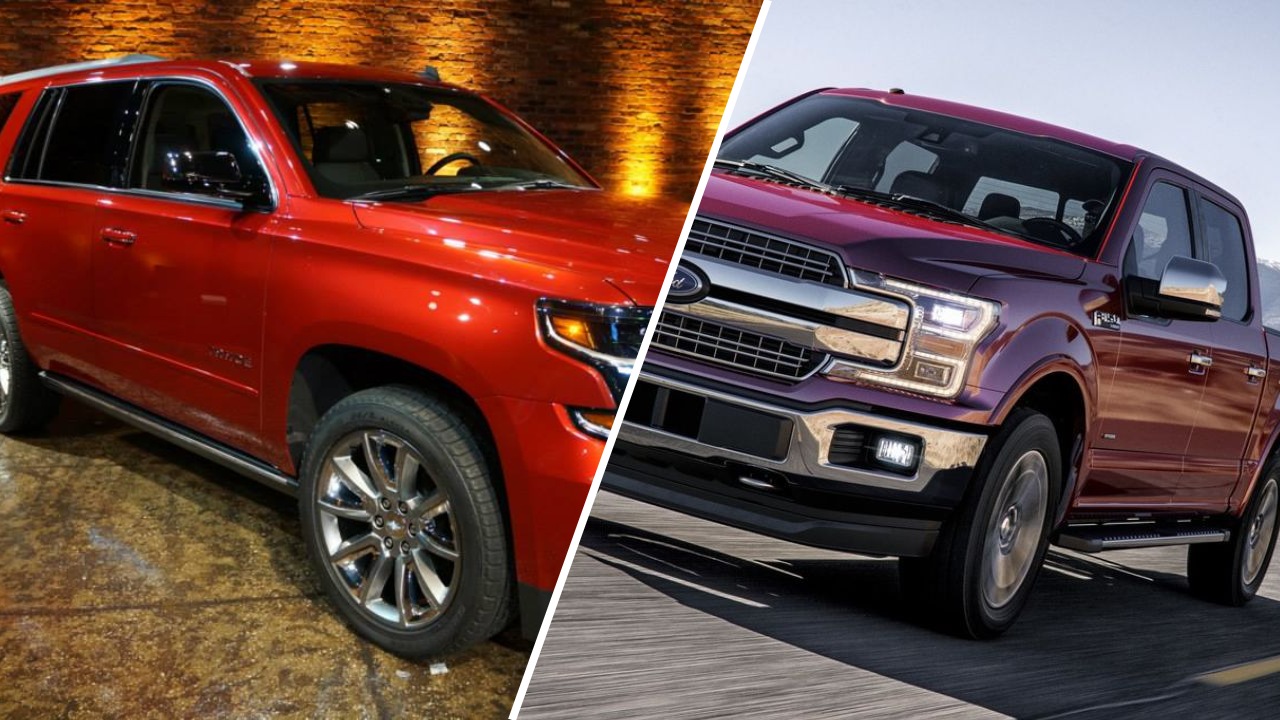
Buying the newest generation of a vehicle is not always the smartest financial decision. In many cases, the outgoing generation offers nearly the same practicality, comfort, safety, and performance while costing thousands of dollars less on the used market.
Some previous-generation models have also established stronger reliability records because their mechanical issues are well documented and many early production problems have already been addressed.
Based on U.S. used vehicle pricing trends, long-term reliability data, owner satisfaction, and maintenance costs, these vehicles represent cases where the previous generation is often the better value for used-car buyers seeking dependable transportation.
Also Read: 10 Cars That Reduce Blind Spots and Boost Driver Confidence
1. Toyota Tundra (Second Generation, 2007 to 2021)
When Toyota introduced the third-generation Tundra for the 2022 model year, it brought significant changes, including a twin-turbocharged V6 engine, an available hybrid powertrain, and a completely redesigned interior.
While the newer truck delivers better fuel economy, more technology, and higher towing ratings, many used-truck shoppers continue to favor the outgoing second-generation model because of its long-established reputation for durability.
The 5.7-liter i-Force V8 used in the previous-generation Tundra has earned one of the strongest reliability records among full-size pickups in the United States.
Numerous examples have exceeded 200,000 miles with routine maintenance, and the naturally aspirated engine avoids the added complexity of turbochargers and hybrid components found in the newer truck.
Maintenance procedures are also familiar to independent repair shops, keeping ownership costs relatively predictable.
Another advantage is depreciation. The second-generation Tundra experienced most of its value loss before the redesigned model arrived, allowing buyers to purchase well-equipped CrewMax models for substantially less than similarly equipped third-generation trucks.
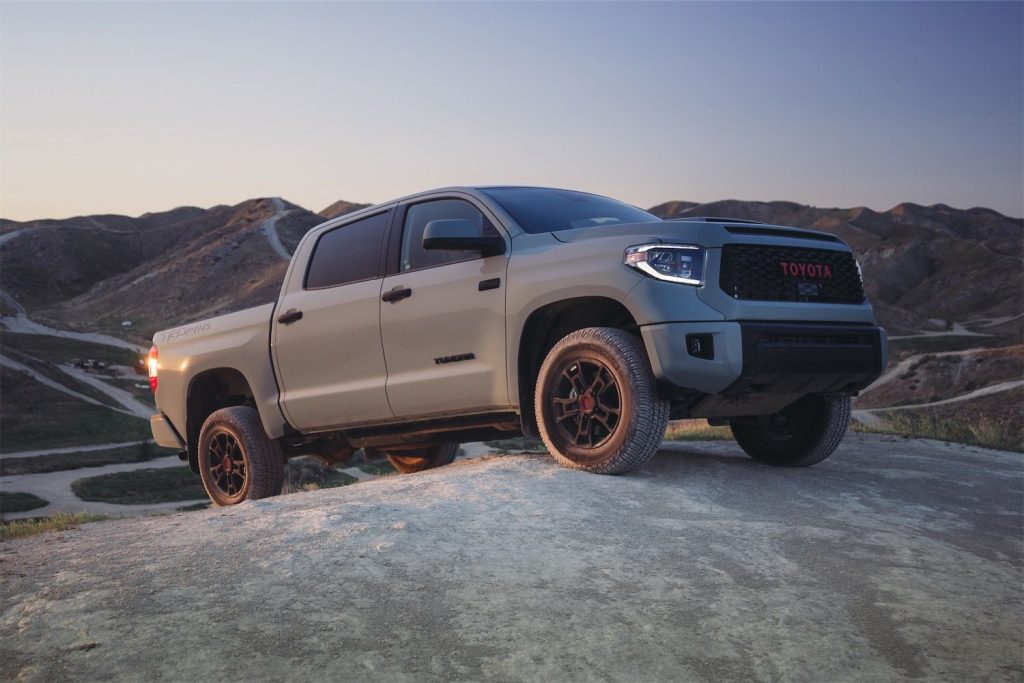
At the same time, owners still receive modern safety technology on later production years, including Toyota Safety Sense P, adaptive cruise control, lane departure alert, and automatic emergency braking.
Although the newest Tundra offers improved cabin refinement, the previous generation remains an excellent choice for buyers prioritizing proven mechanical reliability over the latest technology. For many used-truck shoppers, it represents the better long-term value.
Specifications
- Engine: 5.7-liter i-Force V8
- Torque: 401 lb-ft
- Horsepower: 381 hp
- Length/Width: 228.9 inches / 79.9 inches
2. Honda Pilot (Third Generation, 2016 to 2022)
Honda redesigned the Pilot for the 2023 model year with a more rugged appearance, an upgraded interior, and improved off-road capability in the TrailSport trim.
Even so, the third-generation Pilot continues to stand out as one of the strongest values in the used three-row SUV segment because it combines dependable mechanical components with lower purchase prices.
Every third-generation Pilot sold in the United States uses Honda’s naturally aspirated 3.5-liter V6 engine, an engine with a lengthy service history across several Honda and Acura products. Later model years also benefited from updates to the nine-speed automatic transmission, addressing many concerns associated with earlier production vehicles.
Buyers can often find well-maintained 2020 through 2022 models equipped with advanced driver assistance features for considerably less than a comparable fourth-generation Pilot.
Interior space remains another strength. The third-generation model provides generous seating for up to eight passengers, a large cargo area, and family-friendly features that remain competitive with many current midsize SUVs.
Honda Sensing became standard across the lineup, giving buyers adaptive cruise control, lane keeping assist, forward collision mitigation, and road departure mitigation without requiring a top trim.
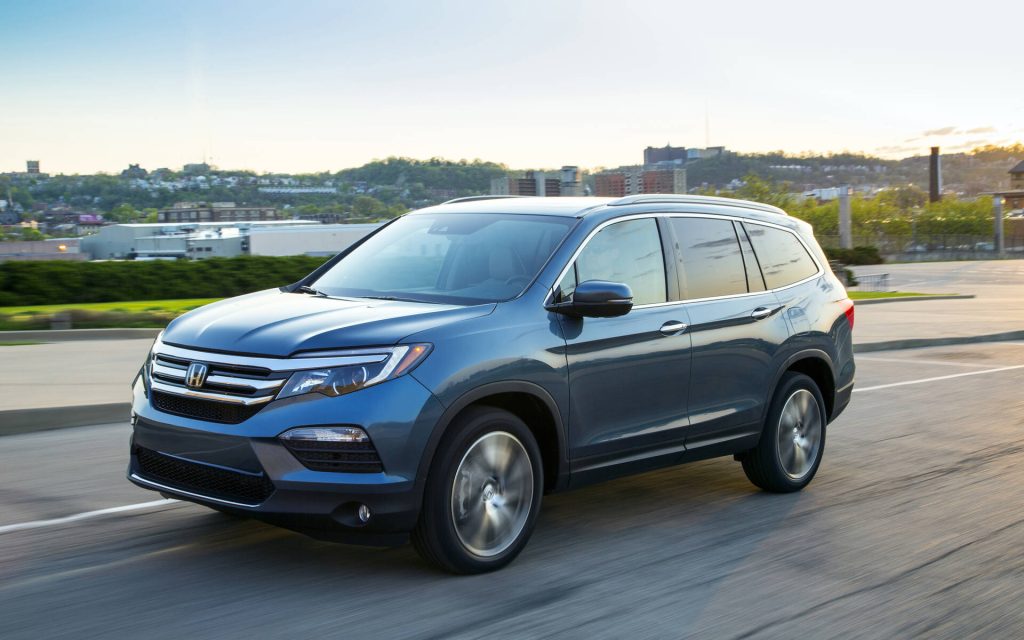
For families shopping within a fixed budget, the previous-generation Pilot delivers nearly all the functionality of the latest model while avoiding the higher purchase price associated with a recent redesign. That combination makes it one of the smartest used SUV values available in today’s U.S. market.
Specifications
- Engine: 3.5-liter V6
- Torque: 262 lb-ft
- Horsepower: 280 hp
- Length/Width: 196.5 inches / 78.6 inches
3. Ford F-150 (Thirteenth Generation, 2015 to 2020)
Few vehicles demonstrate the value of buying the outgoing generation better than the thirteenth-generation Ford F-150. Introduced for 2015, it was the first full-size pickup to use a military-grade aluminum-alloy body, significantly reducing weight while maintaining the truck’s towing and payload capability.
By the end of its production run in 2020, Ford had refined the platform through multiple updates, making later model years particularly attractive on the used market.
The fourteenth-generation F-150 added more advanced technology, an available PowerBoost hybrid, and updated styling. While those improvements are meaningful, they also resulted in noticeably higher used prices.
Buyers who choose a 2018 through 2020 F-150 often receive many of the features they want, including Ford Co-Pilot360 safety technologies, SYNC 3 infotainment, Apple CarPlay, Android Auto, and a broad selection of proven EcoBoost and V8 engines, while spending substantially less.
Another reason the previous generation remains appealing is the abundance of available parts and repair knowledge. Millions of examples were sold in the United States, making replacement components widely available through dealerships and aftermarket suppliers.
Independent repair shops are also very familiar with the platform, helping keep maintenance costs competitive.
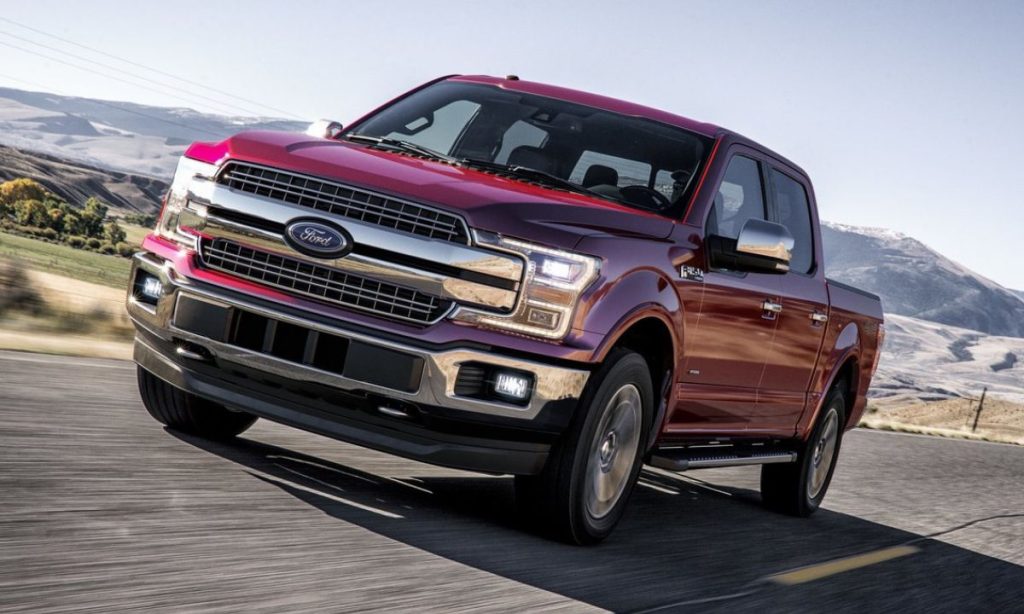
Late-production examples benefited from years of engineering refinements that addressed many early production concerns. As a result, buyers can often find well-maintained trucks with comprehensive service histories and predictable ownership costs.
For drivers who need a capable work truck or family vehicle, the thirteenth-generation F-150 delivers an excellent balance of performance, equipment, and value without paying the premium associated with the newest generation.
Specifications
- Engine: 5.0-liter V8
- Torque: 400 lb-ft
- Horsepower: 395 hp
- Length/Width: 231.9 inches / 79.9 inches
4. Lexus RX (Fourth Generation, 2016 to 2022)
Luxury SUVs often experience steep depreciation after a redesign, making the outgoing generation an attractive option for used buyers. The fourth-generation Lexus RX is an excellent example.
Although the fifth-generation model introduced a turbocharged four-cylinder engine, a modern infotainment system, and fresh styling for 2023, many shoppers continue to favor the previous RX because of its proven reliability and refined naturally aspirated V6.
The RX 350’s 3.5-liter V6 has earned an excellent reputation for durability through years of service across multiple Toyota and Lexus vehicles. Without turbochargers or complex electrified systems on the standard gasoline model, maintenance remains relatively straightforward.
Owners also benefit from Lexus’ consistently strong reliability ratings in long-term ownership studies conducted by organizations such as J.D. Power and Consumer Reports.
Inside the cabin, the fourth-generation RX still feels modern. Higher trims include premium leather upholstery, ventilated front seats, panoramic cameras, Mark Levinson audio, and Lexus Safety System+ with adaptive cruise control, lane departure alert, and automatic emergency braking. These features remain competitive despite the arrival of a newer generation.
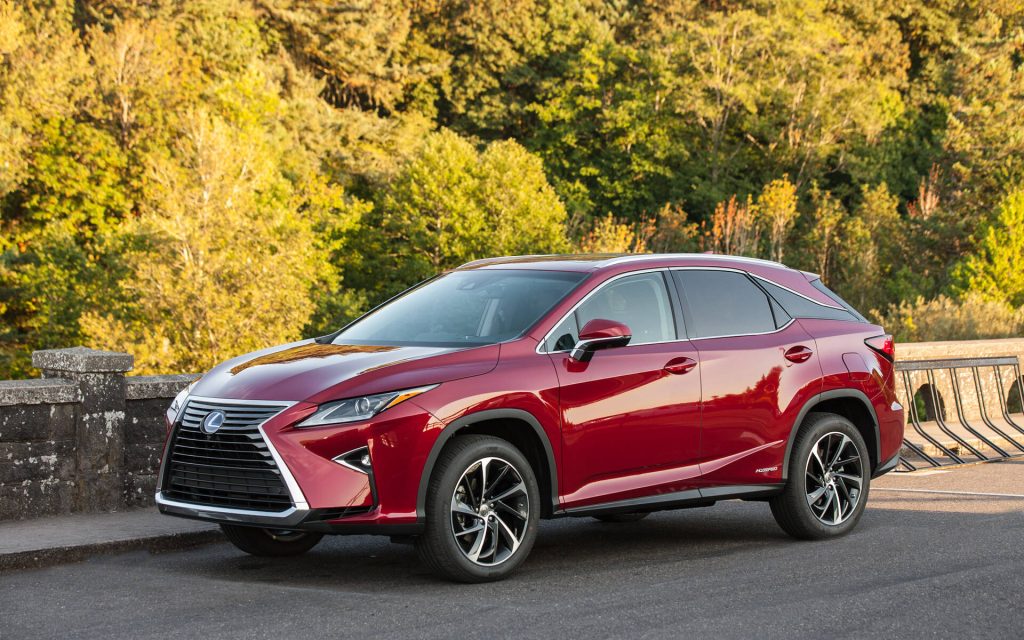
Depreciation also works in the buyer’s favor. A well-maintained 2021 or 2022 RX often costs considerably less than a similarly equipped fifth-generation model while delivering nearly identical comfort, ride quality, and resale strength.
For shoppers who prioritize long-term dependability over having the latest dashboard design, the previous-generation RX remains one of the smartest luxury SUV purchases in the U.S. used market.
Specifications
- Engine: 3.5-liter V6
- Torque: 268 lb-ft
- Horsepower: 295 hp
- Length/Width: 192.5 inches / 74.6 inches
5. Chevrolet Tahoe (Fourth Generation, 2015 to 2020)
The fifth-generation Chevrolet Tahoe arrived for 2021 with a fully independent rear suspension, a redesigned cabin, and more interior space. While those upgrades significantly improved ride quality and third-row comfort, they also pushed transaction prices much higher.
For many used SUV shoppers, the outgoing fourth-generation Tahoe represents the stronger value because it combines proven V8 powertrains with lower ownership costs.
One of the biggest advantages is mechanical familiarity. The 5.3-liter EcoTec3 V8 powering most fourth-generation Tahoes had been refined through years of production and was widely used across General Motors’ truck lineup.
Independent repair shops are well acquainted with the engine, replacement parts are easy to source, and maintenance procedures are straightforward compared with newer models that incorporate additional electronic features.
Late-production models also benefited from years of continuous improvements. Buyers can often find 2018 through 2020 Tahoes equipped with forward collision alert, lane keep assist, Apple CarPlay, Android Auto, heated seats, and premium audio systems without paying the premium associated with the redesigned models.
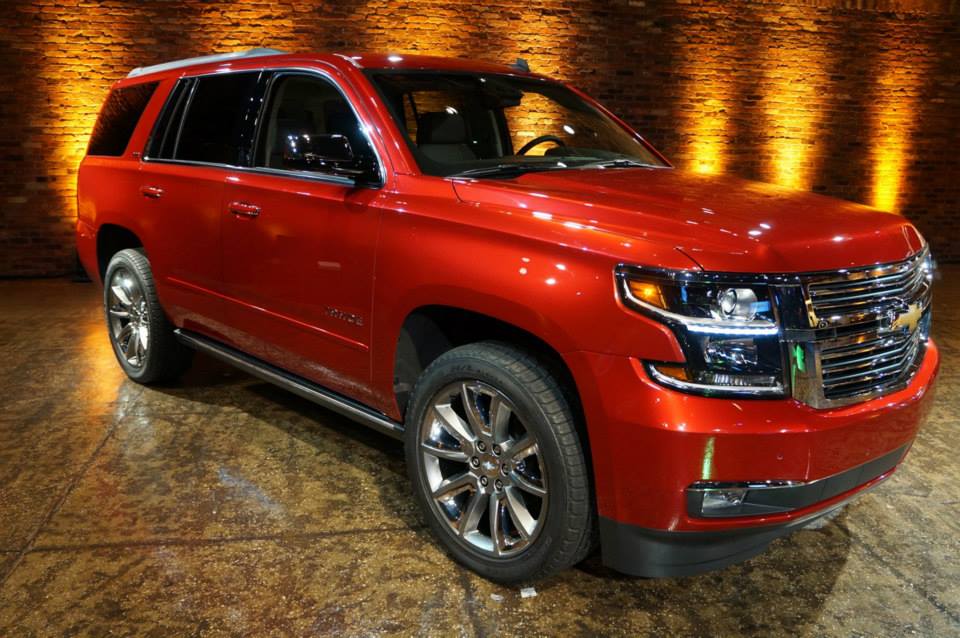
Depreciation further strengthens the case for the older generation. The introduction of the fifth-generation Tahoe caused values of well-maintained fourth-generation models to become more attractive while still offering excellent towing capability, generous cargo capacity, and seating for up to eight passengers.
Families needing a full-size SUV capable of towing boats, campers, or utility trailers may find that the previous-generation Tahoe delivers nearly all the capability they require while leaving considerably more room in the budget for maintenance, insurance, and fuel.
Specifications
- Engine: 5.3-liter EcoTec3 V8
- Torque: 383 lb-ft
- Horsepower: 355 hp
- Length/Width: 204.0 inches / 80.5 inches
6. Subaru Outback (Sixth Generation, 2020 to 2025)
The seventh-generation Subaru Outback introduces styling updates and additional technology, but for many buyers the sixth-generation model remains the smarter purchase on the used market.
Having already undergone several production updates since its launch, the outgoing generation offers a mature platform with well-understood maintenance requirements and significantly lower purchase prices.
Every sixth-generation Outback includes Subaru’s symmetrical all-wheel-drive system, making it a capable option for drivers facing snow, gravel roads, or light off-road conditions.
Buyers can choose between the naturally aspirated 2.5-liter Boxer engine or the more powerful turbocharged 2.4-liter Boxer, depending on their driving needs. By the later model years, Subaru had addressed several software and infotainment concerns reported on early production vehicles, improving owner satisfaction.
The cabin continues to compete well with newer crossovers. Large cargo space, comfortable seating, EyeSight driver assistance technology, adaptive cruise control, lane centering, and automatic emergency braking all come standard or are widely available.
Higher trims add premium materials, ventilated seats, and advanced navigation systems, allowing used buyers to access luxury features at a much lower cost.
The previous-generation Outback offers a stronger value proposition from a depreciation standpoint. As dealerships transition to the latest model, prices for the outgoing version have become more attractive while continuing to deliver resale values that compare favorably with many competing vehicles.
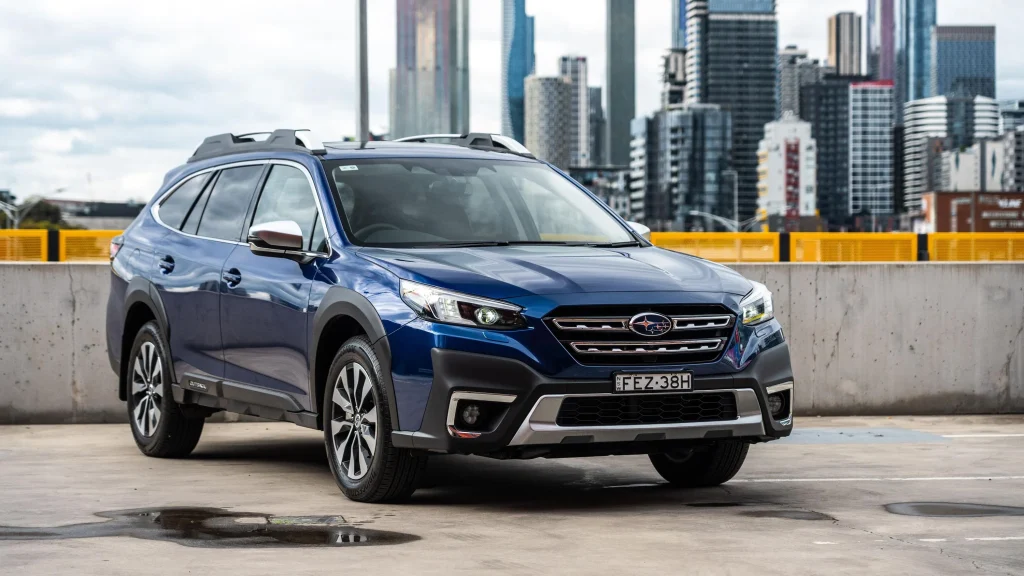
For buyers seeking dependable all-weather transportation without paying for the newest styling revisions, the sixth-generation Outback delivers an outstanding combination of practicality, safety, and long-term value.
Specifications
- Engine: 2.5-liter Boxer four-cylinder
- Torque: 176 lb-ft
- Horsepower: 182 hp
- Length/Width: 191.9 inches / 73.0 inches
7. Mazda CX-5 (First Generation, 2017 to 2024 Refresh)
Mazda introduced the second-generation CX-5 for the 2017 model year, and although an updated successor is expected to arrive soon, the current generation has matured into one of the smartest used SUV purchases in the United States.
Rather than chasing the newest redesign as soon as it reaches dealerships, many buyers are likely to find better value in the outgoing CX-5 because years of refinement have produced a vehicle with an excellent balance of reliability, driving dynamics, and ownership costs.
One of the biggest strengths of the current CX-5 is that Mazda continuously improved the vehicle throughout its production run instead of waiting for a completely new generation.
Interior materials became more upscale, noise insulation improved, infotainment technology received multiple software and hardware upgrades, and advanced safety systems became widely available across the lineup.
Buyers shopping for a 2022 through 2024 model can enjoy features such as adaptive cruise control, lane departure warning, blind-spot monitoring, Apple CarPlay, Android Auto, heated seats, and premium Bose audio without paying the premium associated with an all-new redesign.
The CX-5 has earned a solid reputation for mechanical reliability over years of production. Its naturally aspirated 2.5-liter Skyactiv-G engine is known for dependable long-term performance when maintained regularly, while the available turbocharged variant delivers a noticeable increase in power for drivers seeking quicker acceleration.
Independent repair facilities are now highly familiar with both powertrains, and replacement parts are readily available throughout the United States.
Depreciation also favors the outgoing model. Historically, the arrival of a redesigned generation places downward pressure on prices of the previous version even when it remains highly competitive.
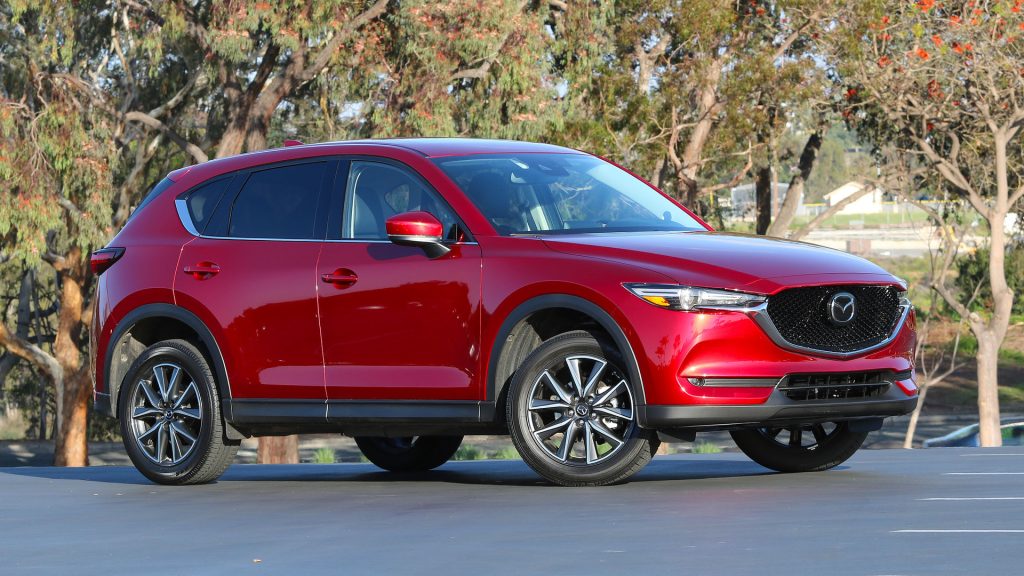
That creates an opportunity for used buyers to purchase a well-equipped SUV with modern safety technology and premium interior quality at a noticeably lower price.
For drivers seeking an enjoyable crossover that combines responsive handling, attractive styling, and proven dependability, the outgoing CX-5 remains a smarter financial decision than purchasing the first model year of an all-new generation.
Specifications
- Engine: 2.5-liter Skyactiv-G inline-four
- Torque: 186 lb-ft
- Horsepower: 187 hp
- Length/Width: 180.1 inches / 72.6 inches
8. Toyota Highlander (Fourth Generation, 2020 to 2025)
The Toyota Highlander has built a reputation as one of America’s most dependable three-row SUVs, and the fourth-generation model stands out as an especially strong used purchase.
While Toyota continues to update the Highlander and may introduce a redesigned generation in the coming years, the outgoing version offers nearly everything most families need while benefiting from several years of production improvements and lower used-market pricing.
Unlike first-year redesigns that occasionally experience unexpected issues, later fourth-generation Highlanders have already undergone numerous software updates, production refinements, and quality improvements.
Buyers shopping for a 2022 through 2025 model gain access to Toyota Safety Sense 2.5+, which includes automatic emergency braking, adaptive cruise control, lane tracing assist, road sign recognition, and lane departure alert. These technologies remain highly competitive with the newest SUVs currently available.
The standard 2.4-liter turbocharged engine introduced for later model years delivers strong low-end torque while maintaining competitive fuel economy. Buyers who prioritize efficiency can also select the hybrid version, which has become one of the most fuel-efficient three-row SUVs sold in the United States.
Regardless of powertrain, Toyota’s long-standing reputation for durability contributes to strong resale values and relatively predictable ownership costs.
Another advantage involves availability. Because Toyota sells the Highlander in large numbers, used buyers can compare numerous trim levels, mileage ranges, and option packages before making a decision.
Independent repair shops across the country are also very familiar with routine maintenance, and replacement parts remain widely available.
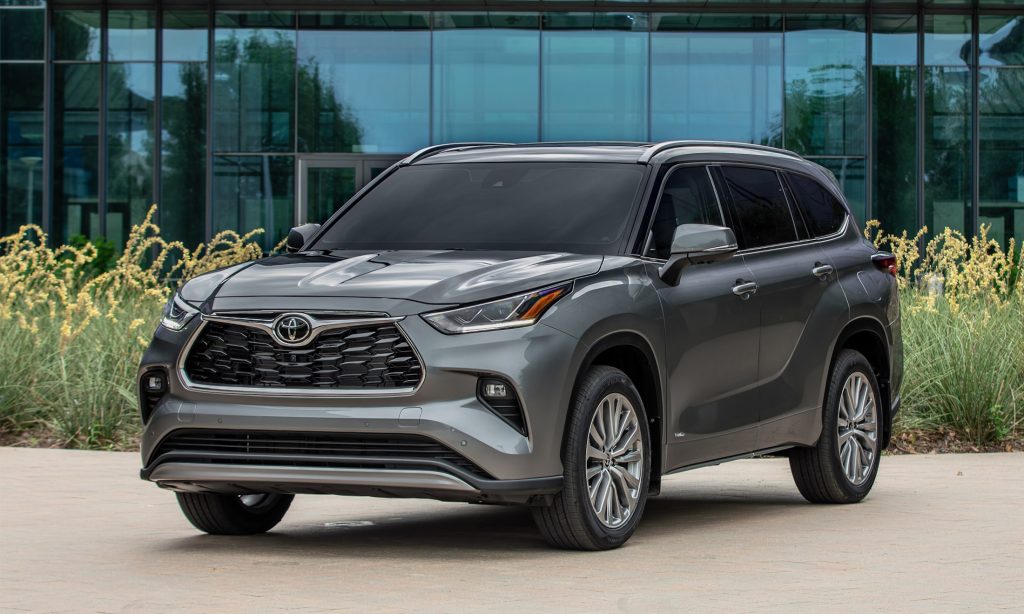
The combination of modern driver assistance technology, comfortable seating for families, dependable engineering, and slower depreciation after the initial ownership period makes the fourth-generation Highlander an excellent alternative to waiting for or purchasing a more expensive redesigned model.
For many shoppers, the outgoing generation delivers nearly identical real-world capability while requiring a significantly smaller investment.
Specifications
- Engine: 2.4-liter turbocharged inline-four
- Torque: 310 lb-ft
- Horsepower: 265 hp
- Length/Width: 194.9 inches / 76.0 inches
