
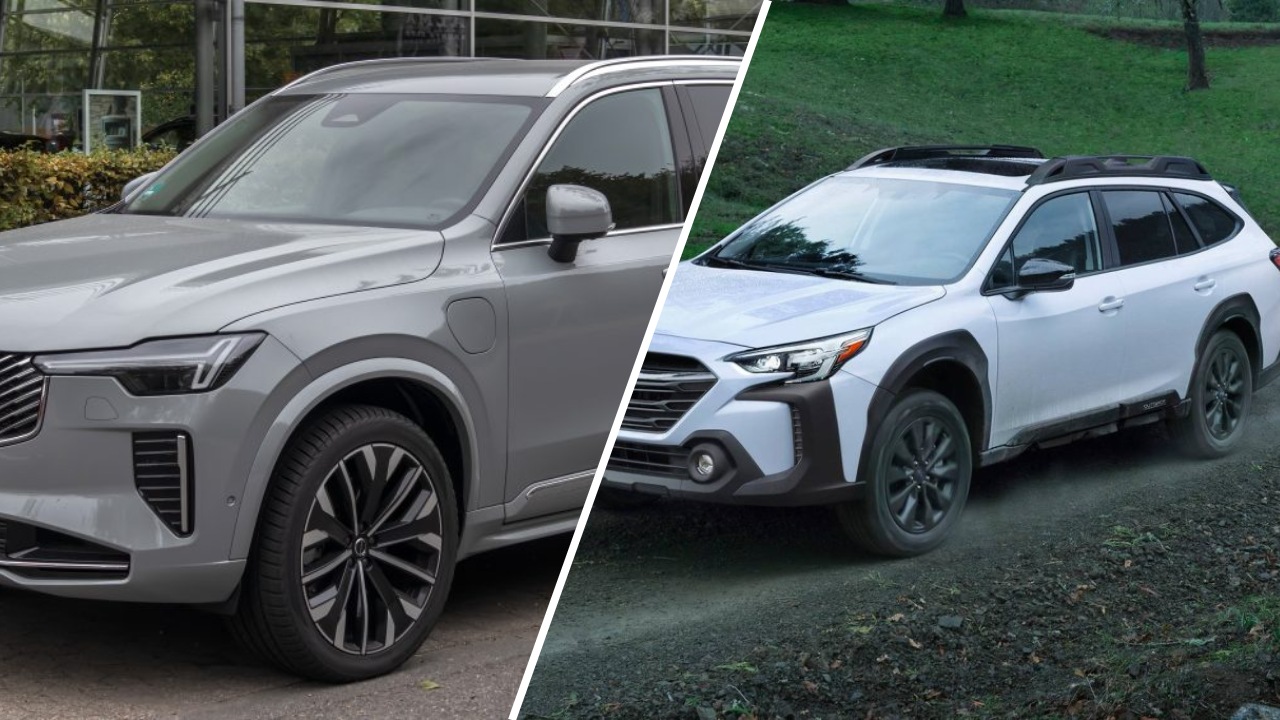
A vehicle’s visibility plays a major role in driver confidence, particularly in traffic, during lane changes, and while parking. Although features such as blind-spot monitoring and surround-view cameras improve safety, thoughtful vehicle design remains essential for minimizing blind spots and providing clear sightlines.
The vehicles featured here stand out for offering clear outward visibility alongside advanced driver-assistance features. Selected based on manufacturer data, safety assessments, and evaluations from respected automotive reviewers, they help drivers maintain better awareness of their surroundings while enhancing confidence, comfort, and everyday safety.
Also Read: 10 Cars That Are Easiest to Repair Outside the Dealership
1. Subaru Forester
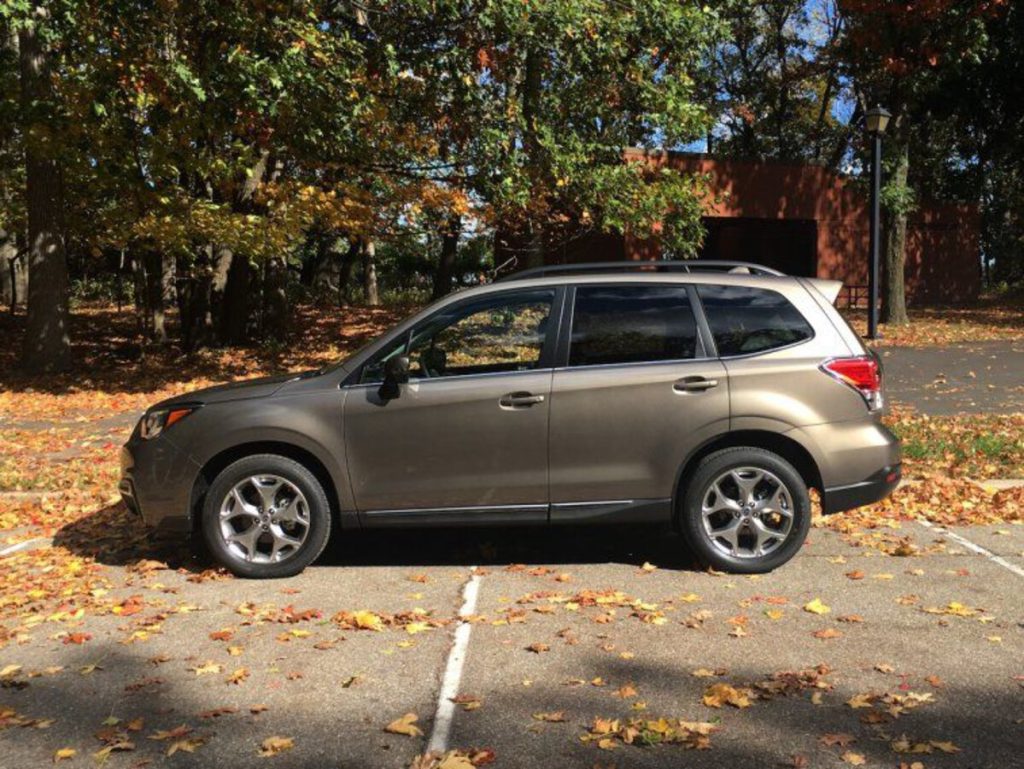
Visibility has long been one of the Subaru Forester’s defining strengths, and it continues to set a benchmark among compact SUVs sold in the United States.
Instead of relying primarily on electronic safety systems, Subaru designed the Forester with expansive glass, relatively slim roof pillars, a low dashboard, and large side windows that provide an unusually clear view in every direction. This layout allows drivers to identify vehicles, cyclists, and pedestrians more easily during everyday driving.
The Forester’s seating position also contributes to confidence. Drivers sit high enough to see farther down the road without feeling disconnected from the vehicle.
The windshield extends well forward, while the side mirrors are mounted to the doors rather than the A-pillars, helping reduce one of the most common forward blind spots at intersections.
Technology complements the strong visibility. Every U.S. Forester includes Subaru’s EyeSight Driver Assist Technology, featuring pre-collision braking, adaptive cruise control, lane centering, and lane departure prevention. Blind-spot detection with lane change assist and rear cross-traffic alert is available on higher trims, providing additional awareness when traffic approaches from adjacent lanes.
Independent evaluations consistently recognize the Forester’s outward visibility as one of the best in its class, making it especially appealing to new drivers, older motorists, and families seeking a confidence-inspiring daily vehicle.
Rather than depending entirely on cameras and sensors, the Forester gives drivers an excellent natural view of their surroundings before electronic systems even become necessary.
Specifications
- Engine: 2.5-liter naturally aspirated flat-four
- Torque: 178 lb-ft
- Horsepower: 180 hp
- Length/Width: 183.3 inches / 72.0 inches
2. Honda CR-V
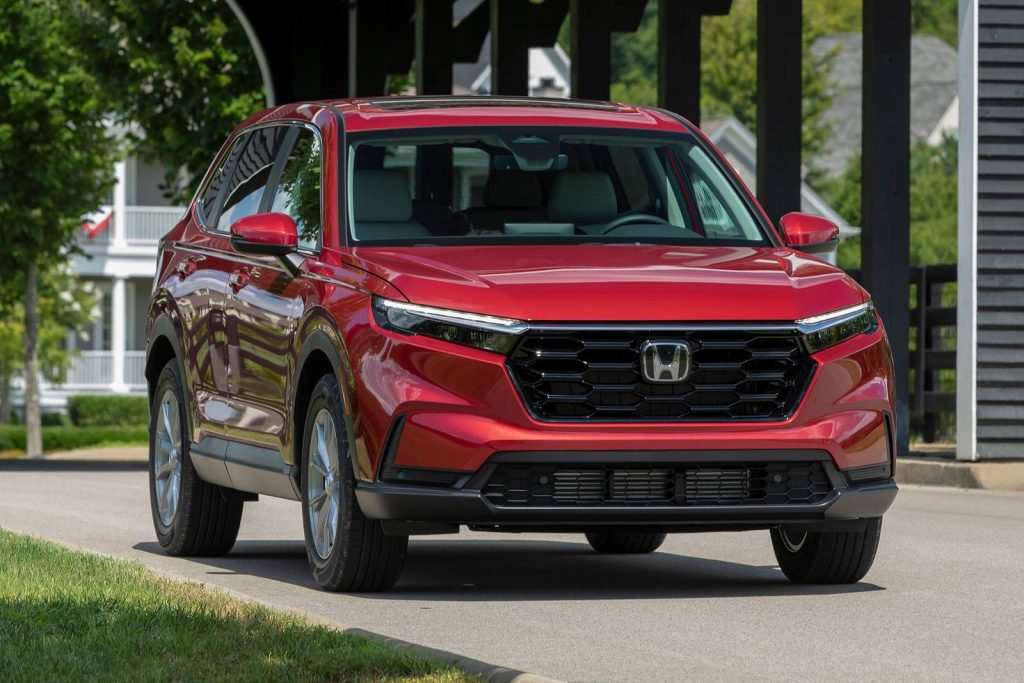
The Honda CR-V demonstrates that thoughtful vehicle design can dramatically improve driver confidence without compromising comfort or practicality. One of the first things many drivers notice is the commanding seating position paired with a relatively low hood, allowing an excellent view of the road immediately ahead.
Honda also engineered the cabin with large side windows and carefully shaped roof pillars that minimize blocked sightlines during turns and lane changes.
Unlike some modern crossovers that sacrifice visibility for aggressive styling, the CR-V maintains generous glass area throughout the cabin.
Rear passengers benefit from large windows, while the driver enjoys clear views over both shoulders thanks to thoughtfully designed rear quarter glass. This helps reduce reliance on mirrors alone when merging onto busy highways.
The CR-V’s safety technology further enhances awareness. Honda Sensing comes standard across the U.S. lineup and includes collision mitigation braking, road departure mitigation, adaptive cruise control with low-speed follow, lane keeping assist, and traffic sign recognition.
Blind Spot Information with Cross Traffic Monitor is standard on most trims, providing visual alerts when another vehicle occupies an adjacent lane.
Professional road tests from American automotive publications frequently praise the CR-V for combining excellent outward visibility with a calm driving experience. The predictable steering, comfortable ride quality, and well-positioned mirrors make it easier for drivers to judge surrounding traffic without feeling overwhelmed in congested conditions.
The result is an SUV that naturally inspires confidence before any electronic safety feature needs to intervene, making it one of the strongest choices for visibility-conscious buyers.
Specifications
- Engine: 1.5-liter turbocharged inline-four
- Torque: 179 lb-ft
- Horsepower: 190 hp
- Length/Width: 184.8 inches / 73.5 inches
3. Toyota Camry
For decades, the Toyota Camry has earned a reputation for making everyday driving feel predictable and stress-free, and outward visibility is a major reason why.
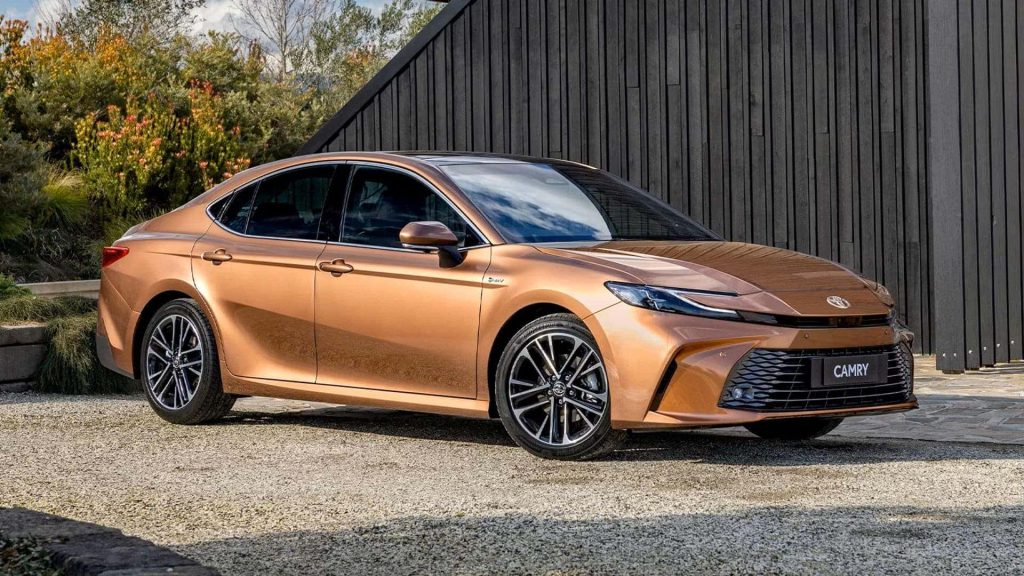
The latest U.S.-market Camry continues that tradition with a seating position that provides an excellent view over the hood, generously sized side windows, and carefully shaped roof pillars that avoid creating unnecessary blind spots.
Even in heavy urban traffic, drivers can quickly assess nearby vehicles without constantly shifting their position behind the wheel.
Toyota also paid attention to mirror placement. The side mirrors are mounted in a way that leaves a small window between the mirror housing and the A-pillar, improving the driver’s view of cross traffic at intersections.
Combined with a relatively low beltline and large rear glass, the design allows for better awareness when changing lanes or reversing into parking spaces.
Technology reinforces these advantages. Every Camry sold in the United States comes equipped with Toyota Safety Sense 3.0, which includes Pre-Collision System with Pedestrian Detection, Lane Departure Alert with Steering Assist, Full-Speed Dynamic Radar Cruise Control, Lane Tracing Assist, Road Sign Assist, and Automatic High Beams.
The Blind Spot Monitor with Rear Cross-Traffic Alert is available or standard, depending on the trim level, providing additional confidence during highway driving.
Independent evaluations from American automotive publications consistently rate the Camry highly for visibility and ease of operation. While many sedans have adopted thicker roof pillars for styling purposes, the Camry maintains a balanced design that prioritizes driver awareness without sacrificing structural integrity or comfort.
Specifications
- Engine: 2.5-liter naturally aspirated inline-four hybrid
- Torque: 163 lb-ft
- Horsepower: 225 hp (FWD)
- Length/Width: 193.5 inches / 72.4 inches
4. Subaru Legacy
The Subaru Legacy approaches visibility differently than many midsize sedans. Rather than emphasizing dramatic exterior styling, Subaru focused on creating an airy cabin with wide sightlines that help drivers maintain awareness in every direction.
This philosophy has made the Legacy a frequent recommendation for buyers who value confidence behind the wheel as much as comfort and safety.
A major contributor is the sedan’s expansive windshield and relatively upright greenhouse. Thin A-pillars reduce obstruction while turning at intersections, and the large rear window provides a clearer view when backing out of parking spaces.
The side glass extends farther down into the doors than that of many competitors, making it easier to judge the position of neighboring vehicles during lane changes.
The Legacy also benefits from Subaru’s standard EyeSight Driver Assist Technology. This suite includes adaptive cruise control, lane centering, pre-collision braking, and lane departure prevention. Blind-spot detection with lane change assist and rear cross-traffic alert is available on higher trims, helping drivers monitor traffic approaching from areas that mirrors cannot fully cover.
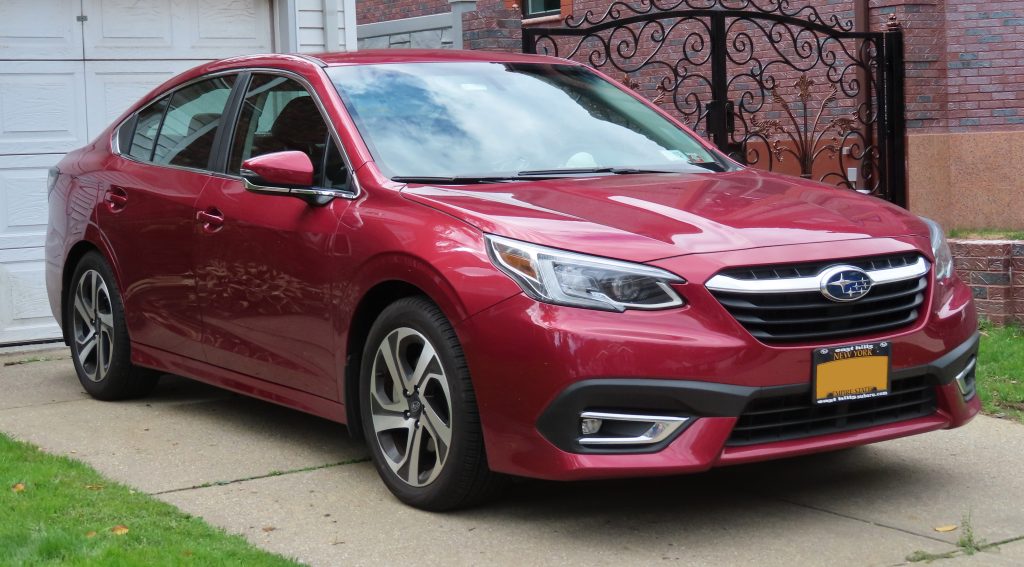
One often-overlooked advantage is the Legacy’s standard symmetrical all-wheel drive, which contributes to stable handling in rain and snow. Better traction can complement strong visibility by allowing drivers to react more confidently when avoiding hazards.
Automotive reviewers in the United States frequently describe the Legacy as one of the easiest midsize sedans to place accurately on the road. The combination of excellent natural visibility, predictable handling, and advanced safety technology creates a reassuring driving experience for commuters and families alike.
Specifications
- Engine: 2.5-liter naturally aspirated flat-four
- Torque: 176 lb-ft
- Horsepower: 182 hp
- Length/Width: 191.1 inches / 72.4 inches
5. Honda Accord
Many midsize sedans have adopted coupe-inspired rooflines that reduce rear visibility, but the Honda Accord continues to prioritize driver awareness through intelligent packaging and careful cabin design.
From the moment a driver settles into the seat, the Accord provides a broad view of the road ahead thanks to its low cowl, expansive windshield, and hood that remains easy to judge from the driver’s position. These characteristics make navigating city streets and crowded highways noticeably less stressful.
Another strength lies in the Accord’s side visibility. Honda shaped the A-pillars to minimize obstruction while preserving structural integrity, and the side mirrors are positioned to provide excellent coverage of adjacent lanes.
The large rear quarter windows also improve shoulder checks, reducing the blind spot that often accompanies sleek sedan styling. Parking is equally manageable because the rear window offers a clear sightline and the available multi-angle rearview camera provides multiple viewing perspectives.
The Accord is equipped with Honda Sensing as standard across the U.S. lineup. This package includes a collision mitigation braking system, a road departure mitigation system, adaptive cruise control with low-speed follow, a lane keeping assist system, traffic sign recognition, and a forward collision warning.
Blind Spot Information with Cross Traffic Monitor is standard on upper trims, adding another layer of protection during lane changes. Professional road tests consistently praise the Accord for making drivers feel comfortable in dense traffic. The combination of responsive steering, predictable handling, and excellent outward visibility means fewer surprises when merging or changing lanes.
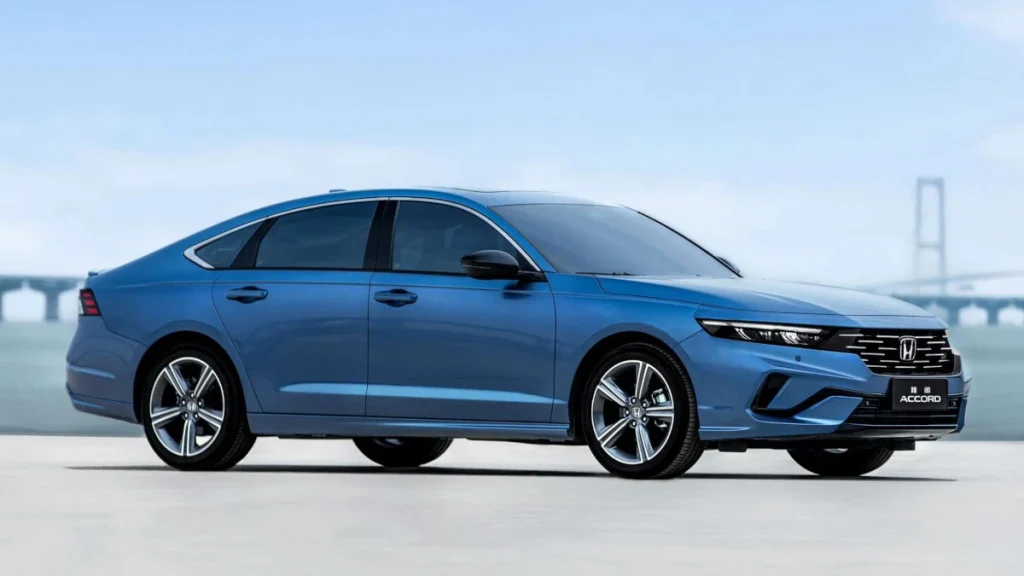
Rather than relying solely on electronic intervention, the Accord’s physical design helps drivers identify surrounding vehicles naturally, making it one of the easiest midsize sedans to drive with confidence.
Specifications
- Engine: 1.5-liter turbocharged inline-four
- Torque: 192 lb-ft
- Horsepower: 192 hp
- Length/Width: 195.7 inches / 73.3 inches
6. Kia Soul
The Kia Soul proves that an unconventional shape can deliver practical benefits beyond interior space. Its boxy profile creates one of the most open cabins in the compact car segment, giving drivers excellent visibility in nearly every direction.
Instead of adopting a sharply sloping roof or high beltline, Kia retained an upright design that maximizes window area and minimizes visual obstructions. One of the Soul’s biggest advantages is its tall seating position. Drivers sit higher than in many traditional hatchbacks, making it easier to monitor surrounding traffic while still enjoying the maneuverability of a compact vehicle.
The upright windshield and generous side glass contribute to excellent forward and side visibility, while the large rear hatch window simplifies reversing and parking.
The Soul also incorporates several advanced driver-assistance technologies. Standard features include forward collision-avoidance assist, lane-keeping assist, lane-following assist, driver attention warning, and high beam assist.
Blind-Spot Collision Warning and Rear Cross-Traffic Collision Assist are available on higher trims, helping drivers detect vehicles approaching from areas outside their direct line of sight.
American automotive reviewers have frequently highlighted the Soul’s exceptional visibility as one of its defining characteristics. The short hood is easy to judge when parking, and the squared-off body makes it simple to determine the vehicle’s position relative to curbs and other cars.
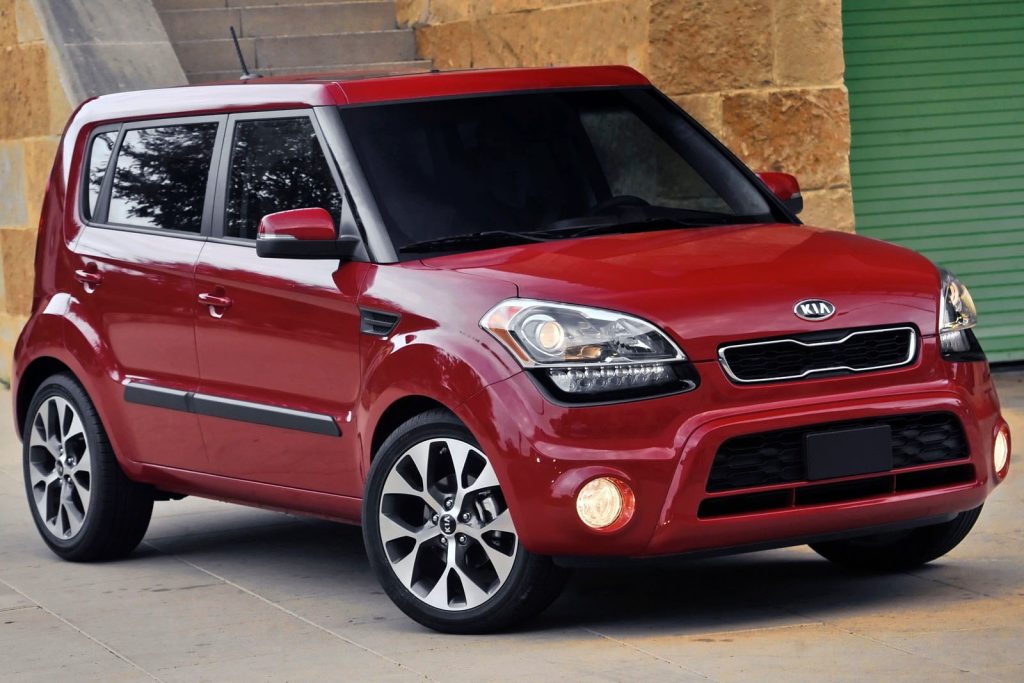
For drivers seeking confidence in urban environments, the Soul offers a refreshing alternative to many compact crossovers that sacrifice visibility for aggressive styling. Its practical design demonstrates that thoughtful engineering can reduce blind spots without requiring a larger vehicle.
Specifications
- Engine: 2.0-liter naturally aspirated inline-four
- Torque: 132 lb-ft
- Horsepower: 147 hp
- Length/Width: 165.2 inches / 70.9 inches
7. Toyota Prius
The latest Toyota Prius introduced a dramatically sleeker exterior than previous generations, yet Toyota managed to preserve much of the visibility that has long made the hybrid easy to drive.
While the roofline is lower than before, the driver still benefits from a well-positioned seat, a broad windshield, and a dashboard that does not obstruct the forward view. The result is a car that feels surprisingly manageable in heavy traffic despite its more athletic appearance.
An important contributor to driver confidence is the Prius’ carefully engineered mirror placement. The side mirrors provide broad coverage of adjacent lanes, while the front quarter windows help reduce blind spots created by the A-pillars. During lane changes, drivers have a clear view of nearby traffic without excessive reliance on electronic alerts.
Toyota Safety Sense 3.0 is standard on every U.S. Prius. The suite includes a Pre-Collision System with Pedestrian Detection, Dynamic Radar Cruise Control, Lane Tracing Assist, Lane Departure Alert with Steering Assist, Road Sign Assist, and Proactive Driving Assist.
The Blind Spot Monitor with Rear Cross-Traffic Alert is also available or standard, depending on the trim, giving drivers additional awareness when merging or backing out of parking spaces.
The Prius’ compact dimensions further enhance visibility. Its relatively short length makes it easier to judge distances while parking, and the sloping hood allows drivers to see more of the road immediately in front of the vehicle.
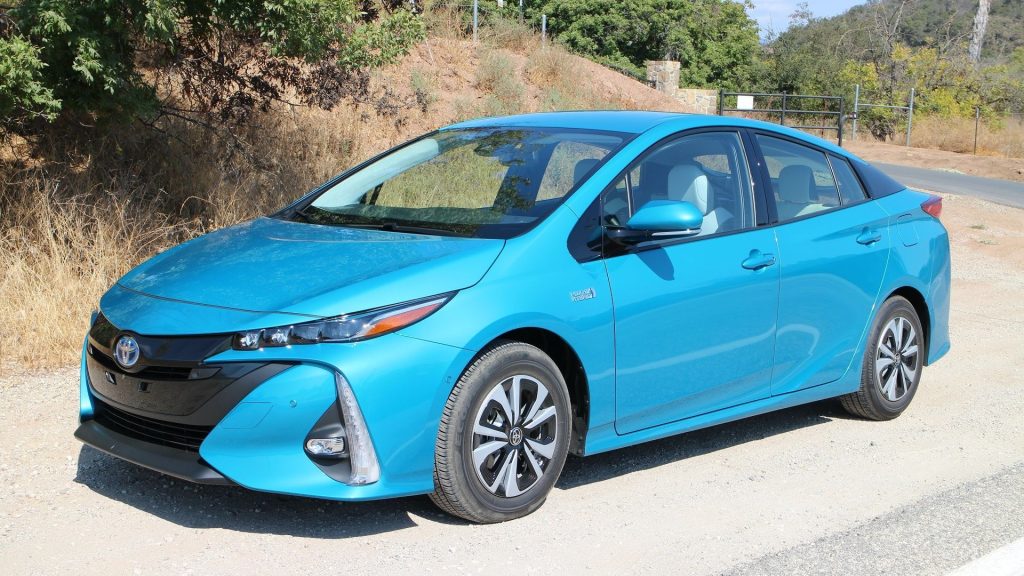
Automotive reviewers in the United States consistently praise the Prius for combining advanced safety technology with predictable handling and excellent situational awareness, making it a reassuring option for commuters who spend long hours navigating busy roads.
Specifications
- Engine: 2.0-liter inline-four hybrid
- Torque: 139 lb-ft (gas engine)
- Horsepower: 194 hp (FWD combined system output)
- Length/Width: 181.1 inches / 70.2 inches
8. Mazda CX-5
Mazda has built the CX-5 around a driver-focused philosophy, and that extends well beyond steering feel and suspension tuning. Visibility plays a central role in the SUV’s design, allowing drivers to maintain confidence without feeling isolated from surrounding traffic.
From the driver’s seat, the hood is easy to judge, and the relatively slim front pillars provide an unobstructed view through intersections and sweeping corners.
The side profile contributes just as much. Mazda incorporated generously sized front and rear door windows while avoiding the excessively high beltlines found on many modern crossovers. The rear quarter glass improves shoulder checks before changing lanes, and the large exterior mirrors offer a wide field of vision with minimal distortion.
Every CX-5 sold in the United States includes the i-Activsense safety suite. Standard equipment includes Smart Brake Support, Lane Departure Warning, Lane Keep Assist, Mazda Radar Cruise Control with Stop and Go, Driver Attention Alert, and High-Beam Control.
Blind Spot Monitoring with Rear Cross-Traffic Alert is standard across the lineup, helping drivers detect vehicles that might otherwise remain hidden during lane changes.
Reviewers frequently note that the CX-5 feels smaller than it actually is because the excellent visibility makes it easy to position accurately on the road. Whether maneuvering through narrow parking garages or merging onto crowded interstates, drivers benefit from clear sightlines that reduce stress and improve confidence.
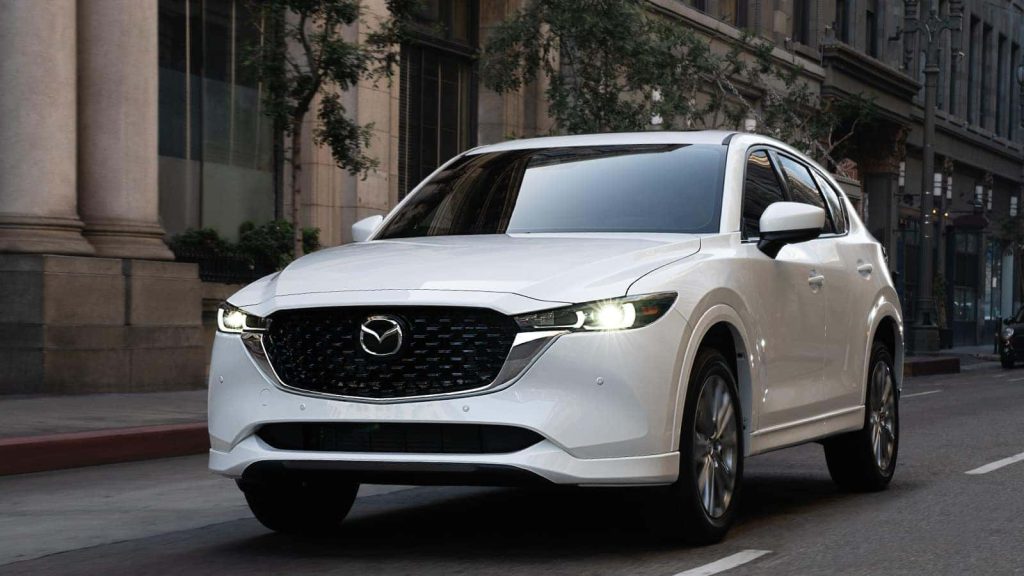
The CX-5 demonstrates that premium styling does not have to compromise practicality. By combining excellent natural visibility with comprehensive driver-assistance technology, Mazda has created one of the most confidence-inspiring compact SUVs available in the U.S. market.
Specifications
- Engine: 2.5-liter naturally aspirated inline-four
- Torque: 186 lb-ft
- Horsepower: 187 hp
- Length/Width: 180.1 inches / 72.6 inches
9. Volvo XC90
Volvo has built its reputation around safety for decades, and the XC90 reflects that philosophy through both its engineering and its cabin layout. Rather than relying exclusively on electronic driver aids, Volvo designed the three-row SUV to provide exceptional natural visibility.
The upright seating position places drivers high enough to see well beyond surrounding traffic, while the expansive windshield and relatively narrow A-pillars help reduce blind spots at intersections.
The side glass is another strength. Large windows extend through all three seating rows, creating an open cabin that improves outward visibility while reducing the enclosed feeling found in some luxury SUVs.
The sizable rear quarter windows also make shoulder checks more effective before changing lanes. Rear visibility benefits from a large liftgate window, and the available 360-degree camera further simplifies parking in confined spaces.
Every XC90 sold in the United States includes Volvo’s extensive safety technology. Standard equipment features a Blind Spot Information System with Steer Assist, Cross Traffic Alert with automatic braking, Pilot Assist, Adaptive Cruise Control, Lane Keeping Aid, Run-off Road Mitigation, Collision Avoidance Assistance, and Oncoming Lane Mitigation.
These systems work together to supplement the already impressive sightlines provided by the vehicle’s design.
American automotive reviewers consistently recognize the XC90 for making a large SUV feel surprisingly manageable. Its commanding view of the road helps drivers anticipate traffic conditions earlier, while the advanced safety systems provide additional reassurance during highway travel and urban commuting.
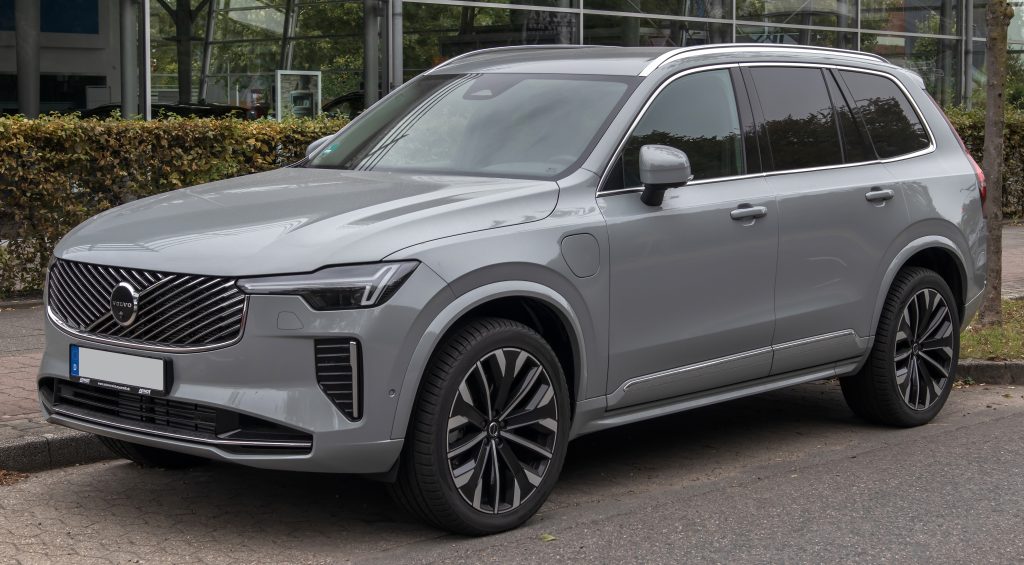
Although the XC90 belongs to the luxury segment, its visibility advantages benefit every type of driver. Whether transporting a family, commuting daily, or traveling long distances, the combination of thoughtful cabin design and industry-leading safety technology helps reduce blind spots and increases driver confidence.
Specifications
- Engine: 2.0-liter turbocharged and supercharged mild-hybrid inline-four (B6)
- Torque: 310 lb-ft
- Horsepower: 295 hp
- Length/Width: 195.0 inches / 79.1 inches
10. Subaru Outback
The Subaru Outback closes this list because it combines wagon-like visibility with SUV capability, creating one of the easiest vehicles in America to drive with confidence. Its design prioritizes function over fashion, resulting in large windows, an upright greenhouse, and excellent visibility in every direction.
Drivers benefit from an unobstructed forward view, while the low beltline makes it easier to monitor surrounding traffic than in many similarly sized crossovers.
Unlike vehicles with sharply raked windshields and thick roof pillars, the Outback provides generous sightlines through intersections and around curves. The large side mirrors, rear quarter windows, and expansive rear hatch glass further reduce blind spots, making lane changes and parking maneuvers feel more natural.
This visibility advantage is especially valuable on long highway trips, where maintaining awareness of nearby vehicles is essential.
Subaru reinforces the strong cabin design with standard EyeSight® Driver Assist Technology. The system includes Advanced Adaptive Cruise Control, Lane Centering, Pre-Collision Braking, Lane Departure Prevention, and Pre-Collision Throttle Management.
Blind-spot detection with lane change assist and rear cross-traffic alert is available or standard on most trims, helping drivers identify vehicles approaching from difficult-to-see angles.
The Outback also offers generous ground clearance without forcing drivers into an excessively tall seating position. That balance allows for an excellent view of the road while preserving comfortable entry and exit.
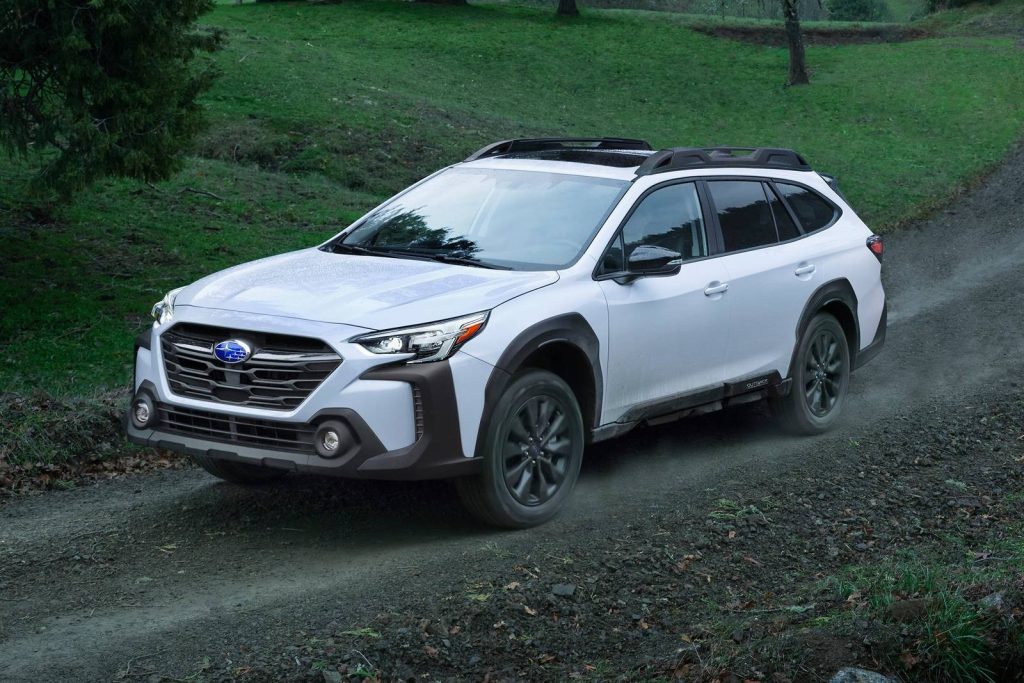
Independent reviews from leading U.S. automotive publications frequently praise the vehicle for its outstanding visibility, particularly when compared with many modern crossovers that sacrifice practicality for styling.
For buyers who value confidence as much as capability, the Outback remains one of the strongest choices available in the American market.
Specifications
- Engine: 2.5-liter naturally aspirated flat-four
- Torque: 178 lb-ft
- Horsepower: 182 hp
- Length/Width: 191.9 inches / 74.2 inches
Also Read: Top 10 Brands & What Their Certified Pre-Owned Actually Guarantees
