
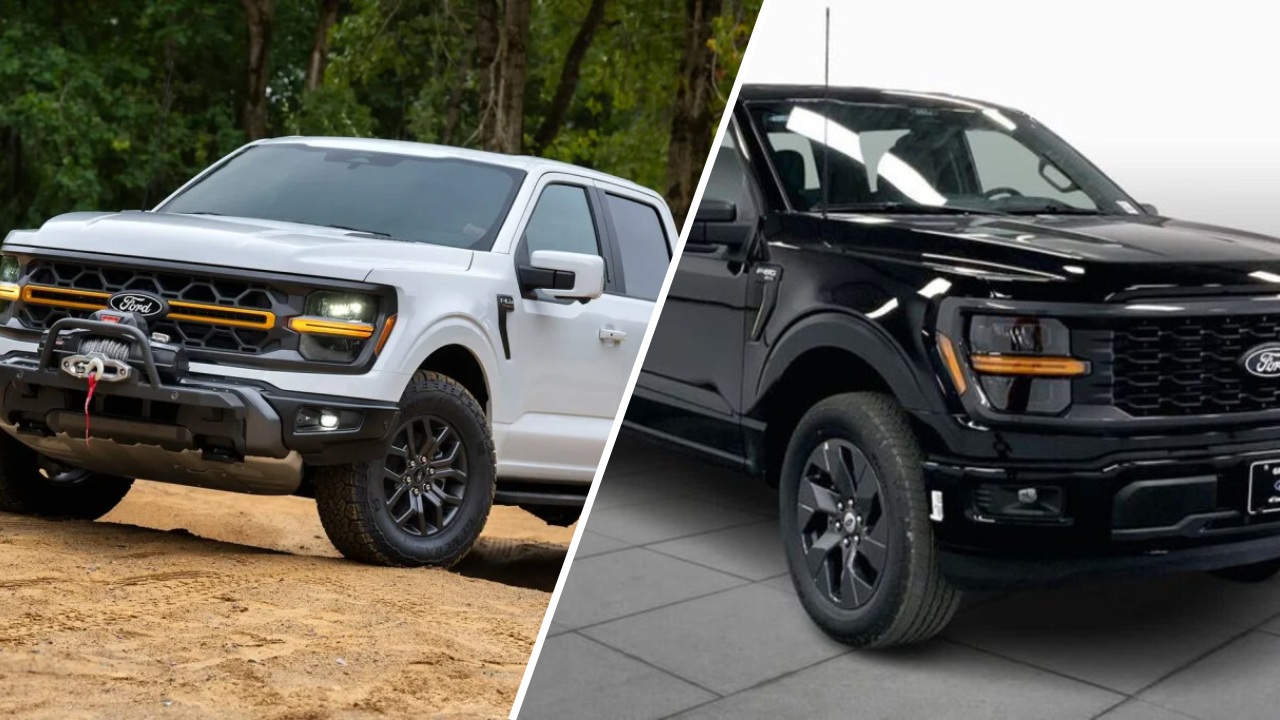
The Ford F-150 has been America’s best-selling pickup for decades, but choosing one isn’t as simple as picking an engine and a color.
The modern F-150 lineup offers everything from a basic work truck to luxury models that rival premium SUVs in comfort and technology. With trims including XL, STX, XLT, Lariat, Tremor, King Ranch, Platinum, and Raptor, the price difference between the least and most expensive versions can exceed $50,000.
That wide range naturally raises one question for shoppers: Which trim actually offers the best value?
The answer depends on how the truck will be used, but for most buyers, one trim consistently stands out because it balances equipment, capability, resale value, and long-term ownership costs better than the rest. While higher trims add luxury features and specialized off-road equipment, many of those upgrades come with diminishing returns for everyday drivers.
Industry analysts, including Kelley Blue Book, Edmunds, and Car and Driver, frequently identify the F-150 XLT as the trim that delivers the strongest combination of features and price for the average buyer.
It provides significantly more convenience and technology than the entry-level XL while avoiding much of the price premium associated with luxury-focused models.
Also Read: 10 Cars That Are Getting A Complete Redesign for 2027
Why the XLT Hits the Sweet Spot
For many buyers, the XL exists primarily as a work truck. It offers impressive capability, but its focus is durability rather than comfort.
Vinyl flooring, fewer convenience features, and a more basic interior make perfect sense for commercial fleets or construction businesses, but private owners often want something that feels more refined during daily driving. That is where the XLT begins to stand out.
Compared with the XL, the XLT typically adds upgraded interior materials, alloy wheels, additional driver-assistance technology, improved infotainment features, more exterior styling enhancements, and greater customization through available equipment packages.
The truck still retains the capability expected from an F-150 while feeling much more comfortable for commuting, family trips, and long-distance driving.
Ford also offers the XLT with multiple powertrain choices, including the 2.7-liter EcoBoost V6, the 5.0-liter V8, the 3.5-liter EcoBoost, and the PowerBoost hybrid, allowing buyers to prioritize towing, fuel economy, or performance without moving to a more expensive trim level.
For most owners, those engine options provide more meaningful benefits than spending thousands of additional dollars on luxury features.
Capability Doesn’t Require the Highest Trim
One misconception among truck buyers is that paying more automatically delivers greater capability. That isn’t always true. Ford’s towing and payload capacities depend primarily on engine selection, drivetrain, axle ratio, and optional towing packages rather than trim level alone.
An XLT equipped with the Max Trailer Tow Package and the 3.5-liter EcoBoost can tow substantially more than some higher-priced luxury trims equipped differently.
Likewise, payload capacity often declines on premium trims because larger wheels, heavier luxury equipment, and additional accessories reduce the available payload rating. For buyers who actually use their trucks for work, this makes the XLT especially attractive.
It provides access to the same major powertrains and many of the same towing technologies available higher in the lineup without requiring luxury-oriented upgrades that contribute little to hauling or towing performance.
Ford’s Pro Trailer Backup Assist, integrated trailer brake controller, trailer reverse guidance, and multiple towing cameras are also available without purchasing the most expensive models.
The Lariat Is Excellent, But Costs Much More
Many reviewers identify the Lariat as the point where the F-150 becomes a luxury truck. Leather seating, larger digital displays, upgraded interior materials, and additional comfort features create an experience comparable to many premium SUVs.
There is no question that the Lariat is an outstanding pickup. The challenge is value. Moving from an XLT to a similarly equipped Lariat typically adds several thousand dollars before options. Buyers receive genuine upgrades, but the improvement in daily usability is smaller than the increase in purchase price.
For someone who spends several hours every day behind the wheel, the additional comfort may be worthwhile.
For buyers primarily interested in capability, reliability, and resale value, the XLT usually represents the better financial decision.
Premium Trims Target Specific Buyers
The King Ranch and Platinum trims cater to shoppers seeking luxury above all else. Premium leather interiors, distinctive styling, advanced audio systems, massaging seats, and upscale materials transform the F-150 into a high-end daily driver.
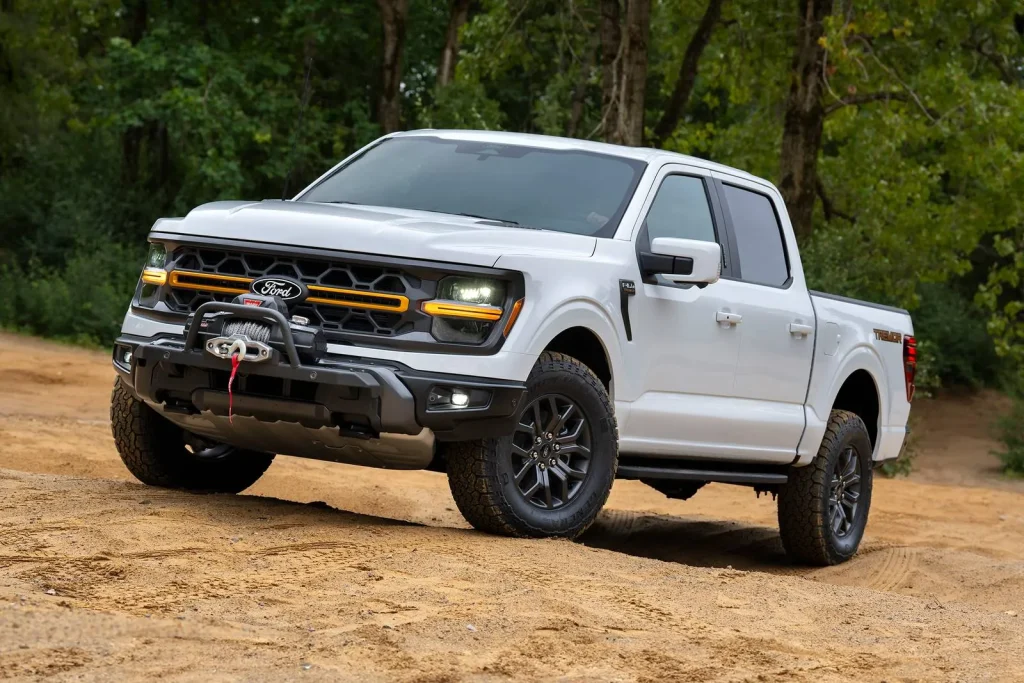
These models appeal to executives, ranchers, and buyers replacing luxury SUVs with pickups. The Raptor serves an entirely different purpose.
Its long-travel suspension, specialized shocks, wider body, off-road tires, and high-output engines are designed for high-speed desert driving and aggressive off-road performance.
Very few owners actually require those capabilities during normal driving. Similarly, the Tremor targets buyers who frequently venture off pavement but do not need the extreme performance of the Raptor.
These specialized trims are outstanding within their intended roles but represent niche choices rather than the best value for the average buyer.
Ownership Costs Matter Too
Purchase price is only one part of ownership. Higher trims generally cost more to insure because of their increased replacement value and additional electronic equipment. Larger wheels often require more expensive tires, while premium interior materials increase repair costs after damage.
Luxury features also create more potential maintenance expenses as vehicles age. Power running boards, massaging seats, panoramic sunroofs, advanced lighting systems, and sophisticated electronic features improve comfort but also increase complexity.
The XLT avoids much of that additional complexity while still including the technology most owners use every day. Resale value also favors well-equipped mid-level trims.
Used truck buyers often search for models with desirable convenience features but without the premium pricing associated with luxury editions. As a result, the XLT typically attracts a broad audience in the used market, helping it maintain strong resale demand.
Which Trim Makes the Most Sense?
- Every F-150 trim serves a different type of customer.
- The XL remains an excellent fleet and work truck.
- The Lariat delivers genuine luxury.
- The King Ranch and Platinum focus on premium comfort.
- The Tremor specializes in off-road adventures.
- The Raptor stands alone as Ford’s ultimate performance pickup.
However, when balancing purchase price, available engines, towing capability, everyday comfort, technology, and resale value, the XLT consistently offers the strongest full package for most buyers.
It provides the features people use every day without forcing them to pay for luxury equipment they may rarely appreciate. Buyers can still add popular option packages, advanced towing technology, and powerful engines while keeping the total purchase price well below that of many upper trims.
That combination explains why automotive reviewers from Kelley Blue Book, Edmunds, and Car and Driver regularly recommend the XLT as the trim to buy. It delivers the versatility that made the F-150 America’s best-selling truck while avoiding the steep price increases that accompany Ford’s premium models.
For shoppers looking for the smartest balance between capability and cost, the Ford F-150 XLT remains the trim that offers the best value in the lineup.
Also Read: 10 Cars That Are Easiest to Repair Outside the Dealership
