
EPA fuel economy ratings provide a standardized way to compare vehicles, but they do not always reflect what owners experience on American roads.
Driving style, terrain, weather, payload, tire choice, and highway cruising speeds can all influence fuel consumption. Interestingly, several pickup trucks have earned a reputation for exceeding their official EPA estimates during independent highway tests and long-term owner reporting.
Organizations such as Fuelly, Consumer Reports, Edmunds, MotorTrend, and numerous real-world fuel economy evaluations have documented trucks that consistently outperform their window sticker numbers under favorable conditions.
This list focuses on full-size and midsize pickups sold in the United States that have repeatedly demonstrated better-than-rated fuel economy while still offering the capability expected from a modern truck.
Also Read: 10 Three-Pedal Cars That Keep Driving Fun Alive
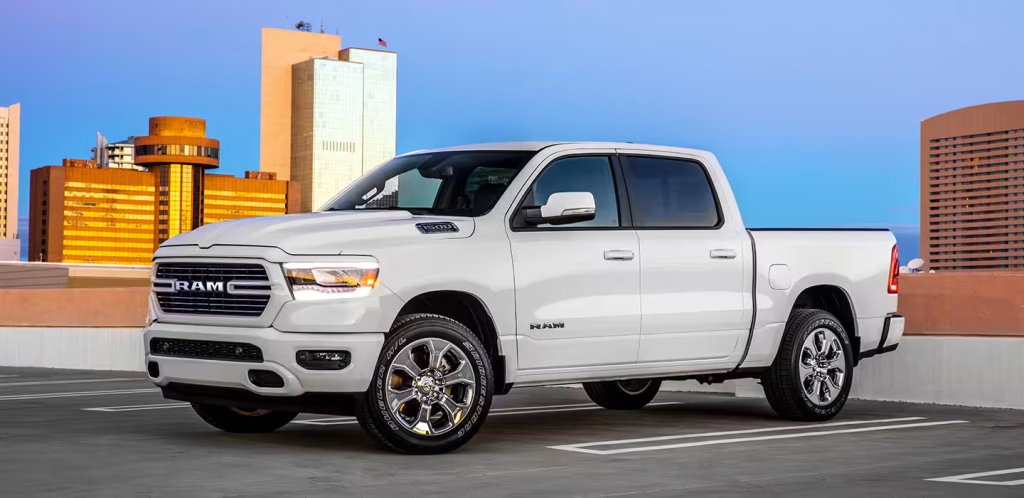
1. 2020 Ram 1500 EcoDiesel
The third-generation Ram 1500 equipped with the 3.0-liter EcoDiesel V6 became one of the easiest trucks in America to surpass its EPA highway estimate. Officially rated at up to 32 mpg on the highway in rear-wheel-drive form, independent testing frequently showed numbers ranging from 33 to 36 mpg during steady interstate travel.
MotorTrend recorded highway fuel economy exceeding the EPA estimate during long-distance testing, while numerous Fuelly owners regularly reported averages above the combined EPA figure.
A major reason for this performance is the diesel engine’s impressive low-end torque. Producing 480 lb-ft at relatively low engine speeds, the EcoDiesel rarely needs high RPM to maintain highway speeds.
Combined with the eight-speed TorqueFlite automatic transmission, the truck spends much of its time in taller gears where fuel consumption remains low.
Aerodynamics also help. The fifth-generation Ram features active grille shutters, an air dam, and a smoother underbody than many competitors. These features reduce drag, allowing the truck to cruise efficiently at interstate speeds common across the United States.
Another advantage is the truck’s mild throttle calibration. Gentle accelerator mapping encourages gradual acceleration rather than unnecessary fuel use, making it easier for drivers to achieve excellent mileage without consciously attempting hypermiling.
Although diesel fuel sometimes costs more than regular gasoline, long-distance commuters often recovered some of that expense through fewer fuel stops. Drivers covering hundreds of highway miles each week consistently praised the EcoDiesel’s ability to stretch a tank well beyond expectations.
The truck’s highway manners also contribute. Quiet operation, stable steering, and excellent ride quality encourage consistent cruising speeds, conditions under which diesel engines perform exceptionally well.
Specifications
- Engine: 3.0-liter EcoDiesel turbocharged V6
- Torque: 480 lb-ft
- Horsepower: 260 hp
- Length: 232.9 inches
- Width: 82.1 inches
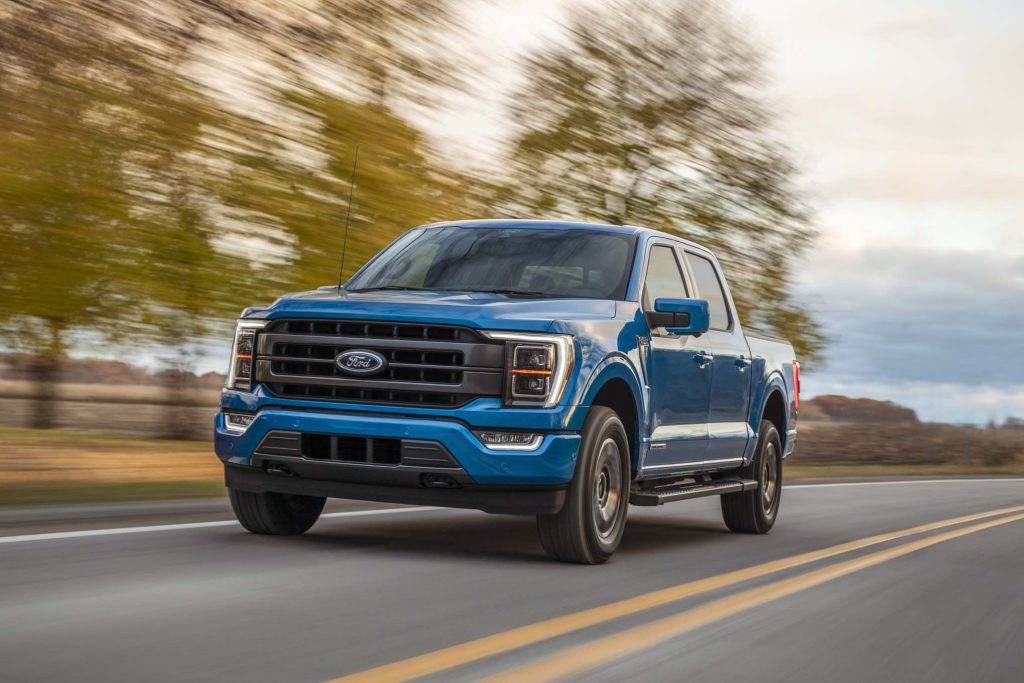
2. 2021 Ford F-150 PowerBoost Hybrid
Ford’s PowerBoost hybrid surprised many truck buyers because it delivered genuine V8-like capability while frequently exceeding its EPA estimates in mixed driving.
The official EPA rating reaches 24 mpg city and 24 mpg highway for two-wheel-drive models, yet several independent evaluations and owner reports have documented averages approaching or exceeding 26 mpg during daily use.
The PowerBoost system differs from conventional hybrid setups that are mainly optimized for urban driving, as it provides assistance throughout a wider range of driving conditions and operating scenarios.
The electric motor supplements acceleration, reducing fuel consumption whenever the truck starts from a stop. At cruising speeds, the twin-turbocharged EcoBoost V6 operates efficiently while the hybrid battery assists during gentle throttle inputs.
Real-world commuting particularly favors the PowerBoost. Stop-and-go traffic, where traditional pickups consume significant fuel, becomes an advantage because regenerative braking continually replenishes battery energy.
Ford also optimized the truck with automatic engine stop-start, active grille shutters, and a sophisticated ten-speed automatic transmission that keeps engine speeds remarkably low during highway travel.
Several long-term reviews found drivers exceeding EPA combined estimates without changing normal driving habits. Owners who mixed suburban commuting with moderate highway travel frequently reported fuel economy several mpg above the official combined rating.
The hybrid system delivers another benefit by allowing accessories such as climate control and electrical systems to operate without idling the gasoline engine for extended periods. This feature reduces wasted fuel during traffic congestion and job-site use.
Despite weighing considerably more than many midsize pickups, the PowerBoost demonstrates how hybrid technology can improve efficiency without sacrificing towing capability or payload, making it one of the most successful fuel-saving innovations introduced to the American truck market.
Specifications
- Engine: 3.5-liter PowerBoost twin-turbocharged V6 hybrid
- Torque: 570 lb-ft
- Horsepower: 430 hp
- Length: 231.7 inches
- Width: 79.9 inches
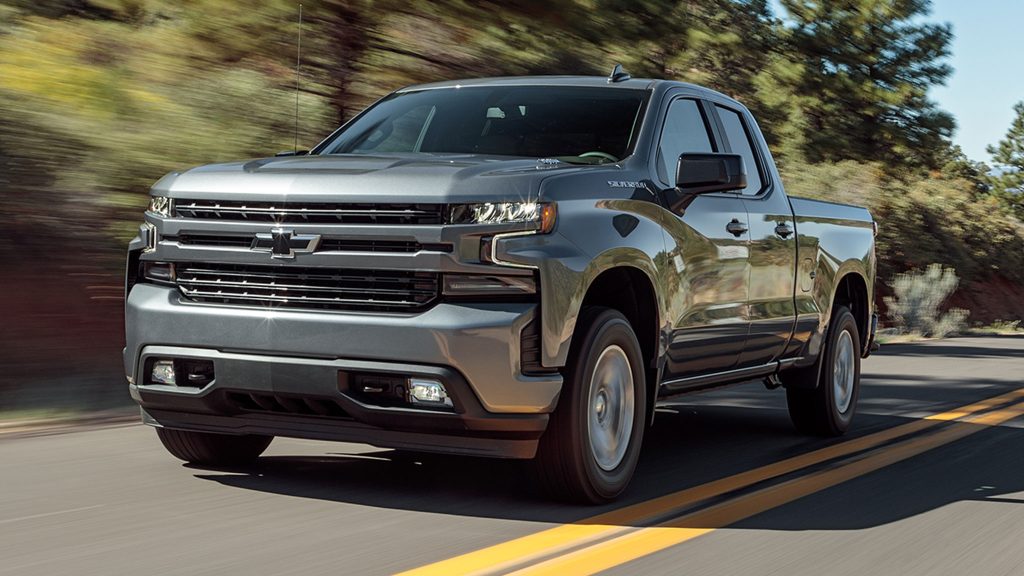
3. 2020 Chevrolet Silverado 1500 Duramax
Chevrolet entered the half-ton diesel segment with the 3.0-liter Duramax inline-six, and it quickly proved to be one of the most fuel-efficient full-size pickups sold in the United States. Rear-wheel-drive models carried an EPA rating of up to 33 mpg on the highway, already among the highest in the class.
What impressed reviewers even more was how often the truck surpassed that number in real driving. Independent highway evaluations from outlets including MotorTrend and owner-submitted Fuelly data regularly showed trips reaching 34 to 37 mpg when driven at consistent interstate speeds.
The Duramax was developed to deliver a smoother and more refined driving experience compared with older diesel pickups known for their heavy and utilitarian character. Its inline-six configuration helps reduce vibration naturally, while the variable-geometry turbocharger provides responsive power across a broad RPM range. With strong torque available at low engine speeds, the engine can maintain highway speeds with minimal effort.
General Motors paired the engine with its ten-speed automatic transmission, allowing low engine speeds even at typical American interstate limits.
Combined with active grille shutters, carefully shaped front-end aerodynamics, and lightweight aluminum body panels for doors, hood, and tailgate, the Silverado wastes less energy pushing through the air.
The truck also benefits from a relatively conservative throttle calibration that rewards gentle acceleration. Drivers who avoided rapid launches often found the truck comfortably beating its EPA combined rating during daily commuting.
Another factor is the Duramax’s long driving range. With its large fuel tank and excellent efficiency, many owners reported traveling well beyond 700 miles between fill-ups, reducing fuel stops during cross-country travel.
The Silverado delivers these impressive fuel economy figures without requiring any special driving techniques. Instead, its efficiency is achieved under the operating conditions where diesel engines perform best, namely extended highway travel with moderate loads. This combination has enabled the pickup to consistently exceed its official EPA fuel economy estimates.
Specifications
- Engine: 3.0-liter Duramax turbocharged inline-six diesel
- Torque: 460 lb-ft
- Horsepower: 277 hp
- Length: 231.7 inches
- Width: 81.2 inches
4. 2021 GMC Sierra 1500 Duramax
Sharing its platform with the Chevrolet Silverado, the GMC Sierra 1500 Duramax delivers nearly identical EPA ratings, but it has built its own reputation among American owners for returning fuel economy that frequently exceeds official estimates.
Properly equipped two-wheel-drive models are rated at up to 30 mpg on the highway, yet many independent real-world evaluations have produced results between 32 and 35 mpg during extended interstate driving.
What separates the Sierra is the way efficiency is integrated into a premium truck experience. The Duramax diesel produces a broad torque curve, allowing the pickup to maintain highway speeds with minimal throttle input.
Since the engine spends much of its operating time below 2,000 RPM, fuel consumption remains remarkably low compared with gasoline-powered competitors.
Real-world performance also benefits from General Motors’ ten-speed automatic transmission. Closely spaced ratios keep the diesel operating in its most efficient range while reducing unnecessary downshifts on gentle grades. During unloaded highway travel, drivers often notice the transmission remaining in its highest gear for extended periods.
Independent owner databases consistently reveal averages exceeding the EPA combined rating, particularly for commuters covering long interstate distances. Drivers in relatively flat states such as Texas, Kansas, and Nebraska have frequently documented fuel economy that rivals some midsize crossovers despite driving a full-size pickup.
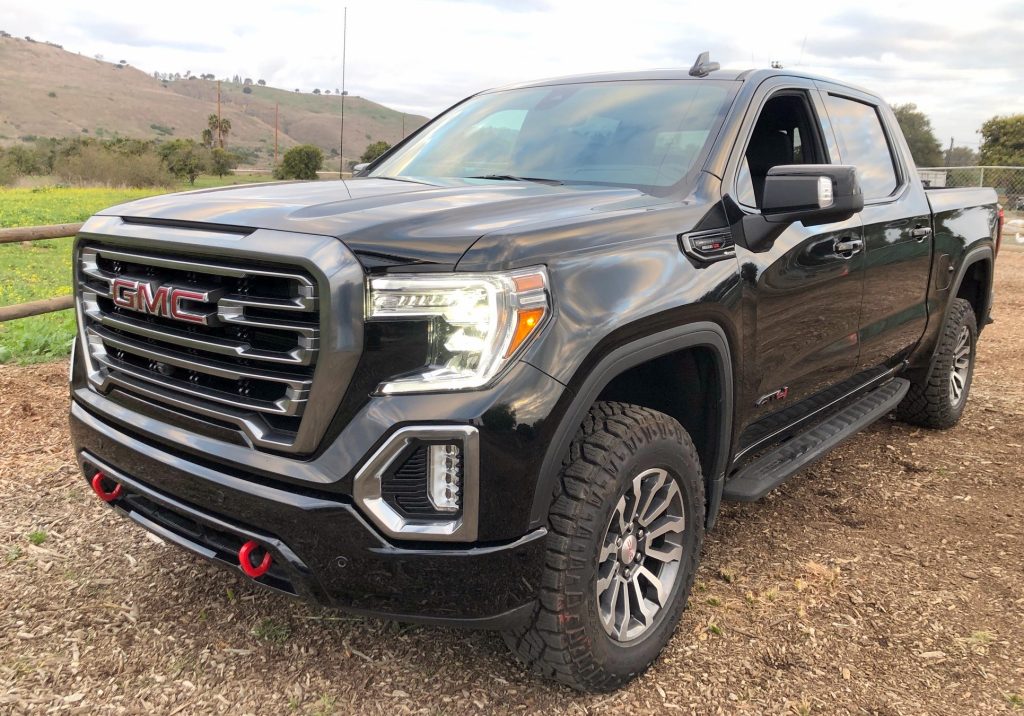
The Sierra’s aerodynamic design contributes as well. Features such as active grille shutters, optimized underbody airflow, and carefully sculpted exterior panels help reduce drag, something that becomes increasingly important at 70 mph and above.
The Sierra stands out by delivering strong efficiency in real-world driving conditions rather than only producing impressive results in controlled laboratory testing. Its performance reflects the demands of everyday American driving, where fuel economy must be achieved in practical use.
Long-distance travelers, contractors, and business owners have repeatedly found that the diesel powertrain delivers fuel savings beyond what the EPA window sticker suggests, making it one of the strongest real-world performers in the full-size truck segment.
Specifications
- Engine: 3.0-liter Duramax turbocharged inline-six diesel
- Torque: 460 lb-ft
- Horsepower: 277 hp
- Length: 231.9 inches
- Width: 81.2 inches
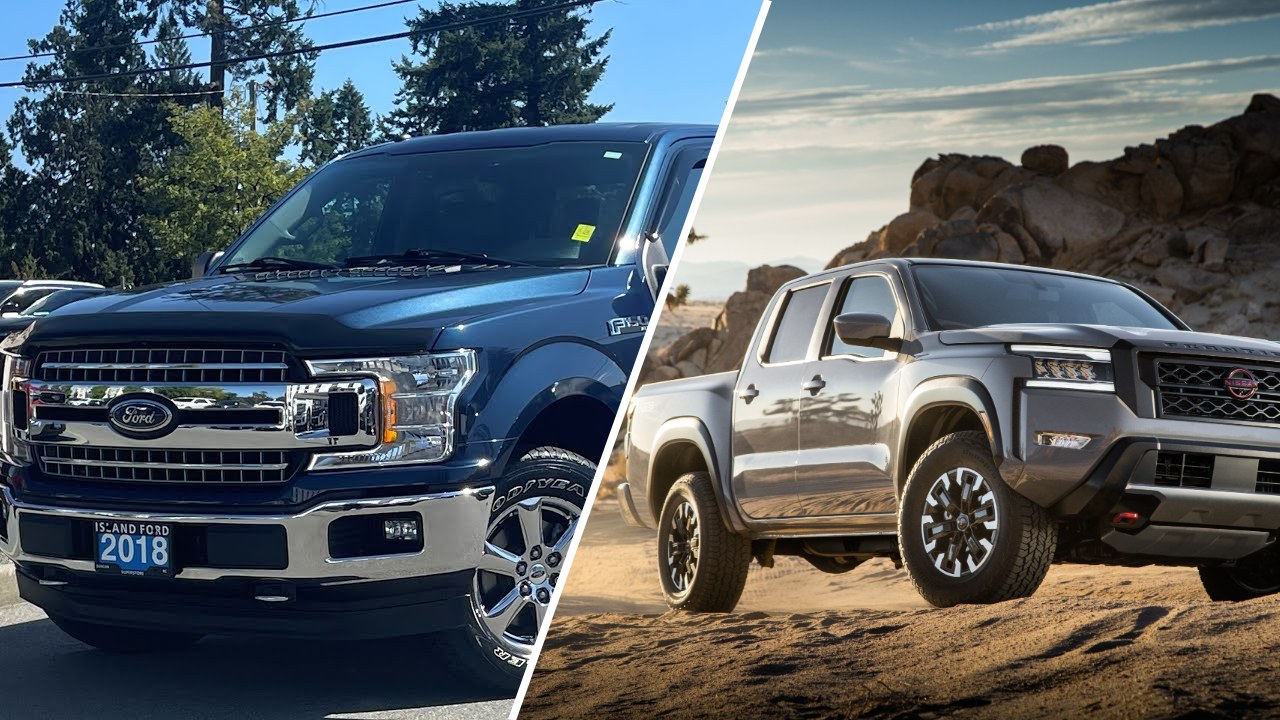
5. 2018 Ford F-150 2.7L EcoBoost
Ford’s 2.7-liter EcoBoost V6 has consistently proven that a smaller displacement engine can deliver impressive real-world efficiency without compromising everyday truck capability. In the 2018 F-150, two-wheel-drive SuperCrew models carried EPA ratings as high as 20 mpg in the city and 26 mpg on the highway.
While those figures were already competitive, numerous independent tests and owner-reported fuel logs showed the truck frequently surpassing its highway estimate, with many drivers recording 27 to 29 mpg during extended interstate trips.
The twin-turbocharged EcoBoost delivers power differently from naturally aspirated V8 engines, generating substantial torque at lower engine speeds rather than relying on high RPMs. With its peak 400 lb-ft of torque available at 2,750 RPM, the engine can maintain highway speeds more efficiently and with less effort, contributing to reduced fuel consumption during steady cruising.
Another important contributor is Ford’s ten-speed automatic transmission. With closely spaced gear ratios and a tall overdrive gear, the transmission keeps engine speed low at 65 to 75 mph, exactly where many American drivers spend much of their time.
The truck also benefits from an aluminum-alloy body introduced for the thirteenth-generation F-150. Compared with the previous steel-bodied model, Ford removed several hundred pounds, reducing the energy required for acceleration and improving fuel economy.
Fuelly owner data consistently shows many drivers exceeding the EPA combined estimate when the truck is driven unloaded and maintained according to Ford’s service schedule. Highway commuters have been particularly satisfied, often reporting tanks that averaged above the official rating without resorting to specialized fuel-saving techniques.
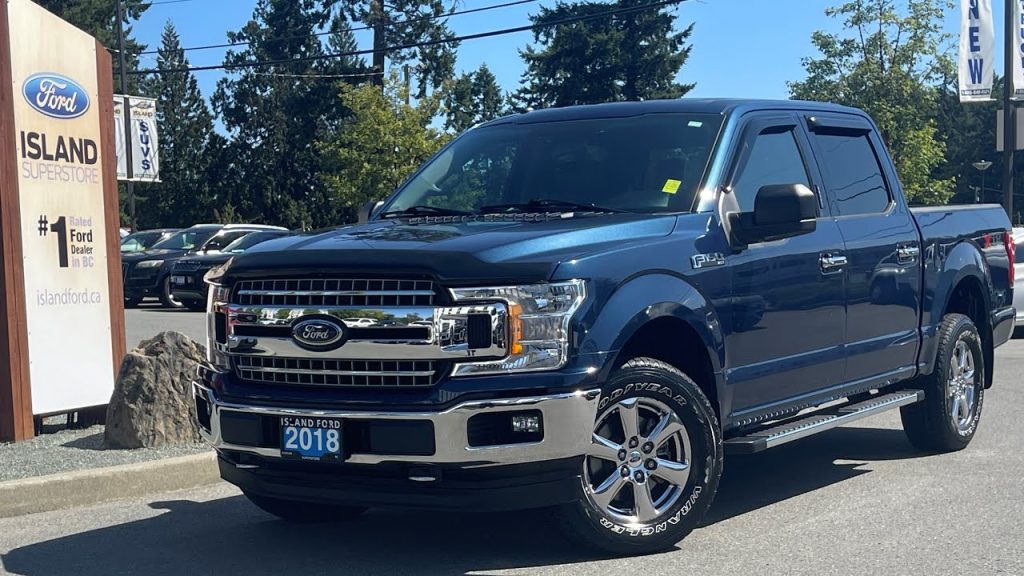
The 2.7-liter EcoBoost also demonstrates excellent efficiency during mixed suburban driving because its turbochargers only deliver significant boost when needed.
During gentle acceleration, the engine behaves much like a smaller naturally aspirated powerplant, conserving fuel while still offering quick performance when merging or passing. That balance has helped make this version of the F-150 one of the most consistently efficient gasoline-powered full-size pickups sold in the United States.
Specifications
- Engine: 2.7-liter twin-turbocharged EcoBoost V6
- Torque: 400 lb-ft
- Horsepower: 325 hp
- Length: 231.9 inches
- Width: 79.9 inches
6. 2020 Toyota Tacoma 2WD 2.7L
The Toyota Tacoma has long been known more for durability than fuel economy, yet the two-wheel-drive model equipped with the naturally aspirated 2.7-liter four-cylinder engine has quietly developed a reputation for outperforming its EPA fuel economy estimates under favorable conditions.
Officially rated at up to 23 mpg on the highway, the truck has regularly delivered 24 to 26 mpg in owner-reported highway driving, particularly on long interstate routes where steady speeds allow the engine to operate efficiently.
Toyota prioritizes mechanical simplicity by using a naturally aspirated engine instead of the turbocharged designs found in many competing models. The engine is equipped with Dual VVT-i variable valve timing, which optimizes combustion across a range of operating conditions to improve efficiency while avoiding the added complexity of a turbocharger.
One reason the Tacoma often exceeds expectations is its relatively light curb weight compared with full-size pickups. Less mass means less energy is required to maintain cruising speed, and the truck’s modest four-cylinder engine is adequately matched to daily commuting rather than heavy towing.
Owners who regularly travel between cities have frequently documented highway fuel economy above the EPA figure, especially when driving at moderate speeds with an empty cargo bed. Fuelly data supports these experiences, with many entries showing averages that slightly exceed official combined estimates.
Toyota’s conservative engine calibration also contributes. Throttle response is smooth instead of aggressive, encouraging gradual acceleration that naturally reduces fuel consumption. Although the six-speed automatic transmission has fewer gears than some competitors, its programming keeps engine speed reasonably low once highway cruising begins.
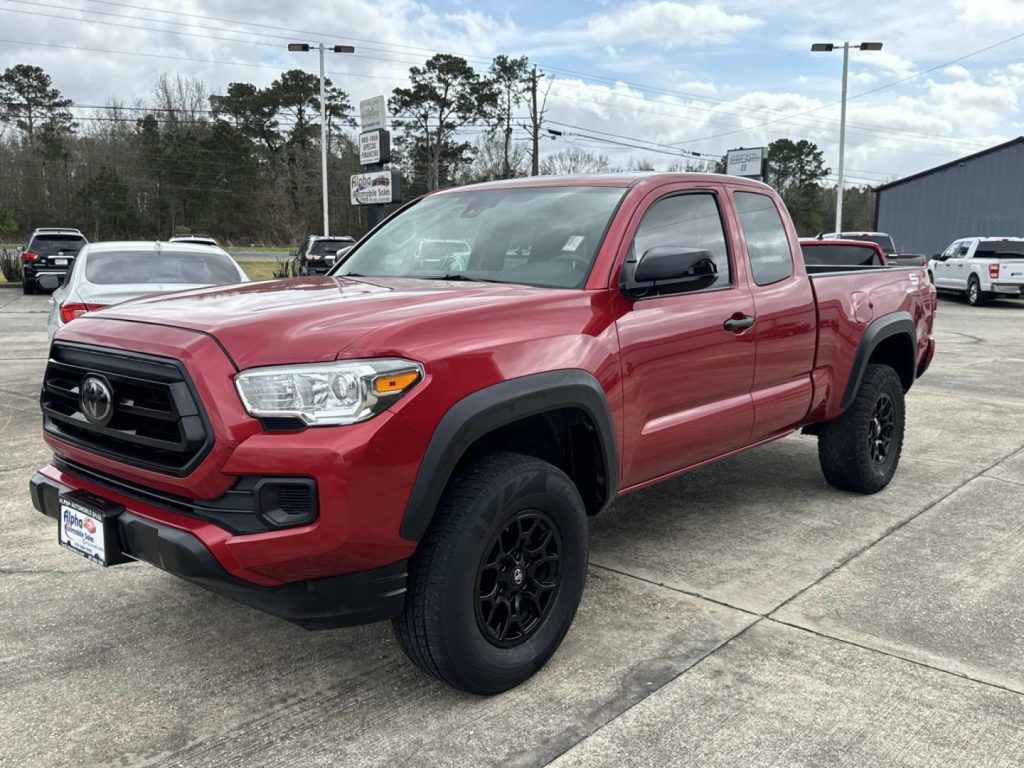
The Tacoma’s consistent real-world performance demonstrates that efficiency is not always dependent on advanced hybrid systems or diesel engines. Sometimes a well-matched naturally aspirated powertrain, moderate vehicle weight, and proven engineering produce results that exceed laboratory estimates.
For buyers seeking dependable transportation with better-than-expected fuel economy, the four-cylinder Tacoma continues to justify its reputation.
Specifications
- Engine: 2.7-liter naturally aspirated inline-four
- Torque: 180 lb-ft
- Horsepower: 159 hp
- Length: 212.3 inches
- Width: 75.2 inches
7. 2022 Nissan Frontier
The redesigned 2022 Nissan Frontier arrived with an all-new powertrain that immediately demonstrated stronger real-world efficiency than many buyers anticipated.
Equipped with the 3.8-liter direct-injected V6 and nine-speed automatic transmission, rear-wheel-drive models earned an EPA rating of up to 24 mpg on the highway.
Independent owner reports and fuel tracking databases have frequently shown highway figures of 25 to 27 mpg during extended interstate driving, allowing many drivers to exceed the official estimate under favorable conditions.
Nissan chose to continue with a naturally aspirated V6 rather than adopting the turbocharged four-cylinder engines used by several competitors. By combining direct fuel injection with variable valve timing, the engine improves combustion efficiency while delivering smooth and consistent power.
The absence of turbochargers also means less additional fuel is required during gentle acceleration, something that benefits everyday commuting.
The nine-speed automatic transmission plays an equally important role. Its wide ratio spread allows quick acceleration from a stop while providing a tall top gear that keeps engine speed low once the truck reaches cruising velocity.
On American highways, where 65 to 75 mph is common, the Frontier often settles into an efficient operating range that helps reduce fuel consumption.
Owners have also noted that the truck responds well to steady throttle inputs. During long road trips with little cargo in the bed, many have documented fuel economy surpassing the EPA highway figure by one or two miles per gallon.
Fuelly owner averages support these observations, particularly among drivers who spend most of their time on open highways rather than in congested urban traffic.
Another advantage comes from Nissan’s extensive engine revisions before the truck’s redesign. Engineers focused on reducing internal friction and improving thermal efficiency, changes that benefit both performance and fuel economy without requiring hybrid assistance.
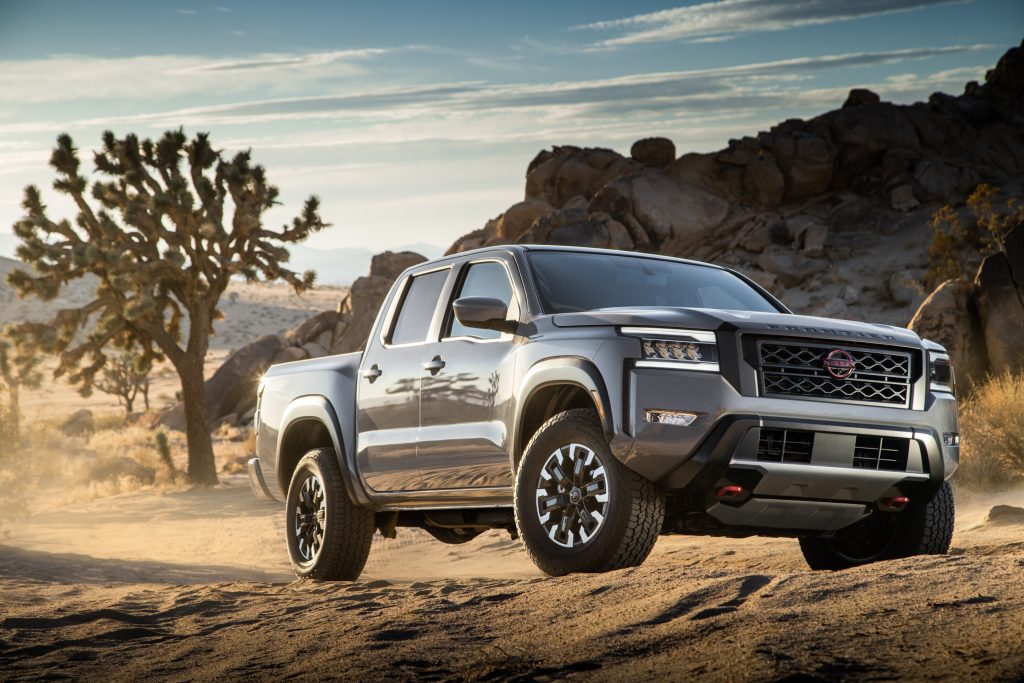
Although the Frontier is rarely advertised as a fuel economy leader, real-world driving has shown that its refined V6 and well-matched transmission can outperform official EPA expectations, making it one of the pleasant surprises in the midsize pickup segment.
Specifications
- Engine: 3.8-liter naturally aspirated V6
- Torque: 281 lb-ft
- Horsepower: 310 hp
- Length: 210.2 inches
- Width: 73.0 inches
8. 2023 Ford Maverick Hybrid
Few trucks have generated as much attention for fuel economy as the Ford Maverick Hybrid. Official EPA estimates of 42 mpg city, 33 mpg highway, and 37 mpg combined already placed it in a class of its own among American pickups.
Even more impressive, many owners have consistently reported averages that exceed those ratings. Fuelly data, owner forums, and independent testing frequently show combined fuel economy between 38 and 42 mpg, with some careful drivers recording tanks that climbed into the mid-40 mpg range.
The Maverick’s efficiency comes from its hybrid powertrain, which combines a 2.5-liter Atkinson-cycle four-cylinder engine with an electric motor and a continuously variable transmission. Compared with traditional gasoline engines, the Atkinson-cycle design prioritizes thermal efficiency over maximum power output, allowing it to deliver improved fuel economy with a slight reduction in peak performance.
Urban driving is where the hybrid system truly shines. The electric motor handles much of the truck’s low-speed movement, while regenerative braking captures energy that would otherwise be lost during deceleration.
Every stoplight becomes an opportunity to recharge the battery instead of wasting momentum as heat.
Highway performance is equally impressive because the gasoline engine operates in its most efficient range while the electric system provides supplemental assistance during passing or climbing moderate grades. Independent reviews from outlets including Edmunds have documented fuel economy that meets or exceeds EPA ratings during mixed-use evaluations.
The Maverick’s relatively low curb weight compared with traditional body-on-frame pickups further enhances its efficiency. Combined with its compact dimensions and aerodynamic profile, less energy is required to move the vehicle through traffic and maintain highway speeds.
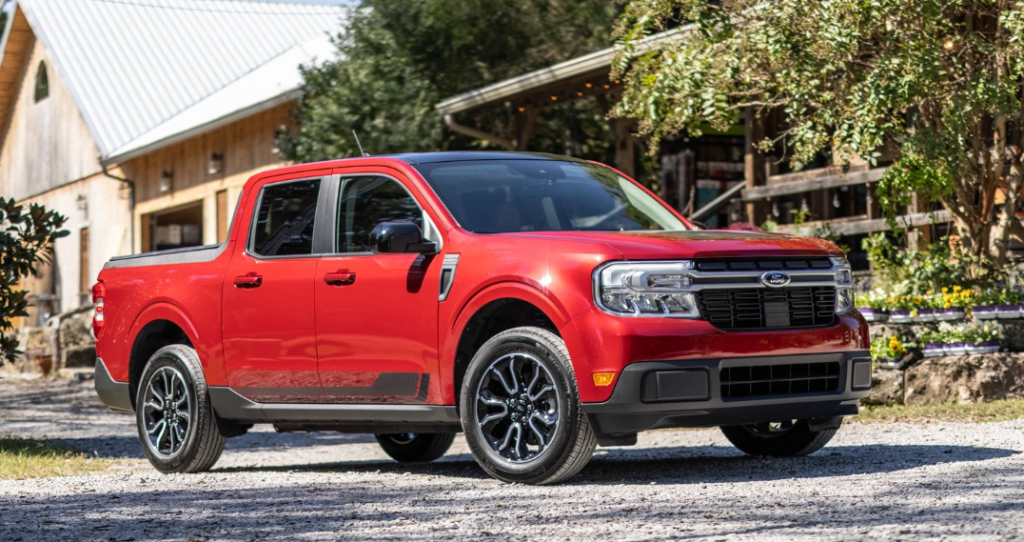
For buyers who primarily use a truck for commuting, weekend projects, and light hauling, the Maverick Hybrid demonstrates that exceeding EPA estimates is not merely possible but common under normal American driving conditions. It has redefined expectations for fuel economy in the pickup market while retaining genuine truck utility.
Specifications
- Engine: 2.5-liter Atkinson-cycle inline-four hybrid
- Torque: 155 lb-ft gasoline engine (173 lb-ft combined system torque through electric motor contribution)
- Horsepower: 191 hp (combined system)
- Length: 199.7 inches
- Width: 72.6 inches
9. 2022 Honda Ridgeline
Honda designed the Ridgeline differently from most American pickups by using a unibody platform instead of traditional body-on-frame construction. That lighter structure helps improve efficiency, and many owners have found the truck capable of exceeding its EPA highway estimate.
The 2022 Ridgeline is officially rated at 18 mpg city and 24 mpg highway, but Fuelly owner reports and independent highway testing frequently show 25 to 27 mpg during long interstate drives.
Power comes from a 3.5-liter naturally aspirated V6 equipped with direct fuel injection and Honda’s Variable Cylinder Management system. Under light cruising conditions, the engine can deactivate cylinders to reduce fuel consumption without affecting drivability.
The nine-speed automatic transmission also contributes by keeping engine RPM low at highway speeds. Combined with the truck’s aerodynamic body and lower ride height compared with traditional pickups, the Ridgeline requires less energy to maintain steady speeds.
Drivers often report the best fuel economy when traveling with an empty bed and minimal cargo. Its smooth ride and predictable throttle response also encourage gradual acceleration, helping maximize efficiency in daily driving.
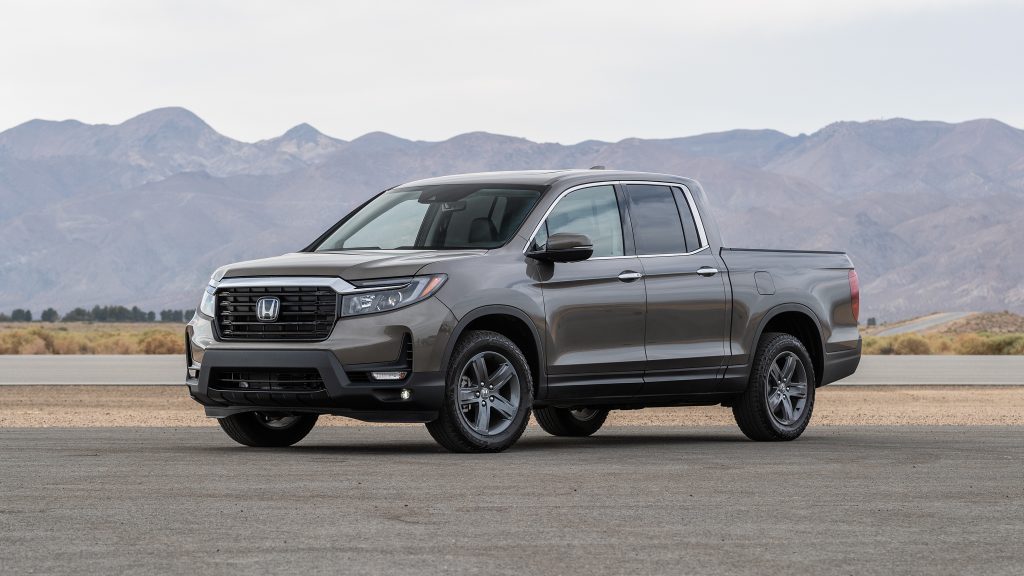
While it is not intended for heavy-duty towing like larger full-size trucks, the Ridgeline consistently delivers fuel economy that exceeds expectations, making it an excellent option for commuters and families who need truck utility without sacrificing operating costs.
Specifications
- Engine: 3.5-liter naturally aspirated V6
- Torque: 262 lb-ft
- Horsepower: 280 hp
- Length: 210.2 inches
- Width: 78.6 inches
10. 2023 Chevrolet Colorado 2WD
The redesigned 2023 Chevrolet Colorado introduced a new 2.7-liter turbocharged four-cylinder engine that has proven capable of outperforming its EPA fuel economy estimates in everyday driving.
Rear-wheel-drive models are rated at up to 25 mpg on the highway, while owner fuel logs and independent road tests have regularly recorded 26 to 28 mpg during extended interstate trips.
The engine develops strong low-end torque, allowing the truck to maintain highway speeds without frequent downshifts or heavy throttle inputs. Paired with an eight-speed automatic transmission, the powertrain operates at relatively low RPM during cruising, helping reduce fuel consumption.
Chevrolet also improved the truck’s aerodynamics with a redesigned front end and smoother airflow underneath the vehicle. These refinements reduce drag, particularly at highway speeds where fuel efficiency matters most.
Many owners report the best results during unloaded commuting and long-distance travel. The combination of efficient turbocharging, well-matched transmission gearing, and improved body design allows the Colorado to beat its official EPA rating under favorable conditions.
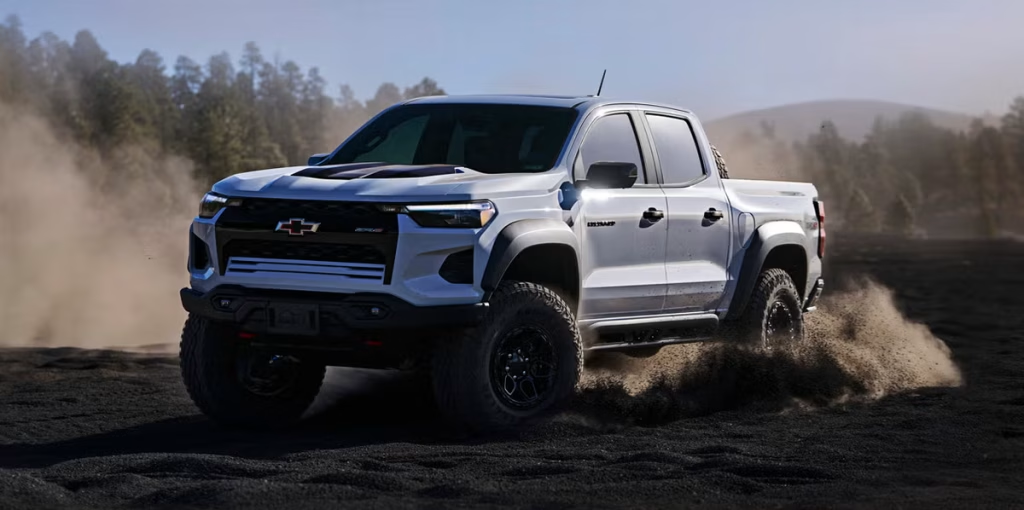
It demonstrates that a modern midsize pickup can provide strong performance, useful towing capability, and better-than-expected fuel economy without requiring hybrid or diesel technology.
Specifications
- Engine: 2.7-liter turbocharged inline-four
- Torque: 390 lb-ft
- Horsepower: 310 hp
- Length: 213.2 inches
- Width: 74.7 inches
Also Read: 10 Cars That Reduce Blind Spots and Boost Driver Confidence
