
Unexpected car repair expenses can put significant strain on a monthly budget. In many cases, the cost of replacement parts has a greater impact on the final bill than labor charges. To better understand these costs, RepairPal’s Institute Auto Service Cost Index analyzed 40 popular vehicle models. The study focused on four routine repairs, including water pump replacement, alternator replacement, brake pad replacement, and oil service.
The results showed a clear pattern. Mainstream Japanese and American models consistently beat luxury and even some compact cars. This list breaks down the eight cheapest models to fix from that RepairPal-backed study. Each entry includes real specifications, not vague summaries.
We cover engine details, horsepower, torque, and body dimensions. We also explain why parts stay affordable for each model. Popularity plays a huge role in parts pricing. High sales volume means aftermarket suppliers make more parts, which pushes prices down.
Simple mechanical layouts matter too. Fewer specialized components mean fewer expensive dealer-only parts. Whether you’re shopping for a reliable used car or budgeting for your current one, this guide helps. Let’s look at each model in detail.
1. Nissan Sentra
The Nissan Sentra topped RepairPal’s affordability index. Average repair cost across the four tracked services came in at $931. This compact sedan has long been Nissan’s value-focused entry. It shares major components with other Nissan models, which keeps parts common.
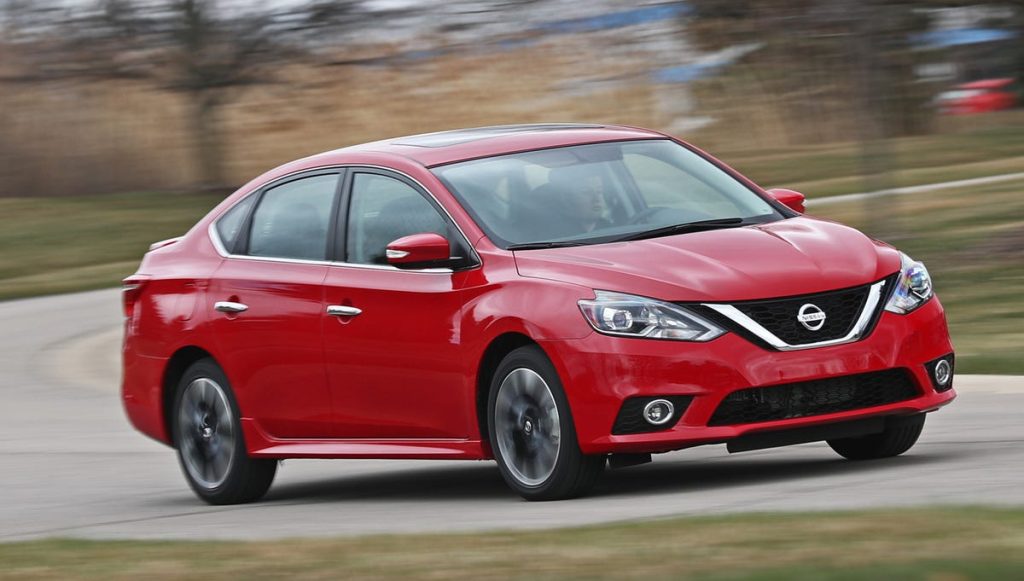
Specifications:
- Engine: 2.0L DOHC inline-4
- Horsepower: 140 hp
- Torque: 147 lb-ft
- Length: 180.4 inches
- Width: 69.4 inches
The Sentra’s four-cylinder engine is a straightforward design. It avoids turbochargers or complex forced-induction systems that raise repair costs. Its alternator and water pump use standard mounting points. Independent shops stock these parts without needing dealer-only sourcing.
Brake pads for the Sentra are widely available from major aftermarket brands. Prices stay low because so many Sentras are on American roads. The car’s CVT and manual transmission options are both mechanically simple. Neither requires exotic fluids or rare service parts.
Nissan builds the Sentra on a platform shared across several markets. Global production scale drives down component costs significantly. Suspension parts also benefit from this shared architecture. Struts, bushings, and control arms are priced competitively across suppliers.
Its electrical system avoids the complexity found in luxury trims. Sensors and wiring harnesses are simpler, meaning fewer expensive diagnostic repairs. Owners report that most maintenance items are found at any auto parts store. This reduces dependency on dealership markups.
For buyers hunting a low-maintenance daily driver, the Sentra remains relevant. Its reputation for affordable parts has held steady for over a decade. The 2010 model year, studied by RepairPal, reflects this well. Even as trims evolved, this cost advantage persisted in later generations.
2. Nissan Altima
The Nissan Altima ranked second in RepairPal’s cost index. Average repair spending totaled $986 across the tracked categories. This mid-size sedan sits just above the Sentra in size and price. It still shares Nissan’s parts-sharing philosophy across the lineup.
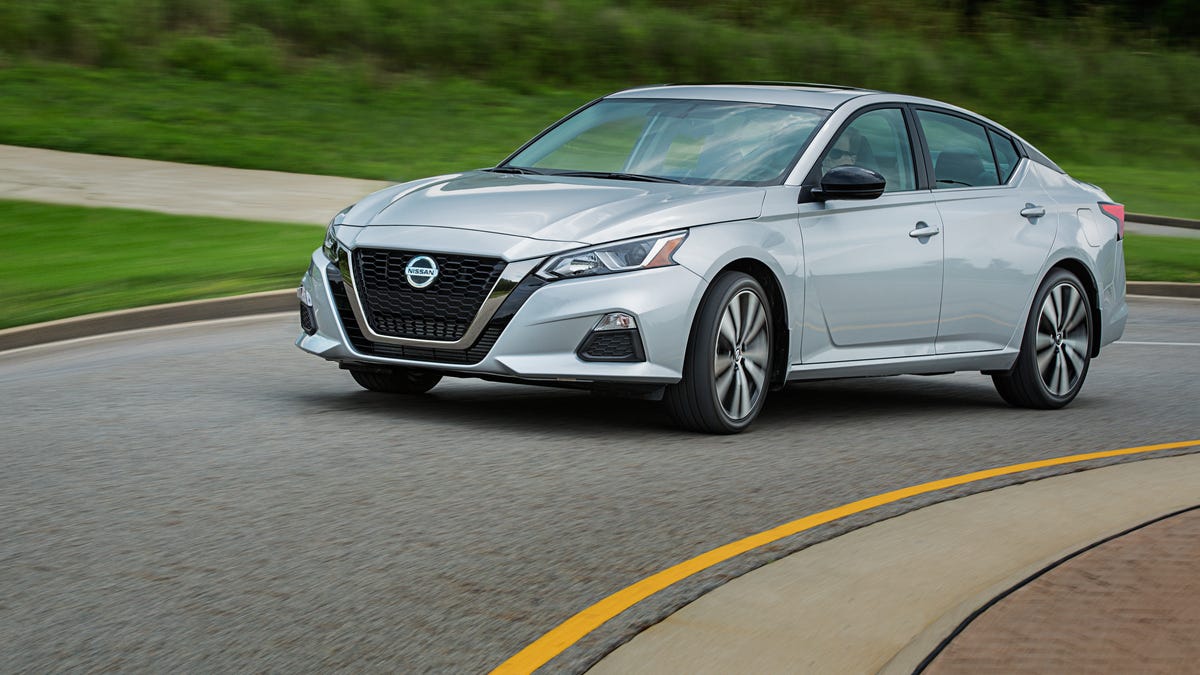
Specifications:
- Engine: 2.5L DOHC inline-4
- Horsepower: 175 hp
- Torque: 180 lb-ft
- Length: 189.8 inches
- Width: 71.7 inches
The Altima’s four-cylinder engine is the volume seller in its lineup. It uses conventional port fuel injection, avoiding costly direct-injection components.
A V6 option exists, but the four-cylinder dominates sales. High production numbers keep parts prices reasonable for most owners. Its alternator design is shared with several other Nissan models. This cross-platform commonality is a major reason repair costs stay low.
Water pump replacement on the Altima follows a conventional belt-driven layout. Parts and labor times are well documented by independent mechanics.
Brake components benefit from massive aftermarket support. Multiple manufacturers produce compatible pads and rotors at competitive prices. The Altima’s CVT transmission, while sometimes criticized for longevity, uses accessible service parts. Fluid and filter costs remain modest compared to complex automatics.
Suspension geometry is conventional strut-based front and multi-link rear. Neither design requires specialized tools or rare replacement components. Nissan’s dealer network is large across the U.S. This broad footprint also keeps OEM parts pricing competitive against luxury brands.
The Altima’s electronics avoid heavy reliance on proprietary modules. This simplicity translates into lower diagnostic and sensor replacement costs. The Altima proves that mid-size doesn’t mean expensive. Its parts economy rivals cars a full class smaller.
3. Mazda CX-7
The Mazda CX-7 landed third on RepairPal’s list. Its average repair cost was $988, just above the Altima. This compact crossover was one of the more affordable SUVs to maintain. It borrowed heavily from Mazda’s passenger car parts bin.
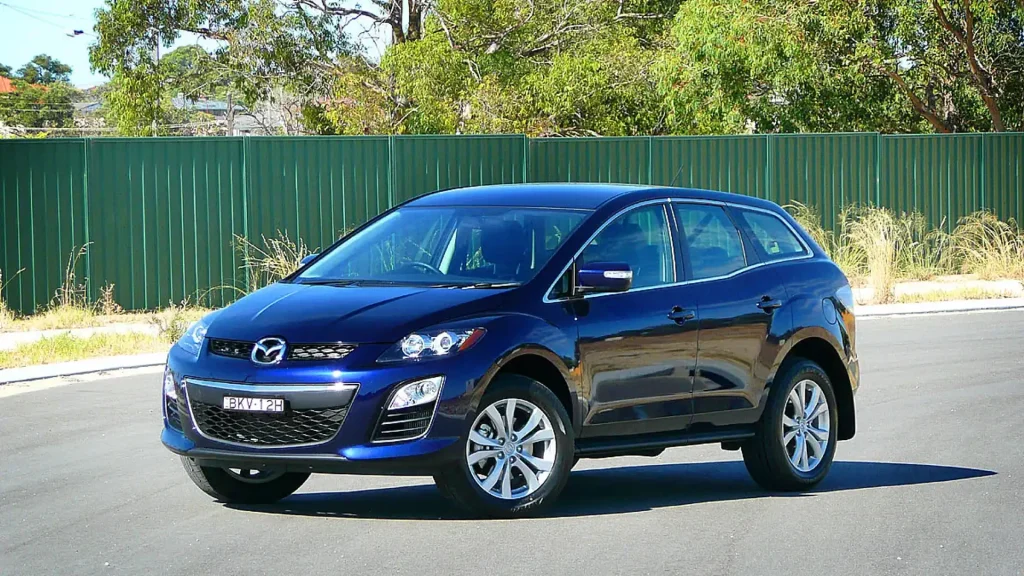
Specifications:
- Engine: 2.5L DOHC inline-4
- Horsepower: 161 hp
- Torque: 161 lb-ft
- Length: 184.1 inches
- Width: 73.7 inches
The CX-7’s base engine shares architecture with the Mazda6 sedan. This parts commonality across body styles keeps costs predictable. A turbocharged 2.3L variant existed for higher trims. However, the naturally aspirated engine dominated sales and repair statistics.
Its water pump and alternator sit in accessible engine bay positions. Labor time stays low because mechanics don’t need to remove major components.
Brake pad replacement follows standard crossover sizing. Aftermarket brands produce compatible parts without premium pricing. The CX-7’s suspension uses MacPherson struts up front. This is among the simplest and cheapest strut designs to service.
Despite being a crossover, its unibody construction mirrors Mazda’s sedans closely. This shared platform reduces unique-part costs significantly. Interior electronics stayed relatively basic for its era. Fewer sensors mean fewer potential failure points needing costly replacement.
Mazda’s parts network, while smaller than Toyota or Honda’s, still offers solid aftermarket support. Independent shops rarely struggle to source components.
For buyers wanting SUV space without luxury-level repair bills, the CX-7 delivered. It proved crossovers could match sedan-level affordability. Its inclusion in RepairPal’s top tier surprised many industry observers. SUVs typically cost more to maintain than comparable sedans.
4. Mazda6
The Mazda6 ranked fourth, with an average repair cost of $1,026. It’s Mazda’s mid-size sedan competitor to the Accord and Altima. Despite Mazda’s smaller market share, parts costs stayed competitive. The company’s engineering philosophy favors simplicity over complexity.
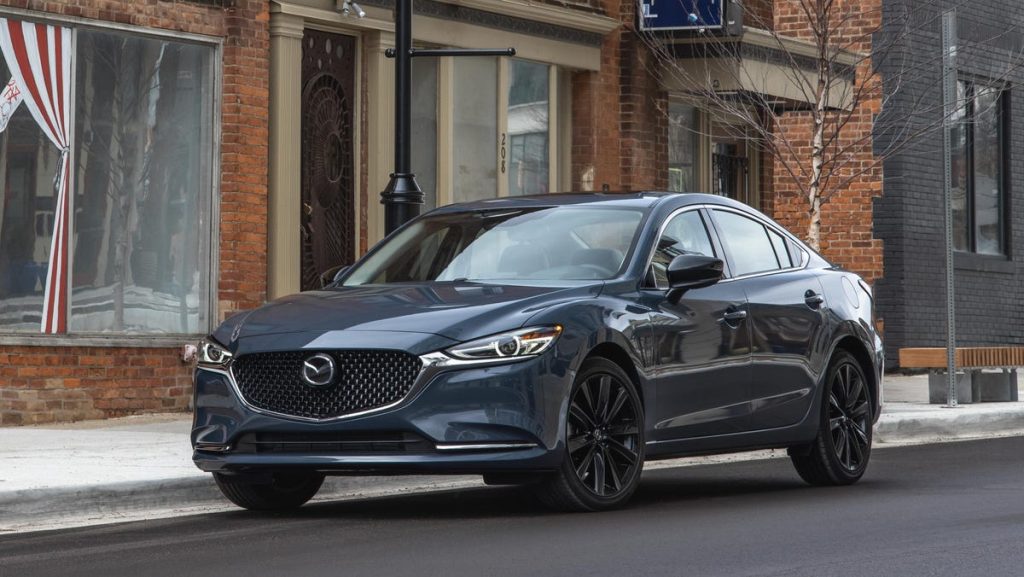
Specifications:
- Engine: 2.5L DOHC inline-4
- Horsepower: 170 hp
- Torque: 167 lb-ft
- Length: 193.7 inches
- Width: 72.4 inches
The Mazda6’s four-cylinder engine uses a timing chain rather than a belt in most trims. This eliminates a costly recurring maintenance item. Its alternator and water pump placement follows conventional layouts. Independent mechanics find these jobs straightforward without special tools.
Brake system parts are shared with other Mazda models sold globally. This cross-market production keeps unit costs down for consumers. The Mazda6’s suspension setup, MacPherson struts front and multi-link rear, is common across the segment. Replacement parts are neither rare nor expensive.
Electrical architecture stayed conservative for the era studied. Fewer modules mean fewer expensive sensor or control unit replacements. Mazda’s build quality historically reduces unexpected failures. This means fewer surprise repairs beyond scheduled maintenance items.
Its six-cylinder option existed but sold in far smaller numbers. The four-cylinder’s dominance kept its parts pipeline well-stocked and affordable. Tires and brakes wear at predictable rates on the Mazda6. Owners report consistent, budget-friendly service intervals.
The car’s reputation for driving dynamics didn’t come with a parts-cost penalty. This combination made it a sleeper value pick. The Mazda6 shows that enthusiast-oriented engineering doesn’t have to mean expensive upkeep. It balanced fun and affordability well.
Also Read: 8 Cheapest New Cars You Can Buy In 2027
5. Ford Explorer
The Ford Explorer ranked fifth, with repair costs averaging $1,052. This was surprising, since SUVs typically rank among pricier vehicles to fix. The 2010 Explorer studied here was the final body-on-frame generation. This older, simpler architecture kept parts costs in check.
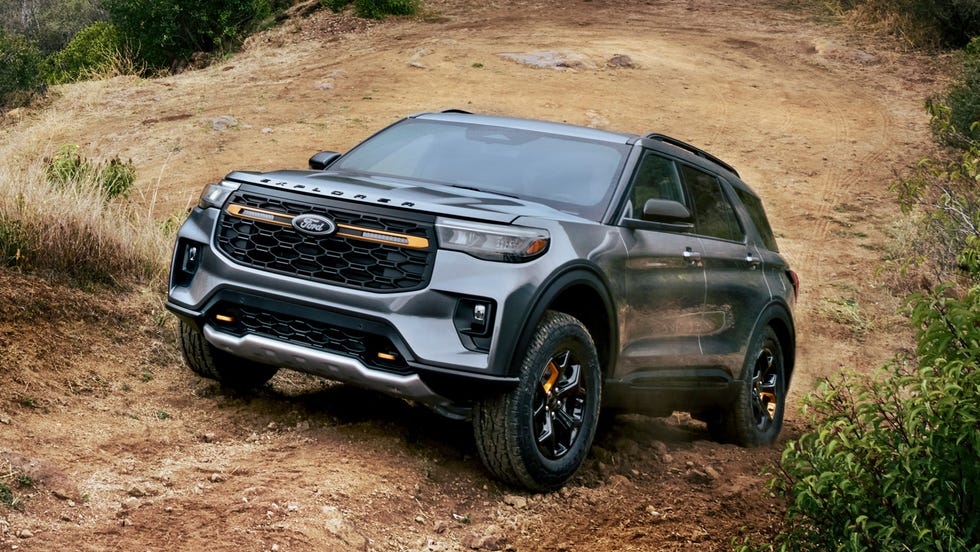
Specifications:
- Engine: 4.0L SOHC V6
- Horsepower: 210 hp
- Torque: 254 lb-ft
- Length: 193.4 inches
- Width: 73.7 inches
The Explorer’s V6 engine had been in production for years by 2010. This maturity meant parts suppliers had long since optimized pricing. Its body-on-frame construction, while heavier, uses conventional truck-style components. These parts are often cheaper than unibody crossover equivalents.
Alternator and water pump access on the V6 is straightforward. Mechanics don’t need to disassemble major structural components for basic service.
Brake components sized for the Explorer’s weight are widely produced. Heavy-duty pad and rotor options come from multiple budget-friendly brands.
Suspension parts, including its solid rear axle in some configurations, are simple and durable. Simple design generally means cheaper replacement parts.
Ford’s massive dealer and parts network across North America also helps. Availability keeps competition high among suppliers, which lowers prices.
The Explorer’s electronics stayed modest compared to today’s tech-heavy SUVs. Fewer sensors and modules mean fewer expensive diagnostic repairs.
Four-wheel-drive components, when equipped, use well-documented transfer case designs. Specialty 4×4 shops handle these repairs without excessive markup.
This generation Explorer proved that SUV size doesn’t automatically mean high repair costs. Simple engineering kept it competitive with sedans. Its inclusion in the top five reshaped perceptions about SUV ownership costs. Buyers could get truck-like capability without luxury-level bills.
6. Honda Accord
The Honda Accord ranked sixth on RepairPal’s index. Average repair costs reached $1,060 across the measured categories. Honda’s reputation for reliability extends to repair affordability. The Accord has long been a benchmark for value-conscious mid-size buyers.
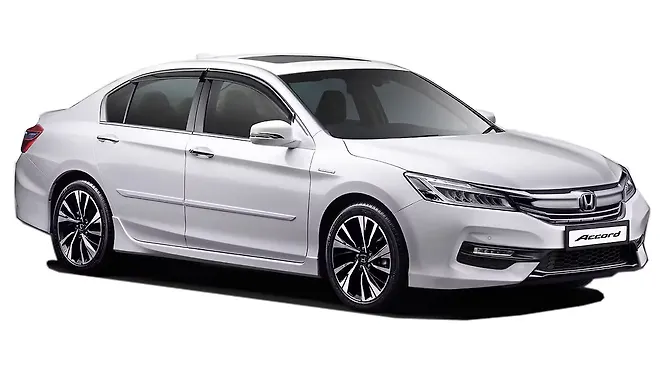
Specifications:
- Engine: 2.4L DOHC inline-4
- Horsepower: 177 hp
- Torque: 161 lb-ft
- Length: 194.1 inches
- Width: 72.7 inches
The Accord’s four-cylinder engine, known as the K24, is famous for durability. Its widespread use across Honda’s lineup keeps parts abundant. Timing chain design eliminates costly belt replacement intervals. This alone saves owners hundreds of dollars over a vehicle’s lifetime.
Alternator and water pump replacement follow well-documented procedures. Independent Honda specialists handle these jobs quickly and affordably.
Brake system parts benefit from Honda’s massive production volume. Nearly every auto parts retailer stocks compatible components at low prices.
The Accord’s suspension, using struts front and multi-link rear, avoids exotic materials. Bushings and control arms are inexpensive to replace. Honda’s electrical systems in this era stayed relatively simple. Fewer failure-prone modules mean lower long-term diagnostic costs.
A V6 option existed for higher trims, but the four-cylinder dominated sales. This volume kept four-cylinder parts pricing especially competitive. The Accord’s reputation for longevity means many high-mileage examples remain on the road. This sustains strong aftermarket parts demand and availability.
Honda’s dealer network, while sometimes pricier than independent shops, still competes reasonably. Independent Honda specialists offer even better value. The Accord combines reliability with genuine affordability. It remains a go-to recommendation for buyers wanting low ownership costs.
7. Ford Focus
The Ford Focus ranked seventh, with an average repair cost of $1,064. This compact hatchback and sedan competed directly with the Civic and Corolla.
Its straightforward engineering and huge production numbers kept costs down. Ford built the Focus for markets worldwide, boosting parts economies of scale.
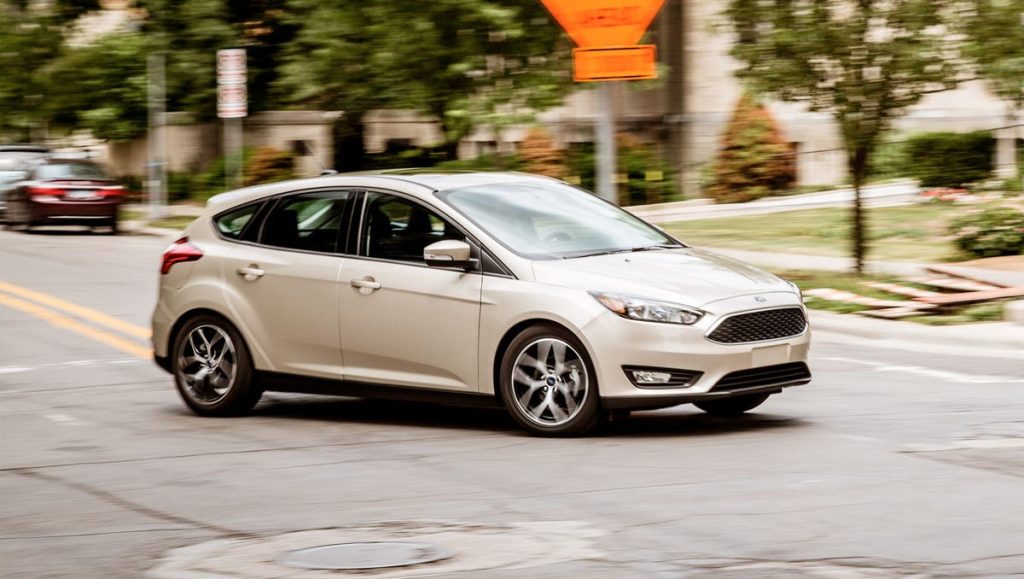
Specifications:
- Engine: 2.0L DOHC inline-4
- Horsepower: 140 hp
- Torque: 136 lb-ft
- Length: 174.9 inches
- Width: 67.8 inches
The Focus’s Duratec engine family has been used across multiple Ford models. This shared architecture keeps replacement parts easy to find. Alternator placement is accessible without removing major engine components. This keeps labor costs low alongside affordable part prices.
Water pump service follows conventional belt-driven design in this generation. Parts suppliers offer numerous budget-friendly aftermarket options.
Brake pads and rotors for the Focus are among the most commonly stocked items at parts stores. Compact car demand keeps pricing competitive.
Its suspension uses simple MacPherson struts and a basic rear beam axle. This design is cheaper to service than multi-link alternatives. The Focus’s electrical system stayed conservative for its class and era. Fewer sensors translate into fewer expensive repairs down the line.
Ford’s global platform sharing means European and American parts bins often overlap. This international scale helps keep prices in check. Manual transmission versions, common in this generation, are mechanically simple. Clutch replacement costs stay reasonable compared to complex automatics.
The Focus’s compact size also means lower-cost body panels when accidents happen. Insurance repair estimates reflect this affordability too. For budget-conscious commuters, the Focus delivered real savings. Its ranking here confirms Ford’s compact lineup held real value.
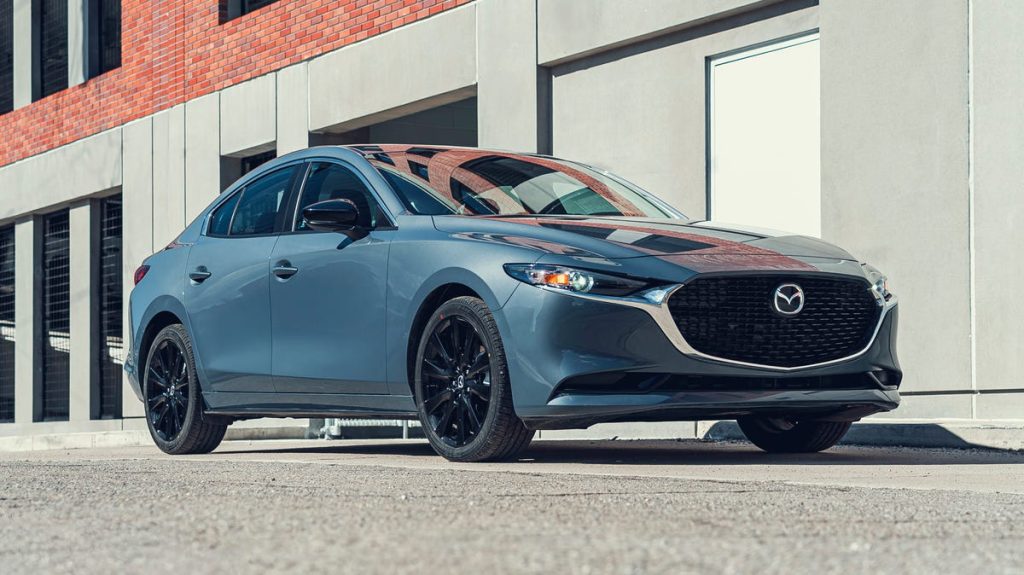
8. Mazda3
The Mazda3 rounded out the top eight, with average repair costs of $1,068. This compact sedan and hatchback competed with the Civic and Corolla directly. Mazda’s engineering focus on driving feel didn’t come at the expense of affordability. The Mazda3 balanced both traits effectively.
Specifications:
- Engine: 2.0L DOHC inline-4
- Horsepower: 148 hp
- Torque: 135 lb-ft
- Length: 180.1 inches
- Width: 69.1 inches
The Mazda3’s base engine shares its design with other small Mazda models. This commonality keeps replacement parts widely available and inexpensive.
Its timing chain, rather than a belt, removes a common expensive maintenance item. This design choice benefits long-term ownership costs significantly.
Alternator and water pump access follow conventional compact-car layouts. Independent mechanics rarely need specialized tools for these repairs.
Brake components are shared across Mazda’s compact lineup globally. High production volume keeps aftermarket pricing consistently low. The Mazda3’s suspension, using struts front and a torsion-beam or multi-link rear depending on trim, stays simple. Replacement bushings and mounts are affordable.
Electrical architecture in this generation avoided excessive complexity. Fewer modules mean fewer costly sensor-related repairs over time. A larger 2.5L engine option existed on some trims, but the 2.0L dominated volume. This kept the most common engine’s parts especially cheap.
Mazda’s reputation for driving dynamics attracted enthusiast owners. Many kept detailed maintenance records, reinforcing the model’s low-cost reputation.
Tire and brake wear rates stayed predictable and manageable. Owners consistently reported budget-friendly service visits. The Mazda3’s presence in this list confirms that fun-to-drive cars can still be cheap to fix. It remains a smart pick for value-focused buyers.
Also Read: 10 Most Reliable Volkswagen Jetta Generations Ranked
