
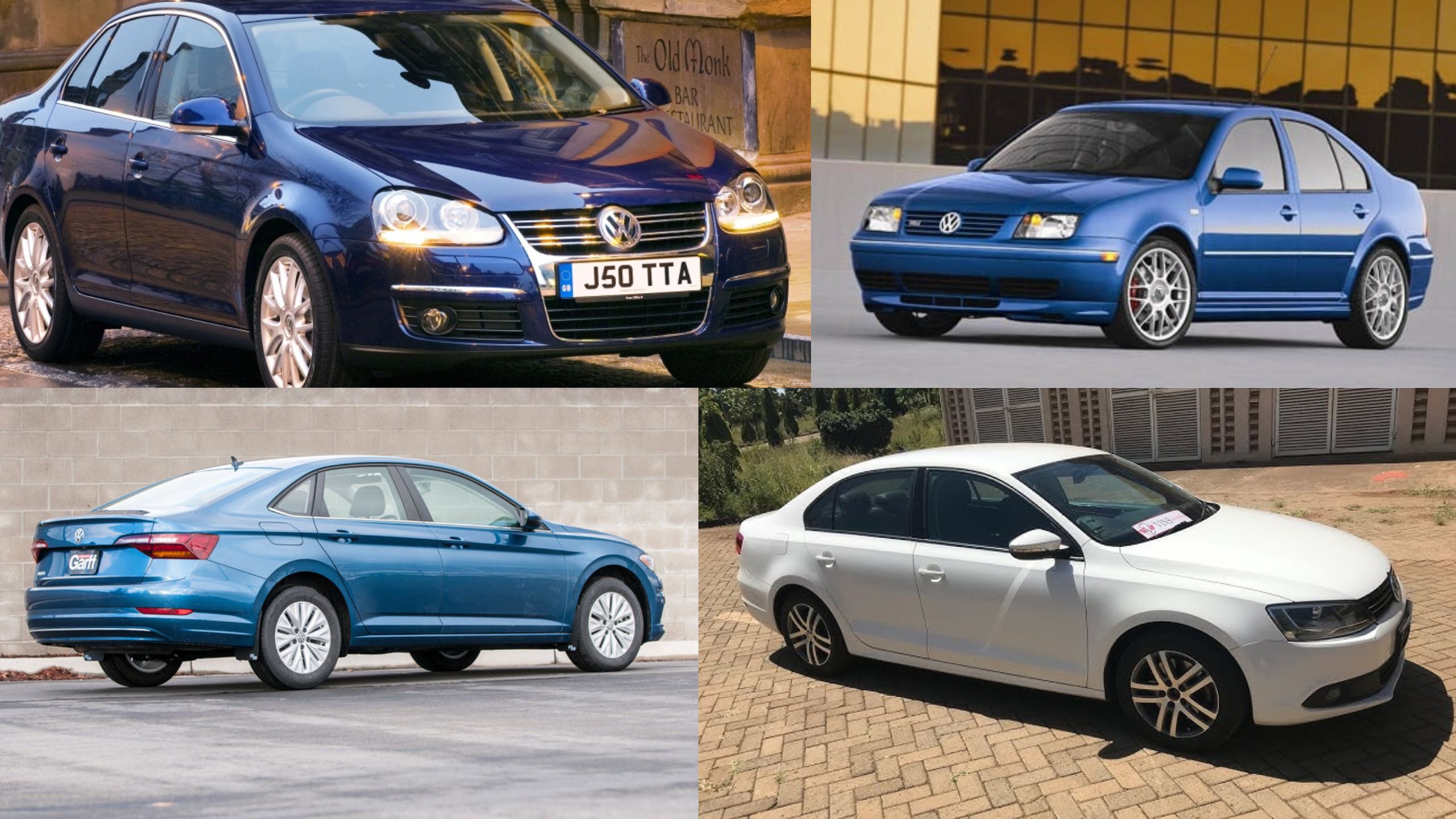
The Volkswagen Jetta has been a compact sedan mainstay in America since 1980. Built on the Golf’s bones but wrapped in a proper trunk, it earned a reputation for European handling at an accessible price.
Reliability, though, has swung wildly across its history. Some generations used simple, over-engineered mechanicals that owners drove past 250,000 miles.
Others introduced turbocharged, electronics-heavy platforms that brought new headaches. This list breaks the Jetta’s story into ten distinct chapters, including major generational splits and notable powertrain-driven sub-generations.
Each entry is judged on real-world durability, engine simplicity, common failure points, and long-term ownership costs. Diesel and naturally aspirated variants often outlast their turbocharged siblings within the same generation.
That’s why some generations appear twice, split by engine family, since reliability differed so much within a single body style. Specifications are included for each entry to give a clear technical snapshot.
This ranking leans on owner-reported data, NHTSA complaint patterns, and mechanic consensus rather than marketing claims. Whether you’re shopping for a first car or a diesel commuter, this guide should help you avoid costly mistakes.
1. Mk4 Jetta TDI (1999–2005)
The Mk4 TDI is the generation most mechanics point to first. Its 1.9-liter ALH diesel engine is legendary among diesel owners. These engines routinely cross 300,000 miles with basic maintenance. Simple mechanical injection and no complex emissions hardware kept failure points minimal.
The five-speed manual gearbox paired with it is nearly bulletproof. Clutch replacement is usually the only major wear item owners face. Rust on early cars and window regulator failures are the main annoyances. Neither issue threatens the drivetrain’s core longevity.
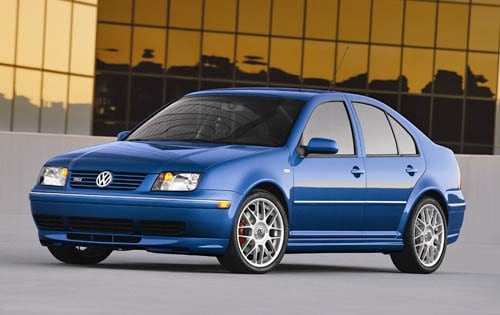
Parts remain cheap and widely available thanks to a huge enthusiast community. Independent mechanics know this engine inside and out. Fuel economy regularly exceeds 45 mpg on the highway. That efficiency, paired with durability, makes it a favorite for high-mileage commuters.
Specifications:
- Engine: 1.9L TDI turbodiesel inline-4 (ALH)
- Horsepower: 90–100 hp
- Torque: 155–177 lb-ft
- Length: 174.4 in
- Width: 68.3 in
2. Mk3 Jetta (1993–1998)
The Mk3 marked a shift toward a more substantial, refined Jetta. Its mechanical simplicity is exactly why it holds up so well decades later. The 2.0-liter eight-valve gas engine is nearly indestructible. It lacks the turbocharging and direct injection that create headaches in later Jettas.
Cooling system components, particularly plastic radiator end tanks, are the most common failure points. They’re inexpensive and easy to replace preventatively. The VR6-powered GLX trim adds performance but slightly more complexity. Reliability drops modestly compared to the base four-cylinder cars.
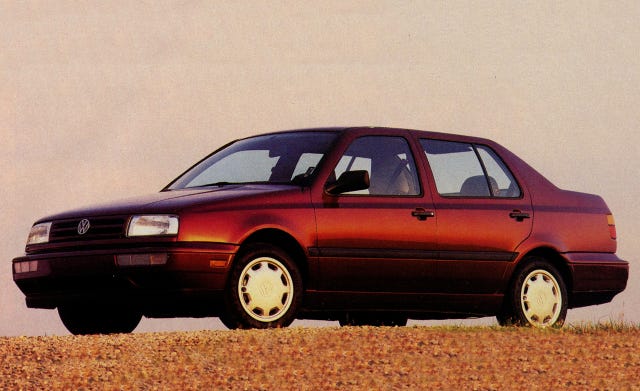
Interior electronics are basic, which limits the number of things that can fail. Window regulators and door lock actuators are the typical wear items. Body rust in salt-belt states remains the biggest long-term threat. Mechanically, though, well-kept examples still run reliably today.
Specifications:
- Engine: 2.0L SOHC inline-4 (ABA)
- Horsepower: 115 hp
- Torque: 122 lb-ft
- Length: 172.4 in
- Width: 66.7 in
3. Mk2 Jetta (1985–1992)
The Mk2 grew the Jetta into a proper compact sedan. Its engineering remained refreshingly straightforward for the era. Carbureted early cars gave way to fuel injection by the late 1980s. Fuel injection improved both reliability and drivability significantly.
The 1.8-liter and 2.0-liter engines are known for being nearly overbuilt. Timing belt maintenance is the single most important reliability factor. Owners who follow the belt interval rarely see catastrophic engine failure. Those who skip it risk expensive valve damage on interference engines.
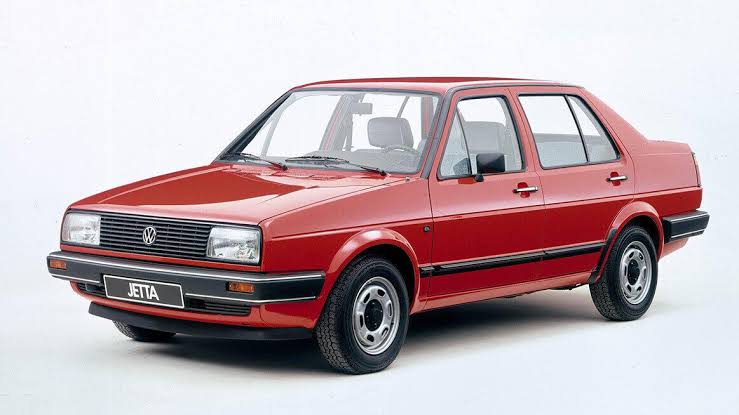
Manual transmissions from this era are especially tough. Automatic units are weaker but still serviceable with proper fluid changes. Rust protection was still catching up to Japanese competitors. Surviving examples in dry climates remain impressively dependable daily drivers.
Specifications:
- Engine: 1.8L / 2.0L inline-4 (PF / 9A)
- Horsepower: 85–134 hp | Torque: 100–133 lb-ft
- Length: 172.4 in
- Width: 65.9 in
4. Mk1 Jetta (1980–1984)
The original Jetta was essentially a Golf with a trunk grafted on. Its mechanical simplicity is unmatched anywhere else on this list. Small, low-stress carbureted engines rarely suffer internal failures. There’s simply less to break compared to modern turbocharged units.
The lack of complex electronics means fewer sensors and modules to fail. Most repairs come down to basic tune-up items. Rust is, by far, the biggest threat to surviving Mk1 Jettas. Body corrosion has claimed far more of these cars than mechanical failure ever has.
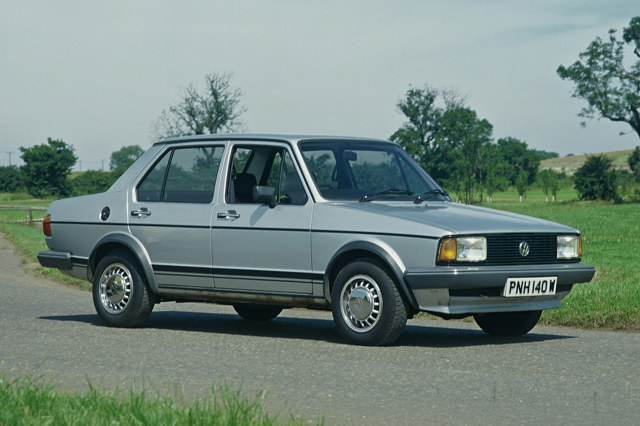
Parts availability has thinned considerably compared to newer generations. Enthusiast networks and import specialists remain the best sourcing option. Finding a rust-free survivor today is genuinely difficult. Those that exist, however, remain shockingly reliable mechanically.
Specifications:
- Engine: 1.5L / 1.6L / 1.8L inline-4
- Horsepower: 70–90 hp
- Torque: 81–100 lb-ft
- Length: 165.9 in
- Width: 63.7 in
Also Read: 5 Brands With the Lowest 10-Year Upkeep vs 5 With the Highest
5. Mk6 Jetta, Base Engines (2011–2014)
Volkswagen simplified the Jetta significantly for North America with this generation. The base 2.0-liter engine reflects that back-to-basics approach.
This naturally aspirated engine dropped the direct injection used elsewhere. That decision reduced complexity and improved long-term dependability considerably.
The 2.5-liter inline-five, borrowed from other VW models, is similarly robust. Both engines avoid the carbon buildup issues seen in turbocharged siblings. Torsion beam rear suspension on base trims simplified maintenance further. Fewer components mean fewer things that can eventually wear out.
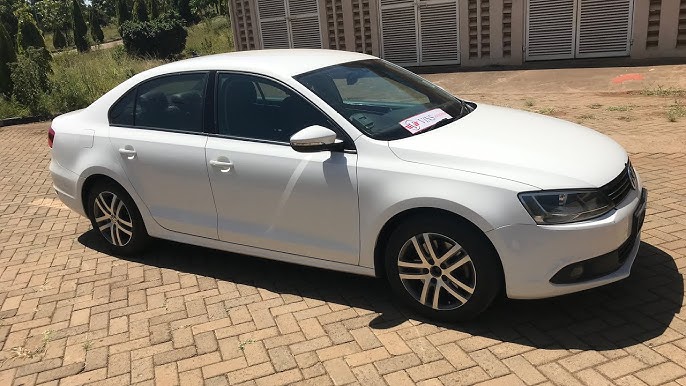
Interior material quality took a step down from the Mk5. That cost-cutting, ironically, didn’t extend to core mechanical reliability. Owners report these base four- and five-cylinder cars routinely reaching high mileage. They’re widely considered the sweet spot of this generation.
Specifications:
- Engine: 2.0L SOHC inline-4 / 2.5L inline-5
- Horsepower: 115–170 hp
- Torque: 125–177 lb-ft
- Length: 182.2 in
- Width: 70.0 in
6. Mk4 Jetta Gas Engines (1999–2005)
The gasoline-powered Mk4 sits just below its diesel sibling in durability. The naturally aspirated 2.0-liter four-cylinder is the standout for reliability.
It shares its core architecture with the older Mk3 unit. That carryover simplicity kept failure rates low throughout production. The turbocharged 1.8T, found in higher trims, is noticeably less reliable. Coil packs, ignition components, and PCV system failures are common complaints.
The VR6 engine offers strong performance but adds cooling system complexity. Water pump and thermostat housing failures are its most frequent issues.
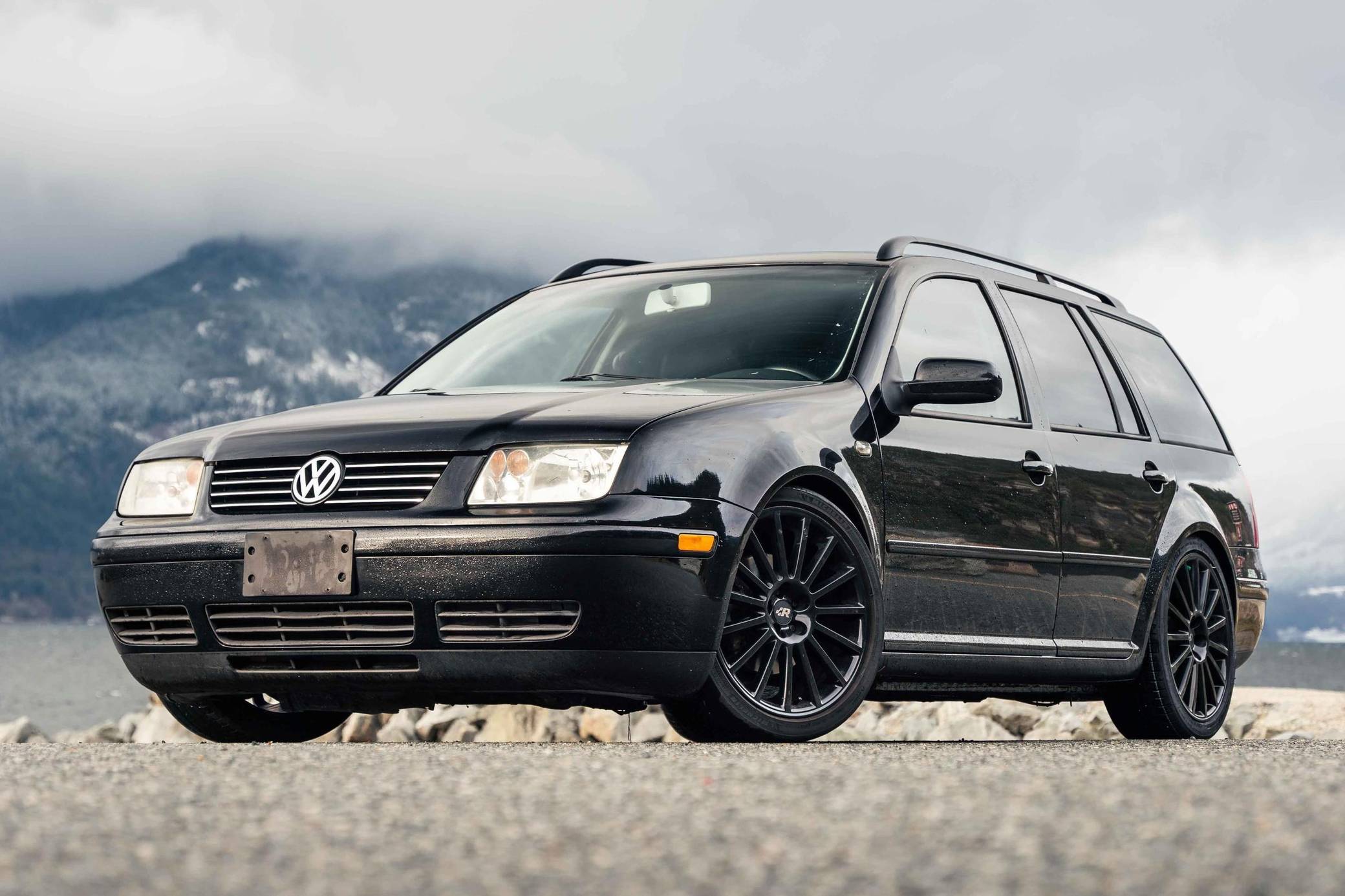
Automatic transmissions from this era, particularly the 01M unit, can be problematic. Manual gearboxes remain the most dependable choice across all trims. Interior electronics, including window switches, are a known weak point. None of these issues seriously threaten the base engine’s core longevity.
Specifications:
- Engine: 2.0L SOHC inline-4 (base) / 1.8L turbo / 2.8L VR6
- Horsepower: 115–174 hp
- Torque: 122–181 lb-ft
- Length: 174.5 in
- Width: 68.3 in
7. Mk6 Jetta GLI and Facelift (2015–2018)
The refreshed Mk6 brought sharper styling and returned some Golf-derived engineering. The GLI trim added the well-regarded 2.0-liter turbocharged EA888 engine. This engine is generally strong, though carbon buildup on intake valves is a known issue. Direct injection without port injection makes periodic cleaning necessary.
The independent rear suspension on GLI models improves handling substantially. That added complexity slightly raises long-term maintenance costs versus base trims. Timing chain tensioner wear affected some early EA888 units. Volkswagen addressed this through revised parts in later production years.
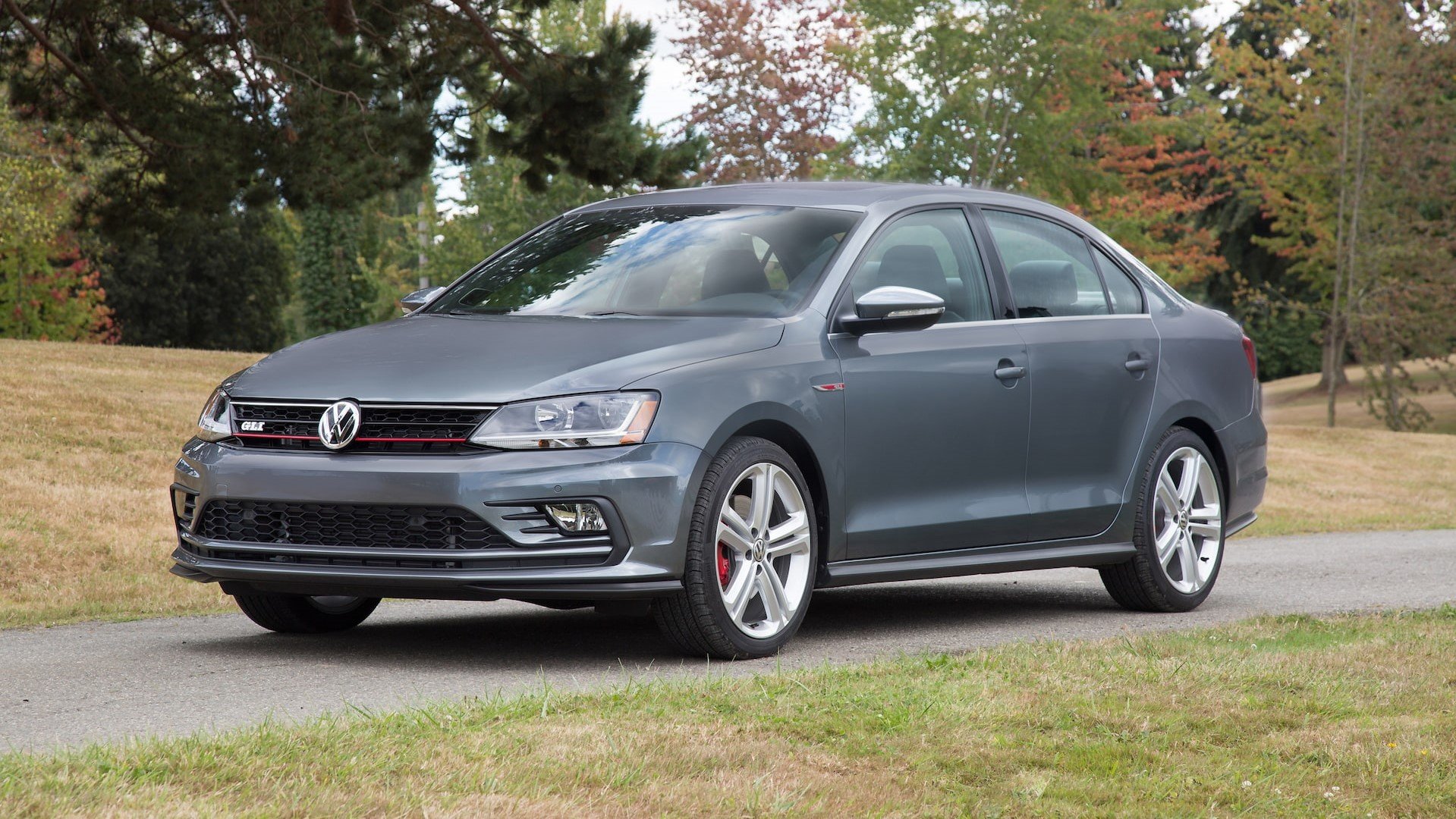
The DSG dual-clutch transmission, offered as an option, requires strict fluid change intervals. Neglecting service schedules is the leading cause of DSG failures. Owners who stay on top of maintenance report strong long-term satisfaction. It’s a more engaging Jetta that demands slightly more attentive ownership.
Specifications:
- Engine: 2.0L turbocharged inline-4 (EA888)
- Horsepower: 210–228 hp
- Torque: 207–258 lb-ft
- Length: 182.3 in
- Width: 70.0 in
8. Mk7 Jetta (2019–2021)
The seventh-generation Jetta moved to Volkswagen’s MQB platform, shared with the Golf and Tiguan. This shift brought modern efficiency alongside more complex electronics. The turbocharged 1.4-liter engine prioritizes fuel economy over displacement. Its smaller size means components run under higher relative stress.
Turbocharger and intercooler-related issues have appeared in early production examples. These are typically covered under warranty rather than being catastrophic failures. The optional eight-speed automatic is smoother than older Jetta transmissions. Long-term durability data is still developing given the platform’s relative youth.
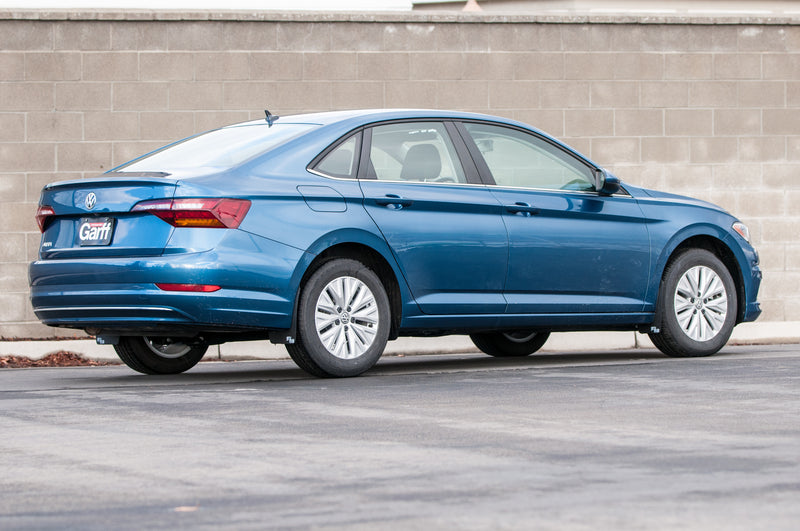
Infotainment and digital cockpit electronics add convenience but also new failure points. Software glitches are more common than genuine hardware faults. This generation is dependable but not exceptional by classic Jetta standards. Its complexity puts it below the simpler naturally aspirated generations.
Specifications:
- Engine: 1.4L turbocharged inline-4
- Horsepower: 147 hp
- Torque: 184 lb-ft
- Length: 185.1 in
- Width: 70.8 in
9. Mk5 Jetta (2005–2010)
The Mk5 introduced a more premium feel alongside genuinely improved ride quality. Unfortunately, that leap in refinement came with a leap in complexity too. The 2.5-liter inline-five became the volume engine for this generation. It’s reasonably dependable but suffers from ignition coil and spark plug failures.
The turbocharged 2.0T FSI, used in GLI models, is far less forgiving. Timing chain tensioner failures and carbon buildup are widely documented problems. Diesel models carried over the improved 2.0-liter TDI (BRM engine). It’s solid but not quite as bulletproof as the earlier 1.9-liter ALH.
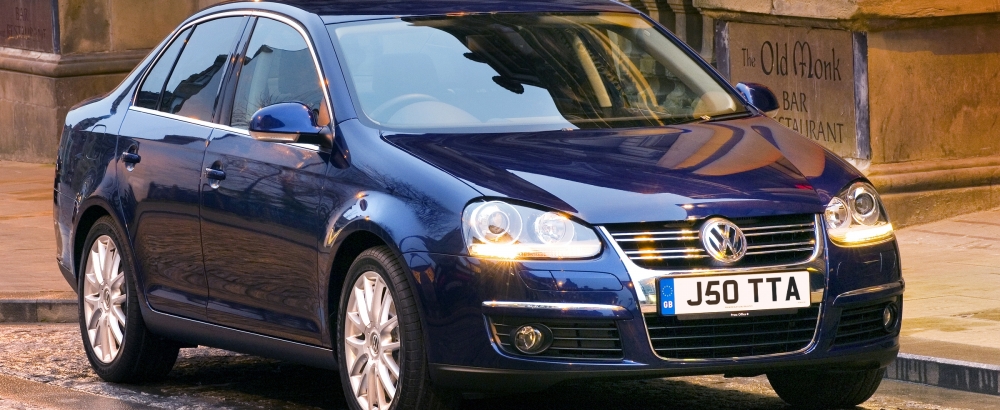
Electrical gremlins, including window regulators and door lock modules, are common complaints. These rarely strand owners but add up in repair costs. Independent rear suspension across all trims improved handling significantly. That mechanical upgrade came at the cost of more components to eventually maintain.
Specifications:
- Engine: 2.5L inline-5 / 2.0L turbo FSI / 2.0L TDI
- Horsepower: 100–200 hp
- Torque: 125–207 lb-ft
- Length: 179.3 in
- Width: 70.1 in
10. Mk7 Jetta Facelift (2022–Present)
The refreshed Mk7 brought a larger 1.5-liter turbocharged engine and updated styling. Volkswagen also retired the manual transmission on most non-GLI trims This newer engine improves low-end torque delivery over its predecessor. Real-world reliability data remains limited given how recently it launched.
Advanced driver-assistance electronics are now standard across most trims. More sensors and software mean more potential points of failure in the long term. Early owner reports cite infotainment glitches more often than mechanical faults. This mirrors trends seen across the broader modern compact-sedan segment.
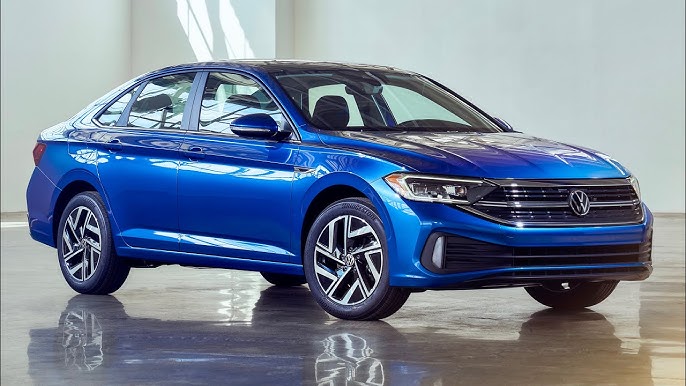
The GLI trim retains a manual option and the proven 2.0-liter EA888 engine. That variant benefits from years of prior refinement on other VW models. It’s too early to rank this generation against decades-proven predecessors confidently. Its modern complexity places it last until more long-term data emerges.
Specifications:
- Engine: 1.5L turbocharged inline-4 / 2.0L turbo (GLI)
- Horsepower: 158–228 hp
- Torque: 184–258 lb-ft
- Length: 186.5 in
- Width: 70.8 in
Also Read: 8 Best Trucks for Off-Grid and Rural Living
