
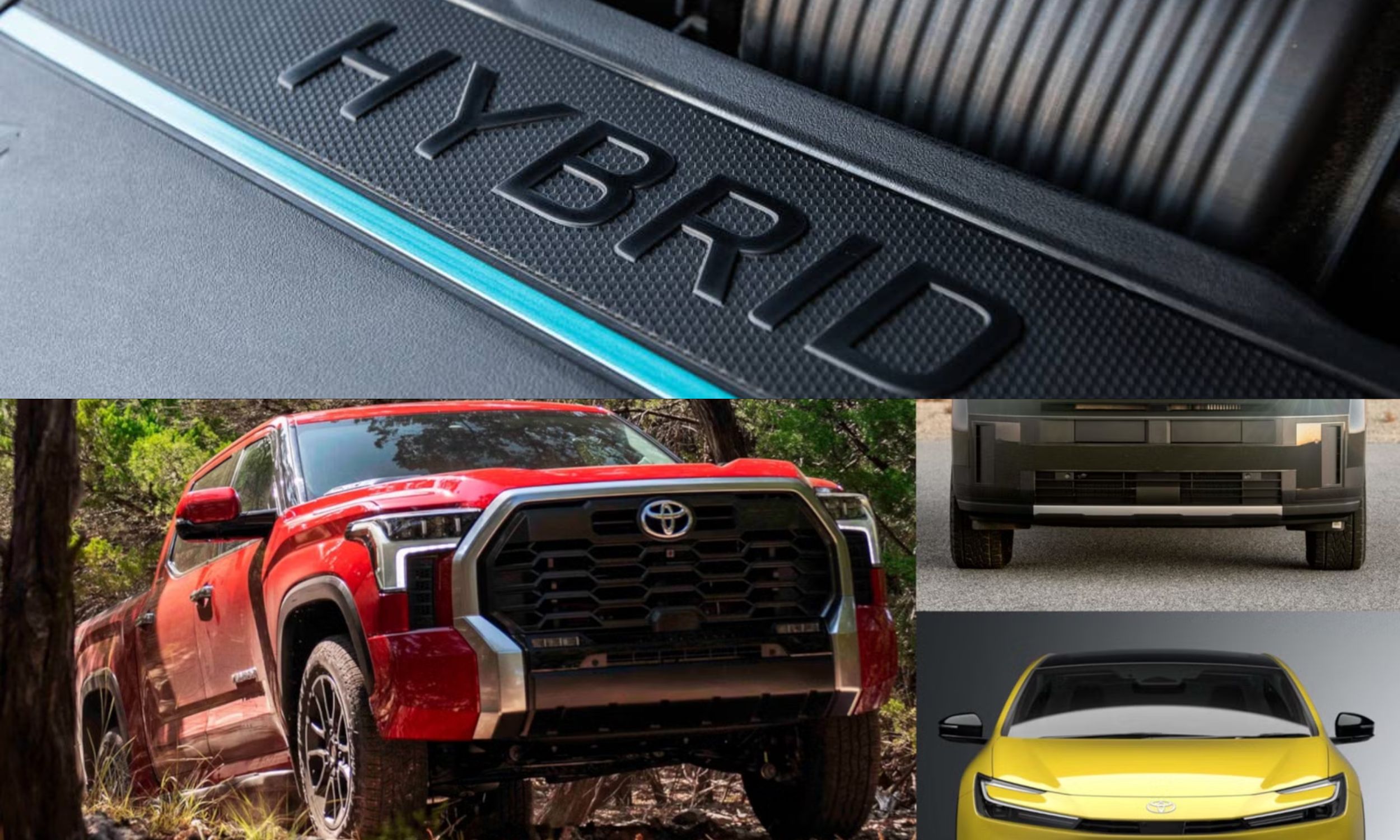
Buying a hybrid often seems straightforward: look at the fuel economy rating, choose your favorite model, and expect fewer visits to the gas station. However, everyday driving can tell a different story. Highway speeds, cold weather, heavy loads, traffic conditions, and driving habits can all affect the mileage you actually achieve.
EPA ratings provide a useful comparison, but they do not always reflect every real-world situation. Some hybrids have shown a noticeable difference between their official numbers and the fuel economy reported by owners and independent testers. Below are ten hybrid vehicles with some of the largest gaps between EPA estimates and real-world results, along with major specifications to help you understand what each model offers before making a purchase decision.
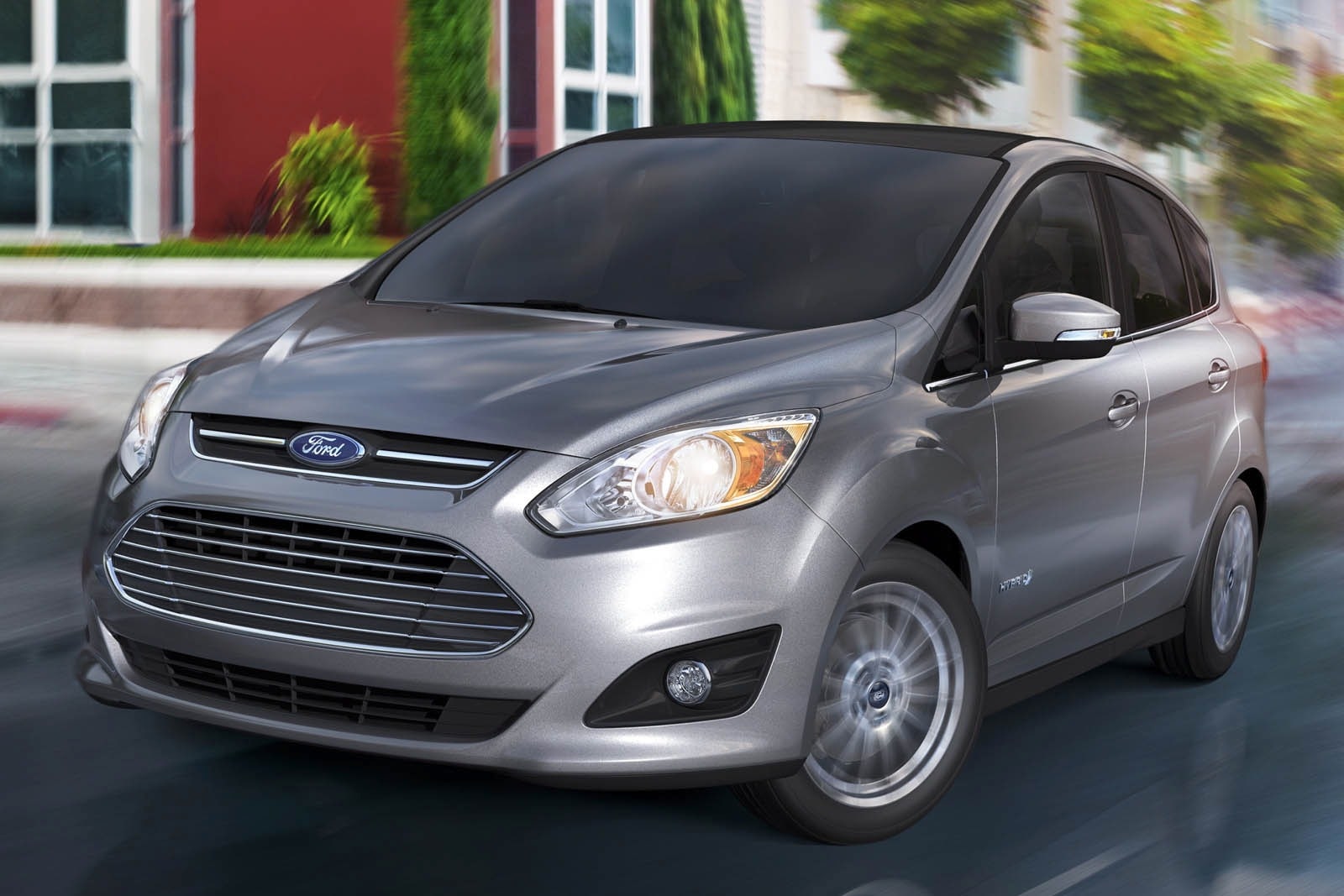
1. 2013 Ford C-Max Hybrid
- Engine: 2.0L 4-Cylinder Hybrid
- Horsepower: 188 hp
- Torque: 129 lb-ft
- Size: 173.6 inches Long x 71.3 inches Wide
Imagine a new hybrid vehicle entering the market with big promises of saving fuel, convincing drivers that they will spend much less time and money at gas stations. Then reality arrives.
Many Ford C-Max Hybrid owners found their real-world mileage was closer to thirty-seven to thirty-nine mpg instead of the advertised figure. The difference was large enough that Ford later reduced the official rating from 47 mpg combined to 43 mpg after outside testing showed the original estimate was difficult to achieve in normal driving.
The C-Max Hybrid was not a poor vehicle. Its 2.0-liter hybrid system delivered smooth performance and dependable daily transportation for drivers who wanted better efficiency. The main issue was the difference between laboratory testing and everyday conditions. Highway speeds, weather, driving habits, and road conditions all affected the fuel economy people actually experienced.
This became an important reminder that EPA numbers are estimates, not guarantees. For anyone shopping for a used C-Max Hybrid today, expecting fuel economy in the high-30s range will provide a more realistic ownership experience and prevent disappointment after purchase.
The car still offers comfortable driving, practical space, and affordable ownership for buyers who understand its limits and focus on value rather than chasing unrealistic numbers from a window sticker.
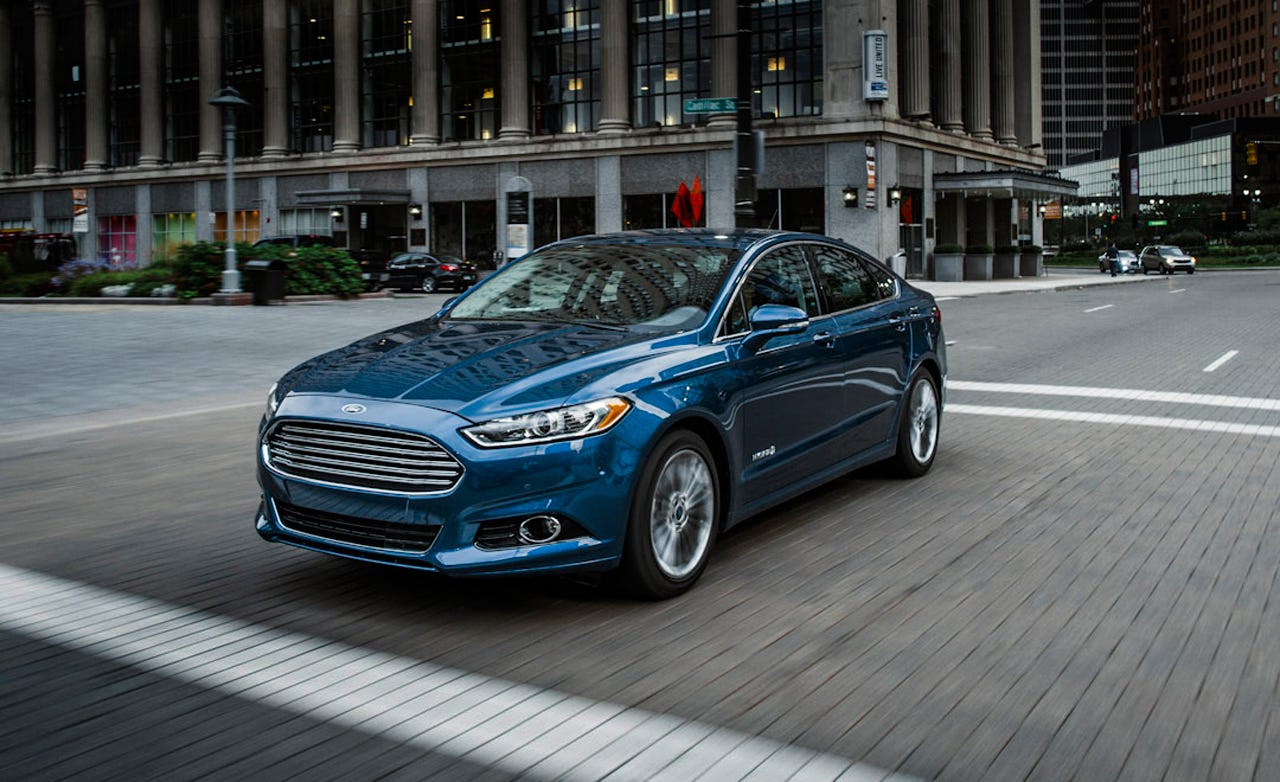
2. 2013 Ford Fusion Hybrid
- Engine: 2.0L 4-Cylinder Hybrid
- Horsepower: 188 hp
- Torque: 129 lb-ft
- Size: 191.8 inches Long x 72.9 inches Wide
The Fusion Hybrid shared its powertrain with the C-Max, and unfortunately it also shared the same fuel economy headache. Original EPA figures placed it at 47 mpg combined, a number that sounded fantastic for a midsize sedan. Independent testing groups found a different story, with typical results landing around 39 mpg once real traffic, real weather, and real passengers entered the picture.
Ford revised the rating down to 42 mpg, still a solid figure but nowhere close to the original promise. The sedan’s larger footprint compared to the C-Max played a role here. More body length and width mean more air resistance at highway speeds, and that resistance eats into any hybrid system’s efficiency gains no matter how well-engineered the battery and motor combination happens to be.
Drivers who spent most of their time in city traffic often saw better fuel economy than those who regularly traveled on highways. That matches the way most hybrid systems work, since they benefit from frequent stopping and starting but rely more on the gasoline engine during long stretches of steady-speed driving.
Even today, this model remains a popular choice in the used car market because its price is much lower than when it was new. Buyers who understand its real-world fuel economy are usually happy with their purchase. If your daily driving is mostly through city streets, you’re more likely to see the hybrid at its best. Highway commuters, however, should expect fuel economy that falls below the numbers printed on the original window sticker.
Also Read: 8 Hybrids With the Lowest Lifetime Fuel Costs, per EPA Data
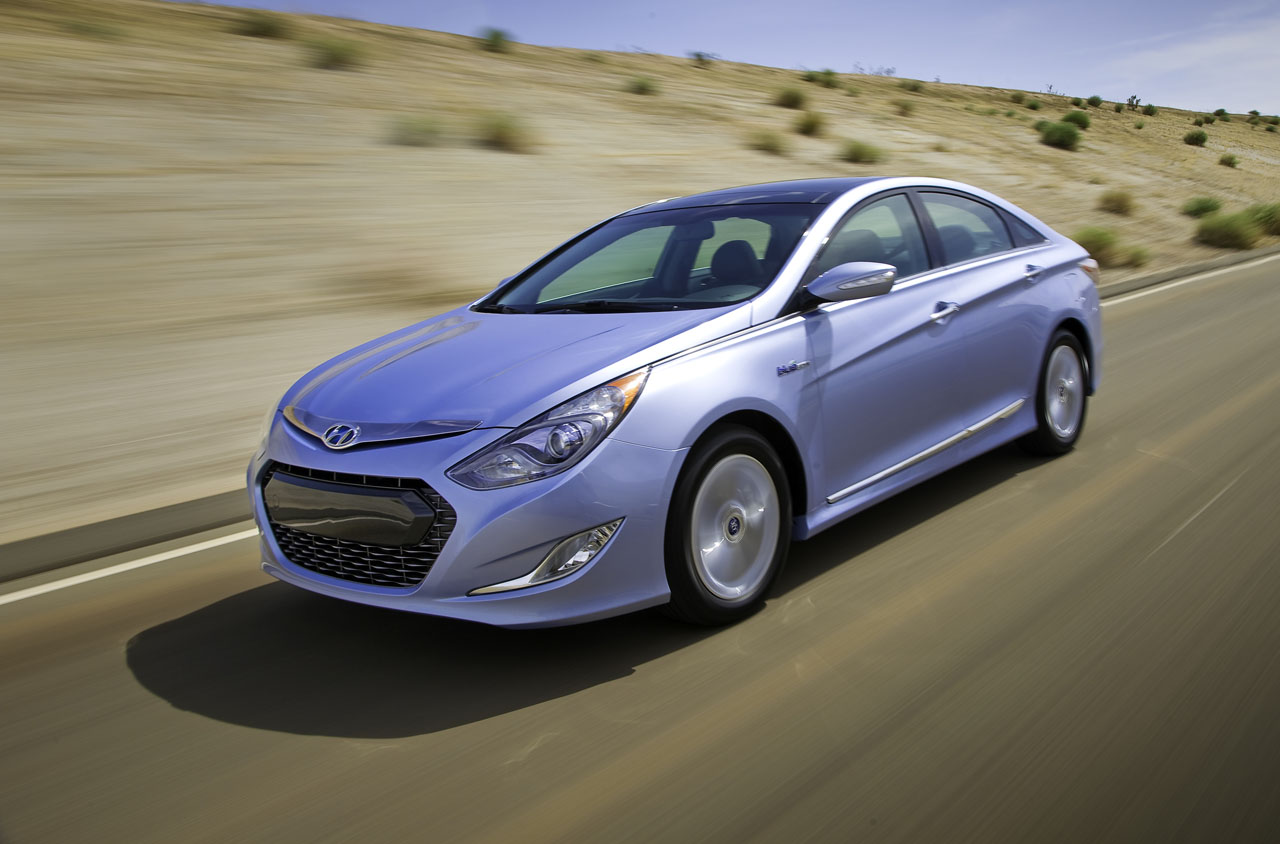
3. 2011 Hyundai Sonata Hybrid
- Engine: 2.4L 4-Cylinder Hybrid
- Horsepower: 206 hp
- Torque: 193 lb-ft
- Size: 189.8 inches Long x 72.1 inches Wide
Back in 2011, Hyundai was still finding its footing in the hybrid space, and the first-generation Sonata Hybrid tells that story honestly. The EPA highway rating promised 40 mpg, a number meant to compete directly with Toyota and Honda’s established offerings at the time.
Owners quickly discovered the mid-30s mpg range was closer to typical, a gap that traced back to the hybrid system’s youth rather than any dishonesty on paper. Early Hyundai hybrid technology leaned heavily on the gasoline engine, with limited ability to run on electric power alone for meaningful stretches.
That meant the battery assist worked more like a helper than a true partner, especially once speeds climbed past city limits. The 2.4L engine itself was strong, producing 206 horsepower, plenty for confident merging and passing. But raw power and fuel savings often pull in opposite directions, and this particular Sonata leaned toward power delivery over sipping fuel.
For a first attempt, it wasn’t a failure by any measure. It simply revealed how much room Hyundai had left to grow before later Sonata Hybrid generations closed that gap considerably. Anyone shopping this specific year should treat it as an early draft version of what Hyundai eventually built into a much tighter, more efficient package a decade later.
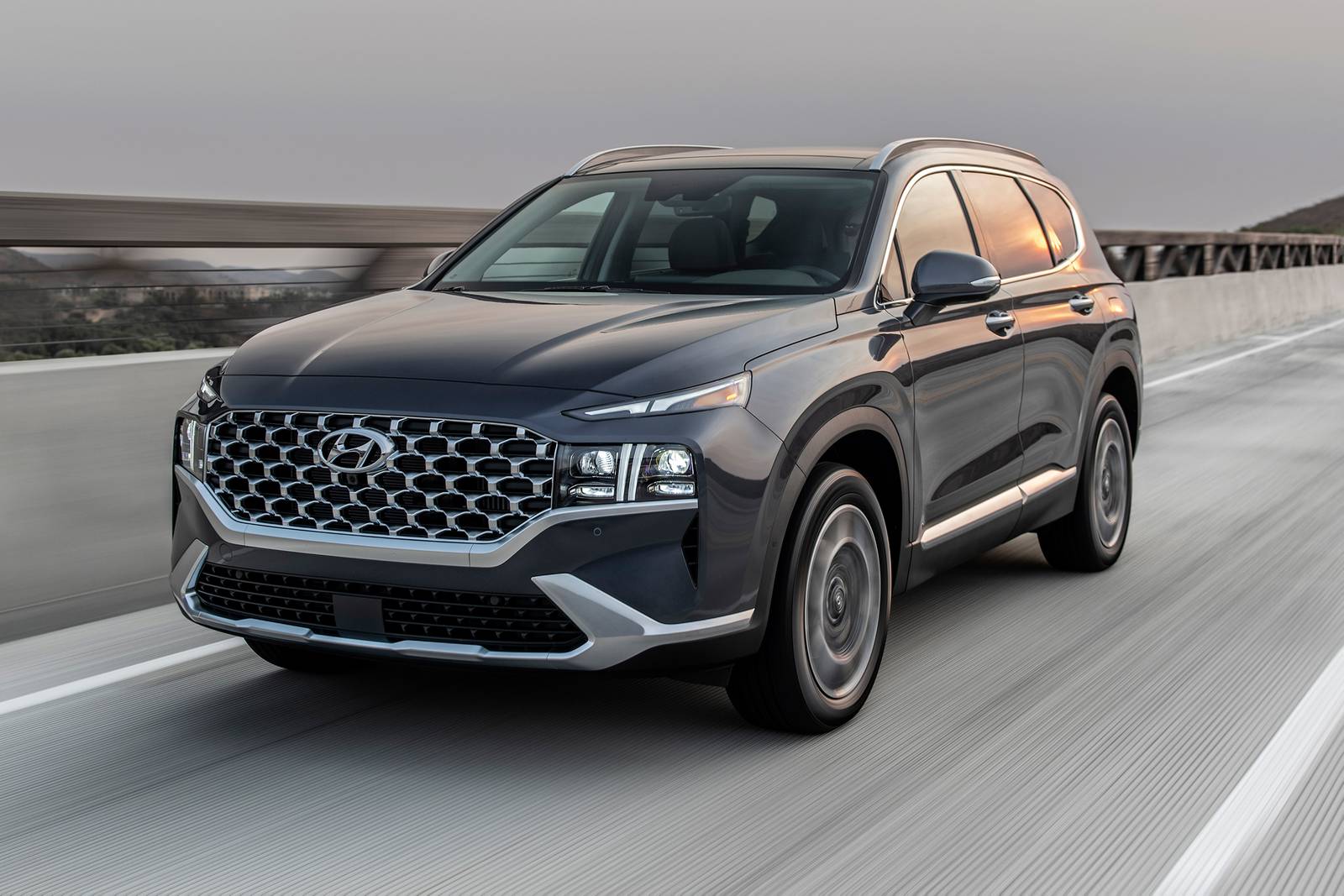
4. 2021 Hyundai Santa Fe Hybrid
- Engine: 1.6L Turbocharged 4-Cylinder Hybrid
- Horsepower: 226 hp
- Torque: 258 lb-ft
- Size: 188.4 inches Long x 74.8 inches Wide
Small engine. Big SUV. That mismatch tells most of the story here. Hyundai paired a compact 1.6L turbocharged four-cylinder with a midsize body that carries real weight once passengers and cargo climb aboard. EPA estimates land around 33 mpg combined for AWD trims, a solid number on paper.
Real-world testing tells a different story, with results often dropping into the mid-to-high 20s. Highway driving is the main culprit. That turbocharged engine has to work harder pushing a heavier frame through the air at 65 or 70 mph, and hybrid assist only helps so much once you’re past the stop-and-go traffic where batteries do their best work.
Weight matters too. AWD systems add mechanical drag and extra pounds that front-wheel-drive versions don’t carry. Buyers cross-shopping this SUV against lighter hybrid crossovers should expect a noticeable gap between the sticker and the pump. None of this makes the Santa Fe Hybrid a poor choice.
It offers strong towing capability, generous cargo room, and confident all-weather traction that many families genuinely need. Just don’t buy it purely chasing the highest mpg number on the lot, because daily driving conditions will bring that figure down closer to what most owners actually experience behind the wheel.
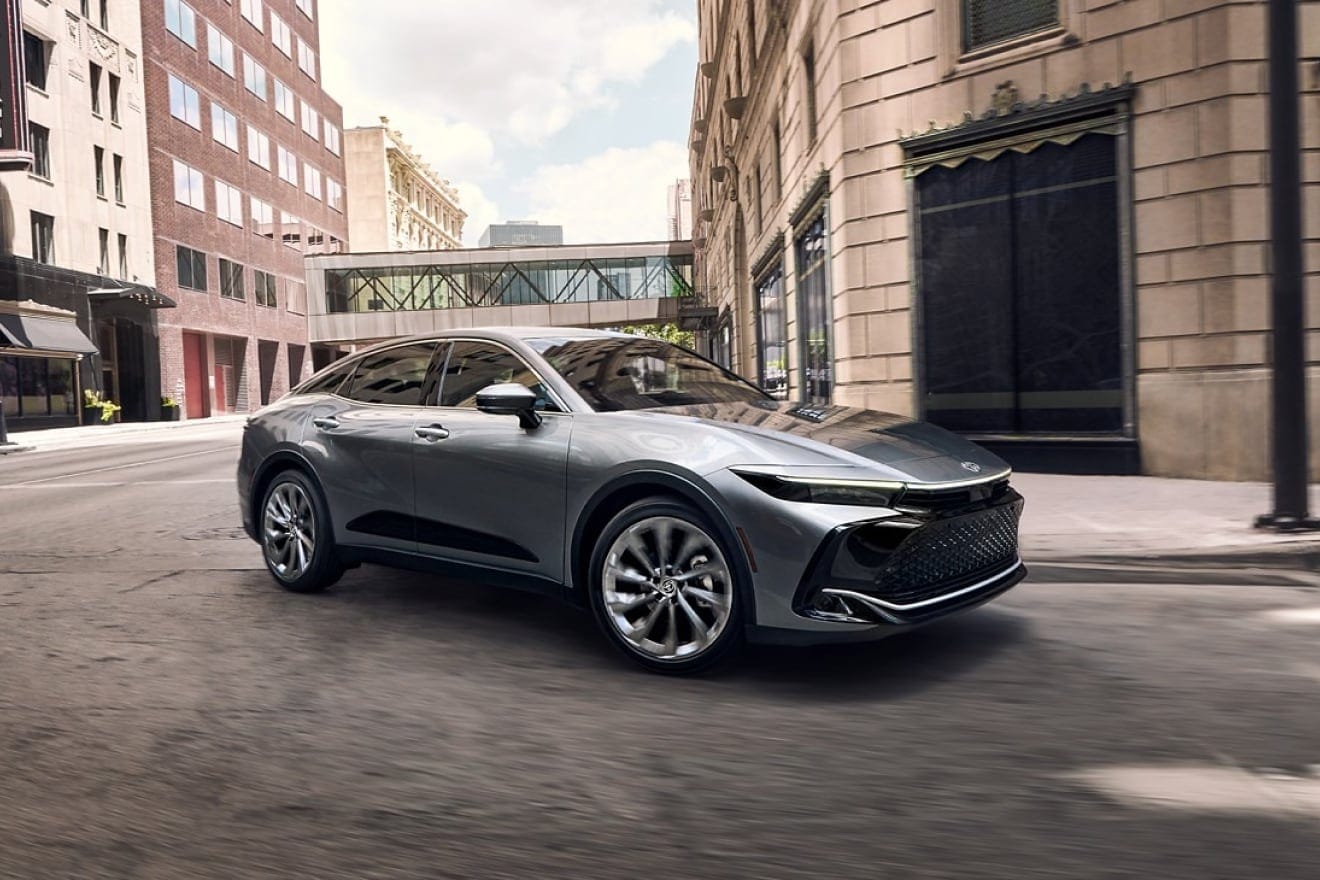
5. 2024 Toyota Crown Platinum Hybrid Max
- Engine: 2.4L Turbocharged 4-Cylinder Hybrid
- Horsepower: 340 hp
- Torque: 400 lb-ft
- Size: 196.1 inches Long x 72.4 inches Wide
This one’s built for a different crowd entirely. Forget the usual Toyota hybrid reputation for squeezing every last drop out of a gallon of gas. The Crown Platinum’s Hybrid Max system chases acceleration and driving excitement instead, cranking out 340 horsepower and a thumping 400 lb-ft of torque.
That kind of muscle doesn’t come free at the pump. EPA combined estimates sit around 30 mpg, respectable for something this powerful, but real-world testing frequently drops into the mid-20s once drivers actually enjoy the acceleration this car is built for.
Heavy right feet and quick merges simply don’t align with maximum fuel savings, and Toyota engineered this specific model knowing exactly that tradeoff would happen. Think of it as Toyota’s answer to buyers who wanted hybrid efficiency badges without giving up genuine driving thrills.
You get quick passing power, confident highway merging, and a sedan that doesn’t feel sluggish the way some economy-focused hybrids can. The cost of that fun shows up clearly once you track your own fuel logs across a few tanks. If raw mpg numbers matter most to your budget, look elsewhere on this list.
If you want a hybrid that still feels genuinely quick off the line, the Crown Platinum earns its keep despite falling short of its window sticker.
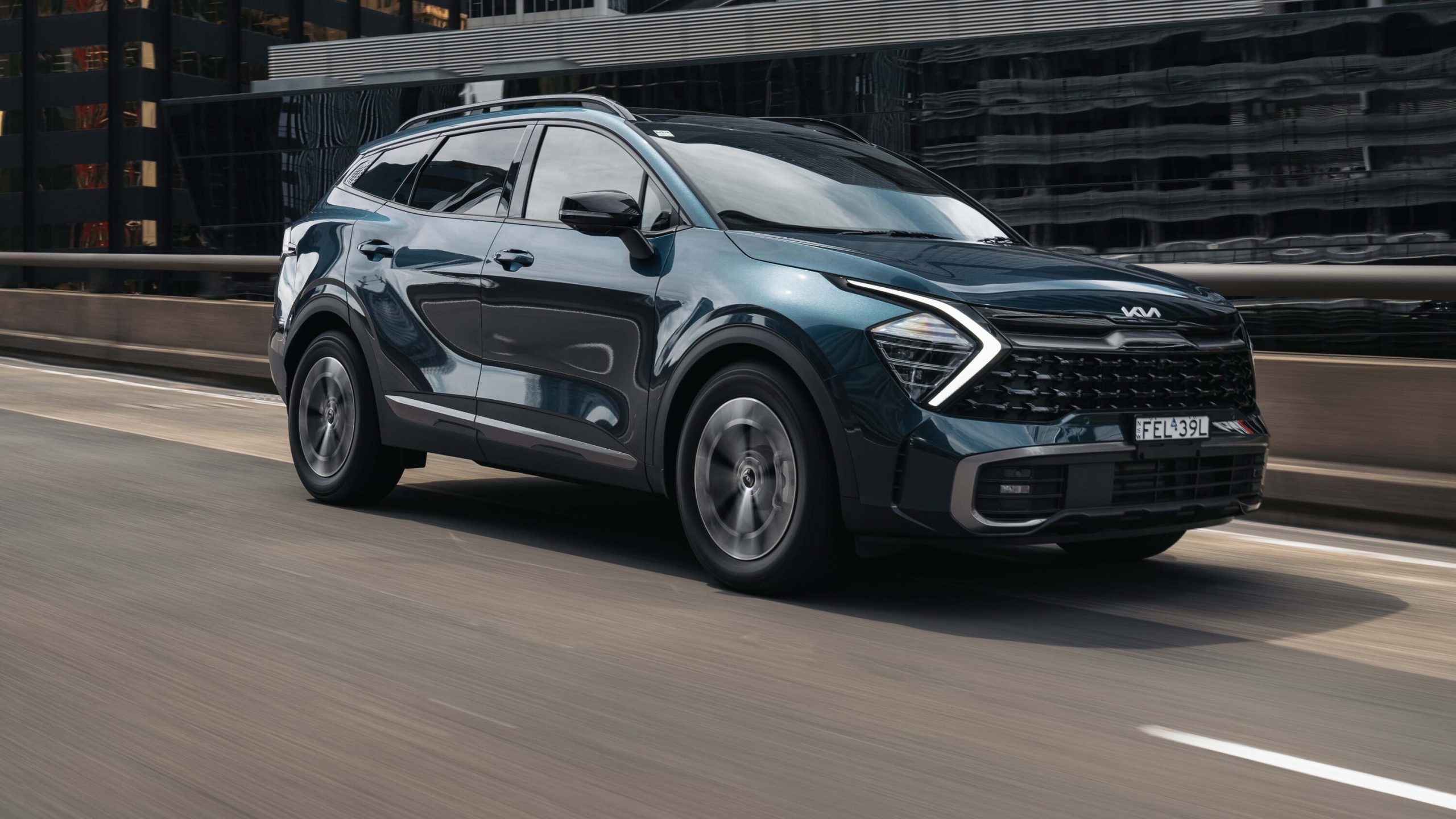
6. 2024 Kia Sportage Hybrid AWD
- Engine: 1.6L Turbocharged 4-Cylinder Hybrid
- Horsepower: 227 hp
- Torque: 258 lb-ft
- Size: 183.5 inches Long x 73.4 inches Wide
Here’s something worth knowing before you sign paperwork: front-wheel-drive and AWD versions of this same SUV don’t deliver equal mileage results, and the gap catches plenty of buyers off guard. EPA estimates for the Sportage Hybrid reach around 35 mpg combined, a number that mostly applies to lighter, simpler drivetrains.
Add all-wheel drive, and real-world testing commonly lands closer to 30 to 32 mpg once you factor in daily commuting habits. Higher speeds hurt too, since the extra hardware needed for AWD adds both weight and mechanical drag that front-wheel versions simply don’t carry.
City driving remains this SUV’s strongest environment, where the electric motor handles low-speed situations efficiently, and gas engine involvement stays minimal. Push it onto open highways at consistent speed, and the advantage shrinks considerably compared to lighter competitors.
If you live somewhere with real winters and genuinely need AWD traction, this remains a sensible choice with strong safety benefits. Just adjust your fuel budget expectations downward from the sticker number, and consider testing a front-wheel-drive model back to back if all-weather capability isn’t a strict requirement for your household. That comparison alone might save you money without sacrificing much comfort or interior space along the way.
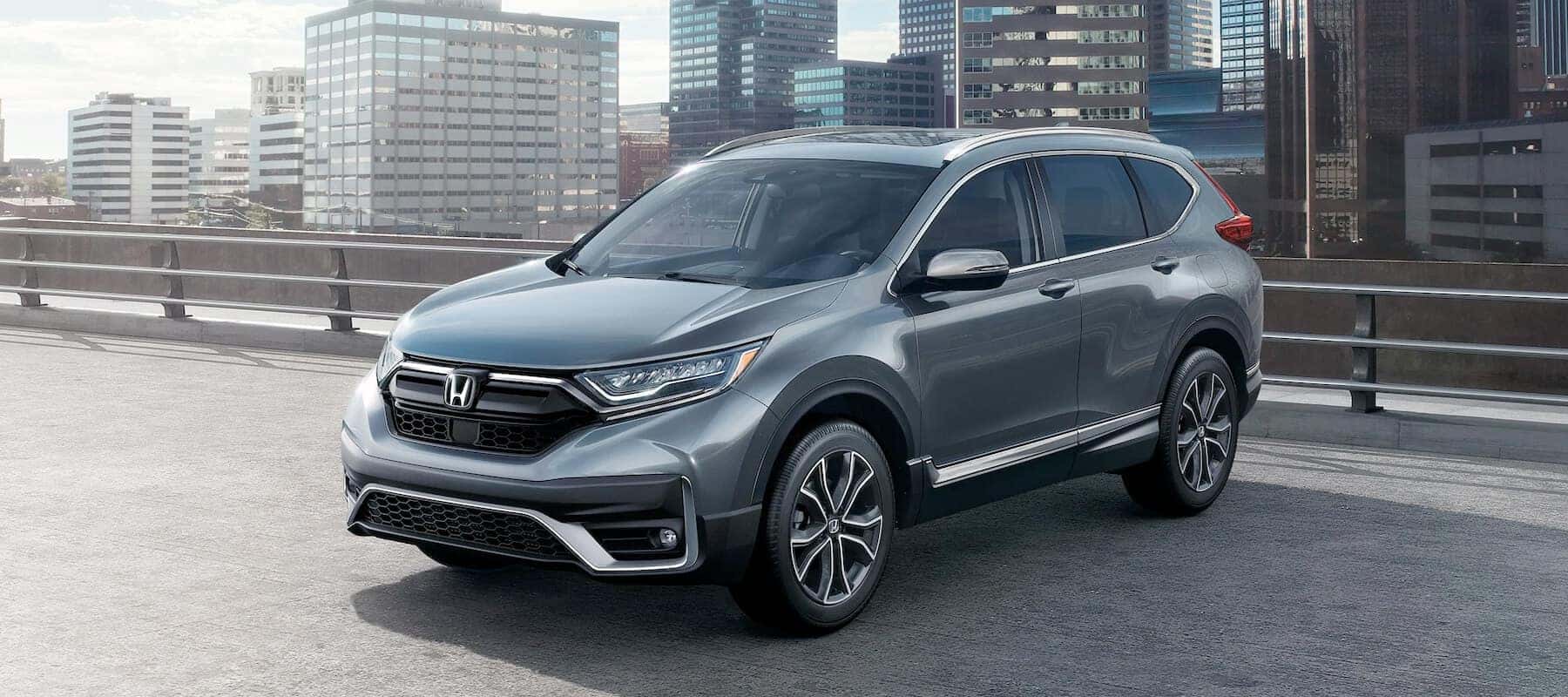
7. 2021 Honda CR-V Hybrid AWD
- Engine: 2.0L 4-Cylinder Hybrid
- Horsepower: 212 hp
- Torque: 232 lb-ft
- Size: 182.1 inches Long x 73.0 inches Wide
Why does a hybrid built with Honda’s reputation for reliability still fall short on the highway? Good question, and the answer comes down to where hybrid systems genuinely earn their keep.
City traffic, with its constant stopping and starting, lets the electric motor do heavy lifting while the gas engine mostly rests. Highway cruising removes that advantage almost entirely, forcing the gasoline engine to carry a steady, unbroken workload.
The CR-V Hybrid carries a combined EPA rating around 38 mpg, but real-world testing frequently records results in the low 30s once highway miles pile up. AWD compounds the issue further, adding mechanical resistance that front-wheel-drive versions avoid completely. Does that make this a disappointing purchase? Not necessarily.
Buyers who mostly drive around town, running errands and short commutes, often see numbers much closer to the EPA rating than highway-heavy drivers ever will. The real question worth asking yourself before buying: what does your typical week actually look like behind the wheel?
If it’s mostly short trips through neighborhoods and stoplights, this CR-V variant should treat you well. If your daily routine involves long highway stretches at steady speed, temper your expectations and look at the low-30s range as your realistic baseline instead of the window sticker promise.
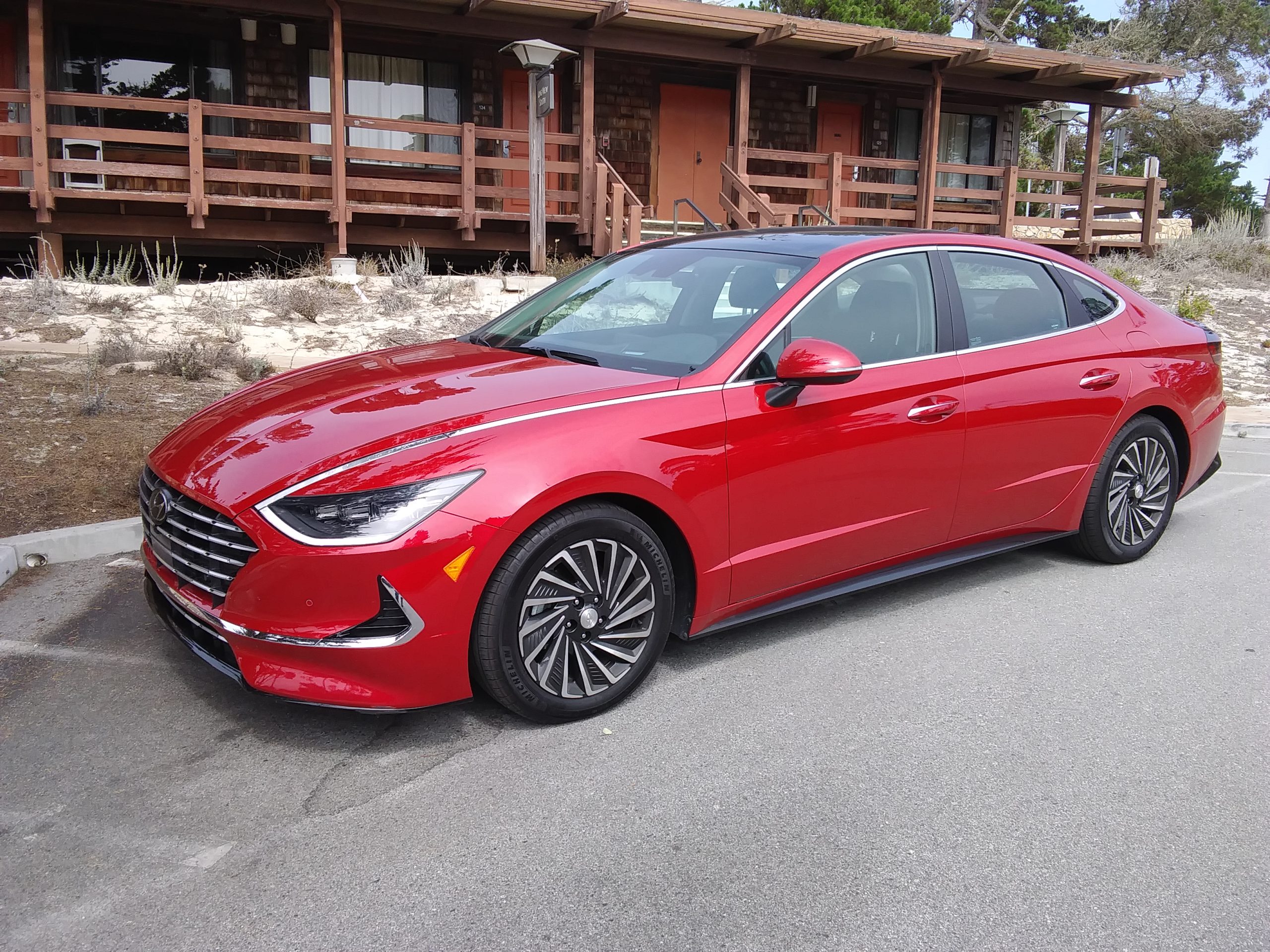
8. 2021 Hyundai Sonata Hybrid Limited
- Engine: 2.0L 4-Cylinder Hybrid
- Horsepower: 192 hp
- Torque: 151 lb-ft
- Size: 192.9 inches Long x 73.2 inches Wide
Trim level matters more than most buyers realize, and this Sonata proves the point clearly. Compare the Limited trim against the more efficiency-focused Blue trim built on the same platform, and you’ll find meaningfully different real-world results despite sharing the same basic hybrid powertrain underneath.
The Limited adds larger wheels, extra convenience features, and additional equipment that all sound appealing on a showroom floor. Every one of those upgrades adds weight, and weight is fuel economy’s quiet enemy. EPA ratings for this trim approach 47 mpg combined, an impressive number that closely mirrors what lighter, simpler trims can actually achieve.
Real-world testing on the Limited, though, often lands in the low 40s instead, roughly a five to seven mpg gap once you account for bigger wheels creating more rolling resistance and premium features adding extra pounds throughout the cabin. This isn’t a flaw exclusive to Hyundai.
Every automaker deals with the challenge of balancing extra features with maximum fuel efficiency. Before selecting the highest trim level, consider whether the added equipment justifies the reduction in fuel economy for your budget. In many cases, a base or mid-level trim offers almost the same level of comfort while helping reduce fuel expenses throughout the year.
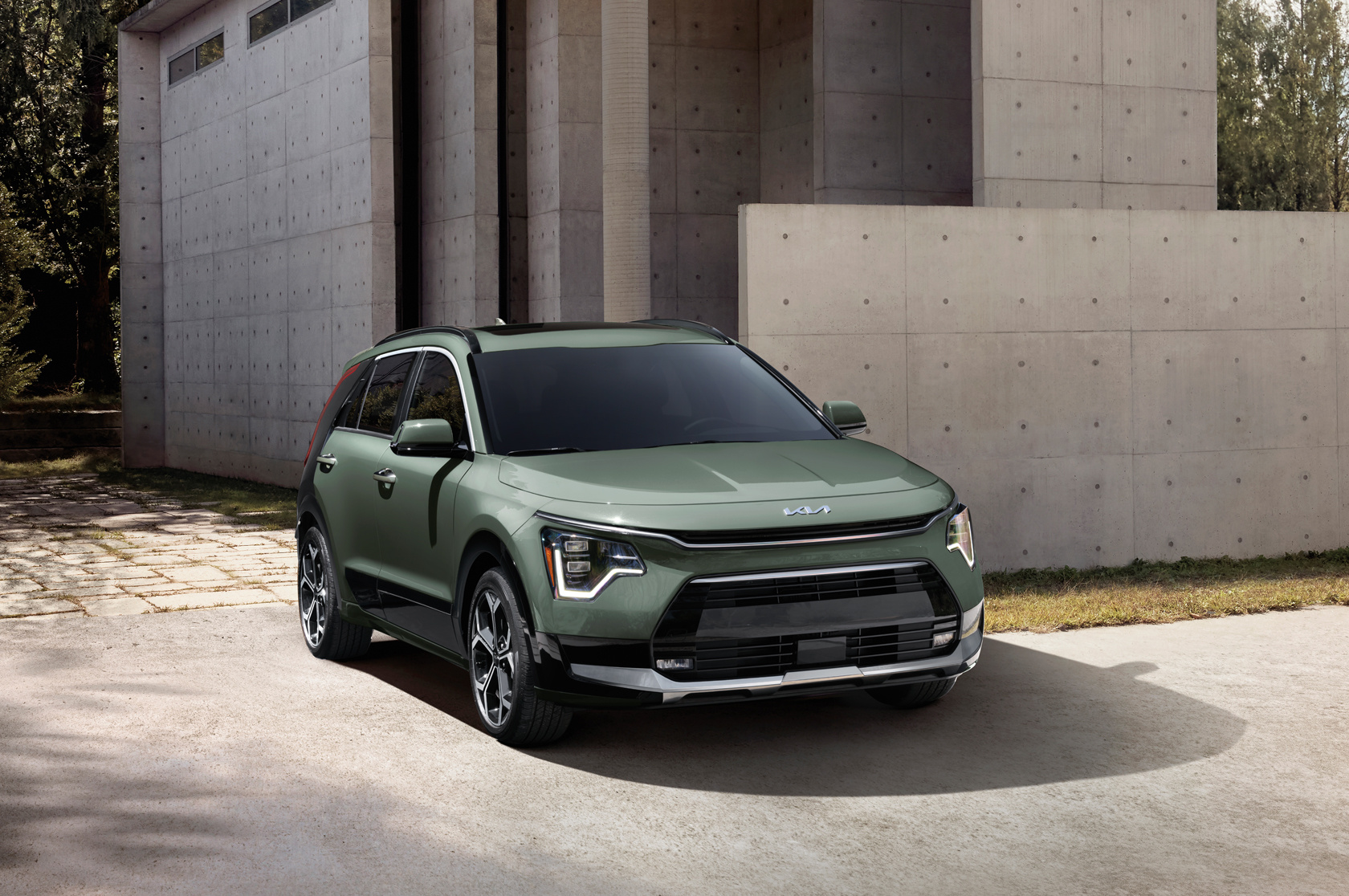
9. 2024 Kia Niro Hybrid
- Engine: 1.6L 4-Cylinder Hybrid
- Horsepower: 139 hp
- Torque: 195 lb-ft
- Size: 174.0 inches Long x 71.7 inches Wide
Good news first! This remains one of the most genuinely efficient hybrids on sale today, and that reputation is well earned. Depending on trim, EPA ratings stretch from 49 all the way to 53 mpg combined, numbers that put it near the top of its entire class.
Real-world testing does show a gap worth mentioning, with typical results settling into the low-to-mid 40s rather than matching the laboratory figures exactly. That said, a drop from 53 to roughly 43 mpg still leaves this Kia performing better than most competitors’ best-case scenarios, which says plenty about how well the engineering team balanced power delivery with genuine fuel savings.
The biggest gap shows up when drivers accelerate aggressively or spend extended time cruising at highway speeds, both situations that ask more from the gasoline engine and less from the electric motor. Drive gently around town, and you’ll likely land closer to the advertised numbers than owners who commute mostly on interstates.
This car rewards patient, relaxed driving habits more than most hybrids on this list, making it an excellent match for commuters who prioritize savings over speed. If your goal is stretching every gallon as far as it will reasonably go while still enjoying comfortable interior space, few hybrids currently on sale make a stronger case than the Niro does here.
Also Read: 8 Hybrids Where the Gas Version Is Actually Better
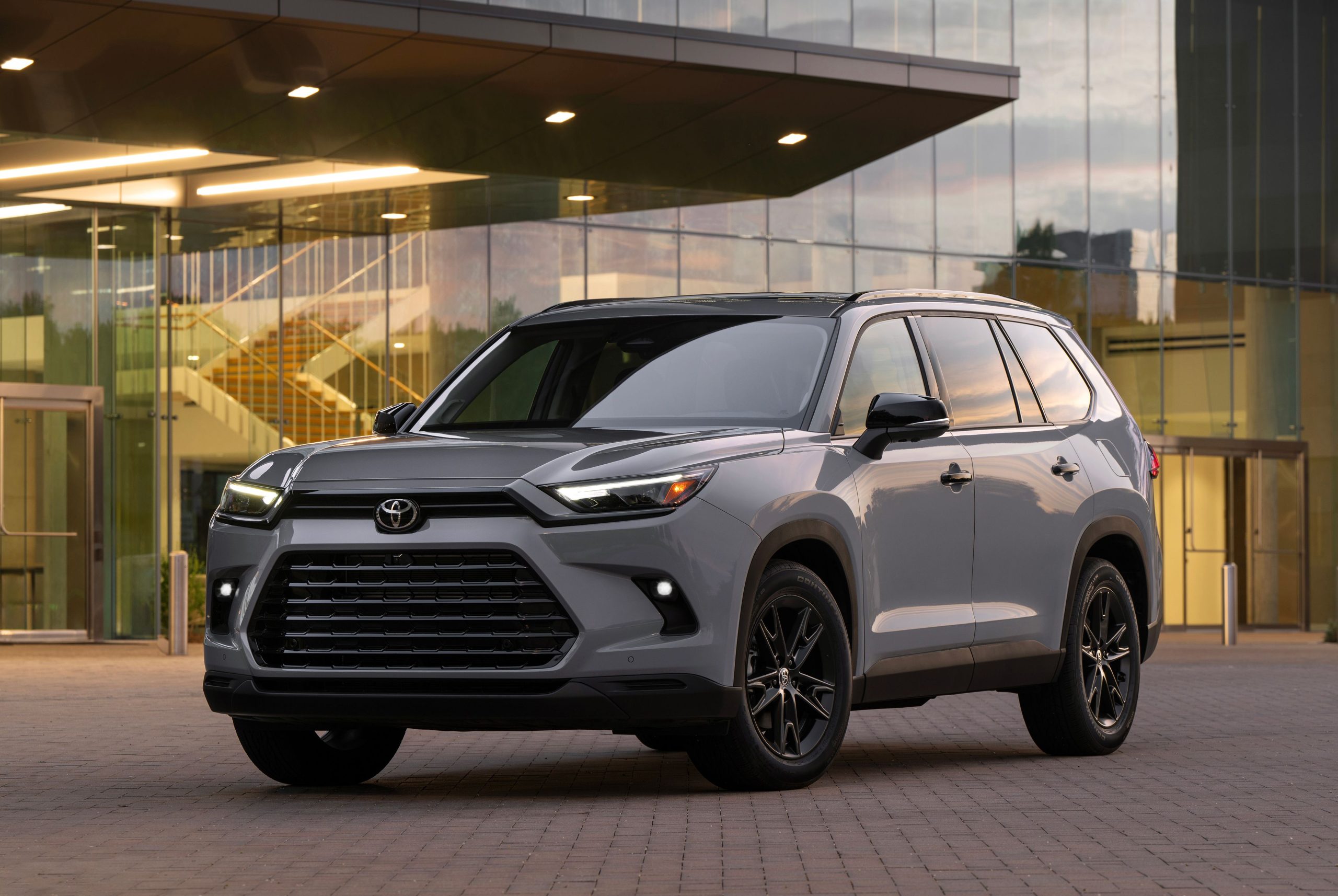
10. 2025 Toyota Grand Highlander Hybrid Max
- Engine: 2.4L Turbocharged 4-Cylinder Hybrid
- Horsepower: 362 hp
- Torque: 400 lb-ft
- Size: 201.4 inches Long x 78.3 inches Wide
Size has consequences, and this three-row SUV demonstrates that truth clearly. Toyota built the Grand Highlander Hybrid Max around passenger space, towing muscle, and confident power rather than chasing maximum fuel savings, and the specs reflect exactly that priority. With 362 horsepower and 400 lb-ft of torque, this is genuinely one of the strongest hybrid SUVs available for families needing serious capability.
EPA estimates land around 27 mpg combined, a reasonable figure considering the size and weight involved. Real-world testing frequently drops into the low-to-mid 20s once you factor in three rows of passengers, cargo, and typical family driving patterns across mixed city and highway routes.
The vehicle’s substantial dimensions work against it aerodynamically too, since pushing that much frontal area through the air at highway speed demands real energy no hybrid system fully offsets. None of this should discourage families who genuinely need three-row seating and strong towing numbers, since few competitors match this particular combination of space and power in a hybrid package.
Just walk into the purchase with honest expectations about fuel costs rather than assuming showroom numbers will match your driveway experience. Budget for mid-20s mpg realistically, and this SUV can still serve a busy household extremely well for years of daily use.
