
Hybrid vehicles have dominated automotive marketing for years, and the pitch is always the same: pay a little more now, save a lot on gas later. For certain drivers in certain situations, that math works out perfectly. But for a surprisingly large number of buyers, the gas-only version of the same vehicle is the smarter, more practical, and more cost-effective choice.
Here is the part the hybrid brochures leave out. Hybrid models typically cost several thousand dollars more at the dealership. If your daily routine involves long highway stretches rather than stop-and-go city traffic, the hybrid system never gets to use its efficiency advantage.
Regenerative braking only recovers energy when you are slowing down, and on an open highway where you maintain a steady 65 mph for miles at a time, that system barely activates. The result is real-world fuel economy that is far closer to the cheaper gas model than the EPA sticker suggests.
Add to that the potential for expensive out-of-warranty battery repairs, reduced cargo space from battery pack placement, and lower towing capacity on several hybrid trims, and the case for going with plain gasoline starts looking a lot stronger than the advertising suggests.
Eight popular vehicles offer gas-only versions that beat their hybrid counterparts in at least one category that genuinely matters to real buyers. Here is the full breakdown.
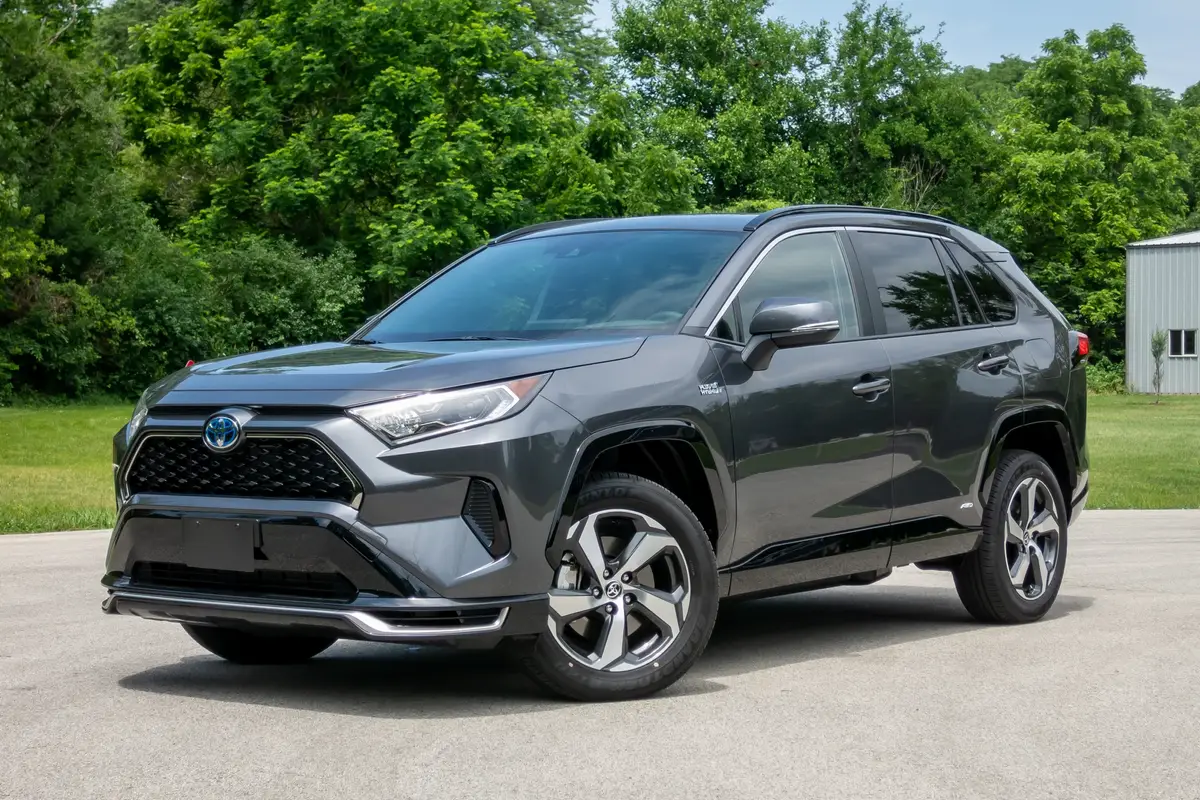
1. Toyota RAV4
- Engine: 2.5L 4-Cylinder Gas (Hybrid adds dual electric motors)
- Horsepower: 203 hp (Gas) vs. 219 hp (Hybrid)
- Torque: 184 lb-ft. (Gas) vs. 163 lb-ft (Hybrid engine only)
- Size: 180.9 in Long x 73.0 in Wide
For buyers who genuinely use their RAV4 in conditions where traction is tested, the gas version holds a real mechanical advantage over the hybrid. A traditional gas RAV4 with AWD uses a mechanically driven rear axle that can lock torque to the rear wheels when the front wheels lose grip. That system works the same way in mud, snow, gravel, or on trail surfaces where traction is unpredictable. It does not depend on battery charge level, software calibration, or electric motor output to do its job.
Hybrid RAV4 models use an electric motor to drive the rear axle instead of a mechanical connection. Under most everyday driving conditions, this works well. But in deep mud, sustained off-camber trails, or scenarios where consistent mechanical torque to the rear wheels is critical, the electric rear motor setup can fall short of what a traditional mechanical AWD delivers. Buyers who use their RAV4 for camping, trail access roads, or winter driving in rural areas will notice this difference.
Used vehicle buyers have an additional reason to favor the gas version. A used gas RAV4 does not carry the risk of hybrid battery degradation that older hybrid models introduce. Hybrid battery replacement costs several thousand dollars and typically falls outside the warranty window on used vehicles.
A used gas RAV4 sidesteps that financial exposure entirely. For buyers who want a dependable all-weather SUV without worrying about battery health on a used purchase, the gas RAV4 makes a straightforward case.
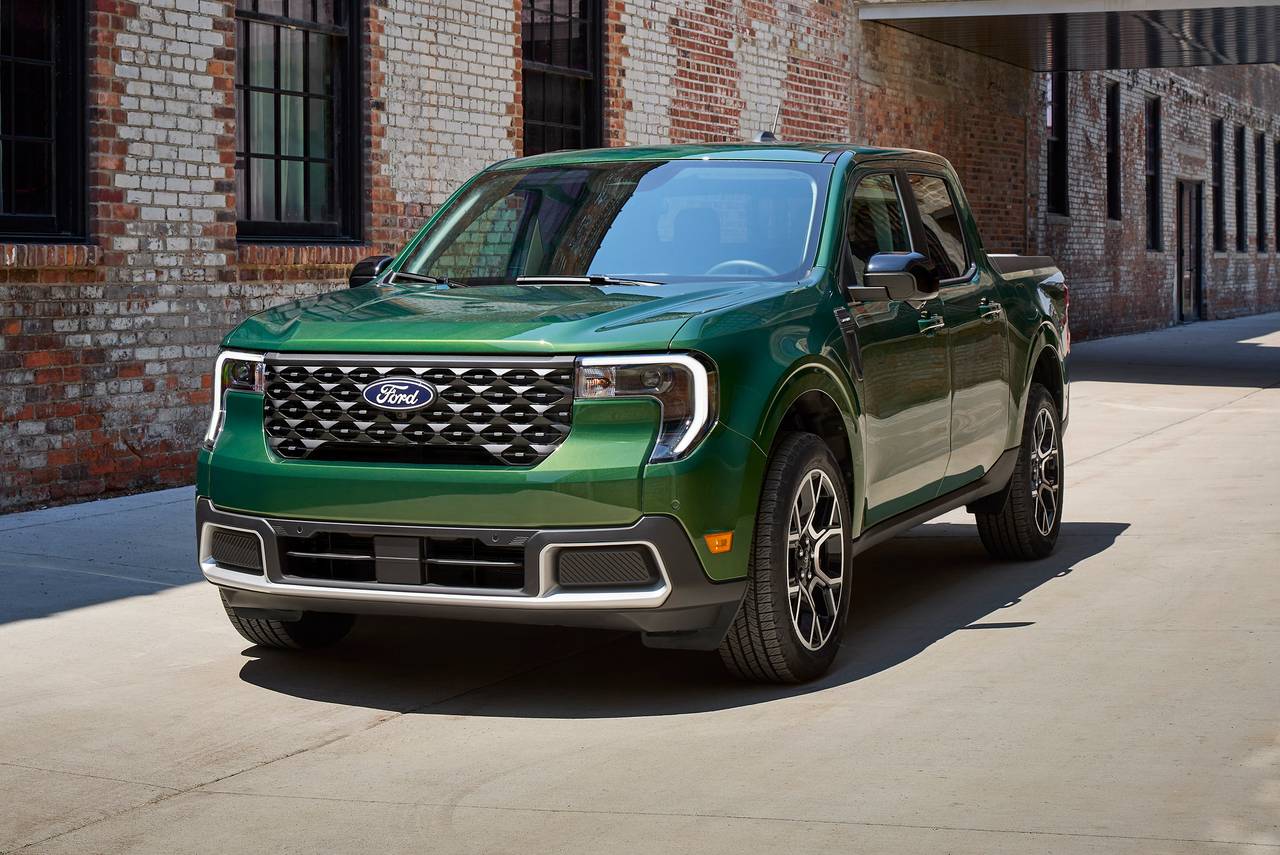
2. Ford Maverick
- Engine: 2.0L Turbo 4-Cylinder Gas vs. 2.5L Hybrid 4-Cylinder
- Horsepower: 238 hp (Turbo Gas) vs. 191 hp (Hybrid)
- Torque: 277 lb-ft (Turbo Gas) vs. 155 lb-ft (Hybrid)
- Size: 199.7 in Long x 72.6 in Wide
Anyone shopping for a compact pickup with real work ability should look closely at the engine options offered in the Maverick lineup. The 2.0-liter EcoBoost gas model stands apart when towing and hauling enter the conversation. Producing 238 horsepower and 277 lb ft of torque, this version supports up to 4,000 pounds of towing and includes a true mechanical All Wheel Drive system.
That setup gives drivers the confidence to pull small trailers, carry tools, or deal with slick winter roads without stress, which matters to buyers who expect a truck to handle more than light errands. Earlier Maverick Hybrid models came with limits that changed how useful they could be for certain owners. For several years, the hybrid configuration was offered only with Front Wheel Drive.
That layout creates challenges in snowy regions and reduces stability when towing. Its towing capacity also stopped at 2,000 pounds, cutting usable strength in half compared with the gas version. Some buyers learned about this restriction only after attempting to pull heavier loads, turning what looked like a truck into a frustrating compromise.
Engine output figures make the difference even clearer. The hybrid system delivers 191 horsepower and 155 lb ft of torque, numbers that fit daily commuting well but fall short for demanding tasks. By comparison, the EcoBoost gas engine provides the muscle expected from a small pickup that needs to perform real jobs.
Buyers who rely on towing strength, traction, and dependable pulling power will find the gas Maverick aligns better with those needs. For drivers who want a compact truck that behaves like a truck, the EcoBoost version from Ford available at Ford delivers the capability this segment promises.
Also Read: 8 Used Hybrids That Hold Value Better Than Their Gas Twins
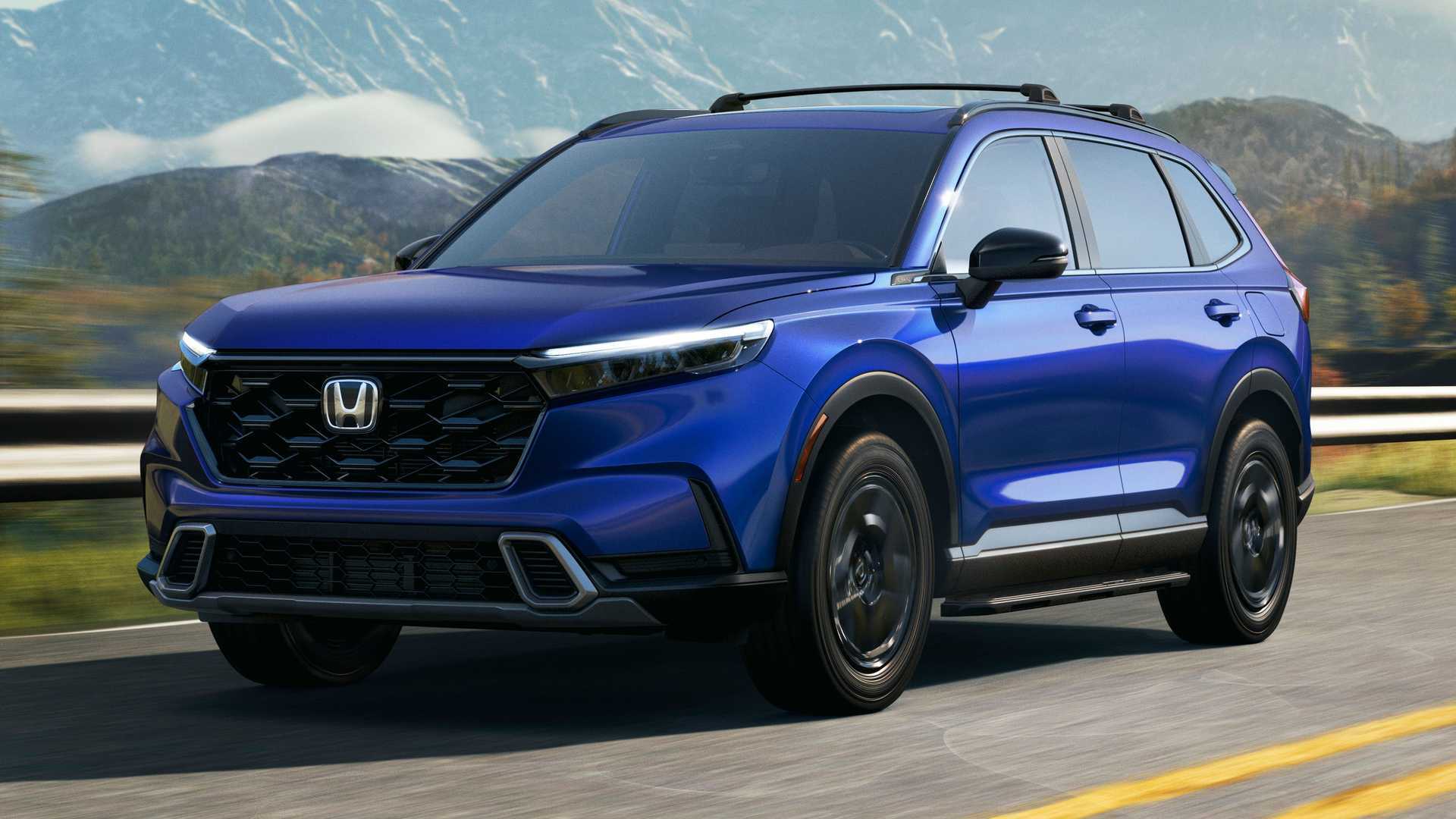
3. Honda CR-V
- Engine: 1.5L Turbo 4-Cylinder Gas vs. 2.0L Hybrid 4-Cylinder
- Horsepower: 190 hp (Turbo Gas) vs. 204 hp (Hybrid)
- Torque: 179 lb-ft (Turbo Gas) vs. 247 lb-ft (Hybrid)
- Size: 184.8 in Long x 73.5 in Wide
Not every gas-versus-hybrid argument comes down to power or towing capacity. Sometimes it comes down to what happens when you get a flat tire on a remote road at 10 p.m. on a Saturday night. Gas-only CR-V models include a real, physical, temporary spare tire. Honda removes the spare tire entirely from the CR-V Hybrid to save space and weight, leaving hybrid owners with a tire inflator kit as their only roadside option.
A tire inflator kit works fine for a slow leak from a small nail on a manageable surface. It does not work when the sidewall is blown, when the damage is too severe for sealant to seal, or when you are on a dirt road thirty miles from the nearest town. In those situations, the gas CR-V driver changes to the spare and drives out. The Hybrid CR-V driver calls a tow truck. For families who take road trips, drive in rural areas, or simply want the security of a backup tire, this difference is not minor.
Cargo space is the second practical advantage. Fitting the hybrid battery pack under the rear floor raises the trunk floor on the Hybrid CR-V, reducing the available cargo depth compared to the gas model. Buyers who regularly load strollers, luggage, large gear bags, or bulky groceries into the back of their CR-V will notice that the gas version simply holds more at the bottom of the trunk.
Honda’s engineering team made smart use of the available space on the Hybrid, but physics limits what is possible when a battery pack occupies the space beneath the floor.
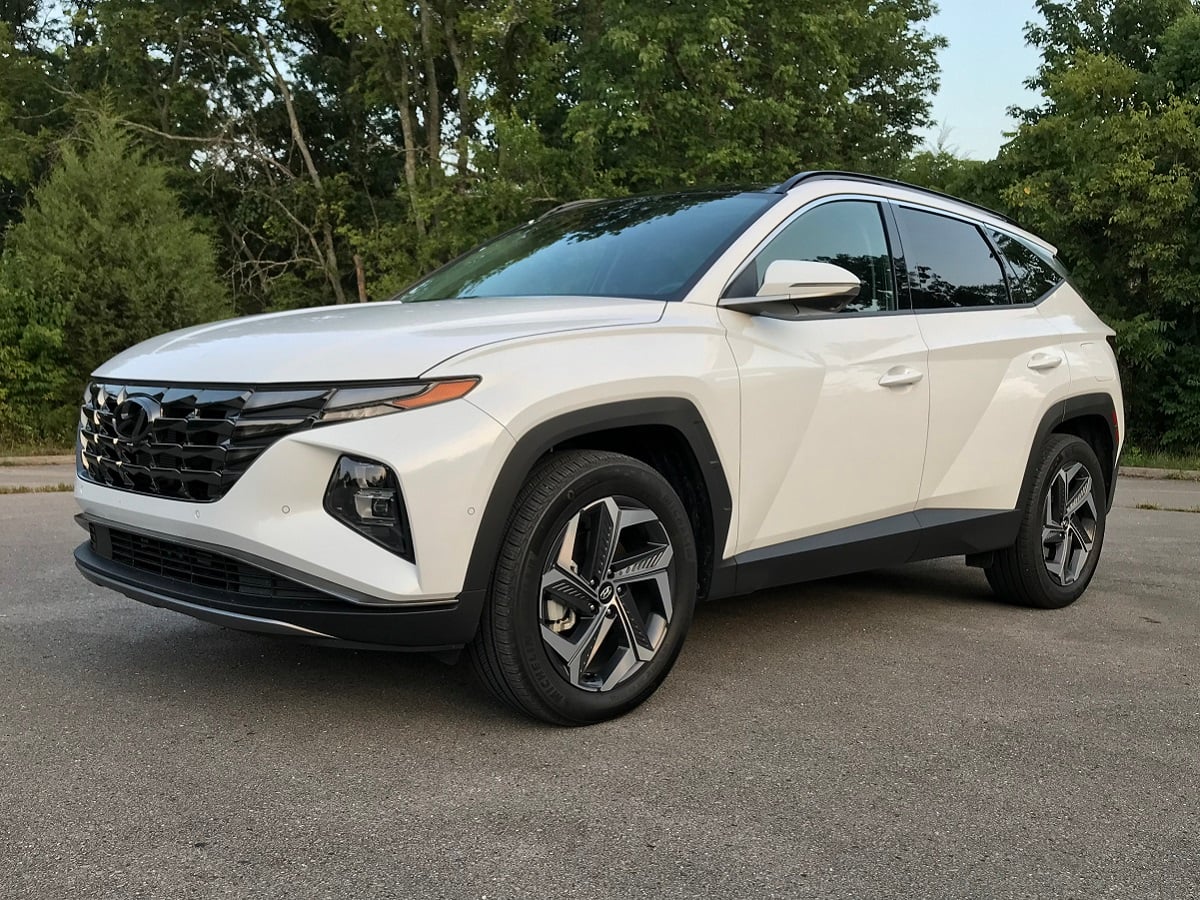
4. Hyundai Tucson
- Engine: 2.5L 4-Cylinder Gas vs. 1.6L Turbo Hybrid 4-Cylinder
- Horsepower: 187 hp (Gas) vs. 226 hp (Hybrid)
- Torque: 178 lb-ft (Gas) vs. 195 lb-ft (Hybrid)
- Size: 182.3 in Long x 73.4 in Wide
Drivers thinking about keeping a Tucson well beyond 100,000 miles often lean toward the standard gas model for practical reasons. The naturally aspirated 2.5-liter four-cylinder engine pairs with a traditional eight-speed automatic transmission, creating a setup that avoids extra mechanical layers.
There are no turbo components to watch, no electric drive parts to test, and no battery condition reports to worry about. This layout has appeared across several generations, giving technicians plenty of familiarity and owners a clearer picture of long-term upkeep tied to this Hyundai design.
A different experience comes with the Tucson Hybrid, which combines a smaller turbocharged engine, an electric motor, and a six-speed wet dual clutch transmission. While fuel savings can be real for daily city driving, the added systems bring added responsibilities.
Turbo engines depend on consistent oil care, and dual clutch gearboxes rely on specific service schedules that differ from conventional automatics. The hybrid battery also introduces a future expense once factory coverage ends, placing a long-range cost question on owners planning to keep the vehicle for many years.
Shoppers focused on steady expenses across a decade of use often favor the gas-powered Tucson for that reason. Routine service tends to be simpler, repair visits usually cost less, and independent shops are more comfortable handling this powertrain. Without concerns tied to battery aging or hybrid-specific hardware, long-distance drivers gain peace of mind. For those measuring value by durability and predictable ownership costs, the non-hybrid Tucson lines up well with those priorities.
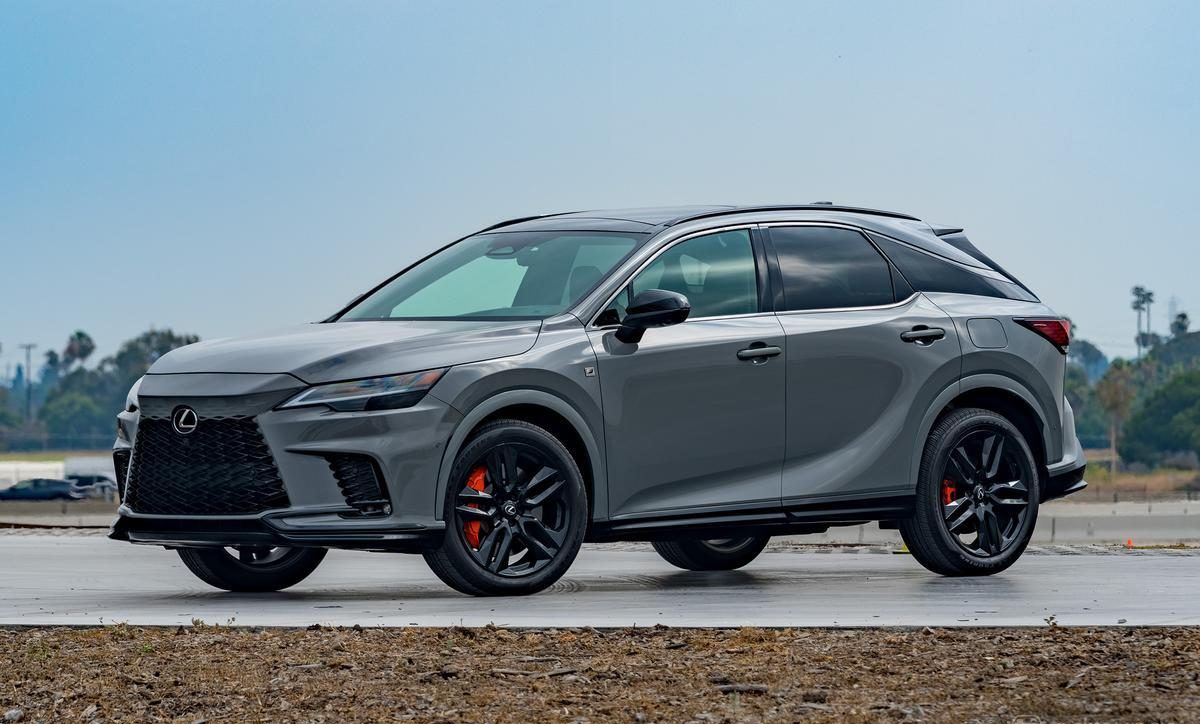
5. Lexus RX 350
- Engine: 2.4L Turbo 4-Cylinder Gas vs. 2.5L Hybrid 4-Cylinder
- Horsepower: 275 hp (Turbo Gas) vs. 246 hp (Hybrid)
- Torque: 317 lb-ft (Turbo Gas) vs. 233 lb-ft (Hybrid)
- Size: 192.5 in Long x 75.6 in Wide
Lexus buyers are not cross-shopping budget commuter vehicles. They are paying for a specific luxury experience that includes a quiet, refined cabin, smooth power delivery, and a level of driving comfort that justifies the premium price. On that standard, the gas-powered Lexus RX 350 outperforms its hybrid sibling in the area that matters most to the target buyer: refinement during highway driving.
At 275 horsepower and 317 lb-ft of torque, the turbocharged 2.4-liter gas RX 350 delivers immediate, linear power when the driver calls for it. Passing on the highway, merging onto fast-moving traffic, and carrying a full load of passengers all feel effortless because the torque is accessible at low engine speeds without requiring the engine to rev hard. That low-end pulling power is exactly what a large luxury SUV should deliver.
Lexus equipped the RX 350h Hybrid with a Continuously Variable Transmission. CVT transmissions are mechanically efficient and work well in many applications, but under hard acceleration, they allow engine RPM to climb and hold at a high level while vehicle speed catches up.
That behavior produces an engine drone that is clearly audible in the cabin, and in a vehicle where cabin quietness is a primary selling point, that drone is a meaningful quality compromise. Drivers who regularly need to accelerate briskly on highway ramps or mountain grades will encounter this characteristic repeatedly. The gas RX 350’s conventional automatic transmission avoids it entirely.
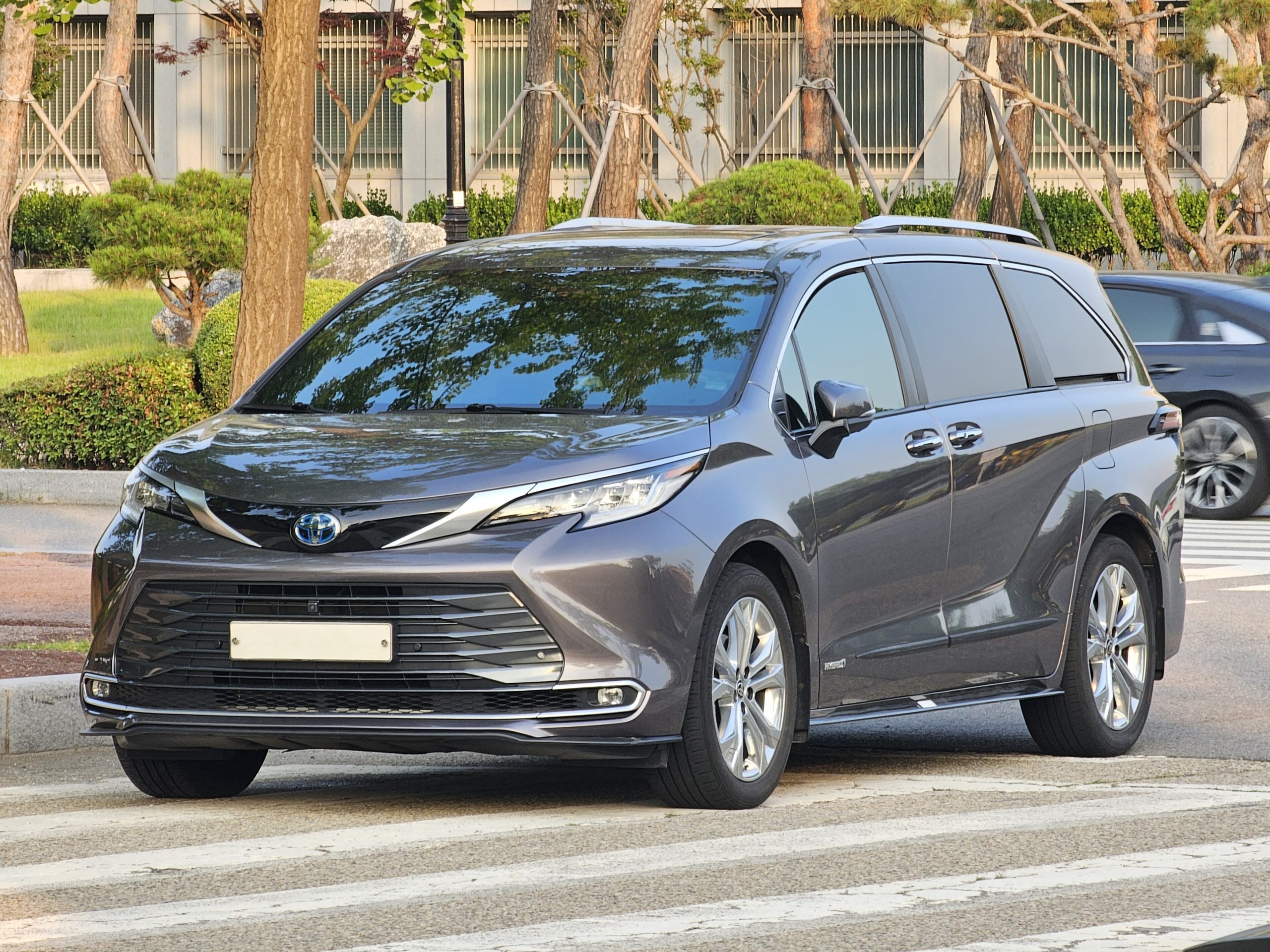
6. Toyota Sienna
- Engine: 3.5L Naturally Aspirated V6 Gas vs. 2.5L Hybrid 4-Cylinder
- Horsepower: 296 hp (Classic V6 Gas) vs. 245 hp (Modern Hybrid)
- Torque: 263 lb-ft (Classic V6 Gas) vs. 176 lb-ft (Modern Hybrid)
- Size: 203.7 in Long x 78.5 in Wide
A major change in Toyota’s minivan strategy reshaped how many buyers shop for the Sienna. New models are now sold only with a hybrid setup, leaving no gas-only choice on dealer lots. That move has driven many families toward older used versions powered by the V6 engine. The reasoning is practical.
When a minivan carries seven people along with luggage, coolers, and travel gear, the earlier V6 delivers 296 horsepower and 263 lb ft of torque, compared with 245 horsepower and 176 lb ft from the current hybrid system. That extra muscle matters when the vehicle is fully loaded.
Performance under weight is where the older design continues to earn praise. Torque plays a major role when climbing long highway grades or merging with traffic during road trips. Drivers accustomed to the V6 often say it feels more confident while pulling heavy passenger and cargo loads. The hybrid Sienna can handle daily errands well, yet under full load, it does not deliver the same steady pull that families relied on during long interstate drives.
Practical use goes beyond power alone. Earlier gas-powered Sienna models allowed full removal of the second row seats, turning the minivan into a wide-open cargo hauler. Contractors, sports coaches, and large households value that flexibility. In the hybrid version, fixed wiring for side airbags runs through the second row seat frames, making complete removal impossible.
Buyers who need that cargo setup often discover this limitation too late. Because of these factors, older gas Sienna models from Toyota remain in demand among shoppers who value strength and interior adaptability more than fuel savings. Official details on current offerings can be found at Toyota.
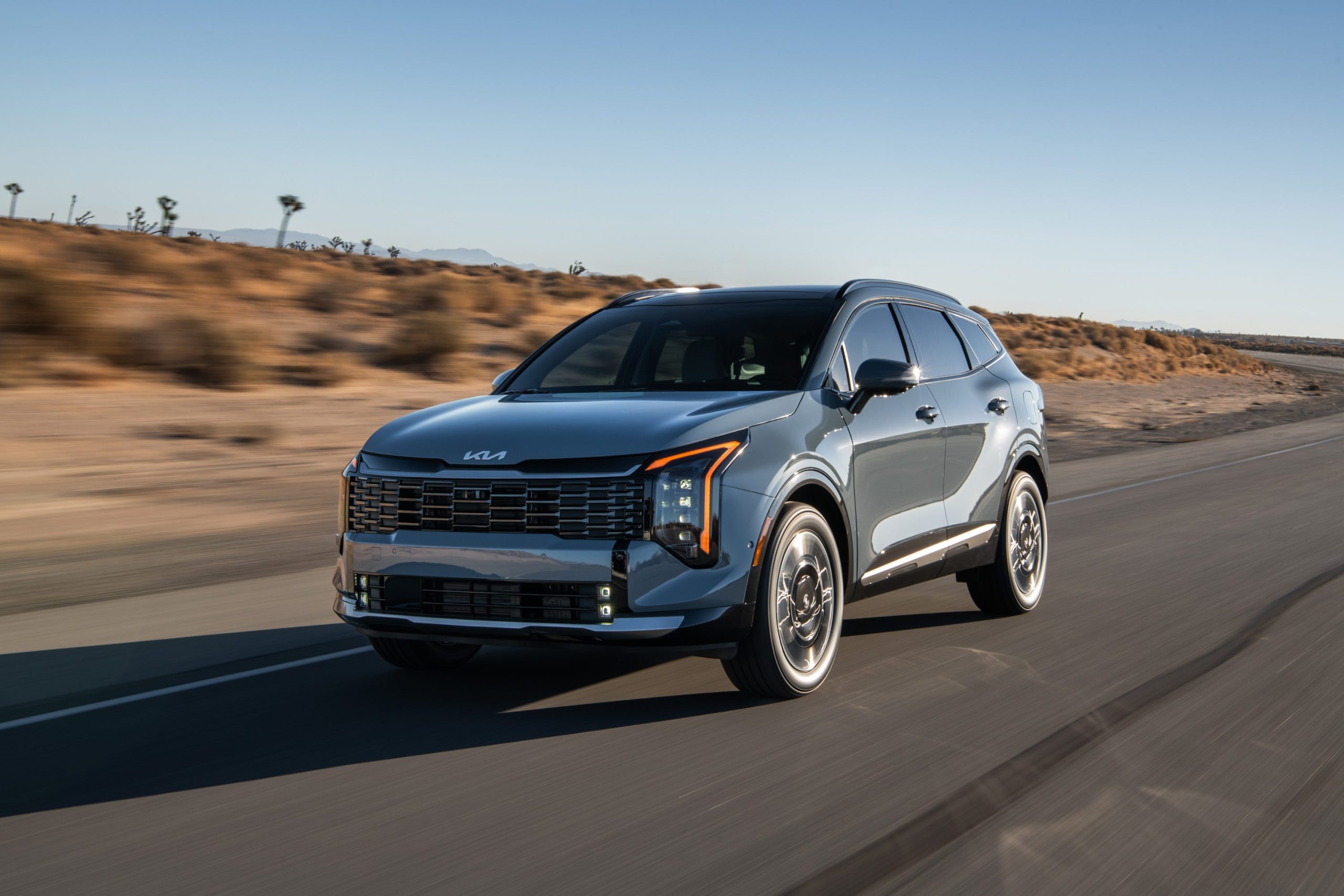
7. Kia Sportage
- Engine: 2.5L 4-Cylinder Gas vs. 1.6L Turbo Hybrid 4-Cylinder
- Horsepower: 187 hp (Gas) vs. 227 hp (Hybrid)
- Torque: 178 lb-ft (Gas) vs. 258 lb-ft (Hybrid)
- Size: 183.5 in Long x 73.4 in Wide
Daily driving conditions play a large role in whether a hybrid system delivers real value. In stop-and-go traffic, hybrids shine because regenerative braking recovers energy, and the electric motor handles low-speed movement with little fuel use. That advantage fades on open highways.
At steady speeds around 65 miles per hour, the gas engine operates efficiently on its own, braking energy recovery barely comes into play, and the electric motor adds very little assistance. Because of this, highway fuel mileage in the Sportage Hybrid ends up sitting very close to what the standard gas model achieves during long freeway trips.
Many shoppers do not realize how much driving habits affect the payoff. Drivers who spend most of their commute on highways often pay an extra two to three thousand dollars at purchase for hardware their routine barely uses. Fuel savings remain modest in this scenario, stretching the break-even point far into the future.
For highway-focused commuters, it can take seven to ten years to recover the added cost, depending on fuel prices and annual mileage. By then, both versions of the vehicle already carry high mileage, reducing the financial advantage of the hybrid choice.
Pricing on the gas-powered Sportage gives buyers breathing room from day one. The lower purchase price can easily cover routine service for years while hybrid owners wait for fuel savings to catch up. For shoppers watching their budgets and driving long highway routes, the numbers lean toward the gas version of the Kia Sportage as the more practical buy.
Also Read: 8 Used Hybrids That Save More Than They Cost To Own
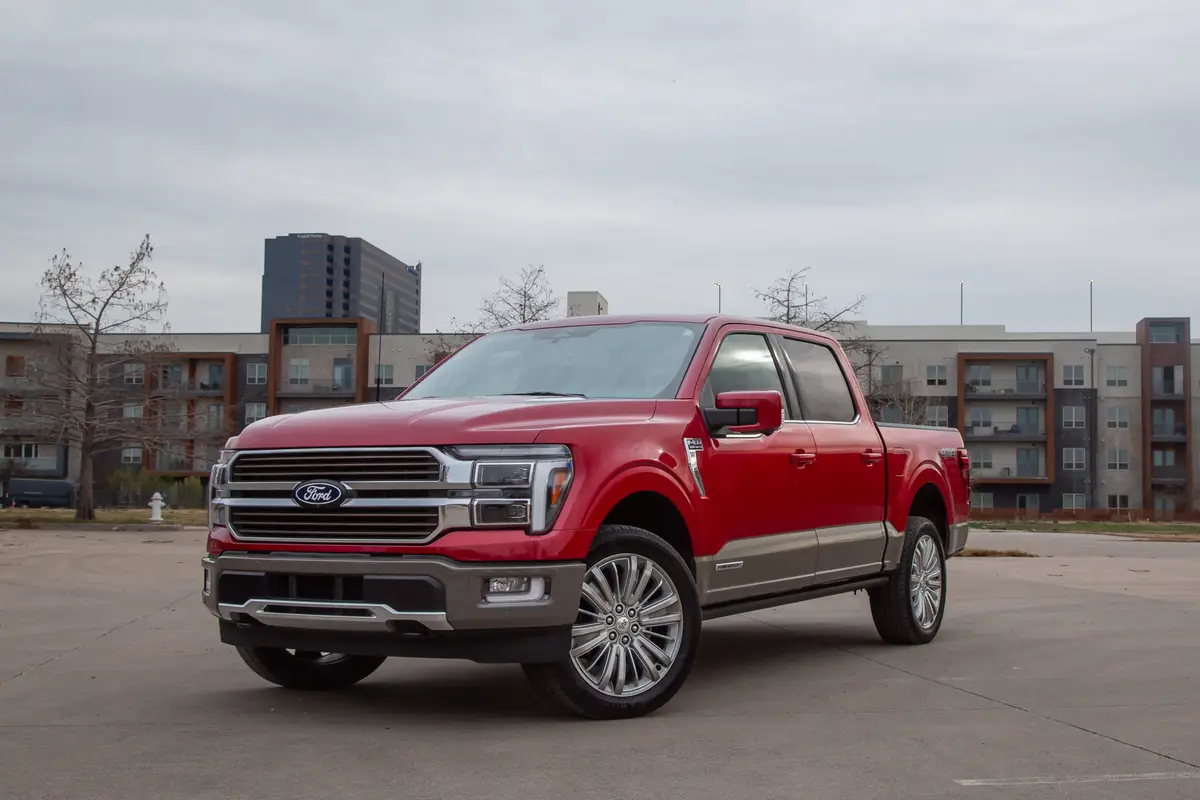
8. Ford F-150
- Engine: 3.5L Twin-Turbo V6 Gas vs. 3.5L PowerBoost Hybrid V6
- Horsepower: 400 hp (Gas) vs. 430 hp (Hybrid)
- Torque: 500 lb-ft (Gas) vs. 570 lb-ft (Hybrid)
- Size: 231.7 to 243.5 in Long x 79.9 in Wide
Ford’s PowerBoost Hybrid F-150 is a genuinely impressive piece of engineering, and the integrated generator system it offers is a legitimate advantage for job site users who need onboard power. For buyers who measure their F-150’s performance by maximum payload and towing stability rather than generator output, the standard 3.5-liter EcoBoost gas engine is the better working tool.
Hybrid battery packs add weight, and in a truck, added weight directly reduces maximum payload capacity. Every pound the hybrid system adds to the curb weight is a pound subtracted from what the truck can legally carry in its bed. Contractors who load heavy materials, ranchers who carry equipment, and tradespeople who work near their payload limits will find the gas EcoBoost F-150 offers more usable capacity for actual work.
Trailer backing is the second practical concern. When reversing a heavy trailer, the transition between electric motor power and gasoline engine engagement on the PowerBoost system can produce a momentary jerkiness that disrupts the smooth, controlled movements precise trailer positioning requires.
Experienced tower operators who back boats, horse trailers, or equipment trailers into tight spaces prefer the consistent, predictable throttle response the gas-only EcoBoost delivers throughout the entire speed range. At 400 horsepower and 500 lb-ft of torque, the gas F-150 is not leaving any real-world capability on the table.
