
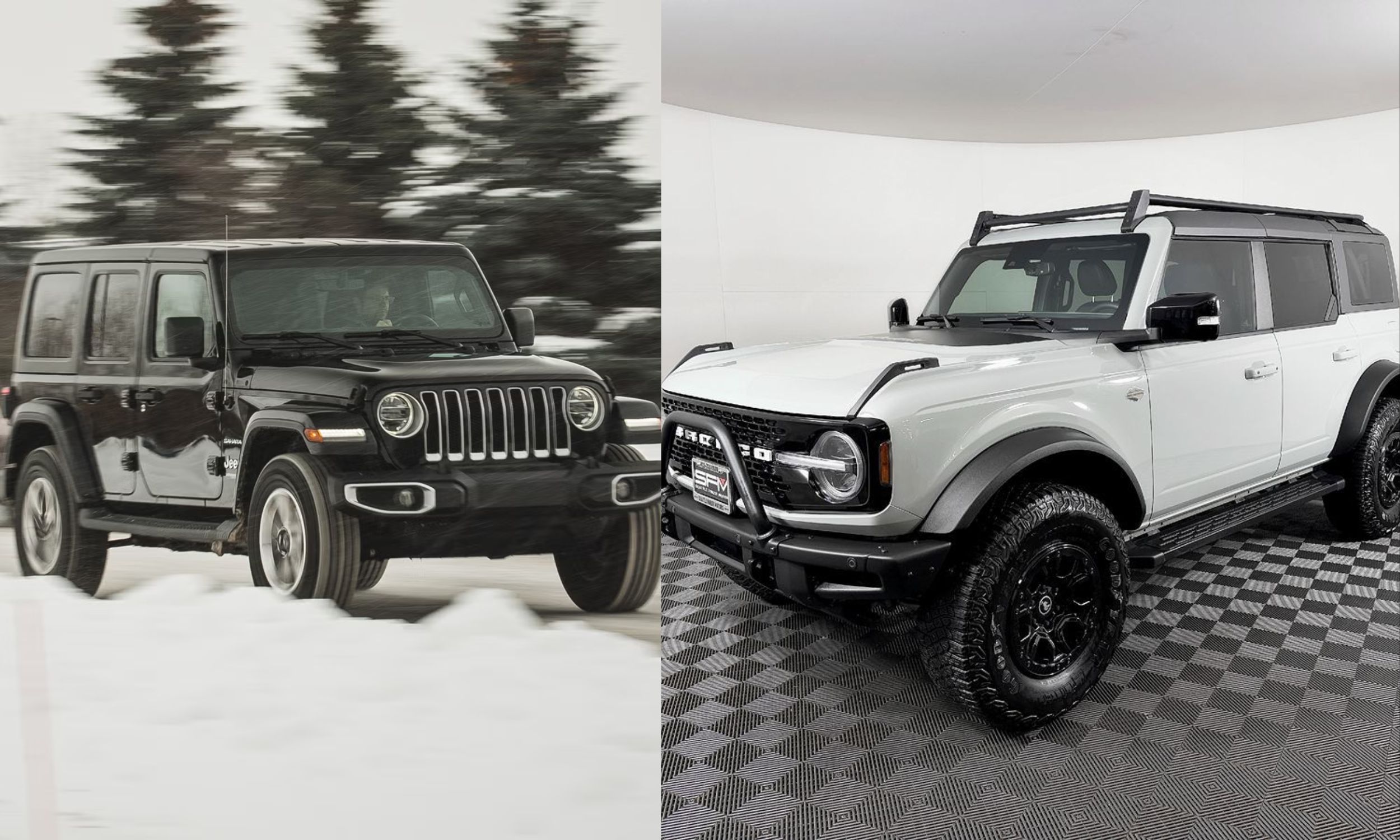
Long highway drives reveal the true comfort level of any SUV. A vehicle that feels quiet around town can become much less relaxing once speeds increase and road noise, wind sounds, and tire vibration fill the cabin. For families, commuters, and frequent travelers, a peaceful interior can make every journey more enjoyable.
Some SUVs are designed with better insulation, smoother tires, and quieter cabins, while others struggle to keep outside sounds away. Below are eight SUVs that owners and testers have identified as louder than expected on the highway, along with major specifications that help explain their performance.
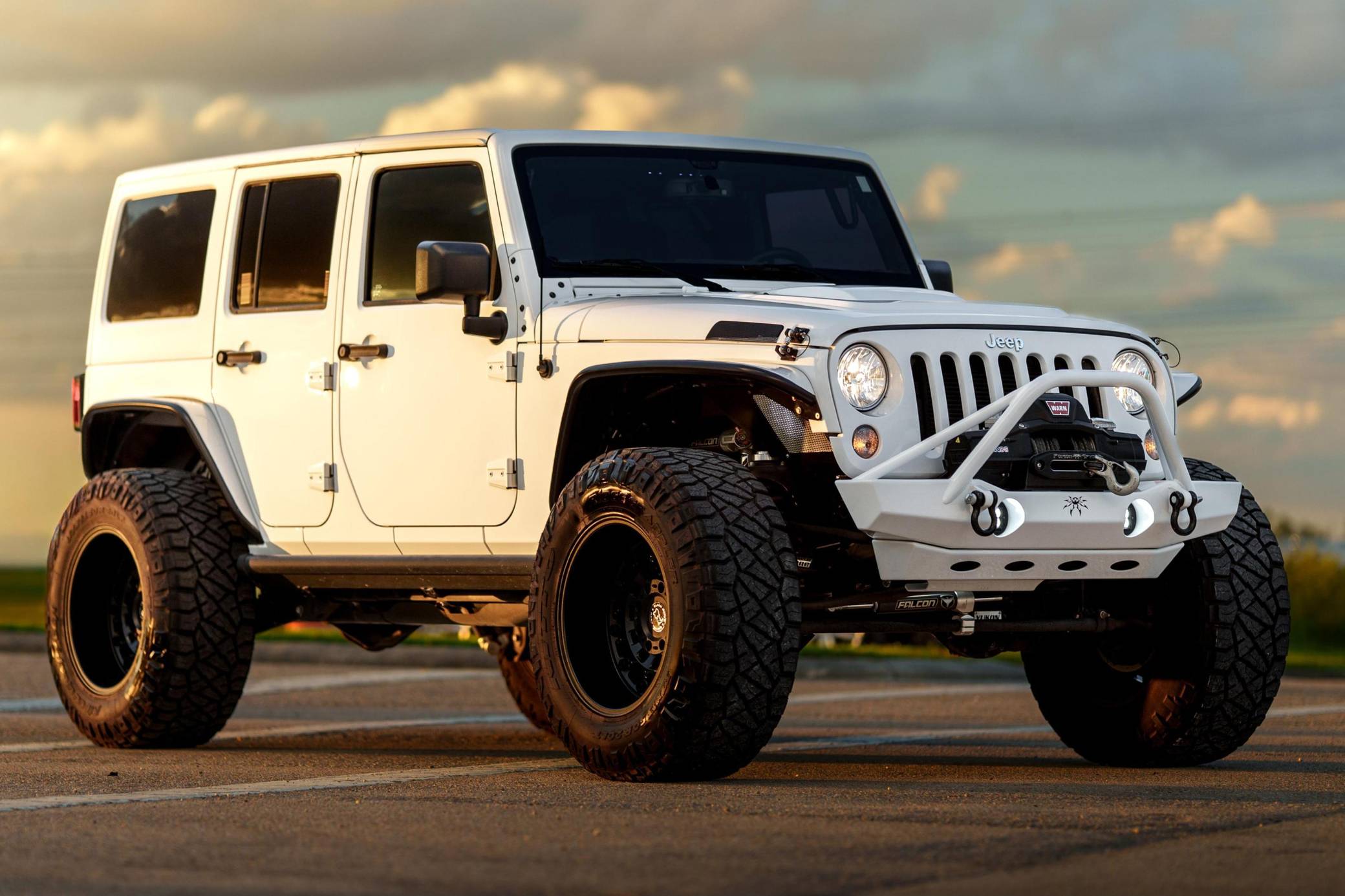
1. Jeep Wrangler / Wrangler Unlimited (2018-Present)
- Engine: 3.6L V6
- Horsepower: 285 hp
- Torque: 260 lb-ft
- Size: 188.4 inches Long x 73.8 inches Wide
Nobody buys a Wrangler expecting a whisper-quiet highway ride, but many new owners are surprised by how much noise reaches the cabin at speed. Independent tests have recorded interior sound levels around 72 to 75 dBA at 70 mph, making normal conversations harder without speaking louder.
The main reason comes from the Wrangler’s design. Its tall, boxy shape creates more wind resistance than a smoother SUV body, while the upright windshield sends more air directly toward the cabin. The large off-road tires also add extra road noise because their aggressive tread is made for dirt, rocks, and rough trails rather than silent pavement driving.
Even models with hardtops can feel loud because the cabin does not have the same sound insulation found in many family SUVs. Removable roof sections also make it harder to create a fully sealed interior. The Wrangler remains a favorite for its off-road strength and unique character, but buyers should know that highway comfort was never its main purpose.
For those who love adventure, the extra noise is simply part of the experience. Drivers who spend many hours on highways may want to test one before buying to decide if cabin noise matches.
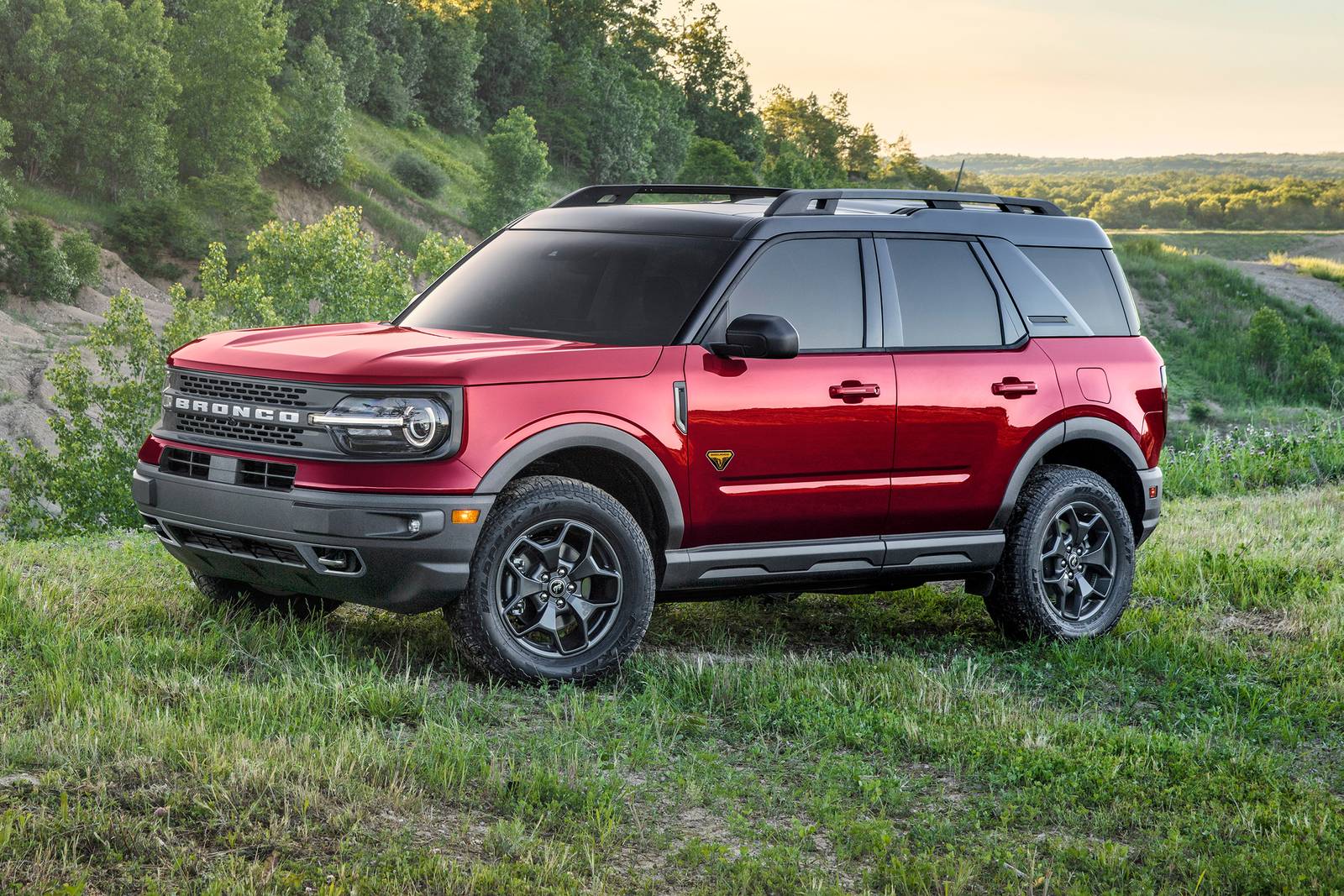
2. Ford Bronco (2021-Present)
- Engine: 2.3L Turbocharged EcoBoost 4-Cylinder
- Horsepower: 300 hp
- Torque: 325 lb-ft
- Size: 189.4 inches Long x 75.9 inches Wide
The Ford Bronco was created to challenge the Jeep Wrangler, and it shares one of the same tradeoffs: a louder cabin during highway driving. While its off-road ability is one of its biggest strengths, some daily drivers are surprised by how much outside noise reaches the interior during longer trips.
Sound tests show that Bronco models equipped with the Sasquatch Package and 35-inch mud-terrain tires can reach around 71 to 73 dBA at highway speeds. That level of noise is easy to notice, especially for owners who use their Bronco for commuting as much as weekend adventures.
Several parts of the design contribute to the extra sound. The frameless door glass can allow more wind noise around the seals when traveling at higher speeds. Unlike traditional doors with a solid frame around the window, this setup has fewer barriers against rushing air. The removable roof panels also make it harder to create the same quiet cabin found in vehicles with permanent roofs.
The large off-road tires add to the experience as well. Their deep tread pattern is excellent for dirt, mud, and rocky trails, but that same design creates more tire noise on smooth pavement. The Bronco remains a great choice for drivers who want open-air fun and serious off-road capability. However, anyone comparing it with quieter family SUVs should take it on a real highway drive before buying.
A short trip around a dealership will not reveal how the cabin feels during everyday highway use. The extra noise may be acceptable for adventure-focused buyers, but it is something every owner should understand before making a decision.
Also Read: 8 SUVs With a Flat Load Floor You Can Sleep In
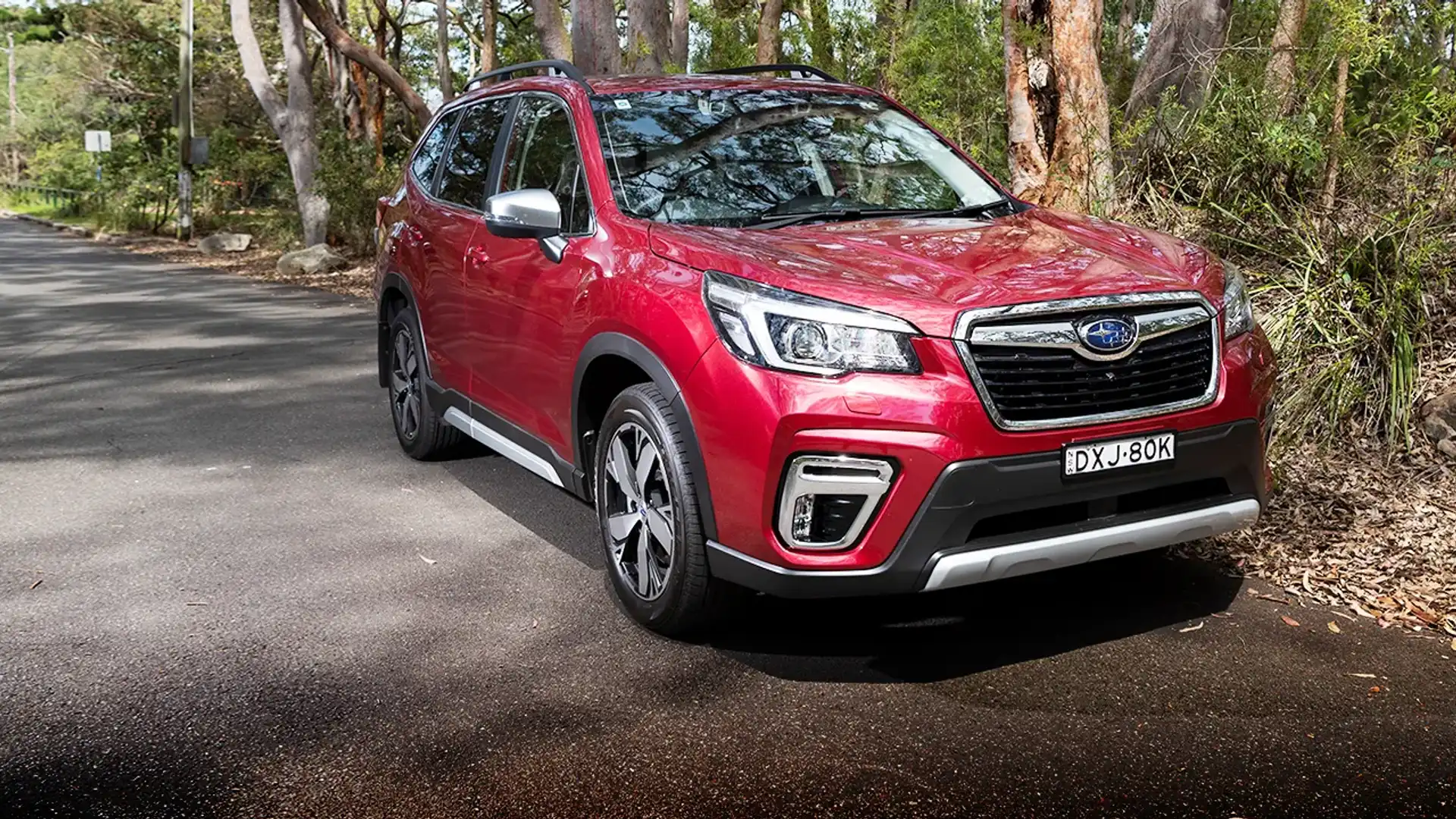
3. Subaru Forester (2019-2024)
- Engine: 2.5L 4-Cylinder
- Horsepower: 182 hp
- Torque: 176 lb-ft
- Size: 182.7 inches Long x 71.5 inches Wide
Many people expect a quiet cabin from a family SUV, so the Subaru Forester can come as a surprise. The model has earned praise for safety, practicality, and everyday dependability, but some owners have reported more road noise than expected during longer drives.
Independent sound testing has shown highway cabin readings around 69.5 to 71 dBA, placing the Forester closer to louder SUVs than some buyers might expect. Part of the reason comes from Subaru’s approach to insulation. Some areas, such as the door panels and rear wheel wells, use less sound-deadening material than what is found in some competitors. This helps control costs but allows more tire and road sounds to reach passengers.
The Forester’s tall roof and large windows also play a role. The design creates excellent visibility and gives the cabin a bright, open feeling, but the larger glass area can allow more wind noise at higher speeds. Side mirror noise becomes easier to notice during highway travel, especially above normal cruising speeds.
None of these traits take away from what makes the Forester popular. It remains a practical choice for families, outdoor enthusiasts, and drivers who value safety and everyday comfort. However, shoppers who spend many hours on highways and prefer a very quiet ride should take a longer test drive before making a final decision. A few extra minutes behind the wheel can reveal whether the cabin feels right for their needs.
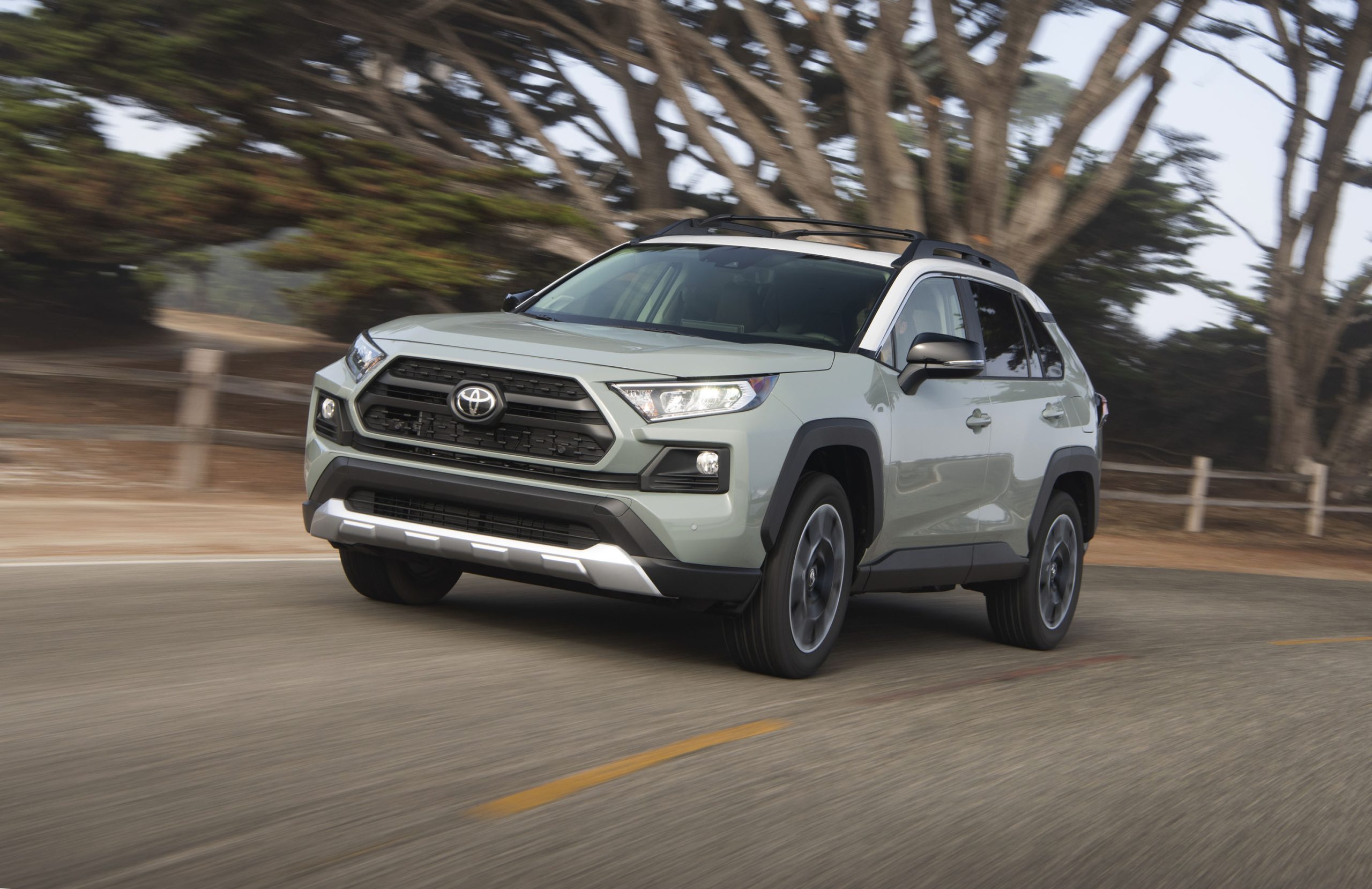
4. Toyota RAV4 (2019-Present)
- Engine: 2.5L 4-Cylinder
- Horsepower: 203 hp
- Torque: 184 lb-ft
- Size: 180.9 inches Long x 73.0 inches Wide
America’s best-selling compact crossover has a noise problem few shoppers see coming. Diagnostic testing points to deficient engine bay insulation as the primary culprit, something that becomes obvious the moment you press the accelerator toward highway speed.
The naturally aspirated engine, paired with Toyota’s Dynamic Force powertrain, drones loudly enough through the firewall that cabin readings spike to 70.5 dBA during acceleration and sustained cruising. That’s a meaningful jump above what many rival compact SUVs deliver in the same price range.
Owners describe something specific too, not just generic road noise, but a distinct “hollow” echo that seems to radiate upward through the rear cargo floor. Long drives with cargo loaded in back seem to amplify this effect, according to repeated forum discussions and long-term ownership reviews. Why does this happen in such a popular, well-reviewed vehicle?
Cost control likely plays a role, since Toyota builds the RAV4 at enormous volume and every ounce of insulation material adds expense across millions of units. The tradeoff shows up clearly once you’re several hours into a road trip, when that engine drone stops being background noise and starts becoming genuinely tiring.
Buyers who spend most of their time in city traffic may never notice this issue. Highway commuters logging serious mileage each week are far more likely to feel it firsthand.
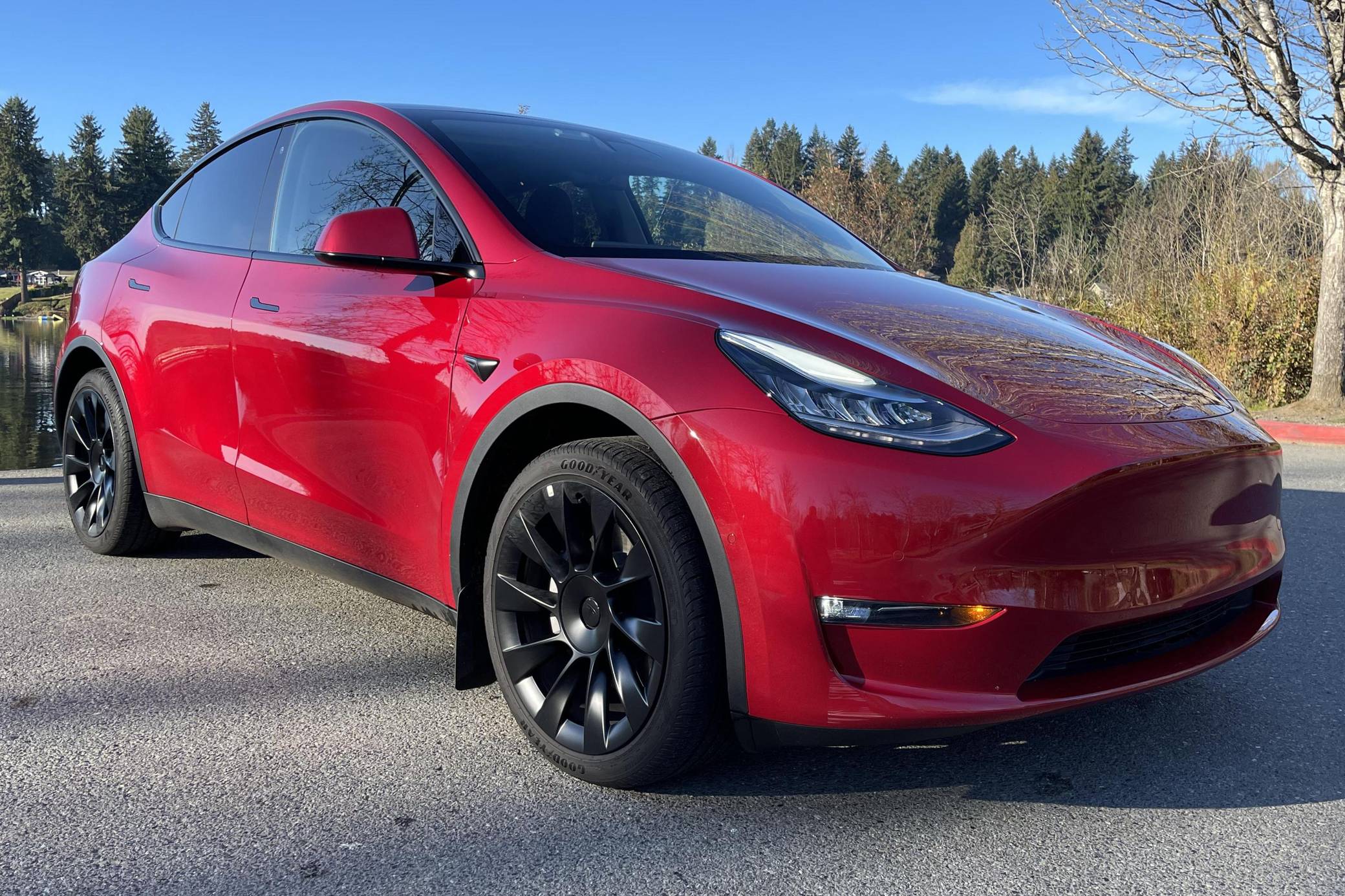
5. Tesla Model Y (2020-2023 Early Production)
- Engine: Dual Electric Motors
- Horsepower: 384 hp (Long Range variant)
- Torque: 376 lb-ft
- Size: 187.0 inches Long x 75.6 inches Wide
Removing the engine from a vehicle might make you think the cabin will automatically become quieter, but early Tesla Model Y owners discovered that silence can reveal other sounds that are usually hidden. Without engine noise in the background, wind sounds, road noise, and small vibrations become much easier to notice.
Some owners reported a strange booming feeling inside the cabin during highway driving. The issue was linked to air pressure affecting the rear hatch glass at higher speeds. Sound tests on early production models recorded interior noise levels around 69 to 70.2 dBA at 70 mph, which surprised many buyers who expected a more refined experience from a premium electric SUV.
Tesla later made changes to improve cabin comfort. Newer Model Y models received upgrades such as thicker acoustic glass on some windows to help reduce outside noise. This means the year and production date can make a real difference when shopping for a used example.
A 2020 or 2021 Model Y may not provide the same quiet experience as a newer version, even though both vehicles share the same name and similar design. For buyers looking at used models, a proper highway test drive is one of the best ways to judge cabin noise before making a purchase.
The Model Y remains popular for its electric performance, technology, and practicality, but buyers should pay close attention to cabin comfort. A few minutes on city streets may not reveal the sounds that become noticeable during longer highway trips.
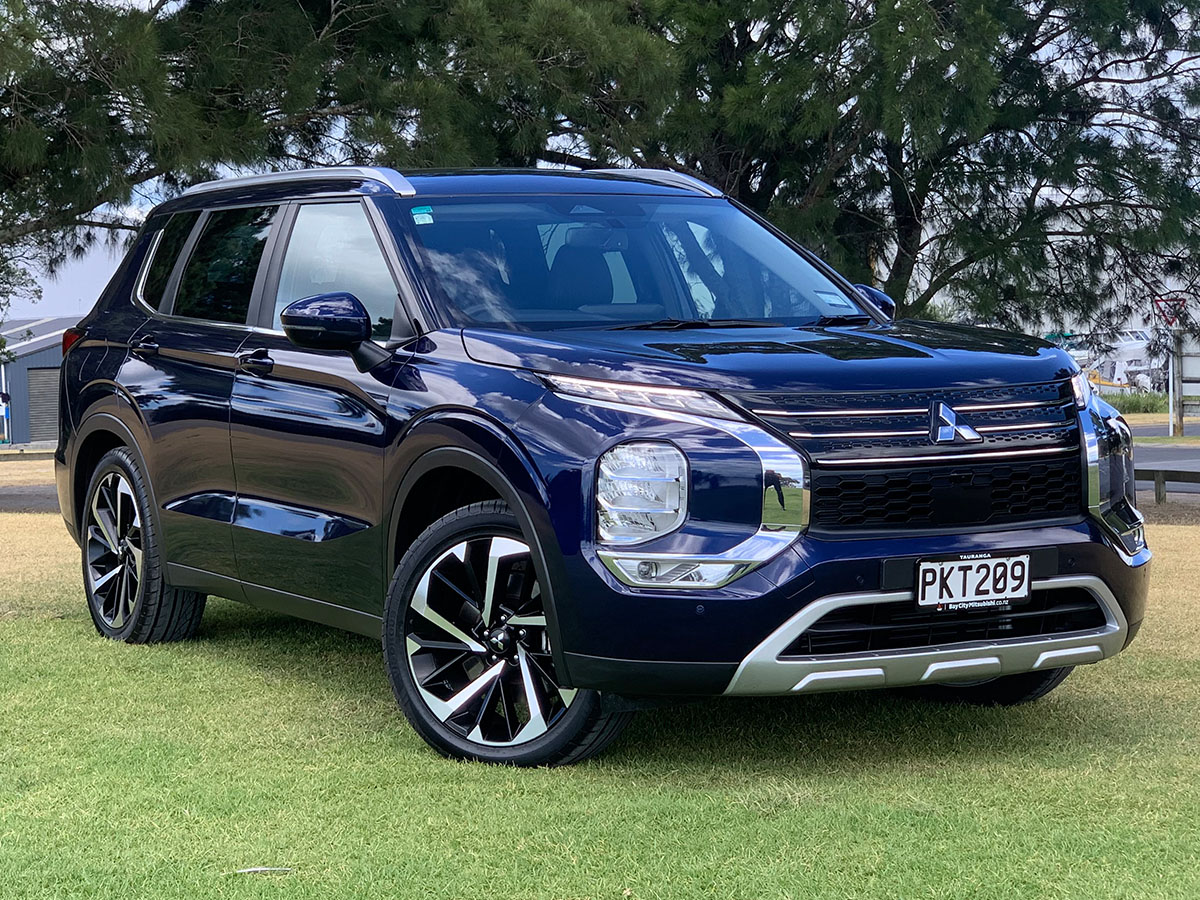
6. Mitsubishi Outlander (2022-Present)
- Engine: 2.5L 4-Cylinder
- Horsepower: 181 hp
- Torque: 181 lb-ft
- Size: 185.4 inches Long x 73.3 inches Wide
Shared platforms sometimes mean shared shortcuts, and the Outlander demonstrates that reality clearly. Built on the same basic underpinnings as the Nissan Rogue, this three-row Mitsubishi misses out on the top-tier acoustic insulation packages found in pricier competitors.
Road testers tracking interior sound consistently report highway cruise levels hovering around 69 dBA, a figure that places it solidly among the louder options in its class despite reasonably modern styling and a genuinely useful third row. What’s driving the noise? Two separate issues combine here.
First, the Continuously Variable Transmission keeps engine rpm elevated during highway acceleration and sustained cruising, and that constant buzzing frequency becomes tiring on longer drives in a way that traditional automatic transmissions typically avoid.
Second, long-term fleet logs point to minimal acoustic baffling under the carpet, material meant specifically to deflect tire slap on rough concrete pavement. Without adequate baffling, every seam and expansion joint in the road surface transmits directly into the cabin as an audible thump or slap.
Families cross-shopping three-row SUVs should factor this in, in particular if third-row passengers will be riding along regularly, since noise tends to compound toward the rear of any SUV cabin, and the Outlander’s baseline levels give it less room to spare before things get genuinely uncomfortable back there.
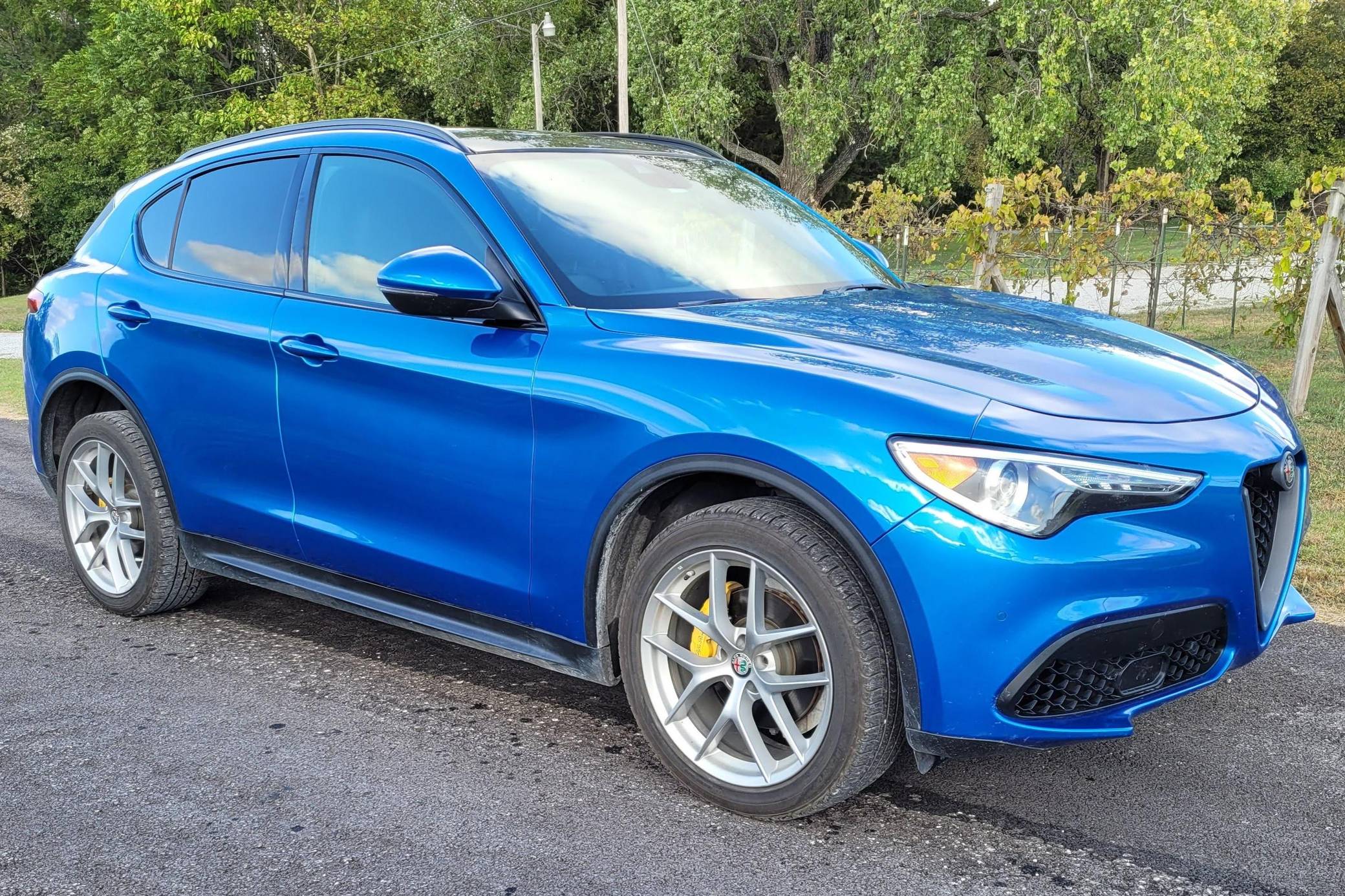
7. Alfa Romeo Stelvio (2018-2024)
- Engine: 2.0L Turbocharged 4-Cylinder
- Horsepower: 280 hp
- Torque: 306 lb-ft
- Size: 184.6 inches Long x 74.9 inches Wide
The Alfa Romeo Stelvio shows that a sporty driving experience can come with a few compromises. Built with a focus on quick handling, strong performance, and a lightweight design, the Stelvio delivers the kind of connection many driving enthusiasts enjoy. However, that approach leaves less room for the extra insulation materials that help create a quieter cabin.
Highway testing has recorded interior noise levels around 68.8 dBA at 70 mph. The main sources include the SUV’s large performance tires, especially with 20-inch and 21-inch wheels, along with wind noise around the front pillars. Some drivers also notice more road sounds entering the cabin compared with other luxury SUVs.
For enthusiasts, this extra feedback can actually add to the driving experience. Hearing the tires, road surface, and engine work together creates a stronger sense of involvement behind the wheel. Many performance-focused drivers prefer this feeling over a heavily isolated cabin.
However, people looking for a calm and quiet ride during long highway trips may have a different opinion. After several hours on the road, the extra noise can become tiring for passengers who expect luxury-level silence. The Stelvio is designed for drivers who value excitement and handling above a completely quiet cabin. It delivers an engaging experience, but buyers should know that its sporty personality comes with a louder ride than some competitors.
Also Read: 8 Compact SUVs Ranked by Five-Year Problem Rates
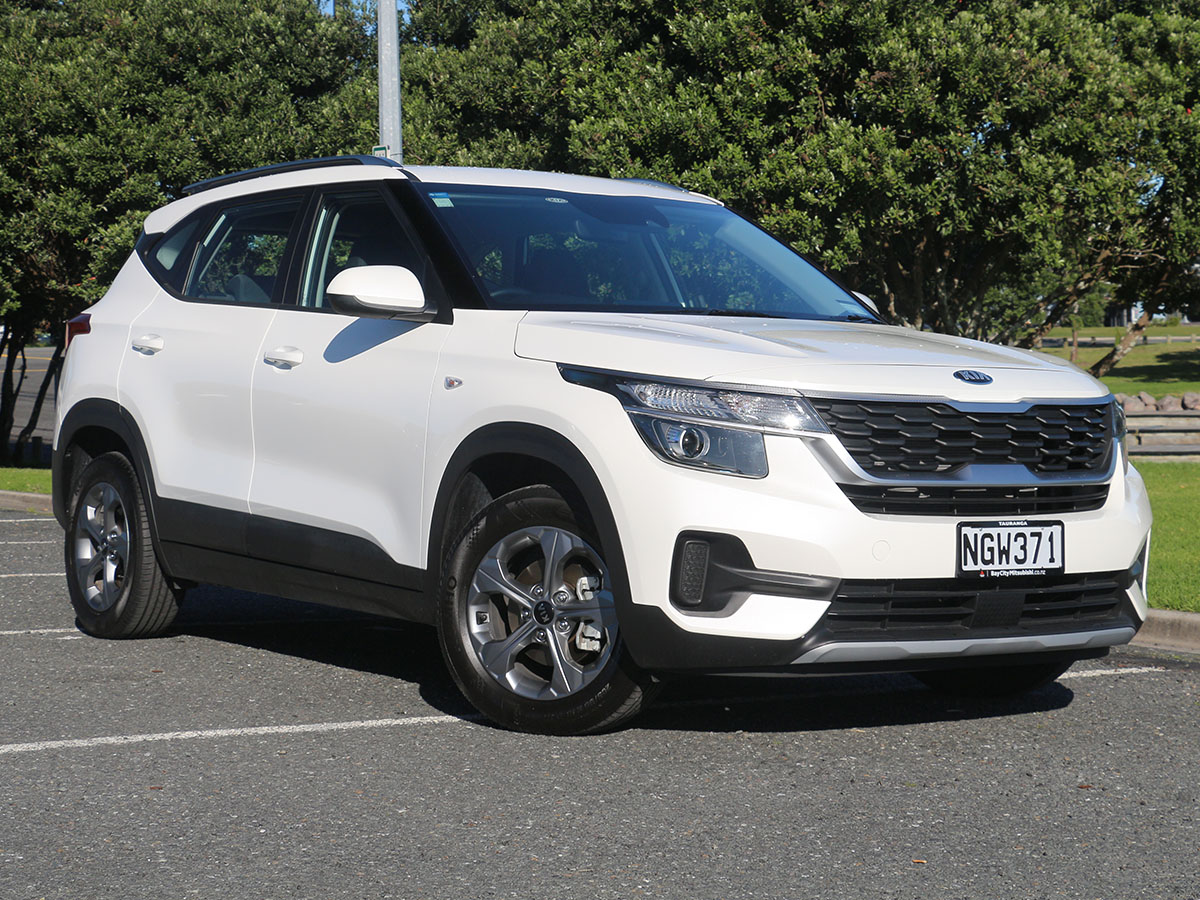
8. Kia Seltos (2021-Present)
- Engine: 2.0L 4-Cylinder
- Horsepower: 146 hp
- Torque: 132 lb-ft
- Size: 172.6 inches Long x 70.9 inches Wide
Budget-friendly pricing has to come from somewhere, and in the Seltos, part of that savings shows up as reduced sound-barrier insulation behind the dashboard and within the floorboard pillars. Entry-level segment testing records a baseline highway noise profile between 68.5 and 69 dBA, the mildest figure on this list but still enough to stand out against quieter subcompact competitors.
The base engine deserves specific blame here. With only 146 horsepower on tap, it has to work considerably harder than more powerful rivals just to maintain 70 mph, especially climbing highway grades or merging into fast-moving traffic. That extra effort means running at elevated rpm ranges for longer stretches, and every bit of that mechanical strain translates into vibration and noise flooding directly into the cabin.
Shoppers comparing trims should pay attention here, since higher Seltos trims with the available turbocharged engine handle highway speed with noticeably less strain, producing fewer of these vibration-related complaints according to owner feedback. Value remains this SUV’s biggest selling point regardless, offering competitive pricing and a genuinely stylish interior for the money spent.
Just understand exactly what that value trade includes before committing to a long-term loan, particularly if your daily routine involves regular highway merging or sustained interstate driving where that base engine gets pushed hardest and loudest.
