
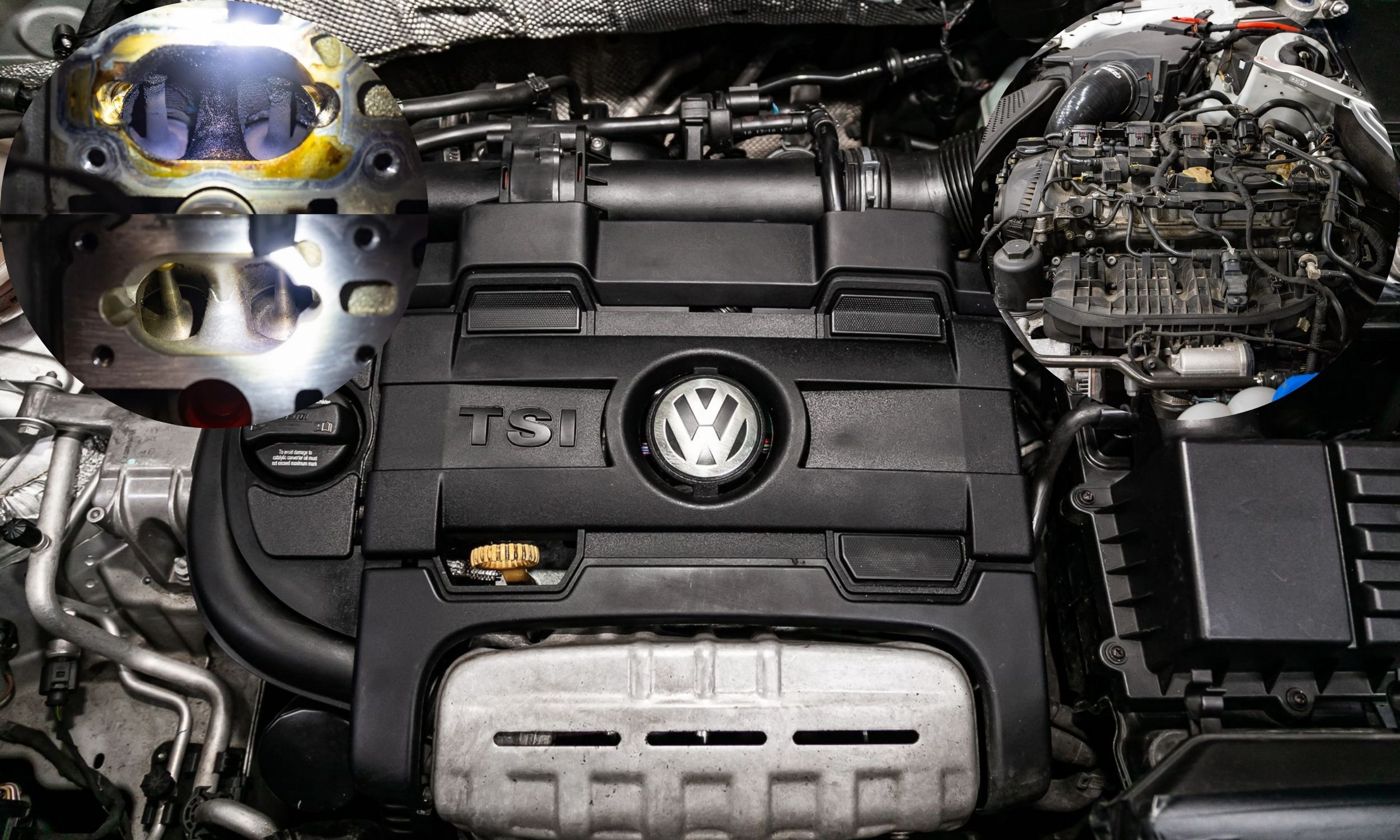
Direct injection has changed modern gasoline engines by improving fuel economy and increasing performance, making it a popular choice for many automakers. Despite those advantages, it also comes with a maintenance issue that many owners only discover after years of driving.
Unlike port injection, direct injection sprays fuel straight into the combustion chamber, so the intake valves no longer benefit from fuel washing away deposits. Instead, oil vapors and traces of exhaust gases gradually collect on the valves.
As those deposits build up, they can restrict airflow and affect how smoothly the engine runs. Drivers may begin to notice rough idling, slower acceleration, lower fuel economy, hesitation, or occasional misfires, especially during cold starts.
While some newer engines use dual-injection systems to reduce this issue, many older direct-injection engines are still known for heavy carbon buildup. Once the deposits become severe, mechanics often recommend intake valve cleaning through walnut blasting or approved chemical treatments. The eight engines below have developed a reputation for this problem through years of owner feedback and repair shop experience.
1. Volkswagen / Audi EA888 Gen 1-3
- Engine: 2.0-liter Turbocharged Inline-4 (TSI)
- Output: Approximately 200-220 hp / 207-258 lb-ft
- Typical Vehicle: Volkswagen Golf GTI
- Typical Size: 168.8 in L × 70.8 in W × 57.8 in H
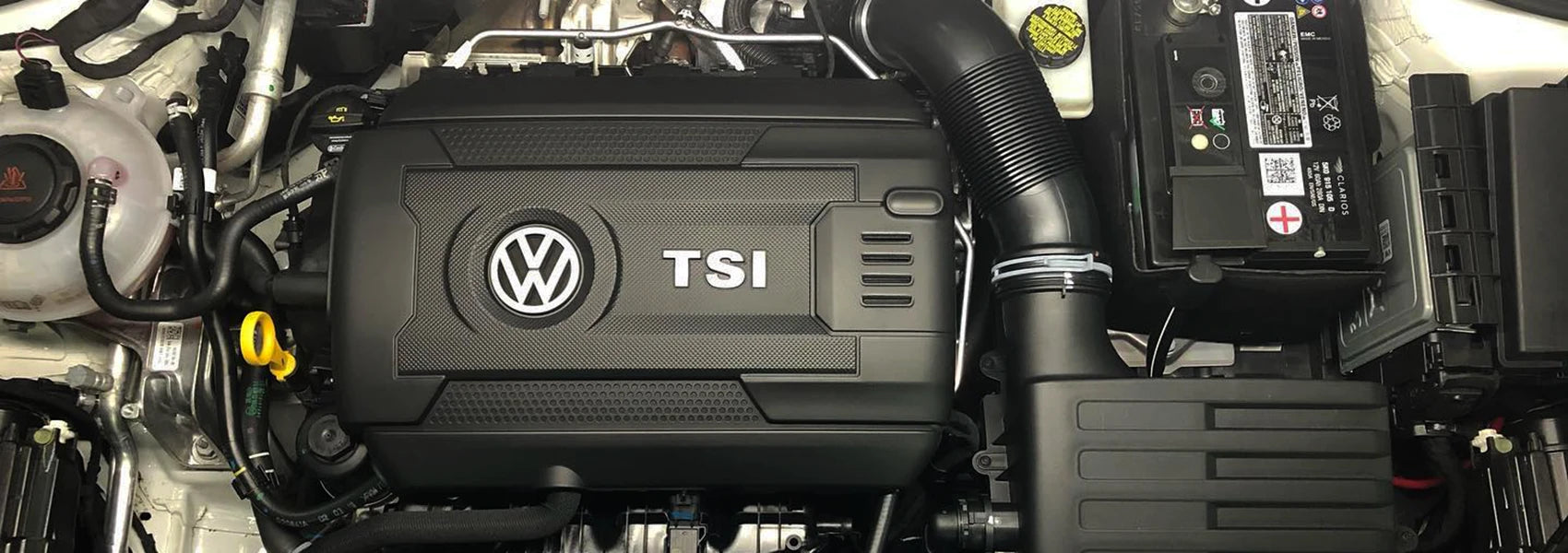
Before buying a used Volkswagen GTI or an Audi powered by the EA888 engine, it is worth knowing about one maintenance job that comes up again and again. Speak with experienced Volkswagen or Audi technicians, and many will point to the EA888 as one of the better-known direct-injection engines for developing carbon deposits on its intake valves.
This turbocharged 2.0-liter four-cylinder has powered many Volkswagen and Audi models for years, with output ranging from about 200 to 220 horsepower and between 207 and 258 lb-ft of torque, depending on the version. In the GTI, the engine delivers lively performance while keeping the hatchback practical enough for daily use.
The GTI measures 168.8 inches in length, 70.8 inches in width, and 57.8 inches in height, making it easy to drive in busy cities while still providing useful passenger and cargo space.
One drawback comes from its direct-injection design. Since fuel is sprayed directly into the combustion chamber instead of across the intake valves, oil vapors from the PCV system gradually stick to the valves and harden into carbon deposits. As mileage increases, drivers may notice rough idling, weaker throttle response, reduced fuel economy, or occasional misfires.
Many owners have the intake valves cleaned with walnut blasting between 50,000 and 80,000 miles to restore engine performance. The process uses crushed walnut shells to safely remove stubborn deposits without harming engine components. Volkswagen and Audi refined the EA888 through several generations, yet carbon buildup remains a maintenance item owners should expect.
If you’re shopping for a used GTI or another EA888-powered model, checking service records for previous intake cleaning or planning for the job later can help you avoid unwanted surprises and keep the engine performing as intended.
2. BMW N54
- Engine: 3.0-liter Twin-Turbocharged Inline-6
- Output: 300 hp / 300 lb-ft
- Typical Vehicle: BMW 335i (E90)
- Typical Size: 178.2 in L × 71.5 in W × 55.9 in H
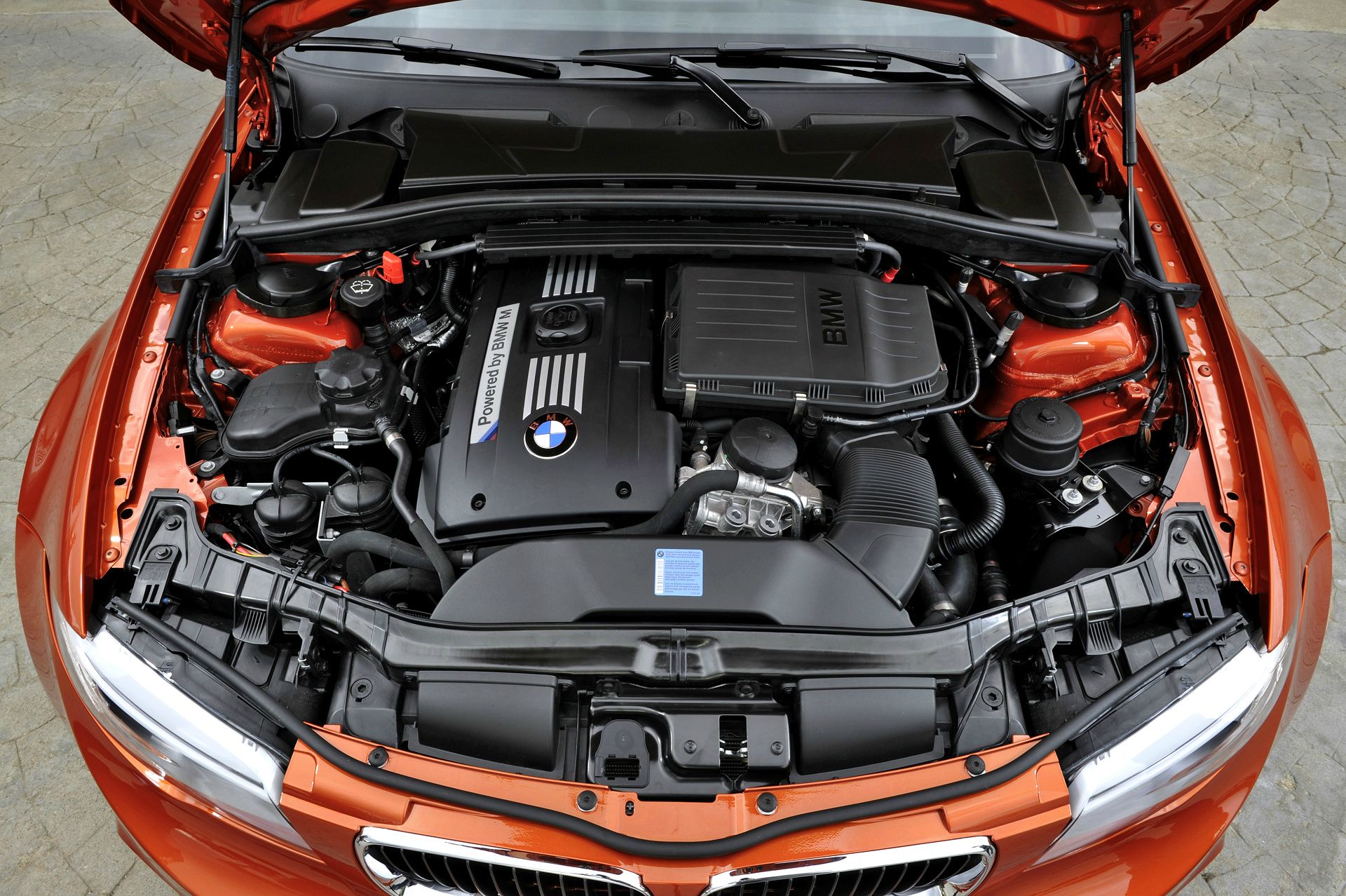
Few engines carry as much of a mixed reputation as the N54. Enthusiasts praise it for how easily it responds to tuning, while owners who’ve kept one long term know it comes with a maintenance checklist that includes intake cleaning near the top. Housed most commonly in the BMW 335i from the E90 generation, this twin-turbocharged 3.0-liter inline-six produced 300 horsepower and 300 lb-ft of torque from the factory, numbers that felt genuinely quick for a mid-size sport sedan when it launched.
The 335i measures 178.2 inches long, 71.5 inches wide, and 55.9 inches tall, giving it a low, planted stance that matched its performance-oriented mission. What tuners and daily drivers alike eventually run into is the same story that plagues most early direct injection engines: oil vapor settling on intake valves with nothing to wash it away.
Symptoms tend to build gradually rather than announce themselves all at once. A rough idle at stoplights, a hesitation during acceleration, or a cold start that shakes more than it should are all common signs that deposits have accumulated past a comfortable point. Independent BMW specialists have grown so familiar with this pattern that walnut blasting on the N54 is treated less like a repair and more like scheduled maintenance, similar to a timing belt or transmission fluid change on other vehicles.
Some shops recommend having it done preventively around the 60,000 to 80,000 mile mark rather than waiting for symptoms to appear. For anyone considering a used 335i, factoring this service into the ownership budget makes sense given how consistently it comes up in owner forums, service records, and mechanic recommendations across the model’s production run.
Also Read: 10 Inline-Six Engines That Became Automotive Legends
3. Ford 3.5L EcoBoost (2011-2016)
- Engine: 3.5-liter Twin-Turbocharged V6
- Output: 365 hp / 420 lb-ft
- Typical Vehicle: Ford F-150
- Typical Size: 231.9 in L × 79.9 in W × 76.9 in H
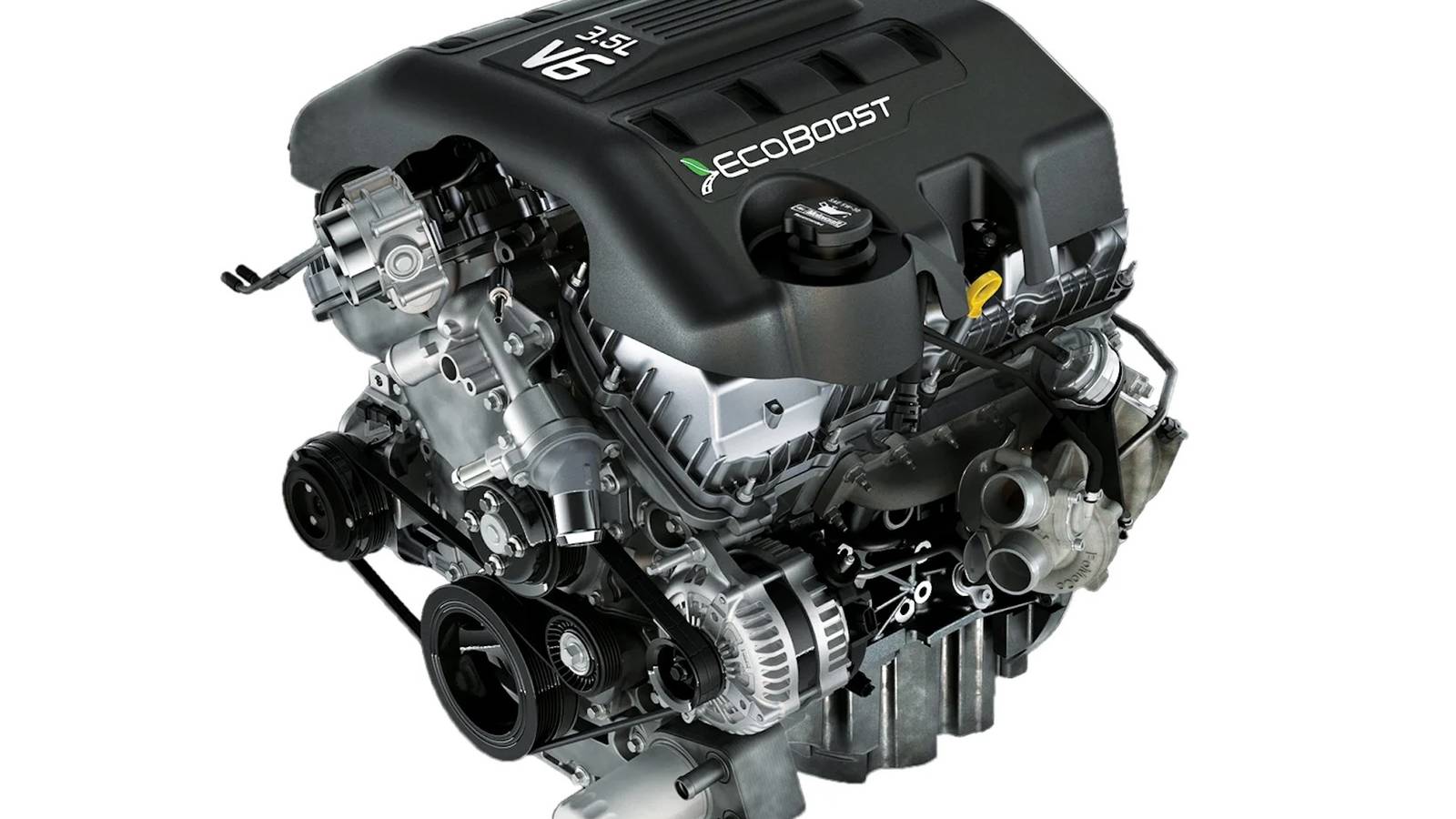
Built for demanding workloads, full-size pickup trucks depend on engines that can deliver strong performance day after day. Ford’s first-generation 3.5-liter EcoBoost V6 became a popular choice in the F-150 thanks to its combination of power and efficiency. Producing 365 horsepower and 420 lb-ft of torque, the twin-turbocharged engine gave owners the capability needed for towing trailers, hauling equipment, and handling everyday driving with ease.
The F-150 itself measures 231.9 inches in length, 79.9 inches in width, and 76.9 inches in height, giving it the size expected from a serious work truck. Beneath the bonnet, however, the early version of this engine used a direct-injection-only design. While this setup helped improve performance and fuel economy, it also left the intake valves vulnerable to carbon deposits caused by oil vapours moving through the engine’s ventilation system.
Without fuel passing over the valves, these deposits could gradually build up and affect engine operation. Drivers who regularly tow heavy loads, spend long periods idling at work sites, or make frequent short trips often experience the issue sooner than those who mainly drive on highways.
As mileage increases, owners may begin to notice rough idling, reduced throttle response, or occasional misfires. These symptoms are commonly linked to carbon accumulation on the intake valves. Ford later addressed the concern with the redesigned 2017 version of the 3.5-liter EcoBoost by introducing a dual-injection system that combined direct and port injection.
This allowed fuel to help keep the intake valves cleaner during normal operation. Owners of 2011 to 2016 models frequently turn to professional intake cleaning services once mileage reaches higher levels, particularly when the truck has been used extensively for towing or commercial duties.
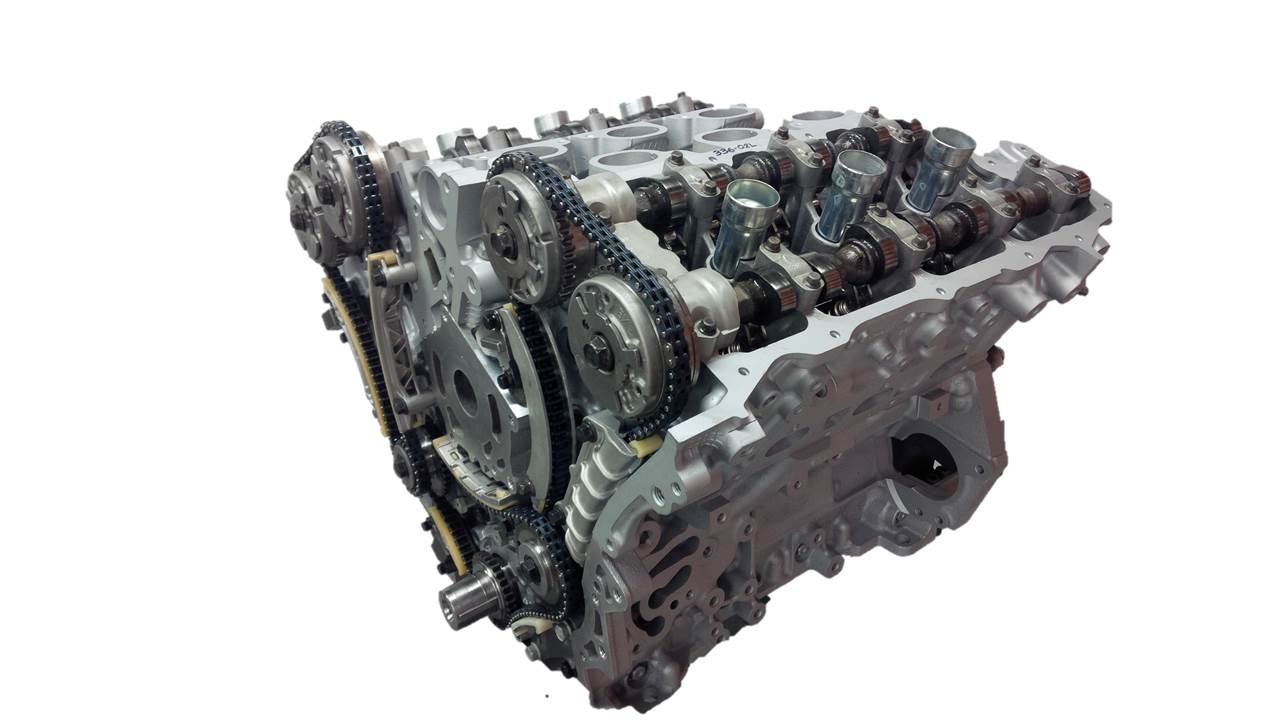
4. GM 3.6L V6 (LLT / LFX)
- Engine: 3.6-liter Naturally Aspirated V6
- Output: Approximately 304-323 hp / 264-278 lb-ft
- Typical Vehicle: Chevrolet Camaro
- Typical Size: 190.6 in L × 75.5 in W × 54.2 in H
Not every carbon buildup story involves a turbocharger. General Motors’ 3.6-liter naturally aspirated V6, built in both LLT and LFX variants, found its way into the Chevrolet Camaro and produced anywhere from 304 to 323 horsepower along with 264 to 278 lb-ft of torque depending on the specific version installed.
The Camaro housing this engine stretches 190.6 inches long, sits 75.5 inches wide, and stands just 54.2 inches tall, a low and wide profile built around performance driving rather than passenger comfort. Buyers drawn to this V6 as a lighter, more efficient alternative to the V8 Camaro trims got a genuinely capable engine, but they also inherited the same intake valve vulnerability found across nearly every direct injection design.
Oil vapor cycling through the PCV system settles on the valves over normal driving, with no fuel washing it away the way older port-injected V6 engines used to manage automatically. Drivers tend to notice the buildup through a rougher idle first, followed eventually by hesitation during acceleration and, in some cases, misfire codes triggering the check engine light as deposits grow thick enough to disrupt proper valve sealing.
This isn’t unique to sporty applications either, since GM used variations of this 3.6-liter across sedans and crossovers as well, meaning the carbon buildup pattern shows up across a fairly broad range of vehicles sharing the same basic engine architecture.
Preventive maintenance in the form of periodic intake cleaning, sometimes paired with a fuel system service, tends to keep symptoms at bay for owners who stay ahead of it rather than waiting for a misfire code to force the issue.
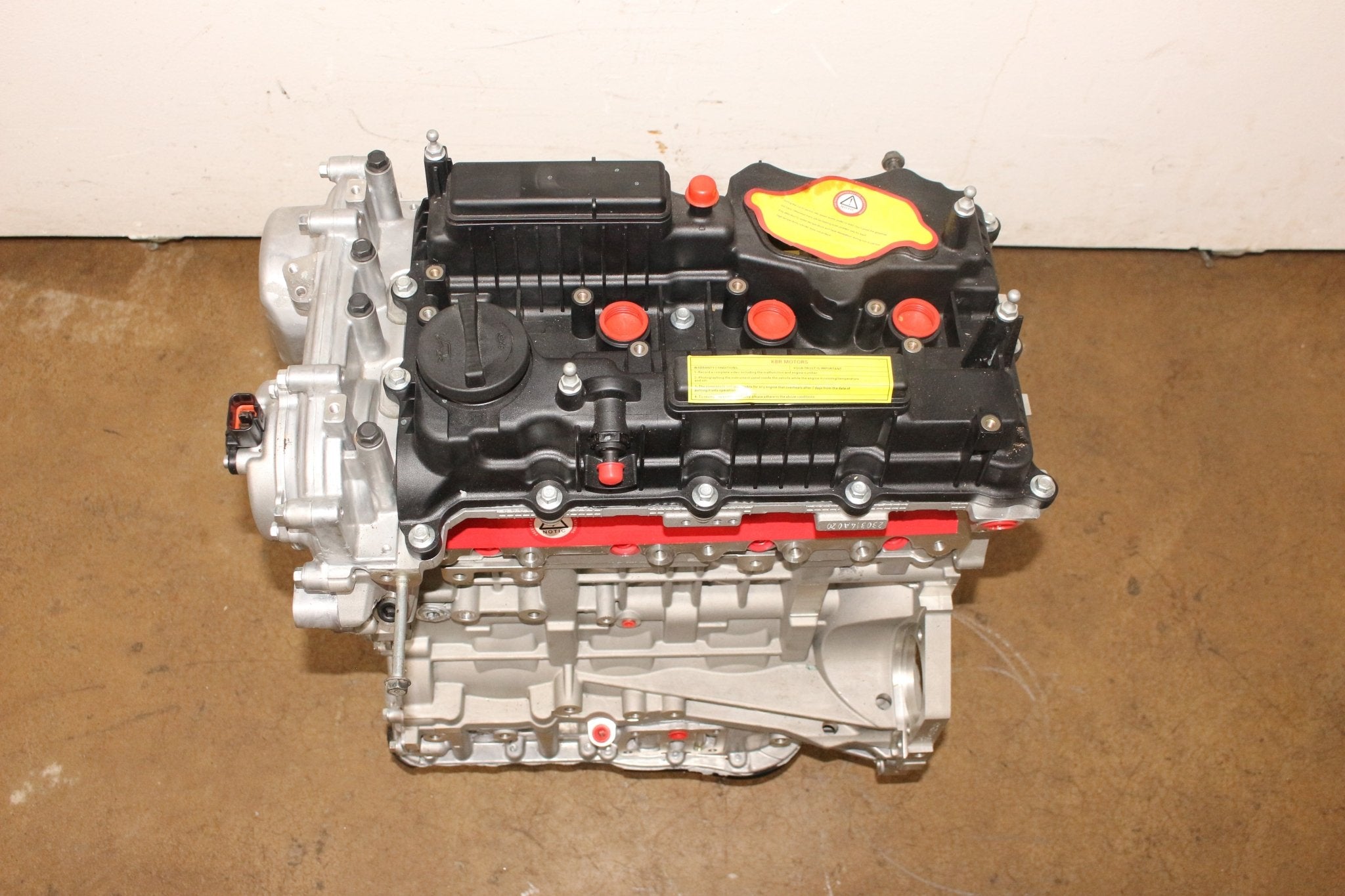
5. Hyundai / Kia 2.4L Theta II GDI
- Engine: 2.4-liter Naturally Aspirated Inline-4
- Output: 185 hp / 178 lb-ft
- Typical Vehicle: Hyundai Sonata
- Typical Size: 191.1 in L × 73.4 in W × 57.9 in H
Family sedans don’t usually get discussed alongside high-performance engines, yet the Theta II found in the Hyundai Sonata shares the same basic vulnerability as engines built for speed. This naturally aspirated 2.4-liter four-cylinder produces 185 horsepower and 178 lb-ft of torque, output tuned for smooth, efficient daily driving rather than any kind of aggressive performance.
The Sonata carrying this engine measures 191.1 inches long, 73.4 inches wide, and 57.9 inches tall, a mid-size sedan built with families and commuters in mind. Being an early generation of direct injection technology, the Theta II shares the same fundamental issue found across nearly every GDI engine from this era: fuel never touches the intake valves, leaving them exposed to oil vapor that gradually hardens into deposits.
Sonata owners have reported the usual pattern of symptoms as mileage accumulates, including a rougher idle, mild hesitation during acceleration, and occasionally a check engine light triggered by a misfire once deposits reach a certain thickness. Because this engine primarily serves as daily transportation rather than a performance application, many owners simply aren’t aware carbon buildup is even a possibility until a mechanic mentions it during a routine service visit.
Periodic induction cleaning, sometimes performed as part of a broader fuel system service, has become a fairly standard recommendation once these vehicles pass the 60,000 to 80,000 mile mark.
The fix isn’t complicated or particularly expensive compared to some of the turbocharged engines on this list, but it does require awareness, since a Sonata’s reputation for reliability can make owners less likely to anticipate this specific maintenance item without a mechanic flagging it first.
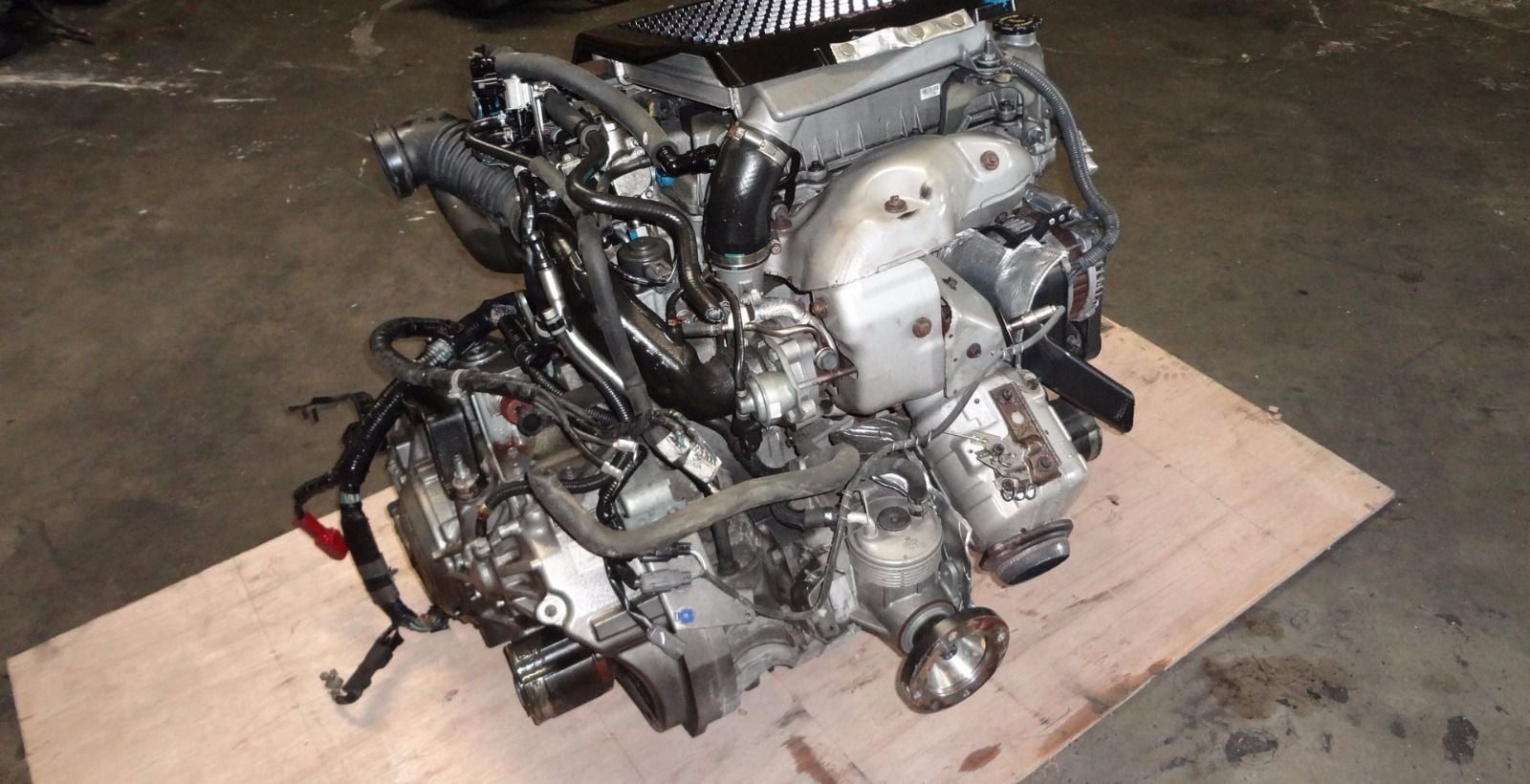
6. Mazda 2.3L MZR DISI Turbo
- Engine: 2.3-liter Turbocharged Inline-4
- Output: 263 hp / 280 lb-ft
- Typical Vehicle: Mazdaspeed3
- Typical Size: 176.0 in L × 69.1 in W × 57.7 in H
Performance hatchbacks have always attracted drivers looking for plenty of power without sacrificing everyday practicality, and the Mazdaspeed3 delivered exactly that. Under its bonnet sat Mazda’s 2.3-liter turbocharged MZR DISI four-cylinder engine, producing 263 horsepower and 280 lb-ft of torque.
Those figures gave the compact hatchback lively acceleration that impressed many buyers when it first reached showrooms. Measuring 176.0 inches in length, 69.1 inches in width, and 57.7 inches in height, it remained easy to drive daily while still offering the excitement many enthusiasts wanted.
Despite its strong performance, the engine earned a reputation for developing carbon deposits on the intake valves. As one of the earliest widely available turbocharged gasoline direct-injection engines, it lacked the benefit of later improvements designed to reduce this issue.
Since fuel is sprayed directly into the combustion chamber instead of the intake ports, oil vapours gradually collect on the valves and harden into carbon deposits. Drivers often noticed rough idling, slower throttle response, reduced engine performance, and occasional hesitation as mileage increased.
Years of ownership experience have made this issue well known among Mazdaspeed3 enthusiasts and independent repair specialists. Many owners have reported good results after professional walnut blasting or other intake valve cleaning services, with smoother operation and restored performance afterward. Because these cars are often driven enthusiastically, carbon buildup may appear sooner than it would in a lightly used vehicle.
Anyone considering a used Mazdaspeed3 should check maintenance records carefully to confirm whether the intake valves have been cleaned before. If there is no documented evidence of the service, setting aside money for it after purchase is a wise decision that can help keep the engine performing properly for years.
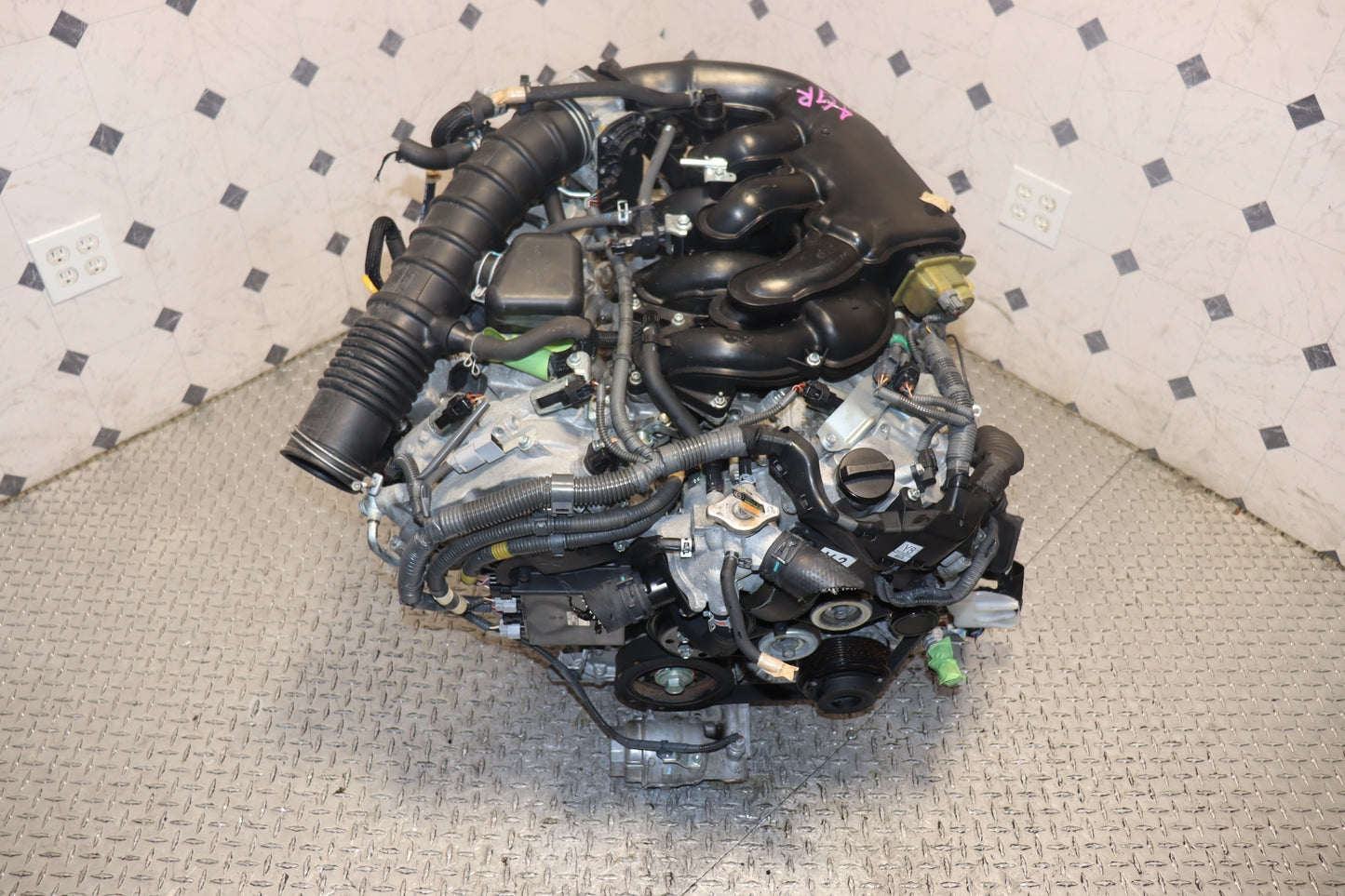
7. Lexus IS250 (4GR-FSE)
- Engine: 2.5-liter Naturally Aspirated V6
- Output: 204 hp / 185 lb-ft
- Typical Vehicle: Lexus IS250
- Typical Size: 180.1 in L × 70.9 in W × 56.1 in H
Reliability and carbon buildup aren’t mutually exclusive, and the Lexus IS250 proves that point clearly. Powered by the 4GR-FSE, a naturally aspirated 2.5-liter V6 producing 204 horsepower and 185 lb-ft of torque, this compact luxury sedan built a strong reputation for long-term dependability across most of its major components.
Measuring 180.1 inches long, 70.9 inches wide, and 56.1 inches tall, the IS250 offered buyers a smaller, more efficient alternative to the six-cylinder engines found in larger Lexus sedans, without sacrificing the smoothness the brand is known for.
Yet despite that broader reputation for trouble-free ownership, the 4GR-FSE has long been flagged by Lexus specialists and independent mechanics as an engine prone to intake valve carbon deposits, a direct result of the same fuel delivery design found throughout this list.
Symptoms tend to develop slowly, often appearing first as a rough idle that owners might initially mistake for a minor issue unrelated to the engine’s fuel system. Cold-start vibration is another frequently reported symptom, along with a general sense of hesitation that becomes more apparent as mileage increases.
Because IS250 owners often keep their vehicles for many years given the model’s reputation for longevity, professional intake cleaning tends to become a genuine consideration once these cars cross into higher mileage territory, frequently somewhere past the 70,000 to 90,000 mile range.
The service itself isn’t dramatically different from what other direct injection engines require, but it does serve as a reminder that even engines built by manufacturers known for reliability aren’t immune to the physical realities of how direct injection interacts with intake valve surfaces over years of use.
Also Read: 10 Least Reliable Engines In Last 20 Years
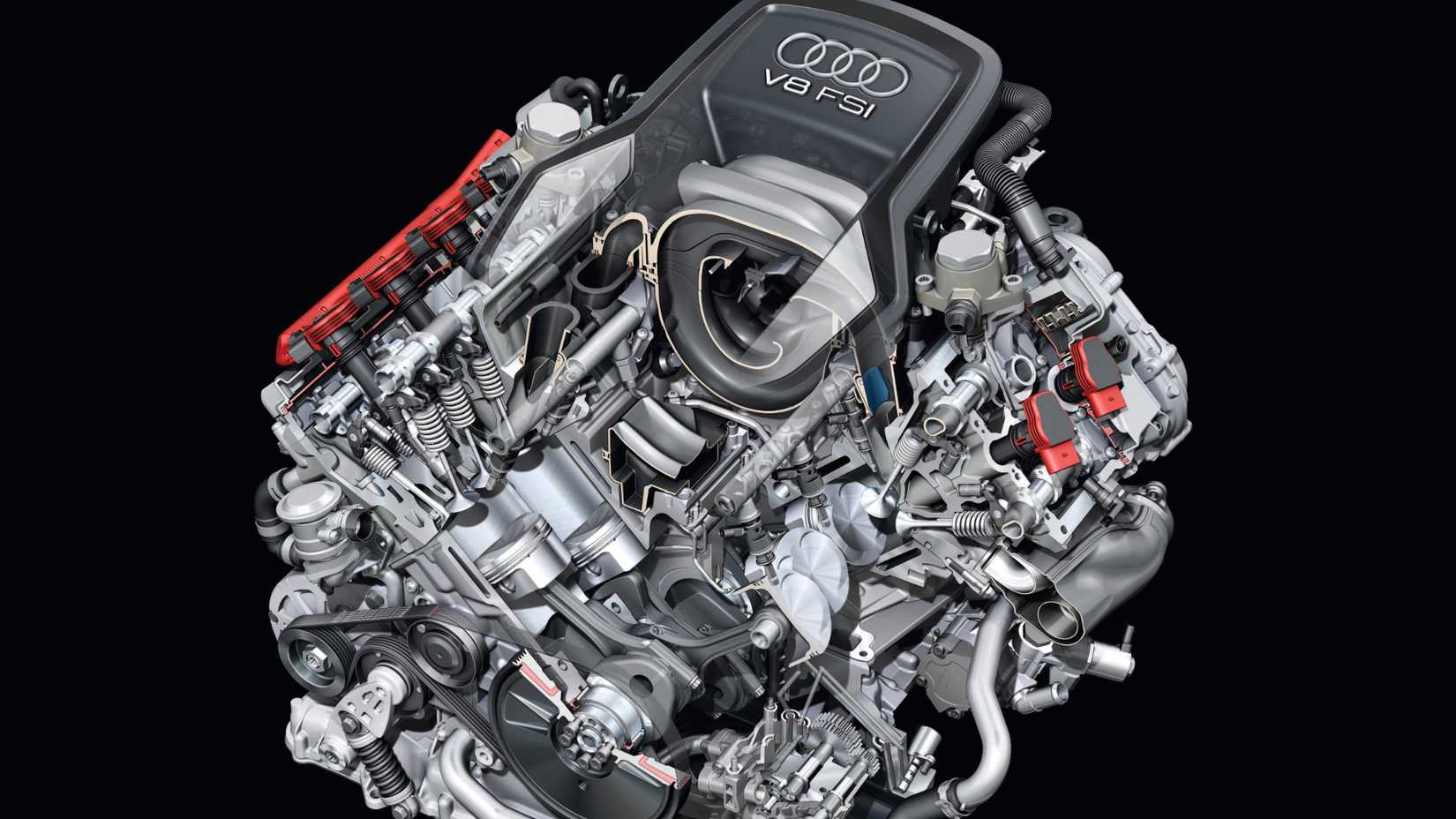
8. Audi 4.2L FSI V8
- Engine: 4.2-liter Naturally Aspirated V8
- Output: Approximately 420 hp / 317 lb-ft (RS4 specification)
- Typical Vehicle: Audi RS4 (B7)
- Typical Size: 181.9 in L × 71.5 in W × 55.7 in H
High-revving, naturally aspirated, and built to sing all the way to its redline, the Audi RS4’s 4.2-liter FSI V8 remains one of the most beloved performance engines Audi has ever produced. In RS4 specification, this engine delivers approximately 420 horsepower and 317 lb-ft of torque, output that made the B7 generation RS4 a genuine rival to some of the fastest sport sedans on sale at the time.
The car itself measures 181.9 inches long, 71.5 inches wide, and 55.7 inches tall, a compact and aggressive shape that matched the intensity of what sat under the hood. That intensity comes with a well-documented cost, though, since this FSI V8 has earned a reputation among Audi specialists as one of the more severe examples of intake valve carbon buildup found anywhere on this list.
Heavy deposits can accumulate faster than owners expect, given how hard this engine is often driven and how frequently it operates at higher RPM ranges where oil vapor production tends to increase. The effects show up as measurable horsepower loss, sluggish throttle response, and a noticeable uptick in fuel consumption once deposits reach a certain point.
Because RS4 owners tend to be enthusiasts who care deeply about preserving the engine’s original character, walnut blasting has become a widely accepted and almost expected maintenance procedure within this community, often performed proactively rather than only after symptoms appear.
Specialist shops familiar with the B7 RS4 frequently recommend inspection around the 40,000 to 60,000 mile mark, earlier than several other engines on this list, a reflection of just how aggressively this high-revving V8 tends to accumulate deposits under normal spirited use.
