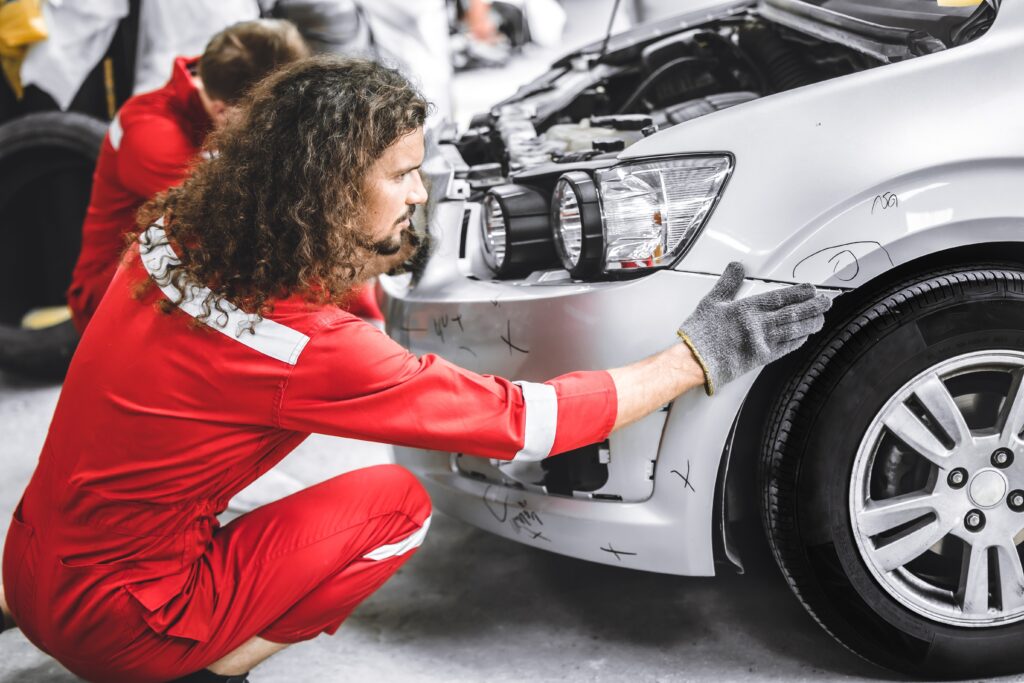
Modern bumpers may look like simple plastic covers, but they have evolved into some of the most technologically advanced parts of a vehicle.
Twenty years ago, a low-speed parking lot bump often meant replacing a plastic bumper cover, repainting it, and sending the car back on the road. Today, that same incident can trigger a repair bill running into several thousand dollars, even when the damage appears minor.
Body shop owners and insurers have watched bumper repair costs climb dramatically over the past decade. The reason is not simply inflation or rising labor rates.
Today’s bumpers are home to sophisticated radar modules, ultrasonic parking sensors, front-facing cameras, wiring harnesses, active grille shutters, and crash-management structures that support advanced driver assistance systems (ADAS).
A small impact that once affected only plastic can now compromise equipment responsible for automatic emergency braking, adaptive cruise control, blind-spot monitoring, and parking assistance.
According to the Insurance Institute for Highway Safety (IIHS), modern crash-avoidance systems significantly improve vehicle safety, but they also make repairs more complex because sensors and cameras often require specialized calibration after even routine body repairs.
Also Read: 10 Trucks That Beat Their EPA Ratings in Real-World Driving
The Plastic Cover Is Only the Beginning
Many drivers still think of a bumper as the painted plastic panel visible on the front or rear of the vehicle. In reality, that cover is only the outer shell of a much larger and more expensive system.
Behind the plastic cover sits an energy-absorbing foam impact absorber, a steel or aluminum reinforcement beam, mounting brackets, wiring harnesses, radar modules, ultrasonic parking sensors, temperature sensors, and, on some models, cameras and active aerodynamic components.
Luxury vehicles and many mainstream models now package adaptive cruise control radar directly behind the front bumper because radio waves can pass through specially engineered plastic without affecting sensor performance.
AAA explains that front radar sensors are commonly mounted behind the grille or bumper cover, while rear bumpers often house blind-spot monitoring and rear cross-traffic alert radar units.
Manufacturers also specify that the bumper cover itself must meet strict material and paint-thickness requirements because excessive paint or incorrect replacement parts can interfere with radar performance.
This means a repair shop cannot simply sand, repaint, and reinstall a damaged bumper as it might have done years ago. If the bumper is removed, or if a sensor or radar bracket is disturbed, manufacturers frequently require recalibration before returning the vehicle to the customer.
That calibration process is one of the biggest reasons repair costs have escalated. Unlike traditional wheel alignment, ADAS calibration requires manufacturer-specific software, specialized targets, laser measuring equipment, controlled lighting conditions, and trained technicians.
Depending on the vehicle, calibration may be static, dynamic, or require both procedures. Even when the radar itself survives the collision, it often cannot simply be bolted back into place. A sensor positioned only a few millimeters out of specification can affect how the vehicle detects obstacles and responds during emergency braking.
Radar, Cameras, Calibration, and OEM Parts Drive Repair Bills Higher
One of the largest cost increases comes from the growing number of electronic components integrated into modern bumpers.
Adaptive cruise control radar modules alone can cost hundreds or even thousands of dollars before labor is added. Parking sensors, wiring connectors, camera systems, and radar brackets all increase replacement costs.
In many cases, manufacturers recommend replacing mounting brackets rather than attempting repairs because even slight deformation can affect sensor alignment.
According to AAA’s automotive repair guidance, automakers generally discourage repairing bumper areas directly in front of radar sensors and often specify OEM replacement bumper covers.
The organization also notes that incorrect paint thickness, aftermarket components, or improperly mounted sensors can interfere with radar operation, making calibration essential after repairs. The repair process itself has also become far more labor-intensive.
A technician may need to remove the bumper, disconnect multiple electronic systems, inspect hidden crash structures, replace damaged clips and brackets, repaint the bumper using factory-approved procedures, reinstall every sensor, update software if necessary, and complete one or more calibration procedures before the vehicle leaves the shop.
The Insurance Institute for Highway Safety has found that repair facilities continue to face challenges with calibration because different manufacturers use different procedures, specialized equipment, and constantly updated software.
Shops often require significant investments in training and diagnostic equipment simply to perform these repairs correctly. These investments inevitably become part of the repair bill. The growing use of OEM parts is another important factor.
Many automakers discourage or prohibit aftermarket bumper covers for vehicles equipped with radar because slight differences in plastic composition or thickness can affect sensor performance. Even something as simple as applying an additional layer of paint may alter radar transmission characteristics if manufacturer specifications are exceeded.
This has reduced the flexibility repair shops once had when choosing less expensive replacement components.
Insurance industry data illustrates how much repair economics have changed. Mitchell, a major provider of collision-repair data, reported that the average insurance repair claim reached approximately $4,721 in 2024, roughly $800 higher than three years earlier.
The company also found that sensor recalibration was required in 26% of insurance repairs, compared with only 5% in 2020, with recalibration alone adding roughly $500 to the average repair.
Why Repair Costs Will Continue Rising
Vehicle safety technology continues to advance, and future bumper repairs are likely to become even more expensive.
Many automakers are adding higher-resolution radar, additional cameras, ultrasonic sensors, infrared systems, and eventually lidar on selected premium models. Every new sensor creates another component that must survive an impact, communicate with the vehicle’s computers, and operate within extremely tight tolerances.
At the same time, government safety regulations continue encouraging wider adoption of advanced driver assistance technologies.
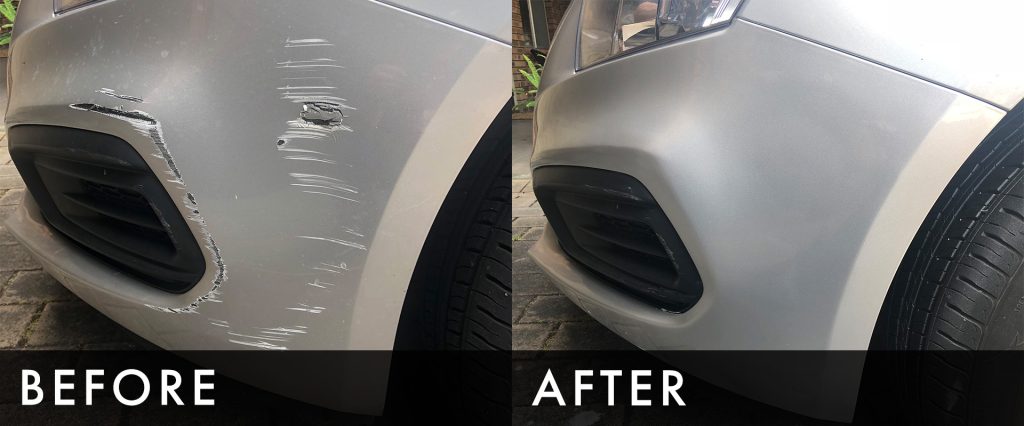
As more vehicles receive automatic emergency braking, pedestrian detection, lane-centering assistance, and adaptive cruise control as standard equipment, more bumper repairs will involve electronic diagnosis and calibration rather than simple cosmetic work.
AAA has emphasized that these systems provide important safety benefits despite increasing repair costs. Proper calibration ensures that features such as automatic emergency braking and adaptive cruise control continue functioning exactly as engineers intended after collision repairs.
The Insurance Institute for Highway Safety echoes this conclusion. While repair complexity has increased, the organization notes that crash-avoidance technologies reduce collisions and injuries, making accurate repairs essential to maintaining those safety benefits.
For vehicle owners, this means a minor parking-lot accident should never be judged solely by visible damage. A bumper that appears to have only superficial scratches may conceal damaged sensor brackets, misaligned radar units, cracked mounting points, or wiring issues that are invisible until the bumper is removed.
Insurance premiums have also been affected because insurers must now cover both physical repairs and the electronic work required to restore factory safety systems. Even replacing a bumper cover can involve software updates, diagnostic scans, calibration procedures, and road testing before a repair is considered complete.
In many ways, the modern bumper has evolved from a sacrificial cosmetic panel into a critical component of a vehicle’s active safety architecture. The plastic exterior still absorbs scratches and minor impacts, but hidden behind it is a network of precision electronics designed to prevent accidents before they happen.
That technology has made today’s vehicles considerably safer than their predecessors, but it has also transformed one of the simplest body repairs into one of the most technically demanding.
As automakers continue integrating more sensors into front and rear fascias, bumper repair costs are unlikely to return to the levels drivers remember from a decade ago. Instead, the plastic cover will increasingly serve as the protective shell for the sophisticated technology that defines the modern automobile.
Also Read: 10 Cars That Reduce Blind Spots and Boost Driver Confidence