
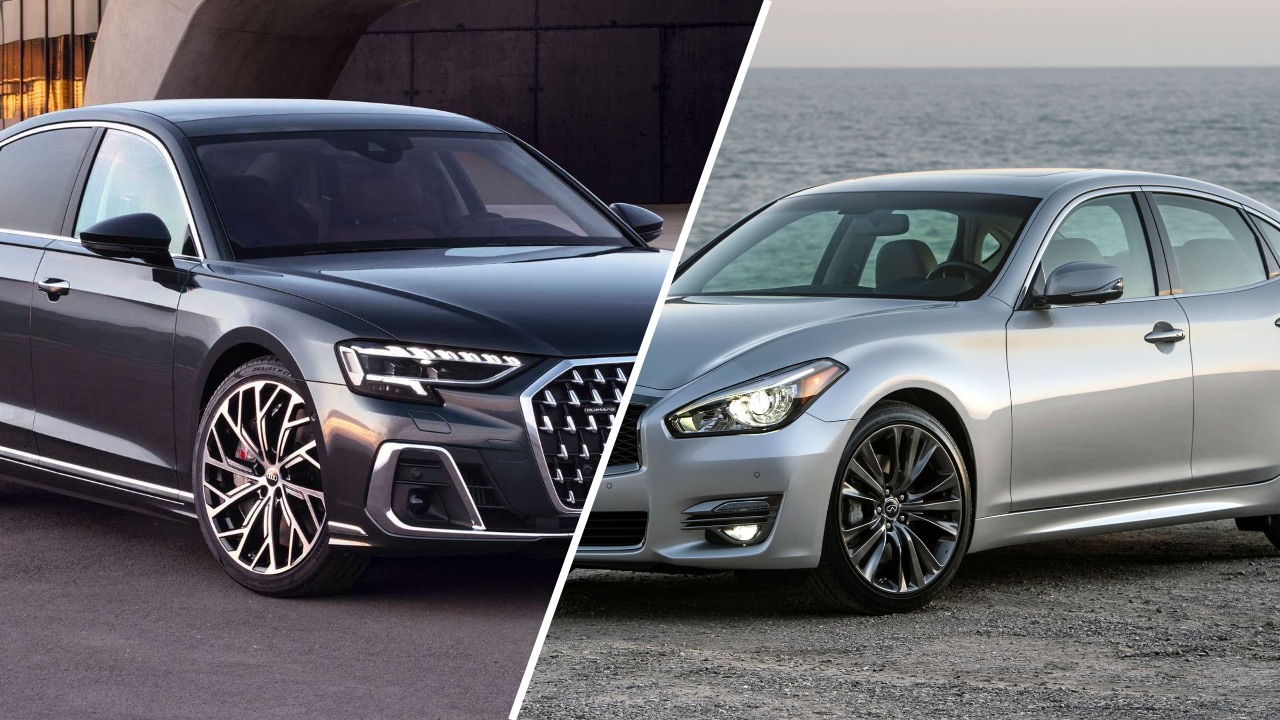
Luxury sedans deliver premium comfort, advanced technology, and refined driving experiences, but they are also among the fastest-depreciating vehicles on the road.
According to studies from iSeeCars analyzing millions of used vehicle transactions in the United States, several luxury sedans lose more than half of their original value within just four years.
High maintenance costs, rapid technology updates, expensive repairs, and strong leasing activity all contribute to their steep depreciation.
While that is bad news for first owners, it creates excellent opportunities for used-car buyers seeking premium features at a fraction of the original MSRP. Ranked by their significant early depreciation, here are the first two luxury sedans that stand out.
Also Read: 10 Hybrids That Miss Their EPA Numbers by the Widest Margin
1. BMW 7 Series
The BMW 7 Series has long represented the pinnacle of BMW luxury, combining cutting-edge technology with powerful engines and exceptional ride comfort. Yet despite its prestige, it consistently ranks among the fastest-depreciating luxury sedans in America.
According to iSeeCars depreciation studies, many four-year-old 7 Series models have already lost well over 50 percent of their original value, with certain high-option versions depreciating even faster.
One reason for this dramatic value loss is the vehicle’s extremely high initial purchase price. New examples frequently exceed $100,000 before optional equipment, leaving substantial room for depreciation once the first owner absorbs the initial cost.
Luxury buyers also tend to lease rather than purchase, creating a steady supply of low-mileage used models entering the market every few years and placing downward pressure on resale prices.
The rapid pace of technology development also affects the 7 Series. Features that feel revolutionary when new often become standard across more affordable models within a few years. Buyers shopping in the used market frequently prioritize maintenance history over the latest technology, making depreciation even steeper.
Ownership costs also influence resale values. Air suspension components, advanced driver assistance systems, turbocharged engines, and sophisticated electronics can become expensive to repair after the factory warranty expires. These concerns reduce demand among second and third owners.
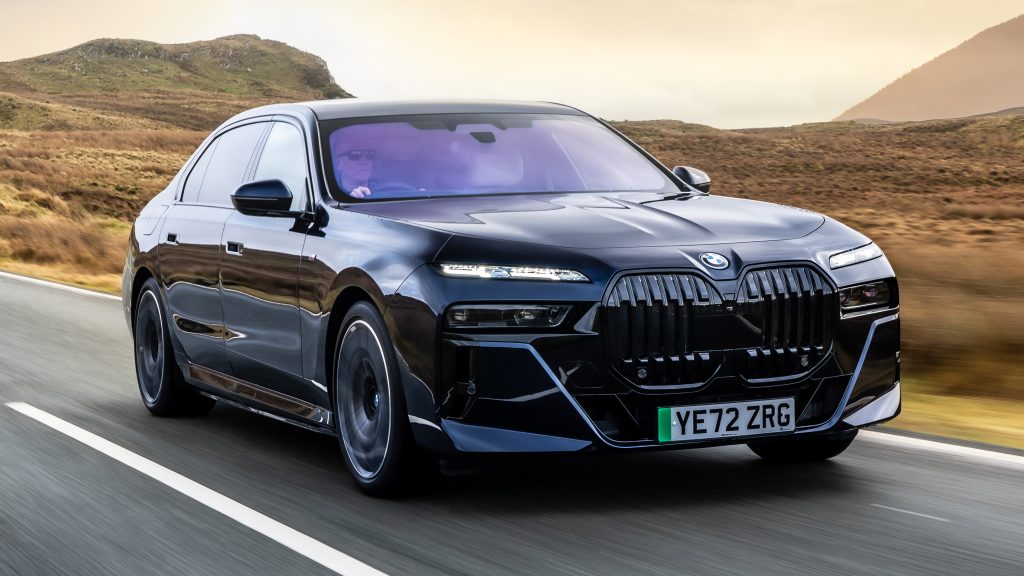
Ironically, depreciation makes the 7 Series one of the strongest values in the luxury used-car market. Buyers willing to maintain the vehicle properly can purchase an executive sedan loaded with premium features for a fraction of its original sticker price while enjoying the refinement that made it BMW’s flagship.
Specifications
- Engine: 3.0-liter turbocharged inline-six (740i)
- Torque: 398 lb-ft
- Horsepower: 375 hp
- Length/Width: 212.2 inches / 76.8 inches
2. Maserati Ghibli
Few luxury sedans lose value as quickly as the Maserati Ghibli. While its Italian styling, Ferrari-derived engines, and exclusive badge generate excitement in the showroom, resale values fall rapidly during the first four years of ownership.
iSeeCars has repeatedly identified the Ghibli among the fastest-depreciating luxury vehicles sold in the United States, with many examples losing well over half of their original MSRP.
The Ghibli entered the market as Maserati’s attempt to compete directly with the BMW 5 Series, the Mercedes-Benz E-Class, and the Audi A6. Although it succeeded in attracting buyers seeking exclusivity, it faced criticism for interior materials that did not always match its premium pricing.
As newer competitors introduced more advanced technology and updated cabins, resale demand weakened.
Maintenance expenses also play a major role in depreciation. Specialized parts, limited dealership networks, and higher repair costs discourage many used-car shoppers. Insurance premiums can also remain higher than comparable German competitors, reducing the pool of potential buyers.
Performance has never been the issue. Depending on the model year and trim, the twin-turbocharged V6 delivers strong acceleration, engaging handling, and a distinctive exhaust note that separates it from mainstream luxury sedans. However, emotional appeal alone has not been enough to maintain resale values.
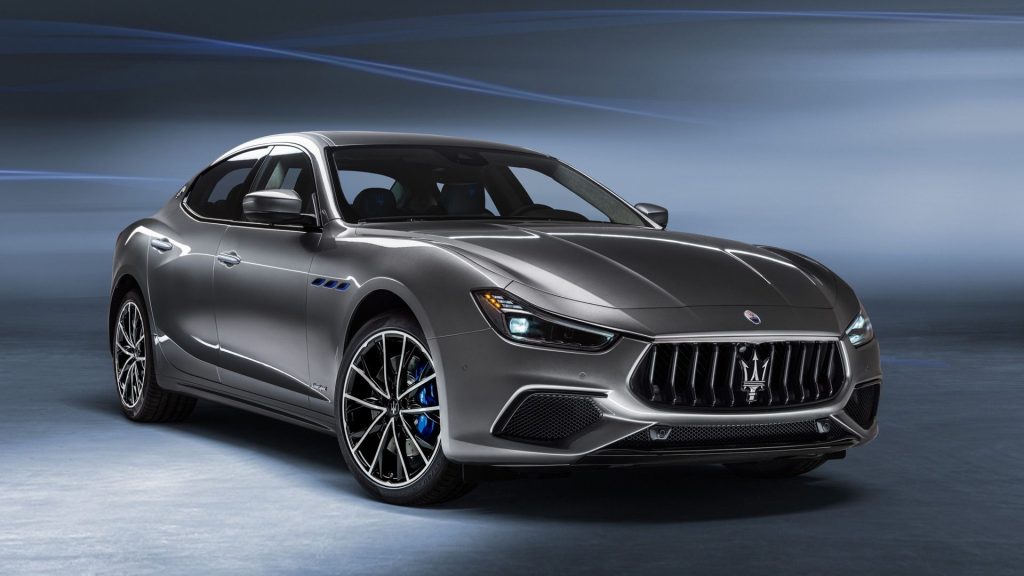
For buyers willing to accept higher maintenance costs, the Ghibli represents one of the biggest bargains in the luxury used-car market.
A vehicle that once carried a premium price tag can often be purchased just a few years later for a surprisingly affordable amount while still offering impressive performance and unmistakable Italian character.
Specifications
- Engine: 3.0-liter twin-turbocharged V6
- Torque: 369 lb-ft
- Horsepower: 345 hp
- Length/Width: 195.7 inches / 76.7 inches
3. Mercedes-Benz S-Class
Few vehicles symbolize executive luxury as effectively as the Mercedes-Benz S-Class. For decades, it has introduced technologies that later spread throughout the automotive industry, from advanced safety systems to cutting-edge infotainment features.
However, innovation comes at a price, and according to iSeeCars depreciation studies, the S-Class is also one of the fastest-depreciating luxury sedans in the United States. By the fourth year of ownership, many examples have already lost more than half of their original MSRP.
The biggest contributor to depreciation is the S-Class’s exceptionally high starting price. Depending on the trim level, a new S-Class can easily exceed $120,000 before optional packages.
Once these vehicles complete their typical lease cycles, a large number enter the certified pre-owned and used markets simultaneously, increasing supply and reducing resale values.
Maintenance expectations also influence buyer demand. Sophisticated air suspension systems, advanced driver assistance technologies, digital dashboards, and turbocharged powertrains require specialized service.
As factory warranties expire, many shoppers become cautious about long-term ownership costs, putting additional pressure on resale prices.
Ironically, the S-Class becomes an exceptional value on the used market. Buyers can purchase a sedan equipped with massaging seats, premium leather upholstery, advanced sound insulation, and industry-leading safety features for a fraction of its original cost.
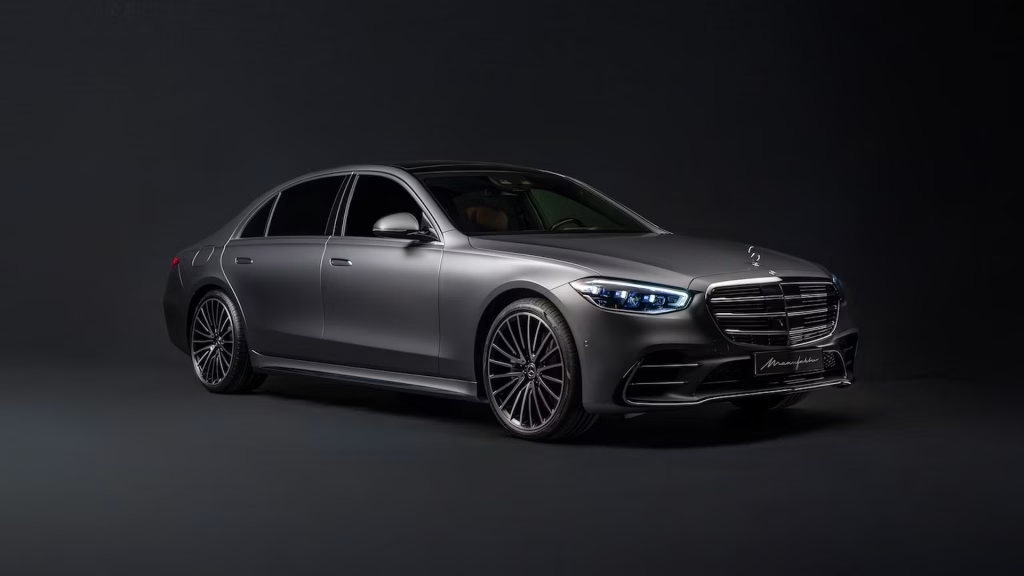
Those prepared for premium maintenance often receive a level of refinement unavailable in new vehicles at the same price.
Depreciation may disappoint first owners, but it benefits second owners considerably. The S-Class remains one of the finest luxury sedans available, and its dramatic value decline is driven more by market economics than by shortcomings in engineering or comfort.
Specifications
- Engine: 3.0-liter turbocharged inline-six with mild hybrid (S 500)
- Torque: 413 lb-ft
- Horsepower: 442 hp
- Length/Width: 208.2 inches / 76.9 inches
4. Audi A8
The Audi A8 has consistently competed with the BMW 7 Series and Mercedes-Benz S-Class by emphasizing understated styling, sophisticated engineering, and one of the industry’s most advanced all-wheel-drive systems.
Despite these strengths, iSeeCars research shows that the A8 experiences steep depreciation during its first four years, frequently losing well beyond half of its original purchase price in the American market.
Unlike flashier luxury sedans, the A8 appeals to buyers seeking subtle elegance rather than attention-grabbing design. While this understated image attracts loyal customers, it also narrows the pool of used-car buyers compared with more recognizable rivals.
A smaller audience naturally contributes to faster depreciation once lease returns begin entering dealerships.
Technology is another factor. Audi equips the A8 with multiple digital touchscreens, predictive adaptive suspension, premium driver assistance systems, and complex electronic controls. These features create an impressive ownership experience when new but can also increase repair costs after warranty coverage expires.
Used buyers frequently consider future maintenance expenses before purchasing, especially in the full-size luxury segment.
Performance remains a strong point. The turbocharged V6 provides smooth acceleration, while the standard Quattro all-wheel-drive system delivers excellent traction in varying weather conditions. Air suspension gives the A8 an exceptionally comfortable highway ride without sacrificing handling precision.
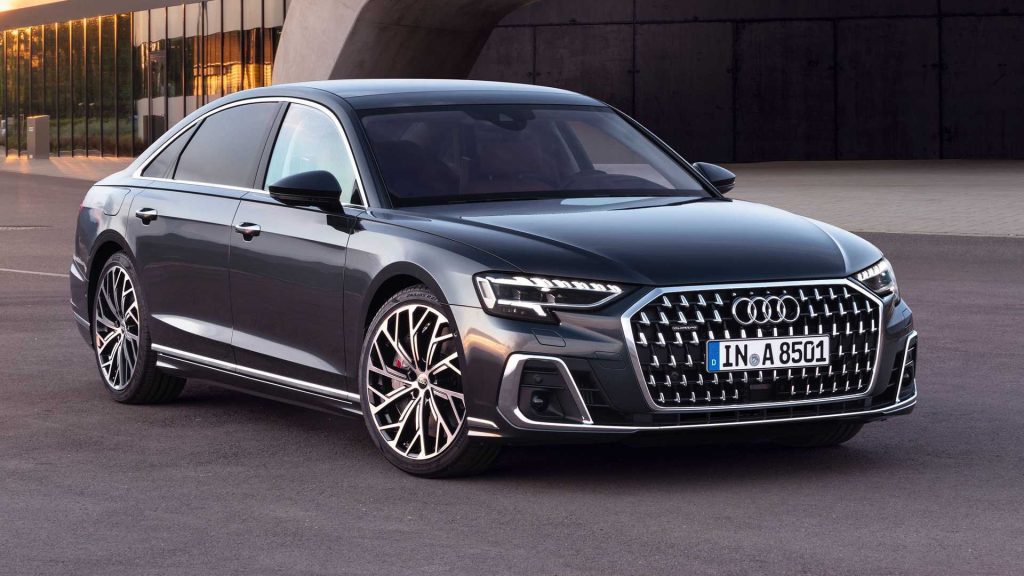
For shoppers interested in a premium luxury sedan, depreciation works in their favor. A carefully maintained four-year-old Audi A8 often offers nearly the same refinement, craftsmanship, and technology as a new model at less than half the original purchase price, making it one of the strongest values in the pre-owned luxury market.
Specifications
- Engine: 3.0-liter turbocharged V6 with mild hybrid
- Torque: 369 lb-ft
- Horsepower: 335 hp
- Length/Width: 208.7 inches / 76.6 inches
5. Jaguar XJ
The Jaguar XJ has always appealed to buyers who wanted something different from the established German luxury sedans. Its elegant styling, aluminum-intensive construction, and refined ride helped it stand apart, yet those same qualities did little to protect it from steep depreciation.
According to iSeeCars studies, the XJ is among the luxury sedans that commonly lose well over half of their original value within four years, making it one of the biggest bargains in the used luxury market.
A major reason is the XJ’s relatively small buyer base. While BMW, Mercedes-Benz, and Lexus enjoy strong brand loyalty and large certified pre-owned programs, Jaguar sells far fewer vehicles in the United States. Lower demand in the secondary market naturally leads to lower resale values, even when the vehicle is well maintained.
The cost of ownership also plays a role. Luxury buyers understand that an out-of-warranty flagship sedan can require expensive repairs involving air suspension, electronic systems, and sophisticated engine components.
Although Jaguar significantly improved reliability during the later years of XJ production, concerns about maintenance costs continue to influence used vehicle prices.
The driving experience remains one of the XJ’s strongest assets. Its lightweight aluminum body contributes to responsive handling while maintaining a smooth, quiet ride expected from a flagship sedan.
High-quality leather, genuine wood trim, and supportive seating create an upscale cabin that still feels competitive years after production ended.
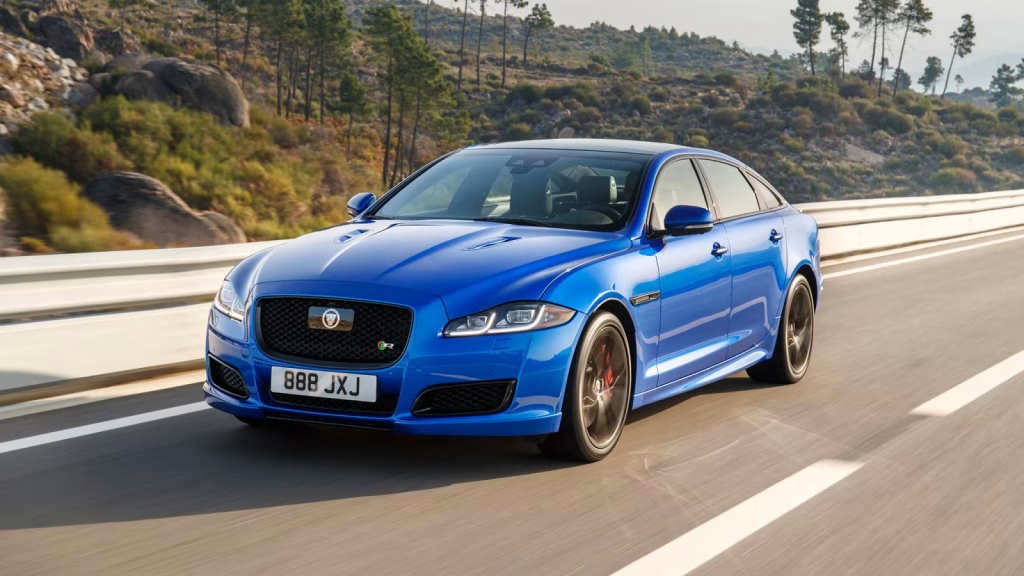
For buyers who prioritize comfort and exclusivity over resale value, the XJ presents an outstanding opportunity. Depreciation allows second owners to enjoy a premium British luxury sedan with impressive performance and craftsmanship at a price that would have seemed impossible when the car was new.
Specifications
- Engine: 3.0-liter supercharged V6
- Torque: 332 lb-ft
- Horsepower: 340 hp
- Length/Width: 202.0 inches / 74.6 inches
6. Genesis G90
The Genesis G90 entered the American luxury market with an ambitious goal of challenging long-established European flagships.
It succeeded in earning praise for its comfort, quality, and value, but like many newer luxury brands, it has experienced substantial depreciation during its early years. iSeeCars data places the G90 among luxury sedans that commonly lose more than half of their original MSRP by the fourth year of ownership.
Unlike some rivals, the G90’s depreciation is not driven by poor quality. Instead, much of it stems from brand perception. Buyers shopping in the six-figure luxury segment often place significant emphasis on brand prestige, and Genesis continues building its reputation against manufacturers with decades of established market presence.
Another contributing factor is generous standard equipment. The G90 includes premium features that competitors often charge extra for, including high-grade leather upholstery, advanced driver assistance technology, power rear seating, and premium audio systems.
Because so much equipment is already included, used buyers receive exceptional value without paying for costly option packages.
The sedan also delivers an exceptionally quiet ride thanks to extensive sound insulation and adaptive suspension tuning. Combined with smooth power delivery from its turbocharged engine, the G90 provides a refined driving experience that rivals much more expensive competitors.
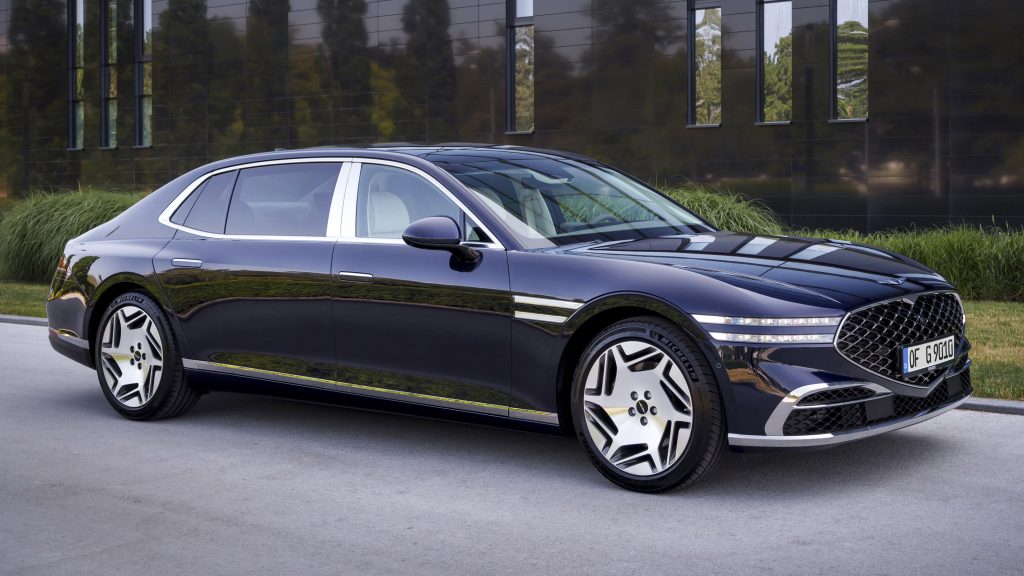
Its depreciation creates one of the strongest values available in the used luxury segment. Buyers willing to look beyond the badge can acquire a meticulously equipped flagship sedan with premium craftsmanship, modern technology, and a lengthy feature list for a small fraction of its original purchase price.
Specifications
- Engine: 3.5-liter twin-turbocharged V6
- Torque: 391 lb-ft
- Horsepower: 375 hp
- Length/Width: 207.7 inches / 76.0 inches
7. BMW 5 Series
The BMW 5 Series has long been considered one of the benchmarks in the midsize luxury sedan segment, blending athletic handling with executive-level comfort. Despite its strong reputation, iSeeCars depreciation studies have consistently shown that the 5 Series loses value rapidly during its first four years of ownership.
Depending on the trim level and options, many examples depreciate by more than 50 percent, creating a significant gap between new and used pricing.
Several market forces contribute to this decline. BMW sells the 5 Series in large numbers across the United States, and a substantial percentage are leased rather than purchased outright. Once those leases expire after three or four years, thousands of well-maintained vehicles enter the used market simultaneously.
Increased supply naturally lowers resale values, especially when newer models introduce updated infotainment systems and driver assistance technologies.
The broad range of available powertrains also affects depreciation. Buyers can choose from four-cylinder, six-cylinder, plug-in hybrid, and high-performance M models, giving the used market plenty of alternatives.
Higher repair and maintenance costs after the factory warranty expires further influence buyer decisions, particularly for vehicles equipped with advanced suspension systems and complex electronics.
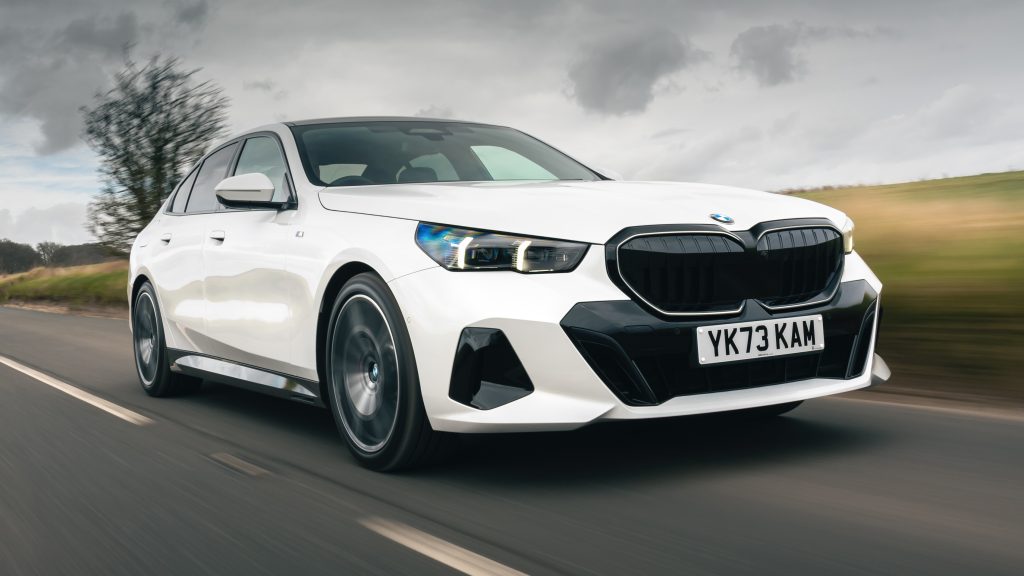
Yet the driving experience remains difficult to match. The 5 Series delivers excellent steering precision, composed highway manners, and a premium interior filled with high-quality materials. Even several years after leaving the showroom, it continues to feel modern and refined.
For second owners, depreciation transforms the 5 Series into one of the smartest purchases in the luxury sedan segment. Buyers gain access to executive-level comfort, engaging performance, and premium technology at a price that often rivals a new mainstream family sedan.
Specifications
- Engine: 3.0-liter turbocharged inline-six with mild hybrid (540i)
- Torque: 369 lb-ft
- Horsepower: 375 hp
- Length/Width: 199.2 inches / 74.8 inches
8. Infiniti Q70
The Infiniti Q70 never matched the sales volume of its German rivals, but it quietly earned a reputation for reliability, smooth performance, and comfortable long-distance cruising. Even so, iSeeCars data shows that the Q70 experiences steep depreciation within its first four years, often losing more than half of its original MSRP.
That dramatic decline has made it one of the most overlooked bargains in the used luxury sedan market.
The primary reason is limited consumer demand rather than poor engineering. Infiniti discontinued the Q70 after the 2019 model year, and the brand gradually shifted its focus toward SUVs and crossovers.
As buyer interest moved away from traditional luxury sedans, resale values fell despite the Q70’s solid mechanical reputation.
Its age also played a role. During its later production years, competitors introduced larger digital displays, semi-autonomous driving features, and more advanced connectivity systems. The Q70 remained comparatively conservative, which affected showroom appeal and accelerated depreciation once newer rivals reached dealerships.
Mechanically, however, the sedan continued to impress. The available 5.6-liter V8 provided effortless acceleration, while the rear-wheel-drive platform delivered balanced handling. Inside, passengers enjoyed supportive leather seats, genuine wood trim, generous rear legroom, and a quiet cabin designed for comfortable highway travel.
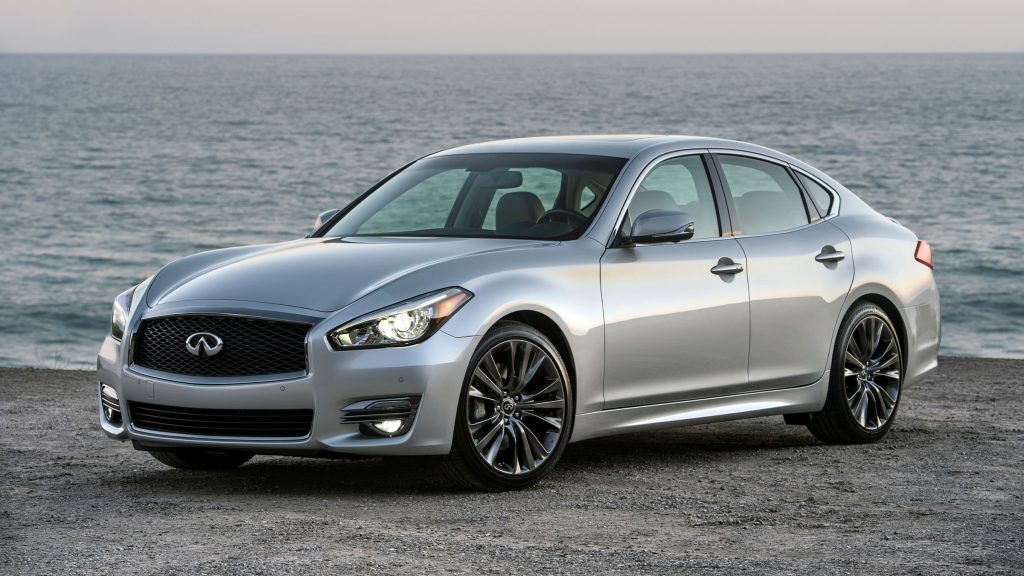
For used-car shoppers, the Q70 offers an unusual combination of premium comfort, dependable powertrains, and significantly lower ownership costs than many European competitors.
While it may not command the same prestige as a German flagship, its depreciation creates tremendous value for buyers seeking luxury without paying luxury-car prices.
Specifications
- Engine: 5.6-liter naturally aspirated V8
- Torque: 414 lb-ft
- Horsepower: 420 hp
- Length/Width: 196.1 inches / 72.6 inches
Also Read: 8 Tires That Get Loud Before They Get Worn
