
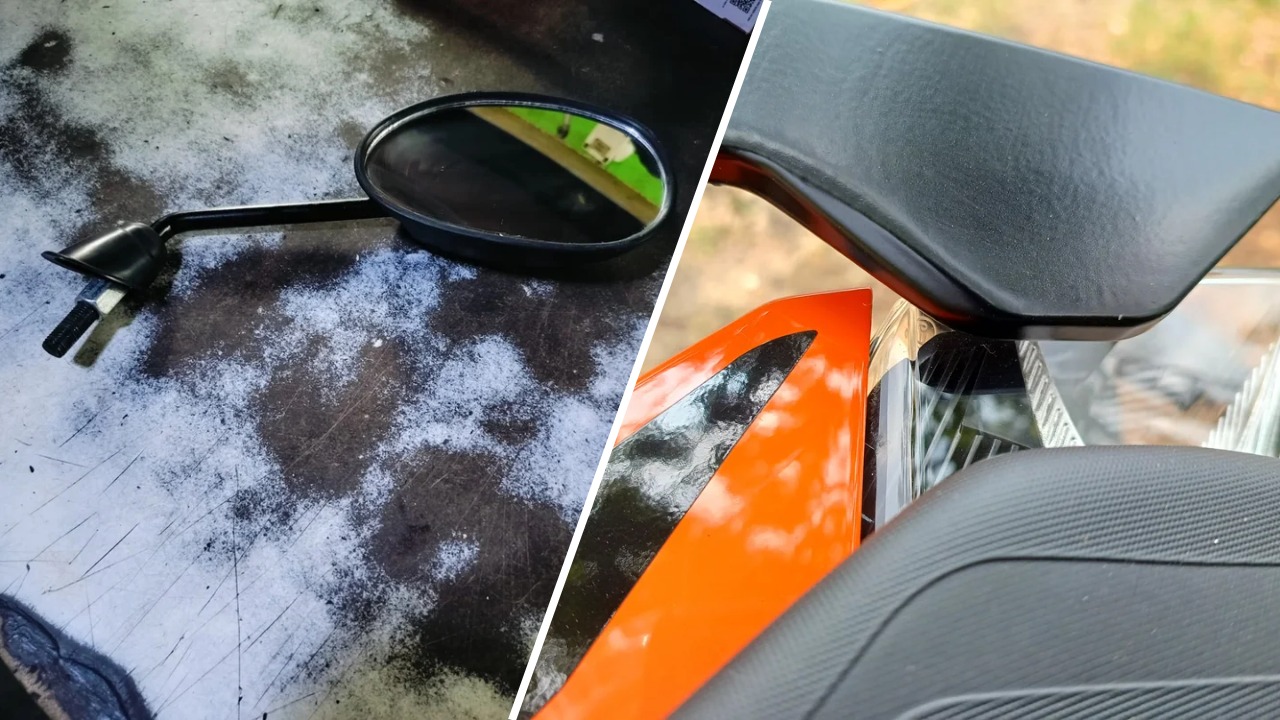
Buying a used motorcycle can be exciting, but hidden damage from a previous drop can create expensive problems later. A motorcycle may look clean at first glance while still carrying small clues that reveal a fall or slide. Scratches on levers, damaged bar ends, uneven fairings, and unusual alignment issues often tell a story about the bike’s past.
Learning how to identify these signs helps buyers make smarter decisions before spending money. Careful inspection does not require professional tools, only patience and attention to small details that many sellers may overlook during a sale.
Also Read: 10 Three-Pedal Cars That Keep Driving Fun Alive
Sign 1: Scratched or Replaced Brake and Clutch Levers
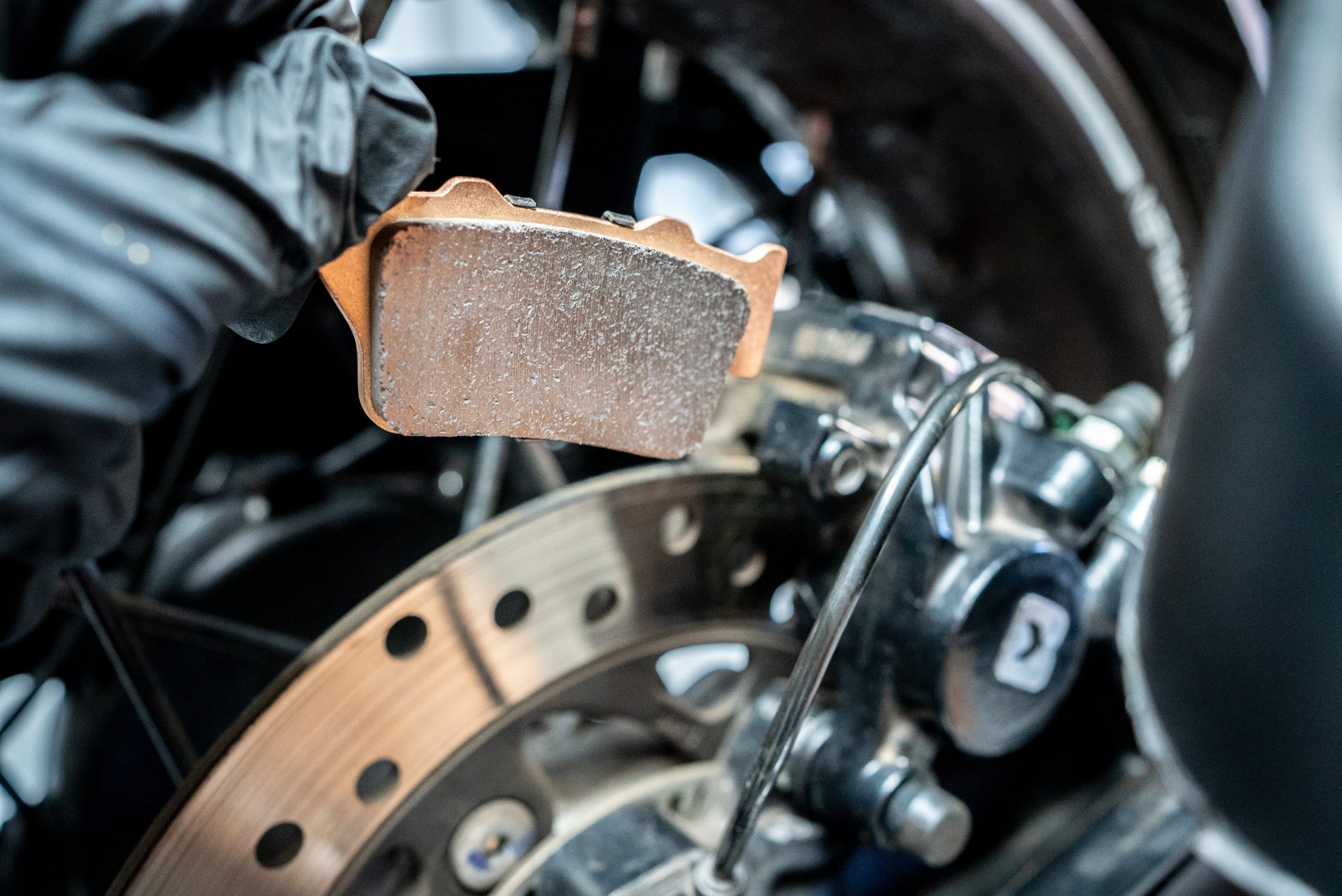
The brake and clutch levers are among the first parts that usually contact the ground when a motorcycle tips over. Their position makes them vulnerable because they extend outward from the handlebars.
Even a slow parking lot fall can leave visible scratches on the lever ends. Small marks near the tips, uneven surfaces, or fresh-looking replacement levers can provide clues that the motorcycle may have fallen before.
A common sign of a drop is damage concentrated at the outer edge of the lever. When a motorcycle lands on its side, the lever often receives pressure from the pavement and may scrape against the surface.
Riders sometimes replace damaged levers with aftermarket versions, which can make the motorcycle appear upgraded rather than repaired. Checking whether both levers match the motorcycle’s age and condition can reveal whether replacements were made.
Buyers should also inspect the mounting area around the levers. A fall can sometimes bend the lever bracket, damage the pivot point, or create unusual movement. A lever that feels loose, has excessive play, or does not return smoothly may indicate impact damage. While replacing a lever is simple, damage to the surrounding components may require more attention.
Fresh hardware can also be a clue. If one lever has new bolts, a different finish, or cleaner metal compared with nearby parts, it may have been replaced after a fall.
This does not always mean serious damage occurred, but it is worth asking the owner about the reason for the replacement. Honest sellers usually know whether a motorcycle has tipped over and can explain the repairs.
The condition of both sides matters when inspecting controls. A motorcycle that has been dropped on one side may show damage only on one lever.
Comparing the brake and clutch sides can highlight differences that are easy to miss when viewing the motorcycle from a distance. Small details around these controls often provide the first evidence of a previous accident or fall.
Sign 2: Bar-End Scratches and Handlebar Damage
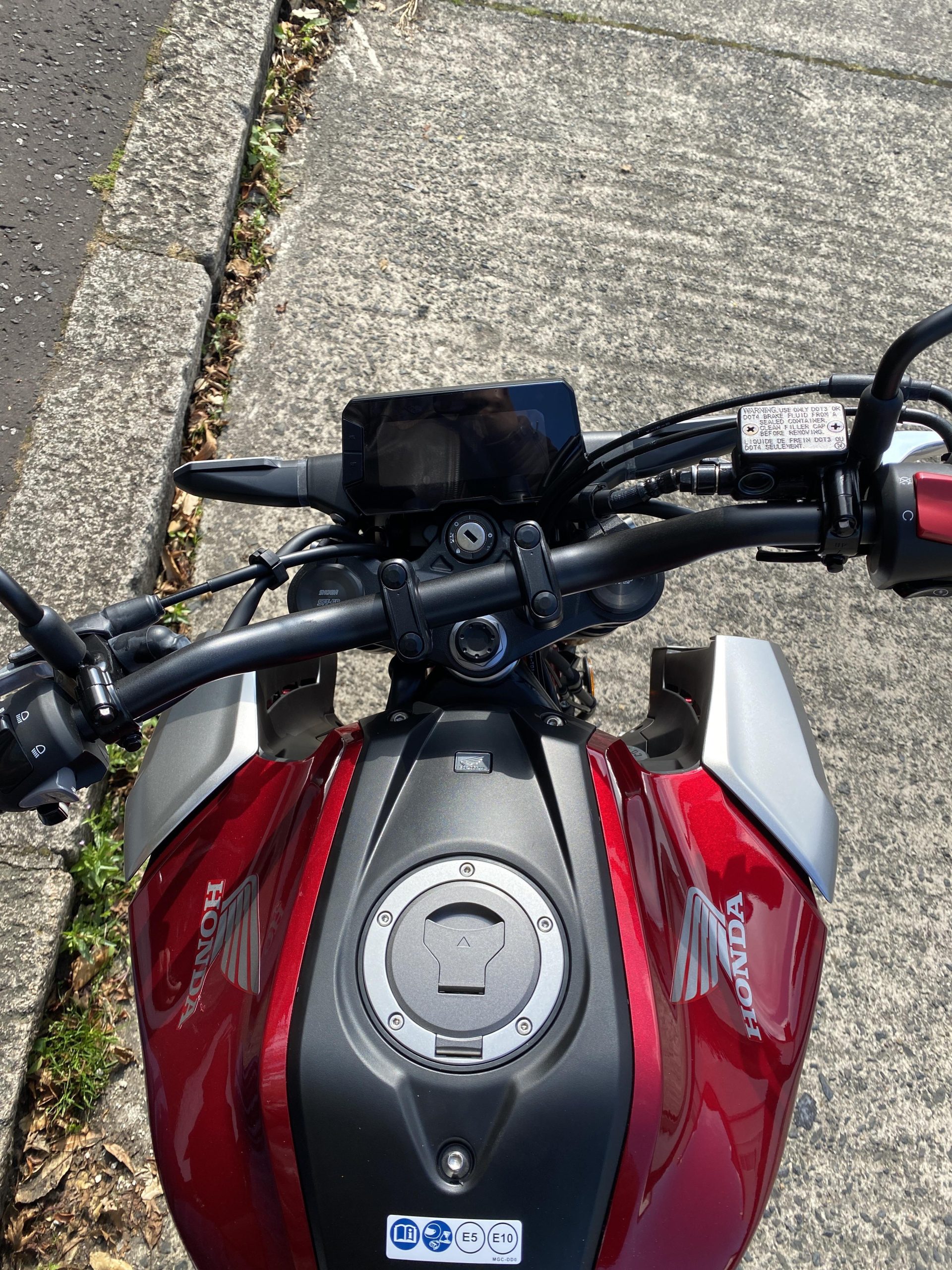
Bar ends are designed to protect the motorcycle’s handlebars during a fall, which means they often collect impact marks before other parts do.
These small weights attached to the ends of the handlebars are exposed during a side impact. Scratches, grinding marks, dents, or uneven surfaces on bar ends are common signs that the motorcycle has touched the ground.
A motorcycle with original bar ends in excellent condition, but visible damage elsewhere may require more investigation. On the other hand, new bar ends on an older motorcycle may suggest that the original parts were replaced after damage.
Many owners install aftermarket bar ends for appearance or vibration control, so replacement alone does not confirm a crash. The surrounding areas should always be checked for additional evidence.
Handlebars can also reveal information about a drop. A fall can slightly bend handlebars, especially on motorcycles with tubular designs. While a small bend may not be obvious, it can affect riding comfort and steering feel.
During inspection, the buyer should sit on the motorcycle and check whether the bars appear centered and symmetrical when the front wheel points straight ahead.
The grips and switchgear near the handlebar ends can also carry marks from a fall. Scraped rubber grips, damaged mirrors, cracked switches, or worn edges on control housings may indicate contact with the road. These parts are often replaced after damage, so differences between left and right sides should be examined carefully.
Bar-end damage becomes more meaningful when combined with other signs. A scratched bar end alone could result from a simple garage incident.
However, scratched bar ends together with damaged levers, fairing marks, and misaligned parts create a stronger indication that the motorcycle has been dropped. Looking for patterns rather than isolated marks leads to a more accurate assessment.
Sign 3: Fairing Scratches, Cracks, and Uneven Panel Gaps
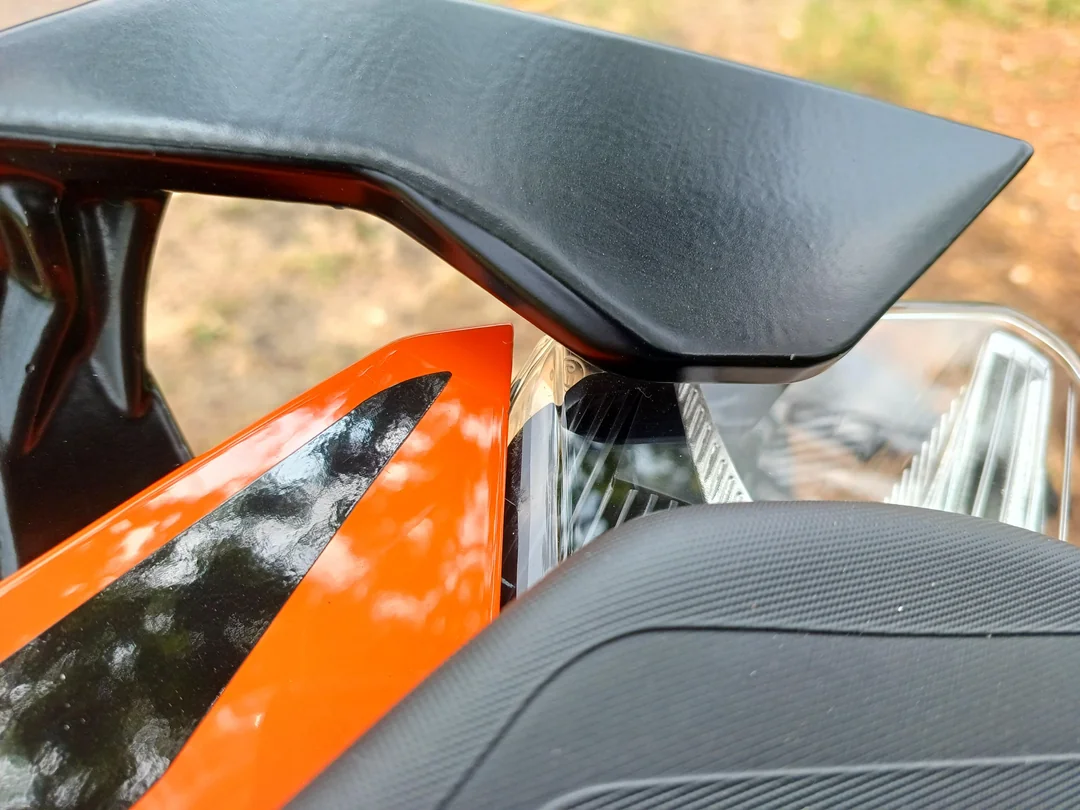
Fairings are among the most visible areas where drop damage appears, especially on sport bikes and fully covered motorcycles. When a motorcycle falls onto its side, the fairing often touches the ground first and can develop scratches, scuff marks, cracks, or repaired sections.
A bike with fresh paint may hide these signs, but close inspection can reveal differences in texture, color, or panel alignment that suggest previous damage.
Scratches on fairings should be examined carefully because their location can reveal how the motorcycle fell. Long horizontal marks often indicate that the motorcycle slid across a surface after falling. Small circular scratches or concentrated damage may suggest a simple stationary tip-over.
The severity of these marks does not always indicate the seriousness of the incident, but their pattern can provide useful information about what happened.
Panel gaps are another important clue when checking a used motorcycle. Factory-installed fairings usually have consistent spacing between panels.
After a drop, mounting tabs may break, brackets may bend, or panels may be installed incorrectly during repairs. Uneven gaps, loose panels, or sections that do not sit flush with nearby parts may indicate that the motorcycle has experienced an impact.
Paint differences can also reveal repaired areas. A replacement fairing may have a slightly different shade compared with the rest of the motorcycle. Under natural light, buyers should check for mismatched colors, overspray near bolts, or paint buildup around edges. These details often appear when repairs are completed quickly rather than through careful professional work.
Not every scratched fairing means a motorcycle has suffered serious damage. Many riders experience minor parking lot drops that only affect exterior panels.
However, fairing damage becomes more concerning when combined with mechanical signs such as bent controls, steering issues, or damaged mounting points. A complete inspection should consider both appearance and function before reaching a decision.
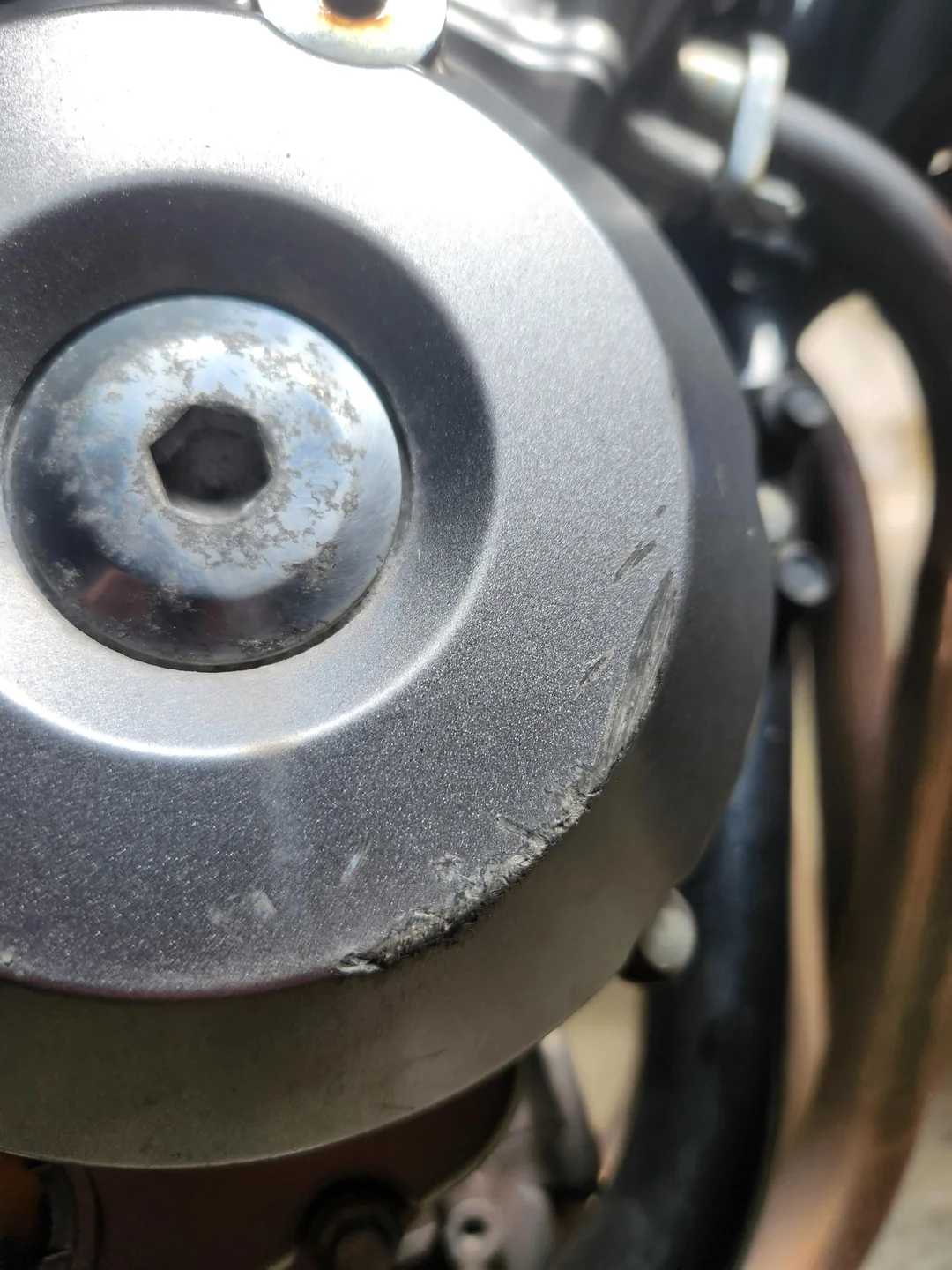
Sign 4: Damaged Engine Covers and Case Protectors
Engine covers sit close to the ground, making them common contact points during a motorcycle drop. On many bikes, the clutch cover, stator cover, or other side cases can receive scratches when the motorcycle falls over. These marks may range from light surface scratches to deep grinding that removes metal from the cover.
A close look at engine covers can reveal whether the damage is recent or older. Fresh scratches may have sharp edges and cleaner metal exposure, while older marks may show dirt, oxidation, or previous attempts at repair.
Some owners install engine guards or case protectors after experiencing a drop, so these additions can sometimes suggest that the motorcycle has had a previous incident. Case protectors themselves should also be inspected. A damaged protector may have done its job by preventing more serious engine damage.
However, cracks, heavy scraping, or missing mounting hardware can indicate that the impact was strong. Buyers should check whether protective parts are installed correctly and whether they appear to match the rest of the motorcycle.
Engine damage from a fall can become expensive if cracks or leaks develop. A simple scratch is usually not a major concern, but deeper marks require attention. Look around the engine cases for oil seepage, damaged bolts, or unusual repairs. A motorcycle that has been dropped hard may show evidence beyond cosmetic marks.
The position of engine damage can also help identify the type of fall. A motorcycle that tips over while stationary usually leaves limited marks around the side cover.
A bike involved in a slide may show longer scratches extending across multiple components. Comparing engine cover damage with marks on the handlebars, foot controls, and body panels creates a clearer picture of the motorcycle’s history.
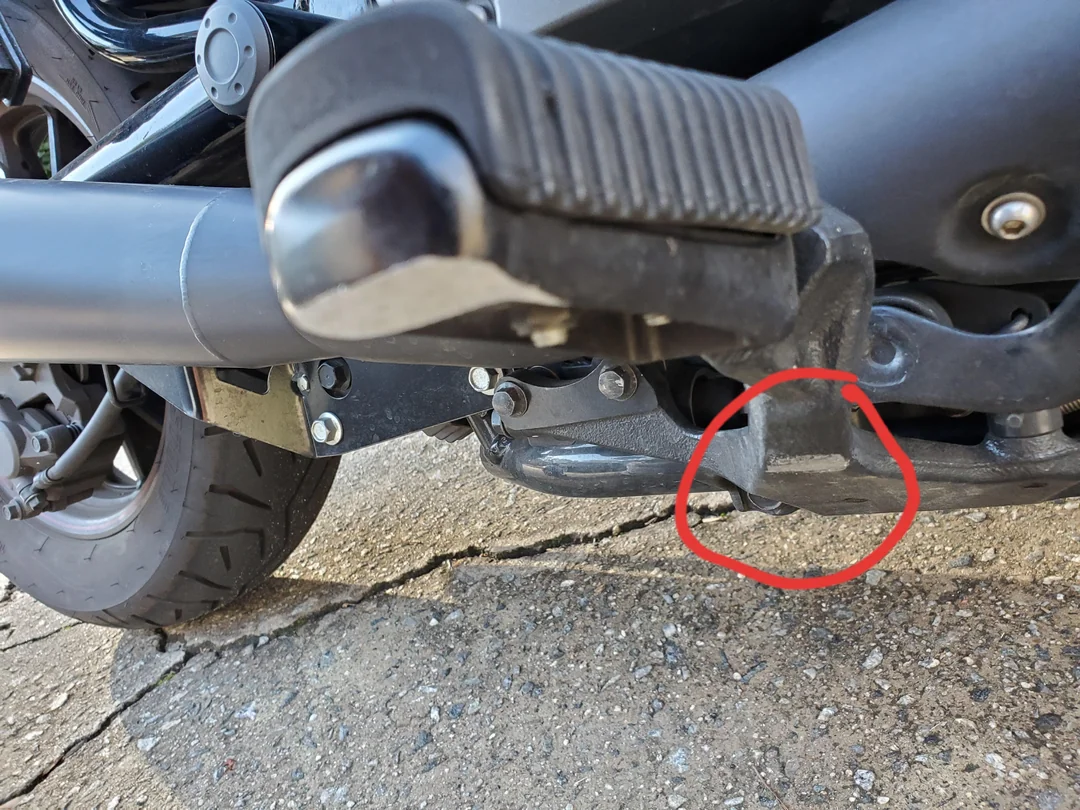
Sign 5: Scraped Foot Pegs and Rear Controls
Foot pegs are another area that often reveals whether a motorcycle has been dropped. Because they extend outward from the motorcycle, they can touch the ground during a side fall. Scraped edges, flattened sections, or missing material on the pegs may indicate contact with pavement or another surface.
The rider and passenger foot peg areas should both be inspected. Differences between the two sides can help identify whether damage occurred on one side only.
A motorcycle that has fallen over may have noticeable wear on a single peg while the opposite side remains clean. Matching marks between the foot peg and other nearby parts can strengthen the evidence of a previous drop.
Rear brake pedals and gear shift levers can also show impact damage. These components are positioned near the lower sides of the motorcycle and may bend during a fall. A gear lever that sits unusually close to the engine, or a brake pedal that appears lower than normal, may need adjustment or replacement.
Aftermarket rear sets or modified foot controls can sometimes make inspection more complicated. Some riders replace factory components for performance or comfort reasons.
However, unusual differences between parts, fresh mounting bolts, or visible repair marks should lead to further questions. Understanding whether modifications were planned upgrades or replacements after damage is important.
Foot control damage does not always indicate a major accident. Many experienced riders have minor incidents where only these parts touch the ground. The key is looking for several matching signs across the motorcycle.
When foot peg marks appear together with lever scratches, bar-end damage, and fairing repairs, the possibility of a previous fall becomes much more likely.
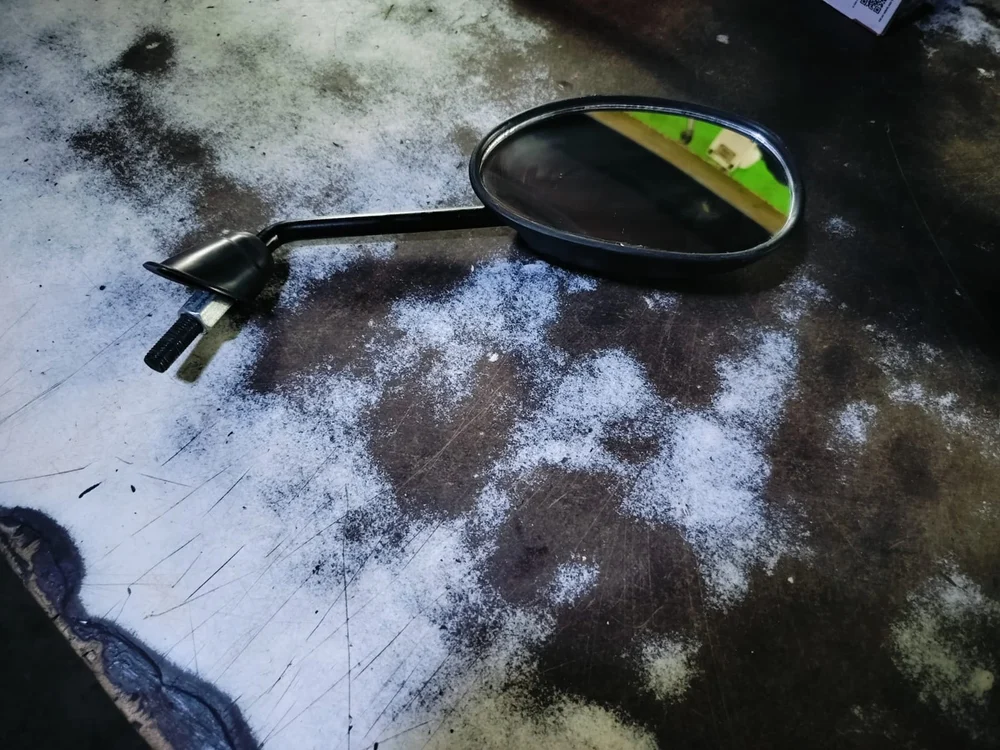
Sign 6: Mirror Damage and Handlebar Area Clues
Mirrors are vulnerable during motorcycle drops because they extend away from the body and often make contact with the ground.
Scratched mirror housings, cracked glass, loose mounting points, or mismatched replacement mirrors can reveal that the bike has been on its side. Even small parking lot falls can damage mirrors because they are positioned higher than many other components.
The mirror mounting area should receive careful attention. A strong impact can affect the mirror stalk, mounting bolts, or surrounding plastic.
A mirror that does not stay in position during riding may have hidden damage from a previous impact. Buyers should adjust the mirrors and check whether they move normally and remain secure.
Handlebar controls near the mirrors can provide additional clues. Scratches around switch housings, broken plastic edges, or replacement components may suggest contact with the ground. These areas often get overlooked because buyers focus on larger visible parts such as fuel tanks and fairings.
Some motorcycles have folding mirrors or aftermarket replacements, which can make damage harder to identify. Comparing both sides of the motorcycle helps reveal differences.
If one mirror appears newer, cleaner, or different from the other, asking about the reason for the change can provide useful information.
A careful inspection of the upper handlebar area can reveal the direction and severity of a fall. Damage patterns that connect the mirror, lever, grip, and bar end often create a clear line of impact. These details help buyers understand whether the motorcycle experienced a simple tip-over or a more serious event.
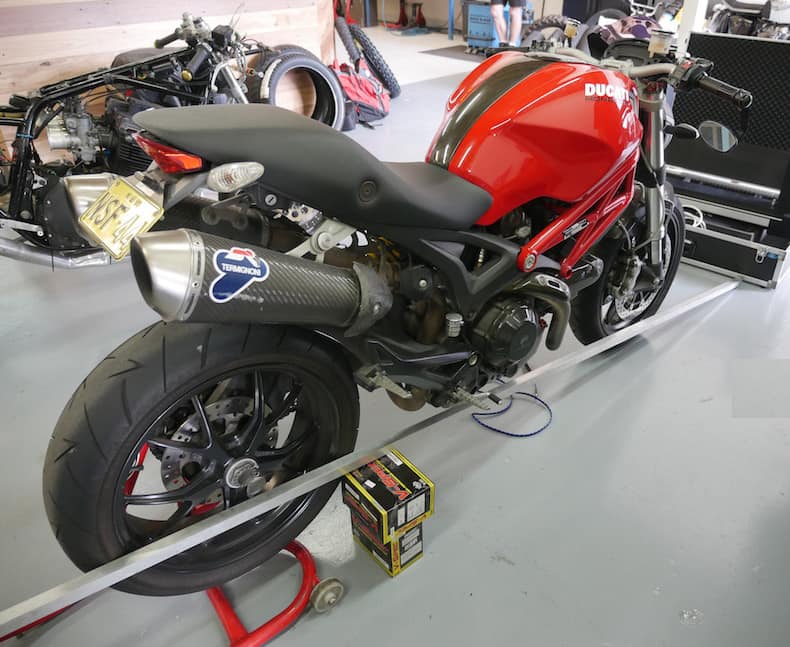
Sign 7: Bent Handlebars, Steering Problems, or Alignment Issues
Handlebars and steering components can reveal important information about a motorcycle’s past. A drop does not always leave obvious marks, but the impact force can sometimes affect the alignment of the front end.
Slight bends, uneven positioning, or changes in steering feel may indicate that the motorcycle has experienced a fall or collision.
One way to inspect the handlebars is to sit on the motorcycle and compare their position with the front wheel. When the wheel is pointing straight ahead, the handlebars should appear centered and symmetrical.
If the bars look slightly turned while the wheel is straight, there may be an alignment issue. This could result from a simple adjustment problem, but it may also come from an impact.
The triple clamp area should also be checked carefully. A motorcycle that falls over can sometimes twist the handlebar mounts without causing obvious external damage. Loose bolts, unusual gaps, or signs that parts have been recently adjusted can indicate previous work. These issues may be repairable, but they should be identified before purchase.
During a test ride, steering behavior can provide additional clues. The motorcycle should track smoothly without pulling to either side.
Unusual resistance, vibration, or a feeling that the front end is not balanced may point toward alignment concerns. A short ride cannot identify every possible issue, but it can reveal problems that are difficult to see while the bike is parked.
Front-end problems deserve attention because they affect safety and handling. A scratched lever or bar end is usually a cosmetic concern, but a bent steering component can influence how the motorcycle responds during riding.
Buyers should take unusual steering behavior seriously and consider having the motorcycle inspected by a qualified mechanic if concerns remain.
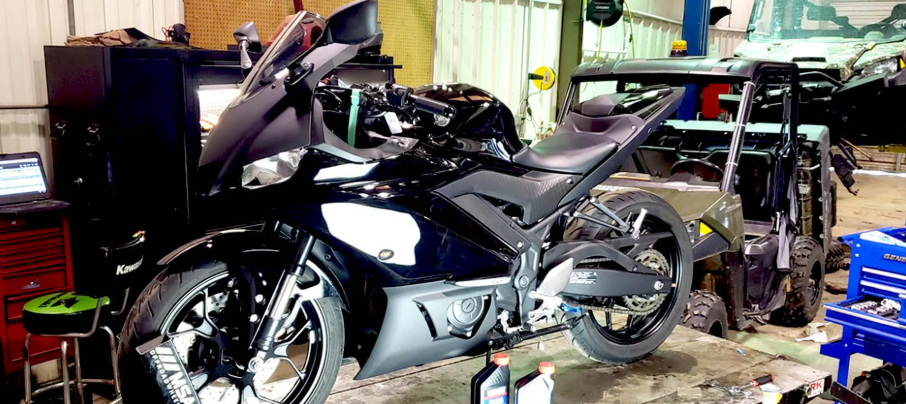
Sign 8: Fresh Replacement Parts and Mismatched Hardware
Replacement parts are common on used motorcycles, and they do not automatically indicate a problem. Riders often customize their bikes with new mirrors, levers, grips, fairings, or protective equipment. However, when several recently replaced parts appear together, they may provide clues about repairs after a drop.
A motorcycle with an older odometer reading but brand-new controls on one side deserves closer attention. New parts may have been installed because the owner wanted an upgrade, but they may also have replaced damaged components.
The condition, age, and consistency of parts throughout the motorcycle can help determine whether changes were planned or necessary.
Hardware differences are another useful clue. Bolts, screws, and fasteners around repaired areas may not match the original finish or condition. A new-looking bolt beside older hardware can suggest that a component was removed or replaced. This does not prove damage occurred, but it provides a reason to ask questions about the motorcycle’s maintenance history.
Buyers should also compare aftermarket modifications with the condition of the bike. A motorcycle with upgraded parts installed evenly across the machine may simply reflect the owner’s preferences.
A bike with only one new lever, one new mirror, and one fresh fairing panel may tell a different story. Patterns matter more than individual parts.
A careful seller should be willing to explain replacements and repairs. Maintenance records, service receipts, and photographs from before repairs can provide valuable confirmation. When a seller avoids questions about obvious changes, buyers should take additional time to inspect the motorcycle before making a decision.
Also Read: 10 SUVs That Changed the Automotive Industry Forever
