
Modern vehicles contain several thousand feet of electrical wiring connecting the engine, transmission, lighting, safety systems, and dozens of electronic control modules. A damaged wiring harness can create symptoms that seem completely unrelated, making diagnosis one of the most frustrating jobs in any repair shop.
A single broken wire or corroded connector may trigger warning lights, cause random stalling, disable advanced driver assistance features, or even prevent the vehicle from starting. In the United States, several vehicles have developed well-documented wiring harness concerns through recalls, Technical Service Bulletins, and repeated owner reports.
These models illustrate why experienced mechanics often spend more time tracing electrical circuits than replacing parts.
Also Read: 10 New Cars Still Sold With a Physical Ignition Key
1. Jeep Grand Cherokee (2011 to 2013)
Few SUVs introduced as much electronic technology in the early 2010s as the fourth-generation Jeep Grand Cherokee. Air suspension, electronic transfer cases, adaptive cruise control, push-button start, and multiple onboard computers made it feel far more sophisticated than its predecessor.
While those features helped the SUV compete with premium rivals, they also created an intricate electrical network where a single damaged wiring harness could affect several systems simultaneously.
One of the biggest challenges involved wiring routed near areas exposed to constant movement, engine heat, and moisture.
Over time, insulation could wear through, or connectors could develop corrosion, interrupting communication between critical control modules.
Owners reported symptoms ranging from intermittent no-start conditions and random dashboard warning lights to transmission limp mode, power steering faults, electronic throttle control warnings, and disabled stability control systems.
Since many of these symptoms appeared intermittently, technicians often needed hours of diagnostic work before identifying the damaged wire instead of replacing perfectly functional sensors or modules.
FCA issued multiple recalls and technical service bulletins covering various electrical concerns affecting this generation. While not every campaign required replacing the main wiring harness, many dealer repairs included inspecting, repairing, or replacing damaged harness sections after electrical testing confirmed voltage loss or communication failures.
Factory diagnostic procedures frequently relied on continuity testing and scan tool analysis rather than guesswork because replacing electronic modules without confirming wiring integrity often failed to solve the problem.
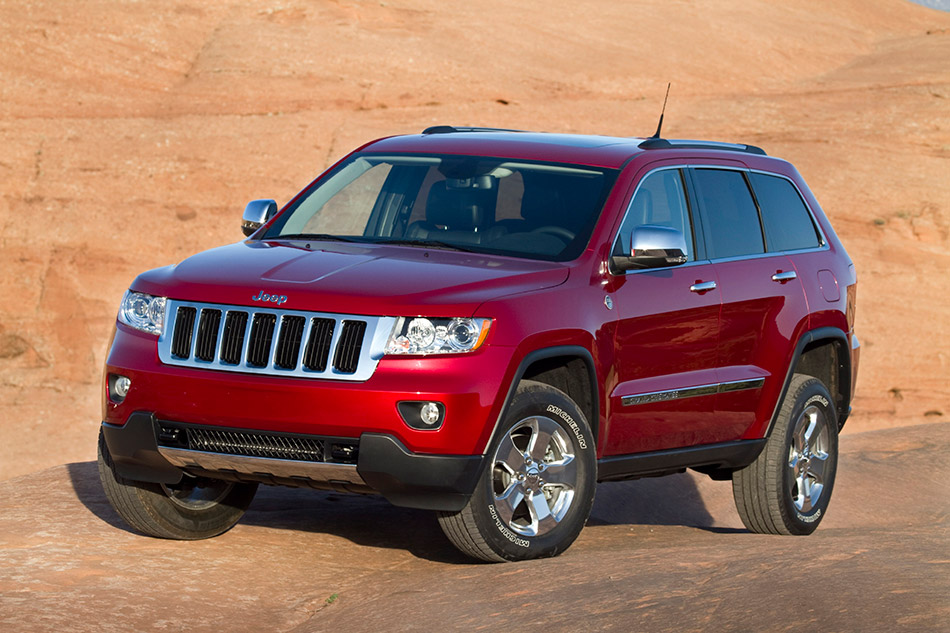
Anyone considering a used Grand Cherokee should inspect for aftermarket electrical accessories, previous collision repairs, and evidence of rodent damage.
Wiring repairs performed using factory methods generally provide reliable long-term results, while poorly executed splices may create recurring electrical faults that become increasingly difficult to diagnose.
Specifications
- Engine: 3.6-liter Pentastar V6
- Torque: 260 lb-ft
- Horsepower: 290 hp
- Length/Width: 189.8 inches / 76.5 inches
2. Ford F-150 (2021 to 2022)
America’s best-selling pickup entered another technological leap with the fourteenth-generation Ford F-150. Digital instrument clusters, Pro Power Onboard, hybrid powertrains, advanced towing technology, and dozens of electronic driver assistance features transformed the truck into a rolling computer.
That sophistication also increased the complexity of its wiring system, and one particular issue quickly became well known among dealerships and independent repair facilities.
Ford issued a major safety recall affecting hundreds of thousands of 2021 and 2022 F-150 pickups because the underbody wiring harness could contact the aluminum driveshaft. If the harness insulation wore through from repeated contact, electrical circuits could short or break entirely.
Depending on which wires were affected, drivers could experience unexpected parking brake activation, loss of trailer brake functions, malfunctioning anti-lock braking systems, disabled driver assistance features, or illumination of multiple warning lights.
In some situations, damage could increase crash risk if critical safety systems stopped functioning as intended.
Repairing the issue was rarely as simple as replacing one damaged wire. Technicians first inspected the harness routing, measured clearance from the driveshaft, and determined whether individual circuits or the complete harness required replacement.
Because numerous vehicle systems shared sections of the affected harness, even minor damage demanded careful inspection using factory wiring diagrams and diagnostic equipment before repairs could begin.
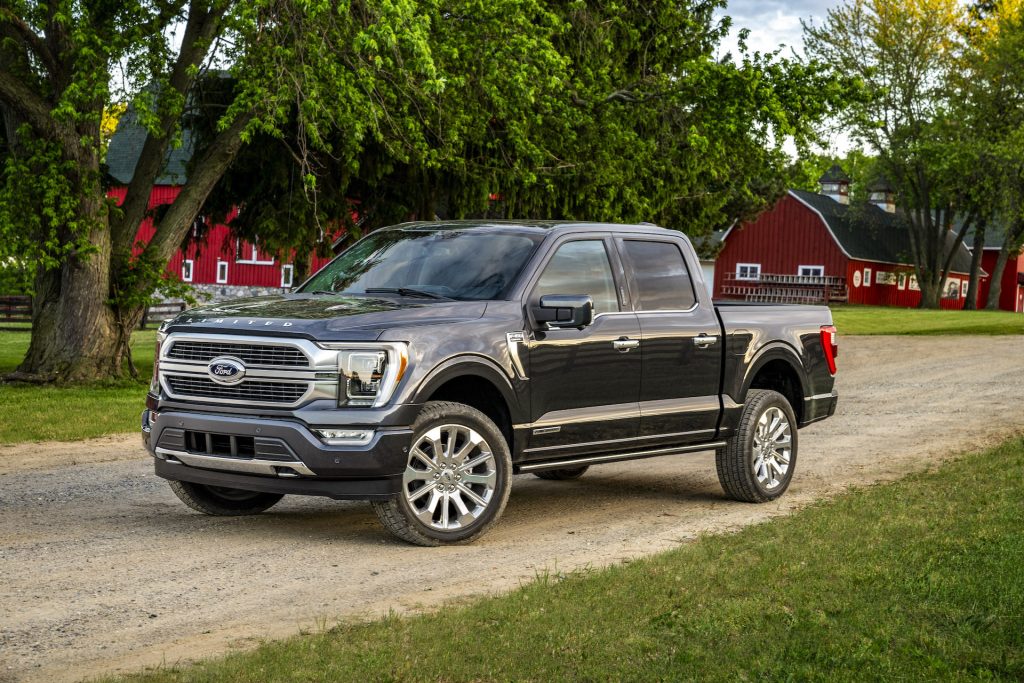
For buyers shopping the used market, verifying recall completion is essential. A truck that received the updated harness routing and protective retention hardware is significantly less likely to experience repeat failures.
Mechanics also recommend inspecting underneath for evidence of previous harness abrasion, especially on trucks frequently used for towing or driven on rough roads where suspension movement places additional stress on underbody wiring.
Specifications
- Engine: 3.5-liter EcoBoost V6
- Torque: 500 lb-ft
- Horsepower: 400 hp
- Length/Width: 231.7 inches / 79.9 inches
3. Toyota RAV4 Hybrid (2019 to 2022)
The fifth-generation Toyota RAV4 Hybrid quickly became one of America’s best-selling hybrid SUVs thanks to its excellent fuel economy, strong resale value, and reputation for reliability. Yet one electrical issue gave mechanics far more work than expected.
It became widely known as the “Cablegate” problem because corrosion affecting a major high-voltage wiring harness could eventually trigger expensive repairs and multiple warning messages.
The affected component serves a much more critical role than a standard engine wiring harness because it transfers high-voltage electrical current between the rear electric motor and the hybrid system. Its function within the vehicle’s electrified powertrain makes any damage or failure a significantly more serious concern.
Toyota’s original design included a protective connector cover that, according to many owners and technicians, could trap moisture, road salt, and debris instead of allowing the area to dry properly. In northern states where winter road salt is heavily used, corrosion sometimes developed much sooner than expected.
Drivers often first noticed a “Hybrid System Malfunction” message accompanied by warning lights on the dashboard. Depending on the severity of the corrosion, the vehicle could reduce power, disable all-wheel drive functionality, or require replacement of the affected cable assembly.
Because the high-voltage cable is integrated into a larger harness rather than being a simple standalone wire, repairs could become extremely expensive, with replacement costs often reaching several thousand dollars outside warranty coverage.
Toyota later introduced updated parts and expanded warranty coverage for certain vehicles after owner complaints, dealer reports, and regulatory attention. The revised connector design improved drainage and reduced moisture retention, helping lower the likelihood of repeat corrosion.
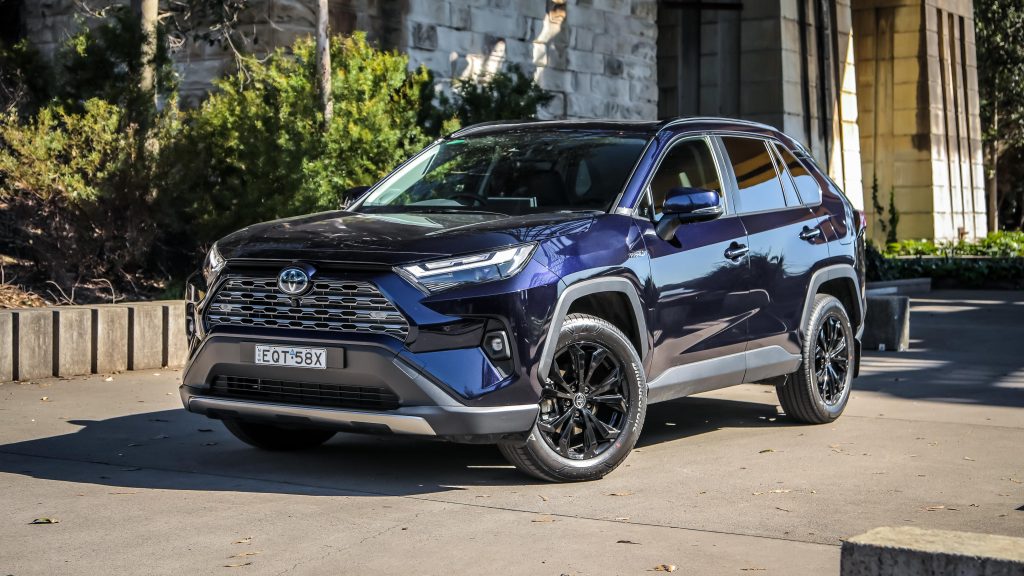
Buyers considering a used RAV4 Hybrid should verify whether the updated cable has already been installed and inspect service records showing warranty repairs. Vehicles operated primarily in southern states generally experienced far fewer issues than those exposed to repeated winter salt.
Although the Cablegate issue affected only one portion of the hybrid electrical system, it demonstrated how a single wiring component can influence multiple vehicle functions and create repair costs that far exceed the price of a typical electrical sensor.
Specifications
- Engine: 2.5-liter Hybrid Inline-4
- Torque: 163 lb-ft (engine)
- Horsepower: 219 hp (combined)
- Length/Width: 180.9 inches / 73.0 inches
4. Honda Odyssey (2018 to 2023)
Minivans are expected to provide dependable transportation for families, which makes electrical failures particularly frustrating when they affect safety features or everyday usability.
The fifth-generation Honda Odyssey introduced a more advanced electrical architecture than previous models, supporting power sliding doors, Honda Sensing driver assistance systems, multiple cameras, and extensive infotainment features.
While these upgrades improved convenience, they also increased dependence on a complex network of wiring harnesses and connectors.
One of the best-documented issues involved the rear wiring harness routed through the tailgate area. Because the harness flexes every time the liftgate opens or closes, repeated movement over thousands of cycles can fatigue individual wires.
Owners reported backup camera failures, intermittent tailgate operation, rear lighting malfunctions, and dashboard warning messages.
These concerns became significant enough that Honda issued recalls covering certain Odyssey models after determining that damaged wiring could disable the rearview camera, reducing visibility while reversing.
Mechanics diagnosing these vehicles often begin by checking continuity through the tailgate harness before replacing cameras or electronic modules. Broken conductors hidden beneath intact insulation can create intermittent faults that disappear during inspection but return after the liftgate is opened repeatedly.
This makes diagnosis particularly time-consuming because the wiring must often be tested while being flexed to reproduce the problem.
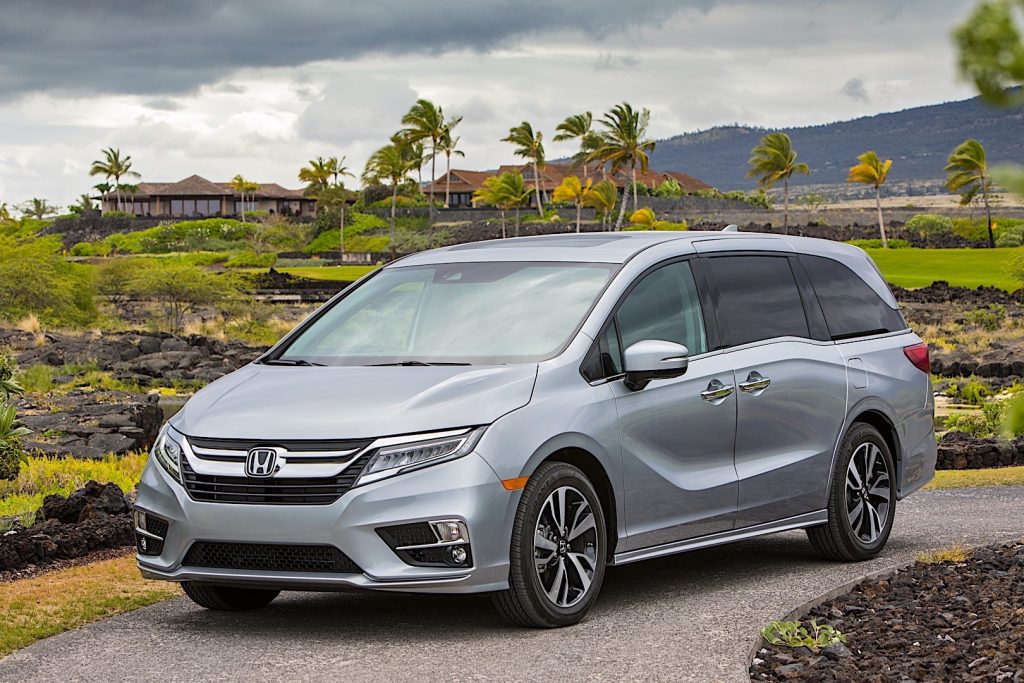
Honda’s recall remedy typically involved inspecting the harness and installing improved components where necessary. For used vehicle buyers, verifying recall completion is far more important than simply confirming that the backup camera currently works.
A temporary electrical connection may function during a test drive but fail again after weeks of normal use. Inspecting the liftgate wiring boot for signs of previous repairs and confirming dealer service history can help avoid future electrical headaches.
Specifications
- Engine: 3.5-liter V6
- Torque: 262 lb-ft
- Horsepower: 280 hp
- Length/Width: 205.2 inches / 78.5 inches
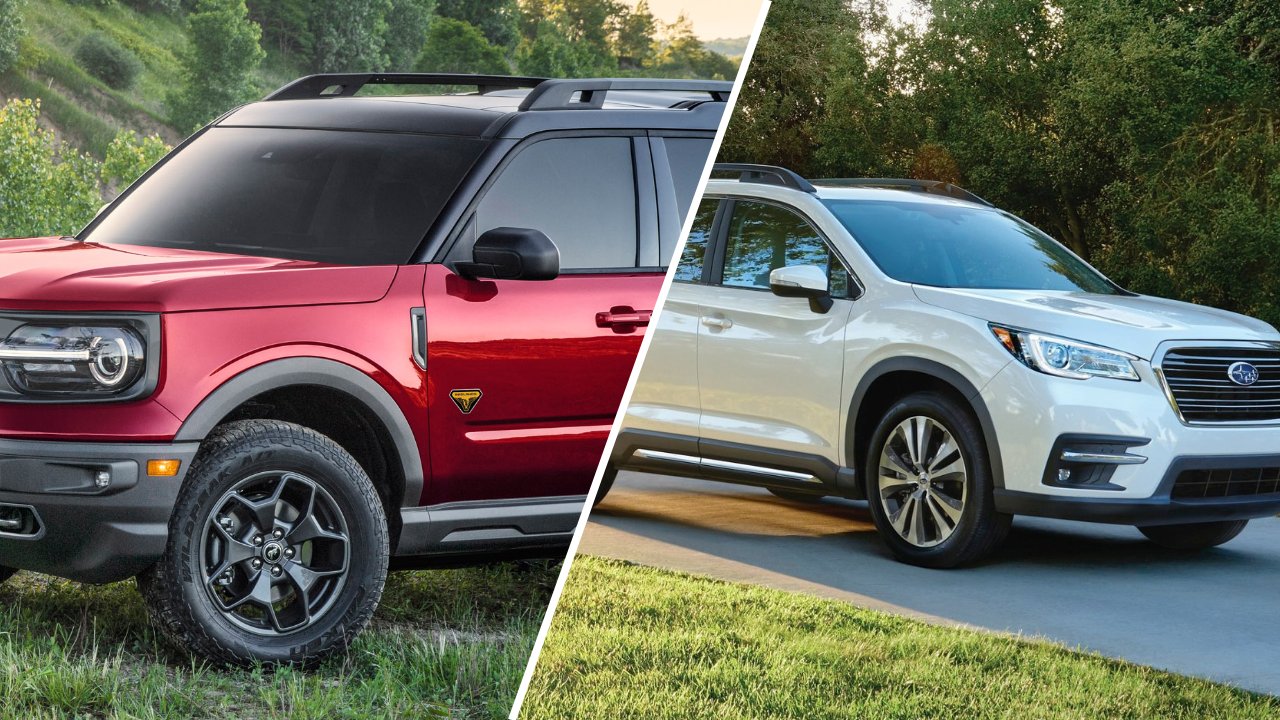
5. Subaru Ascent (2019 to 2022)
The Subaru Ascent was developed to compete in the growing three-row SUV segment, combining standard all-wheel drive with advanced safety technology and family-friendly practicality.
Beneath its modern cabin, however, lies an extensive electrical system connecting EyeSight driver assistance features, numerous sensors, power accessories, and multiple control modules. One wiring harness issue eventually became serious enough to trigger a major recall in the United States.
The concern centered on the ground bolt securing the main wiring harness. During manufacturing, some bolts may not have been tightened to the required specification. A loose ground connection increases electrical resistance, and as current flows through the connection, heat can build rapidly.
Subaru determined that excessive heat could melt nearby wiring harness components and, in rare cases, increase the risk of an underhood fire. Because the affected ground point serves several electrical systems, symptoms varied considerably from one vehicle to another.
Owners reported illuminated warning lights, unexpected electrical malfunctions, battery charging problems, and intermittent communication errors between electronic modules before some vehicles required more extensive repairs.
Since these symptoms resembled failing batteries or alternators, technicians often had to verify the integrity of the grounding circuit before replacing expensive components unnecessarily. The diagnosis required careful voltage drop testing and inspection of the affected harness connection.
Subaru responded by recalling more than 270,000 Ascent SUVs in the United States. Dealers inspected the ground bolt, tightened or replaced it when necessary, and repaired or replaced damaged wiring harnesses if heat damage had already occurred. This preventive approach significantly reduced the likelihood of future electrical failures.
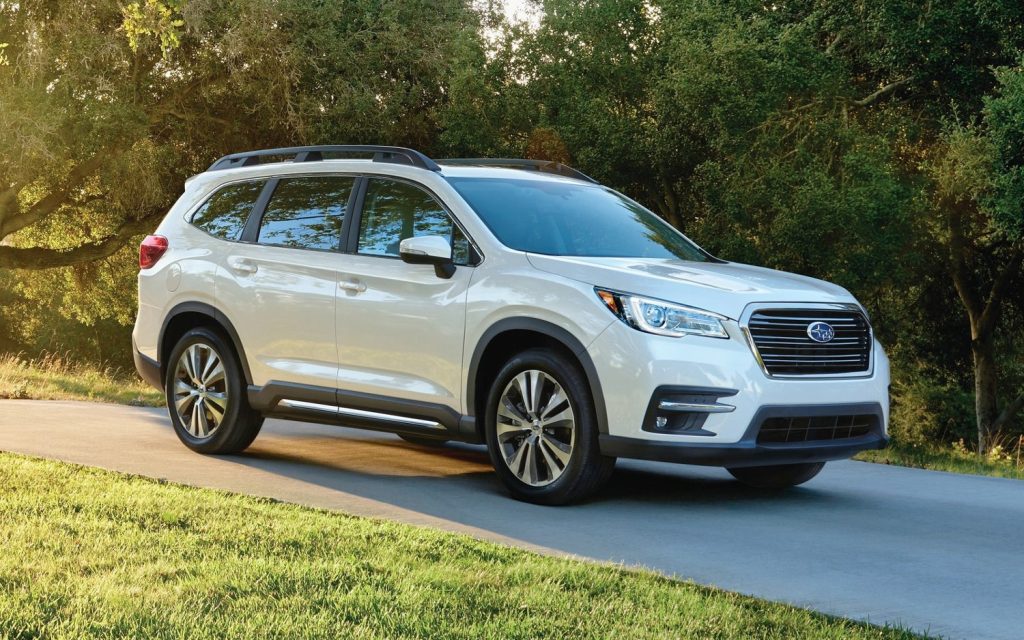
Anyone shopping for a used Ascent should verify recall completion through dealer service records. Mechanics also recommend checking for discoloration, melted insulation, or previous wiring repairs around the engine compartment.
A properly repaired Ascent remains a capable family SUV, but confirming recall work has been completed should be considered an essential part of the buying process.
Specifications
- Engine: 2.4-liter Turbocharged Boxer 4-cylinder
- Torque: 277 lb-ft
- Horsepower: 260 hp
- Length/Width: 196.8 inches / 76.0 inches
6. Hyundai Palisade (2020 to 2022)
The Hyundai Palisade earned widespread praise for offering premium features at a competitive price. Buyers appreciated its spacious interior, refined ride quality, and comprehensive list of standard technology.
Behind the scenes, though, one electrical issue involving the trailer hitch wiring harness became a significant concern and led to one of Hyundai’s most publicized recalls in recent years.
The affected wiring harness served vehicles equipped with genuine Hyundai tow-hitch accessories. Investigations found that moisture could enter the trailer hitch harness module, potentially creating an electrical short circuit.
Since the module remained connected to battery power even when the vehicle was parked and turned off, overheating could occur without warning. Hyundai advised some owners to park their vehicles outside and away from buildings until recall repairs were completed because of the potential fire risk.
This problem was more than a minor electrical fault that triggered a dashboard warning. It had the potential to affect vehicle safety and required attention because of the risks associated with the failure.
Technicians inspecting recalled vehicles examined the trailer wiring harness, replaced affected modules when necessary, and installed updated components designed to improve moisture protection.
Because the trailer wiring integrates with lighting and towing systems, repairs required careful verification that all electrical circuits functioned correctly after replacement.
Prospective buyers should determine whether a Palisade has an original Hyundai trailer hitch installed, since the recall primarily affected vehicles equipped with those accessories.
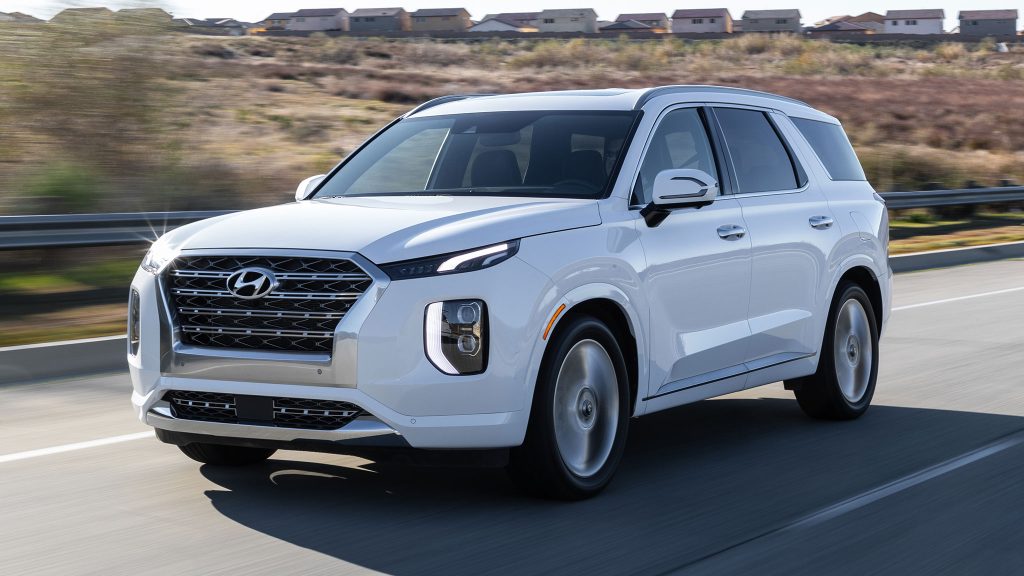
Dealer service records confirming completion of the recall provide valuable reassurance. Mechanics also inspect trailer wiring connectors for corrosion, damaged seals, or signs of previous overheating before approving a used vehicle purchase.
The Palisade continues to rank among the strongest choices in the midsize SUV segment, but this recall serves as an excellent reminder that even an accessory wiring harness can create major safety concerns when exposed to moisture over time.
Specifications
- Engine: 3.8-liter V6
- Torque: 262 lb-ft
- Horsepower: 291 hp
- Length/Width: 196.1 inches / 77.8 inches
7. Ford Bronco Sport (2021 to 2023)
The Ford Bronco Sport arrived with impressive off-road capability, advanced driver assistance technology, and an electrical architecture designed to support dozens of onboard modules.
Features such as terrain management systems, electronic four-wheel drive, adaptive cruise control, and multiple safety sensors depend on extensive wiring harnesses routed throughout the vehicle.
While the compact SUV has been well received, one wiring-related issue became significant enough to generate a nationwide recall.
Ford identified a problem involving the body and powertrain wiring harness routing on certain Bronco Sport models. During production, sections of the harness could come into contact with surrounding components, allowing insulation to chafe over time.
If the protective covering wore through, individual wires could short against the body or break completely.
Depending on which circuits were affected, drivers might experience illuminated warning lights, loss of power, engine stalling, or malfunctioning safety systems. Since these symptoms could appear without warning, Ford initiated a recall to prevent future failures.
Repairing the affected vehicles required more than replacing damaged wires. Technicians first inspected the entire routing path to determine whether abrasion had occurred. If damage was present, the harness was repaired or replaced, and updated retaining clips or protective coverings were installed to prevent repeat contact.
Because several control modules shared portions of the same harness, proper repair procedures were critical to restoring normal operation.
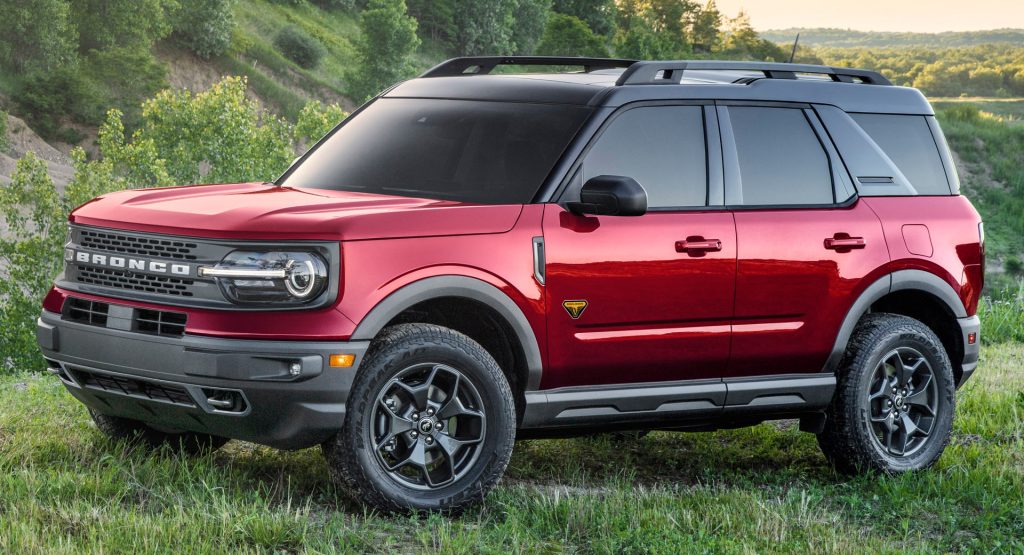
Used vehicle shoppers should verify recall completion before purchasing a Bronco Sport. Mechanics also recommend inspecting for aftermarket lighting, winches, or auxiliary electrical accessories because improper installation can introduce additional strain on factory wiring.
A vehicle that has received the factory repair and retains its original electrical configuration generally presents a much lower risk of future harness-related problems than one with undocumented electrical modifications.
Specifications
- Engine: 2.0-liter EcoBoost Turbocharged Inline-4
- Torque: 277 lb-ft
- Horsepower: 250 hp
- Length/Width: 172.7 inches / 74.3 inches
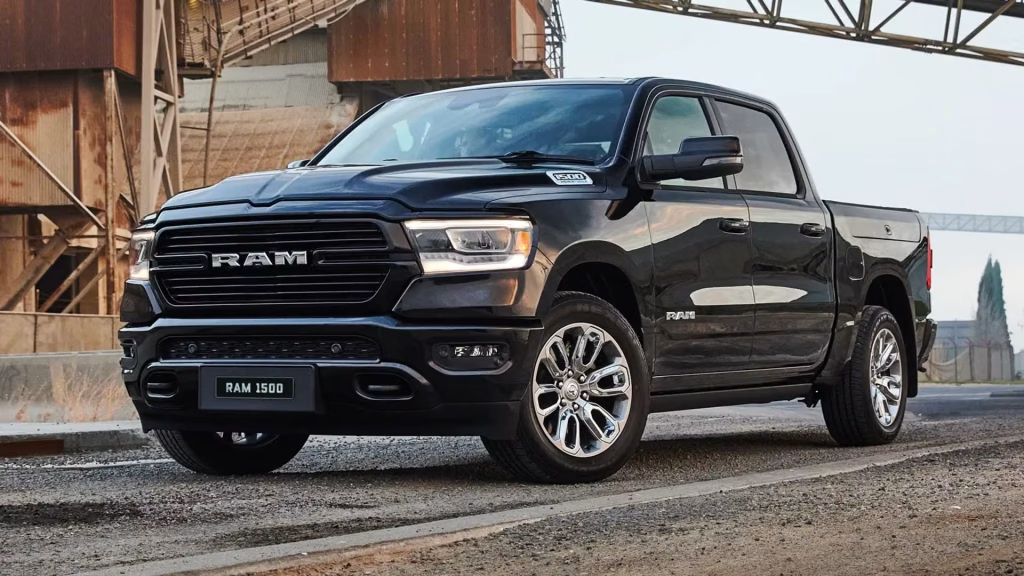
8. Ram 1500 (2019 to 2023)
The fifth-generation Ram 1500 raised the benchmark for full-size pickups by combining a refined interior with sophisticated electronics normally associated with luxury SUVs.
Large touchscreens, air suspension, advanced towing technology, blind-spot monitoring, and numerous electronic control units rely on a complex network of wiring harnesses extending throughout the truck.
As these trucks accumulated mileage, technicians began encountering recurring harness issues that often required extensive diagnostic work rather than straightforward parts replacement.
One of the most common trouble areas involved wiring routed beneath the truck and around the tailgate. Constant exposure to water, mud, road salt, and vibration could damage connectors or allow corrosion to develop inside electrical terminals.
In addition, repeated opening and closing of the tailgate placed stress on the harness supplying the backup camera, tailgate latch, and lighting systems.
Owners reported intermittent camera failures, trailer lighting faults, tailgate release issues, and dashboard messages indicating communication errors between electronic modules.
Several recalls and Technical Service Bulletins addressed electrical concerns affecting different model years, including wiring associated with safety systems and rearview camera operation.
Because many electronic functions share common harness sections, technicians often relied on factory scan tools and detailed wiring diagrams to isolate the exact fault before replacing components.
A damaged connector hidden beneath the truck could easily imitate the symptoms of a failed camera, body control module, or trailer brake controller.
Before purchasing a used Ram 1500, it is wise to inspect the underbody wiring for abrasion, loose retaining clips, corrosion around connectors, and signs of aftermarket trailer wiring installations.
Service records confirming recall completion add valuable peace of mind. Although electrical repairs on modern pickups can be labor-intensive, trucks with updated wiring components and proper maintenance continue to deliver the comfort, capability, and towing performance that have made the Ram 1500 one of America’s most popular full-size pickups.
Specifications
- Engine: 5.7-liter HEMI V8 with eTorque
- Torque: 410 lb-ft
- Horsepower: 395 hp
- Length/Width: 228.9 inches / 82.1 inches
Also Read: 10 Popular Cars With Surprisingly High Insurance Premiums
