

Spark plugs are among the smallest and least expensive components in a gasoline engine. A single spark plug often costs between $10 and $30, and even premium iridium plugs rarely exceed $40 each.
Yet owners of certain V6 SUVs are often shocked when a routine spark plug replacement comes with a labor bill of $500 to $600, or even more at some dealerships. What seems like a simple maintenance job quickly becomes one of the most expensive scheduled services many drivers encounter.
The reason is not the spark plugs themselves. Instead, the cost is driven by modern engine packaging, labor-intensive disassembly procedures, and the amount of time required to access components hidden beneath intake manifolds, wiring harnesses, and emissions equipment.
In some SUVs, technicians spend far more time reaching the spark plugs than actually replacing them.
Manufacturers design today’s engines to meet increasingly strict emissions, fuel economy, and crash safety standards. Those priorities often leave little room in the engine bay, especially in transverse-mounted V6 vehicles where the rear cylinder bank sits close to the firewall.
As a result, what was once a 30-minute maintenance task can now take several hours, significantly increasing labor costs.
Understanding why these repairs are expensive can help owners plan maintenance budgets, avoid unnecessary charges, and appreciate why labor frequently outweighs the cost of the replacement parts.
Also Read: 10 Hybrids That Miss Their EPA Numbers by the Widest Margin
Tight Engine Bays Turn a Simple Job Into a Multi-Hour Repair
The biggest factor behind high labor charges is limited access. Many midsize SUVs use transverse-mounted V6 engines because this layout maximizes interior space while improving packaging efficiency. However, placing the engine sideways means one bank of cylinders faces the radiator while the other sits directly against the firewall.
The front spark plugs are usually accessible within minutes. The rear plugs are another story entirely.
To reach them, technicians often need to remove the engine cover, intake tubing, throttle body connections, electrical connectors, vacuum hoses, and, in many cases, the entire upper intake manifold.
Each component must be removed carefully to avoid damaging plastic clips, wiring, or gaskets. Once the plugs have been replaced, everything must be reassembled in the correct order and checked for vacuum leaks or electrical faults.
Manufacturers publish flat-rate labor guides that determine how many hours dealerships and repair shops charge for a job. On many V6 SUVs, spark plug replacement is listed between 3.5 and 5.5 labor hours.
At labor rates ranging from $140 to more than $200 per hour in many U.S. markets, labor alone can easily exceed $600 before taxes or replacement parts are added.
Modern engines also contain more sensors and emissions equipment than older designs. Disconnecting these components increases the time required while adding opportunities for broken connectors or damaged seals if the work is rushed.
The Intake Manifold Is Often the biggest reason labor costs climb.
One of the most common reasons for expensive spark plug service is intake manifold removal. On numerous V6 engines, the intake manifold sits directly above the rear cylinder bank, completely blocking access to several spark plugs.
Removing the manifold is not simply a matter of loosening a few bolts. Technicians must disconnect throttle body wiring, vacuum lines, EVAP hoses, coolant passages on certain engines, and multiple electrical connectors.
Gaskets are frequently replaced during reassembly because manufacturers recommend installing new intake manifold seals once the manifold has been removed. Even experienced technicians work methodically because a small mistake can create vacuum leaks, rough idle conditions, or check engine lights after the repair is completed.
This additional work explains why labor costs rise even though the spark plugs themselves remain inexpensive. The technician may spend two or three hours removing surrounding components before reaching the plugs, while the actual replacement takes only a few minutes.
Some manufacturers have attempted to simplify future maintenance through improved engine layouts, but packaging limitations continue to make access difficult in many SUVs.
Which V6 SUVs Are Known for Expensive Spark Plug Labor?
Several popular SUVs have developed reputations for requiring above-average labor during spark plug replacement because of engine design rather than poor reliability.
The Toyota Highlander equipped with the 3.5-liter V6 (2GR-FE and later variants) requires intake manifold removal to access the rear bank, making the service significantly more time-consuming than on an inline engine.
The Honda Pilot with the 3.5-liter J-series V6 also places the rear spark plugs close to the firewall. Although experienced technicians perform the work efficiently, the procedure still requires substantial disassembly compared with four-cylinder models.
Earlier versions of the Acura MDX, which share the same J-series engine architecture, involve a similar repair process and often carry comparable labor estimates. The Nissan Pathfinder equipped with the 3.5-liter VQ V6 is another example where rear spark plug access is limited, increasing labor compared with many competitors.
Even some domestic SUVs, including certain Ford Explorer models with naturally aspirated V6 engines, require considerably more labor than owners expect because of restricted engine bay access.
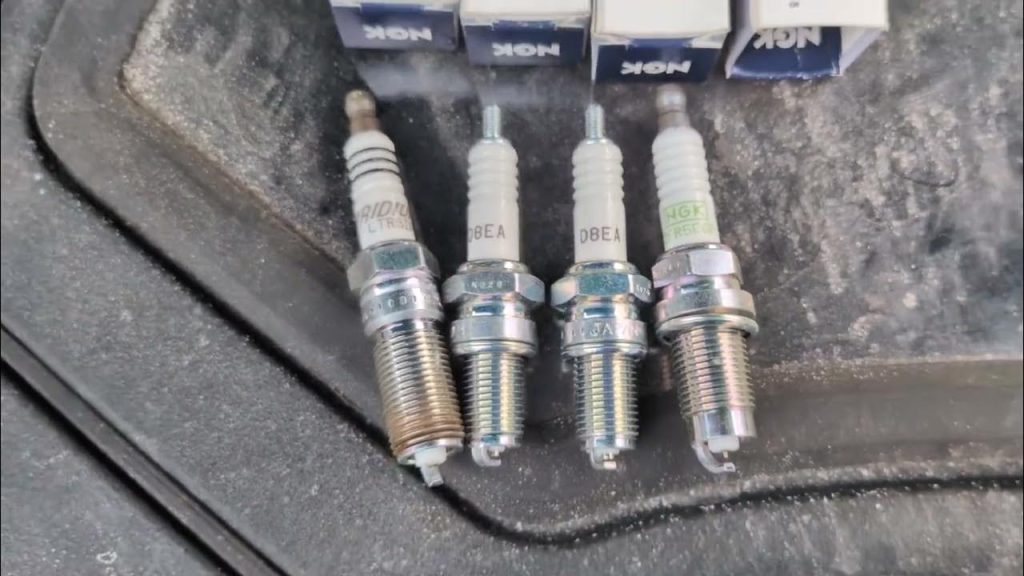
Importantly, expensive spark plug service should not be viewed as evidence of poor reliability. These engines routinely exceed 200,000 miles when properly maintained. The higher labor bill reflects engineering compromises made to improve crash safety, emissions performance, and passenger space rather than any fundamental design flaw.
Can Owners Reduce the Cost?
Although labor charges cannot be eliminated, owners can take several steps to reduce the total cost of spark plug replacement.
First, replacing spark plugs at the manufacturer’s recommended interval prevents seized plugs and ignition problems that can increase repair time. Most modern iridium spark plugs are designed to last 60,000 to 100,000 miles, depending on the engine and driving conditions.
Second, combining spark plug replacement with other maintenance can reduce future labor expenses. If the intake manifold must already be removed for another repair, replacing the spark plugs at the same time often saves hundreds of dollars because much of the labor overlaps.
Choosing a reputable independent repair shop instead of a dealership may also reduce costs. Independent shops frequently charge hourly labor rates that are 20 to 40 percent lower while following the same factory repair procedures. However, owners should ensure the shop uses high-quality replacement plugs that meet manufacturer specifications.
DIY replacement is possible on some V6 engines, but many modern SUVs require specialized tools, torque specifications, and careful handling of plastic intake components. Incorrect installation can damage cylinder head threads, cause misfires or create vacuum leaks that cost far more to repair than the original labor savings.
Owners should also avoid replacing only the easiest-to-reach spark plugs. Because labor is the largest portion of the repair, replacing all plugs during the same service interval is almost always the most economical approach.
The Real Cost Is Time, Not the Spark Plugs
The sticker shock associated with a $600 labor bill often causes owners to question whether they are being overcharged. In reality, the majority of the expense reflects the technician’s time rather than inflated parts pricing.
Modern SUVs have become significantly more complex than their predecessors. Advanced emissions systems, turbocharging, larger safety structures, and tighter engine compartments all compete for limited space under the hood. Engineers prioritize efficiency, crash performance, and packaging, even if routine maintenance becomes more complicated.
For technicians, replacing spark plugs on certain V6 SUVs requires patience, careful organization, and strict adherence to factory procedures. Every electrical connector, hose, and gasket removed during the process must be reinstalled correctly to ensure the engine performs exactly as intended.
While a labor bill approaching $600 may seem excessive for replacing six small components, it accurately reflects the amount of work involved on many modern V6 SUVs.
Understanding the engineering behind these repairs helps explain why one of the least expensive engine parts can become one of the costliest routine maintenance services.
For owners who follow scheduled maintenance and choose qualified repair facilities, the investment remains worthwhile because fresh spark plugs help maintain fuel economy, engine performance, lower emissions, and long-term reliability for many years of driving.
Also Read: 8 Financing Traps That Add Thousands to a Car Loan
