
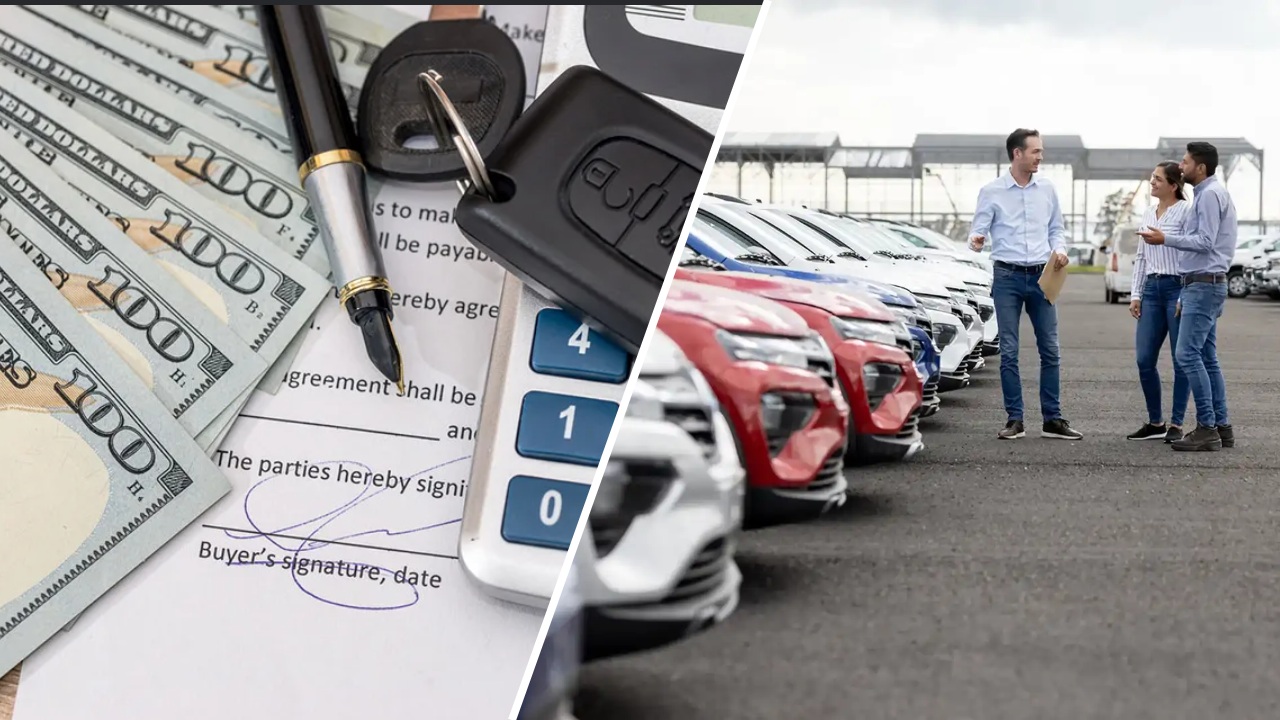
Buying a car is a major financial decision, and the loan that comes with it can affect your budget for years. Many buyers focus on the vehicle price while overlooking financing details that quietly increase the total amount paid.
Hidden fees, longer repayment periods, unnecessary add-ons, and costly interest charges can turn an affordable loan into a financial burden. Understanding common car financing mistakes helps buyers make smarter choices, negotiate confidently, and avoid paying thousands more than necessary.
By recognizing these traps before signing paperwork, consumers can protect their money and choose a loan that truly fits their financial situation.
Also Read: 10 Three-Pedal Cars That Keep Driving Fun Alive

1. Focusing Only on the Monthly Payment
Car buyers often enter dealerships with a target monthly payment in mind. While a monthly budget is important, focusing only on that number can hide the true cost of a vehicle loan. Dealers and lenders may structure financing in ways that make payments appear affordable while increasing the total amount paid over time.
A lower monthly payment does not always mean a better deal because the loan could have a longer term, a higher interest rate, or additional fees included in the balance.
For example, a buyer may believe they are getting a good offer because their payment stays within their budget. However, extending a loan from five years to seven years can significantly increase interest costs.
The vehicle may become easier to pay for each month, but the borrower spends more money. This approach can also create a situation where the borrower owes more than the car is worth for a longer period.
A smart buyer should compare the total loan cost rather than just the monthly payment. The amount financed, annual percentage rate, loan duration, and total interest charges all provide a clearer picture of the agreement.
A payment calculator can help estimate how different terms affect the final cost. Looking at the complete financial picture prevents buyers from accepting loans that only seem affordable at first glance.
Another issue with payment-focused shopping is that it can distract buyers from negotiating the vehicle price. Some dealerships may adjust the financing terms instead of lowering the actual cost of the car.
A buyer might think they received a discount because the payment changed, but the lender may simply have increased the repayment period. Separating the vehicle negotiation from the financing discussion can help buyers understand exactly what they are paying for.
Before agreeing to a loan, consumers should determine how much they can comfortably afford and review the full contract details.
A reasonable payment should come from a loan with fair terms, not from stretching the repayment period or accepting expensive financing conditions. Taking time to compare offers from different lenders can lead to major savings over the life of the loan.

2. Choosing a Loan Term That Is Too Long
Long car loans have become increasingly common because vehicle prices continue to rise. A longer repayment period can make a purchase fit within a monthly budget, but it often comes with a higher total cost.
Loans lasting six, seven, or even eight years may reduce monthly payments while adding hundreds or thousands of dollars in extra interest.
The biggest problem with extended loan terms is that they slow down the process of building vehicle equity. Cars generally lose value as they age, and a long loan can leave borrowers owing more than the vehicle is worth. If the owner needs to sell or trade the car before the loan is finished, they may have to pay the difference between the vehicle value and the remaining loan balance.
Long repayment periods can also increase the chance of financial stress. A vehicle that requires repairs after several years may still have loan payments attached to it. Instead of having the option to replace or repair the car freely, the owner must continue making payments while handling additional expenses. This can make an already tight budget harder to manage.
Shorter loan terms usually come with higher monthly payments, but they often save money in interest and help borrowers become debt-free faster. Buyers should carefully balance their monthly budget with the cost of financing. A slightly higher payment may be worthwhile if it prevents years of unnecessary interest charges.
Before choosing a loan term, buyers should calculate the total repayment amount. A loan that looks manageable because of a low monthly payment may cost far more by the end of the agreement. Selecting a reasonable term based on income, expenses, and vehicle needs can protect long-term financial health.

3. Accepting a High Interest Rate Without Comparing Offers
Interest rates have a major effect on the total cost of a car loan. Even a small difference in the rate can add hundreds or thousands of dollars over several years. Many buyers accept the financing offered by the dealership without checking whether banks, credit unions, or online lenders provide better options.
A lender determines interest rates based on factors such as credit history, income, debt levels, loan amount, and repayment terms.
Borrowers with stronger credit profiles may qualify for lower rates, while those with limited credit history may receive higher offers. Understanding personal credit standing before applying for financing can help buyers recognize whether an offer is competitive.
Dealership financing can be convenient, but convenience does not always mean savings. Some dealerships work with multiple lenders and may offer competitive rates, while others may include additional costs in the financing package. Comparing several loan offers allows buyers to identify the most affordable option and use competing offers during negotiations.
A difference of only a few percentage points can have a noticeable impact. For instance, a higher interest rate on a large loan balance creates additional monthly charges that continue throughout the repayment period. These extra costs provide no additional benefit to the borrower because they simply increase the price of borrowing money.
Consumers should review the annual percentage rate rather than only looking at the advertised payment. The APR reflects the cost of borrowing and can make it easier to compare different loan options. Researching rates before visiting a dealership gives buyers more control and reduces the risk of accepting expensive financing.

4. Rolling Old Car Debt Into a New Loan
Trading in a vehicle with an unpaid loan can create a dangerous financing situation. If the current car is worth less than the remaining loan balance, the difference is called negative equity. Some buyers roll that unpaid amount into their new car loan, increasing the amount they owe on the next vehicle.
This practice may make it possible to replace a car immediately, but it increases the new loan balance. A buyer could end up paying for two vehicles at once: the remaining debt from the previous car and the cost of the new vehicle. This raises monthly payments and increases the amount of interest paid.
Negative equity can also create a cycle that becomes difficult to escape. If the new vehicle loses value quickly, the borrower may again owe more than the car is worth. Future trade-ins become harder because the unpaid balance continues following the borrower into new loans.
The best approach is to understand the trade-in value and remaining loan balance before visiting a dealership. If possible, paying down the existing loan before purchasing another vehicle can reduce financial pressure.
Buyers should avoid making decisions based only on the desire to lower their current payment or replace a vehicle quickly.
When considering a trade-in, consumers should ask for a clear breakdown of how the old loan affects the new financing agreement. Understanding where every dollar goes helps prevent surprises and makes it easier to determine whether the purchase fits within a realistic budget.

5. Paying for Unnecessary Add-Ons and Dealer Extras
Many buyers enter a dealership expecting to negotiate the vehicle price and finalize financing, but they may not realize that additional products can significantly increase the loan amount.
Dealerships often offer extras such as extended warranties, protection plans, paint coatings, fabric treatments, theft protection systems, and other services. Some of these products may provide value in specific situations, but adding them automatically to a loan can increase costs substantially.
The problem with financing extras is that buyers pay interest on these products just like they pay interest on the vehicle itself. A protection package that costs several hundred dollars can become much more expensive when included in a multi-year loan.
Since the cost is spread across monthly payments, many buyers do not immediately notice how much these additions affect the final amount paid.
Some add-ons may also overlap with coverage that buyers already have. For example, a vehicle warranty may duplicate protection included by the manufacturer, or certain insurance benefits may already cover similar risks.
Reviewing each product carefully before accepting it helps determine whether it provides meaningful protection or simply increases the cost of ownership.
Dealership employees may present these products as necessary parts of the financing process, but buyers have the right to ask questions and decline options they do not need. A consumer should never feel pressured to accept additional services without understanding the price, benefits, and limitations. Taking time to review every line of the contract can prevent unnecessary expenses.
A good strategy is to separate needs from optional purchases. The vehicle itself, required insurance, taxes, and registration costs are usually unavoidable expenses.
Optional products should be considered carefully based on personal circumstances, vehicle reliability, and financial goals. Avoiding unnecessary additions can keep the loan balance lower and reduce long-term interest costs.

6. Skipping the Fine Print in the Loan Agreement
Car loan contracts contain important details that determine how much money a borrower will pay.
Many buyers focus on signing quickly because they are excited about getting their vehicle, but failing to review the agreement carefully can lead to expensive surprises. Loan documents include information about interest rates, fees, payment schedules, penalties, and other conditions.
One common mistake is assuming that the terms discussed verbally are exactly the same as the final contract. Changes can sometimes appear in the paperwork, including different interest rates, loan lengths, or added fees.
Reading the agreement line by line gives buyers the opportunity to identify mistakes before they become financial obligations.
Fees are another area that deserves attention. Some loans include charges related to processing, documentation, registration assistance, or other services. While some fees may be standard, borrowers should understand what each charge represents and whether it is negotiable. Small fees can add up and increase the cost of financing.
The contract should also clearly explain the payment schedule and consequences of missed payments. Understanding these terms helps borrowers plan their budget and avoid problems later. A loan agreement is a legally binding document, so signing without reviewing it can create long-term financial challenges.
Consumers should never hesitate to request clarification about confusing terms. Dealers and lenders should be able to explain the agreement in a clear way. If something does not match expectations, buyers should address it before signing. Careful review takes only a short amount of time but can prevent costly mistakes throughout the loan.

7. Borrowing More Than the Vehicle Is Worth
A common financing mistake occurs when buyers purchase a vehicle that stretches beyond their financial limits. Lenders may approve a certain loan amount, but approval does not always mean the borrower can comfortably afford the payment. Borrowing too much can create stress and reduce the ability to handle other important expenses.
A vehicle purchase involves more than the loan payment. Owners must also consider fuel, insurance, maintenance, repairs, registration costs, and unexpected expenses.
A payment that seems manageable by itself may become difficult when combined with the full cost of ownership. Buyers should evaluate the complete monthly impact before choosing a vehicle.
Higher-priced vehicles can also create longer periods of financial commitment. If a large portion of income goes toward transportation costs, there may be less money available for savings, emergencies, housing expenses, or other priorities. A balanced budget helps ensure that a car remains a useful tool rather than a source of financial pressure.
Some buyers increase their budget because they qualify for a larger loan than expected. However, lenders evaluate risk based on available information, not personal financial goals.
The amount approved by a lender should be viewed as a maximum possibility, not necessarily the ideal spending limit.
Choosing a vehicle that fits comfortably within a budget provides greater flexibility. A slightly less expensive car with affordable financing can offer reliable transportation without creating unnecessary financial strain.
Smart borrowing means considering long-term affordability rather than focusing only on what is available at the time of purchase.

8. Not Checking Credit Before Applying for Financing
Credit history plays a major role in determining the interest rate and loan terms available to a borrower. Some buyers walk into a dealership without knowing their credit score or reviewing their credit report.
This lack of preparation can make it harder to identify unfair offers or understand what financing options should be available.
A credit report provides information about borrowing history, including payment records, account balances, and outstanding debts. Errors on a report can negatively affect loan offers, so reviewing credit information before applying gives consumers a chance to correct inaccurate details. A stronger credit profile can lead to better financing terms.
Buyers with lower credit scores may face higher interest rates, but understanding the reason behind the rate is important. Some borrowers assume they must accept the first offer they receive because of their credit situation. However, comparing lenders and improving credit before purchasing may create better opportunities.
Applying for multiple loans within a short period may affect credit scores slightly, but many scoring models treat certain auto loan inquiries made within a specific timeframe as a single shopping period.
This allows consumers to compare rates without unnecessary concern about every individual inquiry. Checking multiple options can help find more affordable financing.
Building credit before purchasing a vehicle can also reduce future borrowing costs. Paying bills on time, managing credit card balances, and maintaining healthy financial habits can improve credit standing. A stronger credit profile gives buyers more negotiating power and may reduce the amount paid in interest over the life of a loan.
Also Read: 10 SUVs That Changed the Automotive Industry Forever
